Running Shoes
Best Marathon Racing Shoes: 10 Supershoes Compared
A full overview of today's carbon-plate marathon racers, from the featherweight ASICS Metaspeed Edge and Sky Paris to stable picks like the New Balance SC Elite v4.
Introduction
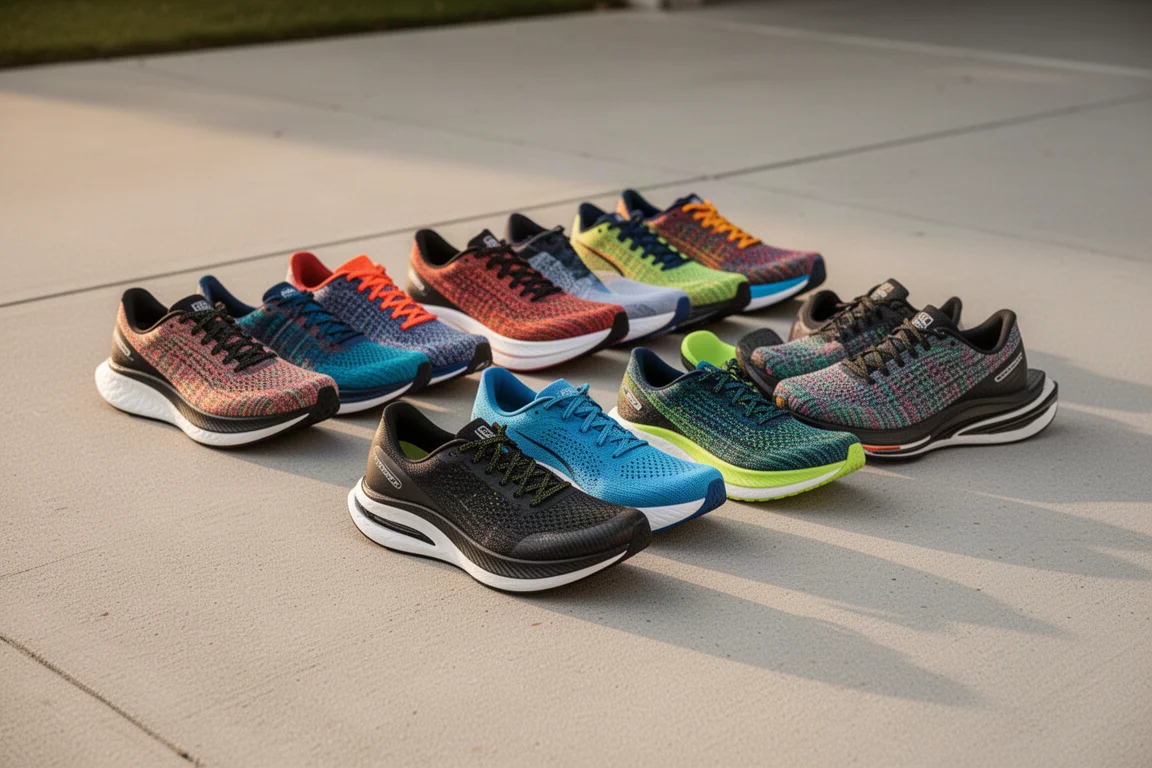
Marathon racing has entered a two-shoe era. ASICS, Nike, Saucony, Adidas and New Balance all now offer at least two carbon-plated marathon racers, and picking between them comes down to far more than brand loyalty. Foot strike, cadence, goal time and how much protection you want over 26.2 miles all matter.
This overview walks through ten of the most talked-about racers: the ASICS Metaspeed Edge Paris and Sky Paris, the Nike Vaporfly and Alphafly 3, the Hoka Cielo X1, the New Balance SC Elite v4, the Adidas Adios Pro 3, the Saucony Endorphin Pro 4 and Pro 3, and the Brooks Hyperion Elite. The focus throughout is on ride experience rather than spec sheets, because that is what actually decides whether a shoe works for you on race day.
Evaluation Criteria
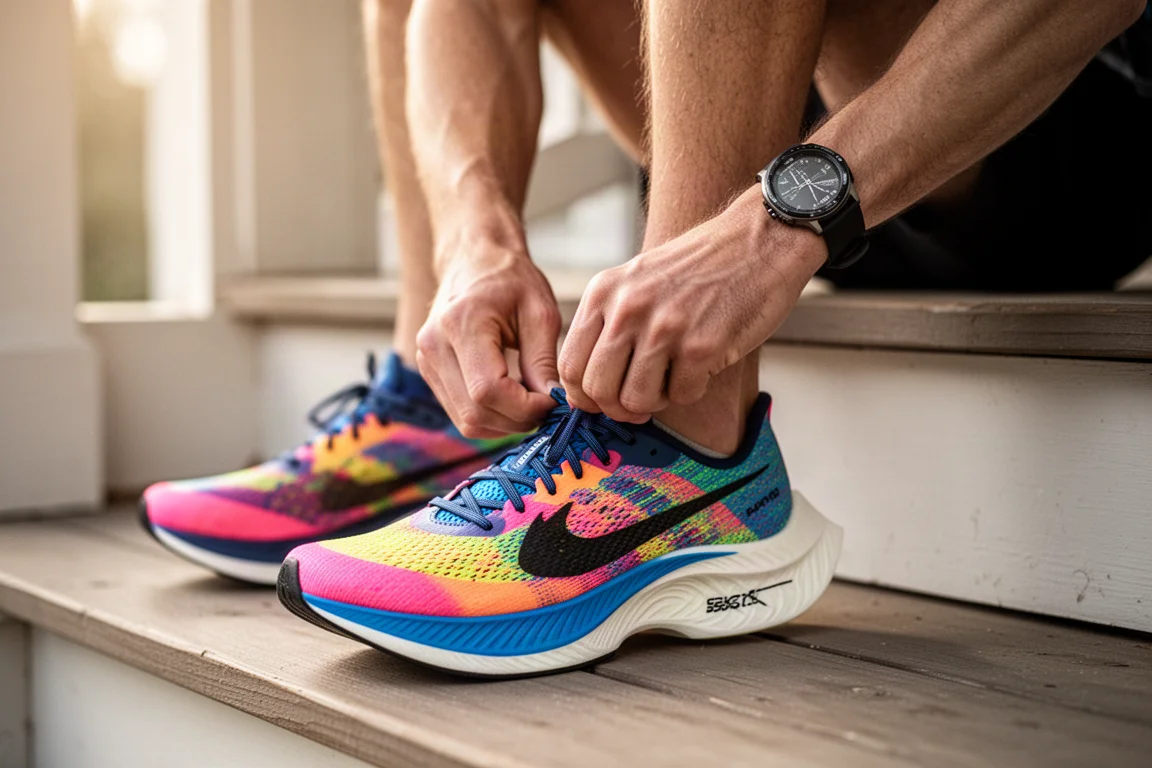
Racers should feel good out of the box, and that became the core test here: how fast and natural each shoe feels on the very first workout, how it behaves at marathon pace versus easy pace, and how much stability it offers when form starts to break down late in a race.
A few themes keep recurring across the category. Narrow heels make shoes lighter but less stable. Softer foams feel more forgiving but less responsive. Plate placement changes whether a shoe rewards a quick turnover or a longer, more powerful stride. Keep those trade-offs in mind as you read through the picks below.
ASICS Metaspeed Edge Paris
The Metaspeed Edge Paris is ASICS’s marathon racer aimed at higher-cadence runners, and in practice it lives up to the lightweight promise. It came in at roughly 194 to 197 grams per shoe in a US men’s 10.5, with near-identical pair weights, which is a good sign for quality control.
The defining detail is plate placement: more foam sits above the plate, and the plate sits close to the foot, scooping down at the front. That creates a strong rocker sensation and a firmer, more structured forefoot than the Sky. It felt like there was plenty of foam under the forefoot and midfoot, and the ride encourages a midfoot strike that quickly rolls up onto the toes. It is not a shoe for heel striking, and at easy warm-up pace it feels a little awkward and clunky before coming alive at faster efforts.
The trade-offs are the same as most featherweight racers: a very narrow heel, limited stability, and not much protection for runners expecting to be on their feet more than three to four hours in the marathon. One practical note: it fits a little short, so going up half a size from your usual trainer sizing is worth considering.
ASICS Metaspeed Sky Paris
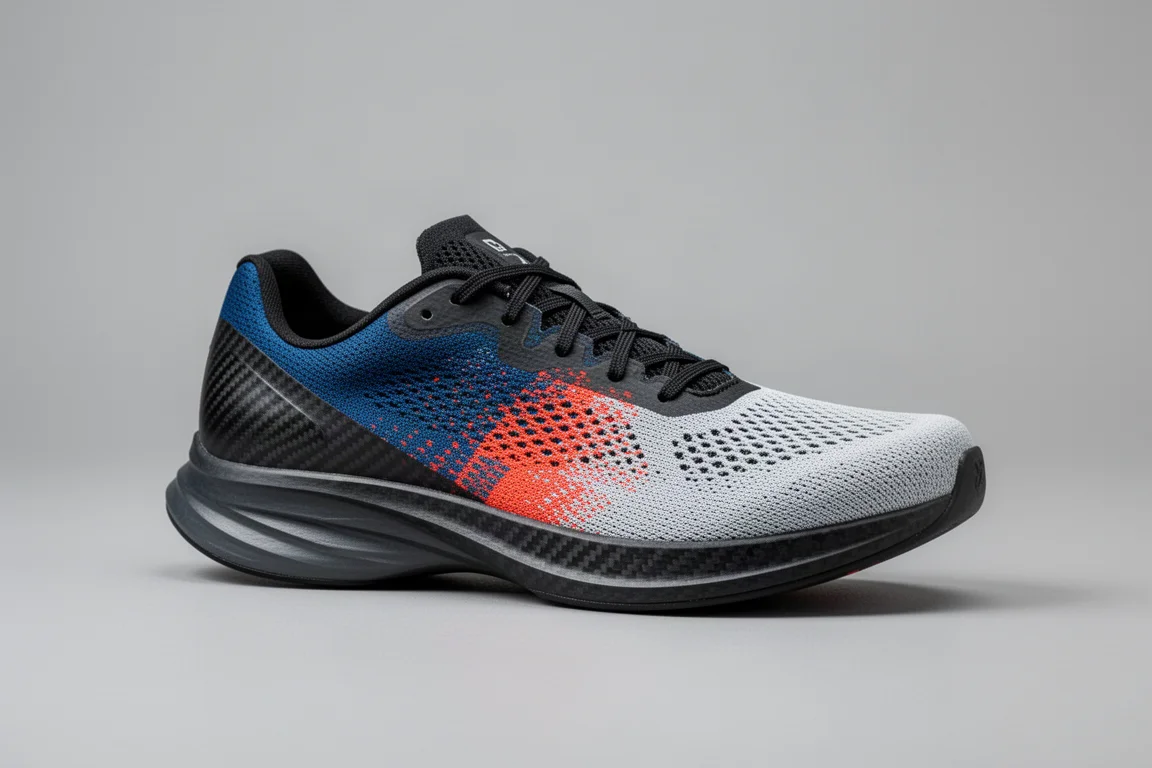
The Sky Paris shares the same lightweight formula, also dipping under 200 grams in a US men’s 10.5, but flips the plate geometry: more foam sits under the plate, giving it a slightly lower, more ground-connected feel with a softer step-in comfort. Out of the pair, it felt the most like the Nike Vaporfly, with that compressive foam under the forefoot that invites a quicker pace.
It uses the same FF Turbo foam family, which is not the softest or the firmest on the market but simply works: lightweight, bouncy and fast without feeling gimmicky. The upper is airy and disappears on the foot, though it also fits short, so half a size up is again the safer call.
Like the Edge, it has minimal rubber coverage at the heel, so durability is limited, and the narrow platform makes it best suited to faster runners targeting shorter marathon windows rather than long days on the feet.
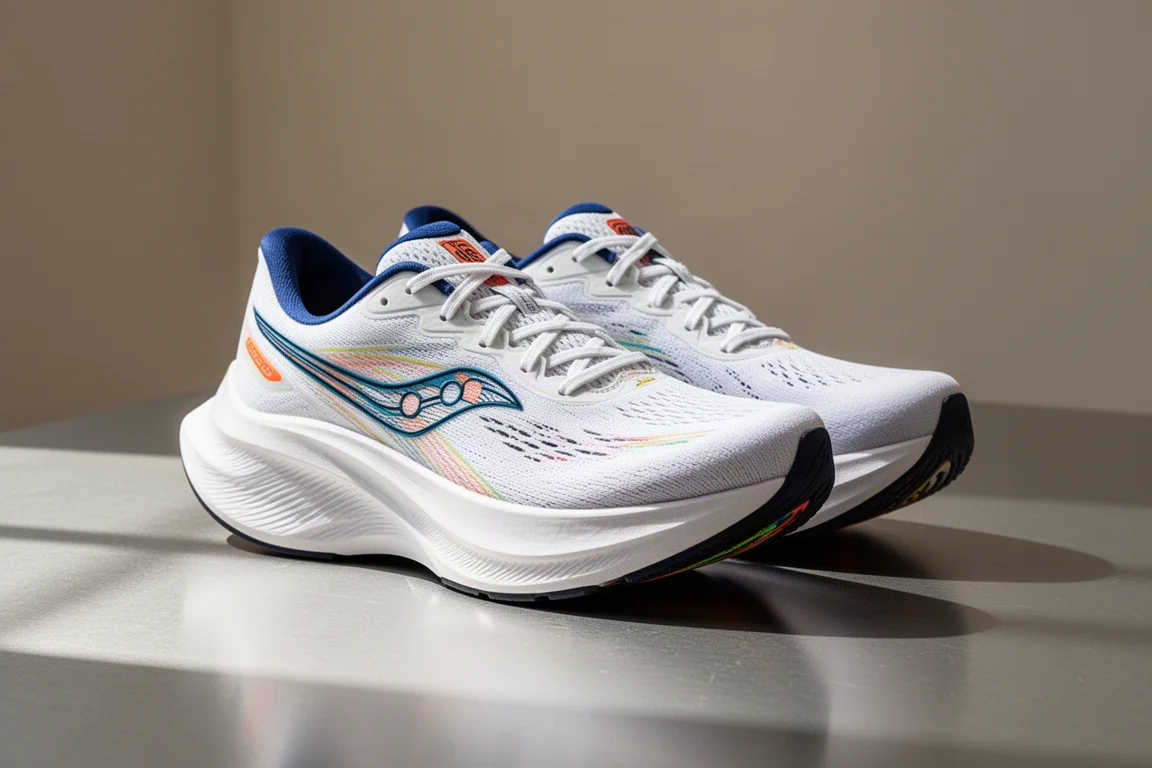
Nike Vaporfly
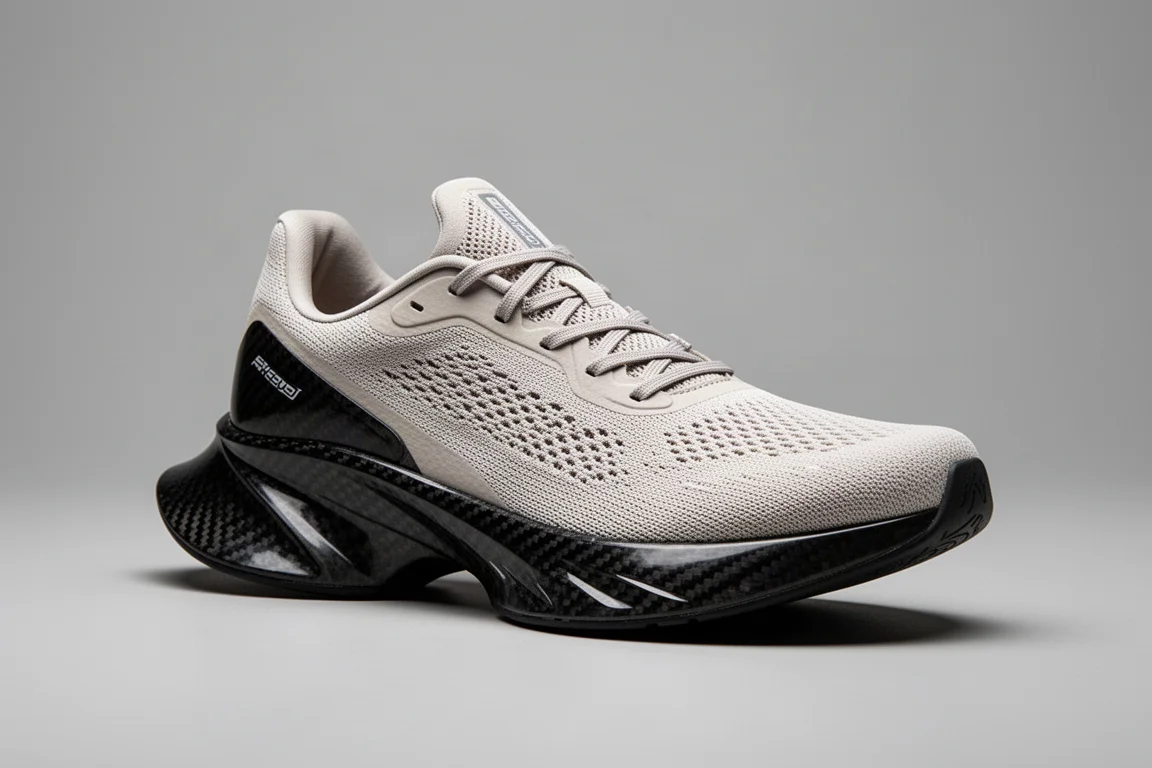
The Vaporfly remains the benchmark for a soft, compressive racing foam at a light weight, coming in around 207 grams in a US men’s 10.5. It was the fastest-feeling shoe out of the box in this entire comparison, with a floating, high-cadence ride that suits turnover-focused runners.
The downside is support. The Vaporfly is a compressive, demanding shoe that rewards good mechanics, and it does not offer much help if form deteriorates late in a race. For bigger runners or anyone wanting extra stability for a sub-three-hour attempt, the ASICS pair is a stronger match while still delivering a similar out-of-the-box speed.
Nike Alphafly 3
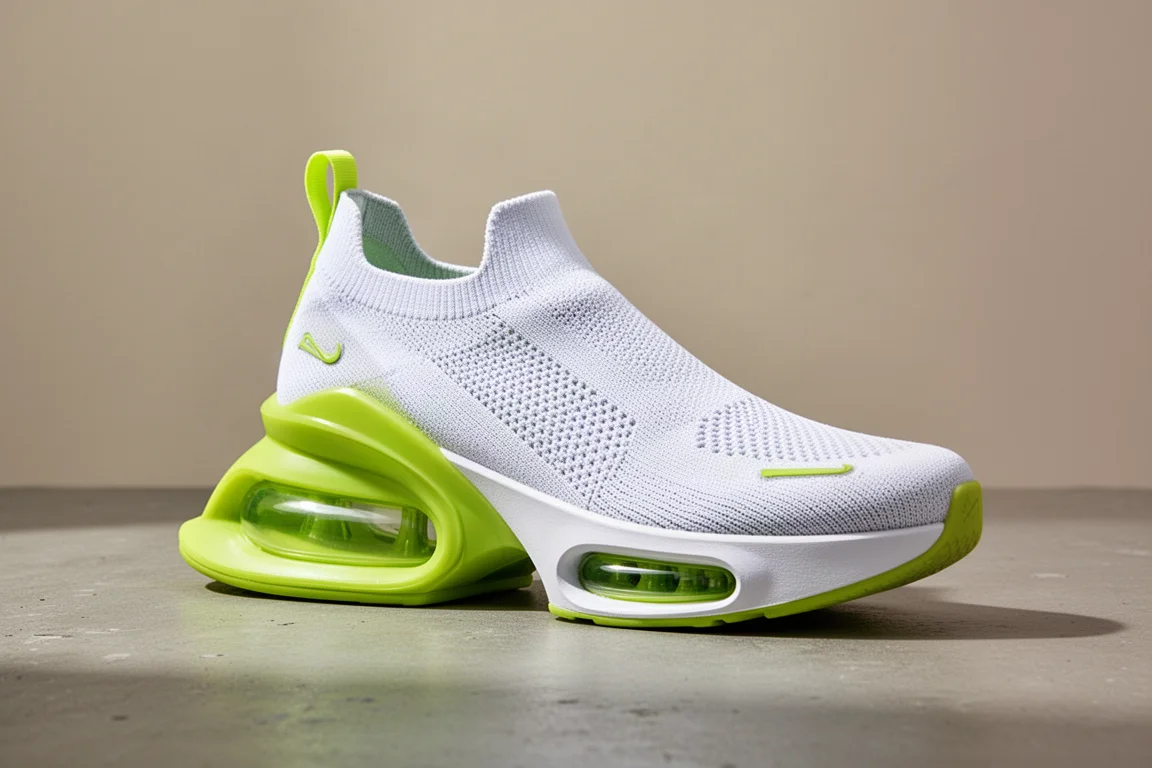
The Alphafly 3 is Nike’s more aggressive, power-focused racer. Air pods under the forefoot sit right in the sweet spot that rewards a midfoot-to-forefoot strike and a quick roll onto the toes, and the ride is noticeably firmer and more structured up front than the Vaporfly.
This is the shoe for runners who put more force into the ground: lower cadence, longer stride, more power through the forefoot. It is not a firm plank like some stability-oriented racers, but the pods add a distinct firmer edge that faster, stronger runners will appreciate. Its one-piece sock-like upper is also among the best in the category for hold and comfort.
Hoka Cielo X1
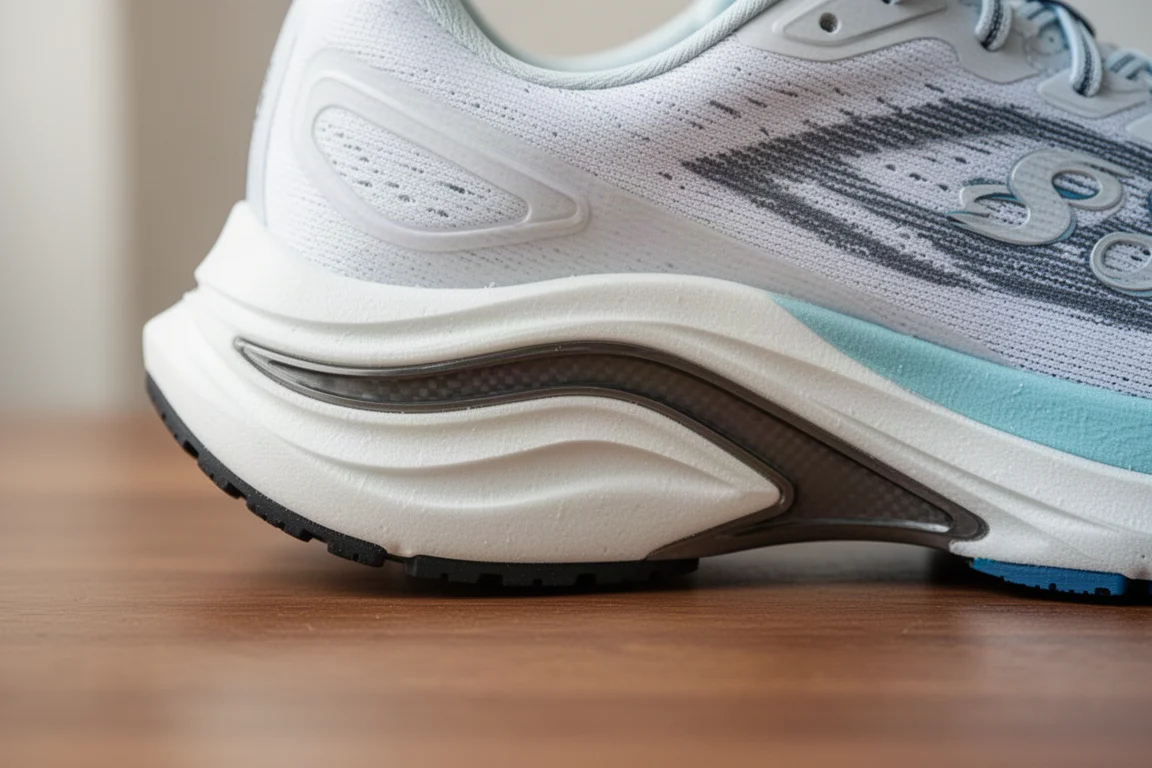
The Cielo X1 plays a different game. At roughly 250 to 260 grams in a US men’s 10.5, it carries the weight of a lightweight trainer but pairs it with the most aggressive underfoot geometry in this lineup and a generous dose of racing foam.
That extra foam makes it by far the most comfortable option underfoot for long efforts. It handled long runs at marathon pace and even everyday miles at easy pace without complaint, which none of the featherweight racers here can claim. The upper and heel landing are less refined, so general comfort is not perfect, but if you expect to spend three and a half to four hours on your feet and still want an aggressive, midfoot-to-forefoot-rewarding ride, this is the sensible pick.
New Balance SC Elite v4
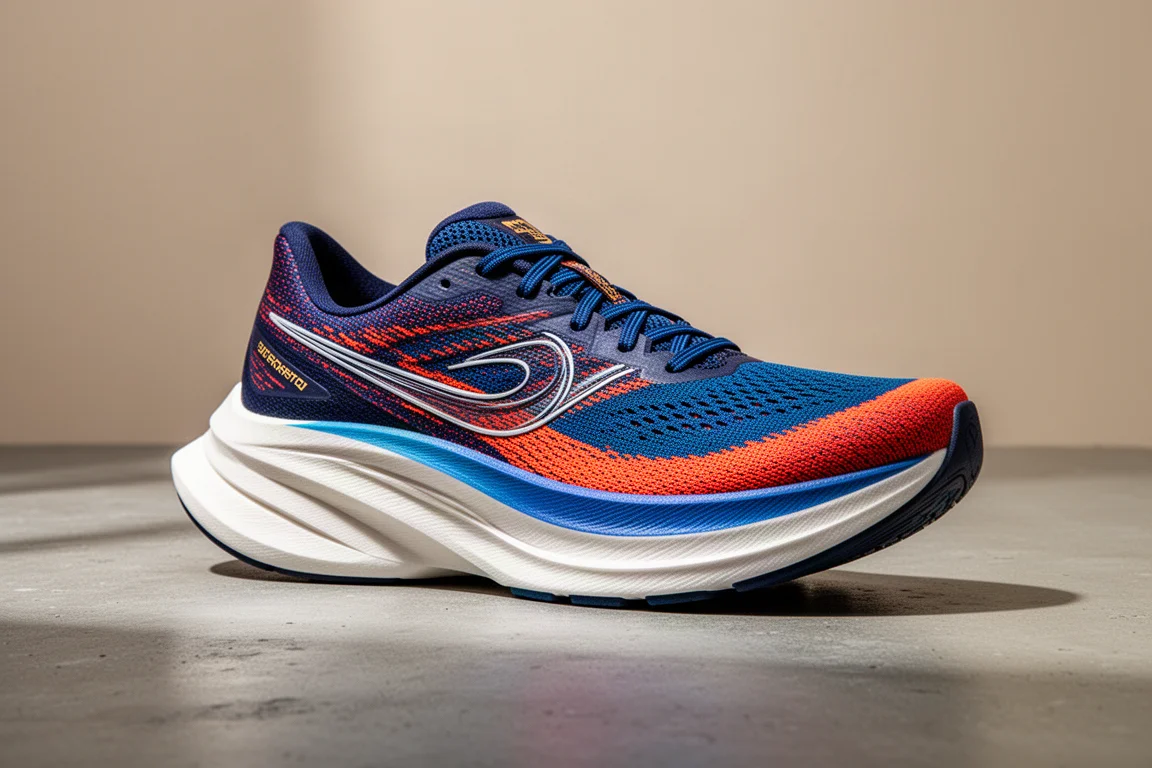
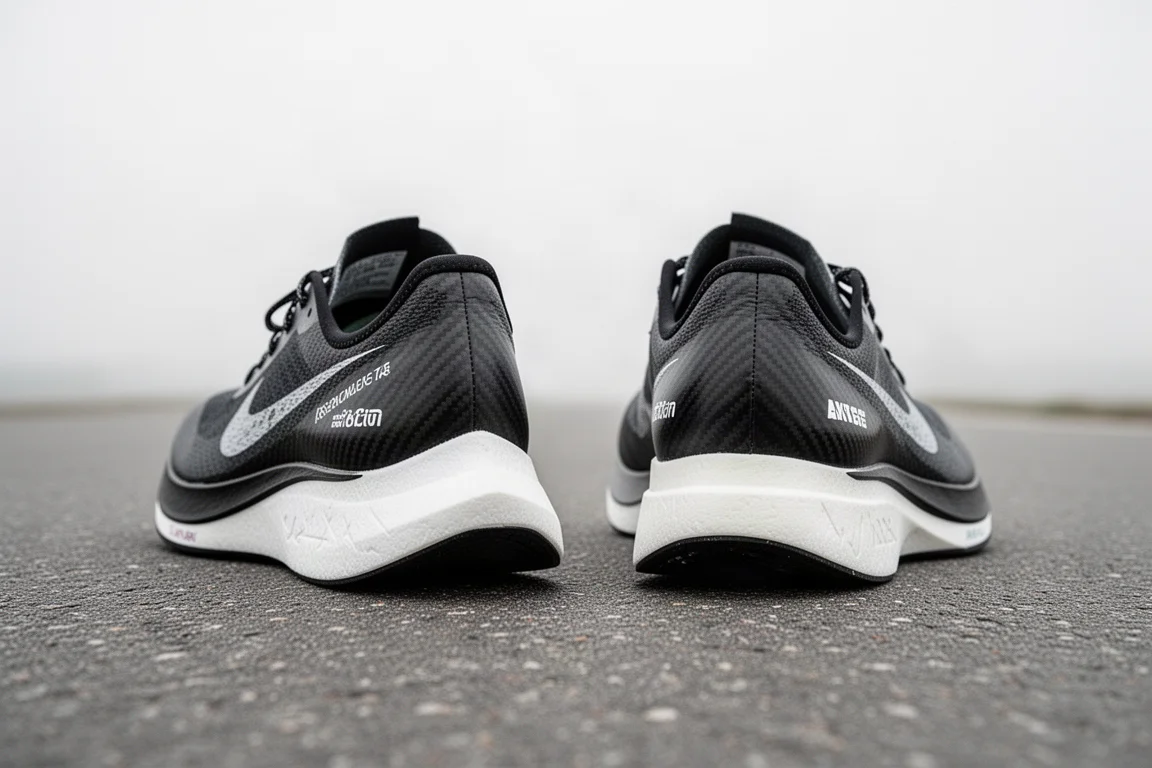
The SC Elite v4 is arguably the safest marathon racer in the group. It has a visibly wider base, close to a full inch wider at the heel than the Metaspeed pair, plus more foam hanging off the back, which translates into real stability when fatigue sets in.
It runs a revamped FuelCell foam over a carbon plate with a 4mm drop, so there is plenty of cushion under the forefoot. It has a dual character: pleasant at everyday training paces, but it truly comes alive only when you push near the top end and compress the foam. That makes it a great fit for bigger runners who need stability, or for genuinely fast runners who can load it for the full marathon. It threads the needle between a recreational-friendly racer and an elite tool better than almost anything else here.
Adidas Adios Pro 3
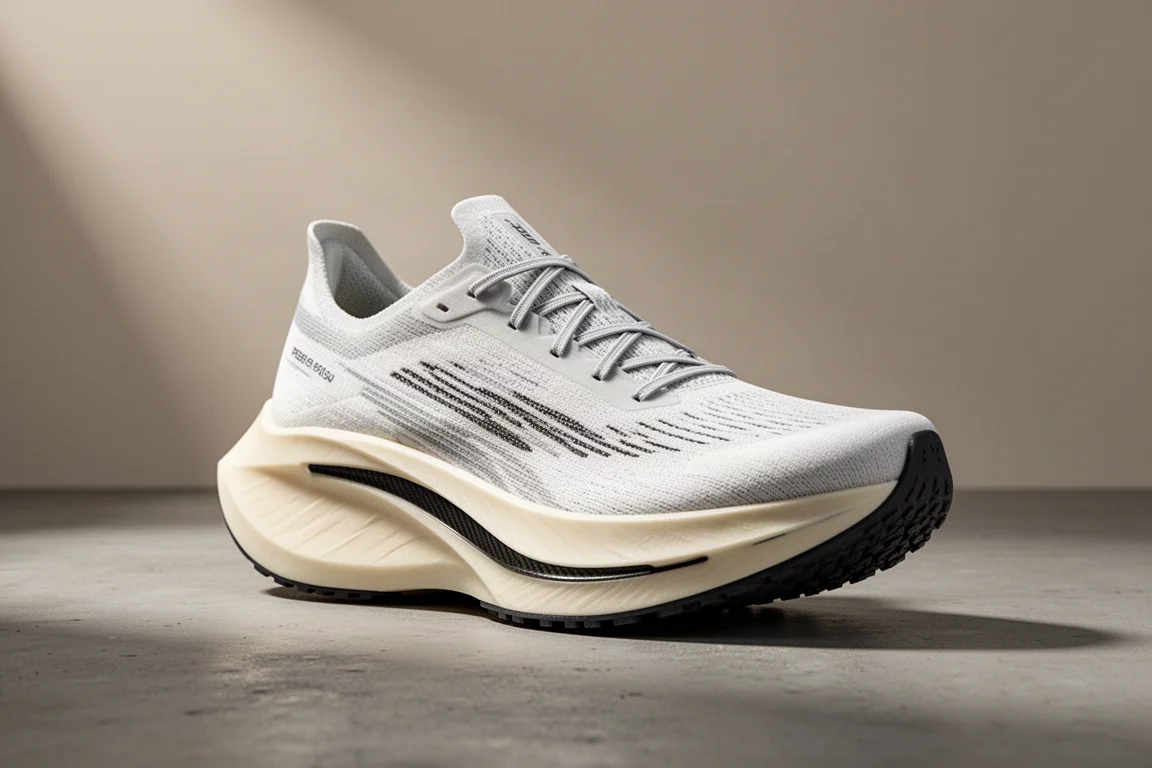
The Adios Pro 3 is one of the winningest marathon racers of all time, and it earns that reputation with balance. Continental rubber gives it some of the best grip in the category, especially in wet weather, and the Lightstrike Pro foam is the densest-feeling here: not harsh, just substantial, with a bounce that opens up as the shoe breaks in.
It offers noticeably more support and protection than either Metaspeed shoe, with an aggressive forefoot geometry and a midfoot-to-forefoot sweet spot. Like the SC Elite v4, it works for recreational runners and elites alike, and plenty of three-hour-plus marathoners swear by it for exactly that reason.
Saucony Endorphin Pro 4
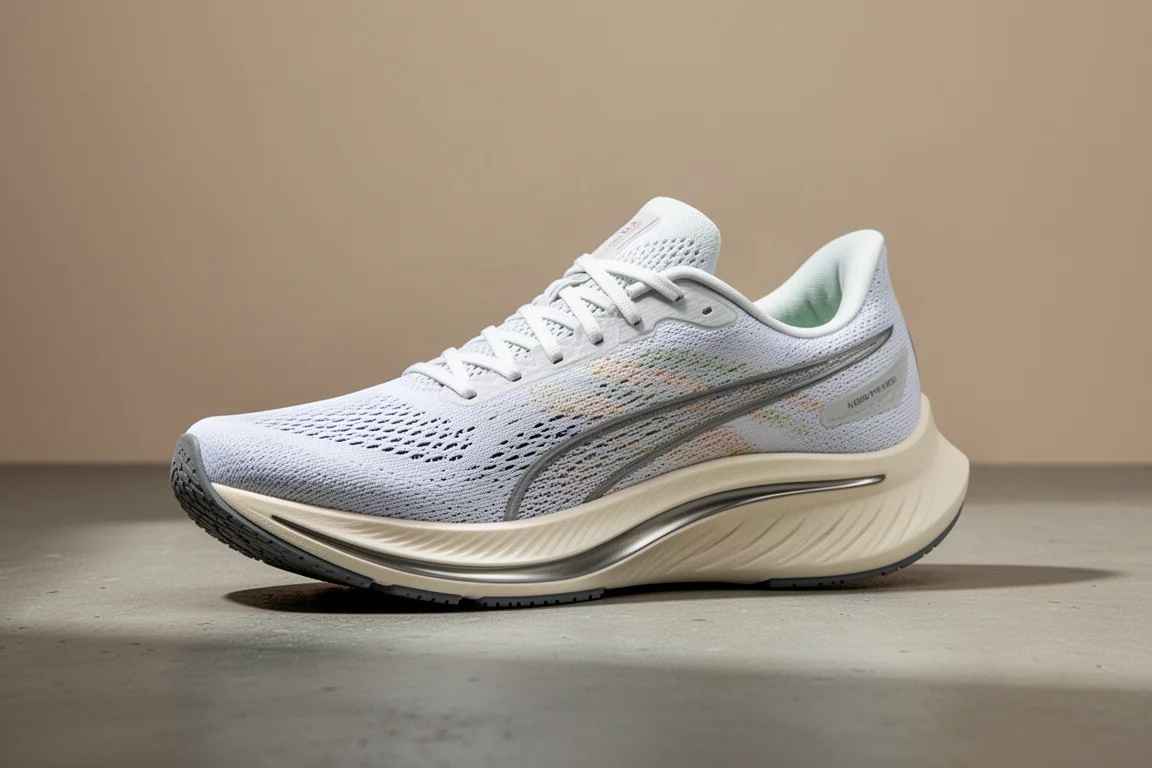
The Endorphin Pro 4 stands out first for its upper, arguably the best in this entire lineup: a one-piece, sock-like construction with a touch of tongue stretch that disappears on the foot. Underneath, the PWRRUN PB foam paired with the carbon plate hits a near-perfect balance of softness and snap, with particular comfort under the forefoot.
It came in around 240 grams, so it is not the lightest, but it blends speed, support and comfort better than any racer here for most runners. It held up brilliantly deep into a wet 26.2-mile training effort, still popping at a six-minute-per-mile pace on mile 26, and it doubles as one of the most livable plated shoes for everyday training paces. The narrow heel is the main compromise; it is not unstable, just slim.
Saucony Endorphin Pro 3
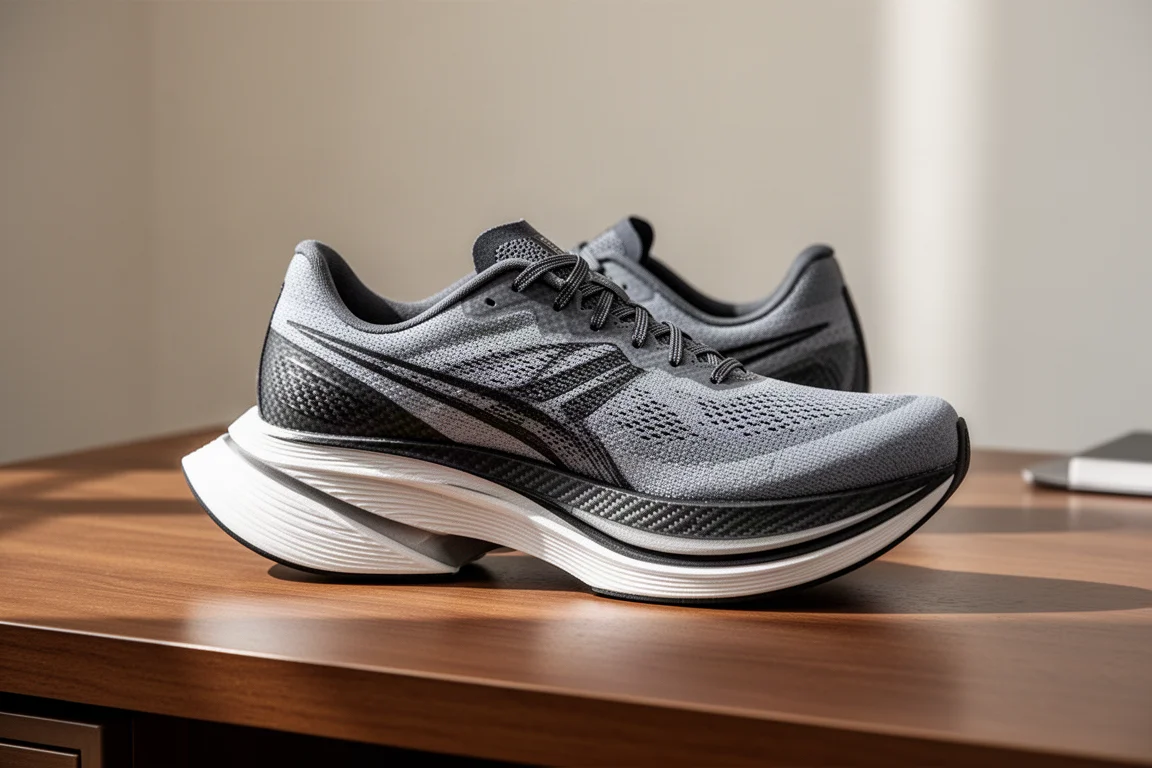
The Pro 3 is still on sale alongside the Pro 4 at the same $200 to $225 price band, which makes the choice between them genuinely interesting. The Pro 3 uses 100% PWRRUN PB and has a stronger, more aggressive rocker with a firmer edge, delivering that snap-forward sensation at speed.
If you raced well in the Pro 3, a fresh pair is a perfectly good call. If you want a bit more comfort for your next race, step up to the Pro 4. If you want something faster than the Pro 3 but do not want to jump straight to a Vaporfly, the Metaspeed Edge makes a natural upgrade from this shoe.
View more details for Saucony Endorphin Pro 3
Brooks Hyperion Elite
The Hyperion Elite sits on the firmer, lower-stack end of the field. Its forefoot is not the tallest here, but the foam activated impressively at fast paces, coming alive during interval work in the 530s to 540s per mile range. A collegiate track tester who normally works out in spikes found it protected his legs better than spikes, though not as well as some fuller-stacked rivals.
That lack of deep protection makes it a questionable marathon choice for many runners, but it looks like a genuinely strong half-marathon racer, where its firm, responsive character can shine without the distance tax.
Overall Buying Advice
If you want the absolute fastest feel out of the box and have the form to handle it, the Vaporfly, Metaspeed Sky Paris and Metaspeed Edge Paris are the standouts, with the ASICS pair adding a touch more structure in the forefoot and a slightly safer feel for bigger runners chasing sub-three or faster.
If you need stability, look at the New Balance SC Elite v4, the Adidas Adios Pro 3 or the Saucony Endorphin Pro 4. If you expect to be on your feet for three and a half to four hours, the Hoka Cielo X1 offers the most underfoot comfort while keeping an aggressive geometry. And for the half marathon distance, the Brooks Hyperion Elite is a compelling firm, fast option.
Fit is a real variable too: the Metaspeed pair runs short, so budget for half a size up from your usual trainer.
Conclusion
There is no single best marathon racing shoe, only the best match for your stride, goal time and tolerance for instability. Featherweight racers like the Metaspeed Edge and Sky Paris reward fast, efficient mechanics; stable, cushioned options like the SC Elite v4 and Adios Pro 3 protect you when the race gets long; and all-rounders like the Endorphin Pro 4 split the difference better than anything else. Match the shoe to the race you are actually running, and any of these can carry you to a strong result.
Further reading
Related Reviews

Running Shoes
Best Road-to-Trail Running Shoes: Three Versatile Options for Mixed Terrain
A practical guide to three road-to-trail running shoes that handle both pavement and mild trails, with clear strengths and trade-offs for different runner types.

Running Shoes
Best Running Shoes for Achilles Tendonitis: Three Options Explained
Three running shoes with different heel drops and support features designed to help reduce Achilles tendon pain during walking and running.

Running Shoes
Best Running Shoes for Women: Five Top Choices Ranked
A ranked guide to five women's running shoes, from versatile daily trainers to high-performance racing options, with real strengths and trade-offs for each.