Running Shoes
Best Marathon Race Shoes by Pace: Matching Supershoes to Your Race Time
Six carbon-plated race shoes compared through the lens that actually matters: your mechanics, body weight, and how long you will be on your feet.
Introduction
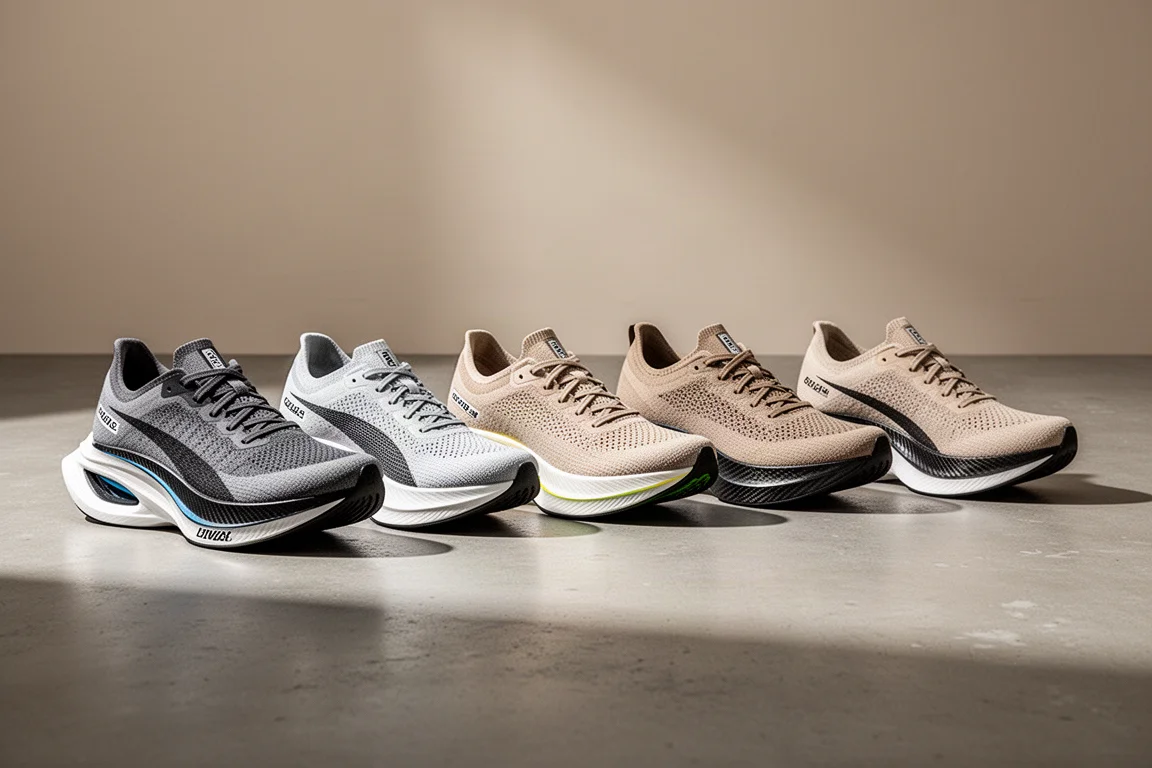
There is no single best marathon shoe. The same shoe that feels rocket-like for a 2:30 marathoner can feel unstable and harsh for someone finishing in four hours. The key is that pace itself is a shortcut: it tells you how long you will be on your feet, how much power you will push into the foam, and how your form will hold up late in the race. This guide walks through the factors behind that logic, then matches six race shoes to the runner profiles they suit best.
Why Pace Matters More Than Marketing
Marathon supershoes are the rare enthusiast product where the top-tier gear worn by world-class athletes is accessible to anyone. A price tag of $250 to $300 is certainly expensive, but it is modest compared to the entry cost of top gear in sports like cycling, golf, or motorcycle racing. That accessibility creates a trap: the fastest shoe on the elite start line is not automatically the fastest shoe for you.
An elite marathoner spends about two hours on course. Most of us spend three to five. Over that span, form breaks down, foot strike drifts backward, and the support a shoe provides in hour one matters very differently from what it provides in hour four. Pace ties it all together: a 2:30 marathoner likely retains strong form throughout, while a 4:30 marathoner may need significantly more heel support and comfort than a race-day racer built around forefoot striking.

Factor 1: Mechanics and Foot Strike
The first factor is how you run. Do you land on your heel and roll through the stride, or do you run up on the balls of your feet? Neither is wrong, but they demand very different shoe platforms.
Endurance running at marathon distances generally favors a gentle heel landing that rolls forward and finishes with a push off the forefoot. Shoes built for that pattern typically carry more foam behind the heel. A shoe like the New Balance SC Elite v4 has nearly an inch of foam extending past the heel, which makes it far more forgiving for heel strikers. By contrast, the Nike Alphafly Next% 3 places its Zoom Air units under the forefoot, and the midsole foam stops short of the back of the heel. Land on the very back of that shoe and it can feel like there is a braking force, with less support than a high-drop daily trainer provides.
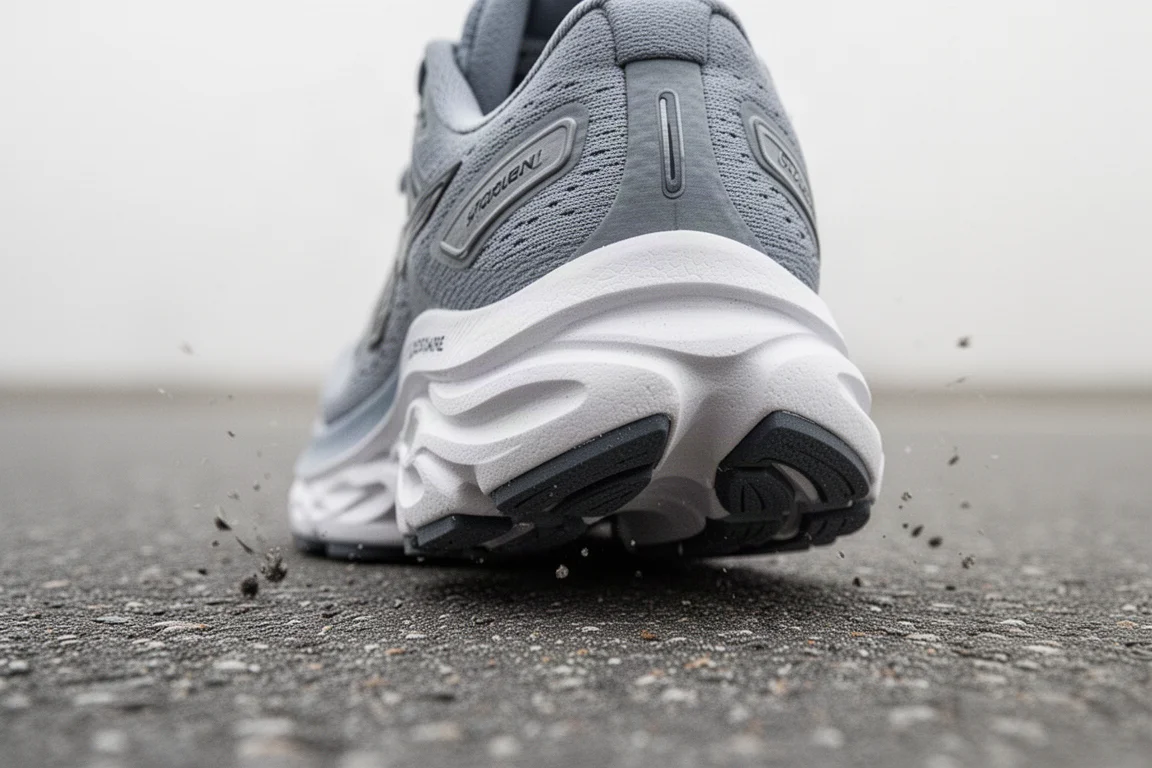
That does not mean a heel striker cannot wear an Alphafly. Nike moved the air units back from version two to version three specifically to make the shoe more accessible, and it can work. But the shoe rewards runners who can stay strong on the forefoot for the entire race, which is mostly the territory of faster runners. If you are running 2:30 or faster, you can likely hold that mechanics profile for all 26.2 miles. If you are running three to four hours, comfort in the heel is usually the better bet.
Factor 2: Body Weight and Foam Compression
Body weight changes how you compress a midsole foam, and that changes how the shoe feels and performs. Many race-day foams are engineered around athletes who weigh 110 to 140 pounds. A runner at 160, 180, or 220 pounds compresses that foam differently and may find it too soft or squishy, without the support needed late in a race.
Nothing here is about unhealthy body weight. It is pure relativity: a shoe designed for a 110-pound runner racing two hours may simply not be the right tool for a 180-pound runner racing three hours. The latter often does better with something a bit firmer and more supportive that returns energy appropriately for their size.
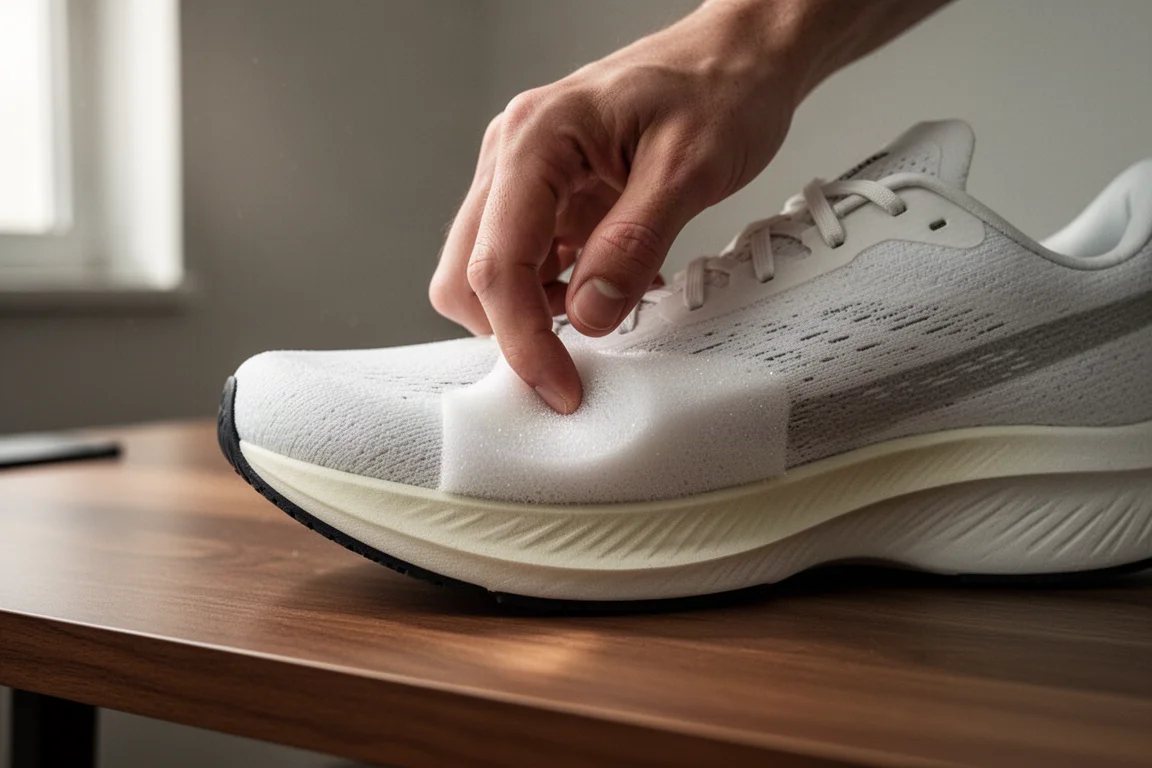
This is also where personal preference between foams comes in. ZoomX, for example, can feel a little soft for heavier foot strikes, while a firmer, wider platform like the Saucony Endorphin Pro 3 felt more supportive for a bigger runner over a full marathon than the narrower Nike Vaporfly 2, which works beautifully for lighter, faster runners with sharper mechanics.
Factor 3: Time on Feet
The last factor is the one pace most directly represents: how long the race will take. Research does show carbon-plated shoes can improve running economy even for non-elite runners, so they can still help. But in a three- to five-hour marathon, comfort in the later stages often matters more than marginal economy gains. Comfort in the final hour can be the difference between a personal best and blowing up into a walk.
A shoe that feels great for two hours, like the Alphafly, may not stay comfortable for four. Even a firmer, more forgiving shoe like the SC Elite v4 may not be ideal for a four-hour runner, because generating enough power to benefit from the carbon plate late in the race can be difficult as fatigue sets in. For those longer efforts, a shoe with a gentler geometry and less aggressive plate feel tends to make more sense.
The Shoes, Matched to the Runner
New Balance SC Elite v4
The SC Elite v4 pairs a bouncy, responsive race-day foam with a gently sloping rocker and substantial foam behind the heel. That combination makes it one of the better-placed supershoes for heel strikers and mid-pack marathoners who need forgiveness without giving up all of the plate-driven pop. It is the pick for runners who find soft race foams too compressive but still want a genuine race-day shoe.
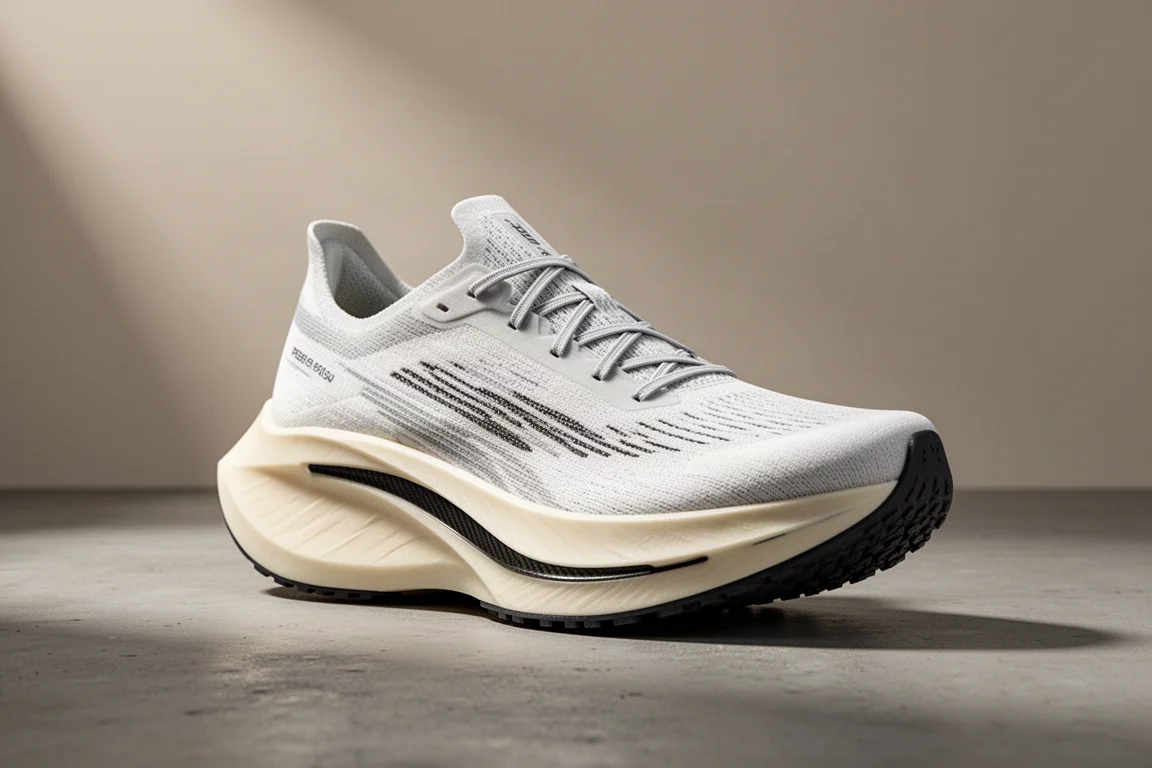
Nike Alphafly Next% 3
The Alphafly Next% 3 is built around Zoom Air units in the forefoot, sitting under the carbon plate to create a distinct pop with every landing on the front of the platform. Version three moved those units back to broaden the shoe’s appeal, and it can work for faster heel strikers over shorter efforts, such as a two-hour half marathon. But its geometry and limited rear foam make it a specialist tool: best for strong forefoot strikers racing fast, and a poor match for a four-hour marathoner or anyone who expects to walk portions of the race.
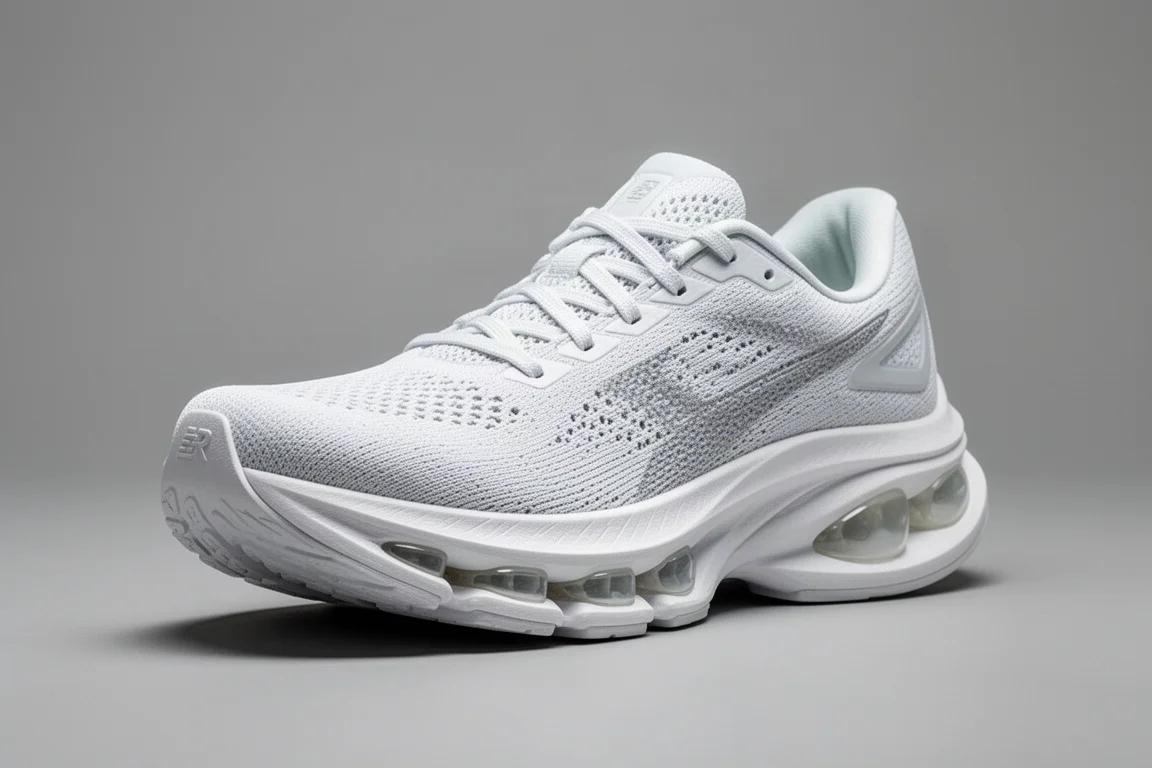
Puma Deviate Nitro 2
The Deviate Nitro 2 is the sleeper of the group: soft, bouncy, and noticeably forgiving. It feels like a refined take on what made the Saucony Endorphin Speed 3 so beloved, better in almost every respect, and less harsh on the legs than firmer plated trainers. Its less aggressive geometry and gentler plate feel make it a strong candidate for a four-hour marathon pace, where comfort late in the race matters more than maximum propulsion.
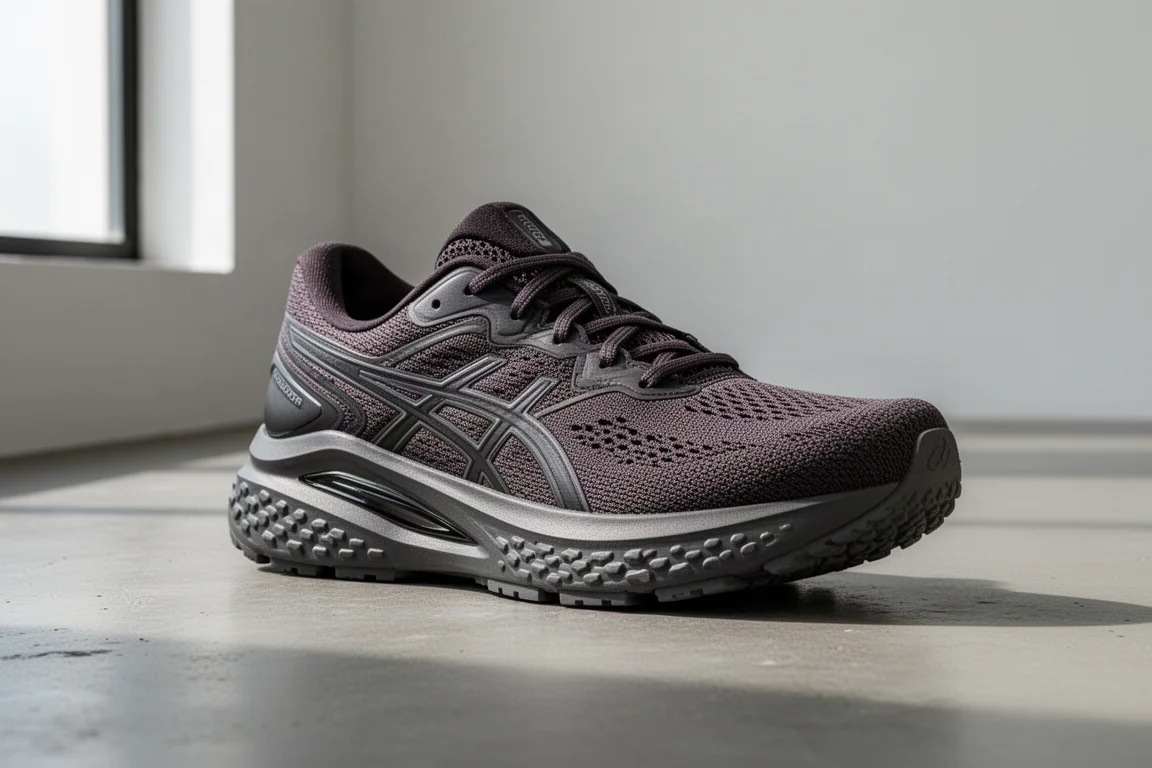
Saucony Endorphin Pro 3
The Endorphin Pro 3 offers a wider, more supportive base than the Vaporfly, which made it the preferred marathon choice for a bigger runner who found ZoomX too soft and the Vaporfly too narrow over a full race. For runners above roughly 150 pounds who want structure under them without losing race-day speed, it is a proven option.
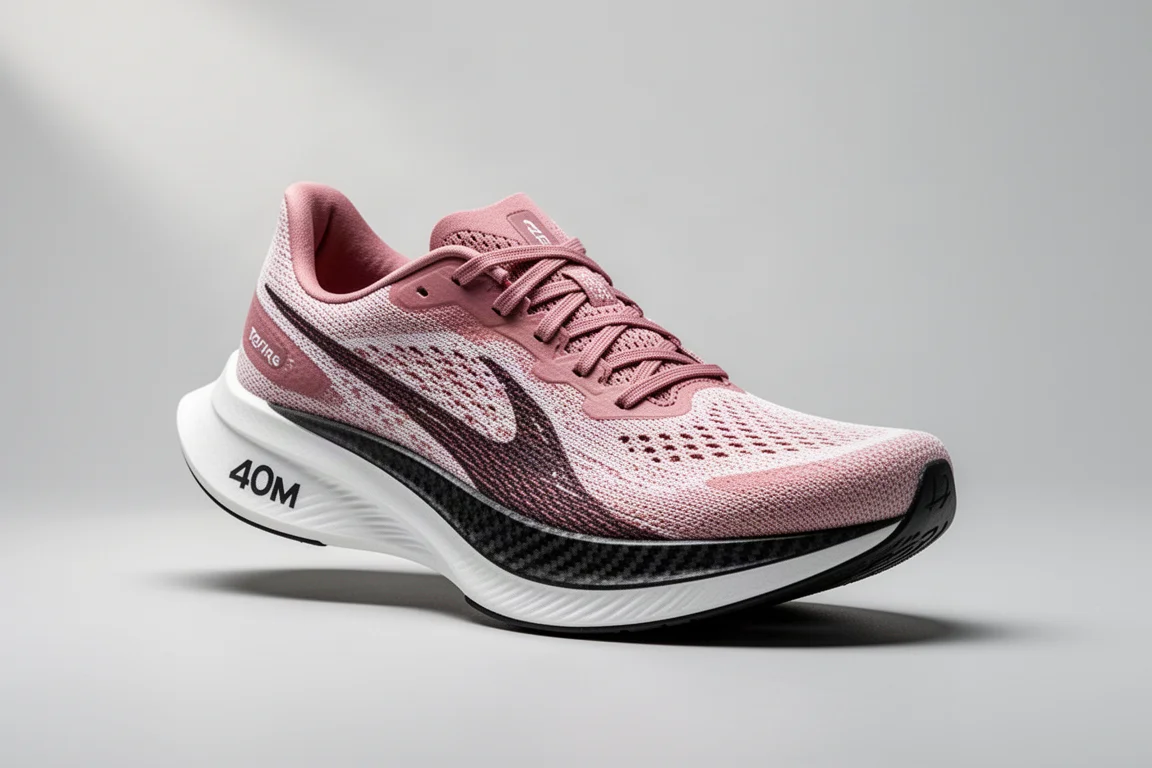
Nike Vaporfly 2
The Vaporfly 2 remains a benchmark for lighter, faster runners. Its narrower platform and ZoomX foam feel excellent when running fast over a half marathon and can be ideal for bigger runners who are not elites but are running sub-three marathons with strong mechanics. For everyone else, it demands the form and strength to stay on that narrow platform, which is exactly why it suits quicker race times best.
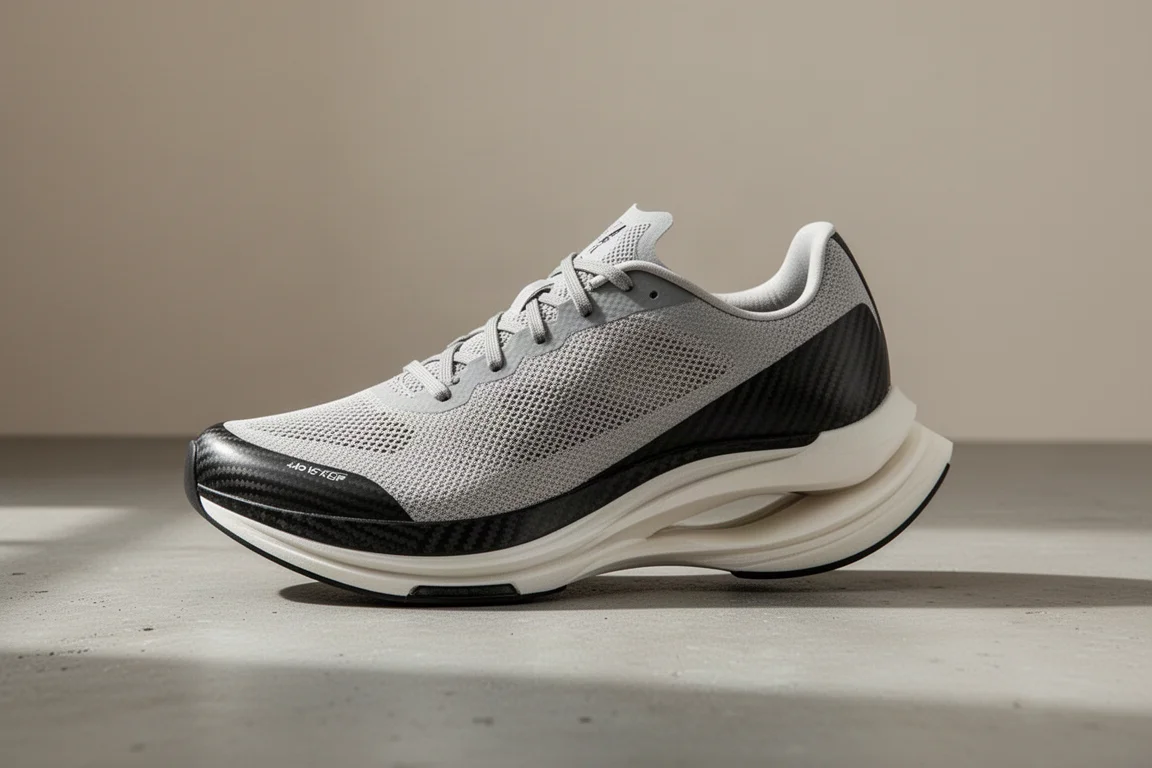
Tier Valkyrie Elite Carbon
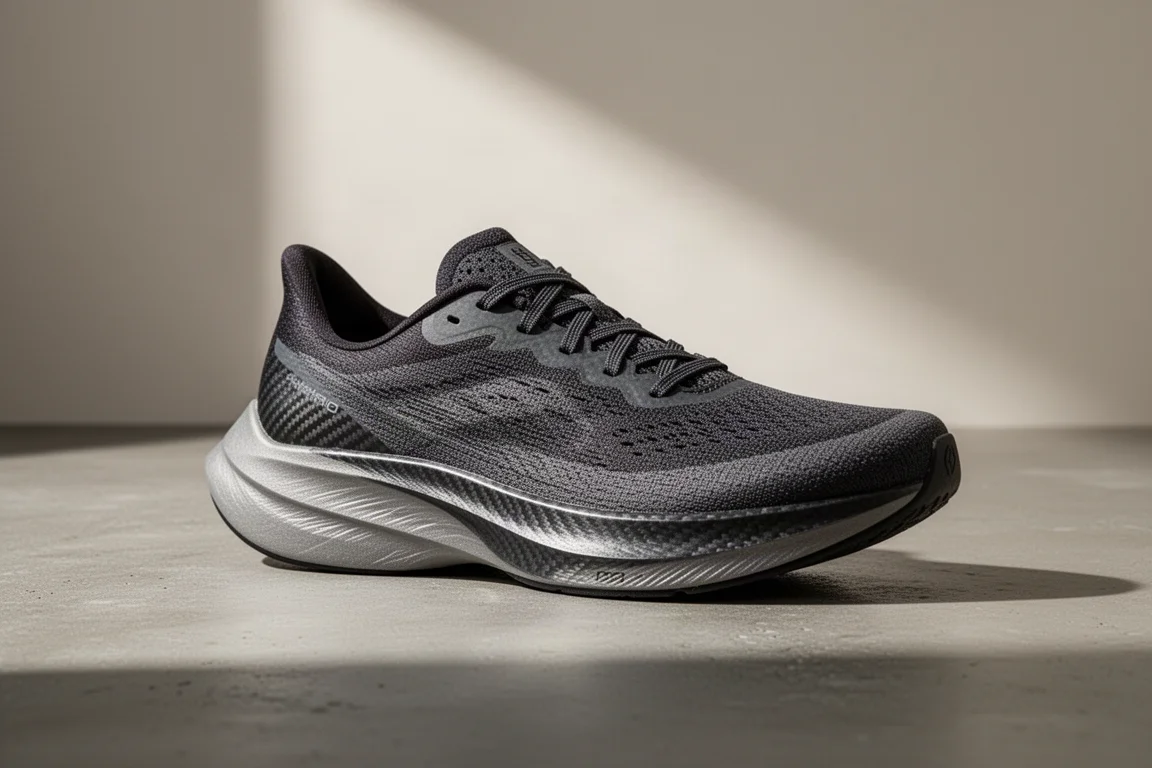
The Valkyrie Elite Carbon stands out for bigger runners who need more stability and support. Its geometry is much flatter, which delivers real comfort when heel striking, especially in the later stages of a marathon where aggressive rocker geometries start to punish less-than-perfect form. It is a lesser-known option next to the big-brand supershoes, but a genuinely compelling one for runners who find soft race-day foams too squishy.
Buying Advice: Equity Over Equality
The framework that ties this all together is the difference between equality and equity. Equality gives every runner the same shoe. Equity gives each runner the shoe that levels the playing field for their own race. A two-hour elite and a three-hour runner cover the same 26.2 miles, but they need different tools to perform at their best.
So before buying, be honest about three things: where you land on the shoe, how much you weigh relative to who the foam was designed for, and how many hours you will spend on course. If you are running a 4:30 marathon or an 8-minute pace for the full distance, the Alphafly is probably not your shoe. The same shoe might be excellent for you at an 8-minute pace in a 5K or half marathon if you are a forefoot striker. Faster runners racing under 2:30 can be far more aggressive in their choice, while longer-course runners should prioritize heel support, stability, and late-race comfort.
Conclusion
There is no best marathon shoe for everyone, only a best marathon shoe for you. Match the platform to your mechanics, your body weight, and your time on feet, and the pace conversation takes care of itself. Pick the shoe that will still feel good in the final hour of your race, and you will give yourself the best chance at the finish time you are training for.
Further reading
Related Reviews

Running Shoes
Best Road-to-Trail Running Shoes: Three Versatile Options for Mixed Terrain
A practical guide to three road-to-trail running shoes that handle both pavement and mild trails, with clear strengths and trade-offs for different runner types.

Running Shoes
Best Running Shoes for Achilles Tendonitis: Three Options Explained
Three running shoes with different heel drops and support features designed to help reduce Achilles tendon pain during walking and running.

Running Shoes
Best Running Shoes for Women: Five Top Choices Ranked
A ranked guide to five women's running shoes, from versatile daily trainers to high-performance racing options, with real strengths and trade-offs for each.