Running Shoes
Best Race Day Running Shoes of 2024: Our Top Marathon Picks
Twelve carbon-plated marathon shoes ranked, from the Hoka Cielo X1 to the Nike Alphafly 3, with real strengths, trade-offs, and prices.
Introduction
Race day is the most exciting category in running right now, and 2024 gave us a stacked field of carbon-plated marathon shoes. We put serious miles into this list, covering only shoes released in 2024, and swapped testers between pairs because nobody runs in all of them.
For context on where we run: our testers sit in the 2:45 to 3:30 marathon range, mostly midfoot strikers, with different weights and preferences. That mix is useful, because the best race day shoe is as much about feel underfoot as it is about pace. These are also the same shoes we lace up for 5Ks and 10Ks when it matters.
What We Look For in a Race Day Shoe
Three attributes drive every pick here. First, weight: every extra ounce lifted and put down gets expensive late in a marathon, so lighter is better. Second, the propulsive feeling from the plate and foam working together, that lever-like push off the toes when your legs are tired. Third, the foam itself, mostly PEBA-based with some blends, where soft landings that bounce back and strong energy return are what we chase. Price, fit, and traction factor in too, but those three decide the ranking.
9. Hoka Cielo X1
Ninth on our race day list, maybe first in our hearts. This became one of our favorite trainers, used for every long run in a training cycle with a bounce that feels like a trampoline. It is not what we would pick for a marathon or half, but it can clearly race: Hoka athlete Rachel Smith won the Gate River Run in it.
The upper fits nicely but runs a little warm and thick, and weight is where it loses points at around 11 oz for a size 10.5. The winged carbon fiber plate and Hoka’s signature rocker keep it surprisingly stable once moving, and the laces are a knock, though they are reportedly going away in the update. Legs feel fresh after long runs, which is why larger runners or anyone racing for comfort rather than pure time should look closely. Durability held up near 100 miles with the foam still bouncy. At $285 it is expensive, but if the budget allows, it delivers.
8. Mizuno Rebellion Pro 2
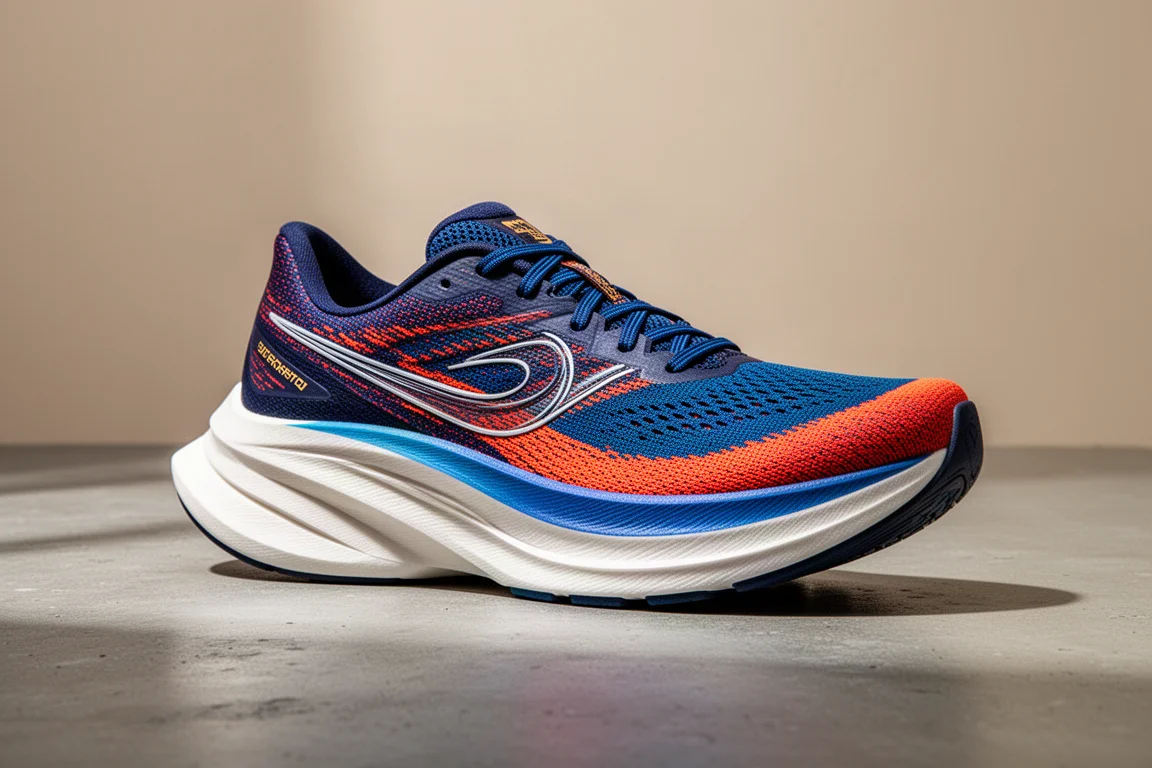
This one is visually unique with a very extreme rocker and a tall stack that measures over 40 mm outside USATF rules, but 38/36 mm with a 2 mm drop where it counts. Two different foams sit around a carbon fiber plate, and the sensation is unmistakable: heel striking is nearly impossible, the shoe leans you forward and pushes you off the midfoot.
The upper is a traditional minimal race-day design with almost no padding, and the shoe needs a little breaking in. Weight is good at about 7.6 oz in a men’s size 8, climbing toward the eights in larger sizes. The main caveat is landing: our heel-striking tester felt occasional braking mid-roll, and ankles did some extra work. Once pace and turnover rise, it rolls beautifully. Traction is excellent and corners are fine if taken carefully. At $250, Mizuno is clearly back in the race day conversation.
7. Puma Fast-R Nitro Elite 2
One of the few here without PEBA in the midsole, using an aliphatic ETPU foam instead, which makes it heavier than most rivals at 9.3 oz for a size 10.5. The big update over the previous version is that the new foam was incorporated into the heel, giving a softer landing with real pop.
The catch: it rewards you for running fast. At shorter, harder efforts the propulsive feeling is genuinely impressive, and the feeling under the toes was a highlight. The upper fit was surprisingly nice with underlay taping, and Puma’s signature grip is as good as ever. For a marathon, the weight matters most in the later stages when form breaks down, so this is not our first pick for 26.2, but for mile or 5K racing with midfoot or toe strikers it works. Available now for $260.
6. Diadora Gara Carbon
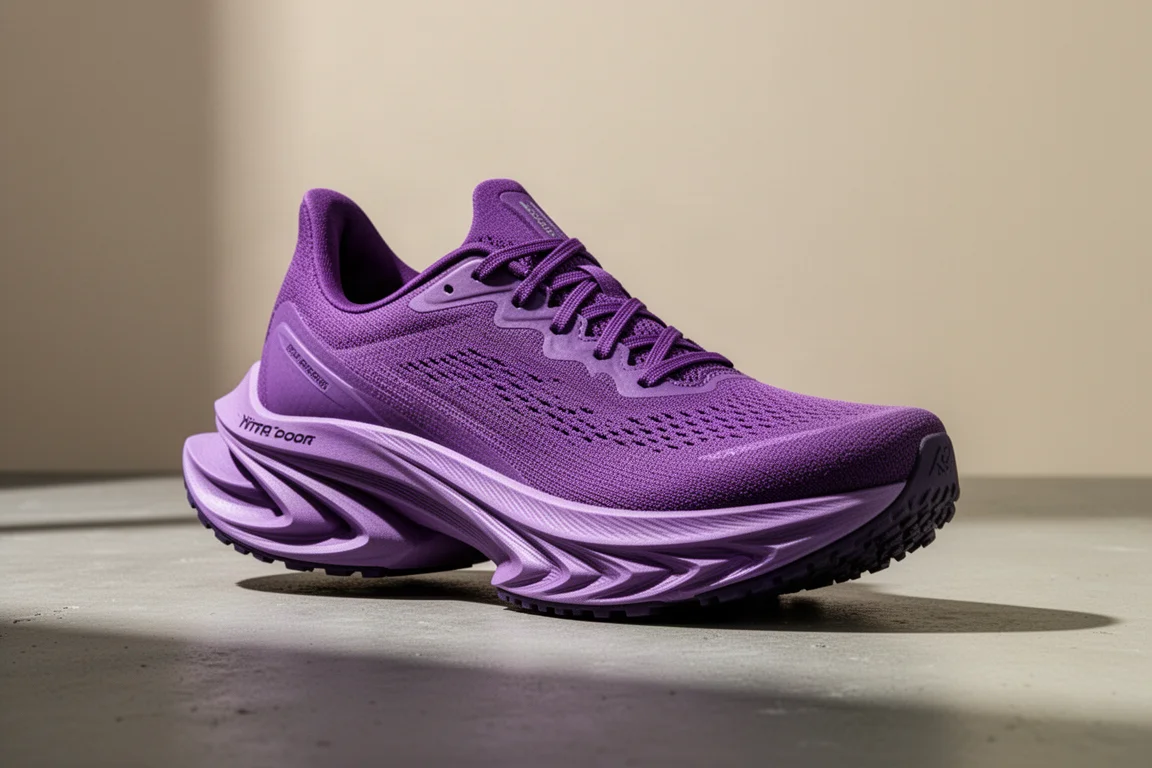
Diadora has always made very good-looking shoes; now they make ones that compete. The Gara Carbon has a PEBA-style midsole the brand calls PBX, a carbon fiber plate, and a Matrix upper, a proprietary material used in soccer cleats and trail shoes that is durable yet breathable and comfortable.
It is hard to distinguish from the next three shoes in feel, weight, and rebound: weight sits just under 9 oz for a size 10.5, the grip is good, and it runs well. It lands here mainly on price, at $300, likely the highest-priced race shoe around, a function of Diadora’s smaller production scale compared with Nike or Adidas. Our one drawback: the ride is a bit softer and less snappy than we prefer once you push the pace, though some riders will love that cruiser feel. Good things are clearly coming from this brand.
5. Saucony Endorphin Pro 4
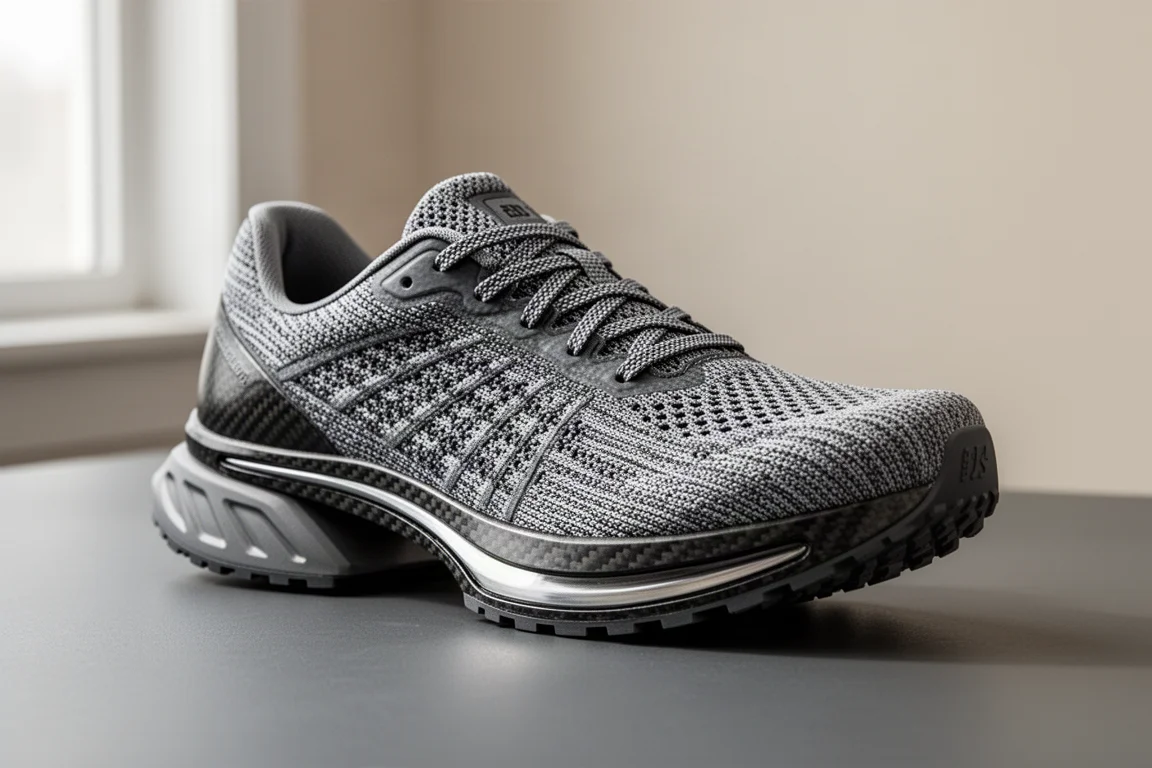
A cluster of shoes at positions four and five are separated by splitting hairs: similar weight, similar foam feel, and it comes down to brand preference. The Endorphin Pro 4 is superbly executed. Saucony added a layer of PWRRUN HG, the bouncy responsive foam from the Elite, over a PWRRUN PB PEBA base, plus a new sock liner that noticeably improves the step-in feel.
The upper got a cleaner, more aggressive look to match a more aggressive ride, with a little extra pop and a more noticeable plate. The 8 mm drop shoe weighs 8.5 oz in a size 10.5 with tacky rubber. It was our pick for both easy miles and fast ones after many long runs, and it never demanded that you ratchet up to race pace to feel the benefit. At $225 it is on the lower end of the super shoe market, making it a great entry point if you are on the fence.
4. New Balance SC Elite v4
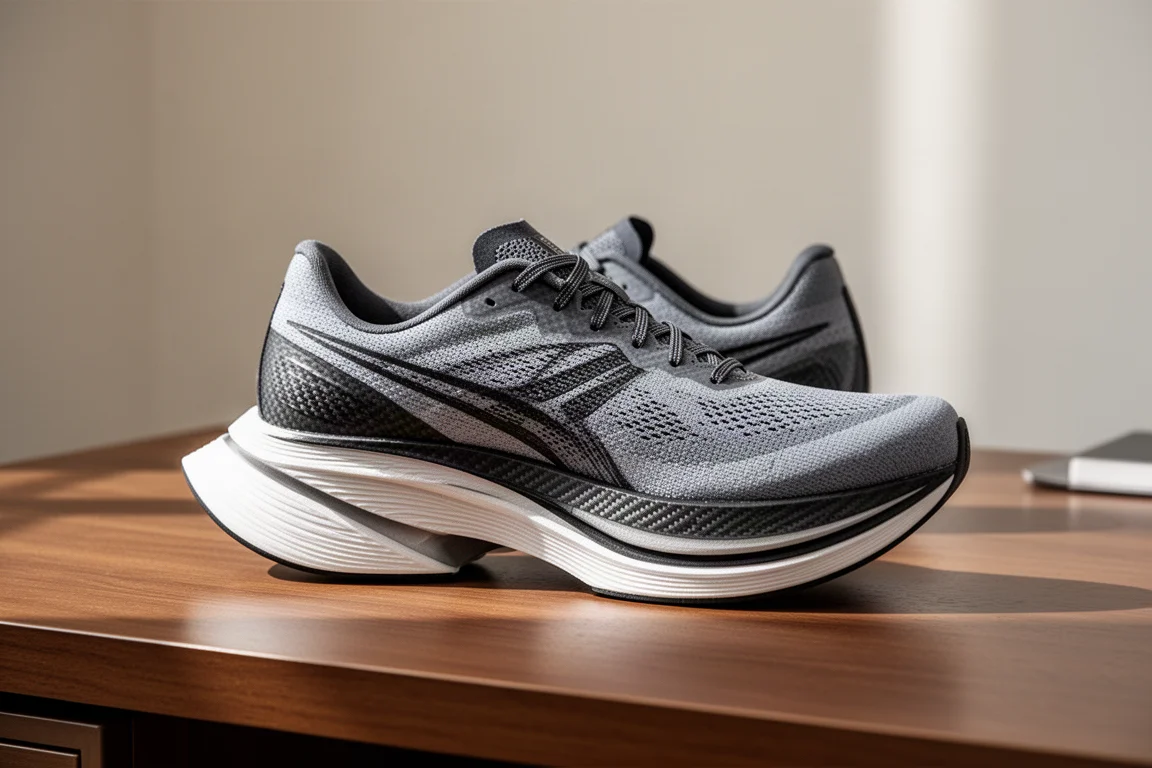
Very similar to the Endorphin Pro 4 in feel, with the big update being an entirely new PEBA midsole formula that changed the shoe for the better. The ride is sink-in and propulsive, and one of us ran a comfortable 3:30 London marathon in a prototype with the same foam.
The angular, almost Tesla-truck styling is polarizing but we like it, and the foam and plate work together really well. The upper suits wider feet better than many race shoes, with lateral and medial support for a snugger lock-down, though narrow-footed runners may struggle to cinch it over the arch. Weight runs a touch heavier at 9.3 oz for a size 10.5 and around 7 oz for a women’s 7.5, so it trades a little speed for comfort and stability, with a wider base that accommodates a lot of runners. Chris Chavez went sub-3 at the Houston Marathon choosing this shoe over every other option here. $250, available now.
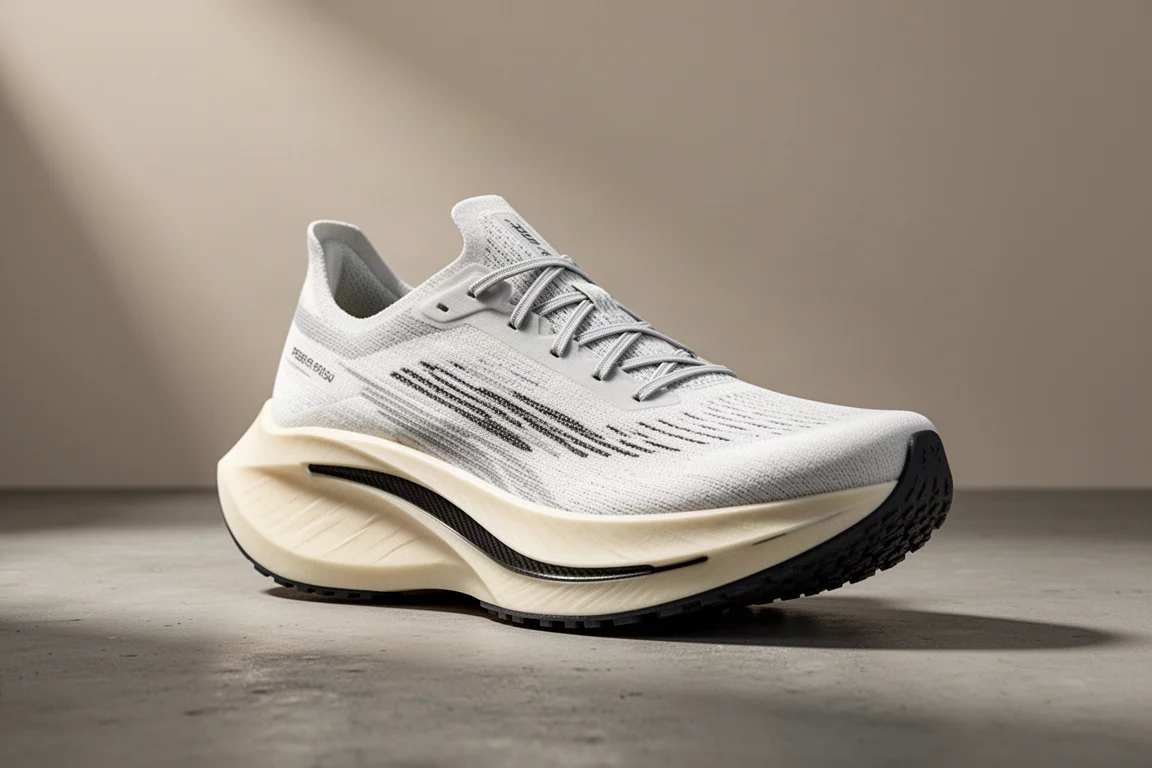
Asics MetaSpeed Sky Paris vs MetaSpeed Edge Paris
Two shoes, one shelf, and nearly identical looks thanks to matching colorways and clever color blocking that hints at plate position. The specs are shared: under 7 oz for a size 10 in both, a 39.5/34.5 mm stack with a 5 mm drop, carbon fiber plate, Asics Grip outsole, and Asics’ own PEBA blend, FF Turbo Plus. The Edge gets about 4 mm more foam under the forefoot, and the Sky has a red bottom versus the Edge’s black.
Asics MetaSpeed Edge Paris
The Edge is the comfort pick. Its plate sits lower with more foam over it under the ball of the foot, giving a squish-down-then-pop sensation similar to an Alphafly. The previous Edge felt too harsh for one tester, who preferred the Super Blast for a marathon build; the new foam fixes that and now competes with Vaporfly and Alphafly-level foams. For long distance, lock in a pace and hold it, this is the one. $250.
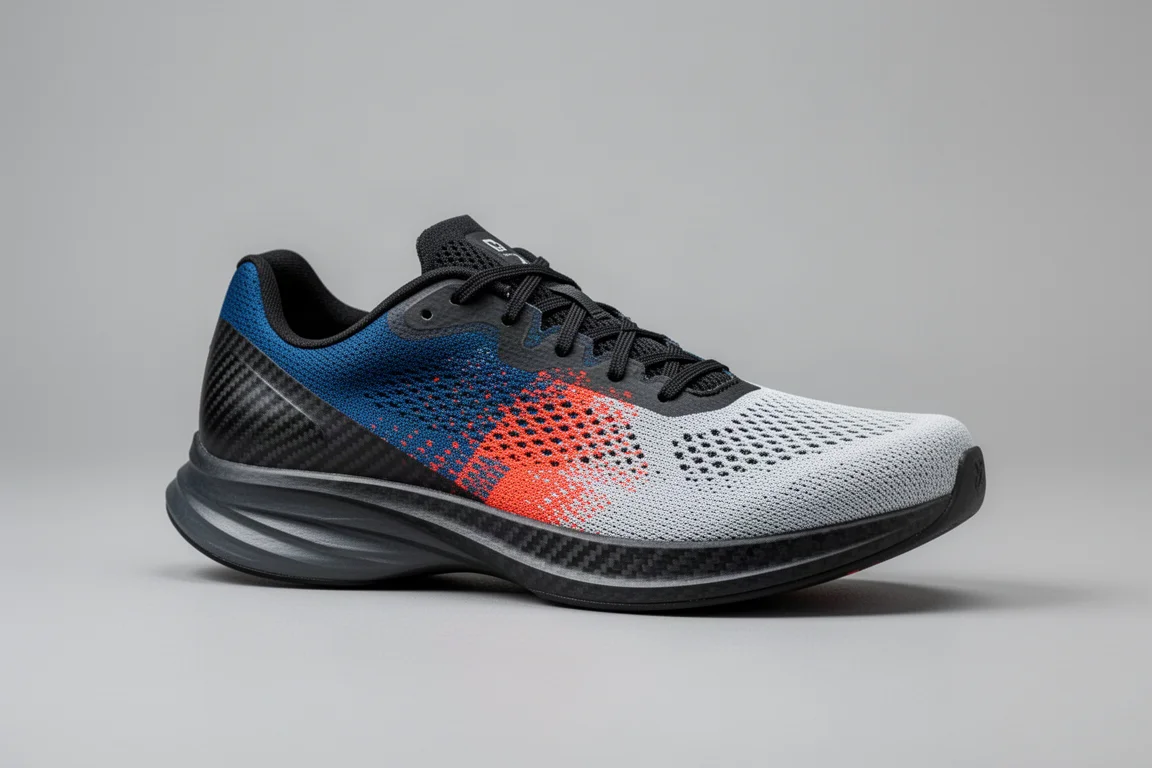
Asics MetaSpeed Sky Paris
The Sky is the aggressive pick, with the plate closer to the foot so you can leverage it for snap off the toe. It locked down better than the Edge for one tester, felt more stable, and was the favorite for 800-meter repeats and quick pace changes. That tester would still take the Sky over the Edge even at full marathon distance, at the risk of more leg thrashing. Asics athletes have been podium-heavy in these all year. $250, and you cannot really miss with either.
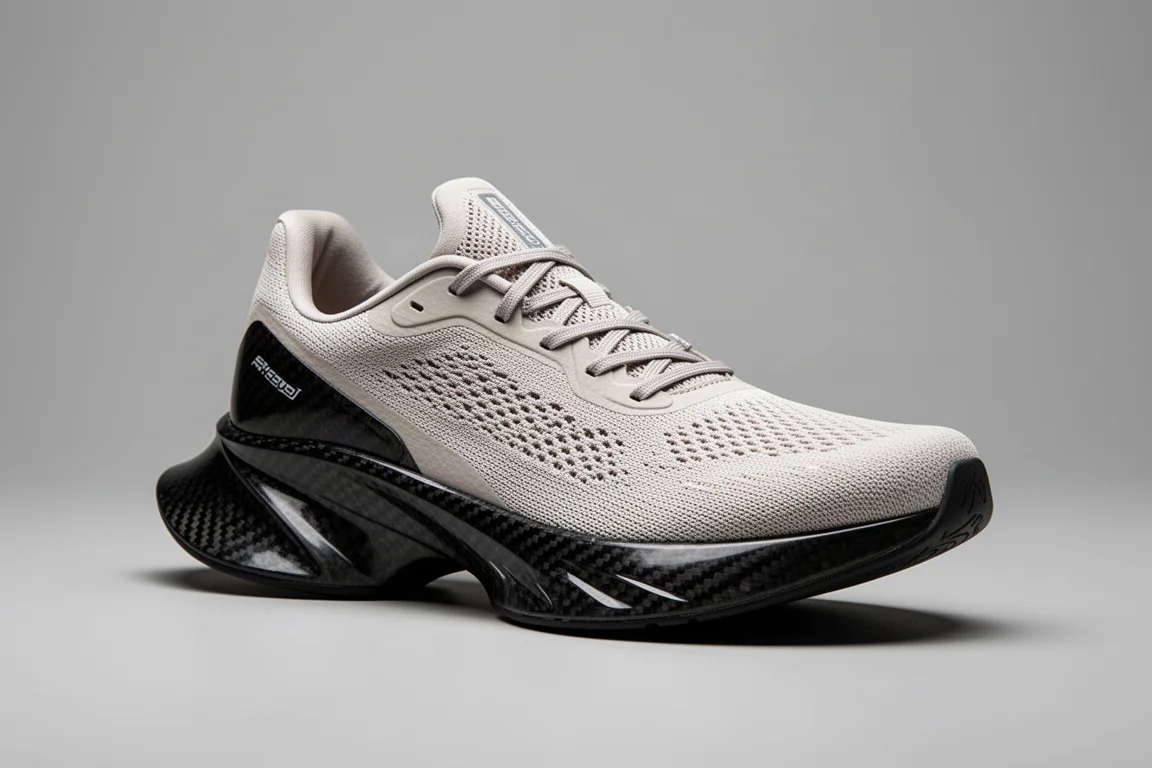
2. Adidas Adizero Adios Pro Evo 1
The lightest race shoe out there, at roughly 5 oz for a size 10.5, with an absurd amount of cushioning for that weight. A different Lightstrike Pro formulation is cut from sheets by hand rather than compression-molded, and rods under a liquid rubber outsole deliver serious grip, though one wet half marathon produced a couple of dicey moments.
Everything about the ride feels right: light, bouncy, and fun. The drawbacks are exactly what you would guess for a $500 shoe with reports suggesting roughly a single marathon of lifespan: price, hard-to-find availability, and durability. This one is for race-day specialists with a serious budget, and it is spectacular in that role.
View more details for Adidas Adizero Adios Pro Evo 1
1. Nike Alphafly 3
Could not be a more exciting addition, and it is our race day shoe of the year, even beating the original Alphafly. Nike essentially merged the best of the Alphafly and Vaporfly. The old decoupled front-and-rear layout is gone, replaced by a continuous midsole that flows heel to toe, so you keep the Alphafly bounce from the Air Pods while gaining a cohesive Vaporfly-like transition.
The knit upper is sock-like and comfortable on both narrow and wider feet, though it breathes almost too well, with cold toes on a 30-degree day. Weight is ridiculous: 5.8 oz for a women’s 7.5 and under 8 oz for a size 10.5, with a 40 mm stack and 8 mm drop. After 20 hard miles, feet, knees, and legs feel great, and it is the kind of shoe letting pros race more marathons at higher mileage. The Air Pods give tired legs that extra push at the end. At $285 it went up in price, but it is worth it.
On durability: pros chasing records will want a fresh pair, but mid-pack runners can squeeze serious mileage out of these, up to 400 miles on a pair of Alphafly 1s, then keep using retired pairs as trainers.
View more details for Nike Alphafly 3
Bonus Picks: Tier Valkyrie Elite Carbon and Salomon Spectre
The Tier Valkyrie Elite Carbon comes from a brand better known in swim gear, and with PEBA and plates now widely available, everyone can field a competitor. At about 8.4 oz it sits right alongside the Gara Carbon, Endorphin Pro 4, and SC Elite v4 in weight, and early feedback from our reviewers was positive. Its likely sweet spot is triathletes, given Tier’s existing audience, and it is worth a shot as testing continues.
View more details for Tier Valkyrie Elite Carbon
The Salomon Spectre is one of our favorite shoes of the year with a slightly different purpose. It is aimed at marathoners running 3:30 and slower who want a carbon-plated, PEBA-based race shoe without the pressure of lining up in what the pros wear. The transition from heel to toe is very smooth, the upper fits great, and it doubles as a solid trainer. A genuinely nice compromise for longer days on the course.
View more details for Salomon Spectre
Buying Advice
If you want the outright best race day shoe regardless of price, the Alphafly 3 is the one to beat. If budget matters, the Saucony Endorphin Pro 4 at $225 is the friendliest entry into super shoes. Between the Asics twins, pick the Edge Paris for long-distance comfort or the Sky Paris for an aggressive, snappy ride. Heavier runners and comfort-first racers should look hard at the Hoka Cielo X1, and slower marathoners should not overlook the Salomon Spectre. The Adios Pro Evo 1 is spectacular but only makes sense if price and lifespan are not concerns.
Conclusion
This was a strong year for race day shoes, with deep fields from both the big brands and ambitious newcomers. Pick based on how the shoe feels underfoot at your effort level, not just the spec sheet, and remember that even super shoes can live a second life as trainers once their race-day foam softens.
Further reading
Related Reviews
Running Shoes
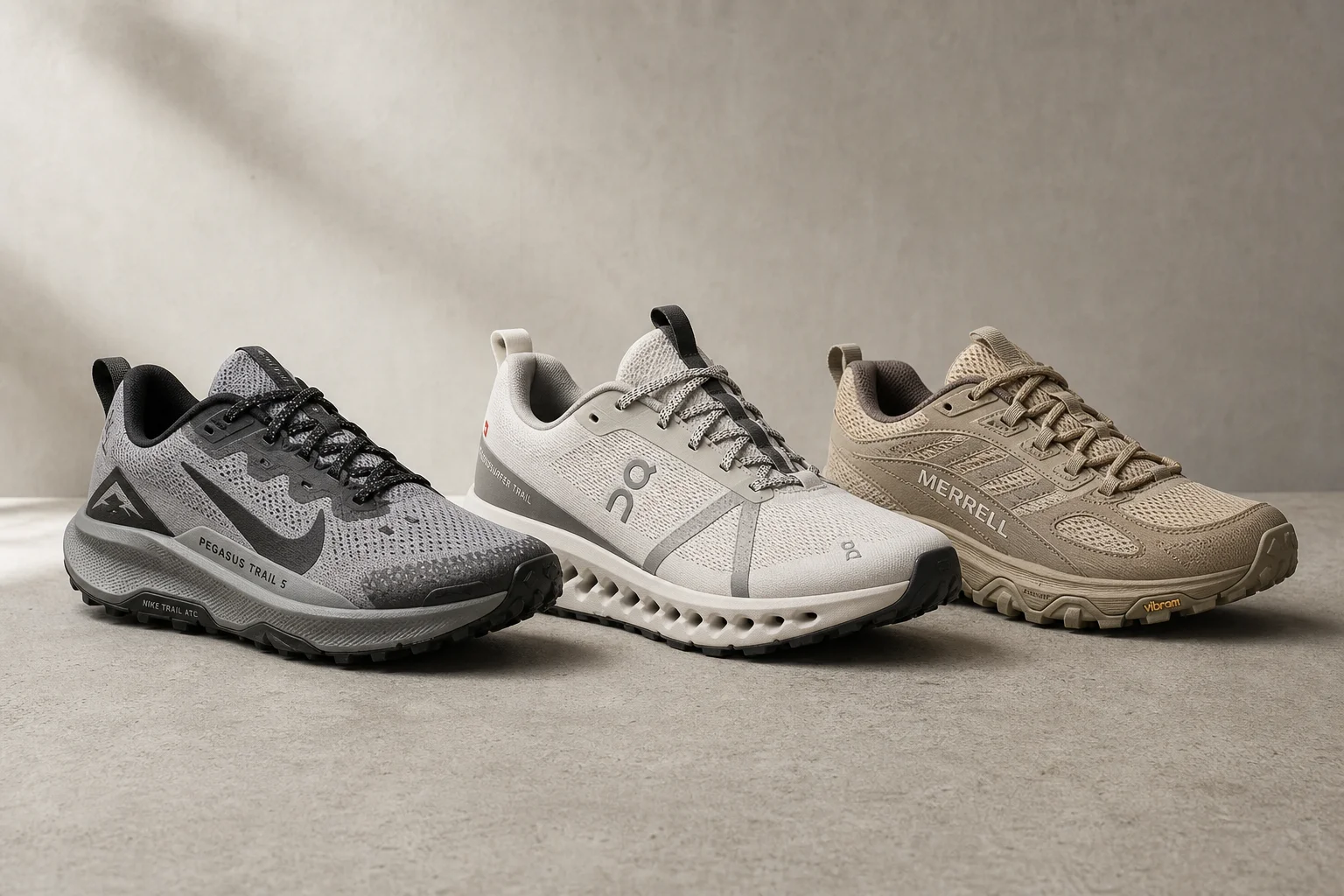
Best Road-to-Trail Running Shoes: Three Versatile Options for Mixed Terrain
A practical guide to three road-to-trail running shoes that handle both pavement and mild trails, with clear strengths and trade-offs for different runner types.
Running Shoes
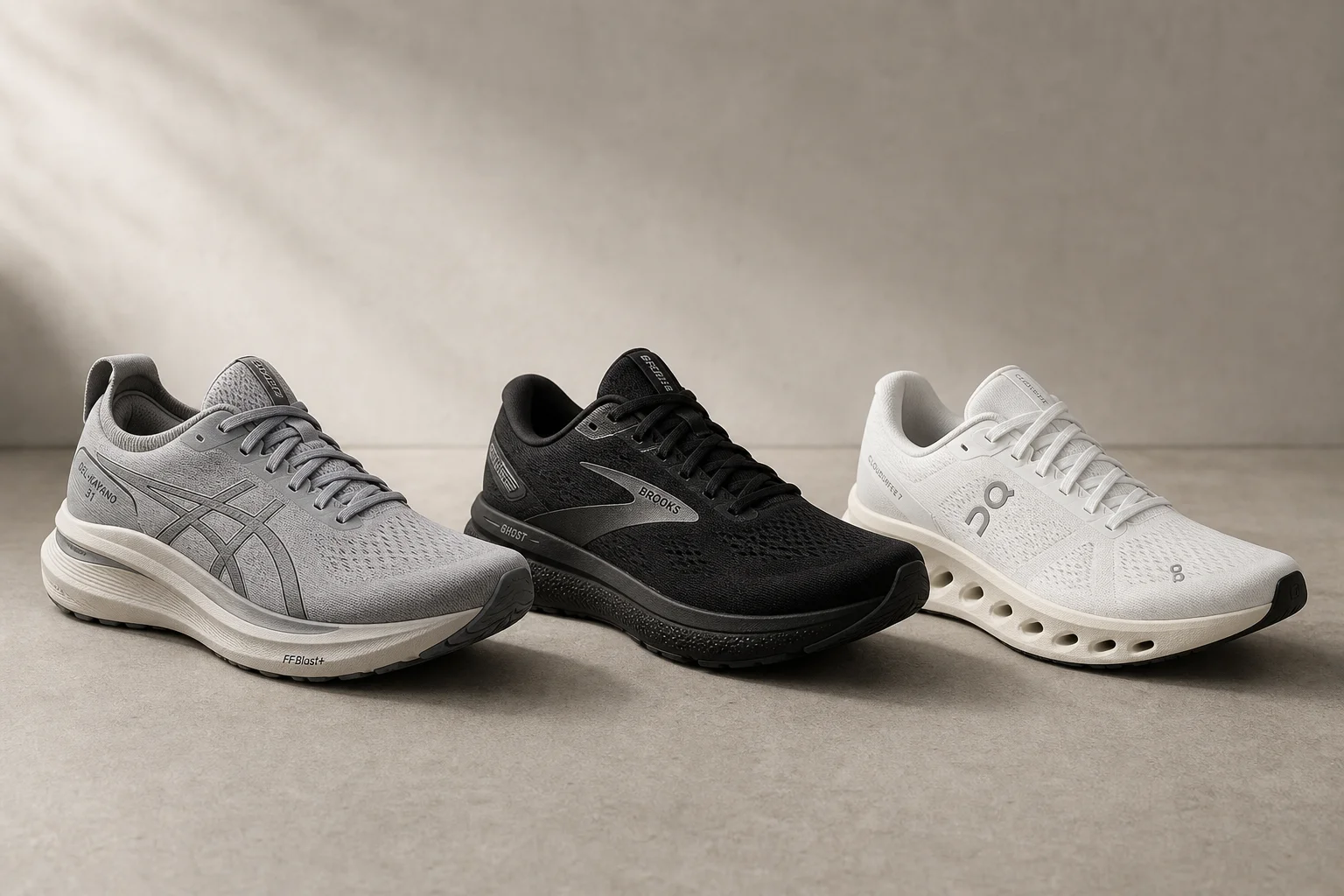
Best Running Shoes for Achilles Tendonitis: Three Options Explained
Three running shoes with different heel drops and support features designed to help reduce Achilles tendon pain during walking and running.
Running Shoes
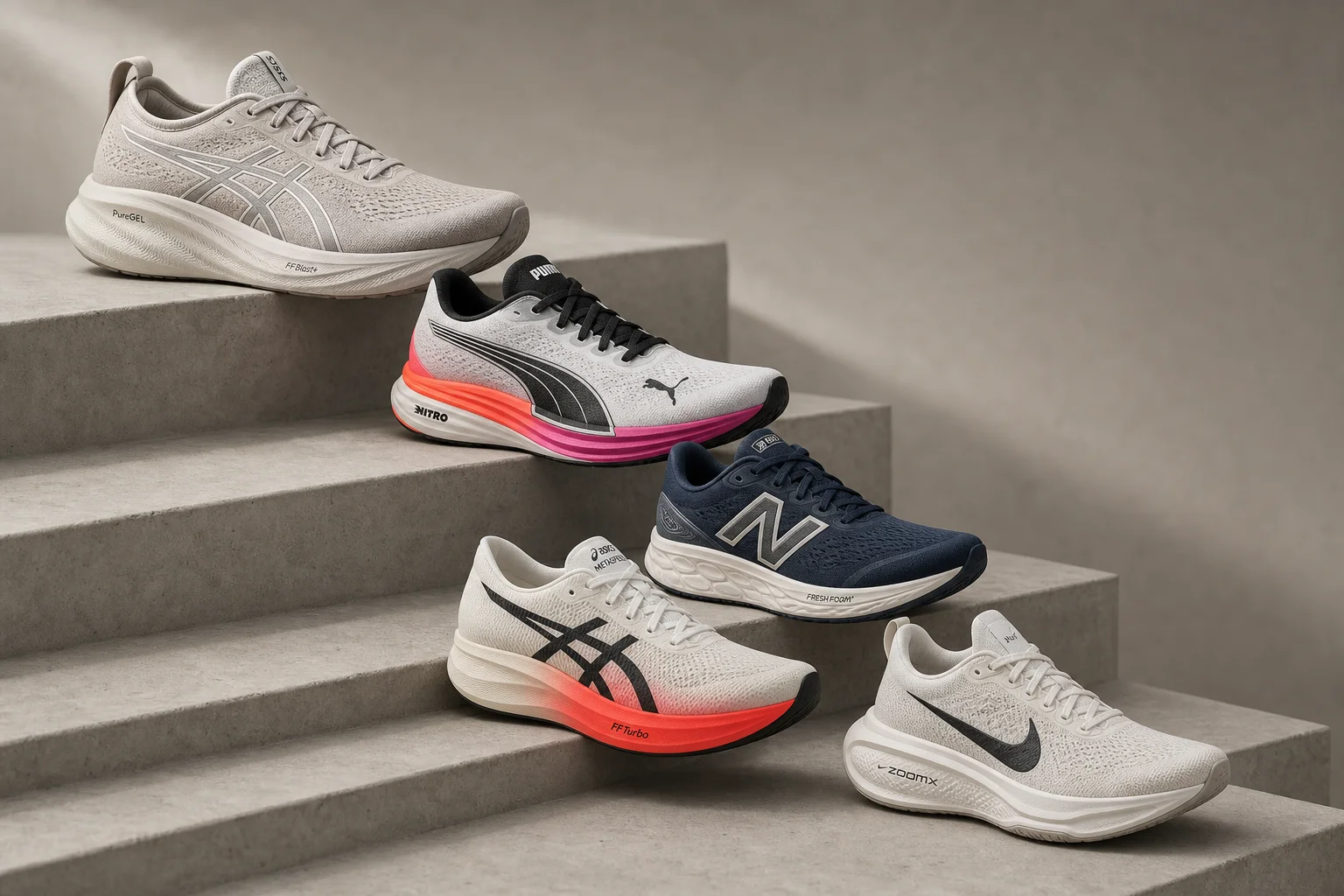
Best Running Shoes for Women: Five Top Choices Ranked
A ranked guide to five women's running shoes, from versatile daily trainers to high-performance racing options, with real strengths and trade-offs for each.