Kitchen Tools
Best Mandolin Slicers: Three Picks That Earned Their Place in the Kitchen
We compared eight mandolins on sharpness, slicing range, stability, and safety. These three stood out for different reasons.
Introduction
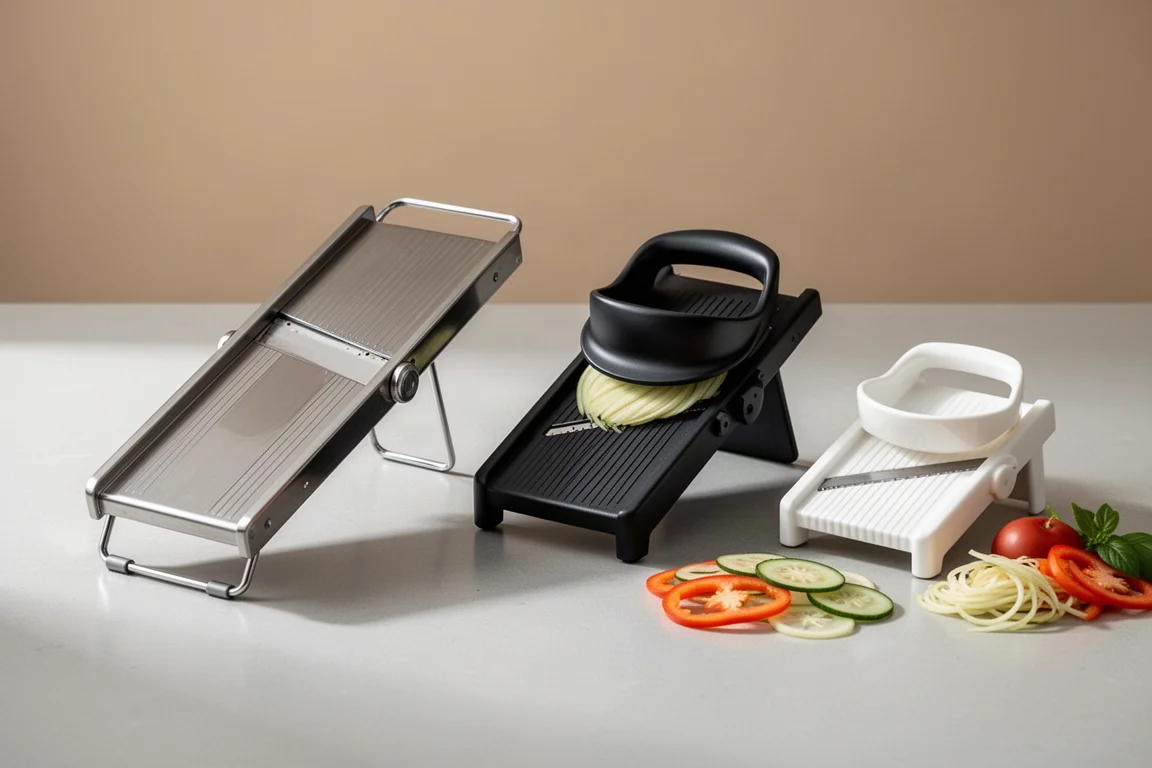
A good sharp mandolin slices food beautifully and fast, but the differences between models are bigger than most people expect. Eight mandolins, priced from about twenty-five dollars to about two hundred dollars, were put through hands-on testing with foods of very different textures: tomatoes, potatoes, fennel, beets, and eggplant for slicing, plus celeriac, carrots, and daikon for julienne. A few clear winners emerged, each with a different strength.
How We Compared the Mandolins
The top priority was the ability to slice in different thicknesses, from paper-thin shavings of fennel to thick slabs of eggplant. Only a few models could actually do this. The best slicers adjust from roughly half a millimeter up to 7.5 or 9.5 millimeters thick. All the mandolins came with straight blades for slicing, which is the cut most people use a mandolin for, and most also included julienne blades, useful for salads, slaw, vegetable noodles, or even french fries. Crinkle and waffle cuts were a nice bonus but not a deal breaker.
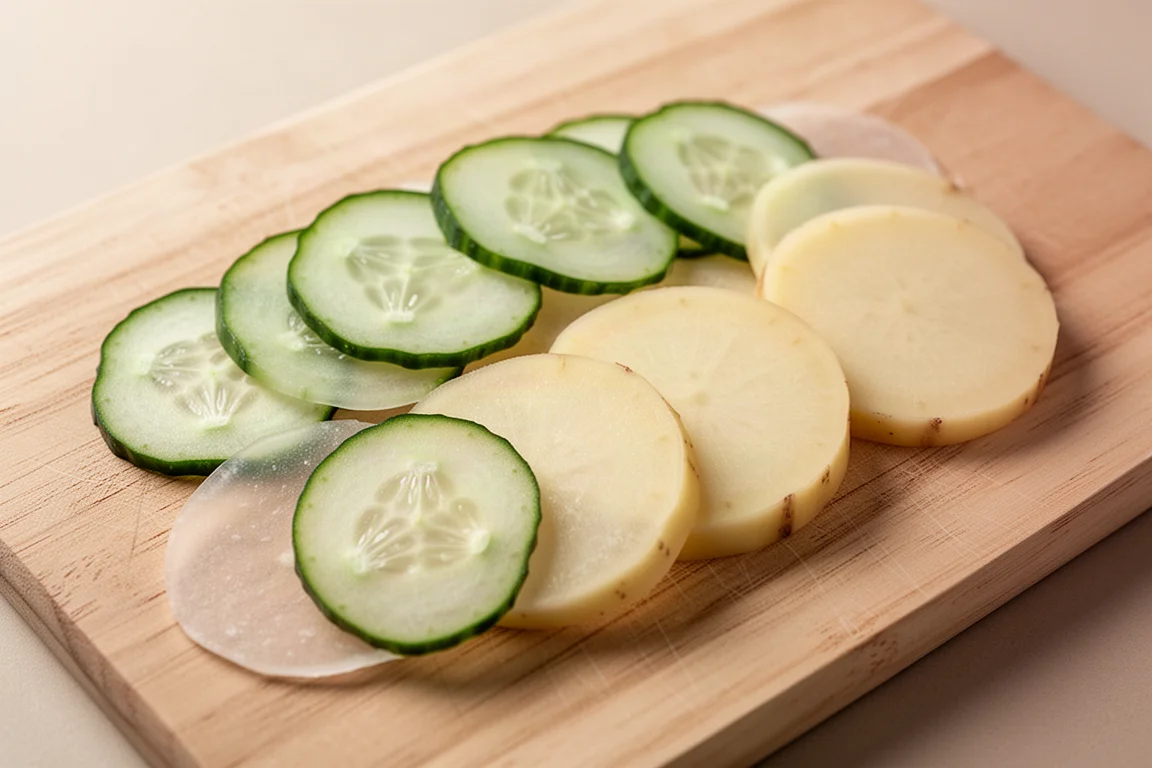
Platform rigidity mattered too. Sliding food over a saggy, bendy platform produces uneven slices, while the best models had platforms and blades well braced underneath so they stayed perfectly still. Size counted as well: platforms about three and a half to four inches wide handled large produce like eggplant while staying compact enough to clean and store easily.
Slicing Range and Blade Quality
Here is the bad news from testing: very few mandolins could cut every food easily. Some got stuck, and since blades usually cannot be removed for sharpening, a dull blade out of the box stays dull. A few models had blades that choked on fibrous celeriac and dense carrots, with food ramping into the blade and stopping, and picking it out was nerve-wracking.
Blade style also mattered. Single blades were preferred over V-shaped blades because single blades have less surface to create friction that slows food down, so slicing was simply easier. All the models had clearly marked, accurate measurement settings, whether in inches, millimeters, or both.
Safety and Hand Guards
The combination of blades and moving food is inherently risky, but any mandolin can be used safely as long as the blade is sharp, making slicing smooth and easy, and as long as you work slowly and carefully. Models with kickstands on either end kept the mandolin at a fixed, comfortable angle and stayed stable while working, and rubbery trim helped anchor the mandolin to the counter.
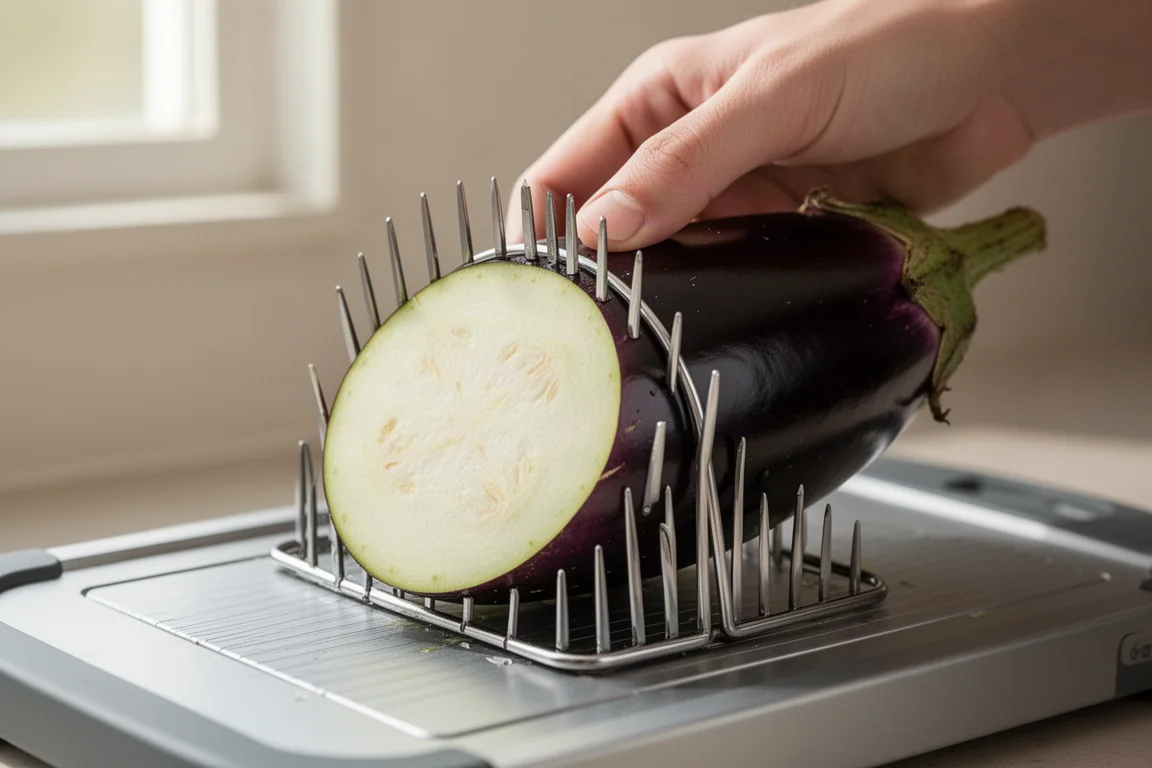
Most hand guards were next to useless: simple rectangular shields had prongs too short to hold food, or prongs long enough to hold it only until the blade started hitting them, forcing you to throw away the last of the food. Two mandolins had genuinely effective guards, where you press the food down with a spring-loaded pusher as you swipe, keeping hands safe with no waste. The only downside is that keeping up that tension is tiring over long sessions, like slicing two pounds of potatoes. Our advice either way: always use a good cut-resistant glove.
Top Pick: Benriner Mandolin Slicer
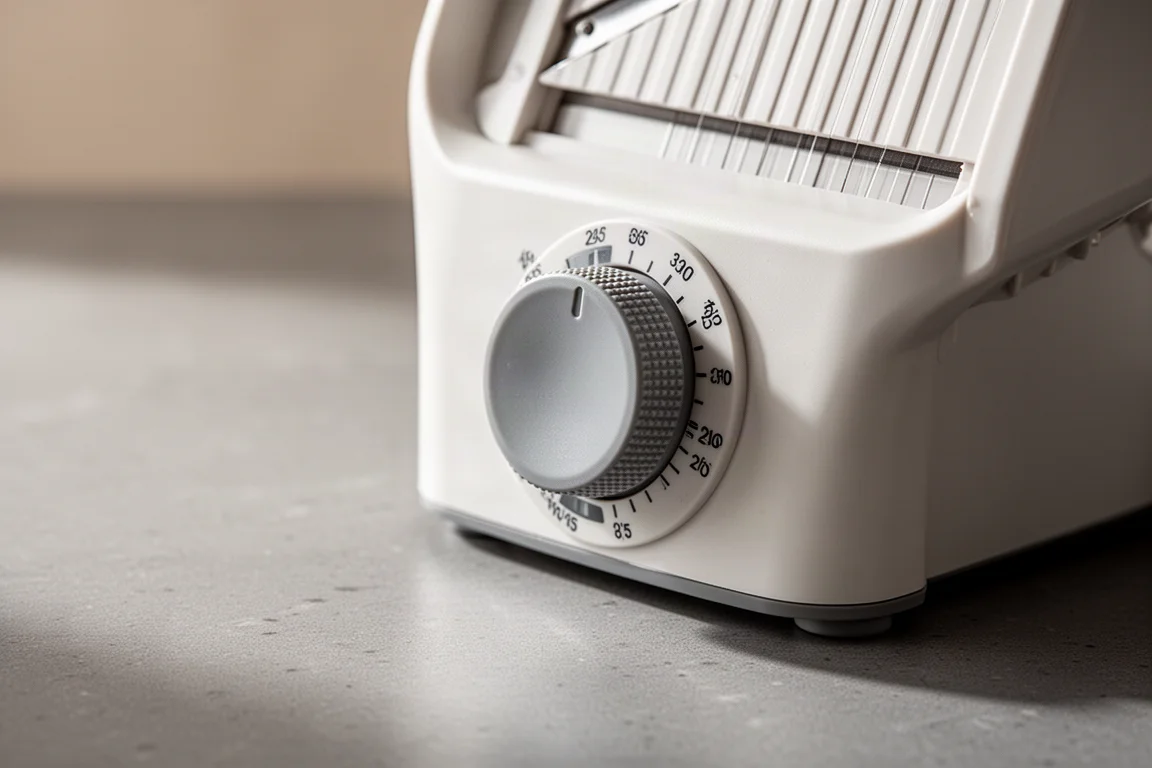
The Benriner Mandolin Slicer was the top performer overall. It had the sharpest blade by far, slicing through even the toughest foods like butter, evenly and consistently. Three julienne blades add versatility, and a dial lets you adjust the platform to a precise thickness across an incredibly wide range. It is also simple and fairly compact, easy to set up, clean, and store, and it costs roughly half the price of the other winner here. The only quibble: the hand guard is pretty inadequate, so a cut-resistant glove is strongly recommended.
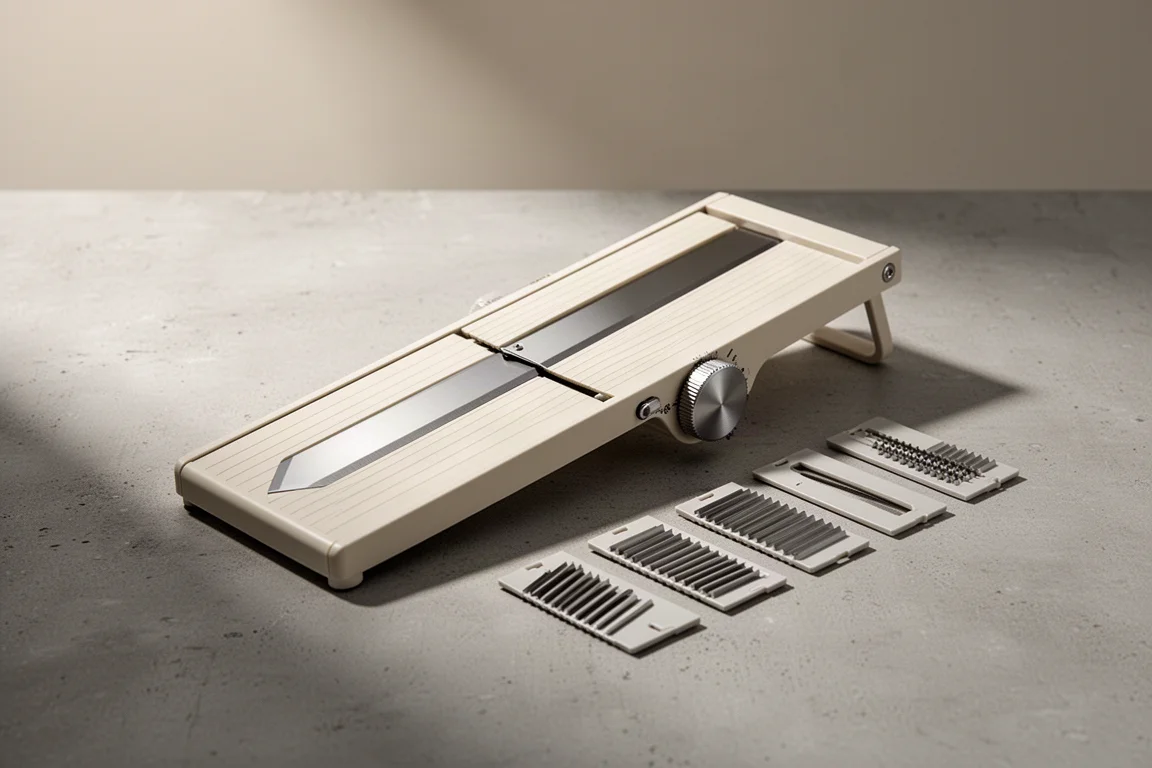
Easiest to Use: OXO Chef’s Mandoline Slicer 2.0
The OXO Chef’s Mandoline Slicer 2.0 was the easiest to use of them all. It is heavier with a grippy kickstand, so it sat very securely on the counter, and it came with one of the best hand guards. It sliced foods evenly in lots of thicknesses, and its clearly marked, accurate dial made it exceptionally easy to set exactly how thin or thick you want your food. The trouble is that it is not quite as sharp as the Benriner, so it sometimes choked on fibrous foods, and it only does julienne in two preset widths and thicknesses. It is also more expensive and bulkier to store.
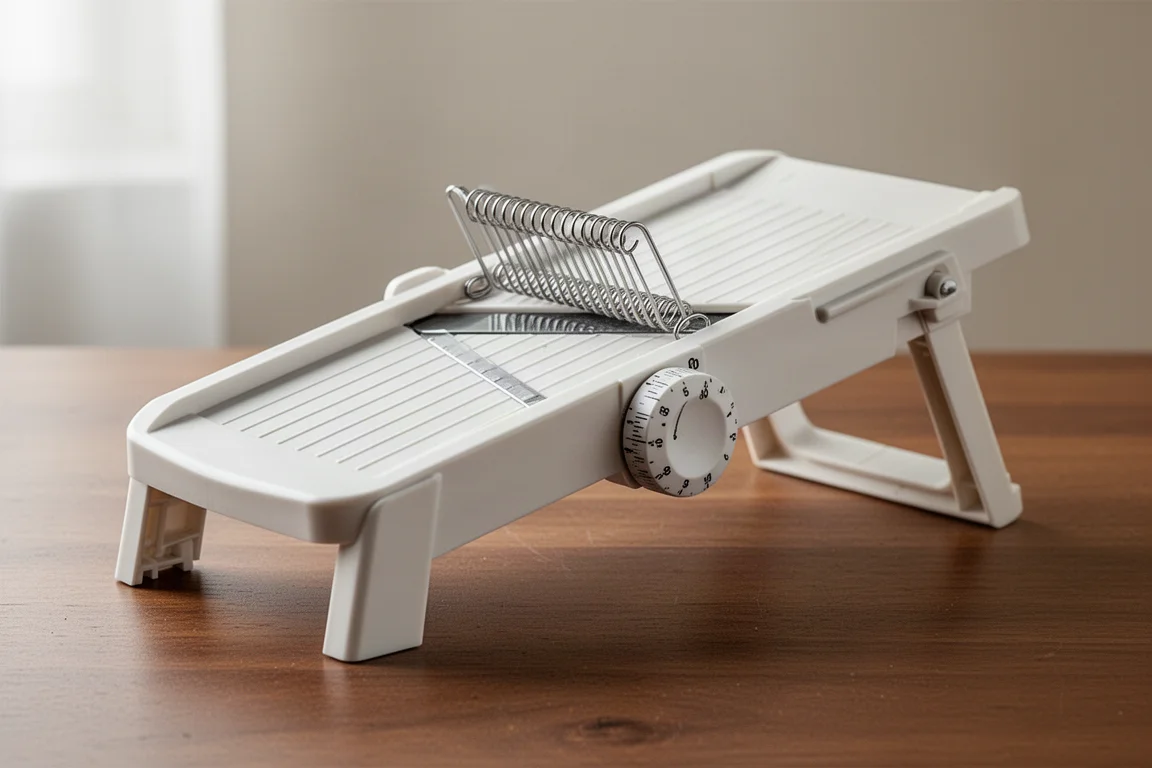
Budget Pick: Kyocera Soft Grip Adjustable Mandolin Ceramic Slicer
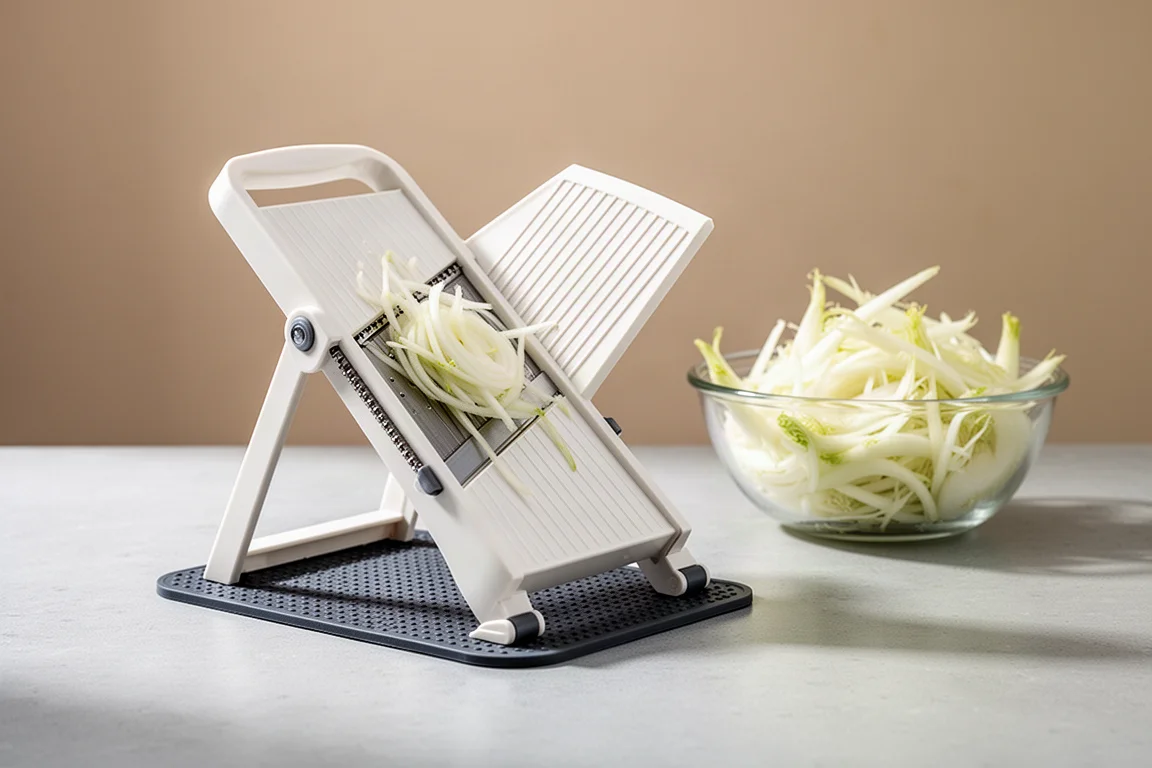
For anyone who wants to dip a toe into the world of mandolins without investing too much, the inexpensive Kyocera Soft Grip Adjustable Mandolin Ceramic Slicer is a great option. You can only do thin slices, there is no julienne, and it is really too small for very large produce like eggplant. But its size and simplicity make it super easy to use, clean, and store.
Buying Advice
If you slice often and want maximum versatility, the Benriner is hard to beat on sharpness and range, just budget for a good cut-resistant glove. If ease of use and safety features matter most, the OXO is the more comfortable choice, at a higher price and with more storage bulk. And if you are new to mandolins or only need occasional thin slices, the Kyocera covers the basics without much investment.
Conclusion
Three mandolins, three different strengths: the Benriner for performance and value, the OXO for ease of use and a genuinely effective hand guard, and the Kyocera for a low-cost, no-fuss entry into slicing. Whichever you choose, keep the blade sharp, work slowly, and use a cut-resistant glove.
Further reading
Related Reviews
Kitchen Tools
Amazon's Top-Rated Chef Knives Tested: Five Models from £11.50 to £200
We tested five of Amazon's highest-rated chef knives across sharpness, comfort, and versatility to see which delivers the best value and real-world performance.
Kitchen Tools
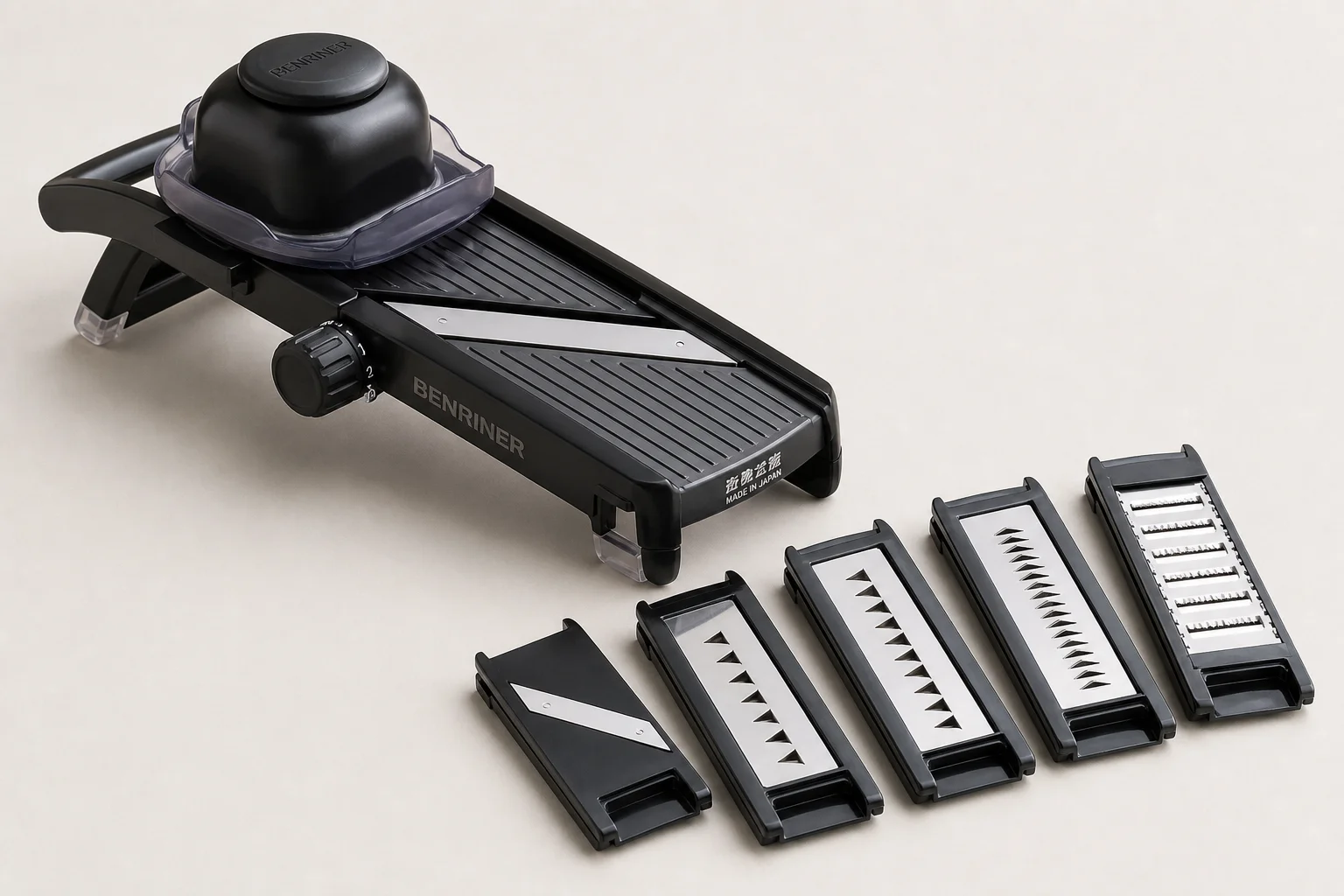
Benriner Japanese Mandoline Review: A Sharp Tool for Precise Vegetable Slicing
A practical guide to using a Japanese mandoline safely and effectively, with tips for achieving consistent, crisp results in the kitchen.
Kitchen Tools
Best Cheese Slicers: Five Practical Options for Consistent Slicing
Five cheese slicers with different designs and features, from multi-blade versatility to wire-based precision, each suited to different kitchen needs and cheese types.