Running Shoes
Three Lower Stack Performance Trainers Worth a Look: Brooks Hyperion Tempo, Topo Cyclone 2, and Brooks Hyperion Max
Three plate-less performance trainers compared on ride, rocker geometry, flexibility, and pace range to help you pick the right one for workouts and easy days.
Introduction
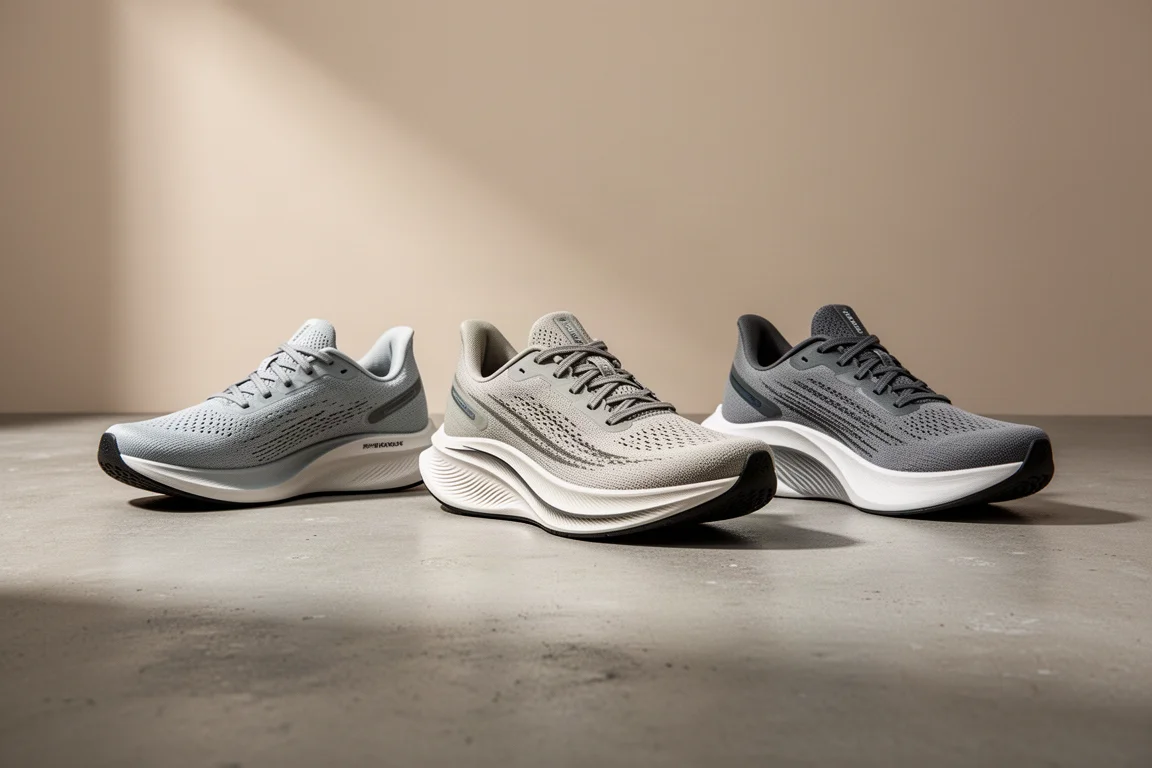
Lower stack, plate-less trainers have quietly become a favorite category for runners who like to do their intervals in something lighter and more connected than a plated super shoe. We spent time in three of them: the Brooks Hyperion Tempo, the Topo Cyclone 2, and the Brooks Hyperion Max. All three were tested across easy runs and intervals ranging from marathon-pace tempos all the way down to mile pace, which makes it easier to see where each one shines and where it does not.
If you enjoy faster workouts in shoes without a plate, this comparison should help you narrow things down quickly.
How the Three Shoes Compare on Paper
The Brooks Hyperion Tempo and Brooks Hyperion Max share an 8 mm drop, while the Topo Cyclone 2 sits at 5 mm. Stack heights are similar across the board, with heels in the low to mid 30s and forefoots in the mid 20s. The exact stack for the Cyclone 2 is not specified, but it looks quite similar to the Hyperion Max.
Midsole materials diverge in an interesting way. Both Brooks shoes use DNA Flash, Brooks’ nitrogen-infused EVA, while the Cyclone 2 comes with a full-length Pebax midsole, a genuinely exciting material choice from Topo. On weight, the Tempo comes in at 7.3 oz and the Max at 7.8 oz. There is no confirmed weight for the Cyclone 2, but on foot it feels similar to the Hyperion Tempo.
Ride Character and Flexibility
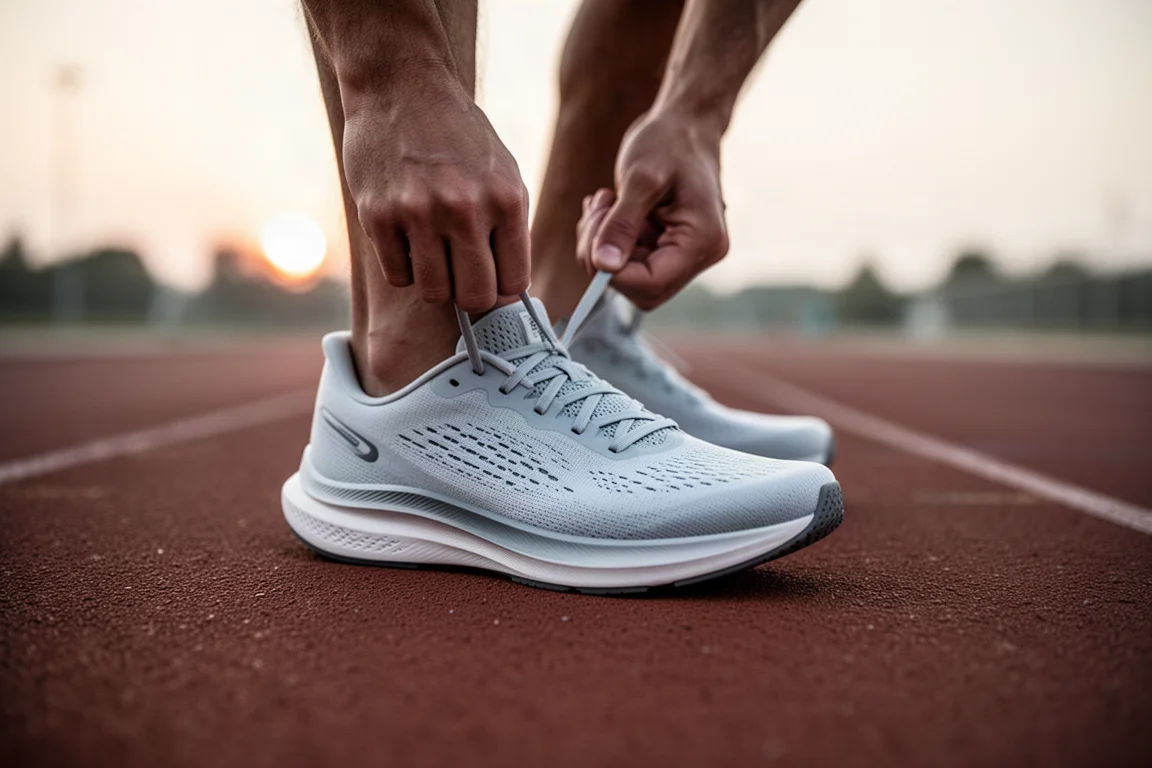
Rocker geometry is where these three really part ways. The Hyperion Tempo has the least rocker of the group: just a tiny heel bevel and a mild forefoot rocker with very little toe spring. The Hyperion Max adds a pretty significant heel bevel plus a decent forefoot rocker with some toe spring, not aggressive but enough to produce a rolling sensation even at easy paces. The Cyclone 2 has the most aggressive rockers of all, with a notable heel bevel and more toe spring than either Brooks shoe.
Flexibility follows a similar spread. The Tempo is the most flexible, with solid rubber coverage on the outsole but a midsole area left uncovered that adds to its bend. The Cyclone 2 is also fairly flexible, with heel and forefoot rubber and a small gap in the middle. The Hyperion Max is the stiffest of the three, with more extensive rubber coverage contributing to its overall stiffness.
Easy Runs and Long Days
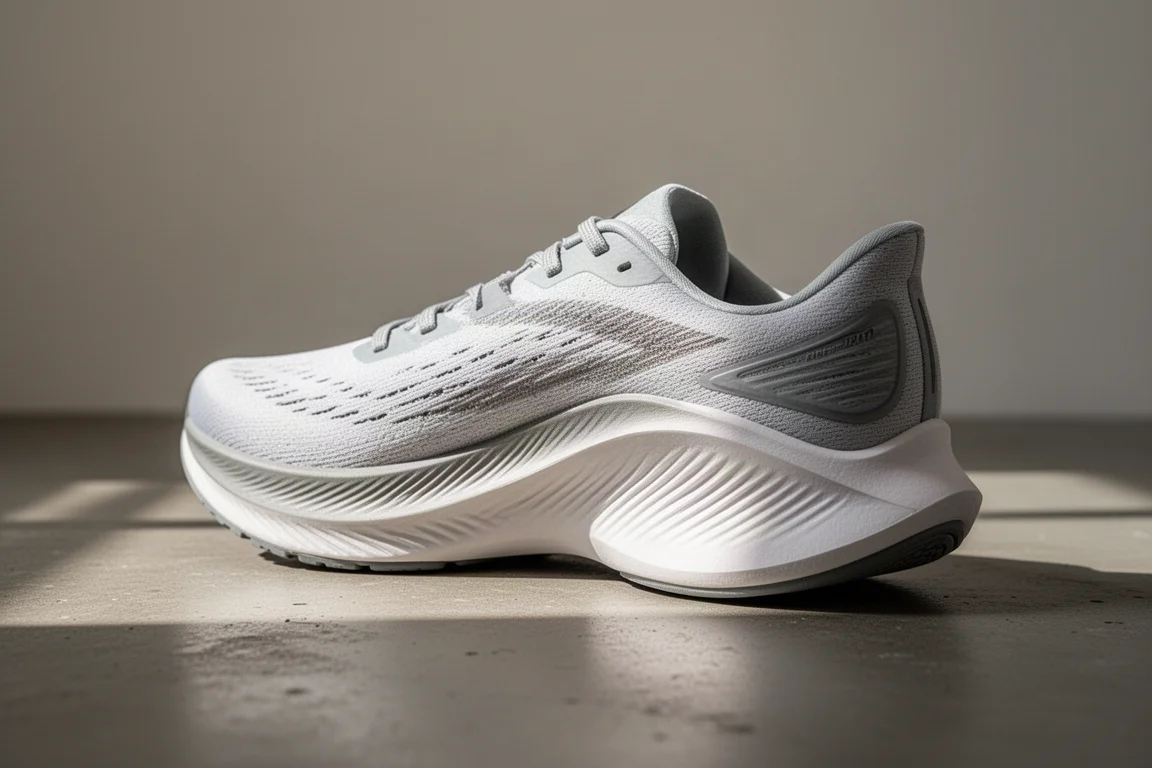
For easy speed, the Hyperion Max stands out. It was used on runs up to 13 miles and found consistently comfortable: the rocker never feels aggressive at easy paces, the midsole is thick enough to be protective, and it still gives enough ground feel to stay connected. The wider base and stiff sole also make it the most stable of the three, which reinforces its case for long easy days.
The Cyclone 2 works fine at easy paces, but its flexible midsole is a better match for intervals than for long, slow running. The Hyperion Tempo is the clear outlier here. It feels more like a racing flat than the two Brooks shoes, and while it is fine for warm-ups and cool-downs, it is not the shoe to reach for on a straight easy run. Both the Cyclone and the Max can handle long runs without issue, but the Hyperion Max is the top pick for that job.

Tempo and Interval Work
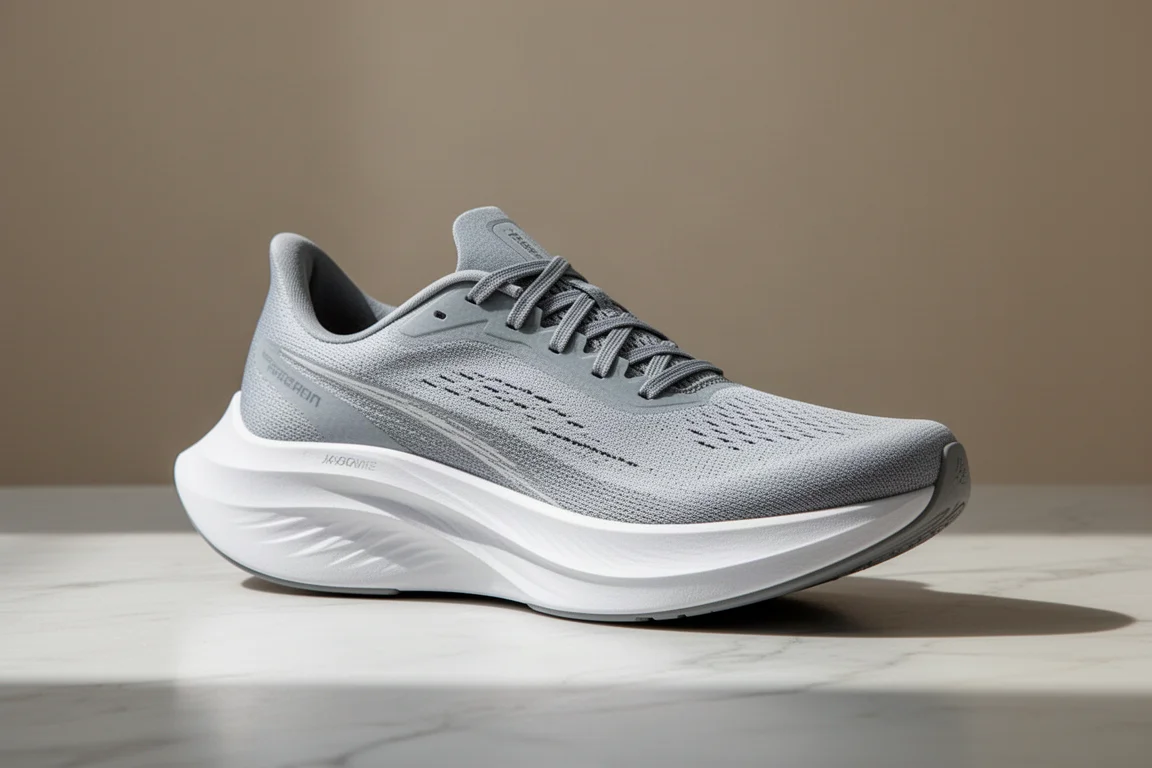
At marathon pace, the picture is more evenly matched. All three feel great on longer tempos, including 45-minute sessions with hills. The Tempo again feels the most natural, never pushing your stride in a particular direction thanks to its minimal rocker and flexible sole. The Cyclone 2 delivers a pleasant rolling sensation: because its forefoot is flexible, the forefoot rocker feels less aggressive than it would on a stiffer platform, which helps it work well for longer intervals too. The Hyperion Max, meanwhile, is simply good at any pace.
At faster speeds, around 2-mile pace intervals of about a minute and extensive strides at mile pace, the Topo Cyclone 2 takes the win. The Pebax midsole is a touch more responsive than DNA Flash, and the combination of the forefoot rocker, toe spring, and forefoot flexibility makes it the best performer of the three at that pace. The Hyperion Tempo still felt great in the same workout, so the choice really comes down to whether you prefer a more aggressive forefoot rocker and how much overall sole flexibility you want.
Stability and How Each Shoe Guides Your Stride
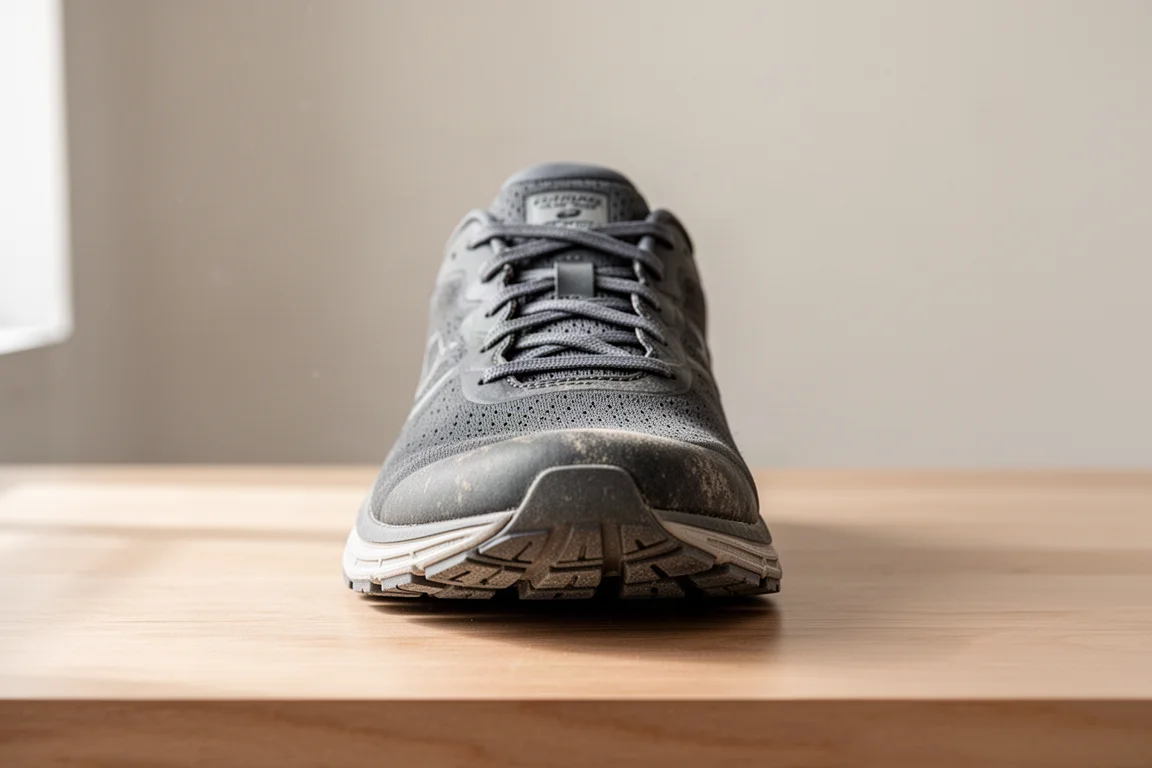
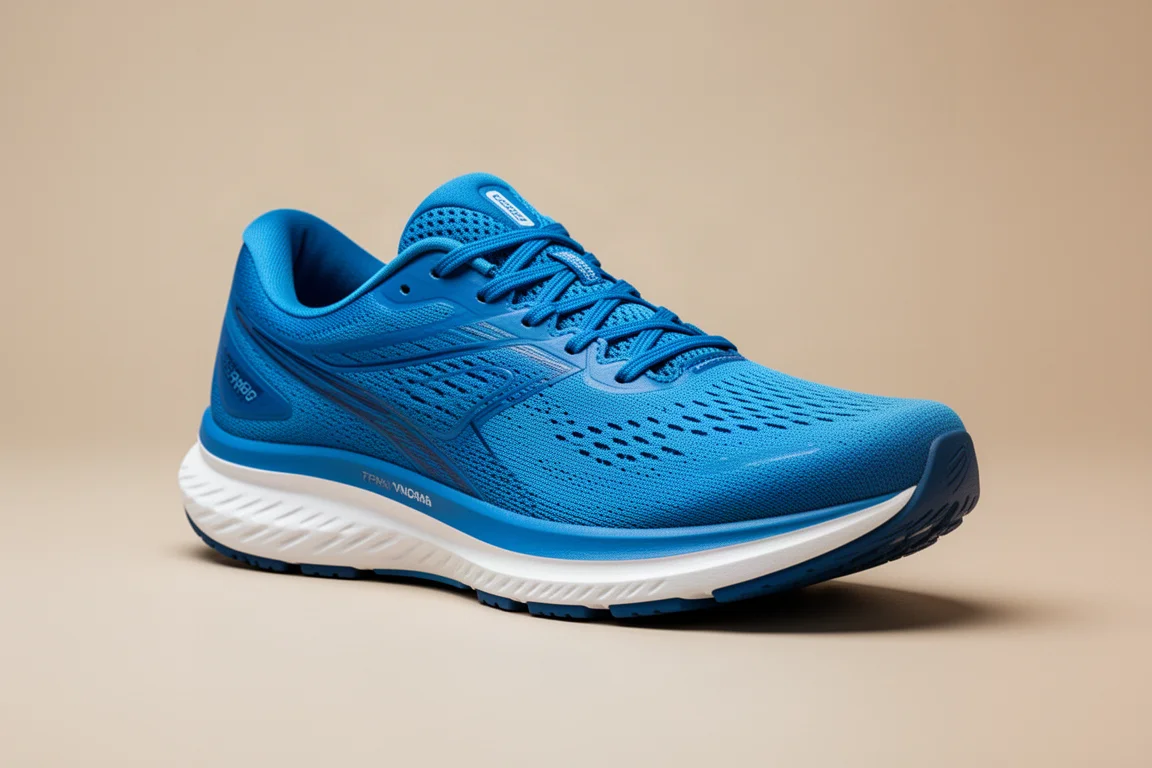
All three are clearly neutral shoes, but they are not identical in how they sit underfoot. The Hyperion Max feels the most stable thanks to its stiff sole and a noticeably wider base than the other two. Its lateral sole flare in the forefoot also stands out: it helps you get off the lateral midfoot on landing and load the first MTP joint better to prepare for push-off.
The Cyclone 2 has a bit of sole flare as well, though less pronounced, and because its forefoot is more flexible it does not deliver the same guided feeling. The Hyperion Tempo also carries some flare, but it does not particularly encourage motion in any direction. The rearfoot and midfoot are fairly narrow while the landing area winds out considerably, and the wide forefoot makes for a clean transition into push-off.

Buying Advice
Choosing between these three comes down to your pace profile. If your week is dominated by easy runs and long days and you want one shoe that can still handle faster work, the Brooks Hyperion Max is the safest pick. If intervals are your main event and you want the liveliest, most responsive ride, the Topo Cyclone 2 with its Pebax midsole is the standout. And if you want the most natural, racing-flat feel for workouts and shorter sessions, the Brooks Hyperion Tempo earns its place. One extra note for fans of the New Balance Beacon: that shoe has been discontinued, and the Hyperion Max is a strong candidate to fill the gap.
Conclusion
All three of these plate-less trainers reward runners who like to move fast in lower-stack shoes, but they do it in different ways. The Hyperion Max is the comfortable, stable all-rounder, the Cyclone 2 is the quick and responsive interval weapon, and the Hyperion Tempo is the natural-feeling racing flat option. Match the geometry and flexibility to your training and none of them will disappoint.
Further reading
Related Reviews

Running Shoes
Best Road-to-Trail Running Shoes: Three Versatile Options for Mixed Terrain
A practical guide to three road-to-trail running shoes that handle both pavement and mild trails, with clear strengths and trade-offs for different runner types.

Running Shoes
Best Running Shoes for Achilles Tendonitis: Three Options Explained
Three running shoes with different heel drops and support features designed to help reduce Achilles tendon pain during walking and running.

Running Shoes
Best Running Shoes for Women: Five Top Choices Ranked
A ranked guide to five women's running shoes, from versatile daily trainers to high-performance racing options, with real strengths and trade-offs for each.