Running Shoes
Best Shoes for 2-Hour Long Runs: Six Favorites Worth Considering
Six long-run shoes across different styles and price points, from budget daily trainers to premium carbon racers, with what to look for before you buy.
Introduction
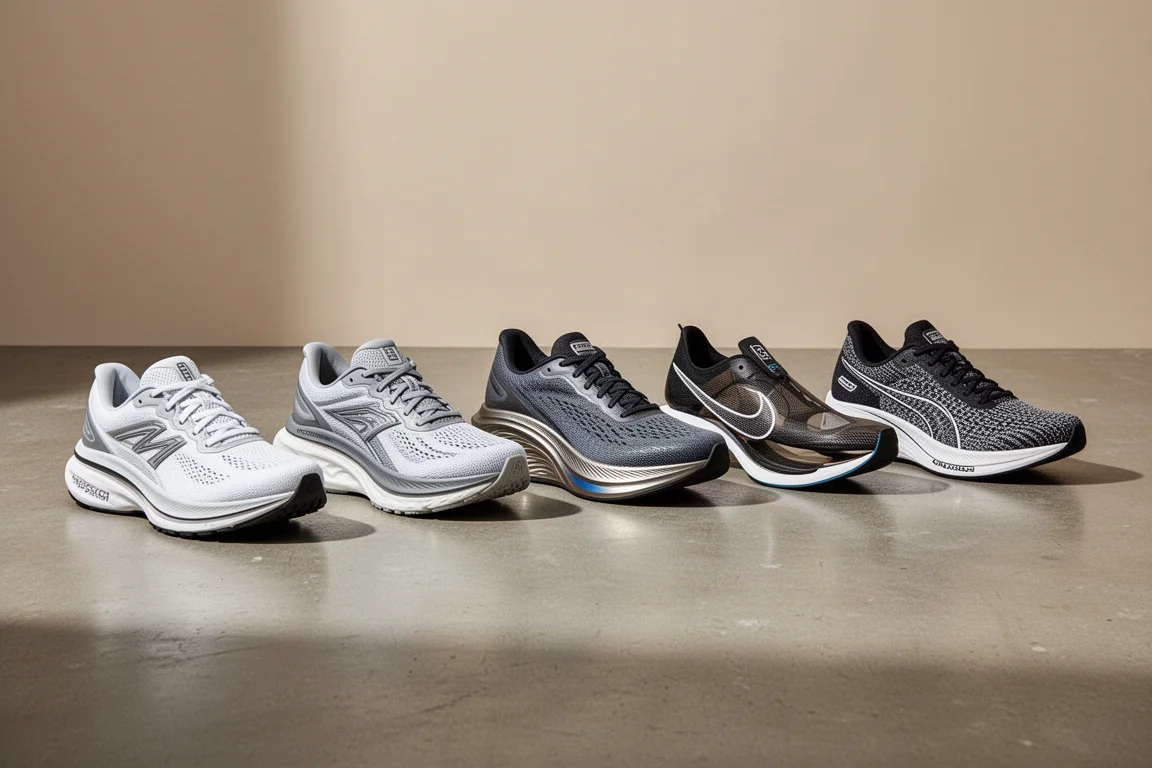
Two hours is the mark many runners aim for on their weekend long run, and for good reason. Reaching that duration is where key aerobic adaptations tend to happen, and it is also where the wrong shoe starts to make itself known. This guide pulls together six favorite shoes for those longer efforts, spanning cushioned daily trainers, plated trainers, and marathon racing shoes, across a wide range of prices and brands.
The picks are personal favorites rather than a claim of objective best, but they share traits that matter when you are on your feet for two hours or more: generous stack height, a stable platform, and enough comfort to keep the later miles enjoyable.
What to Look For in a Long Run Shoe
Stack height comes first. Shoes with less than 35 mm of heel foam are generally not what most runners want under them for a two-hour effort. A softer, low-stack shoe can be fine for a one-hour run, and if you are already comfortable doing 60 to 75 minutes in a shoe like the New Balance Rebel V4 or Nike Pegasus, you probably do not need to buy anything new for your first longer efforts. If you start feeling aches or want more protection as the miles climb, that is when a dedicated long-run shoe earns its place.
Stability is the second trait. Wider bases are a big trend in the current market, and they are genuinely useful late in a long run when form degrades and you start mashing the heel. A stable platform can quietly save tired legs; there is no need to be a hero in a minimalist shoe for a weekly two-hour effort.
Comfort rounds it out. Every shoe here is comfortable enough that it could also handle a shorter run in the rotation, which matters if you want one shoe doing double duty.
Saucony Triumph 20 RunShield
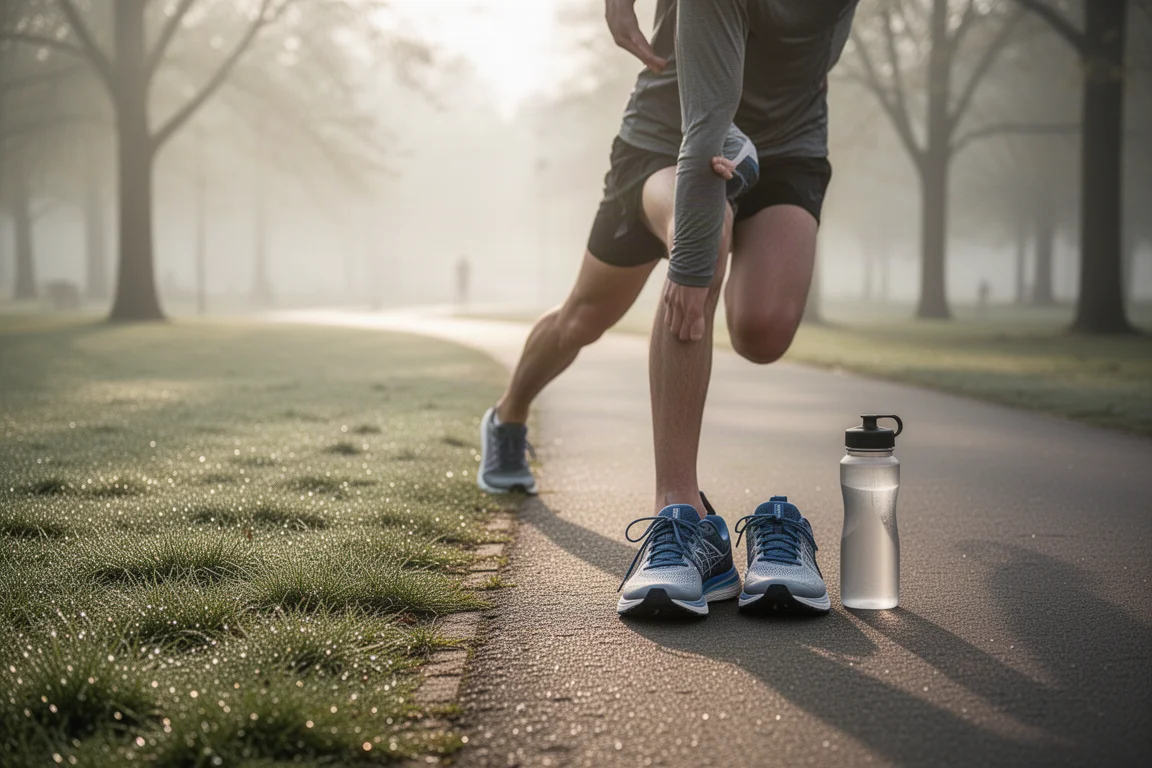
This was the shoe used for two-hour long runs through the end of 2022 and into 2023, taken up to 18 and 20 miles repeatedly. The PWRRUN+ foam is the standout: a denser, slightly structured foam that is never firm, with a huge amount of impact absorption and a feel that stays consistent from the first mile to the last, unlike shoes that change character the longer you are out.
Spec-wise, you get 37 mm of stack in the heel, 27 mm in the forefoot, and a 10 mm drop. That drop is the main downside. Heel and even midfoot strikers can find the chunky heel gets slightly in the way. Heel lockdown can also be a bit finicky, so expect to spend some time adjusting the laces to get it right.
The value story is the real draw. Because the current Triumph 21 was only an upper update, the Triumph 20 shows up on sale for around $100, and it has been spotted for as little as $65 at Marshalls. At that price it may be the best value in long-run shoes, and it is versatile enough for workouts, recovery runs, and even walking. The RunShield upper adds a waterproof material with plenty of padding and a structured heel counter.
Asics Novablast 4
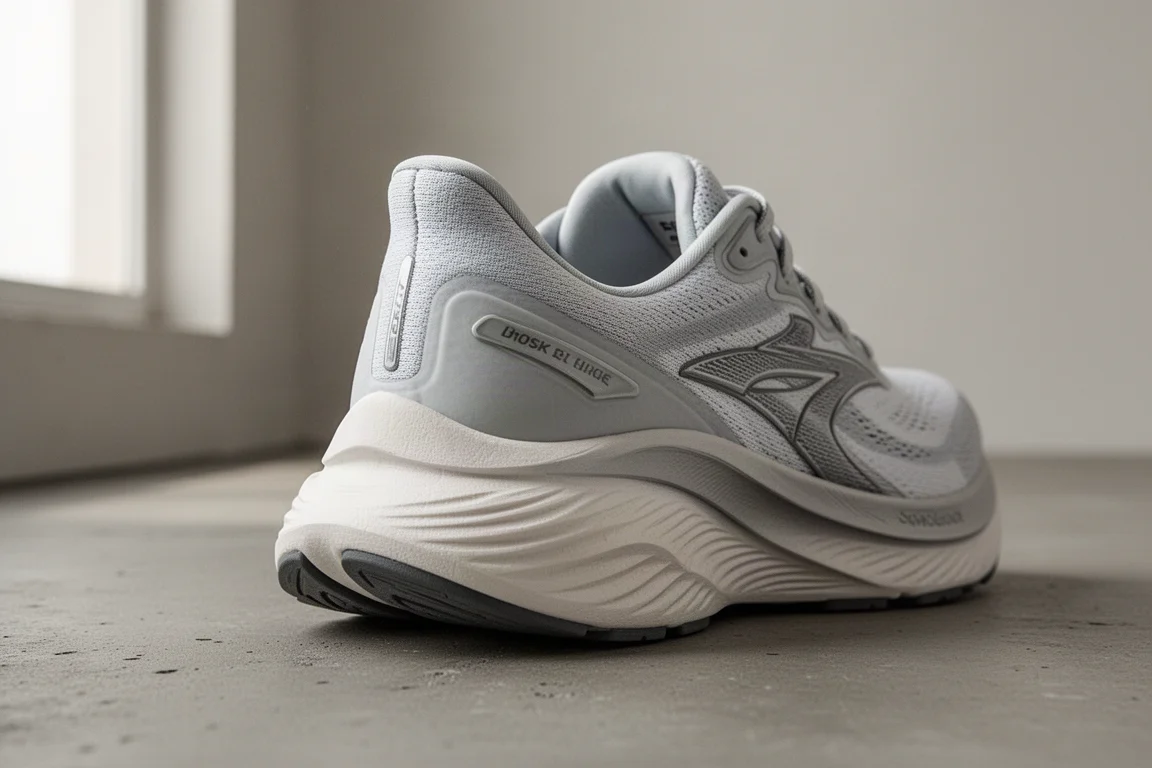
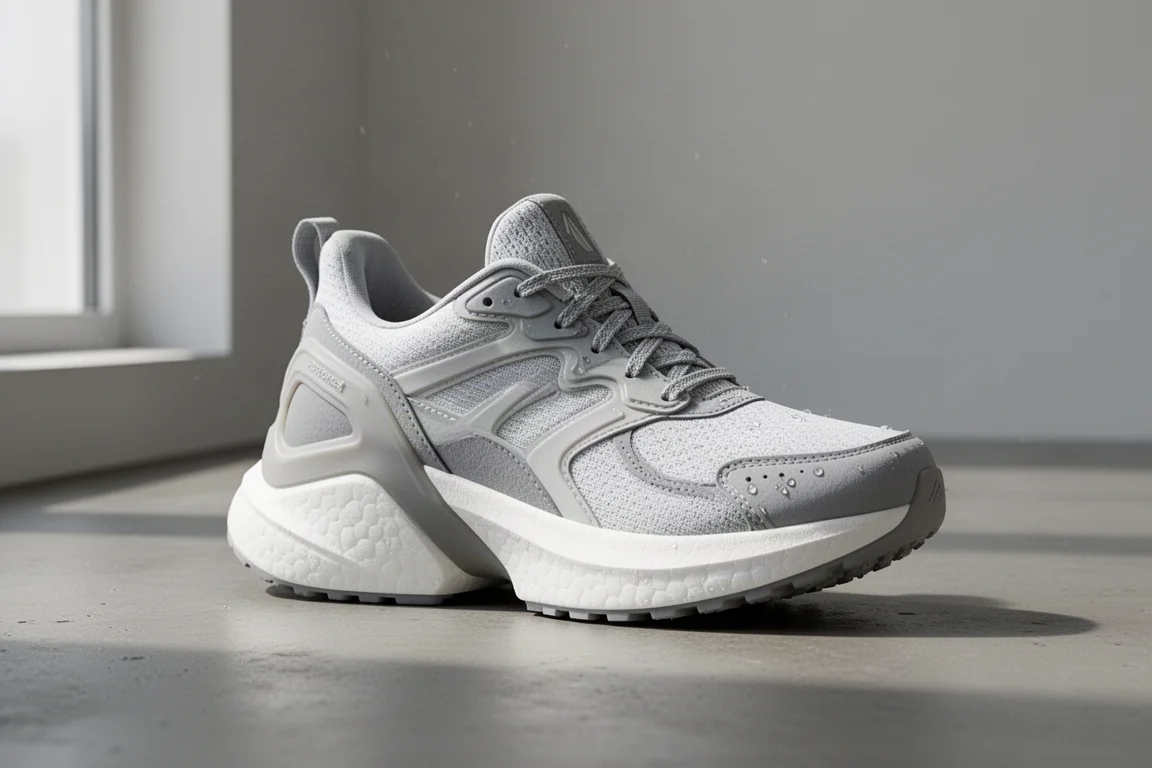
At $140, this competes in the daily trainer segment, and it has been the best shoe tested in that segment specifically for long runs. Shoes like the Pegasus, Velocity Nitro 3, New Balance Rebel, and New Balance 880 v14 sit at a similar price but offer noticeably less foam and comfort for two-hour efforts.
The foam is firmer than the Triumph’s, not the most naturally bouncy, but the trade-off is support that improves the longer you go. A three-hour run in this shoe turned out to be one of the best long-run experiences in recent memory. The forefoot stack sits over 33 mm (34 mm depending on measurement), which is more than the 30 mm heel of the Rebel, so there is plenty of cushion underfoot.
Stability is the other selling point. The wide base makes this arguably the most stable neutral running shoe tested, and the structured, firmer ride means no bottoming out in the later miles. Heavier runners, anyone wanting a firmer ride with more stability, or anyone shopping at the $140 mark should have this near the top of the list.
The main weakness is the outsole rubber: coverage is generous but grip is not great, and wet roads expose that quickly.
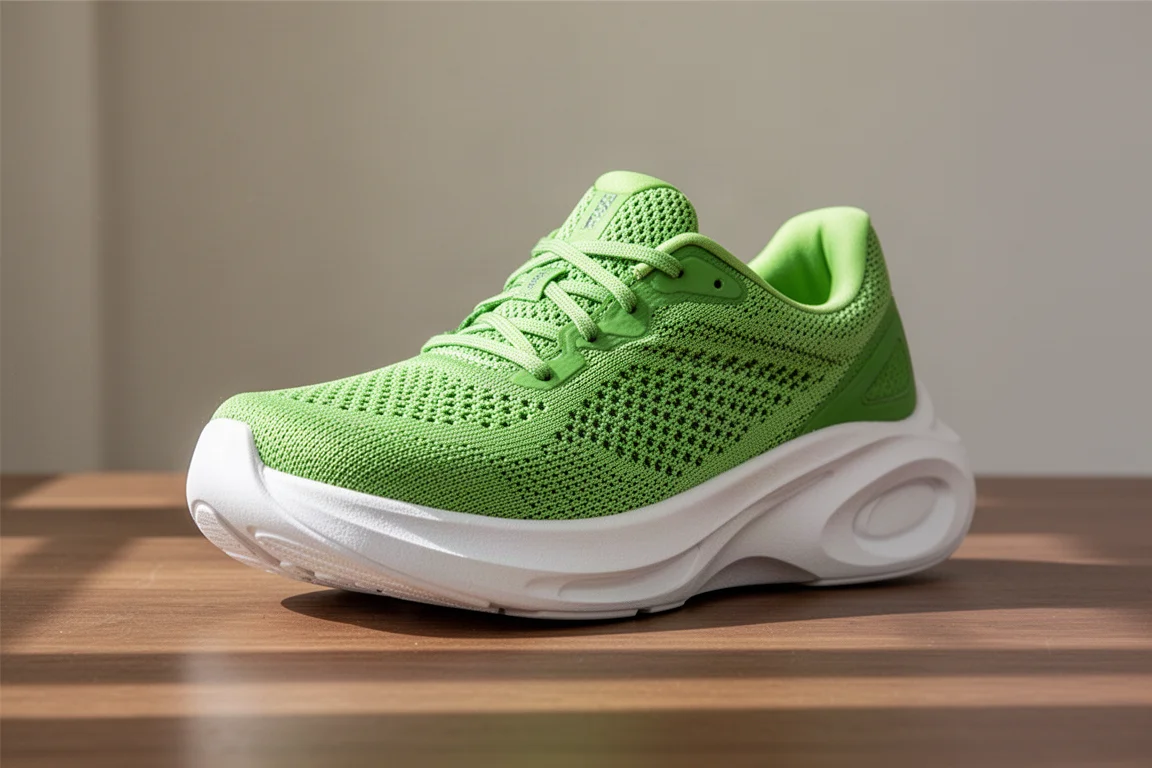
New Balance SC Trainer V2
This is the comfort-oriented side of the plated training segment. It uses a full-length carbon fiber plate, which is unusual in this category where plastic plates, glass rods, or carbon composites are more common, paired with a soft FuelCell foam that blends TPU for bounce with EVA for structure and durability.
The midsole experience is the highlight: this shoe just keeps rolling along, with a stack approaching 40 mm in the forefoot and one of the biggest rockers of the group, making it an easy, effortless ride. If the goal is simply being on your feet for more than two hours with no concern for pace, this is the pick. Stability is good though not as wide as the Novablast 4.
The compromises are modest. It is not the fastest-feeling or lightest-feeling shoe, and the upper lacks some padding. It usually sells around $180 but can be found discounted to about $160, and it pairs beautifully with the Boston 12: the SC Trainer V2 for relaxed days and long runs, the Boston 12 for faster work.
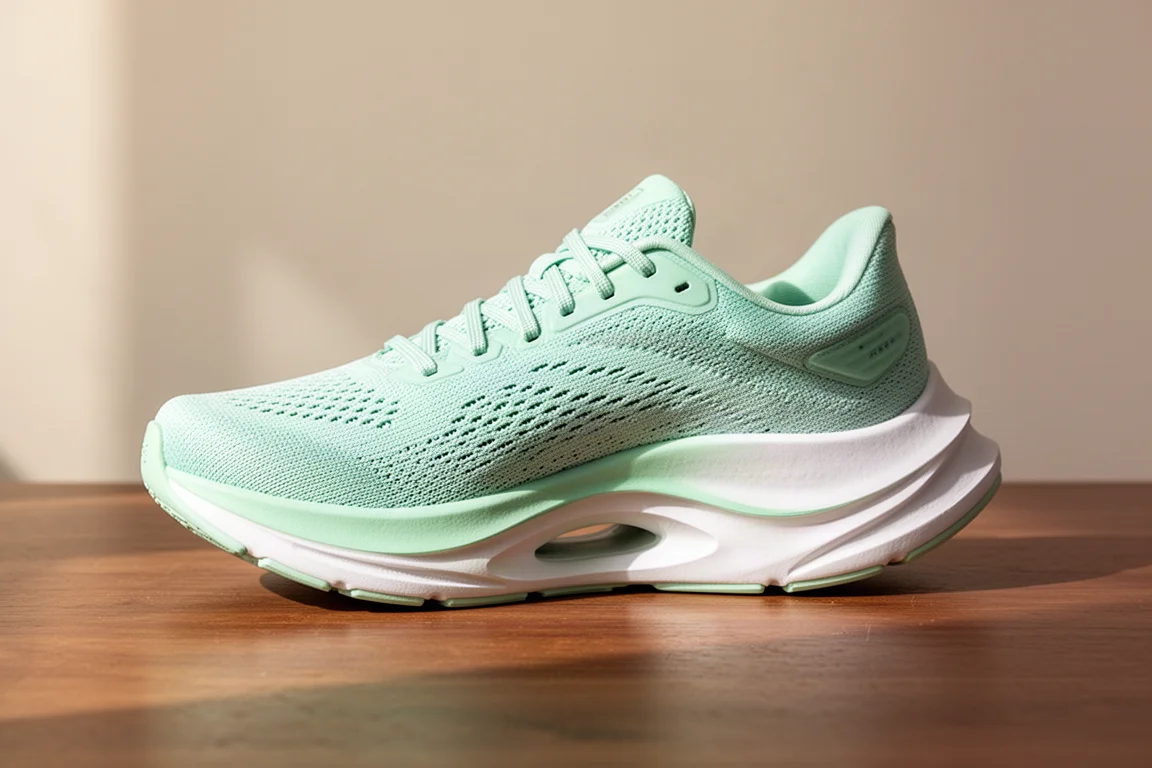
Adidas Boston 12
The other side of the plated training coin, and the pick if your long runs include pace work. It uses two foams: Lightstrike 2.0 EVA on the bottom for endurance and firmness, and Lightstrike Pro racing foam on top for bounce when you push the pace in the forefoot. Both foams need a break-in period, and heel strikers or lighter runners may not find the ride as enjoyable early on. Once broken in, it is genuinely comfortable.
The glass fiber energy rods act as Adidas’s version of a plate, adding stability, and the stack is in the mid-30s at the heel though it rides taller thanks to the foam volume. The upper is the weak point: thin, lightly padded, with a very thin tongue that can cause lace bite. Padded socks largely fix it, and swapping to softer laces helps too.
Everything else is excellent. It has handled some of the fastest mile repeats of the year, long runs up to 20 miles, and the outsole durability is remarkable at nearly 300 miles with barely any visible wear. At $160, it is arguably the best plated trainer for blended speed and endurance work, and it is credible enough that racing a marathon in it is a realistic option.
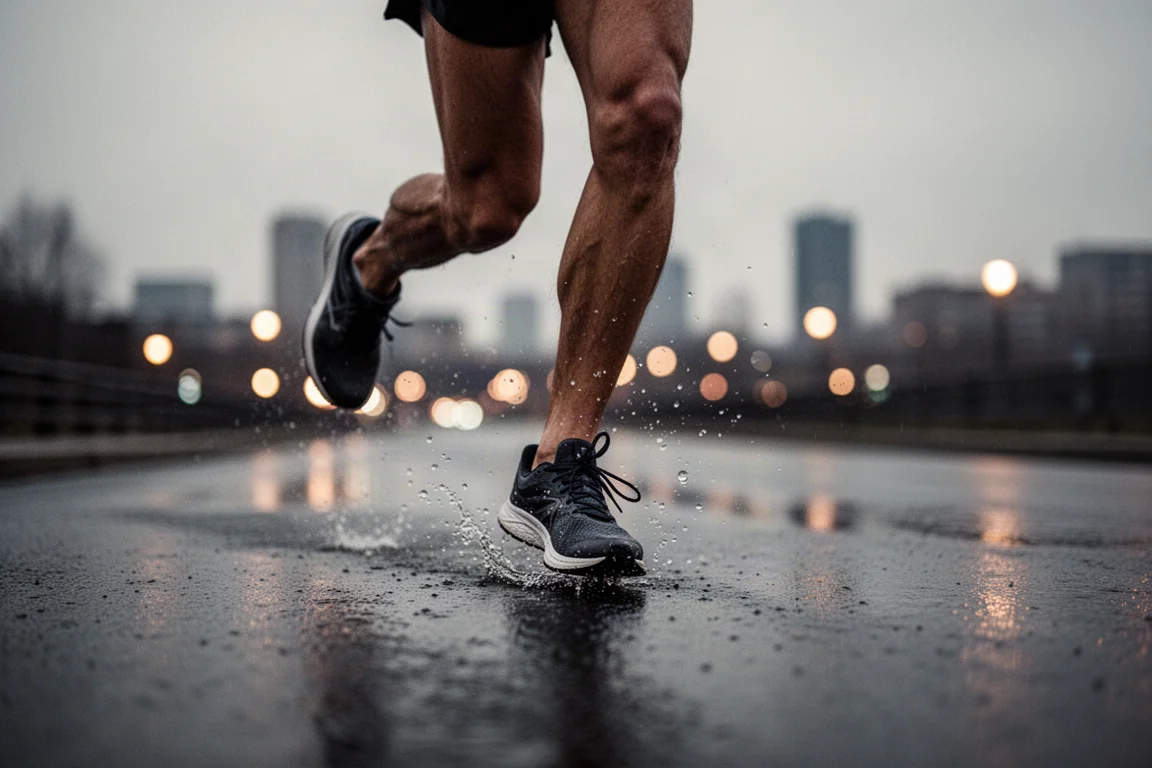
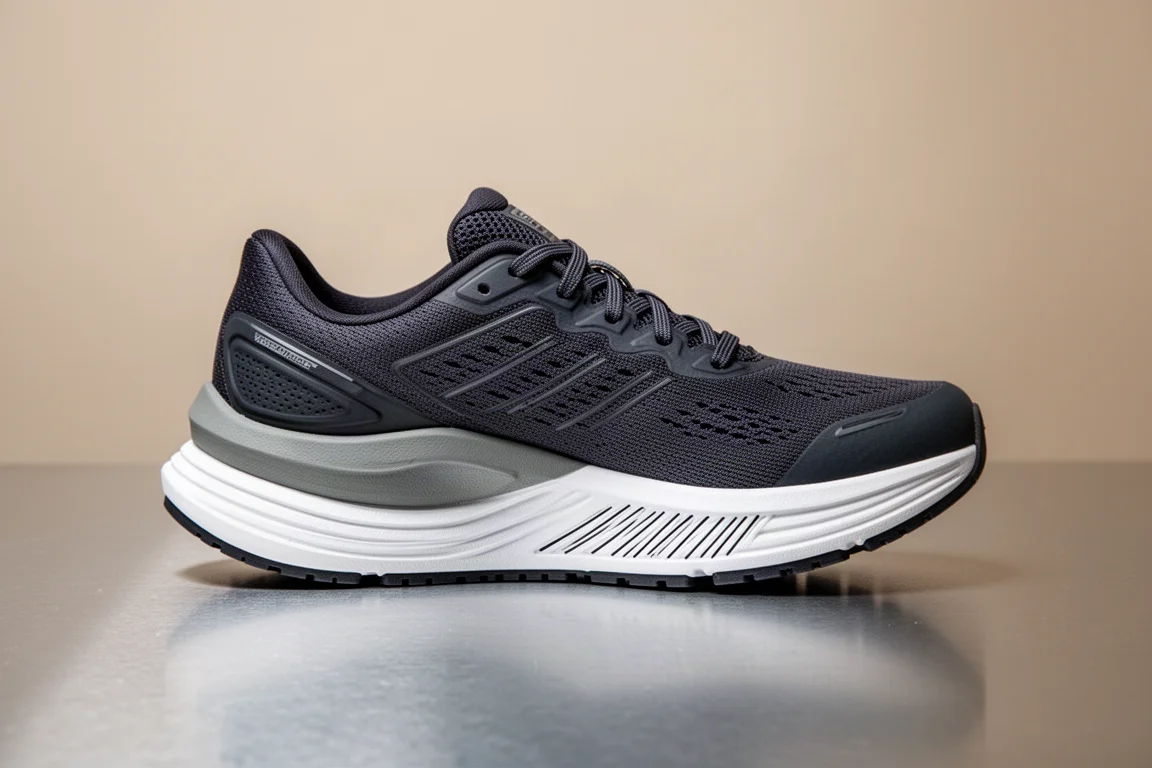
Saucony Endorphin Pro 3
Moving into the marathon racing category at $225, this shoe powered the 2022 Charlotte marathon and plenty of 16-to-20-mile long runs. The PWRRUN PB foam, a PEBA-based compound with expanded beads for pop, sits at up to 40 mm of stack under a big rocker that pushes you along at any pace.
That rocker is what makes it work for long runs where many racers do not: unlike most marathon racing shoes, this one stays comfortable even at slower training paces. Stability is decent without being the widest platform, and the heel does not extend as far back as some current racers.
Durability has been good at nearly 300 miles, though PEBA race foam generally softens over time and some pop may be lost late in the shoe’s life. The fit runs snug and slightly short, so narrow-toebox-averse buyers should look elsewhere. Note that the price had not dropped even with a version 4 released, and the version 3 remains the preferred of the two here, so it is worth picking up while available.
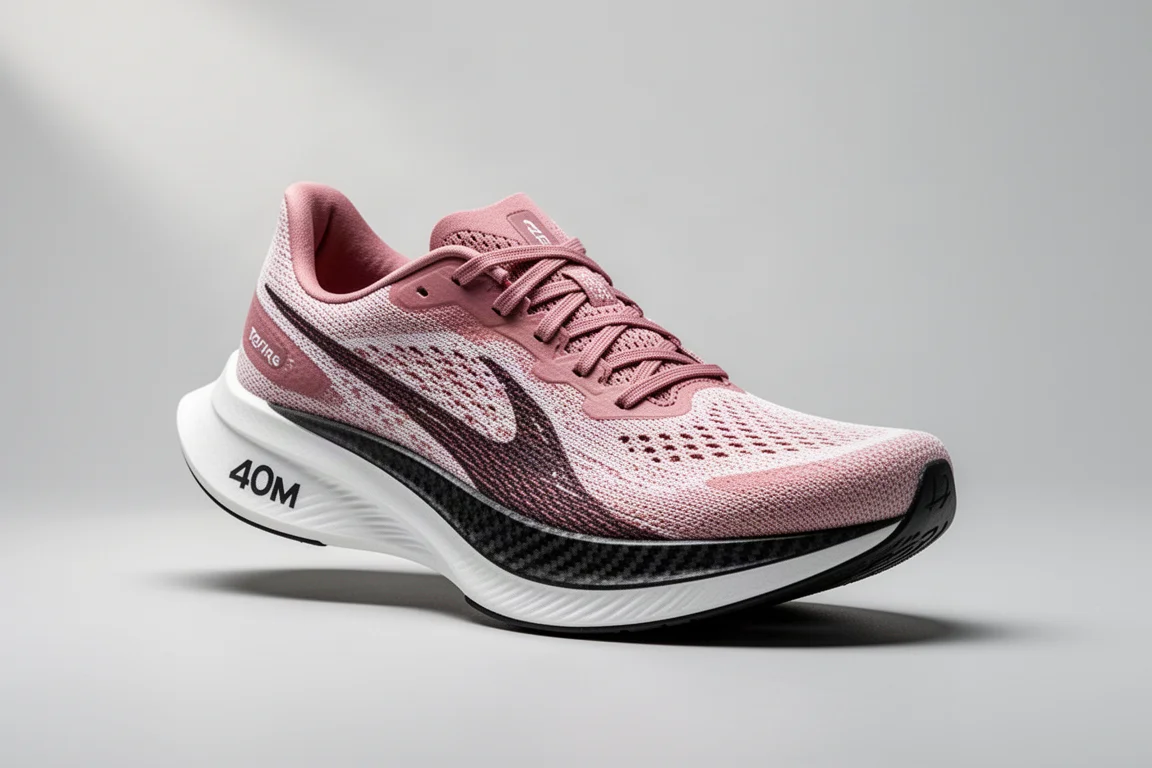
Diadora Gara Carbon
The premium pick at $300, and Diadora’s first marathon racing shoe. Developed over three to four years with input from Ducati on the full-length carbon fiber plate, the attention to detail shows: a durable Matrix-style upper with a distinct woven texture, well-designed laces with nubs that lock down nicely, and more heel padding than even some popular competitors.
The star is the PXB foam, one of the best PEBA formulations tried outside of ZoomX. It feels like a lighter, less dense version of Adidas Lightstrike Pro: you get a brief sink, then a quick, snappy pop off the toe thanks to the carbon plate and aggressive forefoot rocker. Every run in it has been strong, from intervals around 5:15 pace to a 22-mile long run, and it even feels like a regular sneaker just standing in it, which makes it one of the most versatile racers around.
Rubber coverage is generous, though oddly not extended fully to the rear. Stability is decent given the plate, with a chunky heel that works well for heel strikers. Diadora has stated the shoe was lab tested to be more efficient than every carbon racing shoe on the market at the time, though the company only uses the phrase “lab tested” publicly. It is a steep price and long-term durability is still unproven, but it is a genuinely fun, fast, comfortable shoe for two-hour-plus efforts.
Overall Buying Advice
If you want the best deal, the Saucony Triumph 20 RunShield at $65 to $100 is hard to beat and can handle nearly any run. At $140, the Asics Novablast 4 delivers the most foam and comfort in the daily trainer segment, especially for bigger runners who want stability and a firmer ride.
In the plated training segment at $160 to $180, split by intent: the New Balance SC Trainer V2 for soft, relaxed long runs, and the Adidas Boston 12 for faster workouts and marathon pace efforts. They also pair well as a two-shoe system.
If you want one shoe to train in and race a marathon in, the Saucony Endorphin Pro 3 remains the favorite of everything tested this year, and the Diadora Gara Carbon is the splurge pick if you want the best of the best and something a little different.
Conclusion
The right long-run shoe depends on where you are in training and what your long runs look like: cushioned comfort for pure time on feet, plated trainers for mixed efforts, and carbon racers if marathon pace work or racing is on the calendar. All six of these shoes have proven themselves over genuine two-hour-plus efforts, so pick the one that matches your pace goals and budget and let the miles do the rest.
Further reading
Related Reviews

Running Shoes
Best Road-to-Trail Running Shoes: Three Versatile Options for Mixed Terrain
A practical guide to three road-to-trail running shoes that handle both pavement and mild trails, with clear strengths and trade-offs for different runner types.

Running Shoes
Best Running Shoes for Achilles Tendonitis: Three Options Explained
Three running shoes with different heel drops and support features designed to help reduce Achilles tendon pain during walking and running.

Running Shoes
Best Running Shoes for Women: Five Top Choices Ranked
A ranked guide to five women's running shoes, from versatile daily trainers to high-performance racing options, with real strengths and trade-offs for each.