Running Shoes
Best Long Run Running Shoes: Six Tested Options at Six Price Points
Six long run shoes tried and tested across the price range, from the budget-friendly Puma Velocity Nitro 3 to the premium New Balance SC Trainer v3.
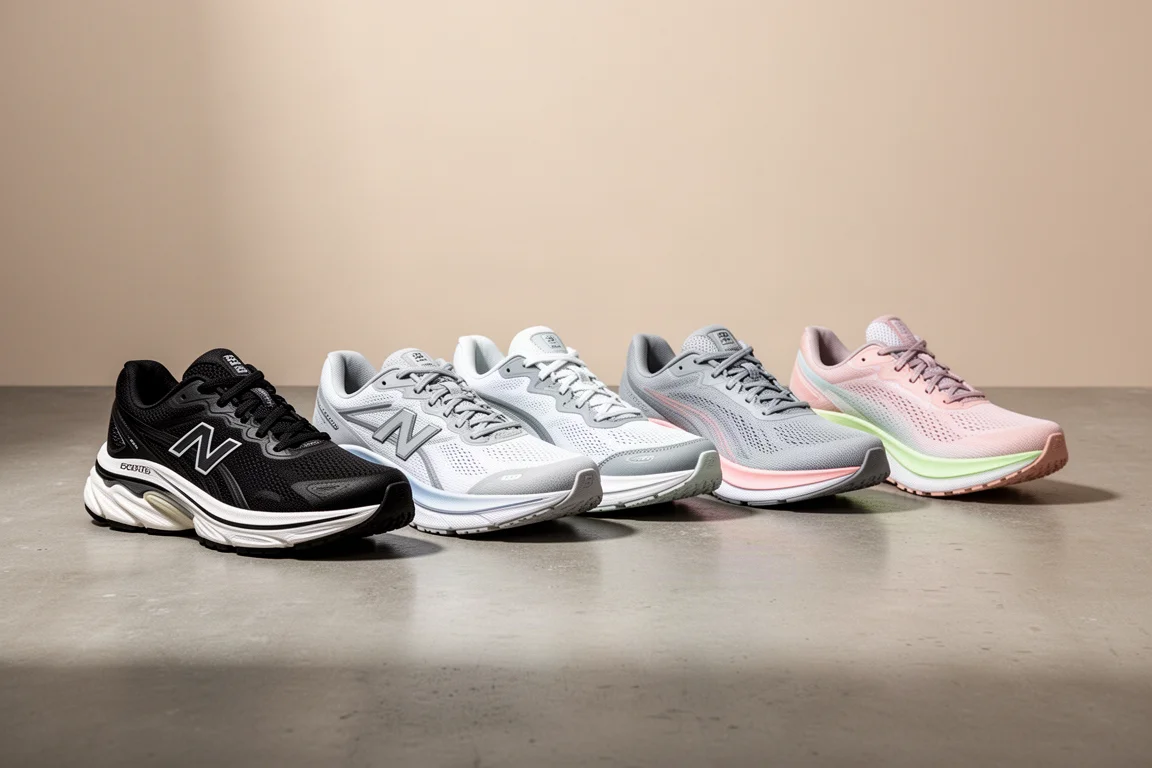
Introduction
Long runs are arguably the most important run of the week for anyone training for longer distances, and manufacturers have responded with a real explosion of dedicated long run shoes. These are designed to stay comfortable for hours, with massive stack heights and softer foams to look after your legs and keep fatigue to a minimum.
Six shoes made the cut here, all tested on long runs across six different price points, starting with the cheapest and finishing with the most expensive. Every shoe was purchased at full retail with no brand involvement, so the impressions below are honest and independent.
Budget Pick: Puma Velocity Nitro 3
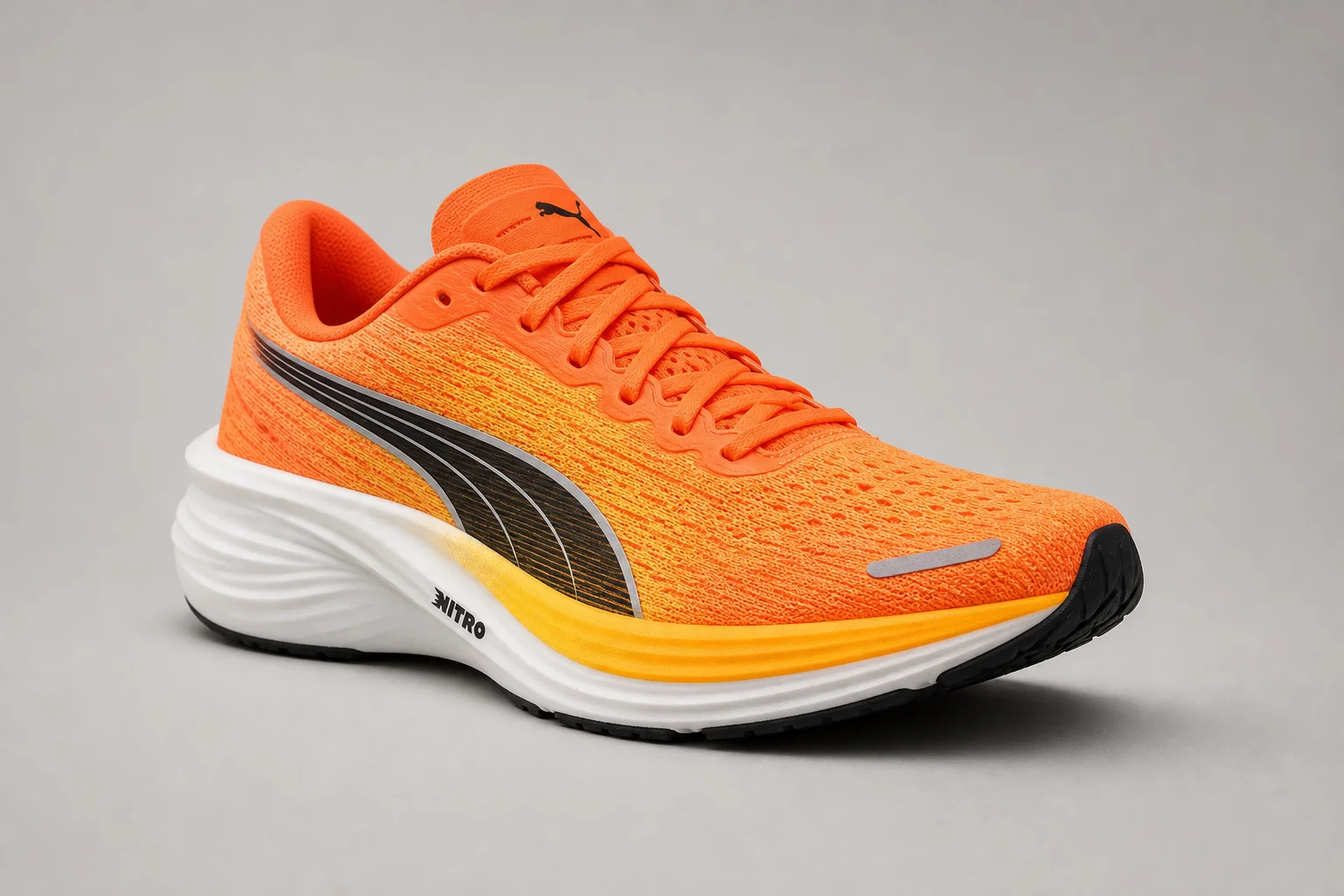
The Puma Velocity Nitro 3 cost £110 at UK retail, though it can usually be found discounted for closer to £88. Specs include a 36 mm heel stack, a 10 mm drop, and 336 g in a UK size 12. The midsole uses Puma’s Nitro foam with no plate, and the fit is true to size.
The Nitro foam is fun and bouncy, and the shoe feels far more expensive than it is. It is a genuinely versatile daily option that works at a wide range of paces and distances.
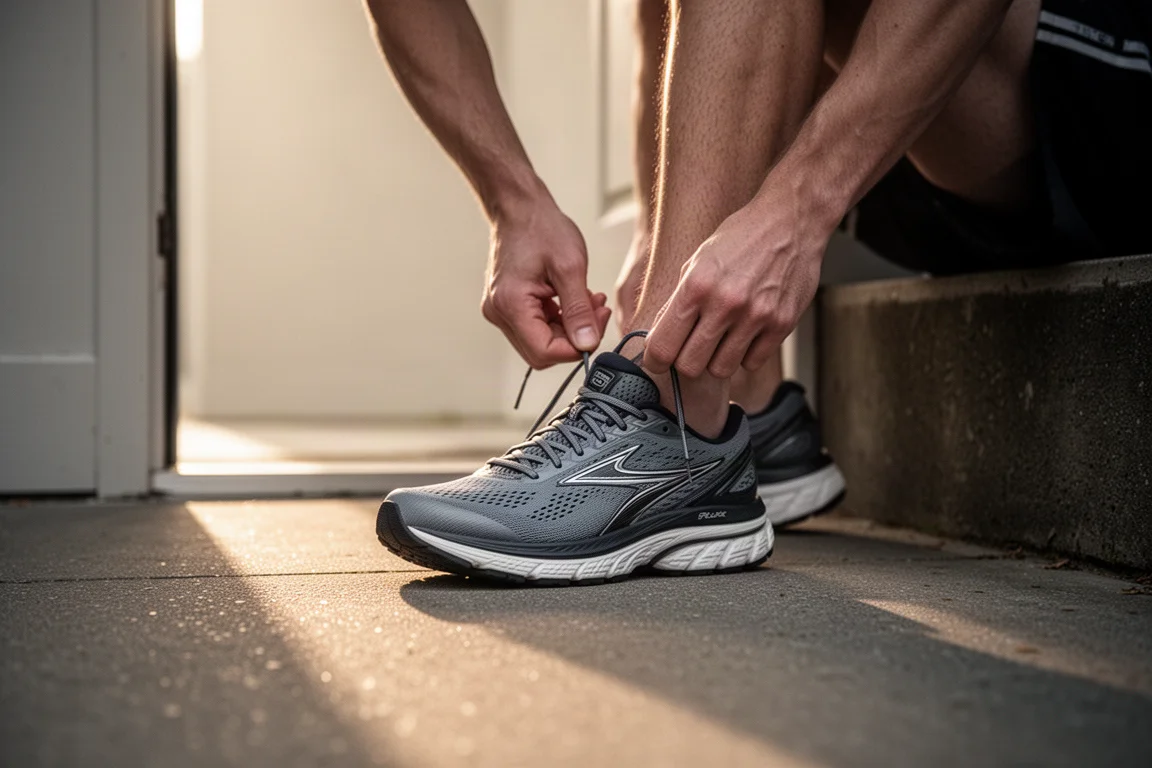
The main downside is fit: it runs a little narrow, so it is really best for narrow-footed runners. An average foot will be fine, but it may feel snug, and a wide version is hard to find. As a budget offering, it is more of a general everyday shoe than a dedicated long run shoe, but at this price it gets remarkably close, and it also delivers fantastic grip in wet conditions.
Asics Novablast 4
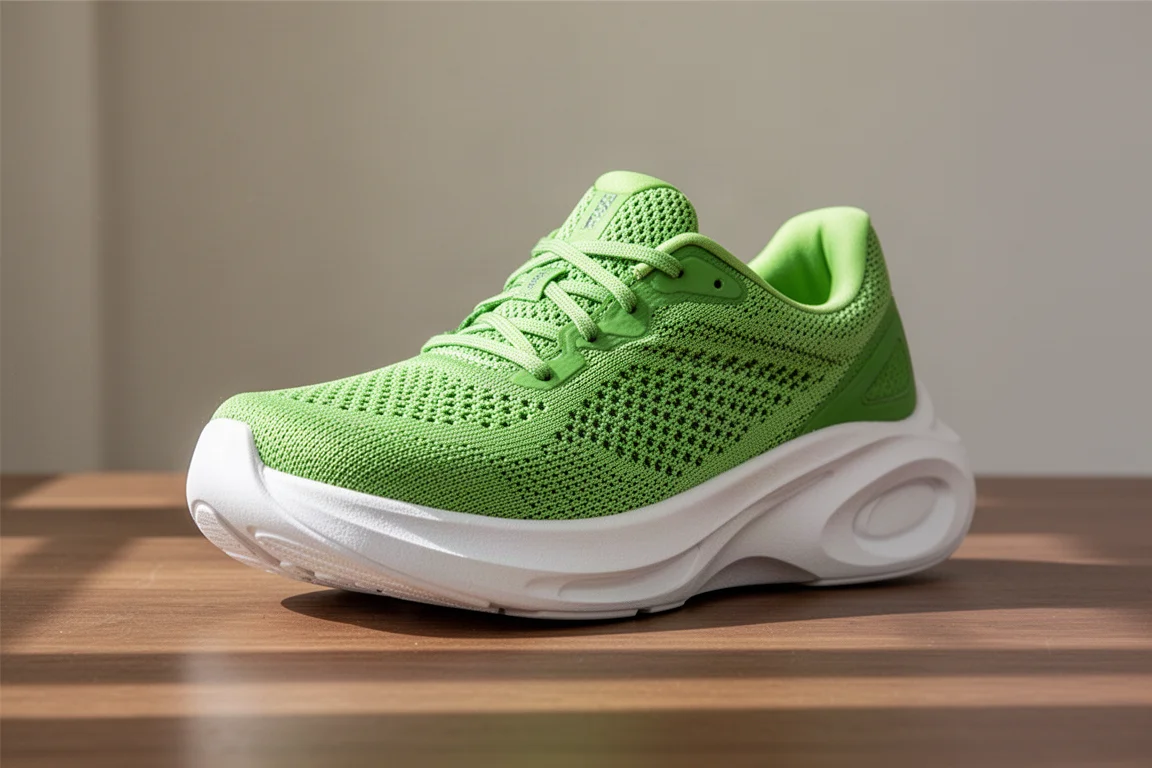
The Asics Novablast 4 launched earlier this year and cost £135. It has a 41 mm heel stack, an 8 mm drop, and a nicely light 300 g weight. The midsole is FF Blast Eco Plus cushioning, and sizing runs large, so going half a size down is recommended.
What stands out is the balance of light cushioning and responsiveness while staying comfortable. There is also extra width in the shoe, making it a strong option for wider feet, and it can pick up the pace when needed rather than being limited to long runs.
The wet weather grip is not fantastic, though Asics makes a trail version of this shoe with exactly the same build but a better-gripping outsole, which could be a solid winter option. Around £135, the value is hard to beat: the extra stack height absorbs more impact from the road and keeps your legs feeling fresh for longer.
Brooks Ghost Max 2
The Brooks Ghost Max 2 recently launched at £145. It has a 38 mm heel stack, a 6 mm drop, and is a little heavy at 373 g in a UK size 12. The midsole is an updated DNA Loft v3, and sizing is true to size.
Brooks offers medium, wide, and extra wide fittings here, making it the only shoe on this list with those width options. If you are a wide-footed runner, this is the one to look at.
The updated midsole is much improved, and there is plenty of foam to look after your legs on long runs. A rocker design at the front of the shoe helps you roll smoothly through foot strike, giving a lovely turnover. It is dependable rather than exciting, and it is a good option for beginners or newer runners thanks to its stability and comfort.
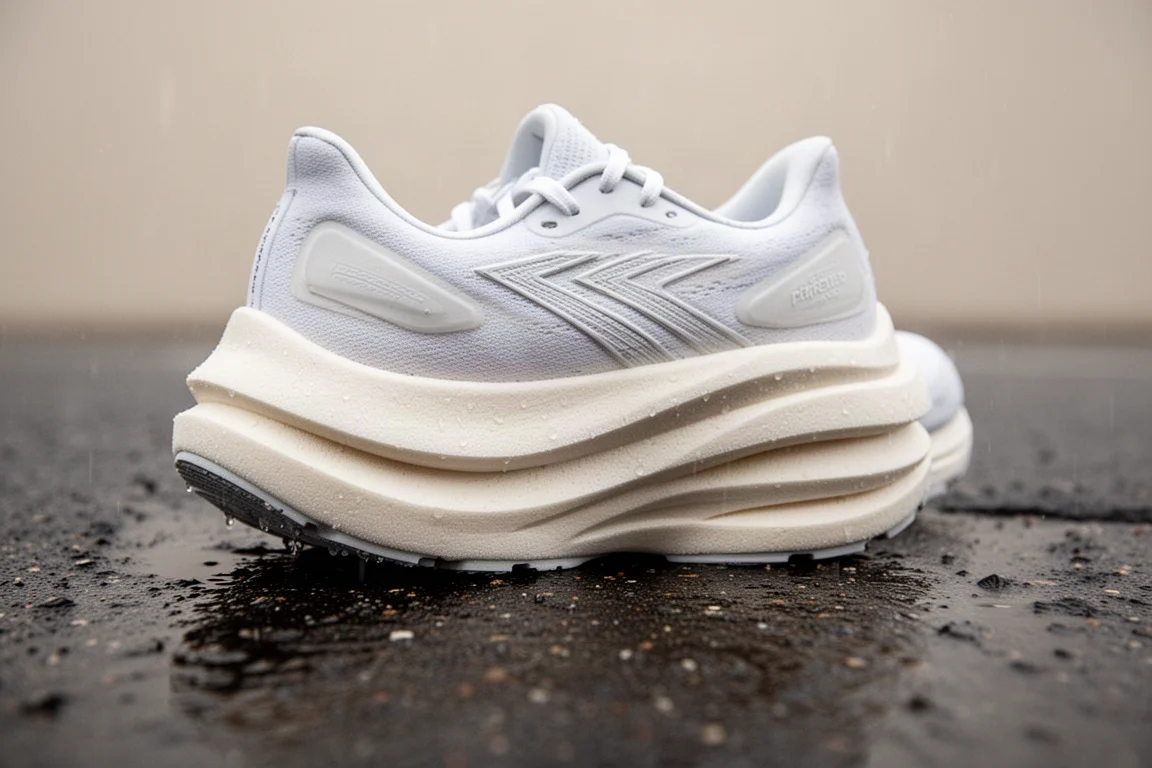
On the negative side, it is on the heavy side and has an enormous amount of padding around the ankle, which some will love but which borders on overkill. It also struggles to pick up the pace, happy cruising along at marathon, easy, or recovery pace. If you already like the Ghost as a daily trainer, this is essentially that with much more foam, and much better suited to long runs.
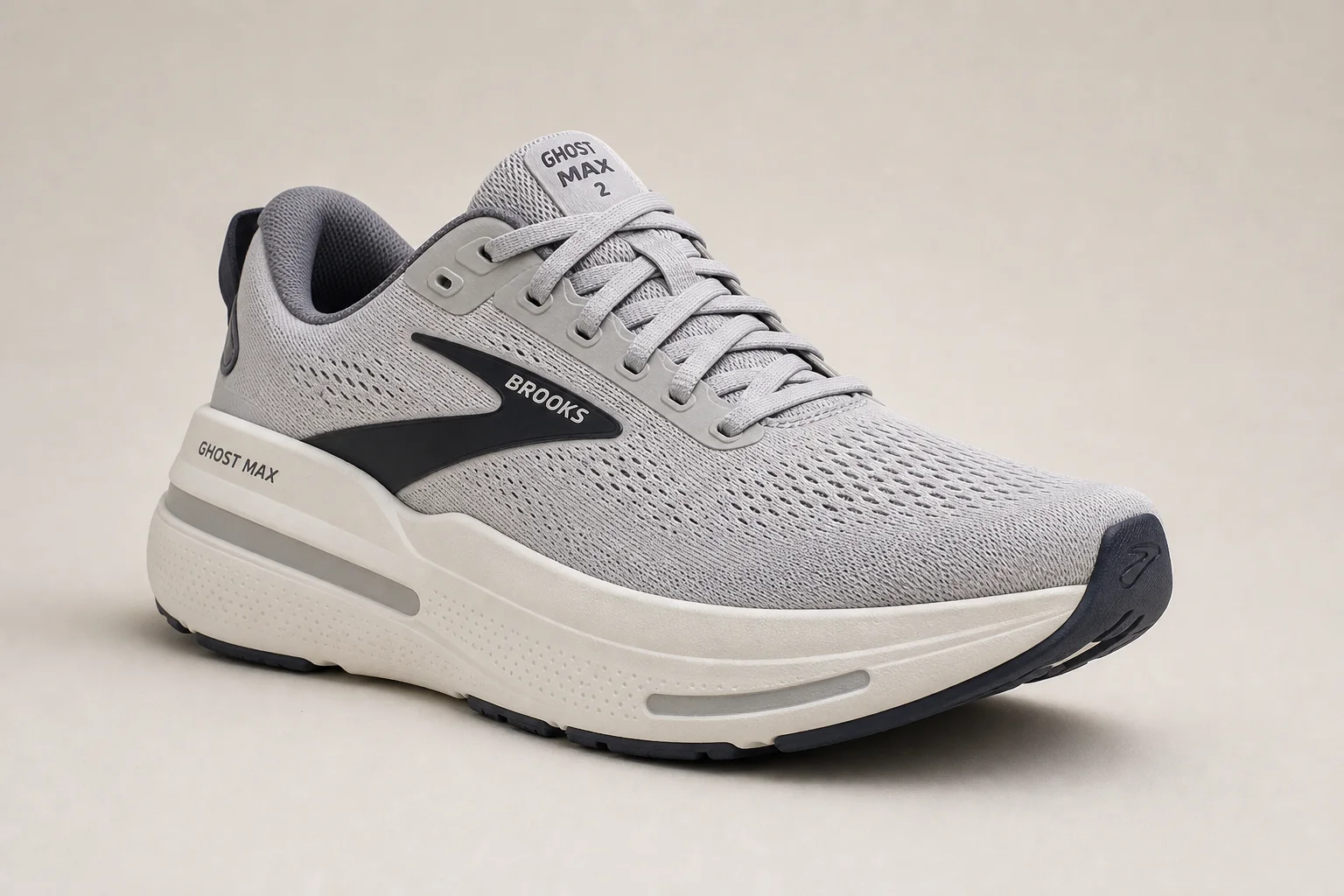
Hoka Skyward X
The Hoka Skyward X cost £185 at full price with no discounts available. It has a frankly enormous 48 mm heel stack, a 5 mm drop, and 378 g in a UK size 12, making it likely the heaviest shoe tested here. The midsole has two layers: a very soft premium PEBA foam of the kind used in top-end racing shoes, plus a layer of supercritical EVA for durability, with an X-shaped carbon plate that is there for stability rather than speed.
Putting it on feels odd, like walking around eight feet tall. But it is genuinely fun to run in, surprisingly smooth despite the bulk, and feels great quality. It is ideal for long runs or long walks, and there is so much foam underneath you that impact is thoroughly absorbed.

It is heavy and bulky, and really only suited up to marathon pace. But if you are not worried about pace and just want something dependable and super comfortable for very long runs, it is a solid bet, especially for heavier runners whose shoes might otherwise bottom out.
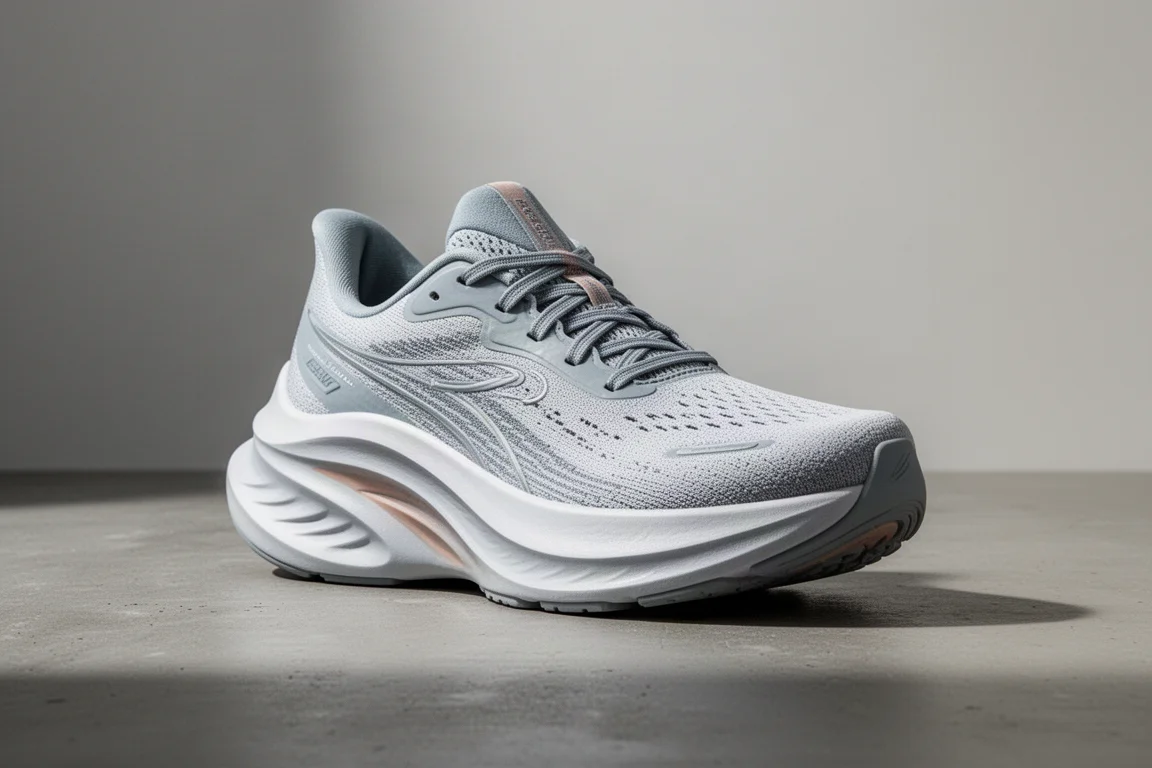
Asics Superblast 2
The Asics Superblast 2 cost £200 and has been a favourite of the year, selling out almost everywhere. There is no carbon plate, but you get a full-length high-end PEBA midsole with a massive 45 mm heel stack, an 8 mm drop, and a beautifully light 288 g. The midsole is mostly FF Turbo with a small sliver of more durable Asics foam, and Asics sizing runs large, so half a size down is the usual recommendation.
It is easily the most versatile shoe here. It can truly do everything: races, speed work, easy runs, long runs. It is light enough to pick up the pace easily, handles 5K and 10K pace reps, raced a half marathon well, and has been taken up to 36 km in marathon preparation.
The firm-ish ride is worth noting: if you want something softer and squishier to pamper your legs, look at the Skyward X or the SC Trainer below. Durability is fantastic, with around 800 good training miles expected before the foam goes dead. The only real problem is availability, which remains very difficult in regular sizes.
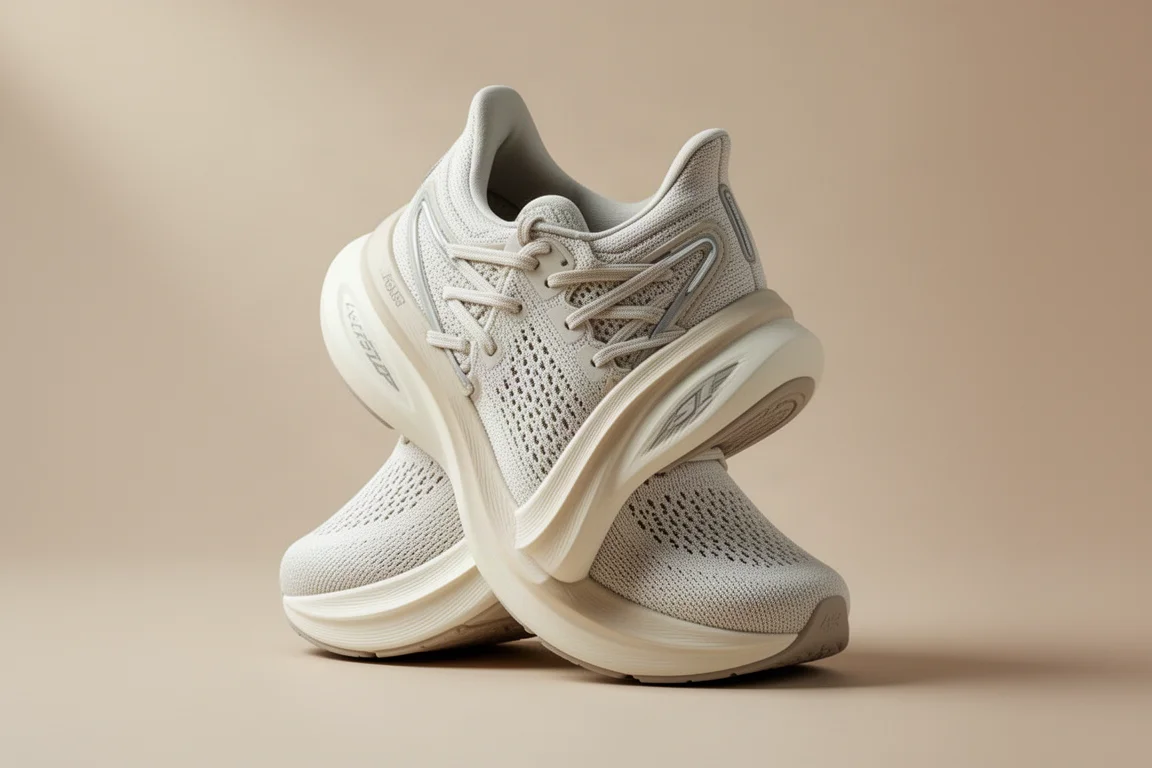
New Balance SC Trainer v3
The New Balance SC Trainer v3 cost £230 in the UK, but is far cheaper in the United States at around $180 (and around $185 CAD in Canada), so regional pricing matters a lot here. It has a 40 mm heel stack, a 6 mm drop, and 225 g. The midsole is a PEBA and EVA blend, a good compromise between softness, responsiveness, and durability, with a full-length carbon plate that again leans stability rather than all-out speed. It runs true to size.
It is comfortable straight out of the box, and the plate adds good stability. The soft, marshmallowy foam absorbs impact beautifully, which is especially welcome for city runners spending most of their time on asphalt and tarmac. It suits slower paces: easy, recovery, marathon, and up to half marathon pace.
The price outside the US and Canada is the big complaint, especially for a shoe that is somewhat niche for long runs. If you can get it for around $180, it is a strong pick; in the UK, the Skyward X offers a very similar feel, just chunkier and heavier, while the SC Trainer v3 is lighter and more nimble.

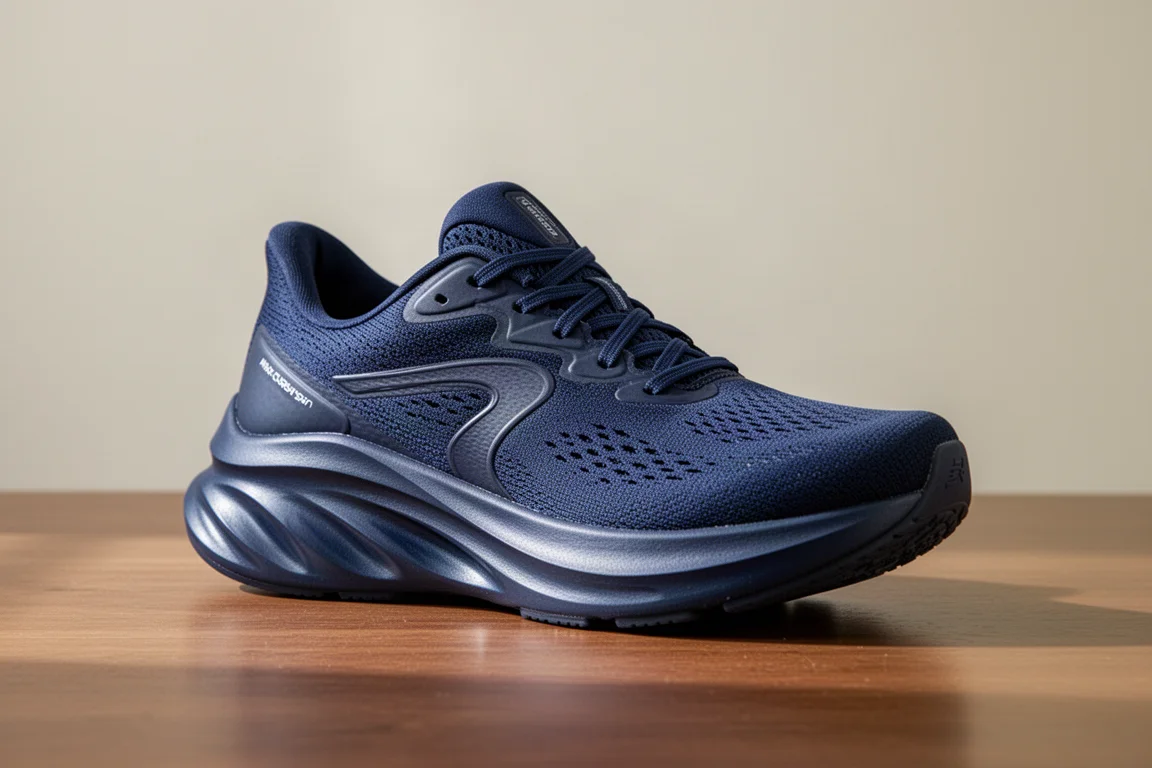
Buying Advice
There is no single best shoe here, because each fits a different need. The Superblast 2 is arguably the standout of the year if you can find one and afford it. For pure comfort and fun, the Skyward X is a solid bet, and the SC Trainer v3 is a great choice if you live in or are visiting the US or Canada.
The Ghost Max 2 suits newer and beginner runners thanks to its dependability and comfort, and nobody should feel short-changed by the Puma Velocity Nitro 3 or the Novablast 4 at their price points. All six shoes will look after you well on long runs; the cheaper ones simply may not last quite as long and do not feel quite as premium.
Conclusion
Dedicated long run shoes now exist at every price point, and the right choice comes down to your feet, your pace, and your budget. Narrow-footed runners on a budget should start with the Velocity Nitro 3, wide-footed runners should look hard at the Ghost Max 2, and anyone chasing the best all-round long run experience should hunt down the Superblast 2.
Further reading
Related Reviews

Running Shoes
Best Road-to-Trail Running Shoes: Three Versatile Options for Mixed Terrain
A practical guide to three road-to-trail running shoes that handle both pavement and mild trails, with clear strengths and trade-offs for different runner types.

Running Shoes
Best Running Shoes for Achilles Tendonitis: Three Options Explained
Three running shoes with different heel drops and support features designed to help reduce Achilles tendon pain during walking and running.

Running Shoes
Best Running Shoes for Women: Five Top Choices Ranked
A ranked guide to five women's running shoes, from versatile daily trainers to high-performance racing options, with real strengths and trade-offs for each.