Running Shoes
Best Long Run Shoes: Comfort, Stability, and Speed Assistance Compared
Six running shoes that cover the full spectrum of long run needs, from relaxed weekend miles to marathon-pace efforts and race day.
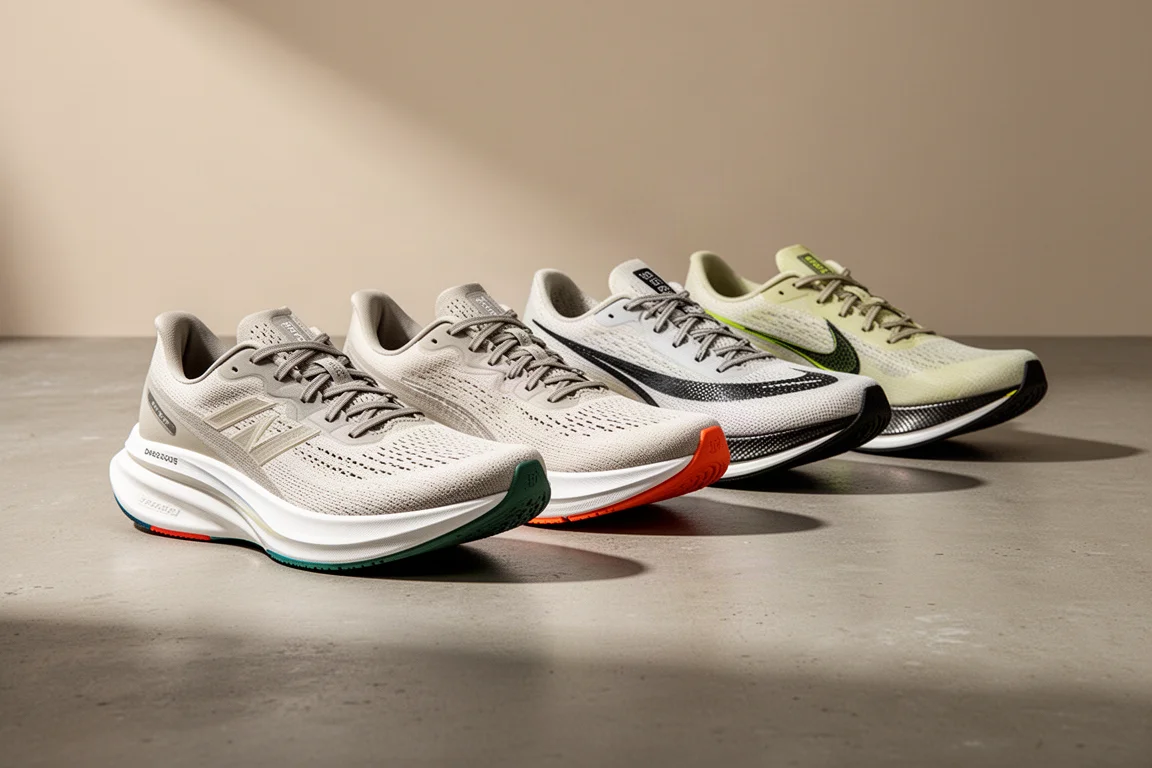
Introduction
Long runs are where marathon training is won or lost, and the shoe on your foot matters more here than almost anywhere else. After extensive testing, including plenty of 20 and 22 mile efforts, a clear pattern emerges: the best long run shoe is the one that keeps you comfortable, supported, and confident for two hours or more.
This guide breaks down six shoes that cover the full range of long run use cases, from relaxed everyday trainers to durable carbon-plated racers you can also use on race day.
What to Look For in a Long Run Shoe
Three criteria matter most. First, comfort: when you are out for two hours or longer, step-in feel, midsole softness, and upper padding are non-negotiable. Second, stability and support: a wider base makes a tall stack of foam easier to run in, helps you maintain form late in the run, and reduces wasted energy, both physical and mental. Third, speed assistance: bouncy foam, plates or rods, and a rocker geometry that help you roll forward at faster efforts.
A reliable rule of thumb for race day: nothing new on race day. Training and racing in the same shoe gives you complete confidence in how it laces, lands, and grips, and modern marathon shoes are built with enough rubber and durable foam that they hold their performance well past a full training block. For most shoes, performance does not decline until well beyond 350 miles of use.
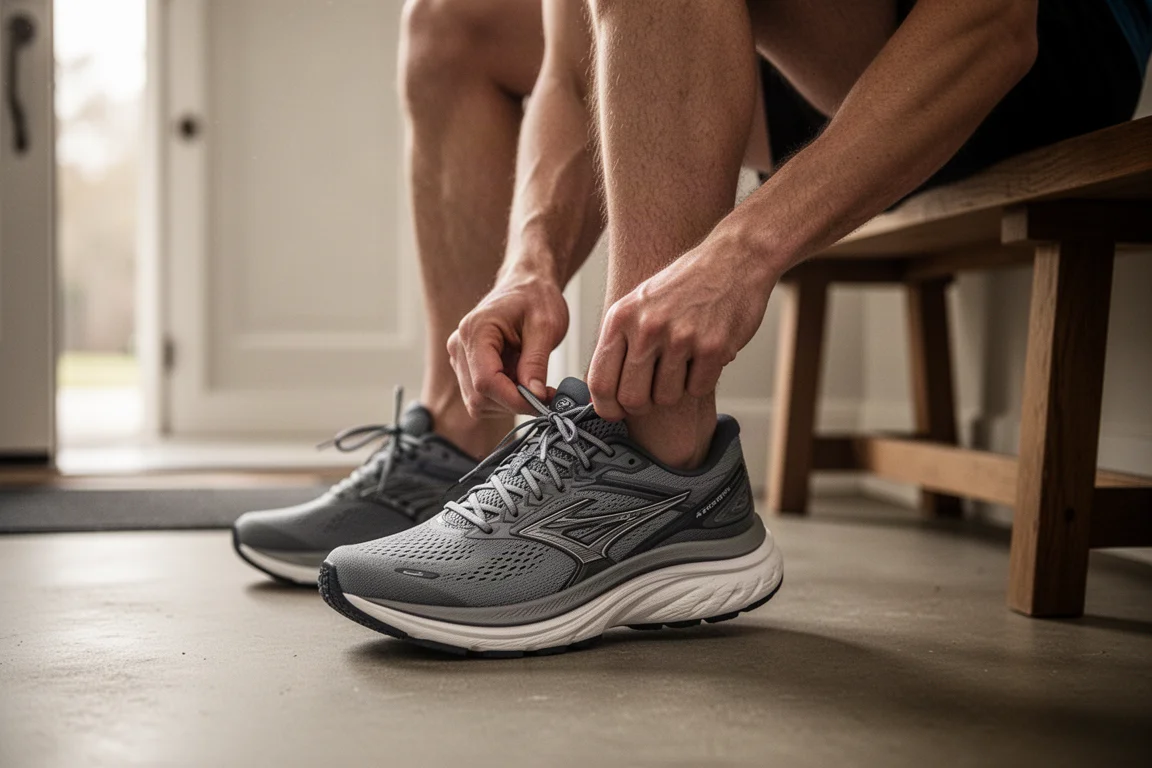
Comfort: Midsole Foam and Stack Height
Comfort starts with the midsole. For genuine long run duty, aim for a heel stack of at least 35 mm, and ideally close to 40 mm. Foam softness matters just as much as height: the sweet spot is a compound that is neither as firm as traditional EVA nor as soft as the most aggressive race-day foams, blending cushion with support.
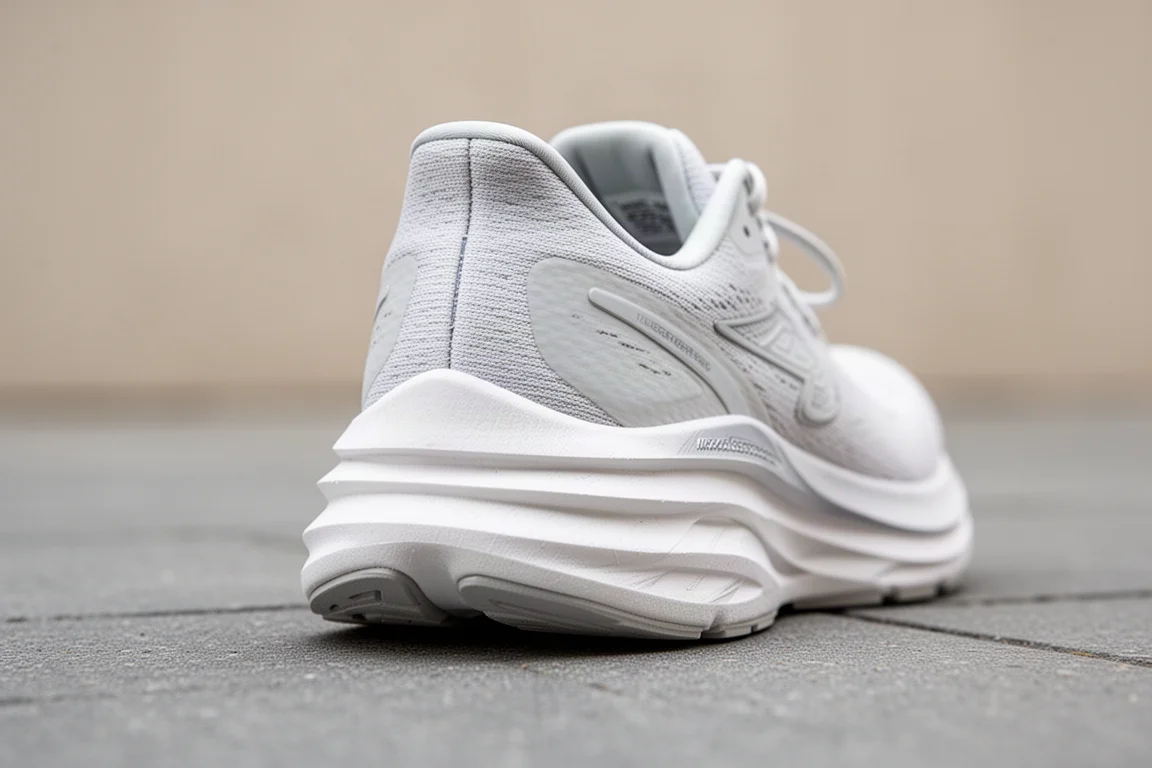
If you are training for your first marathon, prioritize maximum cushion. Shoes close to 40 mm in the heel make long efforts dramatically easier on your legs and help you arrive at the start line healthy.
Stability and Support
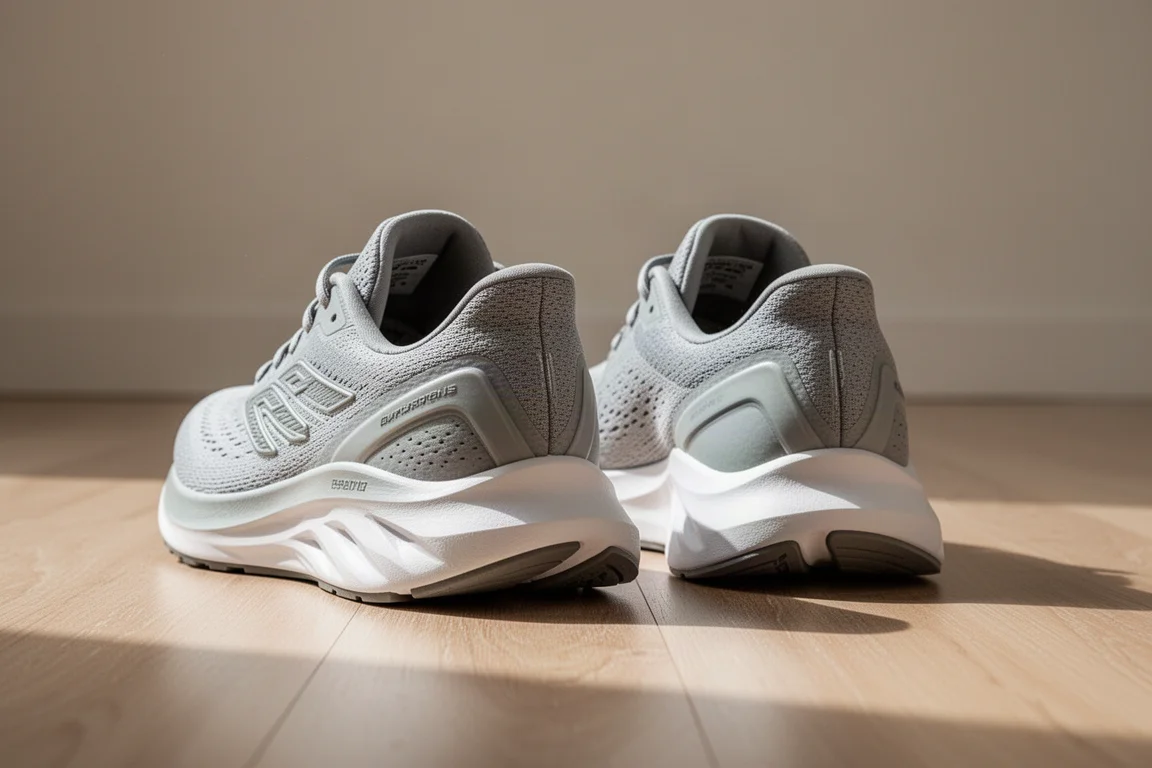
A wider base in the heel does two jobs at once. It makes a taller stack of foam stable and easy to run in, and it adds confidence when fatigue starts to break down your form late in a long run. Most recreational runners benefit from that extra support, and the easier a shoe is to run in, the less energy you waste over hours on the road.
Best Relaxed Long Run Trainer: ASICS Novablast 4
The ASICS Novablast 4 is one of the standout daily trainers for long runs. Its FF Blast Plus foam sits in the sweet spot between firm and soft, the upper is well padded, and the ride stays consistent from 45 minute runs all the way up to three-hour efforts. It does not have a plate or aggressive rocker, so it is best for relaxed long runs rather than marathon-pace work.
It is also one of the top picks for a four-hour marathon shoe, durable enough to double as a race day option. At $140, it sits right in line with most everyday trainers.
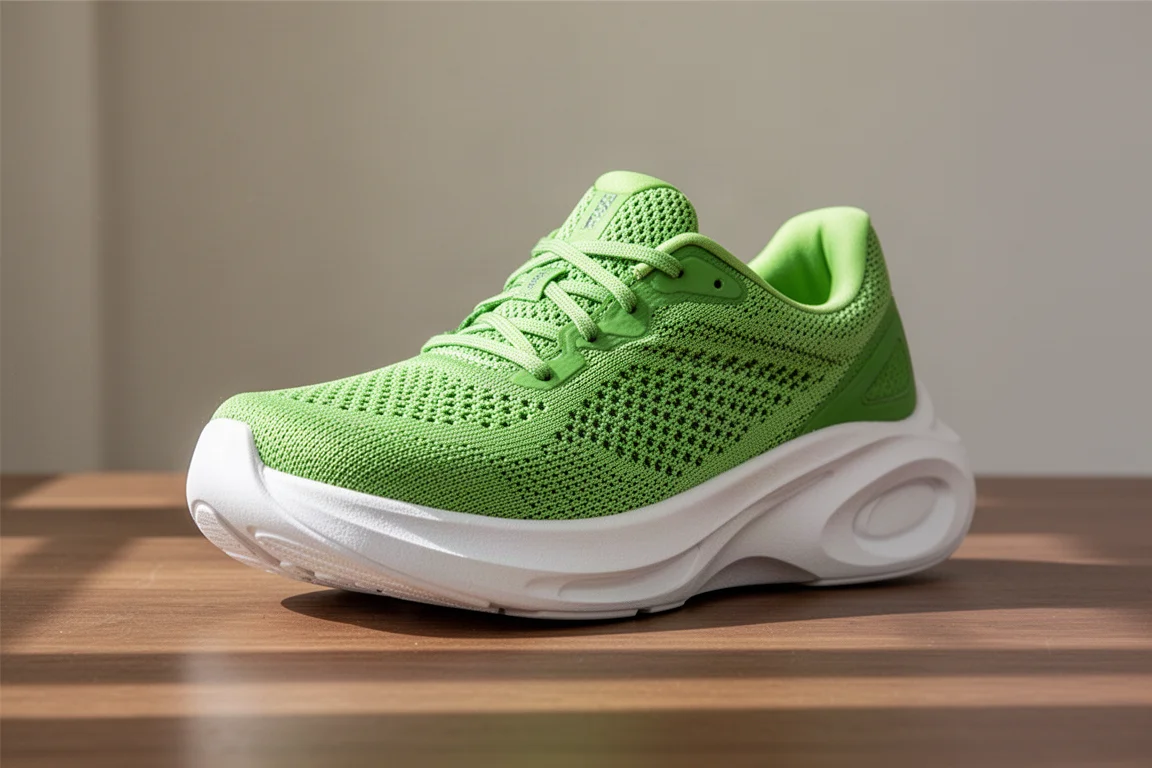
Best Durable Racer for Long Runs: Adidas Adizero Adios Pro 3
The Adidas Adizero Adios Pro 3 brings three elements of speed assistance: Lightstrike Pro foam with a dense, bouncy character, carbon fiber energy rods instead of a full plate, and a rocker geometry that rolls you forward onto your toes. With 39 mm of heel foam, it still qualifies as a cushioned option for long efforts.
The trade-off is the upper: it is not the most padded, so the fit feels different on top of the foot. In exchange you get a lighter weight and genuine pace assistance, making it a strong pick if you want to practice race pace in the same shoe you will race in.
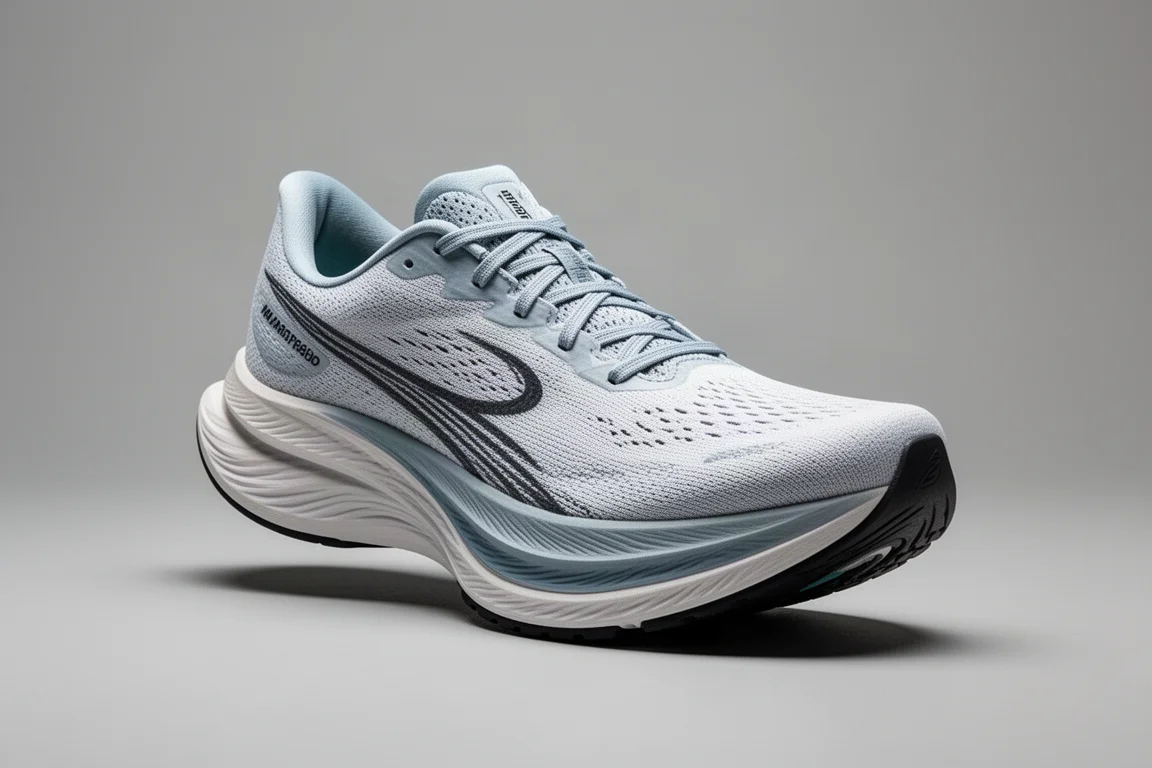
Best All-Around Pace Shoe: Saucony Endorphin Pro 4
The Saucony Endorphin Pro 4 is the agreeable one of the durable racing group: soft, bouncy, and fun to run in, with a ride that works across a wide range of paces and foot strikes. If your long runs include marathon-pace segments and you want a shoe that handles both easy and fast running, this is the natural choice.
At $225, it is priced in line with other high-end racing shoes, and it is one of the recommended options if durability is a priority.
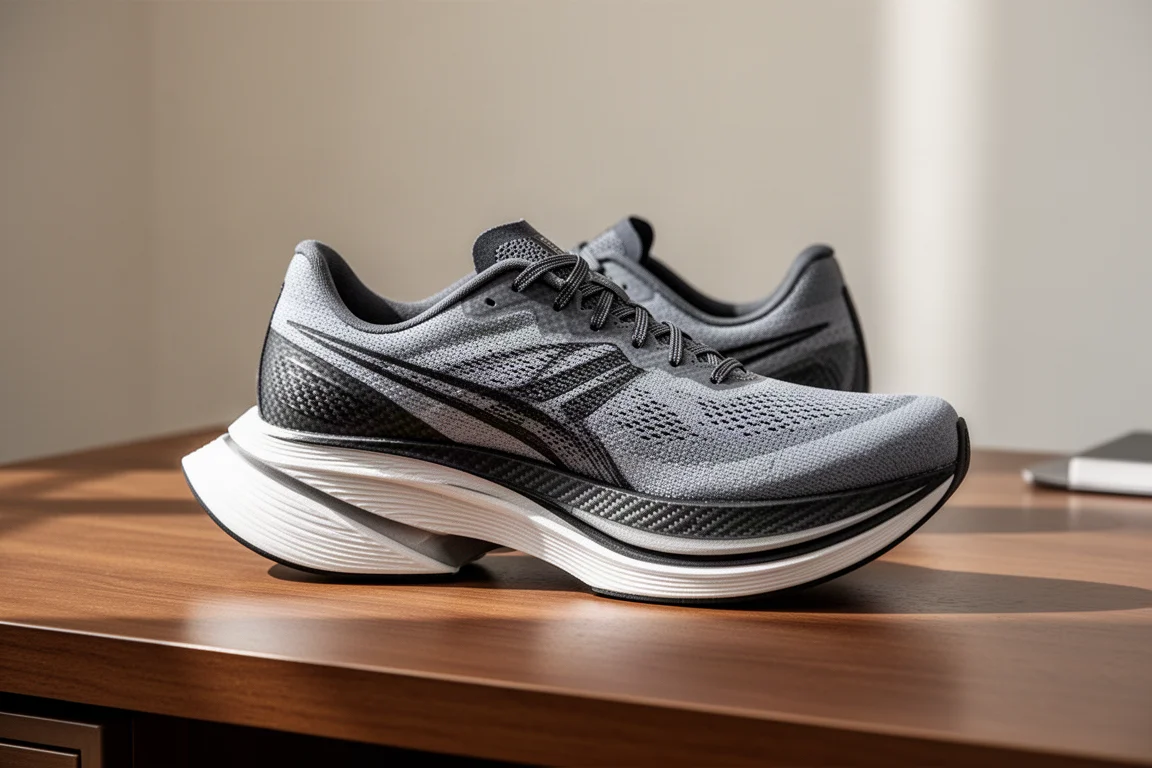
Best for Maximum Cushion and Protection: New Balance SC Elite v4
The New Balance SC Elite v4 is the most stable and widest of the plated marathon shoes, with the lowest drop and a generous amount of forefoot foam. If your priority is the maximum amount of cushion and protection over the marathon distance, this is the one to pick.
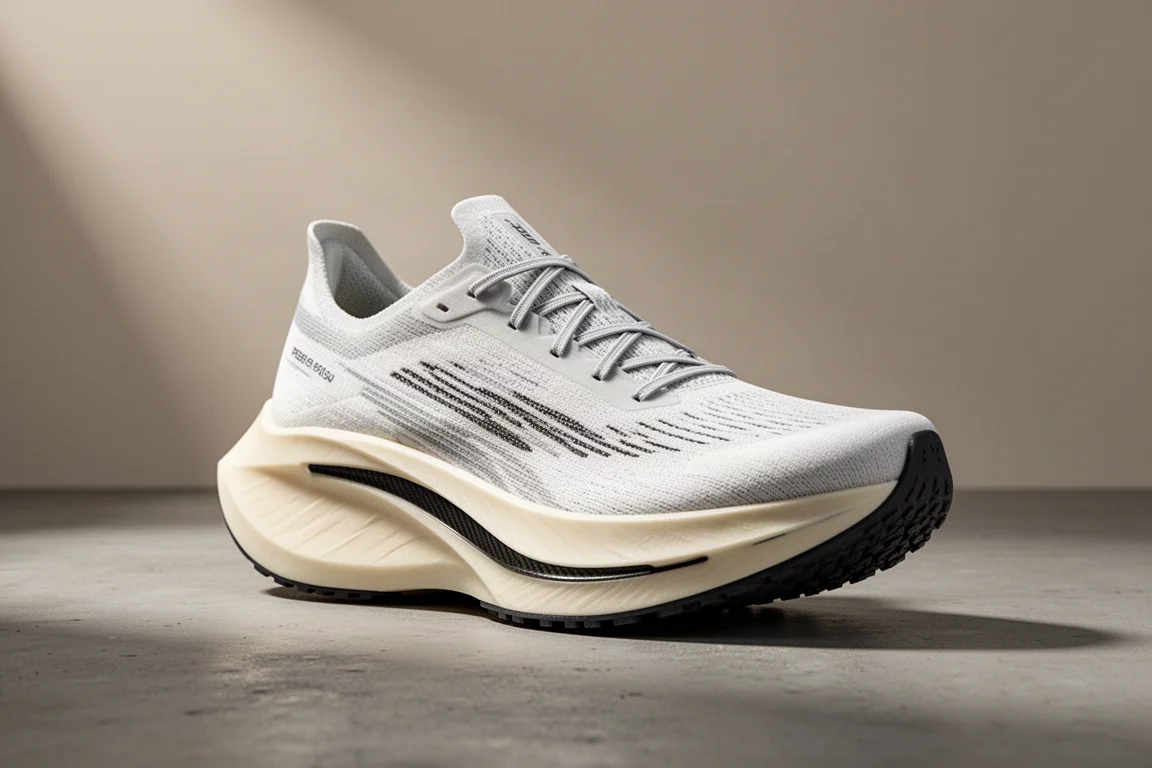
Best Lower-Stack Alternative: New Balance Rebel v4
The New Balance Rebel v4 proves that fun, comfortable shoes exist below the 35 mm threshold. It is a great option for everyday miles and shorter, faster efforts, though it is not the right tool for marathon-style long run training. If you enjoy lower-stack shoes and your long runs are moderate, it still deserves a spot in the rotation.
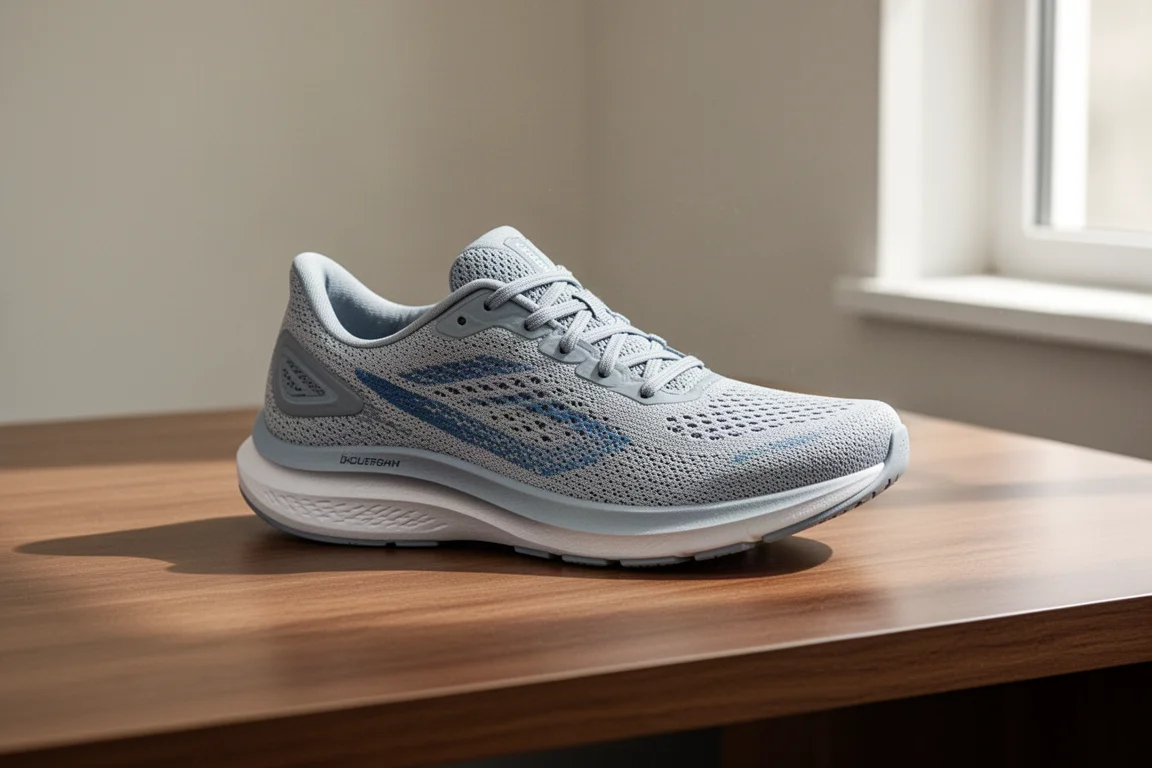
Best Value Cushioned Trainer: Saucony Triumph
The Saucony Triumph, in its recent versions, lands around the $100 mark, making it one of the best value non-plated long run shoes on the market. Alongside the Novablast 4, it represents the top of the cushioned, non-plated long run category under $150, ideal if you want to finish long runs in comfort without paying racer prices.
Overall Buying Advice
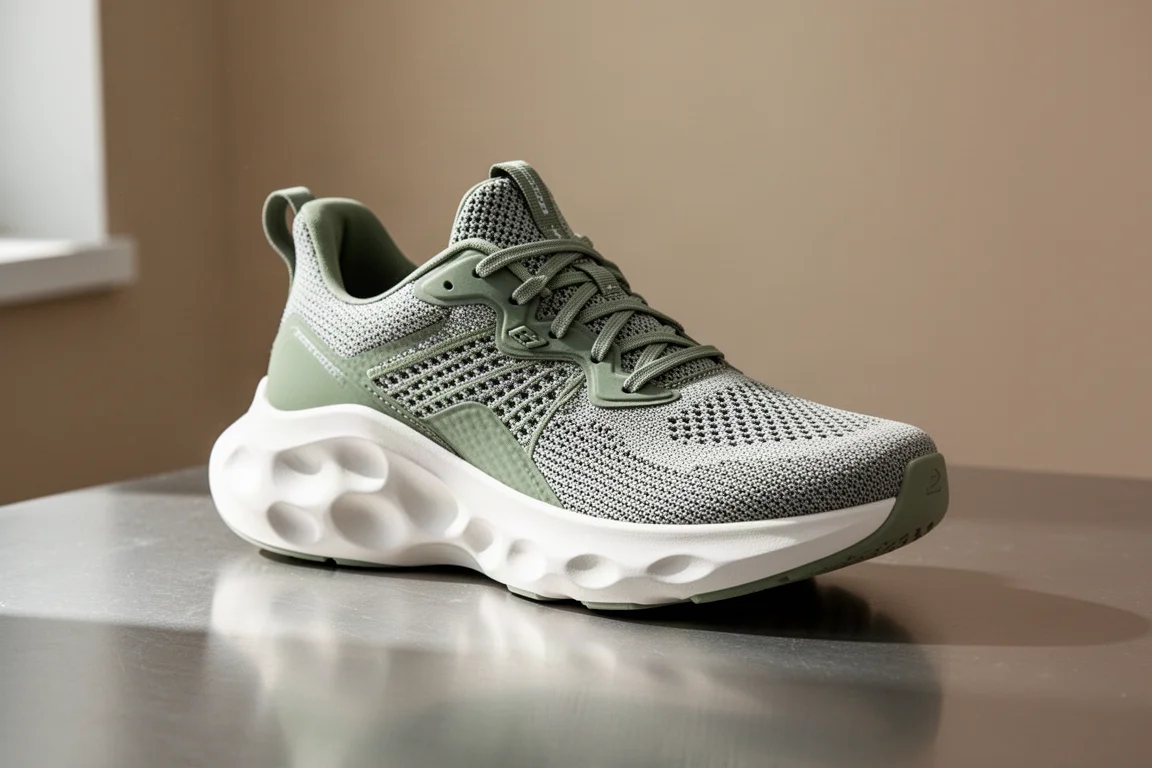
Match the shoe to the type of long run you are doing. Relaxed long runs build mitochondria, slow-twitch strength, and fat-burning efficiency, and a comfortable trainer like the Novablast 4 or Triumph excels there. Faster long runs at marathon pace raise fitness and rehearse race effort, which is where the Adios Pro 3, Endorphin Pro 4, or SC Elite v4 earn their keep.

Rotate between shoes with different drops, stacks, and plate setups. Research consistently points to rotation as the best footwear strategy for injury prevention, and it also spreads the cost across multiple pairs. If your long runs are only an hour or 90 minutes and you are not marathon training, your everyday shoe is probably fine until you notice it is not cushioned enough.
On budget: everyday trainers cluster around $140 to $150, while race-day shoes run up to $250. If you plan to race in a plated shoe, the price is defensible given how many hours you will spend in it across training and racing. If you just want to finish in comfort, the sub-$150 trainers are genuinely excellent.
Conclusion
There is no single best long run shoe, only the best match for your pace, feet, and budget. Comfortable trainers like the ASICS Novablast 4 and Saucony Triumph cover relaxed long runs at a reasonable price, while the Adidas Adizero Adios Pro 3, Saucony Endorphin Pro 4, and New Balance SC Elite v4 bring speed assistance and durability for runners who want to train and race in the same shoe. Pick based on how you actually run your long efforts, and let consistency, not novelty, carry you to the start line.
Further reading
Related Reviews

Running Shoes
Best Road-to-Trail Running Shoes: Three Versatile Options for Mixed Terrain
A practical guide to three road-to-trail running shoes that handle both pavement and mild trails, with clear strengths and trade-offs for different runner types.

Running Shoes
Best Running Shoes for Achilles Tendonitis: Three Options Explained
Three running shoes with different heel drops and support features designed to help reduce Achilles tendon pain during walking and running.

Running Shoes
Best Running Shoes for Women: Five Top Choices Ranked
A ranked guide to five women's running shoes, from versatile daily trainers to high-performance racing options, with real strengths and trade-offs for each.