Running Shoes
Best Lightweight Performance Trainers Under $150: Five Do-It-All Running Shoes
Five mostly non-plated performance trainers that balance light weight, snap, and durability for daily runs, workouts, and racing.
Introduction
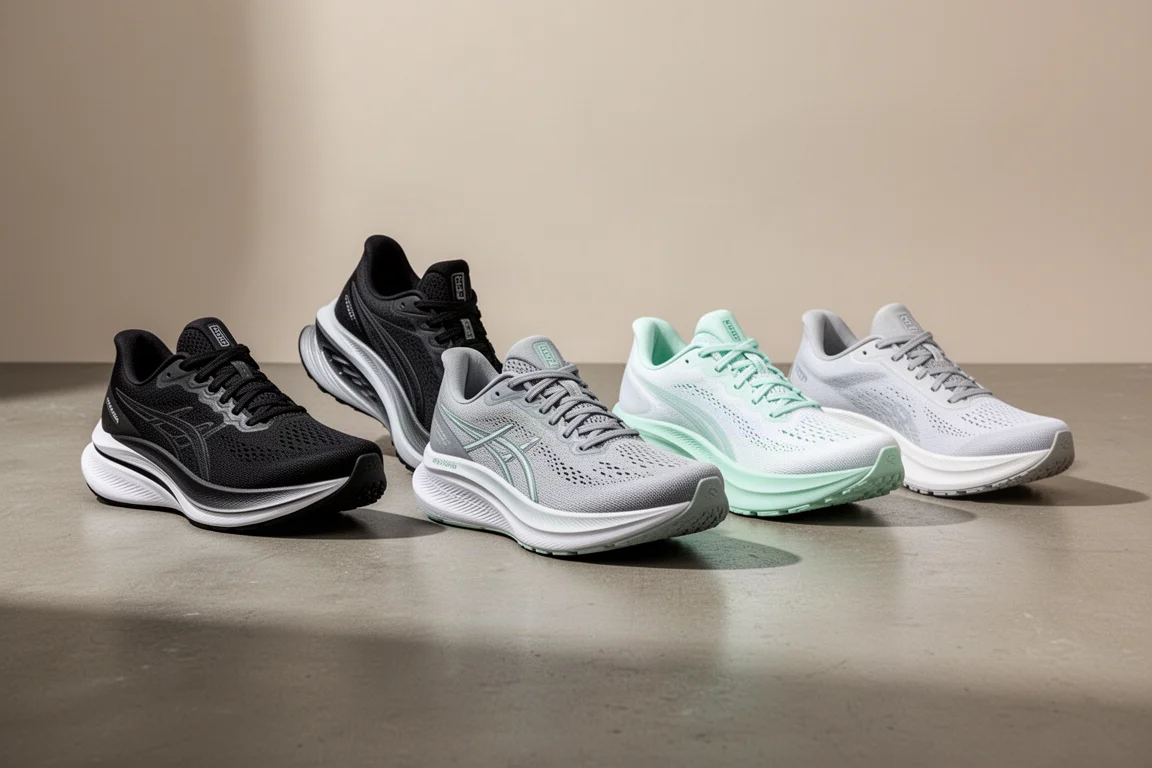
Lightweight performance trainers have quietly become the most useful category in running footwear. These are shoes built to train in, yet light and snappy enough that many runners can race in them too. This year the category has taken a big step forward, and the five shoes below sit at the top of it, all priced at $150 or less.
The appeal is simple: one shoe for daily runs, long runs, workouts, and, for many people, races. Compared with plated super trainers, these are generally more durable, more comfortable for everyday use, and far easier on the budget.
Specs at a Glance (Men’s Size 10)
All weights and stack heights below are quoted in a men’s size 10.
- Puma Deviate Nitro Pure: 7.9 oz / 225 g, 37 mm heel, 29 mm forefoot, 8 mm drop. The lightest of the group.
- Saucony Azura: 8.7 oz / 246 g, 41 mm heel, 33 mm forefoot, 8 mm drop. The tallest stack and heaviest here, but still quite light.
- Hoka Mach 7: 8.4 oz / 239 g, 37 mm heel, 32 mm forefoot, 5 mm drop. The lowest drop of the group.
- Adidas Evo SL: 8.2 oz / 233 g, 37 mm heel, 30 mm forefoot, 7 mm drop.
- New Balance Rebel v5: 8.1 oz / 229 g, 38 mm heel, 32 mm forefoot, 6 mm drop. Second lightest here.
Only the Mach 7 and Rebel v5 come in below the $150 mark, both at $145. In a market where many super trainers now sit above $200, that pricing makes this category genuinely economical: one well-chosen trainer can cover most of your running week.
Why This Category Matters
These shoes used to sit in the awkward middle ground between daily trainers and minimal racing shoes. Runners who could not handle the aggressive minimal racers of the past often turned to this category for longer races, then trained in the same shoe. That utility has not changed.
What has changed is the quality. Midsole foams across this group are better than ever, the rides are more refined, and the prices remain reasonable. If you want a simple setup, one performance shoe for most of your training and one dedicated racing shoe, these are exactly the type of shoe that makes that work.
Puma Deviate Nitro Pure
The Deviate Nitro Pure may be the best all-rounder of the entire group. It is a non-plated shoe built on Puma’s Nitro foam throughout, which offers real bounce without being overcooked, and without feeling dead either. The balance is the point: a slightly softer ride, but not the softest here.
The sole is on the wider side, which makes it inherently stable. The midfoot is filled in and the lateral side is filled in, yet it avoids major sidewalls, so it works well if you are sensitive to that geometry. It is not unstable, but not overly stable either; it sits right in the middle. A smooth, centered heel bevel gives a clean heel transition, and it keeps improving as the shoe breaks in. Early on, the wide sole adds a touch of stiffness, but that resolves with a few runs.
The upper fits a bit snug with a slightly tapered forefoot, though the mesh stretches over time. If you have a narrower foot and want a closer fit, this is one of the better options here. Durability has been excellent, holding up very well across nearly 70 miles with no significant wear. It is not the single best shoe for long runs, workouts, or easy runs, but it does all of them really well, which is exactly what this category promises.
Saucony Azura
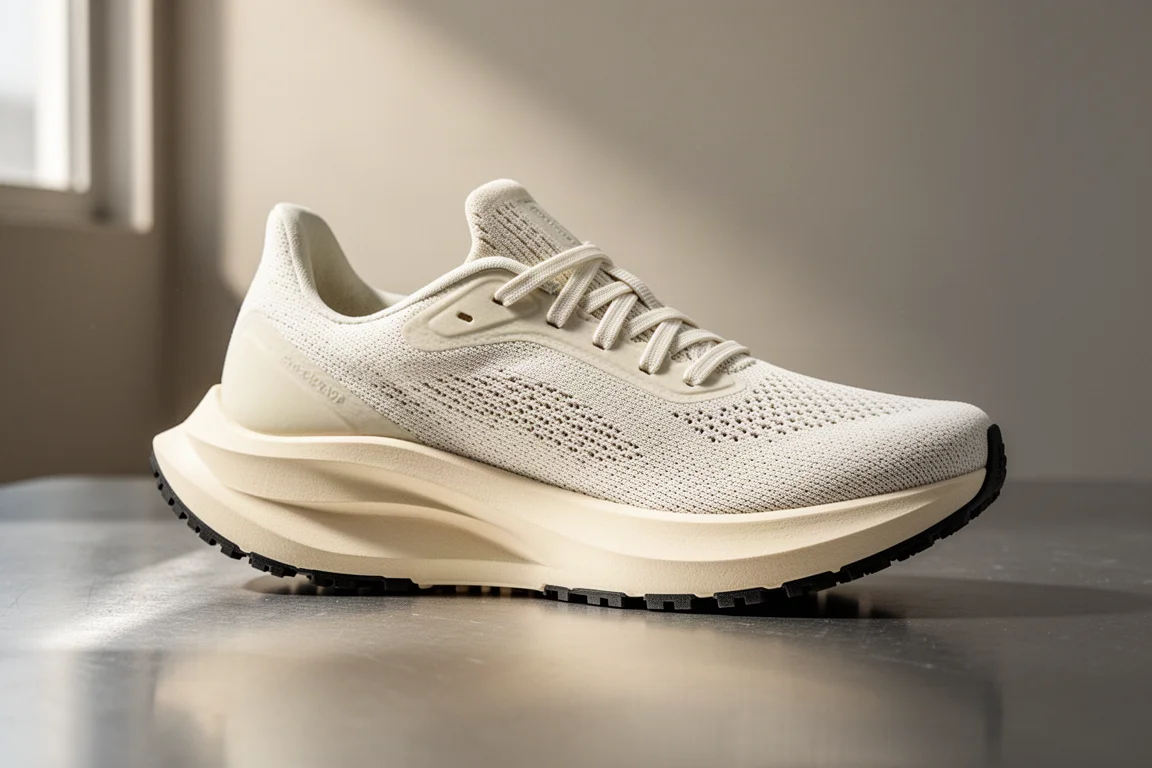
The Saucony Azura was a genuine surprise. Borrowing ideas from Saucony’s faster shoes, it finally delivers a performance trainer that feels medially stable while still moving quickly. The ride is built on full-length PowerRun PB, a super foam with nice bounce, wrapped in a large rocker and a surprisingly stiff forefoot, with no plate at all.
That large rocker defines the experience. It rolls beautifully over long distances, making this the standout here for longer, faster efforts: long runs, long workouts, and marathon or half marathon efforts. It handles daily training fine, but the big forefoot rocker takes some getting used to over shorter distances. If you need medial stability and want a race shoe because many plated super shoes feel too unstable, this is a strong marathon candidate.
The fit is a performance fit: fairly normal width but very low volume, with plenty of reinforcement locking the foot down securely. The stability comes from a lateral cutout, large sidewalls, and a lateral heel that compresses as the shoe breaks in, producing a lateral bias that almost feels like a medial post. If you need medial guidance without a hard post, this works exceptionally well; if you need lateral stability instead, look elsewhere.
One caveat: the midsole starts to lose some bounce and firm up around 70 to 80 miles. Durability is still solid, with the rubber patches holding up well past 130 miles, but expect the ride to tone down over time.
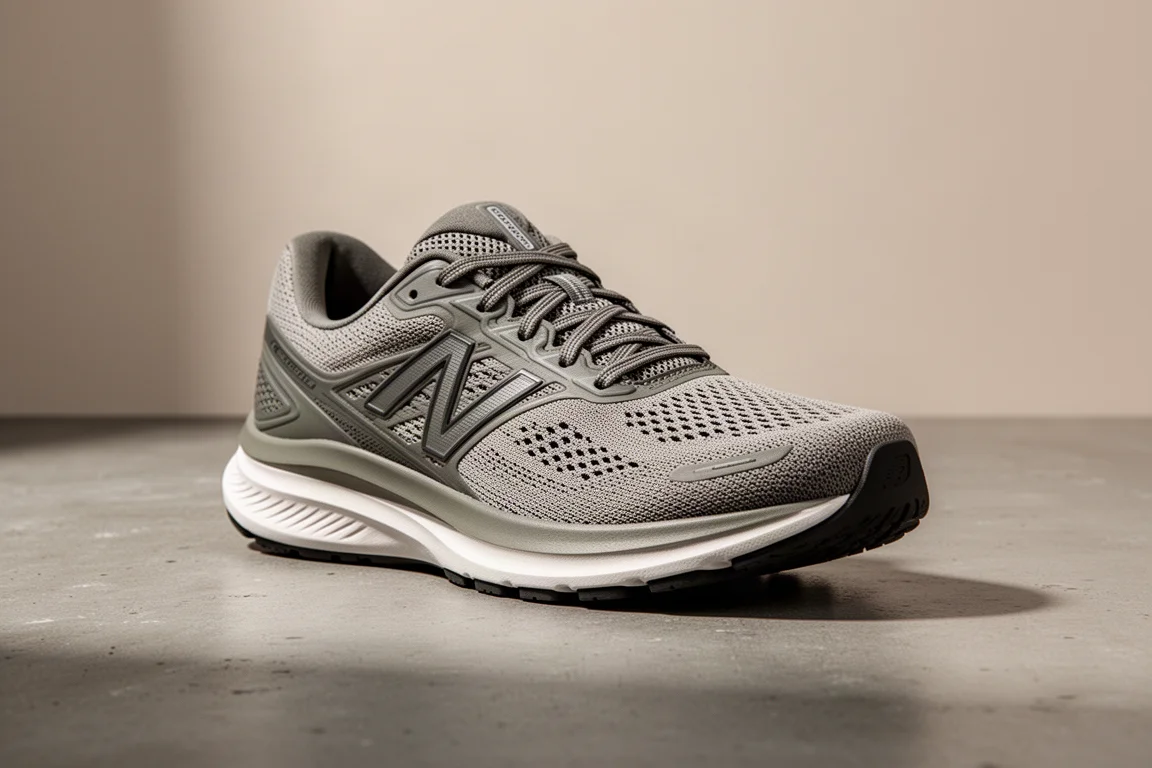
Hoka Mach 7
The Mach 7 is the only shoe here using a more traditional super-critical EVA-type foam, and it delivers the lowest-feeling ride of the group. The stack is not low on paper, but the way the midsole compresses makes you feel close to the ground, and then it pops back with a satisfying snap.
That combination of ground feel and responsiveness gives the Mach 7 something of a racing-flat character. It handles long runs that it has no business handling based on feel, while also excelling at workouts and faster efforts. If you want a lower-volume, close-fitting shoe for speed, this is a great pick.
The fit is the lowest volume and most snug of the five. The upper breaks in comfortably, even for sockless wear, and the toe guard is flexible unlike the previous version. If you are between sizes, go up half a size; if you want a closer fit, stay true to size.
Where the Azura is strongly laterally biased and the Pure is fairly neutral, the Mach 7 earns the stable-neutral label of this group. Classic Hoka sidewalls on both sides cup the foot on compression, and there is a touch of extra medial outsole material balanced by a slightly narrowed lateral side. If you want a little more stability without a full stability shoe, like the Azura, this works nicely. Durability has been strong so far.
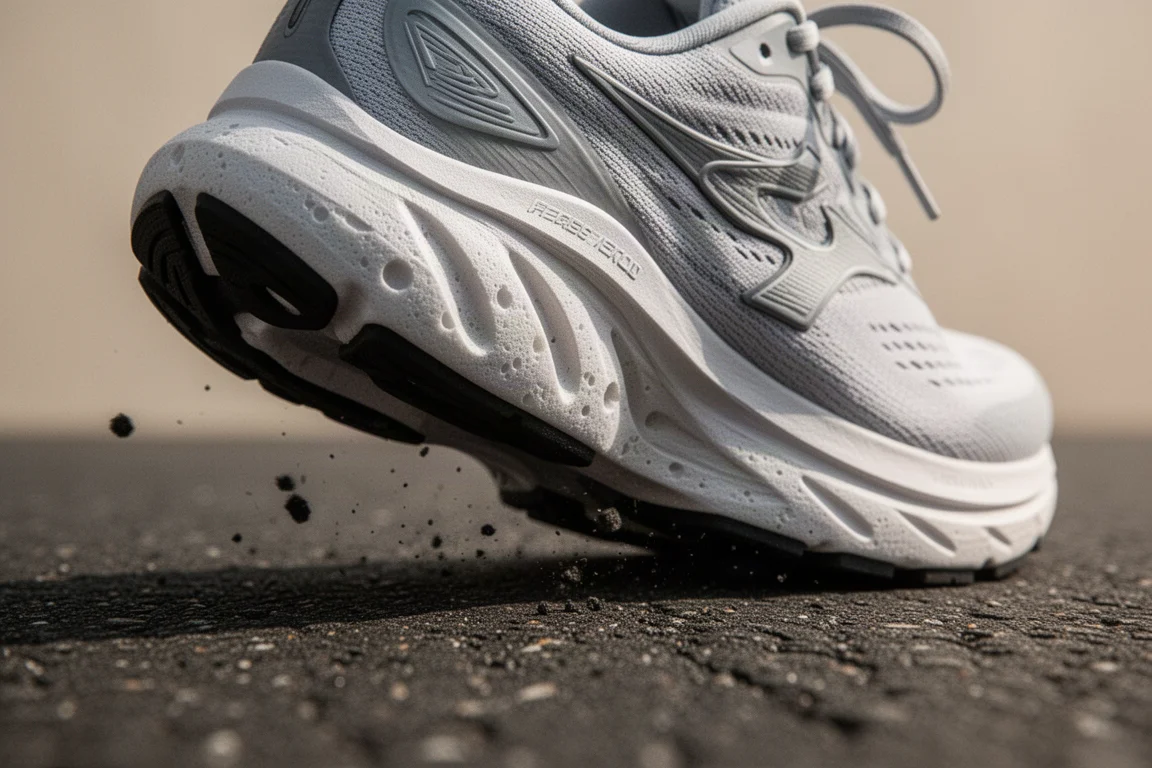
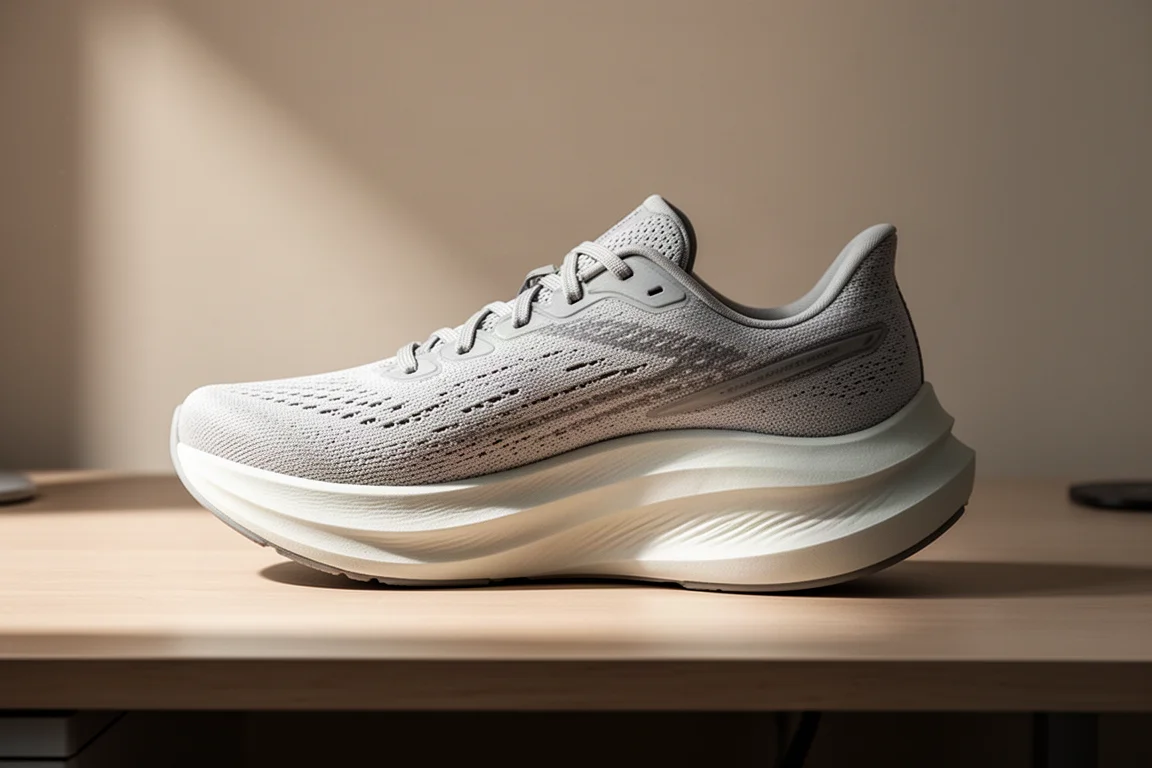
Adidas Evo SL
The Adidas Evo SL has been the hype shoe of the past couple of years, with many versions released. The standard version here has the most room in the upper of this group, which makes it the best option for wider or higher-volume feet, even though the toe box does taper.
The ride runs on full-length Lightstrike Pro with a nice heel bevel, but a medial cutout makes it the most medially unstable shoe here. If you do not want to be guided medially, this is the best choice of the group; if you want medial guidance through the midfoot and forefoot, it also delivers that lateral resistance. There is a shank at the midfoot rather than a full plate, adding a little stiffness there that some runners will love and others will not.
It is not the bounciest shoe on the market, but it strikes a good balance: responsive enough for workouts, comfortable enough for long runs, and a legitimate race option without a carbon plate. A note for heel comfort: the Evo SL has the softest heel padding of the group, making it the best pick for anyone with Haglund’s deformity, where bony growth at the back of the heel makes stiff heel counters painful. The trade-off is outsole wear; early wear appeared around 80 miles, though the shoe remained runnable.
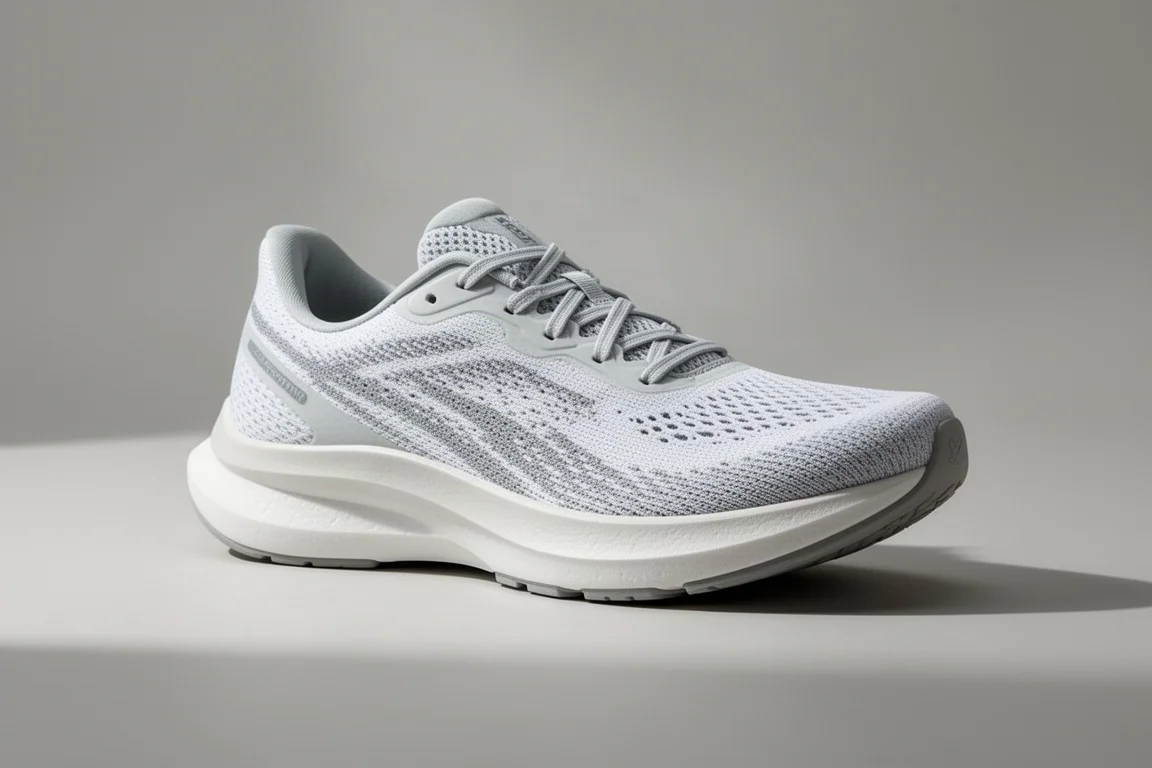
New Balance Rebel v5
The Rebel v5 is completely different from prior versions: a much taller stack, a bit heavier, and by far the softest Rebel yet. It is also the softest and least responsive shoe of this group. The FuelCell midsole is Pebax-based and light, but the foam rebound is slower, so the bounce arrives gradually rather than quickly.
That softness has real value. The more gradual rocker and wide platform at slower speeds make it arguably the best walking shoe of the group, and it is the comfort winner here. It is not stable enough, stable-neutral, or fast-feeling enough to be the performance pick, but over the long runs it handles well, it maintains its softness comfortably.
The upper is the “just right” fit of this group: a little wider without being too wide, sitting between the narrow performance fits and the baggier Evo SL. The sidewalls and wider sole shape keep the soft foam reasonably stable, though it is still too soft to be called a stable shoe. Durability has been good so far at around 40 to 50 miles, but early outsole wear is something to watch, much like the Evo SL.
Overall Buying Advice
Match the shoe to your needs rather than chasing the hype:
- Medial stability needs: the Azura and Mach 7 both work well, with the Azura being the more extreme option thanks to its sidewalls and geometry.
- No directional bias wanted: the Deviate Nitro Pure is the most balanced pick.
- Medial bias in the midfoot and heel: the Evo SL, thanks to its lateral bevel and medial cutout.
- Pure softness: the Rebel v5, no questions asked.
- Fastest feel: the Evo SL’s Lightstrike Pro brings the nicest bounce, the Mach 7 and Pure handle quick efforts extremely well, and the Azura is the best for longer, faster racing thanks to its rolling rocker.
On fit, all five have somewhat stiffer heel counters, so be cautious if you have Haglund’s deformity. The Pure offers more heel padding, and the Evo SL is the softest at the heel. In the forefoot, if you have a toe mobility deficit such as big toe osteoarthritis or hallux rigidus, most of these flex too much to help; the Azura, with the stiffest forefoot and strongest rocker here despite having no plate, is the only one likely to work well.
Width-wise, the Evo SL has the most volume and room, and the Rebel v5 also runs a bit roomier, with wide sizing available. The rest of the group sits on the lower-volume performance side.
Conclusion
These five shoes represent the best of the sub-$150 performance trainer category: shoes that can handle daily training, long runs, workouts, and for many runners, races. The Deviate Nitro Pure is the most balanced, the Azura the best for long faster efforts with medial stability, the Mach 7 the best ground-feel speed pick, the Evo SL the roomiest and most flexible fit, and the Rebel v5 the comfort winner.
Not everyone needs a super trainer or a super racer. For anyone building back from injury, simplifying their shoe rotation, or simply wanting one shoe that does a bit of everything without a $300 price tag, this category is one of the smartest places to spend your money right now.
Further reading
Related Reviews

Running Shoes
Best Road-to-Trail Running Shoes: Three Versatile Options for Mixed Terrain
A practical guide to three road-to-trail running shoes that handle both pavement and mild trails, with clear strengths and trade-offs for different runner types.

Running Shoes
Best Running Shoes for Achilles Tendonitis: Three Options Explained
Three running shoes with different heel drops and support features designed to help reduce Achilles tendon pain during walking and running.

Running Shoes
Best Running Shoes for Women: Five Top Choices Ranked
A ranked guide to five women's running shoes, from versatile daily trainers to high-performance racing options, with real strengths and trade-offs for each.