Backpacking Tents
Best Lightweight Backpacking Tents Under 2 kg: 8 Picks From Budget to Premium
Eight lightweight backpacking tents under 2 kg, arranged by price bracket from around £45 to £560, with the trade-offs that matter at each level.
Introduction
A lightweight tent does not have to cost a fortune. Credible shelters are available from around £45 all the way up to £560, and the difference in packed weight between the two ends of that range is smaller than most people expect. Every tent in this roundup weighs under 2 kg, which is the working definition of lightweight used throughout this guide.
The picks below are arranged by price bracket, starting with the cheapest option that still makes sense for real camping and finishing with the premium shelter worth saving for. Prices move around constantly, so treat every figure here as a guide and check current listings before you commit.
What Counts as Lightweight
For this guide, lightweight means anything under 2 kg. There are plenty of capable tents between 2 kg and 3 kg, but they belong in a different conversation. At the other extreme, shelters in the 500 g to 600 g range are a genuine niche and are not for everyone.
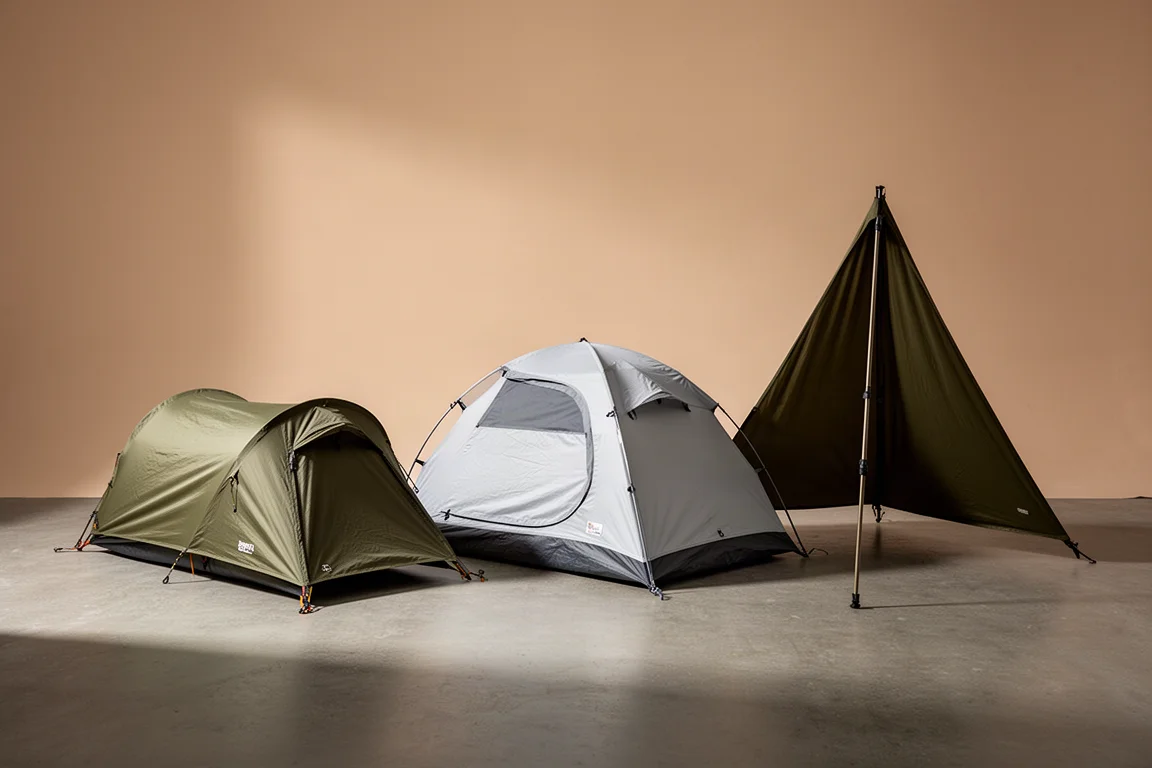
It also helps to know which of the three main construction types you are buying. Trekking pole tents use the poles you are already carrying, so they tend to be significantly lighter than tents with their own pre-formed poles. Regular pole tents are simple and familiar but still need to be guyed out properly. Freestanding tents can be picked up and moved once pitched, and can often be pitched without any guy lines at all, though they usually carry more poles and a little more weight as a result.
Most of the real value in the lightweight market sits in the middle of the price range. The £150 bracket in particular offers a lot of tent for the money, which is why several of the picks below come from it.
OEX Phoxx 1: The Sub-£50 Tent
If the budget is £50 and not a penny more, the OEX Phoxx 1 is the tent to buy. It is regularly discounted to around £45 and sits at roughly £45 to £50 at full price, though it is worth shopping around because pricing and availability vary between retailers.
At around 1.6 to 1.7 kg it comfortably qualifies as lightweight, but the trade-off is interior volume. Internal height is only 70 cm, so you cannot sit up inside. Think of it as closer to a bivvy with a proper flysheet than a roomy one-person tent.
What it does well is weather. The low profile makes it a genuinely sturdy shelter that stands up to wind and rain far better than its price suggests. If you mostly camp in reasonable conditions and want to spend as little as possible, this is the one.
Vango Nevis 100: The £100 Option
Around the £100 mark, the Vango Nevis 100 is the strongest all-rounder. It currently sits at roughly £93 on Amazon, which is very good value for a tent of this type.
It weighs about 1.7 kg and offers 88 cm of internal height, so there is enough room to sit up. That is a meaningful step up in comfort from the sub-£50 option. It performs well in pretty much all conditions, though in really strong wind it is worth finding a more sheltered pitch.
If weight is the absolute priority, the Outkit Soloist at around £110 is roughly half a kilo lighter. If it were our money at this price, we would still take the Nevis for the extra living space.
Wild Country Zephyros Compact 1: Around £150
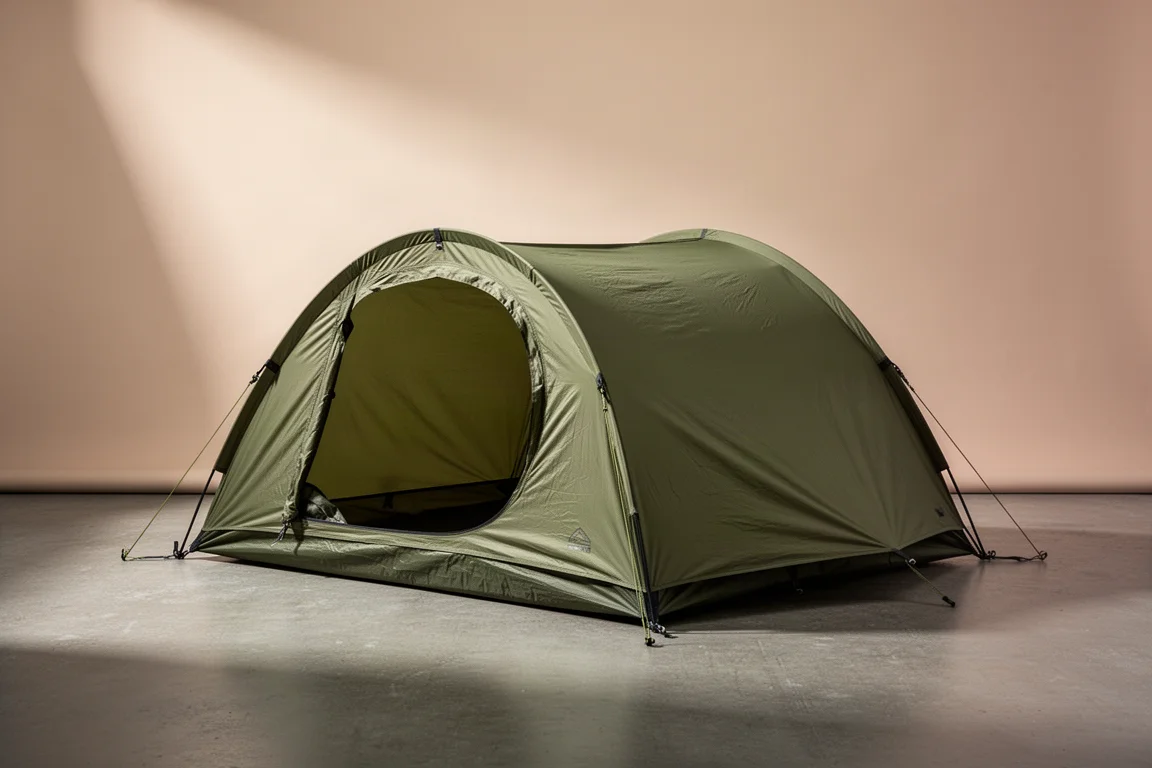
The Wild Country Zephyros Compact 1 lands at around £135 and weighs 1.57 kg. It is a very good tent for the money and one of the more versatile options in this guide, with a generous vestibule that gives you somewhere to store and organise kit without cluttering the sleeping area.
That combination of a usable porch and near year-round capability is unusual at this price. If you want one tent that covers as much of the calendar as possible without spending more, this is a sensible place to start.
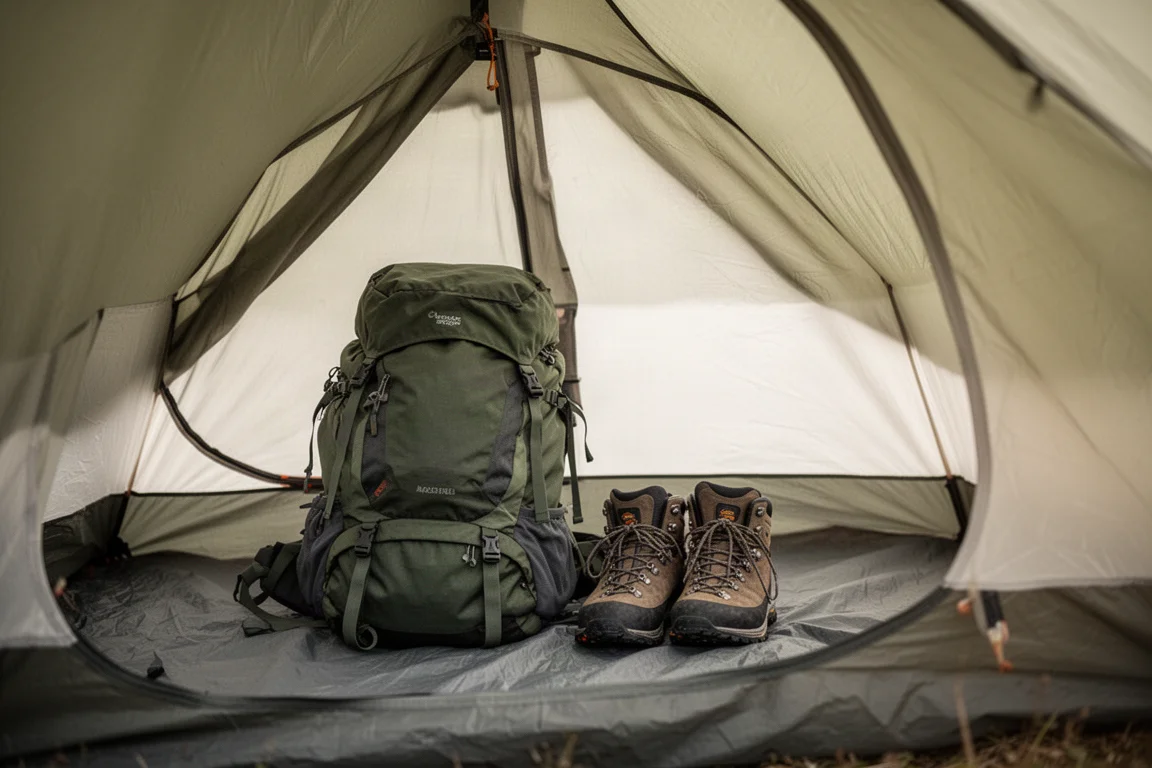
The main thing to weigh up against it is the Lanshan family below, which undercuts it on weight for similar money. The Zephyros answers that with a more conventional pitch and no reliance on trekking poles.
3F UL Gear Lanshan 2 Pro: Best Value at £150
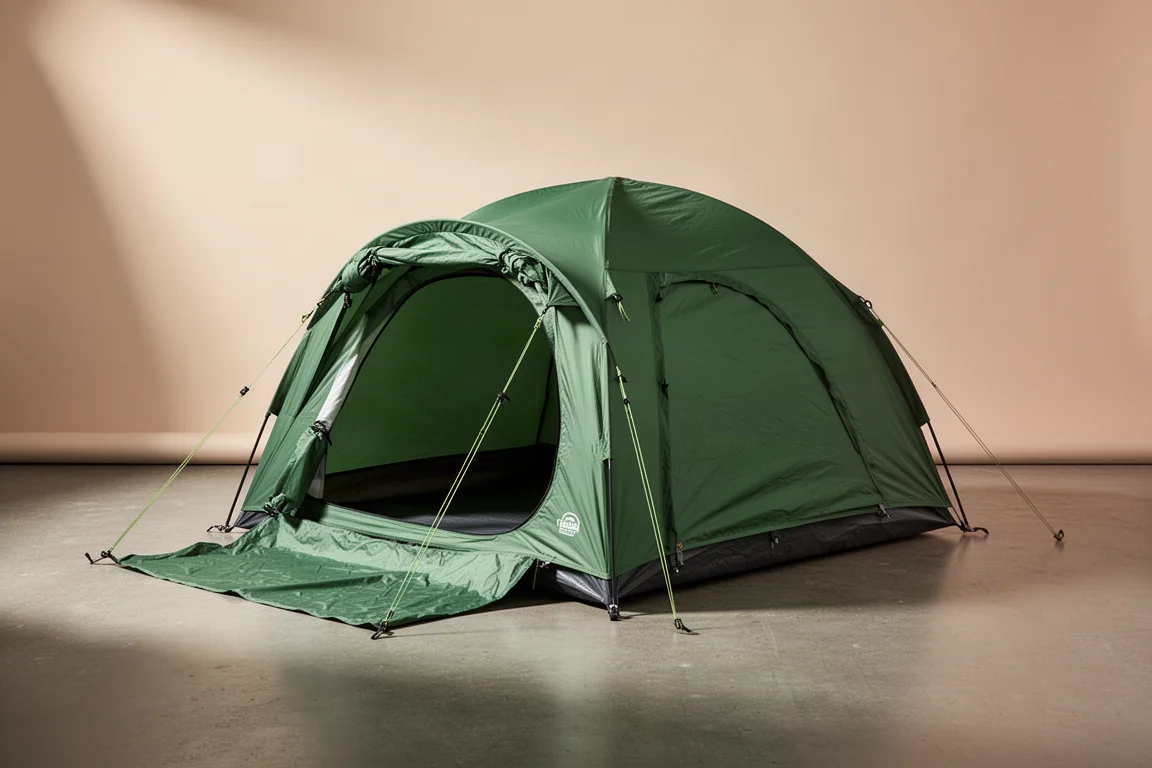
The Lanshan range is the reference point for value in lightweight trekking pole tents. The Lanshan 1 uses a single pole to support it, while the Lanshan 2 uses two and weighs in at 1060 g. For roughly 300 g more than the one-pole version you get a huge amount of additional space, which makes the two-person model the more compelling buy for most solo campers who want room to spread out.
The standard Lanshan 1 and Lanshan 2 are double skin tents and can be bought with either a three-season or a four-season inner, so you can swap the inner depending on the conditions you expect. The Pro versions are single skin, which adds interior room, and they use a full silnylon fabric that is stronger than the PU-coated material found on the standard tents.
If the choice came down to one tent at this price, it would be the Lanshan 2 Pro: a single skin shelter with more usable space inside, and a lot of tent for the money.
Naturehike VIK 2: A Freestanding Option
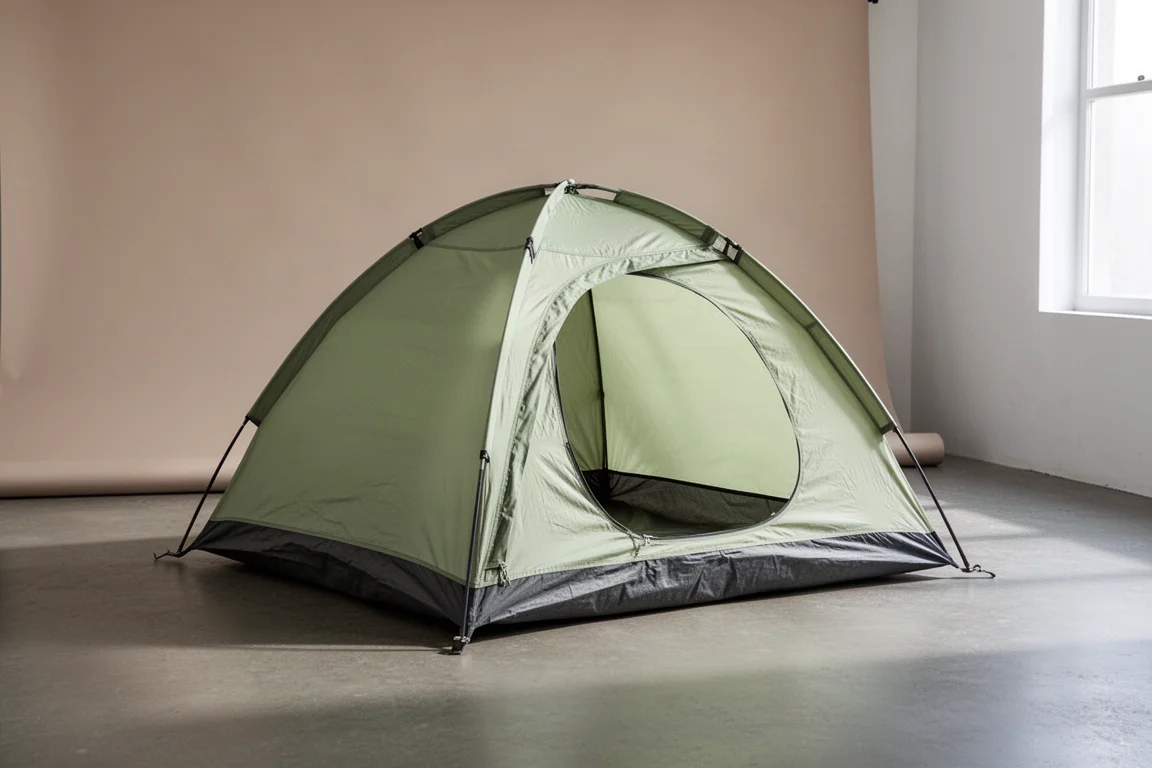
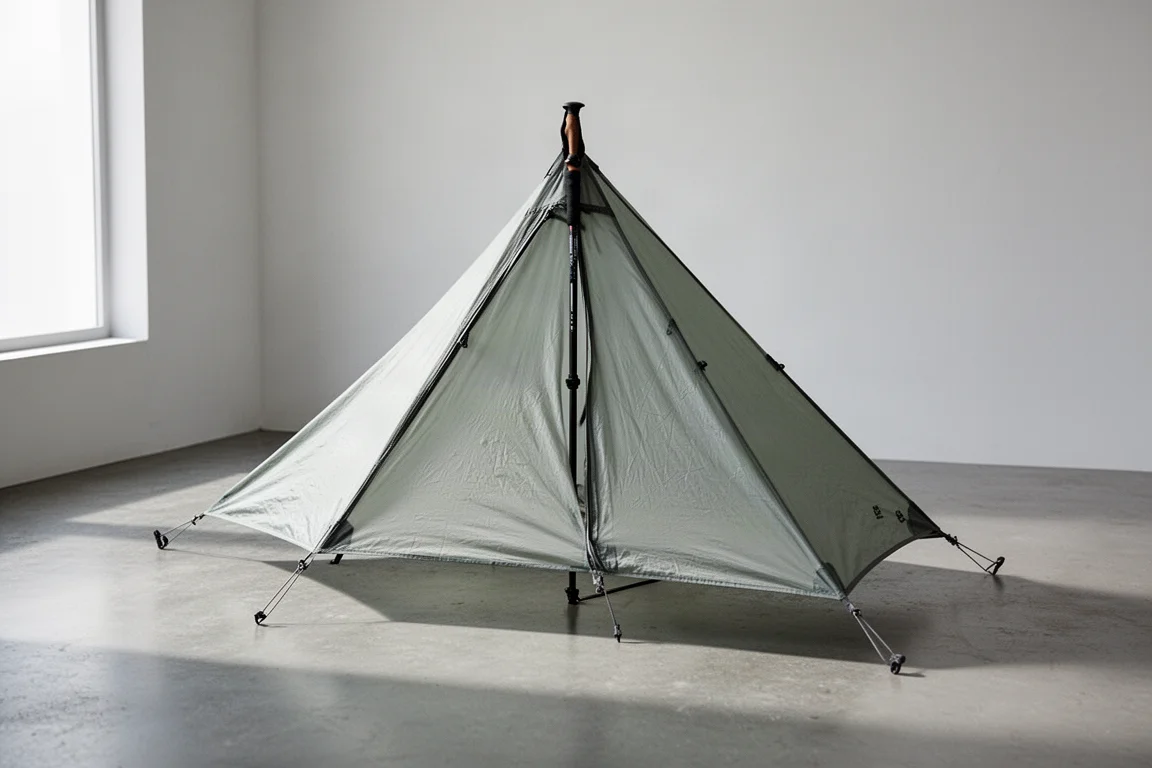
Not everyone wants to rely on trekking poles, and freestanding tents have a real practical advantage. You can pick them up and move them once pitched, and in many cases pitch them without any guy lines at all. The Naturehike VIK range covers that need at a genuinely light weight.
The VIK 1 comes in at around 1050 g but is a little cramped inside. The VIK 2 adds 300 g, taking it to 1350 g, and that is still remarkably light for a virtually freestanding tent. If you want the flexibility of a freestanding design without giving up too much on weight, the VIK 2 is the one to look at.
Vango F10 Helium UL 1: The £200 to £300 Pick
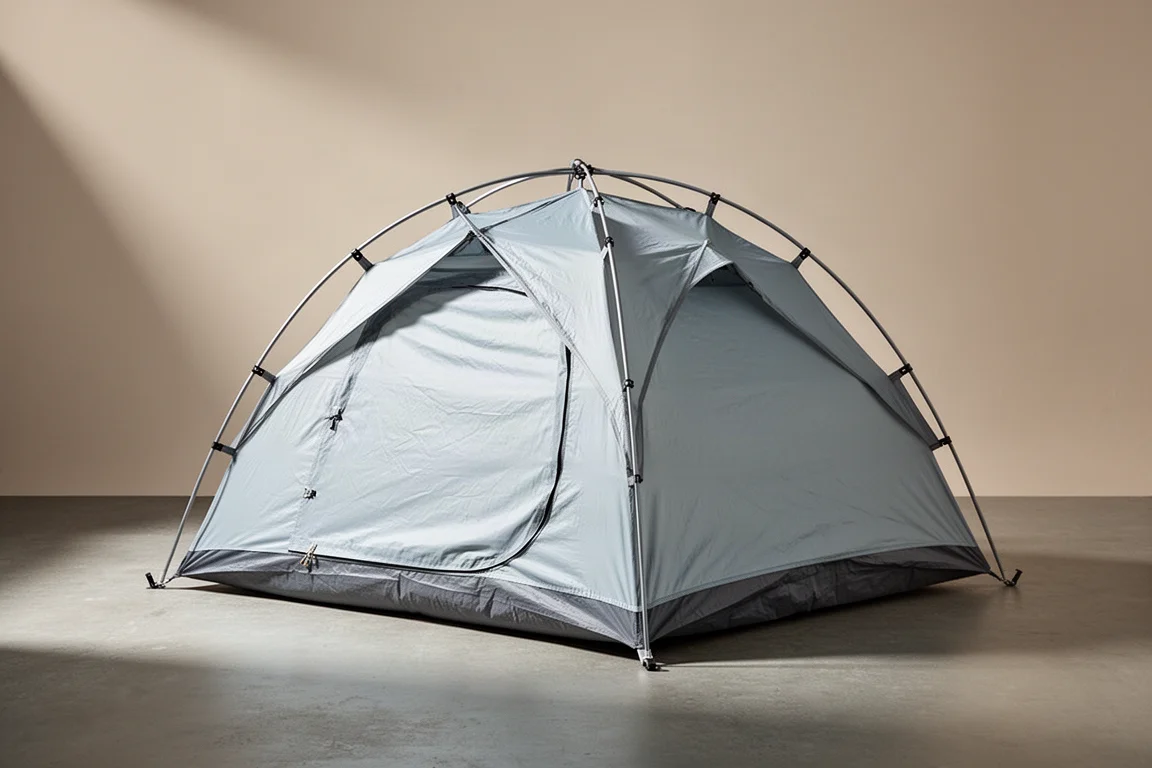
The £200 to £300 bracket is the least rewarding part of the market. Value is stronger either side of it, and there is little here that the £150 tents cannot already do. The exception is the Vango F10 Helium UL 1.
At around £210 and 1.2 kg including its poles, it is a solid, tried and tested design built with lighter and better quality materials than comparable tents. The Six Moon Designs Lunar Solo is a lighter shelter at 732 g, but it is a very similar concept to the trekking pole tents above at a higher price, which makes it harder to justify.
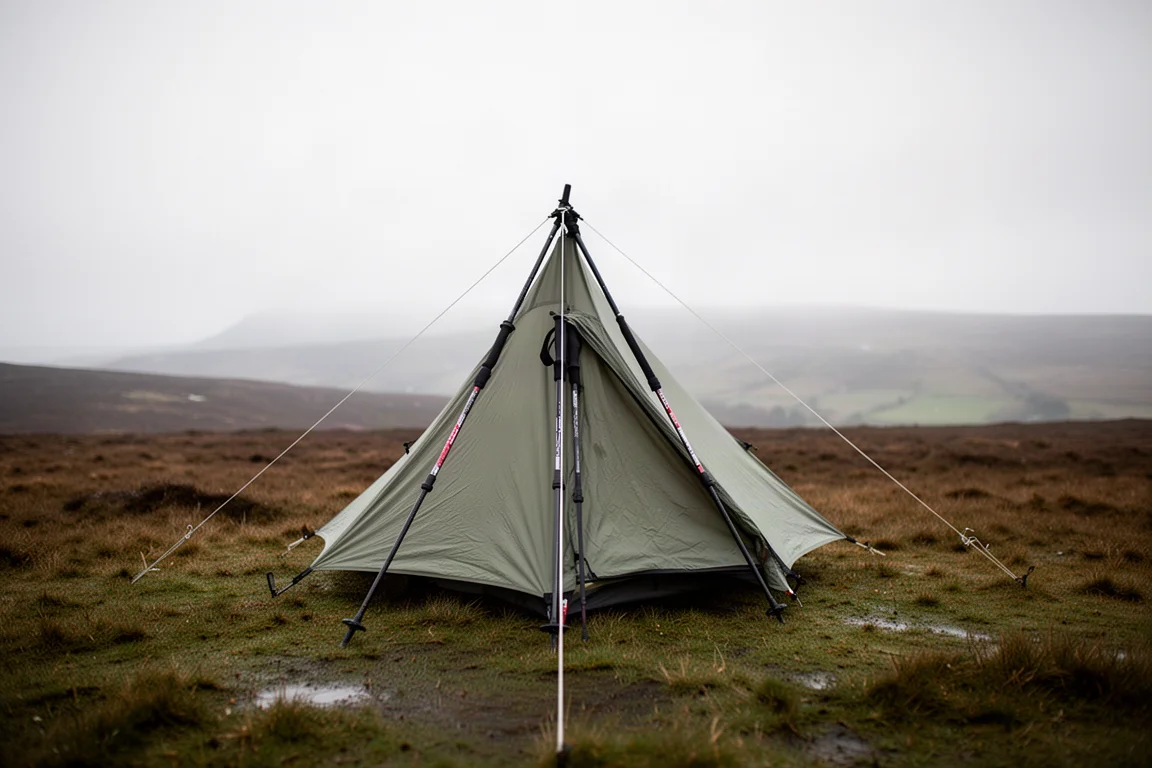
For anyone who wants a conventional pole tent with a proven track record and does not want to go down the trekking pole route, the Helium is the pick in this bracket.
MLD DuoMid: The £300 to £400 Choice
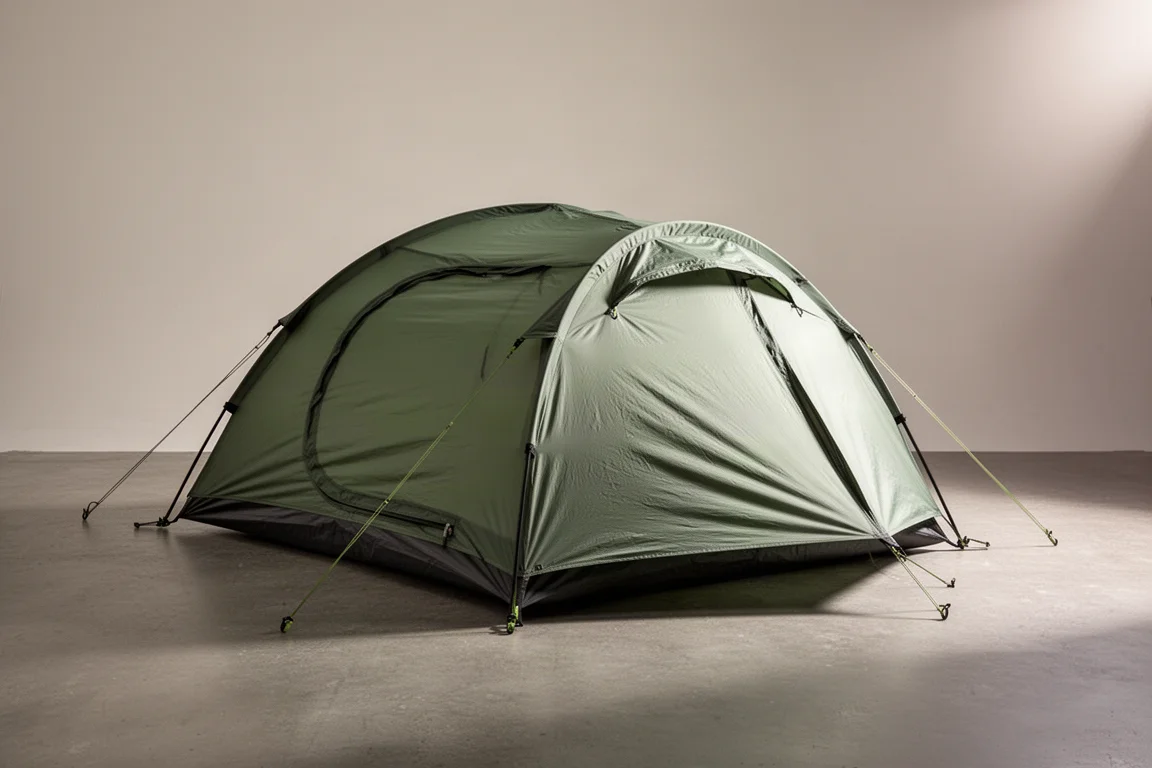
The £300 to £400 bracket is thin, and the Sea to Summit Alto TR2 at 1154 g is the main alternative worth knowing about. The MLD DuoMid is the more interesting shelter.
Configured with the solo mid inner, it comes in at around 900 g and sits at the top of the £400 budget. The interior space is remarkable for the weight, and it is a very sturdy shelter once pitched. It does take some trial and error to learn how to pitch it properly, and it is a niche choice, but the payoff is a genuinely spacious lightweight tent.
Hilleberg Enan: £400 and Above
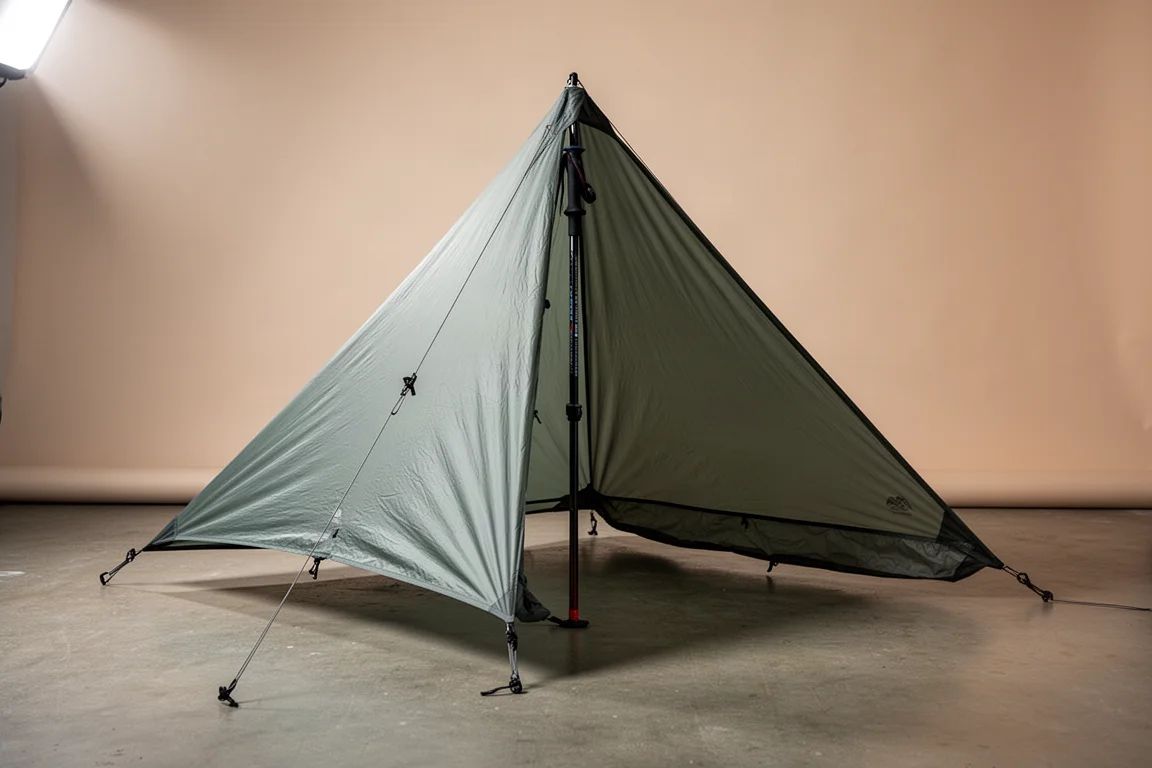
Above £400 the market opens up, and you can spend well over £1,000 if you want to. Two things are worth saying about the top end. First, DCF or cuben fibre tents are not the most practical shelters for UK conditions. They rustle a lot in the wind and need to be packed carefully rather than shoved into a bag. The Zpacks Duplex is a good example, and although DCF is supposed to be one of the toughest materials available, the tent itself looks delicate in use.
The Hilleberg Enan is the more sensible premium choice. At 1.2 kg it is essentially a Hilleberg Akto built from lighter materials, and it remains extremely tough. It will handle the worst conditions you are likely to meet, takes a little light snow loading, and it is expensive. It can be found for around £559, well above the £400 mark but below plenty of alternatives.
Buying Advice: Weight, Space and Price
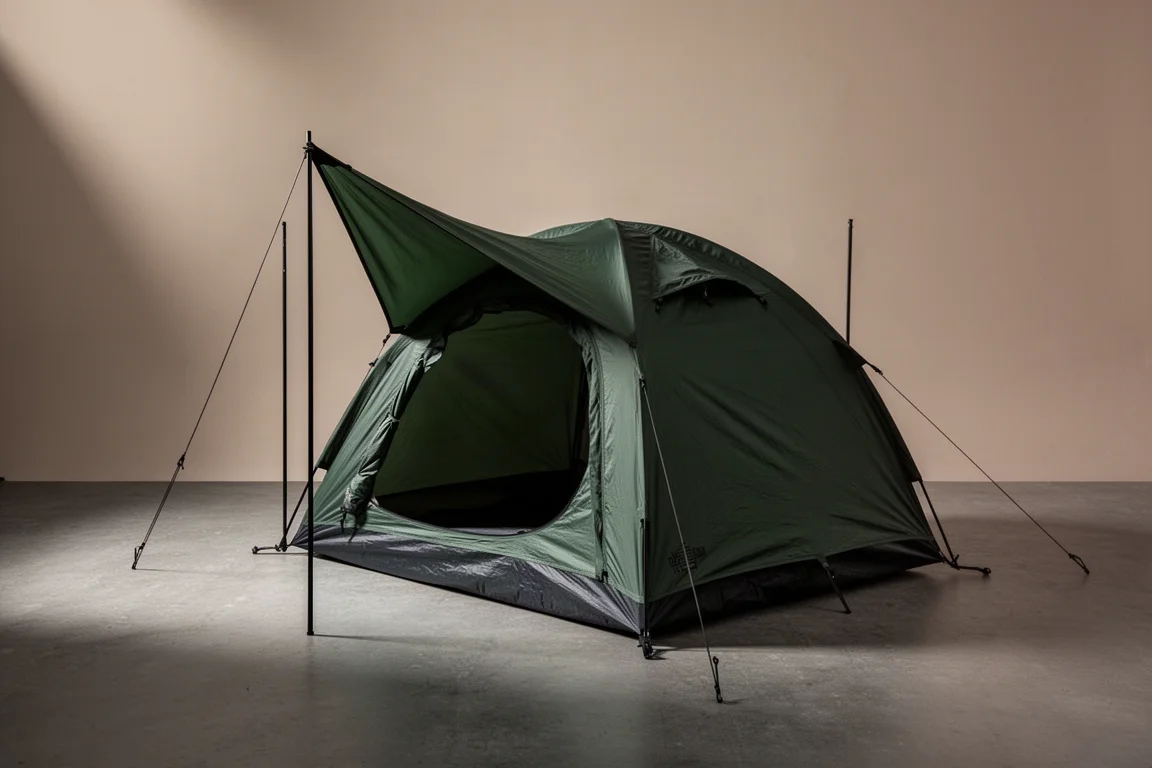
Put the two ends of this guide side by side and the headline number is smaller than you would expect. The £50 tent weighs around 1.6 kg and the £560 tent weighs 1.2 kg, a difference of roughly the weight of a can of coke. The Hilleberg is unquestionably the better quality tent, but for most of the year the OEX Phoxx 1 will get you out on the hill perfectly well.
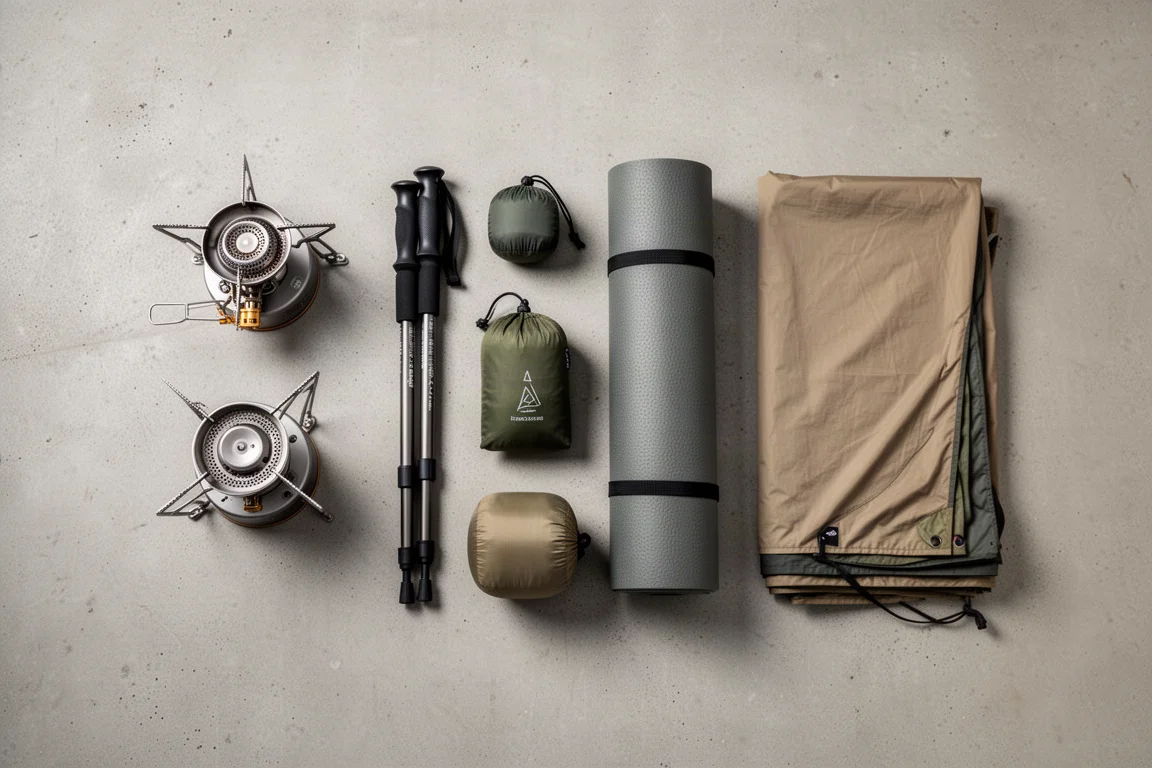
The real compromise at the budget end is space rather than weight. A 70 cm internal height means no sitting up, and in genuinely bad weather you will feel cramped. If your camping is mostly in milder conditions, there is no need to spend big to go light. If you want to sit up, cook in the porch and know the tent will hold when the weather turns, that is what the extra money buys.
Conclusion
Lightweight camping has never been more accessible. Under £50, the OEX Phoxx 1 covers fair-weather trips at a weight that would not have looked out of place on a much more expensive tent. Around £93, the Vango Nevis 100 adds sit-up height for very little more. The £150 bracket is where the value peaks, with the Lanshan 2 Pro, the Zephyros Compact 1 and the freestanding Naturehike VIK 2 all making strong cases. Above that, the Vango F10 Helium UL 1, the MLD DuoMid and the Hilleberg Enan each justify their price for campers who need exactly what they offer.
Match the bracket to how and when you actually camp, check current pricing before you buy, and remember that the cheapest tent here is only around 400 g heavier than the most expensive one.
Further reading
Related Reviews
Backpacking Tents
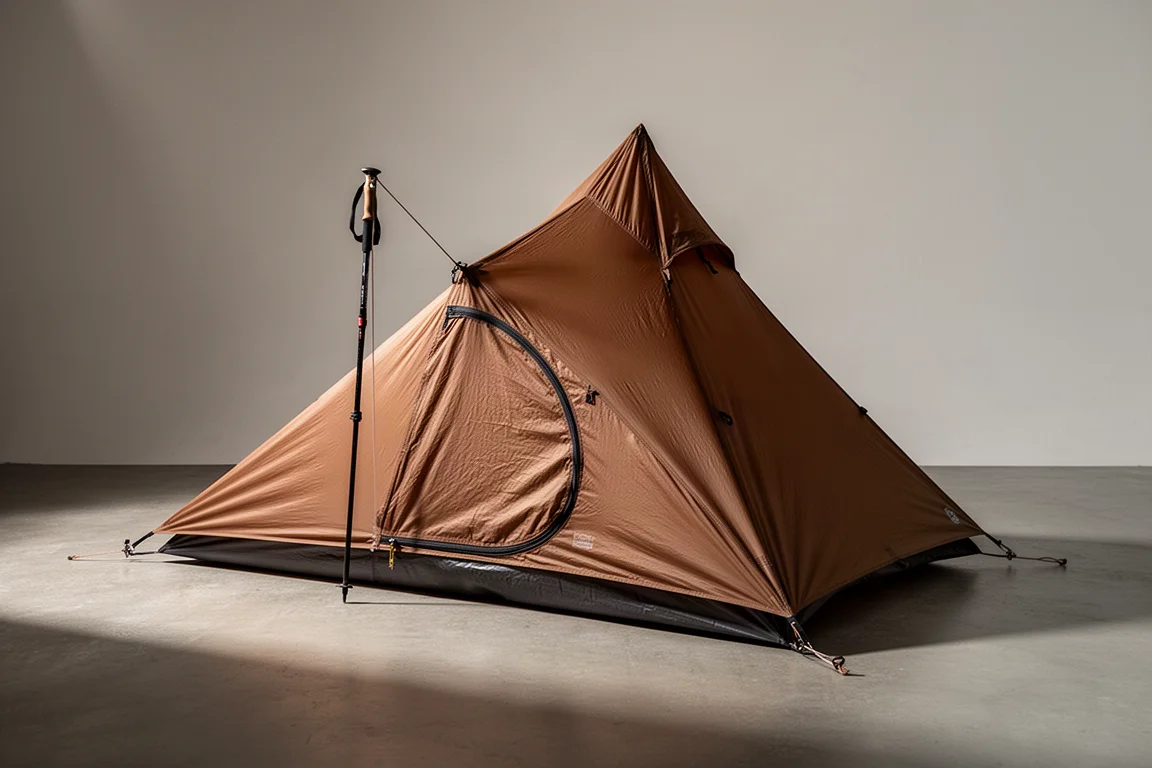
3F UL Lanchan Pro 1 Review: A 1 lb 8 oz Single-Wall Trekking Pole Tent
A practical look at the 3F UL Lanchan Pro 1, a single-wall trekking pole shelter with a 1 lb 8 oz weight, 20D silnylon fabrics, and a roomy 90 x 31 x 49 inch interior.
Backpacking Tents
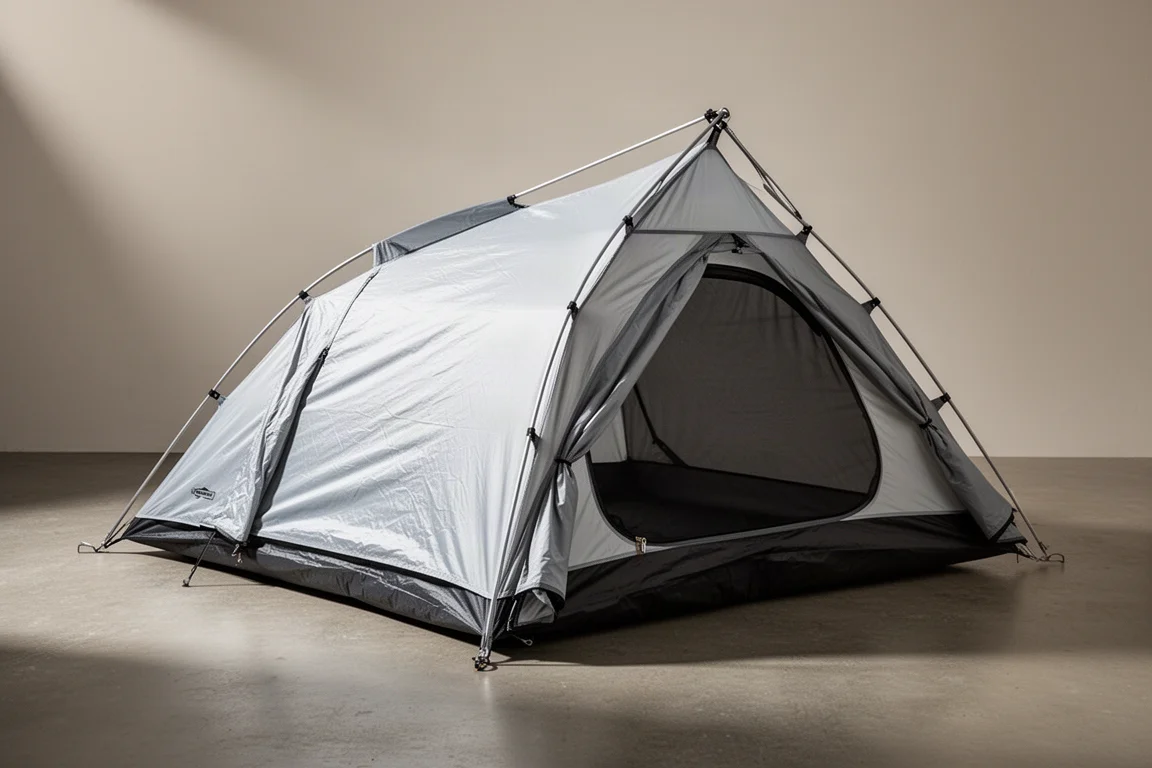
3F UL Taiji 2-Person Tent: A Convertible Backpacking Shelter Worth a Closer Look
A practical look at the 3F UL Taiji two-person tent, covering its materials, true two-person interior, fly-first pitching, and the seasonal inner swap that lets one shelter cover more of the year.
Backpacking Tents
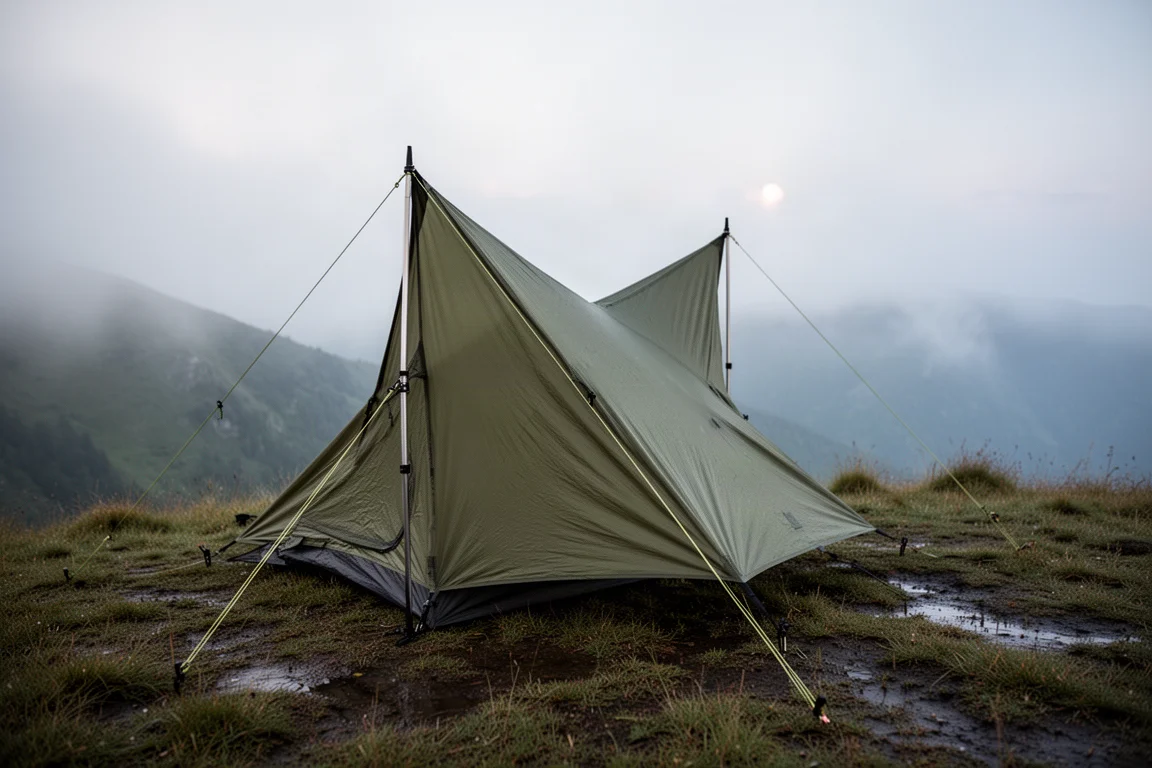
3FUL Lanshan Twoerson Pro Review: A Light Trekking Pole Shelter That Struggled in Rain
A two-person trekking pole shelter with a 2026 redesign, pitched with sticks and put through a night of steady rain. Here is what worked, what did not, and what to check before buying.