Grow Lights
Best LED Grow Lights 2023: What to Look For Before You Buy
LED grow light shopping explained: photon efficiency, diode counts, PAR maps, and the brands worth comparing at each price point.
Introduction
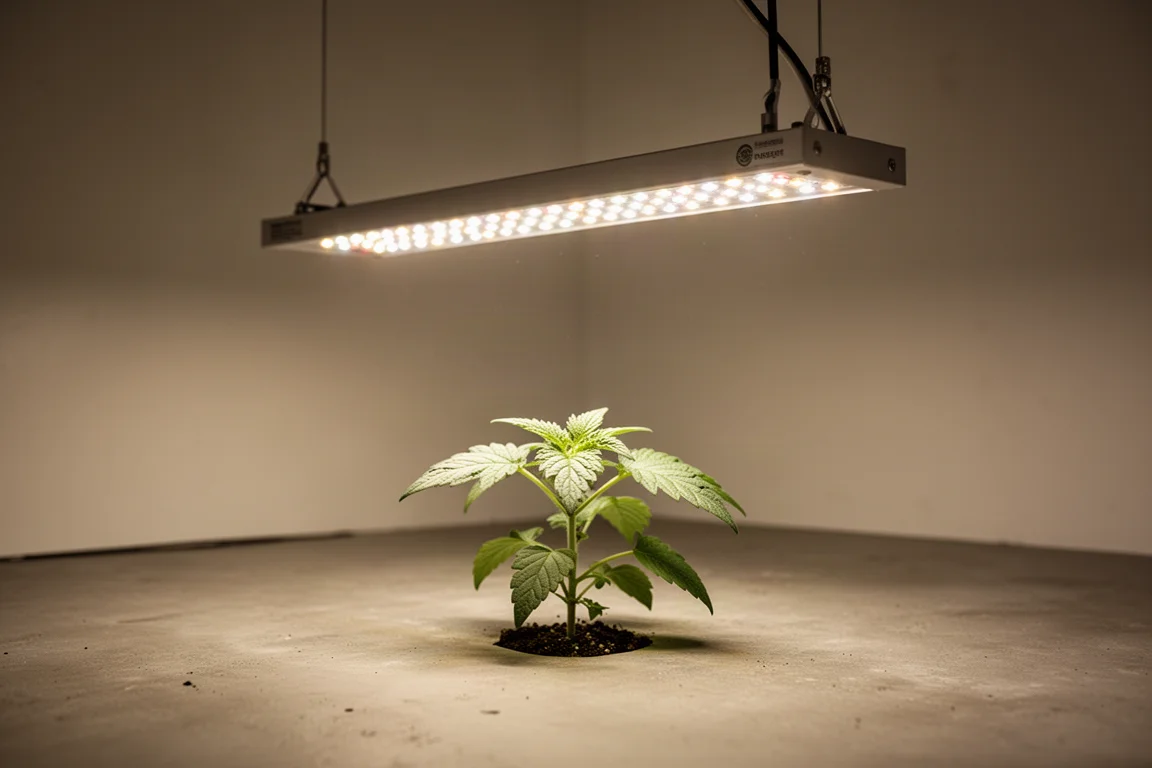
Indoor horticultural lighting has changed dramatically over the past decade. LEDs have gone from an expensive curiosity to the default choice for growers, and prices have collapsed while efficiency has climbed. The challenge today is not finding an LED grow light, it is knowing which one actually delivers the photons you are paying for.
This guide breaks down what matters when shopping for an LED grow light, and which brands make sense at different price points.
Why LEDs Took Over Indoor Growing
The LED revolution in horticultural lighting happened in two distinct movements. From roughly 2012 to 2016, LED efficiency overtook gas discharge lighting such as HPS, which sits around 40 percent efficient. Modern blue LED semiconductors now reach up to 90 percent efficiency, converting nearly all consumed energy into light rather than heat. By the end of that period, it was clear LEDs were simply better.
From about 2016 to 2022, prices fell sharply as full-spectrum diodes moved into mainstream manufacturing. Today even inexpensive fixtures can outperform the premium lights sold just a few years ago. Where growers once routinely operated under-lit, many now have more light than their plants need, and some are even causing light stress by running fixtures too close to the canopy.
How LEDs Work, and Why Spectrum Matters Less Than You Think
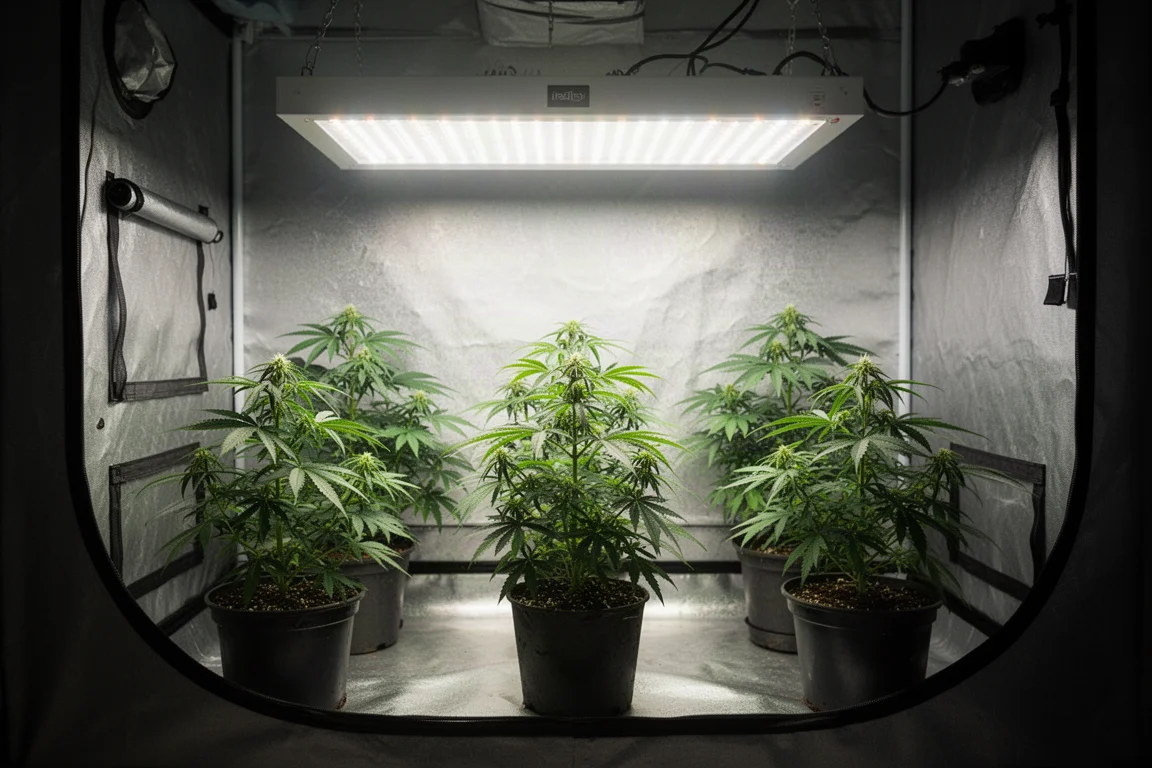
An LED uses a semiconductor that releases energy as a photon when electrons cross a junction. Each semiconductor produces a narrow band of one wavelength, so there is no such thing as a white LED chip. White full-spectrum diodes start with a 450nm blue semiconductor and pass that light through phosphor, which strips energy from some photons and spreads them across the rest of the spectrum.
Plants are most photosynthetically responsive to blue and red light, while green and yellow light mainly helps you see and assess your plants. Research consistently shows that changing the spectrum during flowering has almost no impact on harvest yield or quality. What matters far more is flux: the sheer number of photons reaching the canopy. Red 660nm diodes are less energy-efficient than blue, around 70 percent, but because red photons carry less energy you get more photons per watt, over four micromoles per watt versus roughly 3.2 to 3.3 for the best blue chips.
During vegetative growth, spectrum does matter: red-heavy light makes plants stretch lanky, which is why growers of the metal halide era vegged under bluer light. Beyond that, be skeptical of proprietary spectrum claims. They are marketing, not science.
How to Evaluate an LED Grow Light
The single most important thing to check is how many photons a fixture actually delivers. There are three tiers of claims to understand:
- Calculated PPF: a manufacturer multiplying diode specs by wattage. Treat advertised numbers without decimal precision as calculated, not measured.
- Total PPF: measured in an integrating sphere, usually reported with two or three decimal places because real testing occurred.
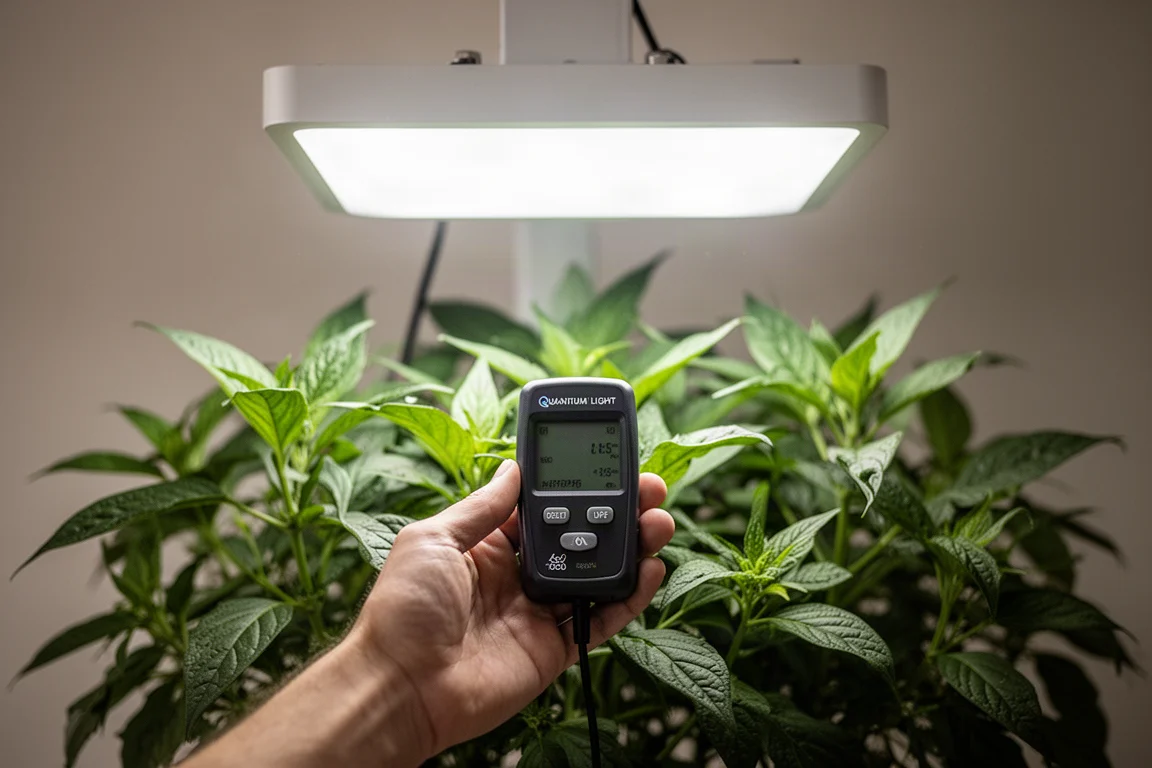
- Usable PPF: what actually reaches your canopy, revealed by a well-set-up PAR test with a PAR map.
When reading a PAR map, look for a center value close to 1000 PPFD with corners at least 500. Values above 1000 in the center are unrealistic without CO2 supplementation, and values around 500 in the center suggest the map is understated.
The grow light calculator approach is simple: take a fixture’s efficacy figure in micromoles per joule, multiply by its watts, divide by purchase cost, and compare cost per micromole. Anything under one dollar per micromole was once considered a good deal; today strong fixtures land at 40 to 50 cents per micromole, with the best sale prices around 30 cents.
Diode count matters too. Aim for roughly three to four diodes per watt. Driving diodes at lower current improves efficiency and longevity, and running a fixture at about 85 percent out of the box leaves headroom to compensate for efficiency loss over the years.
AC Infinity Ionboard
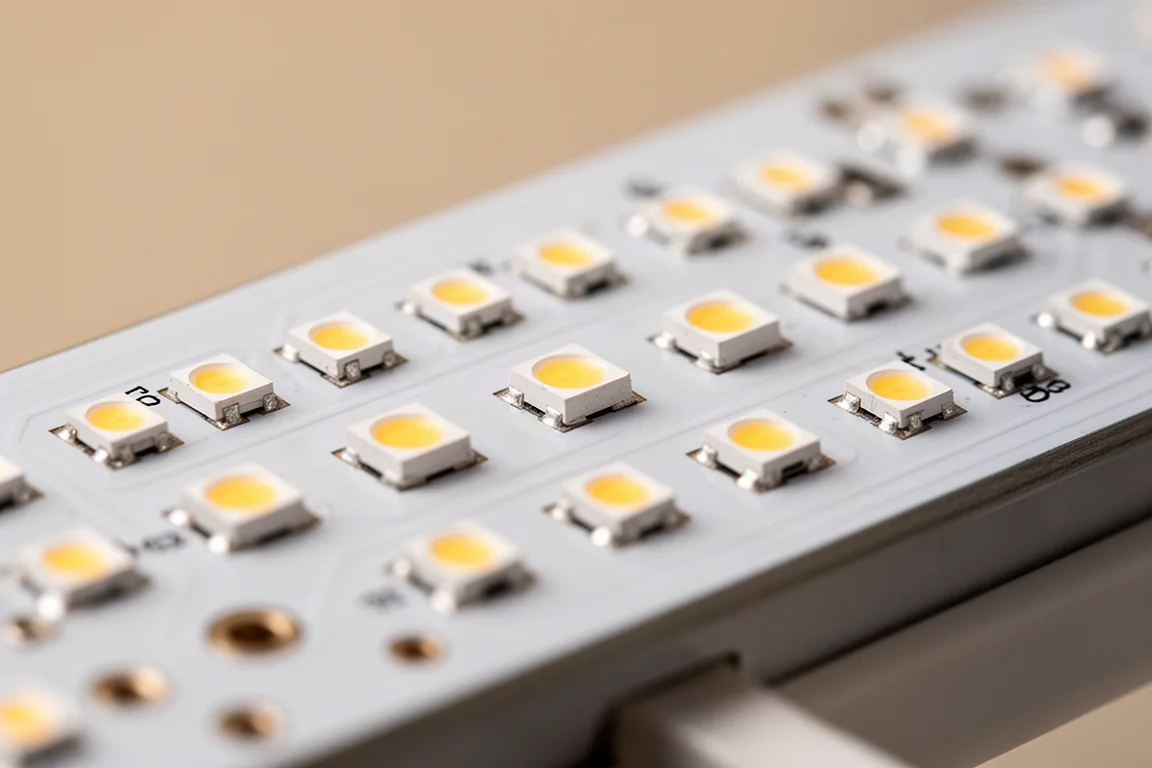
The AC Infinity Ionboard series takes a board-style approach using Samsung LM301B diodes. Board-style fixtures suit compact grows and growers who want a simple, complete fixture rather than an assembly of bars. For smaller tents, a quantum-board style light like this remains a sensible choice, while larger spaces generally benefit more from bar-style designs that distribute light more evenly.
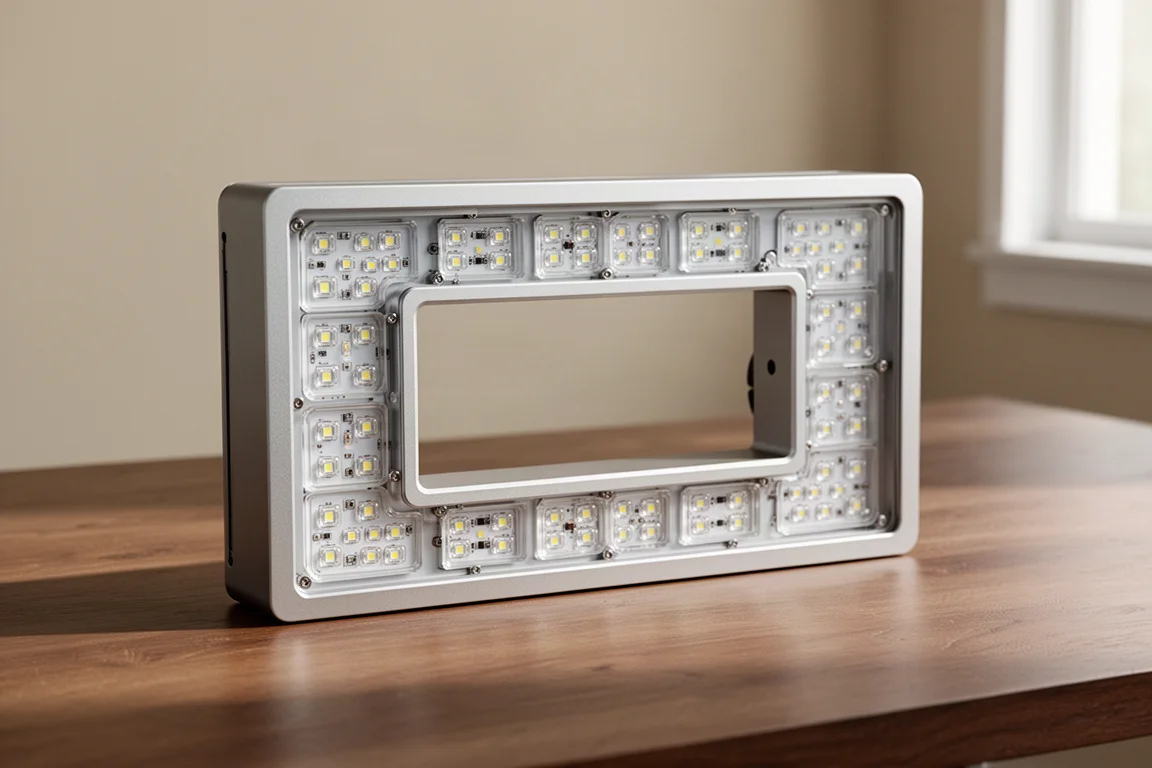
AC Infinity Ion Grid
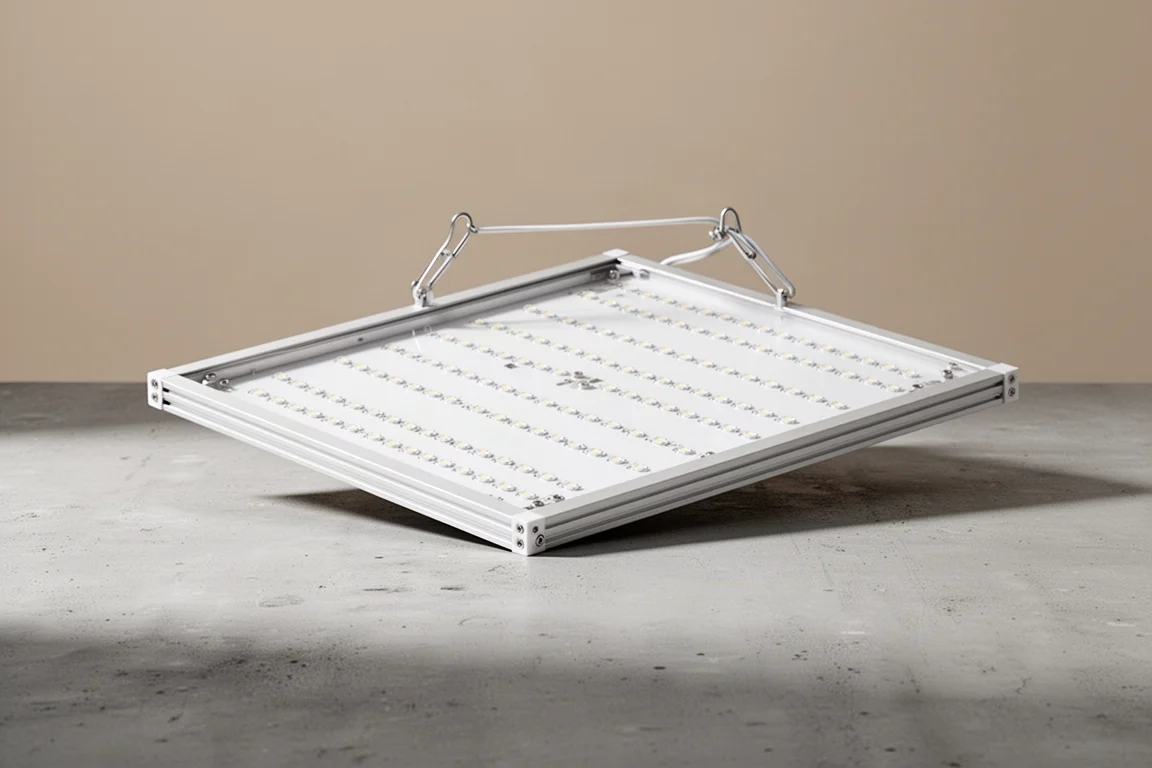
The Ion Grid series uses an open-center design with Samsung LM301H diodes. That open structure helps with light spread and heat management compared with a fully sealed board. If you are choosing between the two AC Infinity lines, the choice largely comes down to format preference: boards for simplicity, grid for spread and airflow.
Budget and Mid-Range Brands: Mars Hydro, Spider Farmer and ViparSpectra
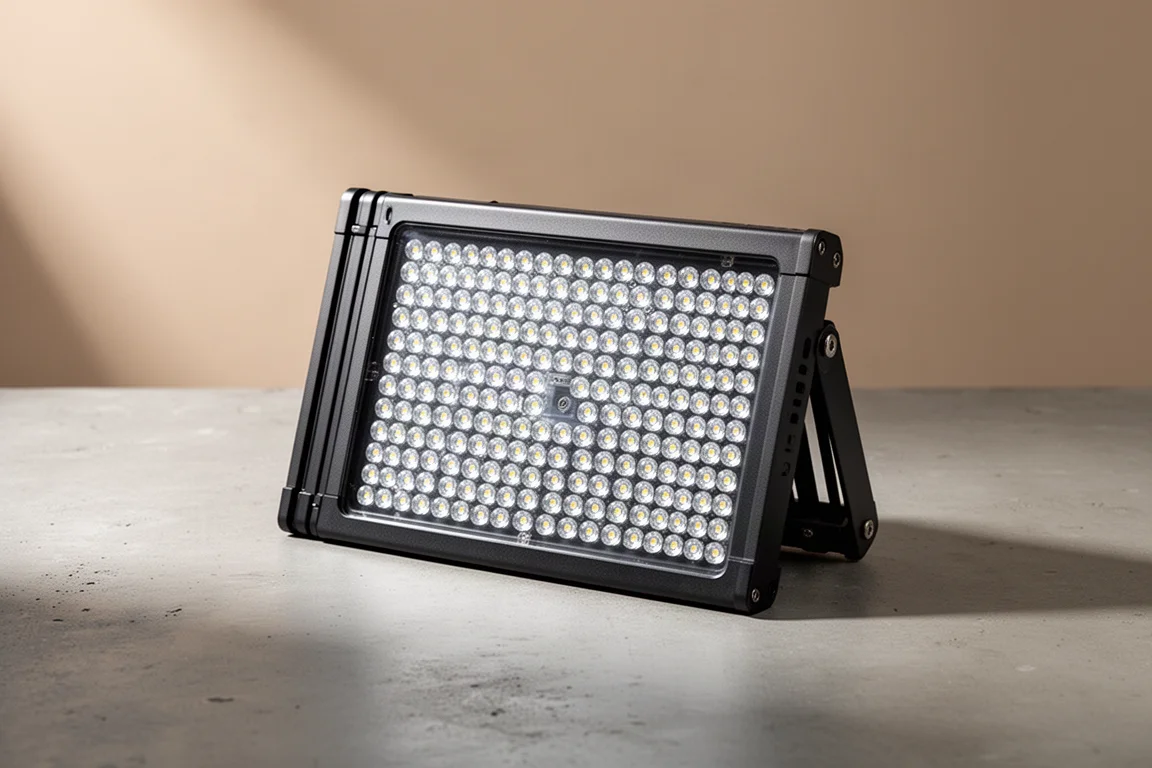
Mars Hydro and Spider Farmer dominate the home-grow market through direct and Amazon-based marketing, and many of their fixtures are genuinely decent, though slightly pricier than some alternatives. Interestingly, both brands sell a more discounted line using Bridgelux diodes, with roughly three times the diode count of their premium Samsung LM301B and Osram 660nm lines. Because those cheaper diodes run at an even lower percentage of rated capacity, the budget lines can actually be slightly more efficient than the premium ones.
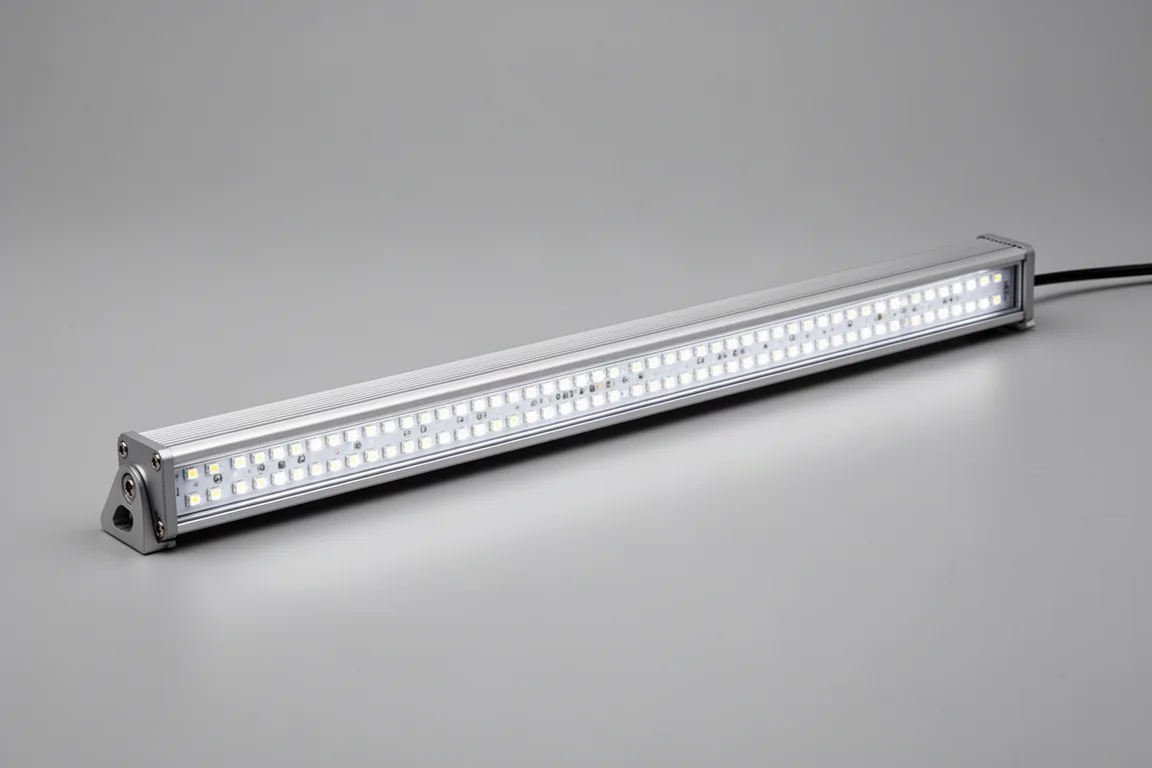
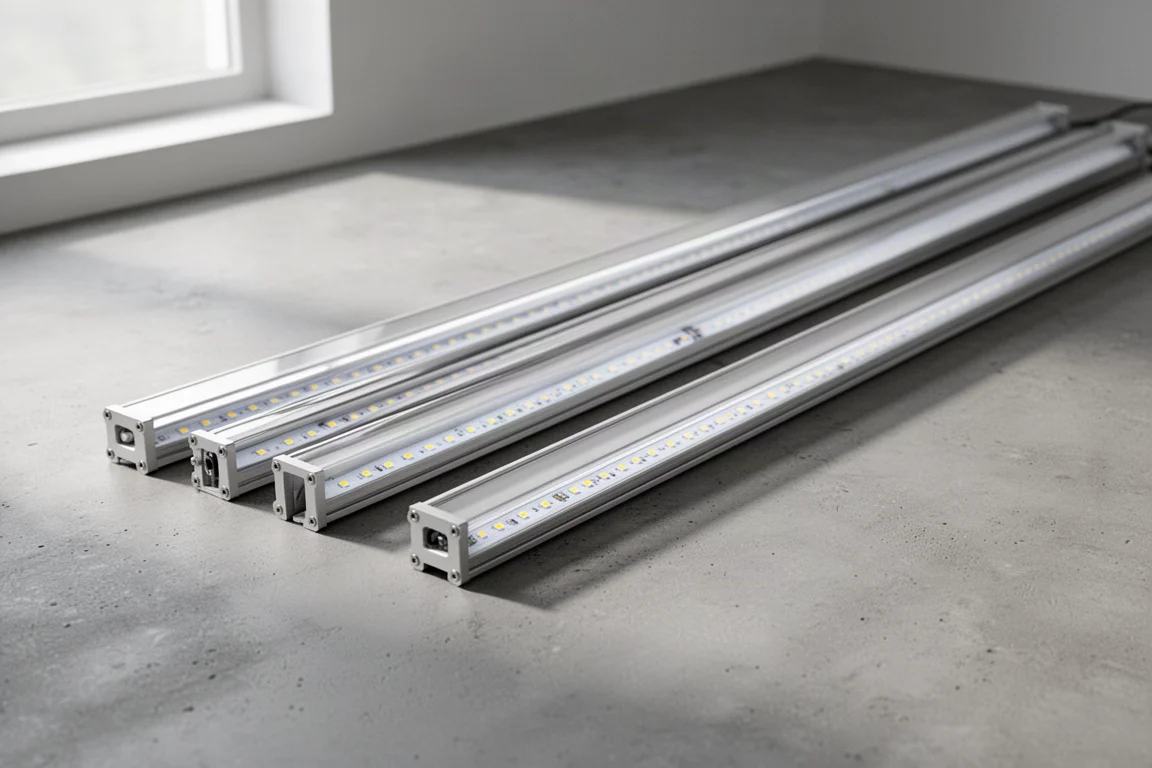
ViparSpectra operates independently of those two, and its newer bar-style fixtures are worth a look for home growers. The bar format is larger than typical Mars Hydro or Spider Farmer boards and distributes light better across the footprint. ViparSpectra is also a good source for smaller fixtures suited to 2x2 spaces.
Do Premium Brands Justify the Price?
ChilLED Tech builds some of the most efficient fixtures on the market, with its Ultra Series arguably the most efficient available. The problem is recovery time: it would take years of running at that efficiency advantage to recoup the initial cost premium. HLG sits in a similar space, and even many American brands manufacture components overseas, which weakens the pay-more-for-domestic argument.
Fluence and FOHSE target the commercial market with premium pricing and marketing that implies secret knowledge nobody else has. In reality, a grow light is a light-creating machine: it should turn on when you want it on and off when you want it off. A real-world commercial comparison illustrated the point starkly, with quotes around $160,000 for one brand’s lights versus $640,000 for a premium alternative, all for the same photons. Some buyers are simply spending someone else’s investor money with a good sales pitch.
Conclusion
The best LED grow light is the one that delivers the most usable photons per dollar, with a well-distributed PAR map and diodes driven at conservative current. Premium fixtures rarely justify their cost anymore, and mid-range bar-style designs from ViparSpectra, Spider Farmer, and Mars Hydro, alongside the board and grid options from AC Infinity, cover most grow spaces effectively. Focus on measured performance over marketing, and you will spend far less for the same light.
Further reading
Related Reviews
Grow Lights
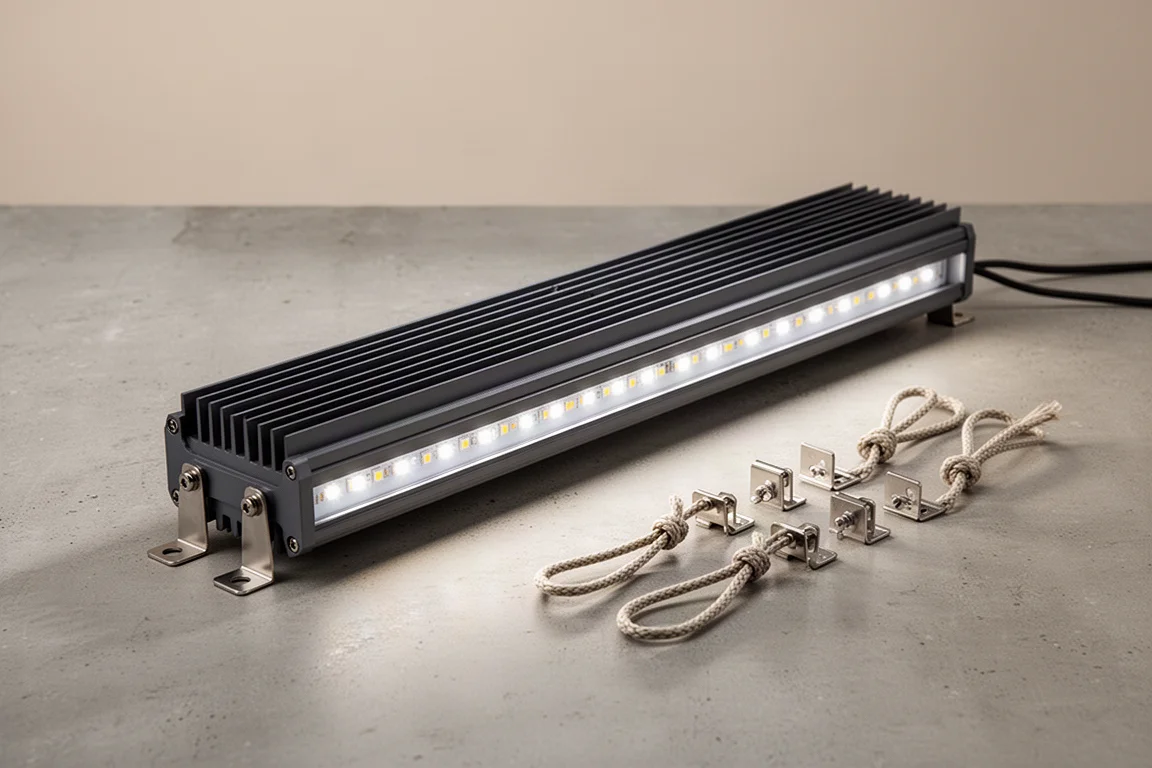
AC Infinity Ion Frame A7 Review: The Grow Light That Beats Its Own Spec Sheet
A high-output grow light for 2x4 tents that hits target PPFD at low dimmer levels, with strong efficiency and thoughtful mounting details.
Grow Lights
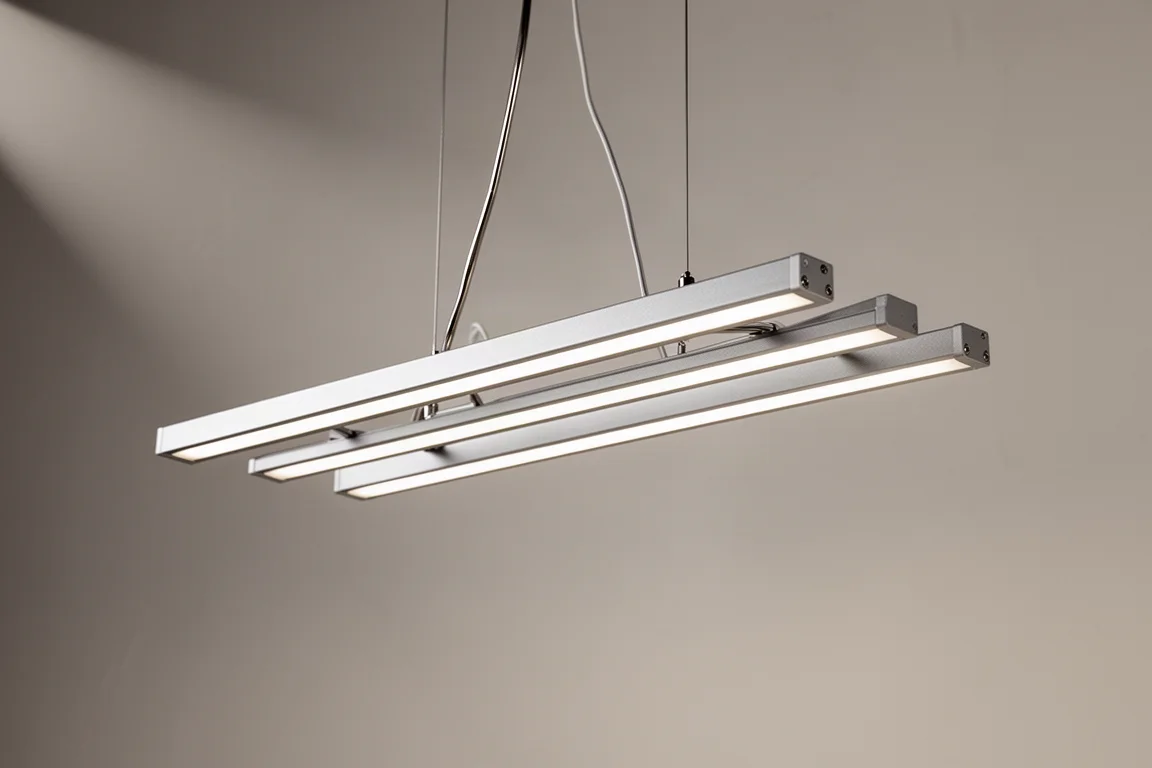
AC Infinity ION Frame Evo 3 Review: A New Bar-Style LED Grow Light for 2x4 Spaces
Samsung LM301H EVO diodes, app scheduling, and a magnetic frame make the ION Frame Evo 3 a serious option for 2x4 grow spaces.
Grow Lights
AC Infinity ION Grid T24 Review: A Full Spectrum LED Grow Light for 2x4 Spaces
A 260W full spectrum LED grow light with Samsung LM301H diodes, a programmable digital controller, and a complete hanging kit out of the box.