Multi-Tools
Best Leatherman Wave Alternatives: Three Budget Multi-Tools Worth a Look
Three Wave-inspired multi-tools that cost far less than the original, each with its own twists, from a quarter-inch bit holder to a surprisingly capable scissor.
Introduction
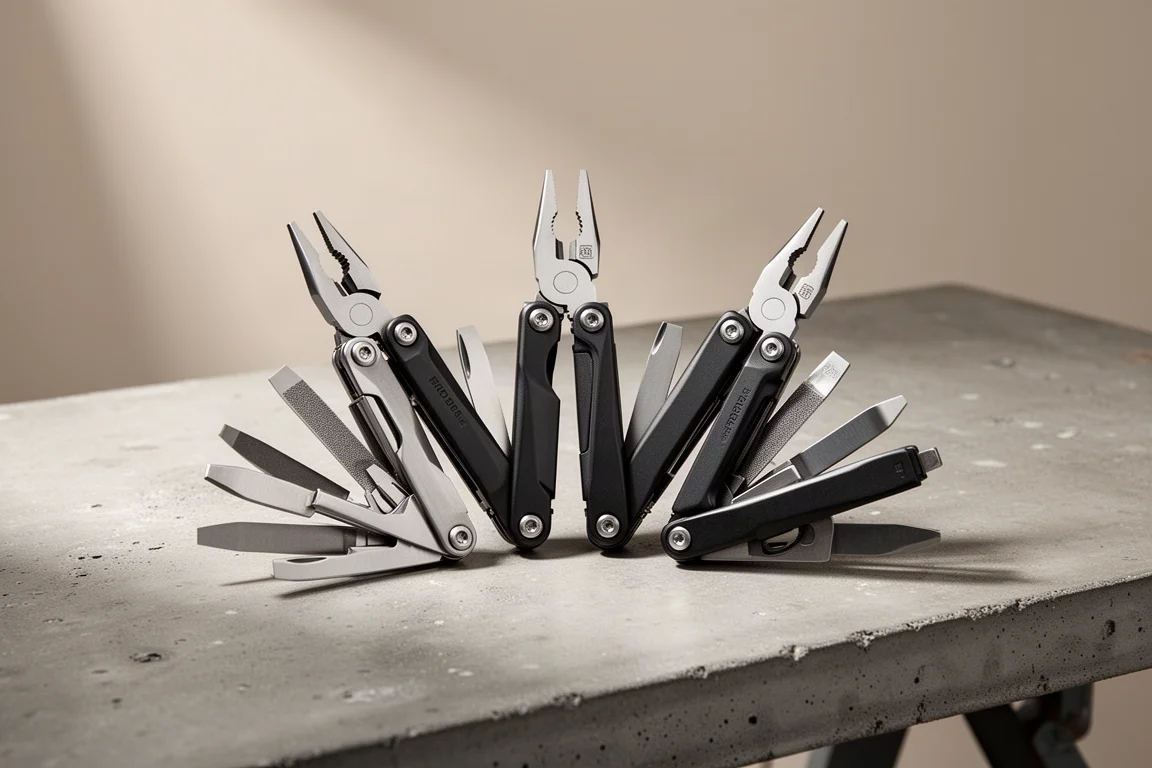
The Leatherman Wave is a proven platform, and after its patents expired, a wave (pun intended) of manufacturers started building multi-tools on the same basic formula. If you love the original, that might sting a little. But if you have ever balked at the price, worried about a tool walking off a job site, or simply wanted a backup for the glove box, these clones deserve a serious look.
The original still runs about $109 on Leatherman’s own website, and even used examples on eBay stay pricey. That context makes the three alternatives below genuinely interesting, because several of them do things the Wave does not.
Why Choose a Wave-Style Clone?
There are three practical reasons people reach for a Wave-style clone instead of the original. The first is price: not everyone can justify the cost of the genuine article. The second is loss risk. If you work on a job site or in a facility where tools tend to disappear, carrying a tool you can afford to lose beats carrying one that would break your heart if it went missing. The third is backups: keeping a spare in a backpack, glove box, or car kit means you are not constantly hunting for your primary tool, and if it gets lost, you have lost something with far less invested value.
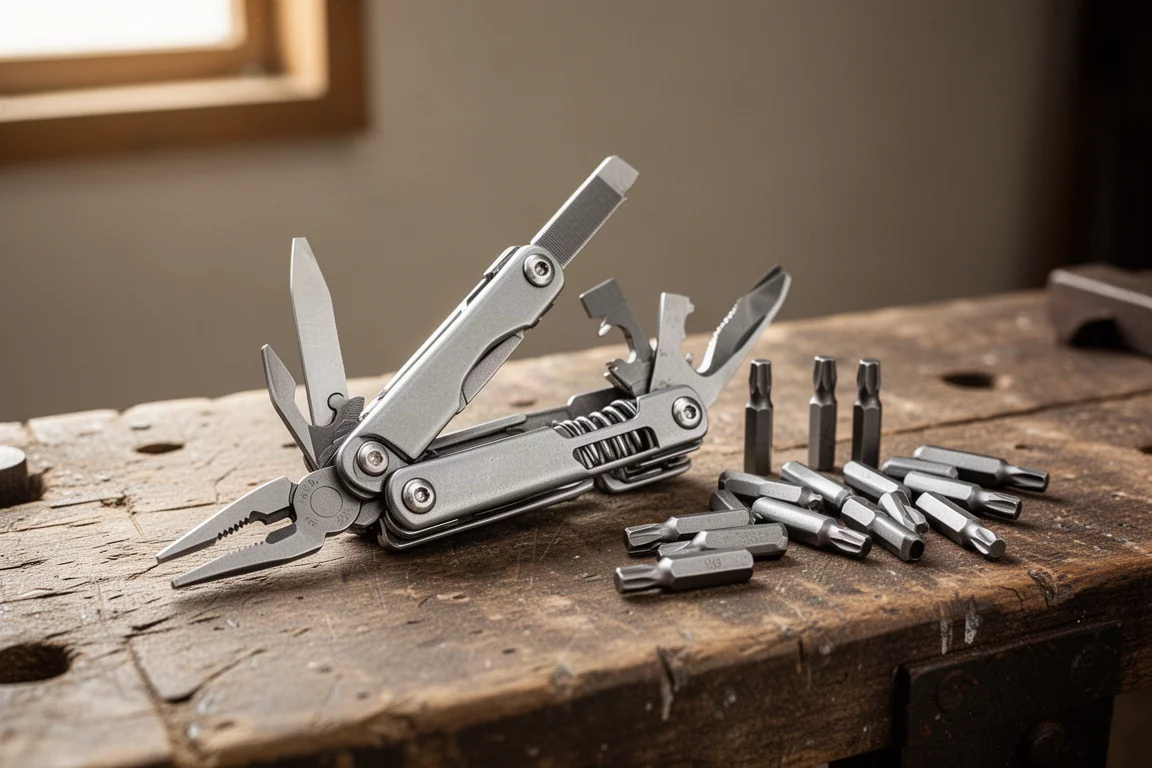
It is also worth saying upfront that the clones are not just copying. Several of them fix genuine weaknesses of the original, most notably the proprietary bit system and the plier-head design that can pinch your hand under load. Quality control can be a mixed bag at these prices, so inspect the tool the day it arrives and return it immediately if something is off.
Multi-Force “Wally Wave”: The Feature-Packed Budget Pick
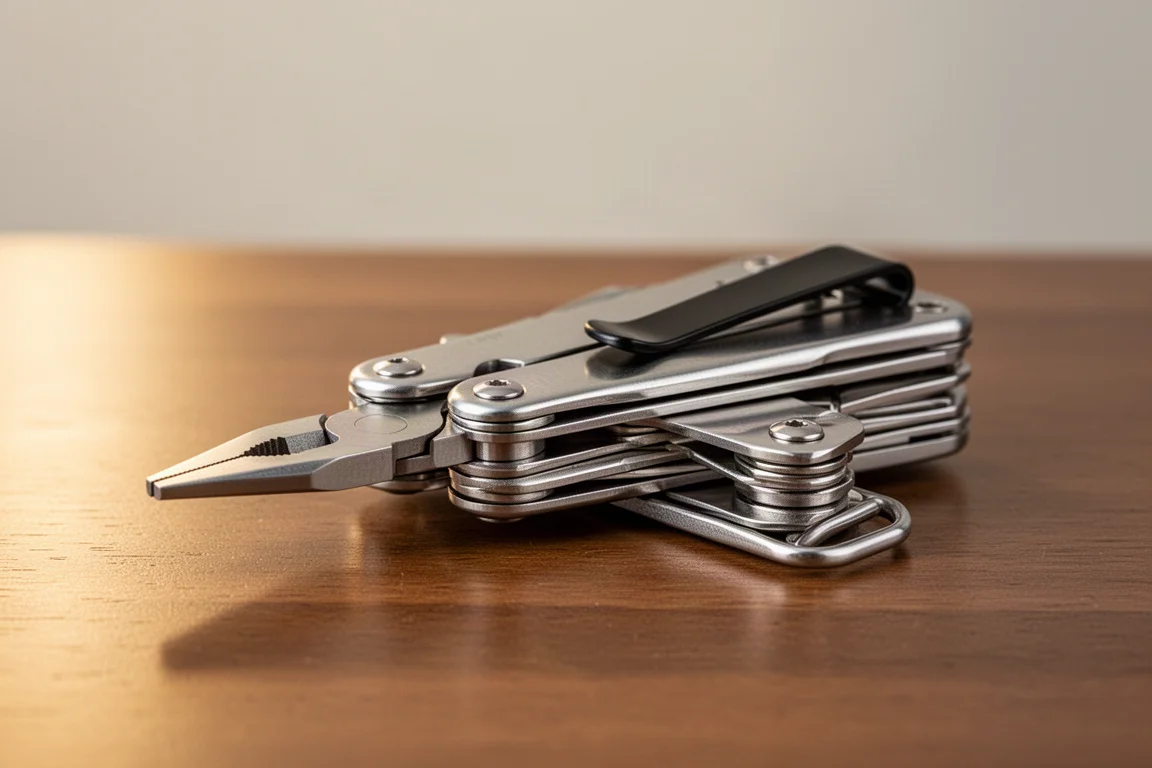
The Multi-Force, affectionately nicknamed the “Wally Wave” because you can buy it at Walmart, is the clone that impressed us most. Its biggest trick is the plier head orientation: it sits on the opposite side of the implements, so there is no chance of pinching the web of your hand when you bear down hard on the grips. Anyone who has been squeezed by a traditional plier handle knows exactly how much that matters, and it is arguably the reason some people abandon multi-tools entirely.
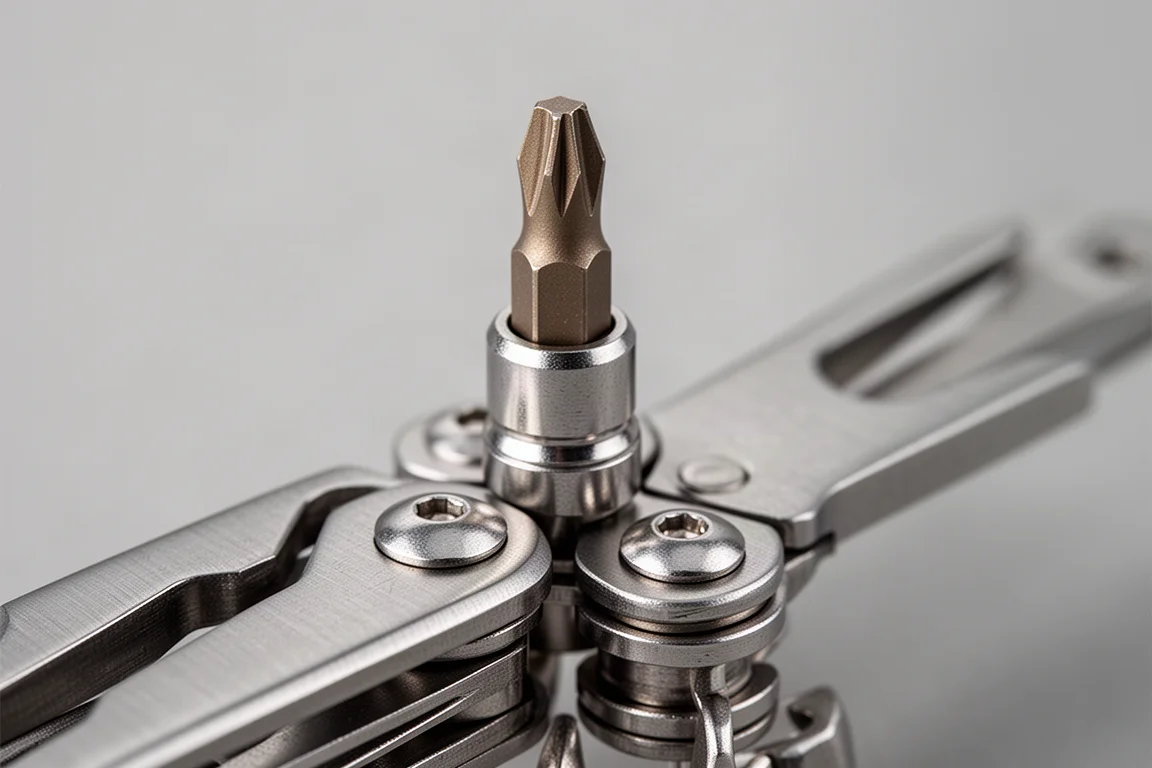
The feature list reads like a wish list for the price. A pocket clip is included, which on the original would be another ten-dollar purchase. The tool also ships with a bit extender that takes standard quarter-inch bits with a ball-detent retention similar to Klein screwdrivers, so you can source bits from any big-box hardware store, add a magnet, or simply use ordinary hex bits. Compare that with the original’s proprietary bit kit, which became nearly impossible to find in stores and was reportedly selling on eBay for fifty to a hundred dollars at times.
Otherwise the setup mirrors the familiar formula: a straight and serrated blade, a diamond crosscut file (though the finish is not on the same level as the original), and a saw that is one of the better ones we have seen on any clone. The cutters are not replaceable, which sounds like a drawback, but leaves more material in the plier head for strength, and some riders of this debate genuinely prefer that trade-off. Buying at a physical store and being able to return it there is a small but real bonus.
Byberry Wave Clone: The One That Keeps Improving
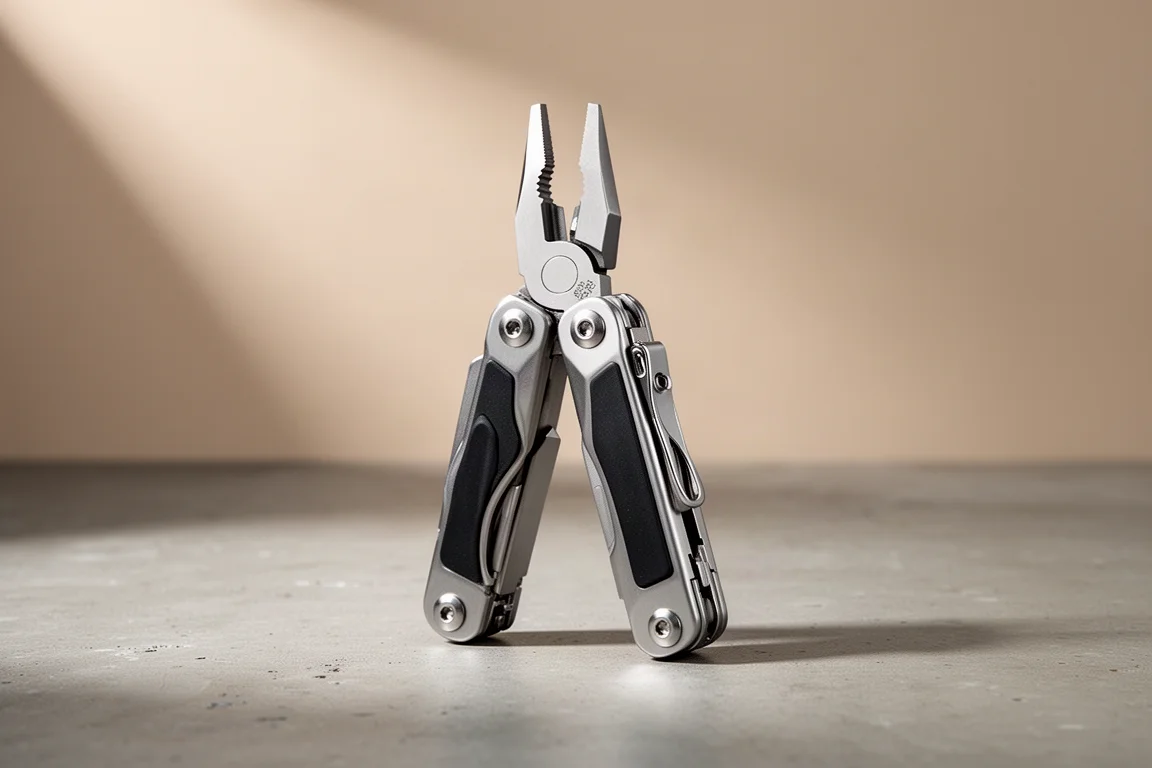
The Byberry is the first clone many people encounter, and in our earlier experience it was okay but not on the same level as the Multi-Force. The newer versions, however, have genuinely upped their game without raising the price. With a coupon, one was available for about thirty dollars.
The updates are the story here. Byberry added a pocket clip, a major improvement for anyone who prefers pocket carry over sheath carry. The sheath was also redesigned: it now includes a clip and holds three spare bits, covering a T10, a T15, and what appears to be a size-zero Phillips, with a slot in the front to store them. Like its siblings, it uses large saw teeth that cut live wood noticeably better and faster than older designs.
Fleesa Wave Clone: Cheap, Replaceable, and Honestly Decent
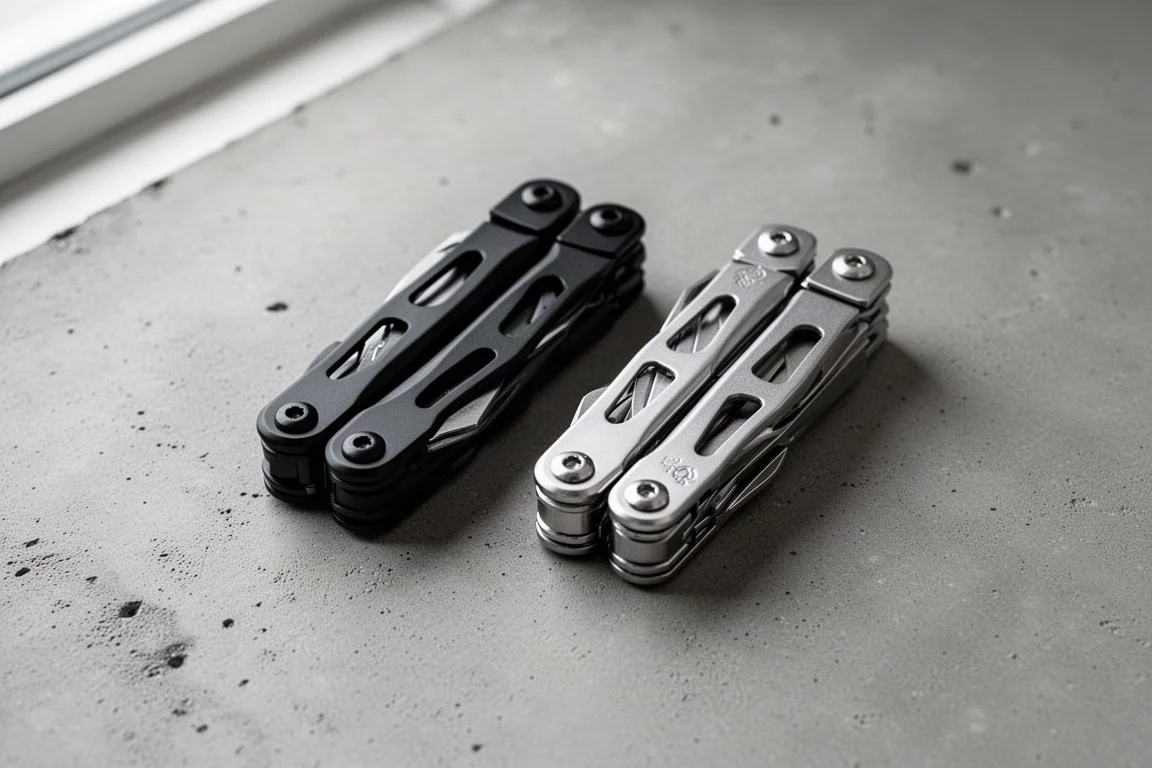
The Fleesa is essentially a rebrand of the same family, sold for around twenty-three dollars when we looked. We bought two, one all black and one silver, and that pairing tells you most of what you need to know about clones: the black unit was flawless, while the silver one arrived with a quality-control issue that we returned to Amazon without any hassle. If you buy one, check it the moment it opens.
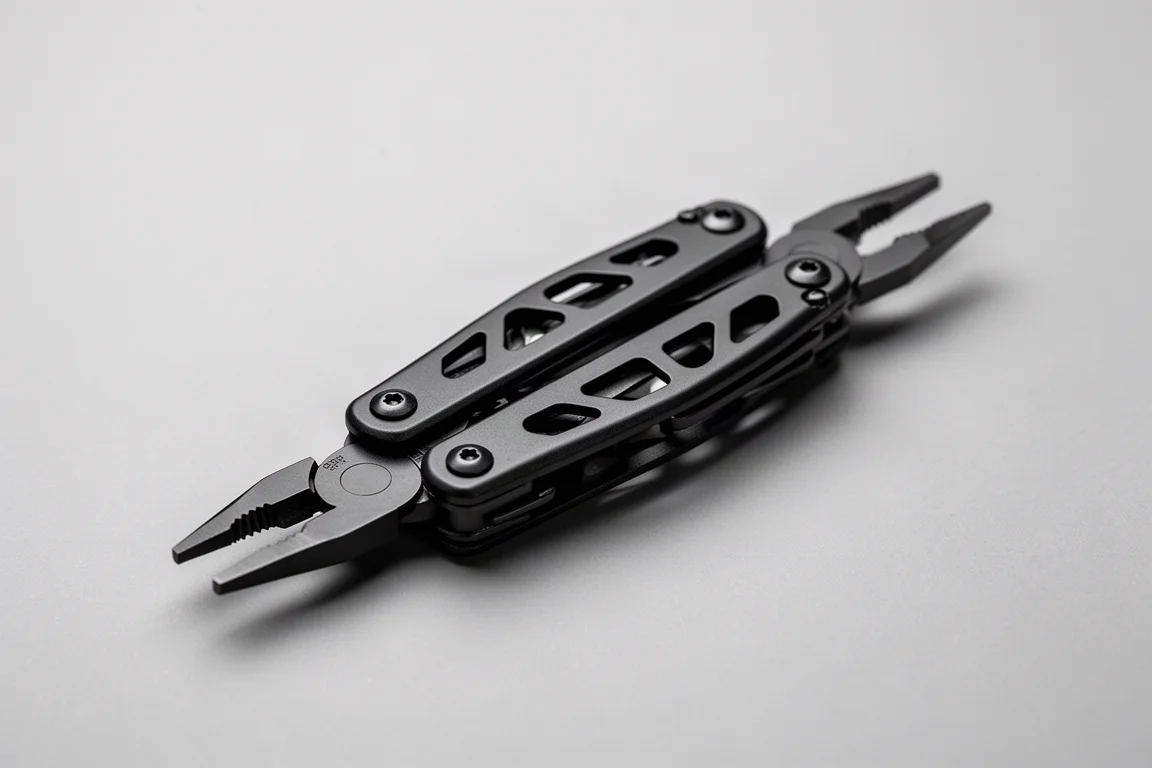
What sets the Fleesa apart is that it has replaceable wire cutters, an upgrade some buyers will specifically want, plus weight-saving cutouts in the handles. At this price it is also a natural candidate for the optional three- or four-dollar Amazon protection plan, which effectively functions like buying two tools: if you break it, a replacement is sent, no questions asked.
If your priority is a beater tool for the trunk or the job-site toolbox, the Fleesa’s combination of low price, replaceable cutters, and easy returns is hard to argue with.
The Standout Scissor and Signal-Style Extras
One variant in this family borrows cues from another well-known survival-oriented multi-tool while keeping plenty of Wave DNA, and the result is a combination we have not really seen elsewhere. It packs four long implements, including full-size outboard scissors that are genuinely excellent. The cutting geometry is superb, and while one premium-brand heavy-duty scissor beats it on strength, it wins by the slimmest possible margin. Dedicated tinkerers have even noted it can be modified to fit the original Wave with some grinding and pivot adjustment.
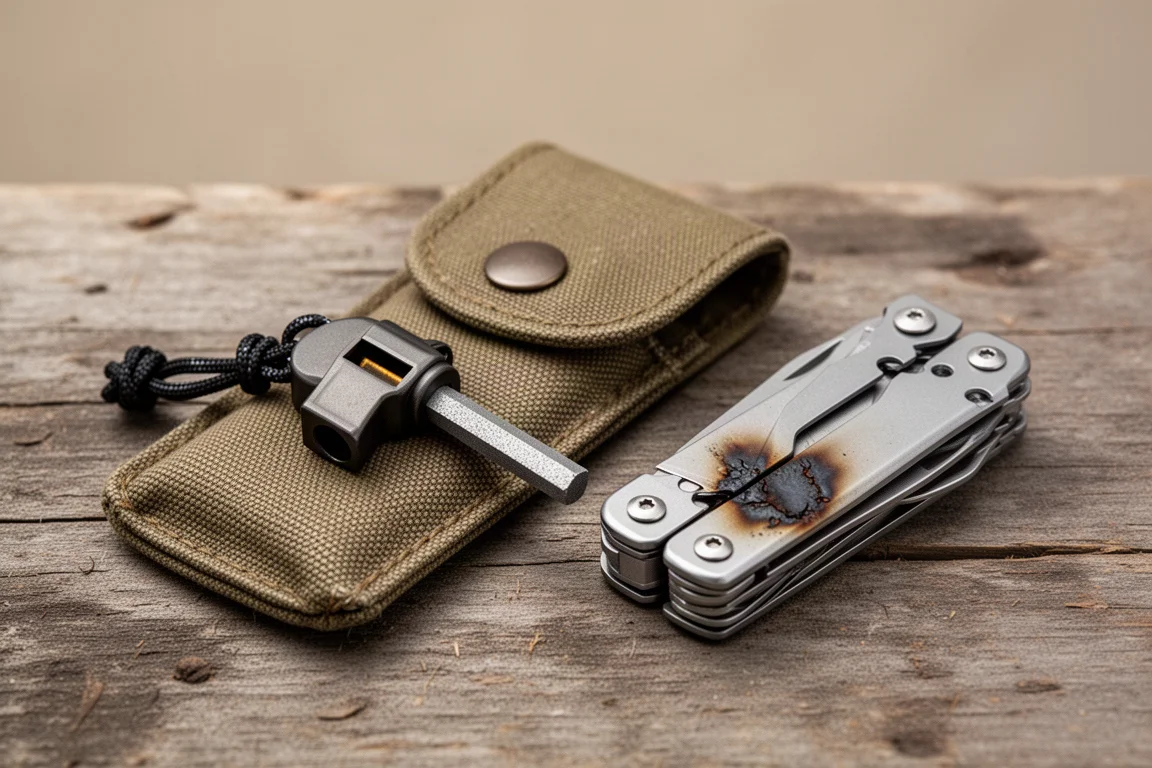
The rear end departs from the formula with a metal hammering surface, a glass-breaker tip, and a spot for a hex bit that can be secured with the string-trick for real torque. There is no bit driver in the usual sense, but the tool-heavy side manages four implements including a reamer/awl, small and large flatheads, and a combined can and bottle opener with a wire-stripping notch. The bottle opener, shared across this whole family, is weaker than the deep V-cutter style on the original. The ferro rod is a highlight though: far more of it is exposed than on comparable survival multi-tools, which means many more strikes, and the integrated whistle works exactly as loudly as you would hope.
The trade-off is weight. This version comes in around 9.6 ounces, roughly two ounces heavier than the survival-style original it references, and the partially serrated combo blade is more aggressive than we would like, prone to binding in softer material and harder for some owners to sharpen. A straight blade would have made this an even more complete package, especially since you also get the diamond file and that excellent scissor included.
Overall Buying Advice
If you want the most features and the smartest plier design, the Multi-Force is the easy recommendation. If you want the cheapest functional copy with replaceable cutters and painless returns, the Fleesa fits. If you want the version that keeps getting better with each revision, the newer Byberry with its pocket clip and upgraded sheath is the one to watch.
Whichever you choose, budget a minute for quality control on arrival, and consider the optional protection plan if it is offered. These are tools designed to be used hard, lost, and replaced, and that is precisely their charm.
Conclusion
Wave-style clones have matured from pure imitations into tools that fix real weaknesses of the original: standard bits, included pocket clips, friendlier plier geometry, and aggressive pricing. The genuine article still earns its place for finish quality and that superb bottle opener, but for backups, job sites, and budget builds, these three alternatives make a very strong case.
Further reading
Related Reviews
Multi-Tools
Leatherman Wave Plus Review: A Pliers-First Multitool for Bike Trips
Why a pliers-first multitool earns permanent space in a touring kit, and what to weigh before paying for the Leatherman Wave Plus.
Multi-Tools
Best Budget Multi-Tools Under $50: Four Picks Worth Considering
A compact SOG original and three value-focused clones, with honest notes on which ones deliver real value and where to draw the price line.
Multi-Tools
Best Multitools for Hard Wire Cutting: Which Pliers Actually Survive the Test
We put a lineup of classic and modern multitools up against a simple challenge: cutting coat hanger wire cleanly without damaging the cutters.