Multitools
Best Leatherman Multitools: 7 Picks and Who Each One Is For
From the lockjaw Crunch to the bestselling Wave Plus, here are seven Leatherman multitools worth considering, each with a clear best use case.
Introduction
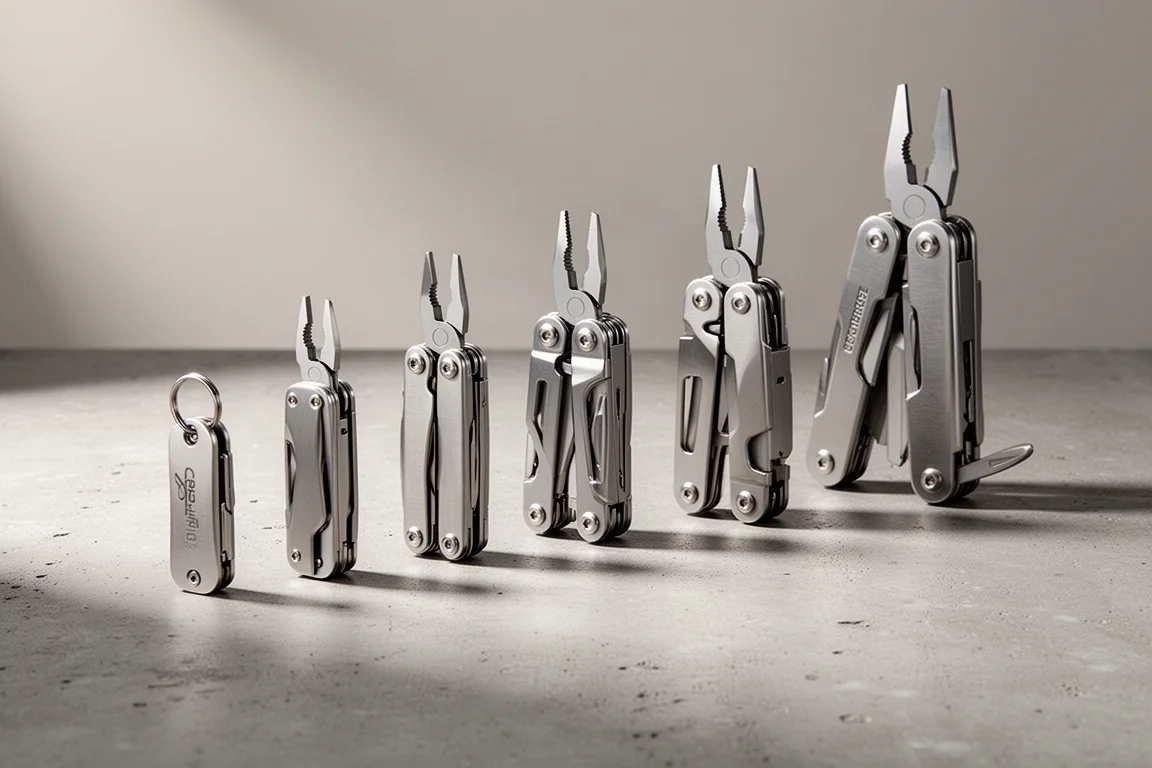
Leatherman has been making multitools since the original Pocket Survival Tool, and the current range covers everything from a tiny keychain companion to a belt-mounted toolbox. This list runs through seven standout models, counting down from the specialist to the all-rounder, with a note on who each one actually suits. Prices quoted here come from Leatherman’s official website, roughly $120 or £140 for the pricier picks down to around $35 for the smallest, and US pricing tends to be more affordable than UK pricing since the tools are made in the USA and shipped internationally at added cost.
Leatherman Crunch
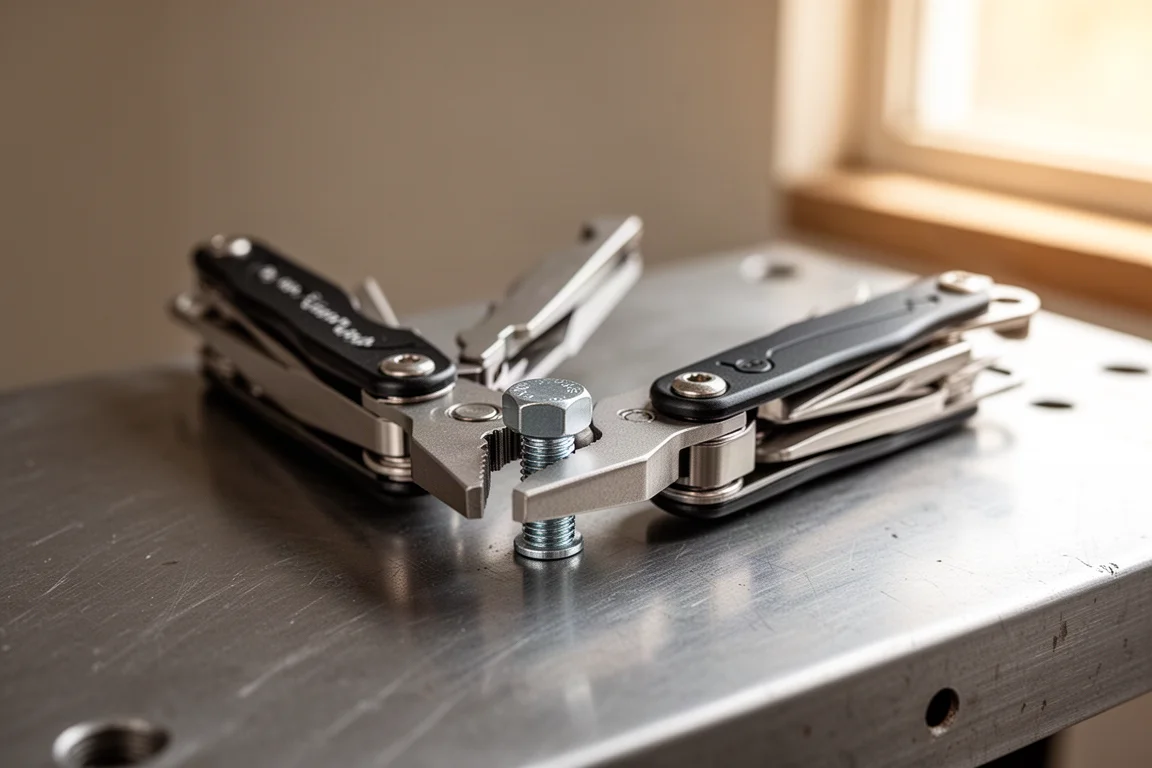
The Crunch appeared in 1999 and remains unique in the multitool world: locking pliers, also known as mole grips or vice grips, built into a very compact package. Open the handles, move the jaws into position, and they lock onto whatever you are gripping with significant force. The jaw opening is adjusted with a screw, and anyone working with nuts and bolts, pipes, rods, or metalwork will appreciate having this on hand.
Beyond the pliers, one handle holds a single-cut and cross-cut file, a three-dimensional Phillips driver, a small precise flathead, a medium flathead, and a serrated sheep’s-foot blade. There are also wire strippers built into the handle and a quarter-inch hex driver that takes standard hex bits as well as Leatherman flat bits, though removing the retaining screw makes it slightly fiddly. All tools lock, which makes it unsuitable for public carry in the UK. Closed, it is very compact for its capability and lightweight at just 190g or 6.9oz. It suits a mechanic, plumber, or engineer, and it earns a spot in a bike tool kit. Price is around $120 or £140.
Leatherman Free P2
Released in 2019 as a radical design shift, the Free P2 received plenty of mixed press at launch, but it has real strengths. A magnetic system makes the tools quick and easy to access, and all tools are externally accessible, making the toolset easier to reach than in any other Leatherman. Everything deploys smoothly, the locking system feels secure and is easy to operate, and there is a substantial deep-carry pocket clip. The word that fits is refined.
The pliers are the only tool requiring the handles to be opened, and that can be done one-handed, so the whole tool can be used single-handedly if needed. The plier head is very capable with replaceable hard-wire cutters, though the handles can be painful if squeezed hard at the base due to indentations. The main blade is a combination straight and serrated edge, single-handed opening and locking, so it rules out public carry in several countries including the UK. The scissors are quick to access and a useful size, and there is a two-dimensional Phillips, three flatheads, a package opener and pry tool, a can opener that doubles as a bottle opener, and flatheads that double as a rather impractical file and ruler.
At a reasonable 252g or 7.6oz (as listed), this is a well-engineered, good-looking tool with a quality feel, better suited to lighter duty in a desk drawer, briefcase, or work pack than a workshop bench. The larger P4 adds a separate straight blade and a saw for a heavier use case at a higher price. The P2 costs $130 or £150.
Leatherman Knifeless Rebar
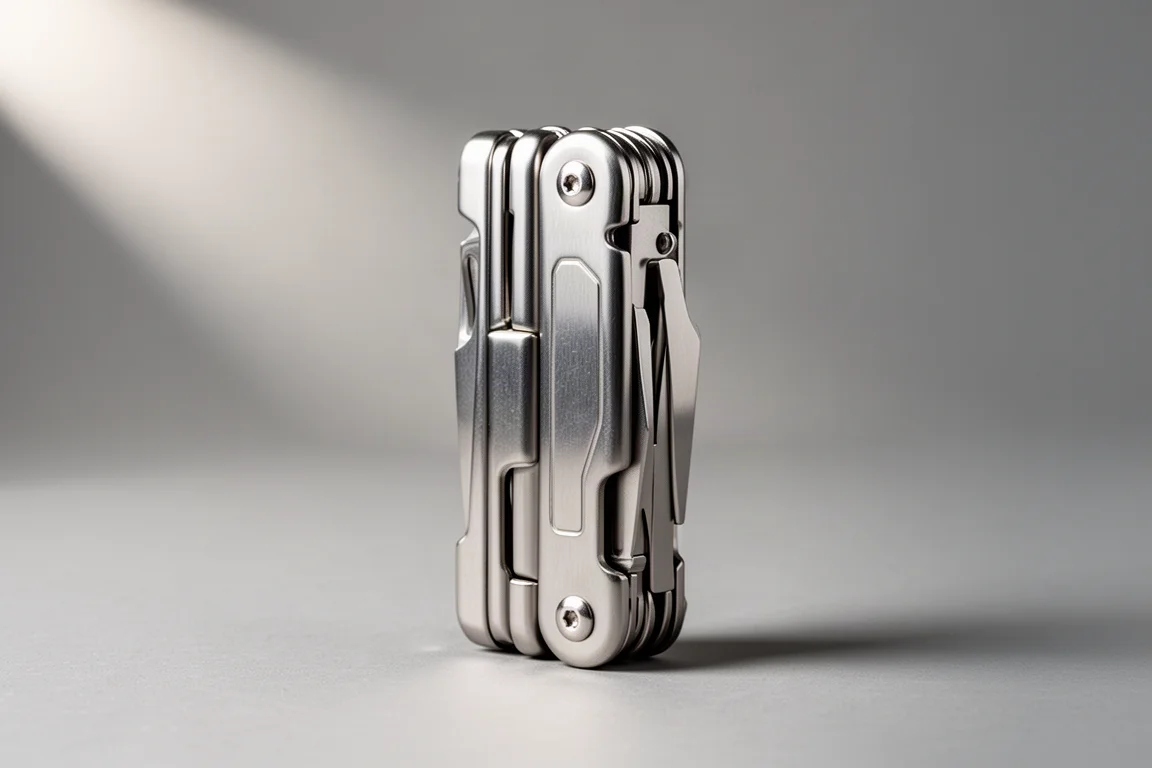
The Rebar is affordable, very capable, and true to the original Leatherman style, with no externally accessible tools. Compared with the Free P2 it is unrefined and slow, but the tools are more capable and heavier duty, which for many counts for more. The old-school design keeps it compact and relatively light at 190g or 6.7oz.
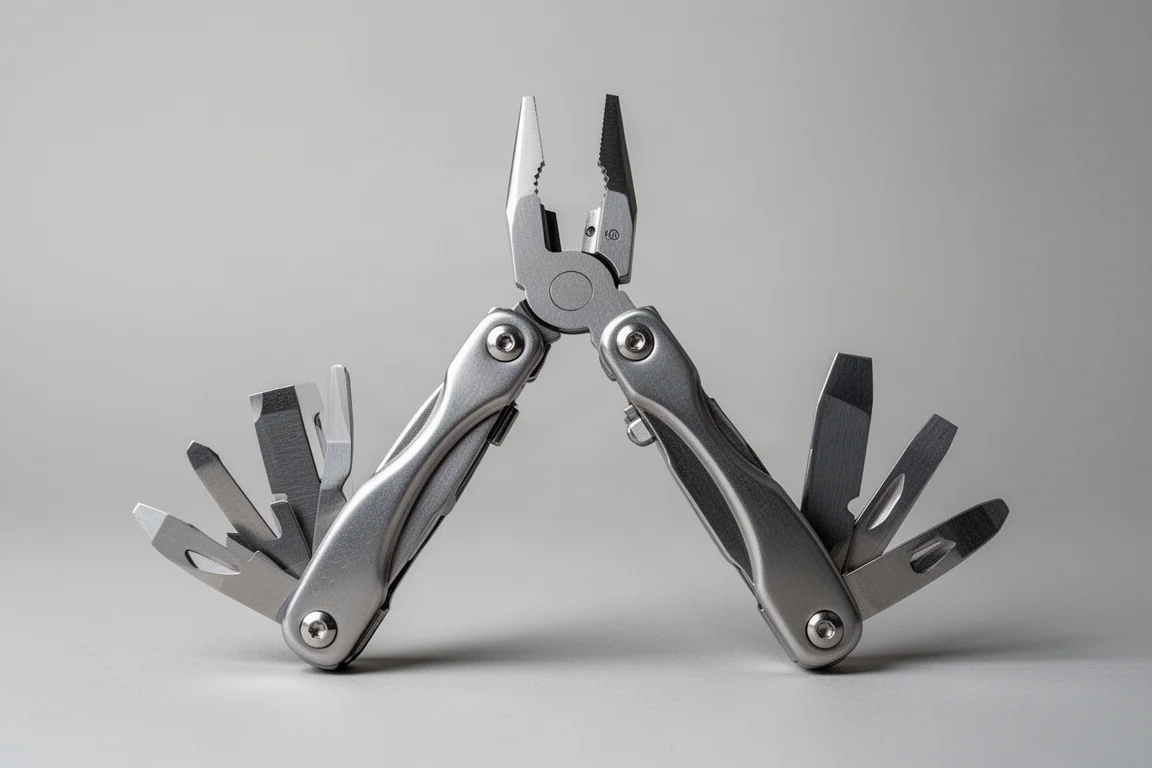
The knifeless version swaps the standard model’s straight and serrated blades for scissors, and that is exactly why it makes this list. For countries like the UK that ban carrying locking knives, this is arguably the best Leatherman multitool you can legally carry outside the home, and it pairs neatly with a separate non-locking knife for a fully legal carry solution. The toolset is comprehensive: scissors, medium and small flathead screwdrivers, an awl with a bladed edge and sewing eye, a straight and cross-cut file, a bottle and can opener, a three-dimensional Phillips driver, a fold-out lanyard hole, and needle-nose pliers with replaceable hard-wire cutters. The Leatherman Bond was considered as an alternative, but it lacks scissors and a saw, which is why the Rebar wins here. Note that the standard Rebar has no scissors. The knifeless version costs a very reasonable $80 or £95.
Leatherman Micra
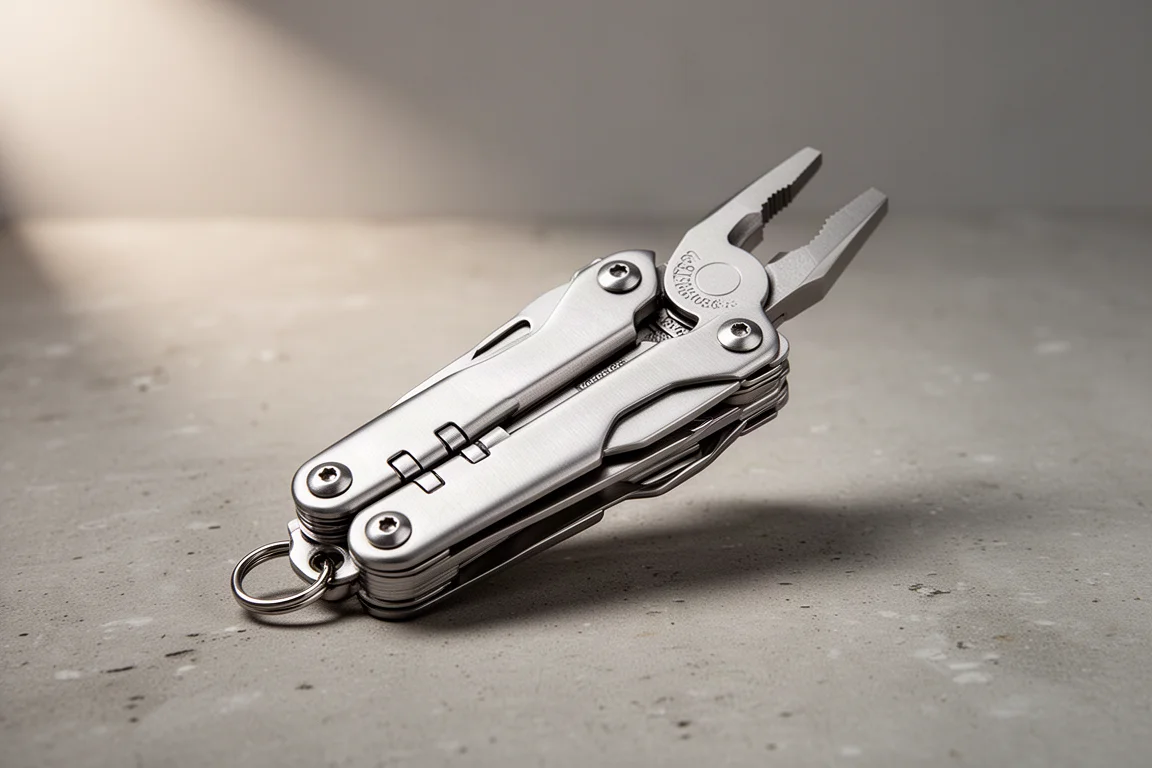
The Micra is a scissors-based mini multitool that has been around since 1996, and it may well be the best keychain-sized multitool you can buy. Every millimetre is put to good use, starting with brilliant scissors that are probably as large and as good as, if not better than, the scissors on any Leatherman of any size. For many people, scissors are more useful than the mini pliers found on competing options.
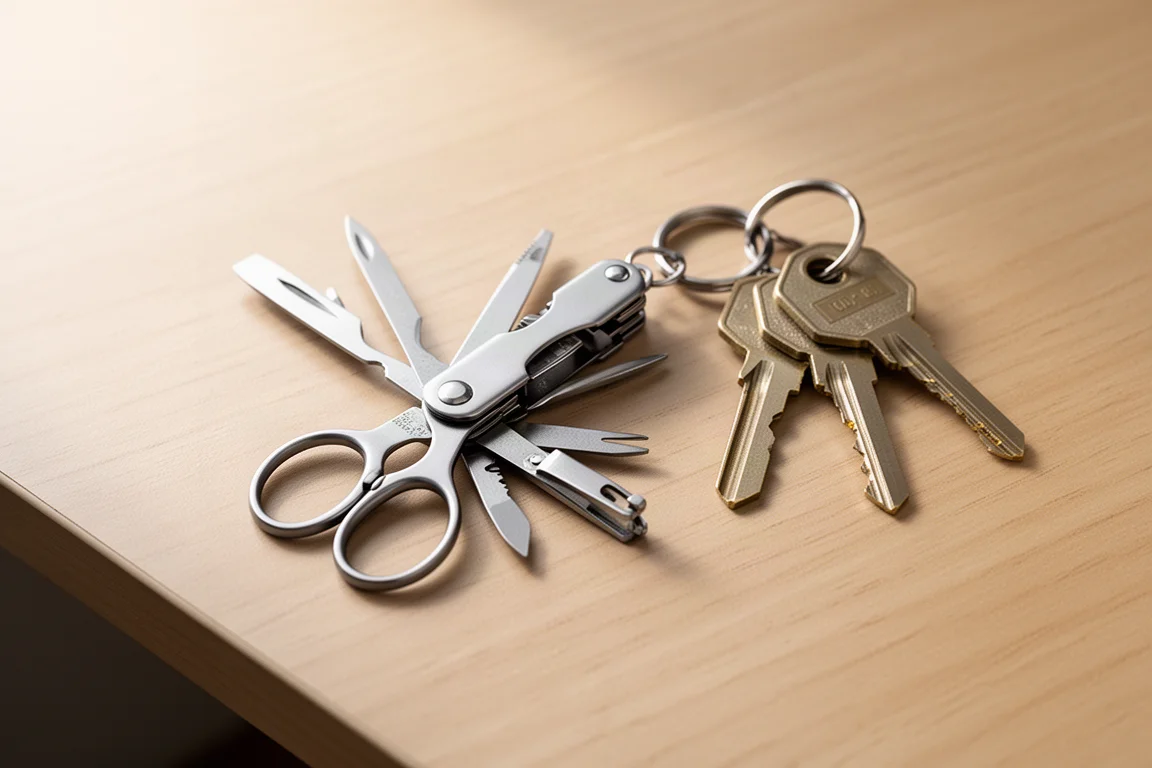
The remaining tools are not externally accessible, which is old-school Leatherman design, but it is one reason the tool is so compact and light at just 49g or 1.73oz. You get a small screwdriver with built-in bottle opener, a two-dimensional Phillips driver, tweezers, a diamond nail file and nail cleaner, a medium flathead screwdriver, a small knife, and a keyring loop. Carried daily in the fifth pocket of a pair of jeans, this is a tool you will use multiple times a day. It is a multitool for everyone. Price: $35 or £45.
Leatherman Skeletool CX
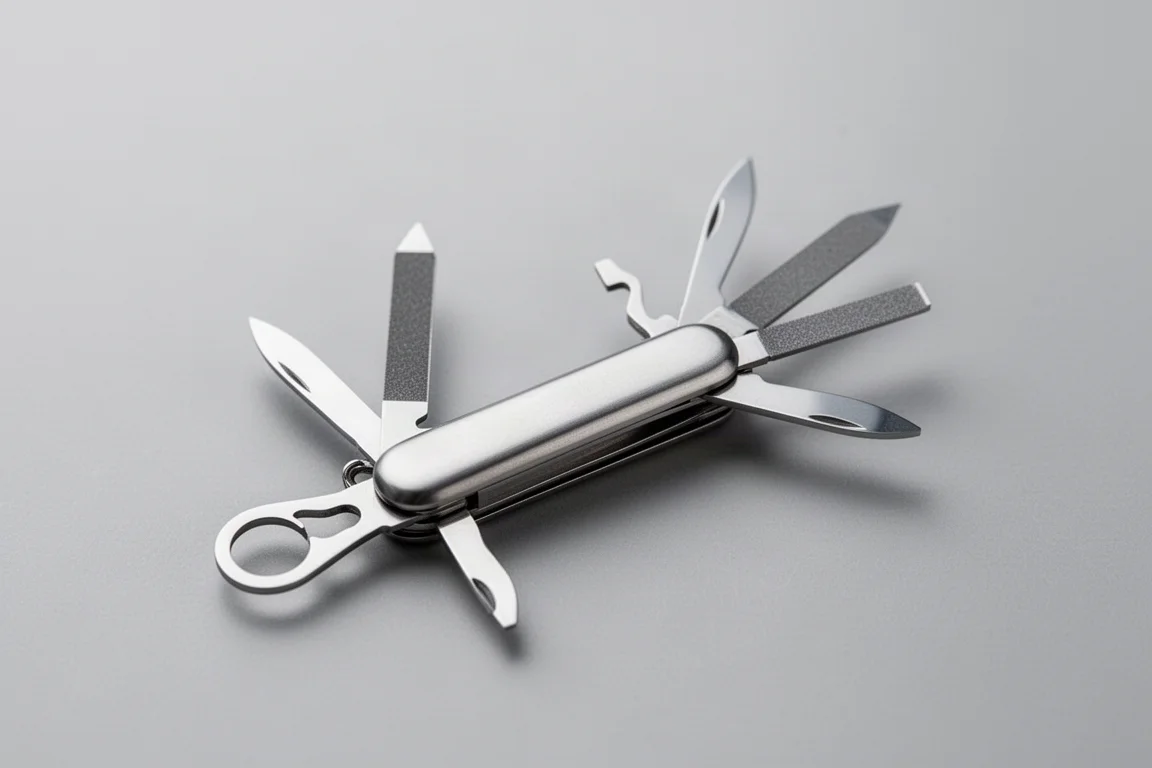
The minimum practical multitool set is a knife, pliers, and a screwdriver, and that is exactly what the Skeletool delivers, wrapped in a weight-minimising design at a super-light 142g or 5oz. Launched in 2006, it is easy to carry, which means you carry it more. Reinforcing that theme, there is a built-in pocket clip, a carabiner for attaching it to a bag or belt loop, and a lanyard loop.
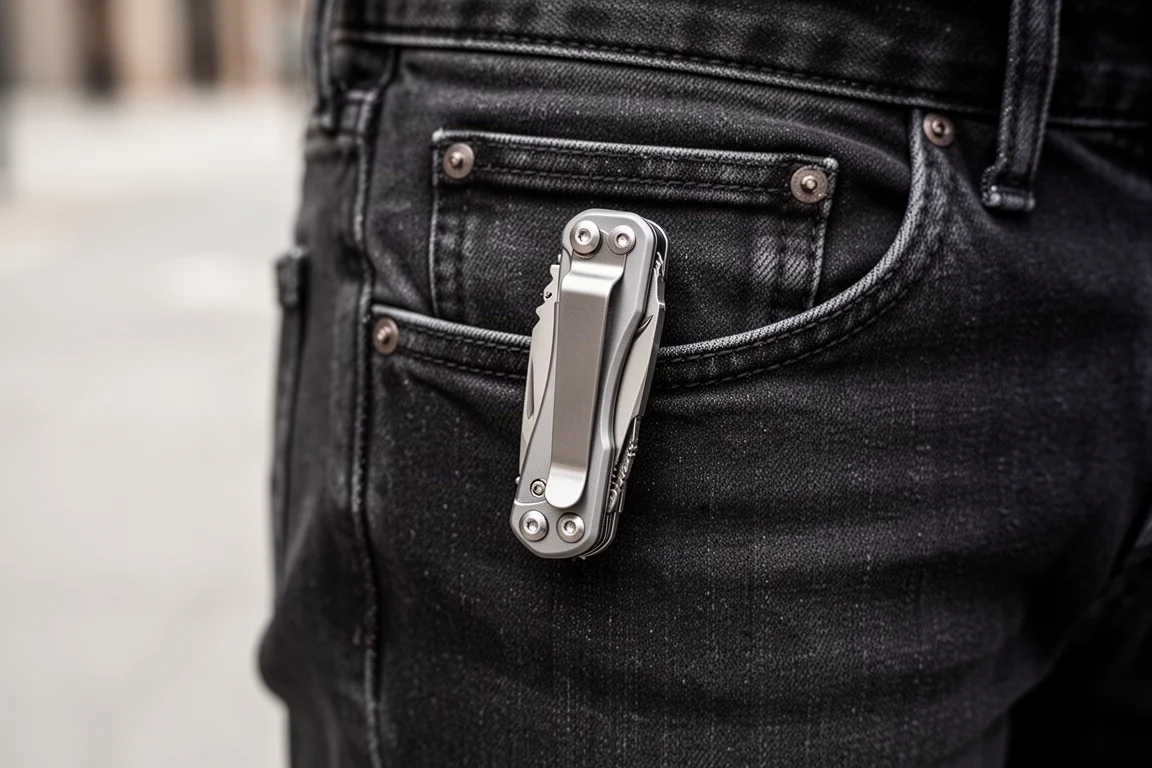
There are carry caveats: the single-handed opening blade rules it out for public carry in Germany, and the liner lock rules it out in the UK. The pliers are a practical needle-nose type with hard-wire cutters, the screwdriver is fixed in position and takes two double-ended Leatherman flat bits (one in the tool, one tucked in the side) for four screwdrivers in total, and a bottle opener is built into the carabiner. This CX version uses a better 154CM blade steel with a straight edge, while the standard version has a less popular combination blade in 420HC steel. It is a great example of less equals more, and arguably the best Leatherman for everyday carry if you want to minimise weight and bulk. The standard version costs $75 or £90, and the CX shown here costs $90 or £120.
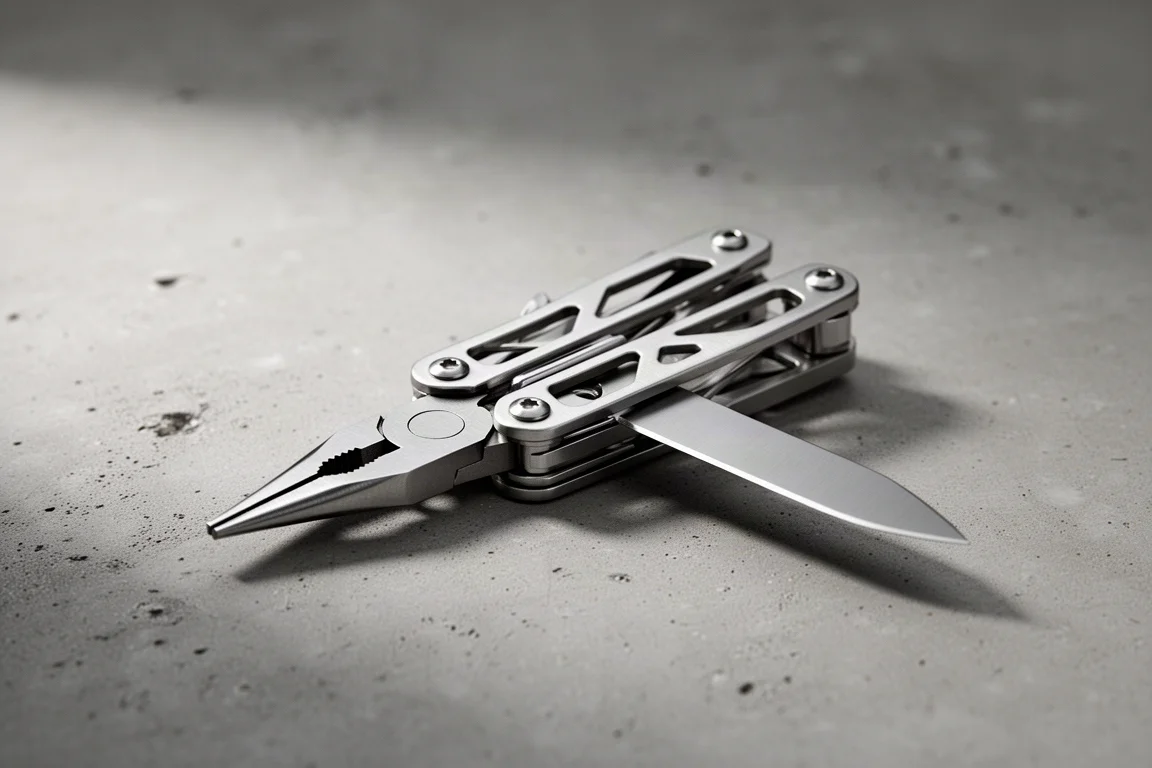
Leatherman Surge
First launched in 2005, the Surge is a beast at 4.5 inches long and a hefty 335g or 12.5oz. This is a serious tool for proper daily heavy-duty use, aimed at people who already work with tools or who appreciate effectively carrying a toolbox on their belt.
Four tools are outside-accessible: a straight-edge 420HC blade that could do with a steel upgrade, a serrated blade (both single-handed opening and liner locked, so no public carry in Germany or the UK), and near-Micra-sized externally accessible scissors. There is also a blade exchanger: the saw blade can be swapped for the included diamond file or other T-shank blades like those found in many jigsaws. Internally, everything locks, including two flathead screwdrivers and a bit exchanger, an awl with bladed edge and sewing eye, and a can opener that doubles as a bottle opener. The large blade doubles as a great pry tool, and the smaller flathead seems a bit of a wasted opportunity given the bit exchanger. The needle-nose plier head is strengthened with extra bulk, has replaceable hard-wire cutters, and the rounded edge profile makes for an exceptionally comfortable grip. Paired with a case, a bit kit, the diamond file, and a Leatherman ratchet driver, it is hard to think of another multitool that gets more done. Price: $150 or £180.
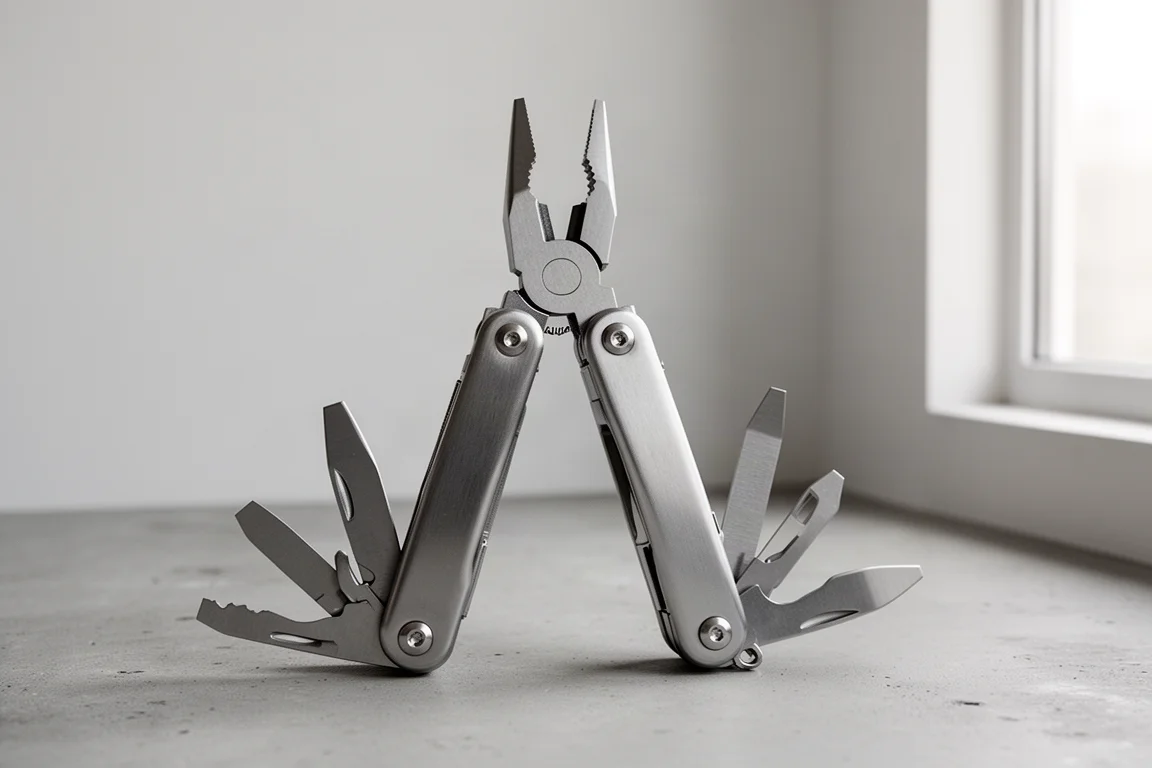
Leatherman Wave Plus
The number one pick will not come as a surprise: the bestselling multitool in the world, the Wave Plus. If only one tool could be chosen from the entire Leatherman range, this would be it. It hits a great balance of size, utility, price, looks, comfort, and weight at 241g or 8.5oz: not too big, not too heavy, not too small.
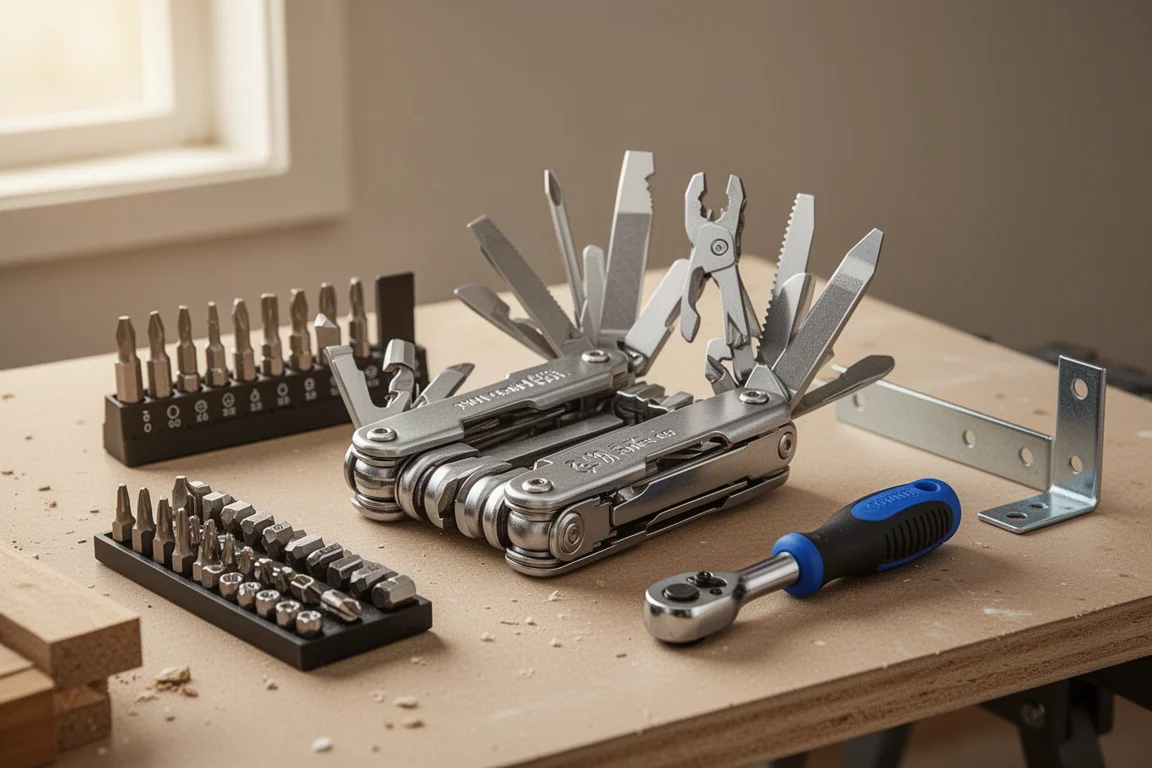
The tools are externally accessible with single-handed opening, and blades and tools all lock, so public carry is ruled out in the UK (though Germany now gets a two-handed Wave 2H version that is legal there). You get quick access to a 420HC straight blade and a serrated blade, a diamond file with a cross-cut file on the back, and a saw. Internally there is a large flat screwdriver that doubles as a pry bar, some okay scissors, a tiny double-ended eyeglass screwdriver, a bit exchanger, and a can and bottle opener. The needle-nose pliers have replaceable hard-wire cutters in this third generation, and the rounded handle profile makes for a super comfortable grip. When the original Wave launched in 1998 it looked like nothing before it and flew off the shelves, and remarkably, roughly 25 years later it is still the best all-round Leatherman you can buy. Price: $120 or £135.
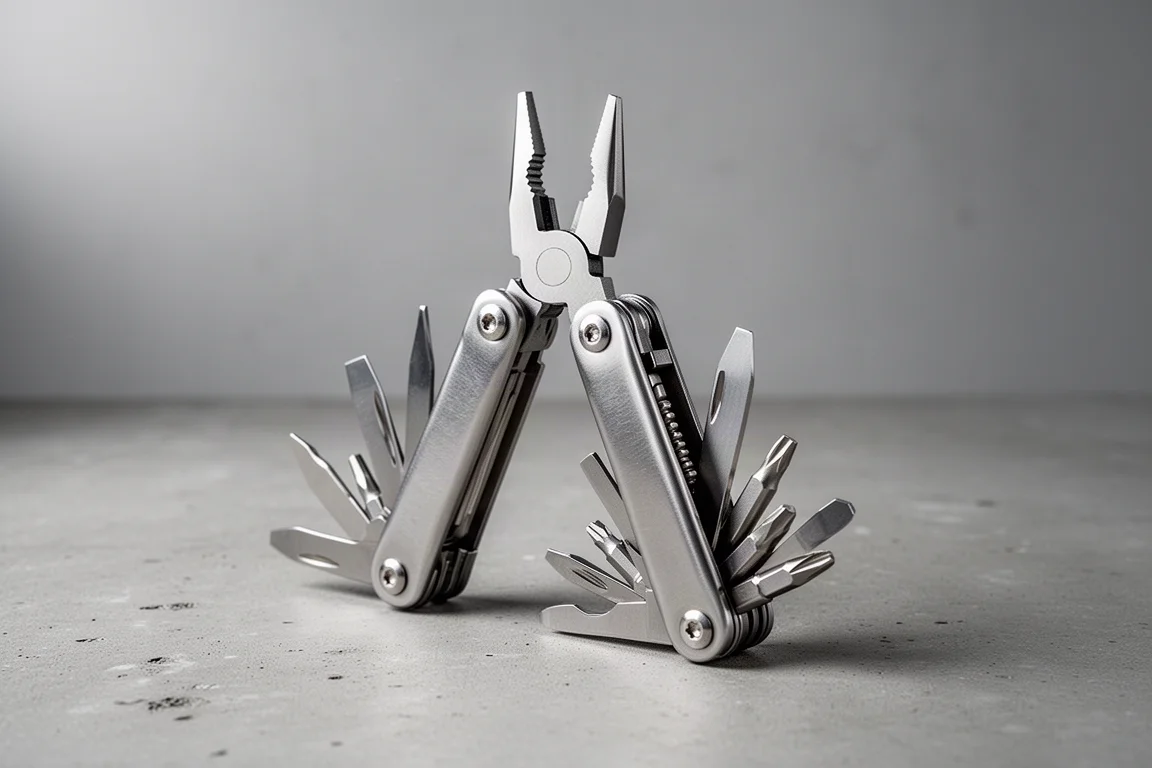
Overall Buying Advice
If you want one do-everything tool, the Wave Plus remains the safest choice. For heavy DIY duty, the Surge is unmatched in the range. Weight-focused everyday carriers should look at the Skeletool CX, knife-restricted regions should consider the Knifeless Rebar, and anyone wanting a refined, quick-access tool for lighter duties will like the Free P2. Specialist grip work calls for the Crunch, and the Micra earns its place in a pocket or keyring for almost everyone.
Conclusion
Leatherman’s range is broad, but each of these seven tools has a clear identity: the Crunch for locking grip work, the Free P2 for refined quick access, the Knifeless Rebar for legal carry, the Micra for keychain duties, the Skeletool CX for lightweight everyday carry, the Surge for heavy-duty jobs, and the Wave Plus as the all-round benchmark. Match the tool to how you actually work, and any of them will serve you well for years.
Further reading
Related Reviews
Multitools
Victorinox Huntsman Swiss Army Knife Review: 15 Functions for Camp and Everyday Carry
A long-term look at the Victorinox Huntsman, covering what each of its 15 functions does, how the blades and saw perform, and the trade-offs to know before buying.
Multitools
Multitool Cutter Test: Leatherman Arc, Surge, Super Tool 300 and Gerber Center Drive Put to Work
We stress-tested four popular multitools on coat hangers, nails and screws, and found where replacement high-hardness cutters genuinely pay off.
Multitools
Harbor Freight 20-in-1 Multitool vs Leatherman Wave: A $40 Wave Clone Worth a Look
Harbor Freight's new 20-in-1 multitool copies the Leatherman Wave formula closely, and in some areas it improves on it. Here is how the two compare.