Kitchen Appliances
Ankarsrum Original 6230 vs KitchenAid Seven Quart Bowl Lift: Which Heavy-Duty Stand Mixer Wins?
Two powerhouse stand mixers for serious home bakers went head to head in whipping, creaming, and bread dough tests. Here is how they compared, and which one came out on top.
Introduction
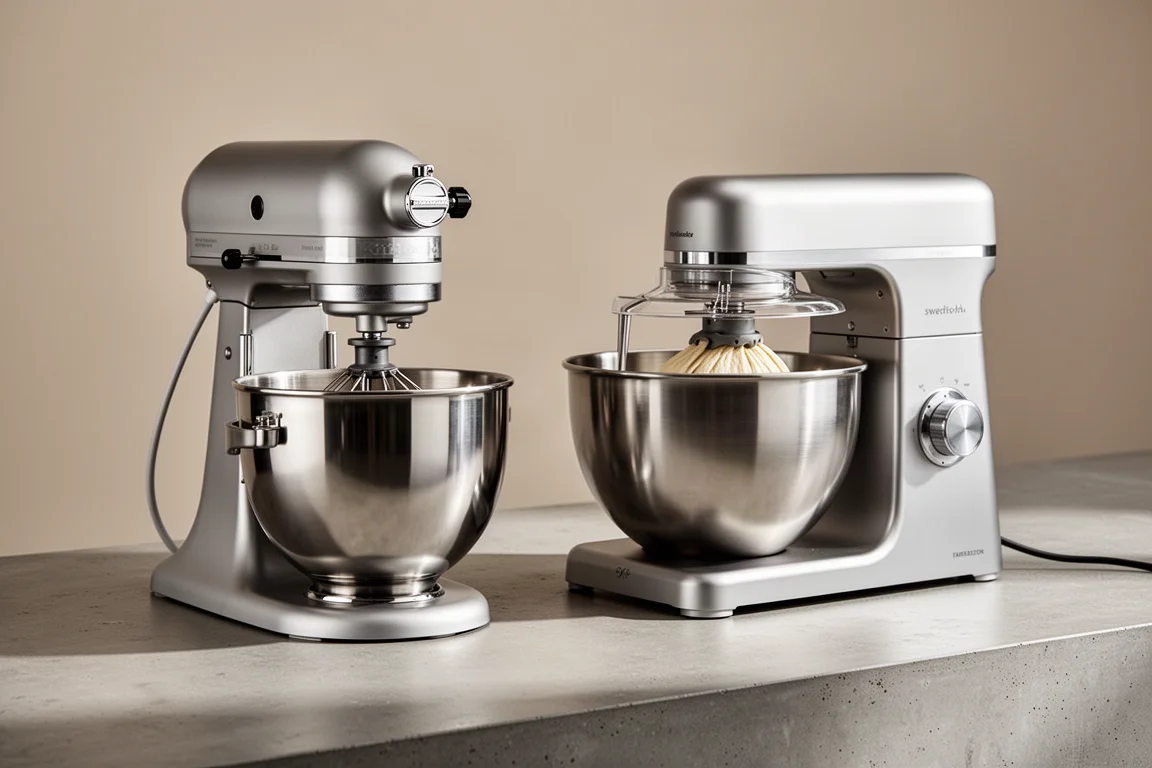
If you bake bread seriously, a large-capacity stand mixer is one of those purchases you only want to make once. Two heavy-duty machines aimed at exactly that baker went through a full round of testing: the redesigned KitchenAid Seven Quart Bowl Lift Stand Mixer with Premium Touchpoints, and the Ankarsrum Original 6230, a Swedish machine that has been sold in Europe since 1940 and occupies roughly the same iconic status there that KitchenAid holds in the United States.
Both are marketed to serious home bakers, both are built for heavy-duty bread projects, and both are pricey: the KitchenAid costs $650, while the Ankarsrum runs $750. Only one earned the win, and the reasoning is worth understanding before you spend that kind of money.
How They Were Tested
The testing covered everything a stand mixer is realistically asked to do. Whipping tests included small amounts like two egg whites, larger amounts like four egg whites, and one and a half cups of heavy cream whipped to stiff peaks. Creaming tests covered both classic creaming of butter and sugar for cookie dough and reverse creaming of butter with dry ingredients for cake batter.
The real stress test was bread. Both machines handled double batches of two very different doughs: a sticky, high-hydration pizza dough and a very stiff bagel dough. Machines that can do both of those without complaint can handle almost anything.

One useful concept from the testing: torque matters more than wattage. Torque is the rotational force the motor generates to push material through the bowl, and it is what actually does your mixing and kneading. Manufacturers tend to market wattage, which is just how much power the machine draws from the outlet. When a mixer lacks torque, you can hear it: under a heavy, sticky load it stumbles, strains, and can eventually overheat or fail.
KitchenAid Seven Quart Bowl Lift Stand Mixer
The KitchenAid did fine across the board. It demonstrated plenty of power and, more importantly, plenty of torque, handling the whipping, creaming, and dough tests without problems. For American bakers, the bowl lift design will feel instantly familiar: a crank handle raises and lowers the bowl beneath the top-mounted motor.
This redesigned model brings meaningful updates. Attachments are stainless steel, there is an extra paddle with silicone fins that scrapes the sides of the bowl as it mixes, speed options have expanded, and a half-speed setting is designed for folding in delicate ingredients. At more than 25 pounds it is heavy, which lends welcome stability, and the bowl’s chunky vertical handle makes it easy to lift, tip, scrape, and pour.
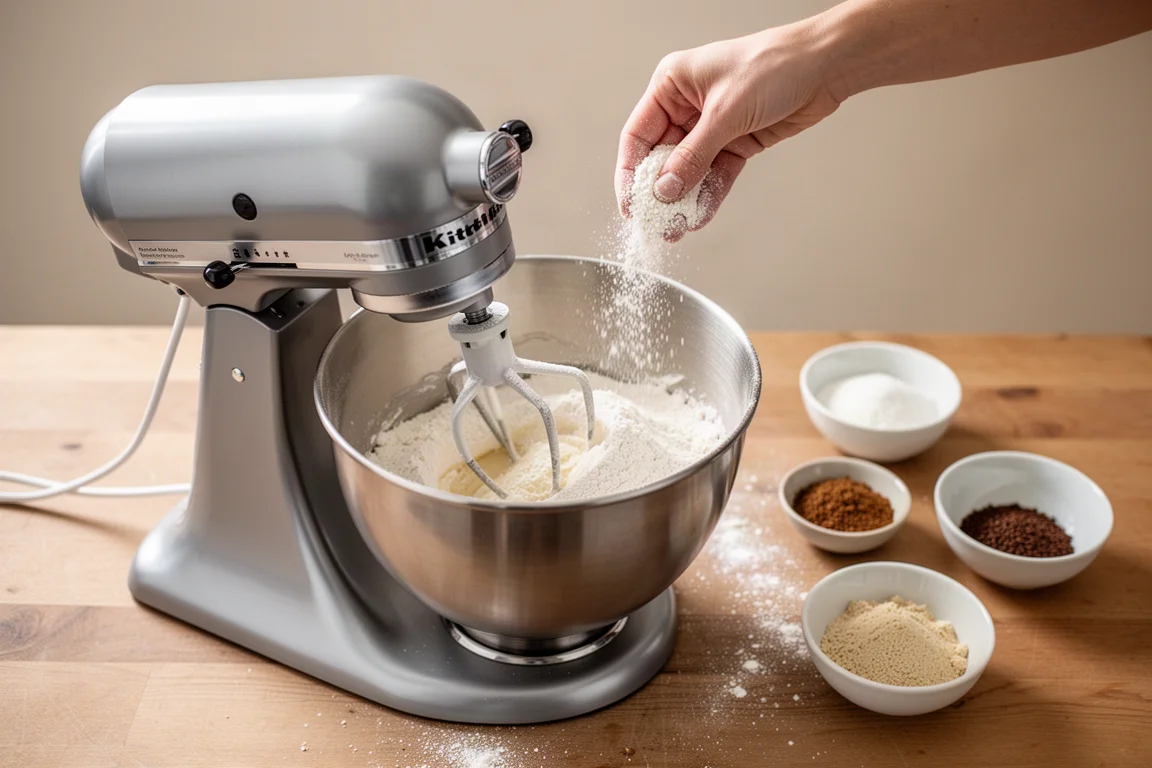
Access to the bowl, however, was not ideal in practice. It is hard to add ingredients neatly and hard to see inside while the bowl is raised; you generally need to lower the bowl, and for truly unimpeded access you have to remove the attachment and disengage the bowl entirely. Tipping ingredients in past the head can be awkward.
There is also a significant consideration for bread bakers. KitchenAid places time and speed restrictions on its models, including this one: dough kneading is not supposed to exceed speed two, no more than two minutes at a time, and four to six minutes total. There are no restrictions on creaming or whipping, but for a machine marketed toward serious bakers who do a lot of dough work, those limits are an important factor.
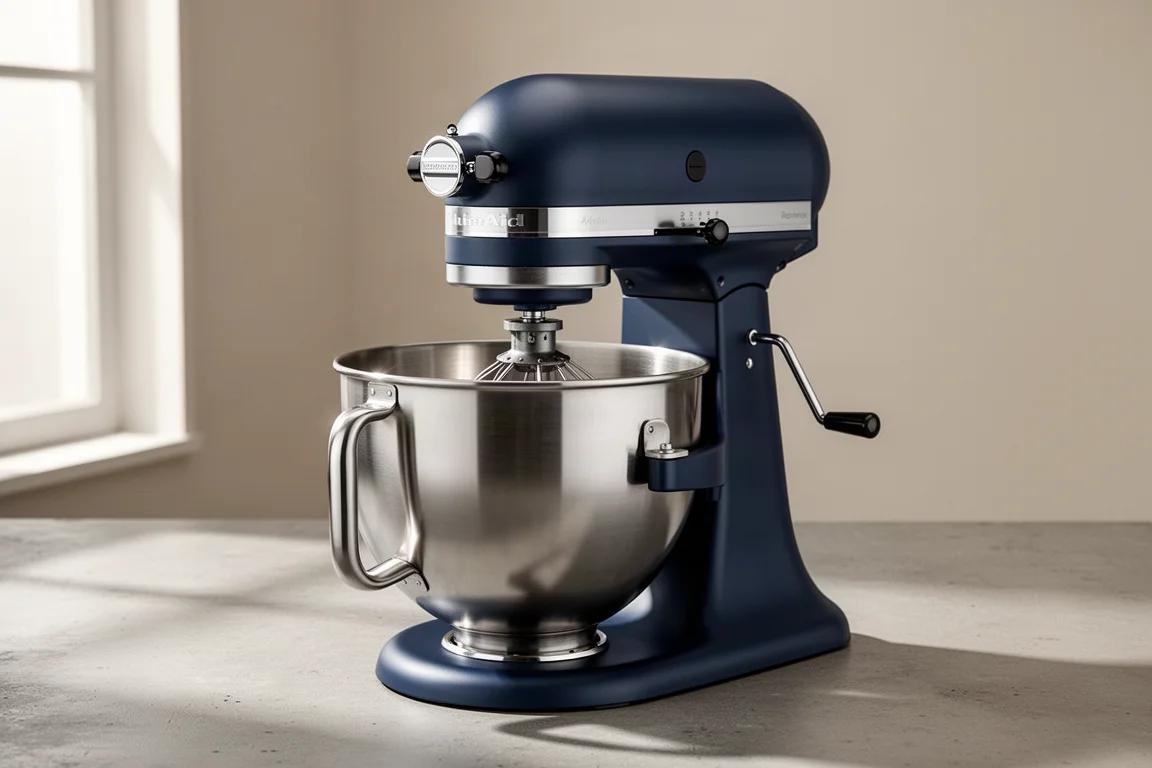 View more details for KitchenAid Seven Quart Bowl Lift Stand Mixer with Redesign Premium Touchpoints
Ankarsrum Original 6230 Stand Mixer
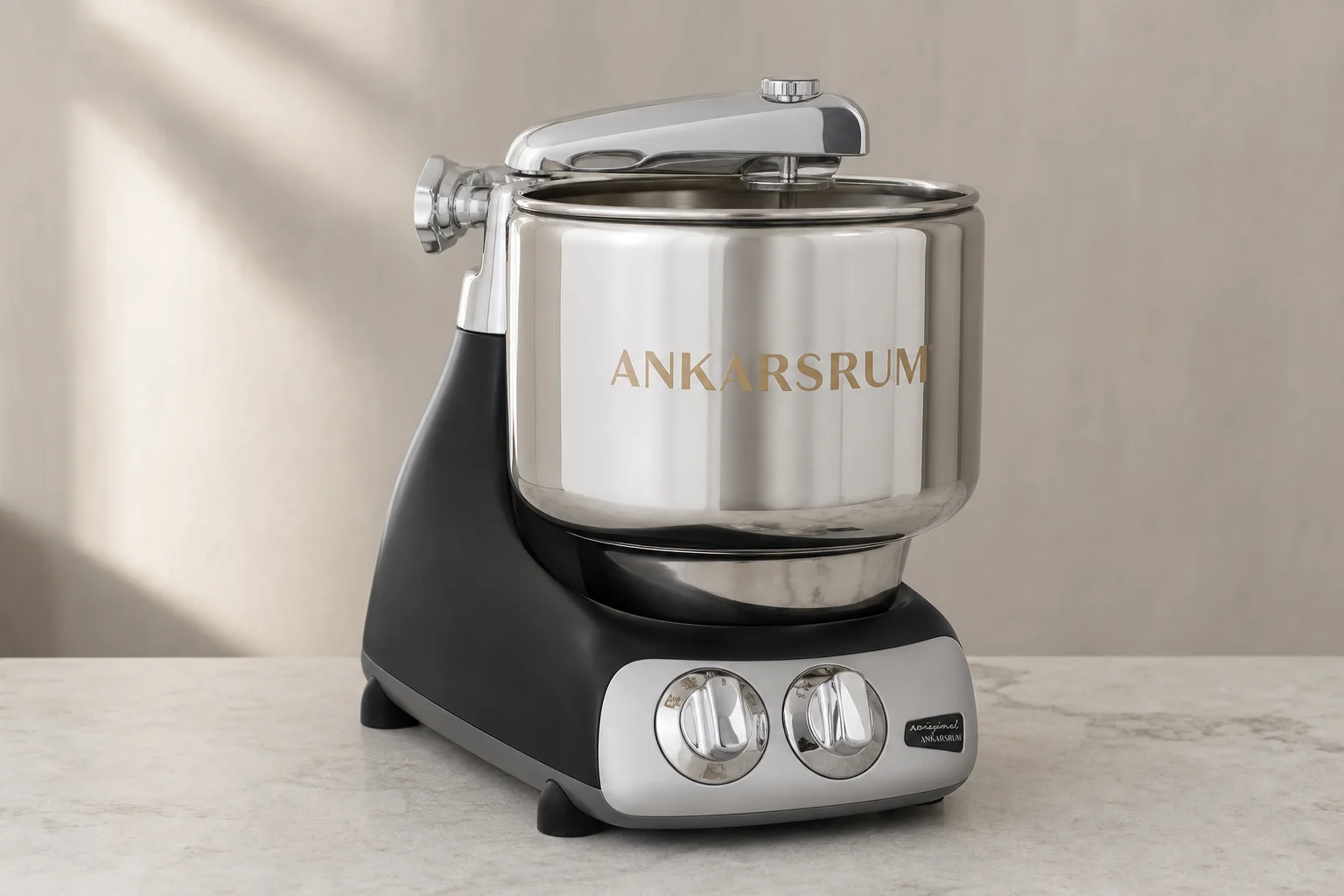
The Ankarsrum looks unlike any mixer most American bakers have seen, and the design takes some getting used to. The motor sits in the base and the bowl rotates on top of it, which initially led testers to compare it to an ice cream machine. There is a genuine learning curve, though plenty of tutorial videos, including some produced by Ankarsrum itself, help shorten it. Once testers got comfortable, they found it quite easy to use: two knobs control everything, one for power and a timer of up to 12 minutes, the other for speed.
Performance was excellent. The Ankarsrum proved very torquey and kneaded both test doughs almost without effort, including the stiff bagel dough that stresses weaker machines.
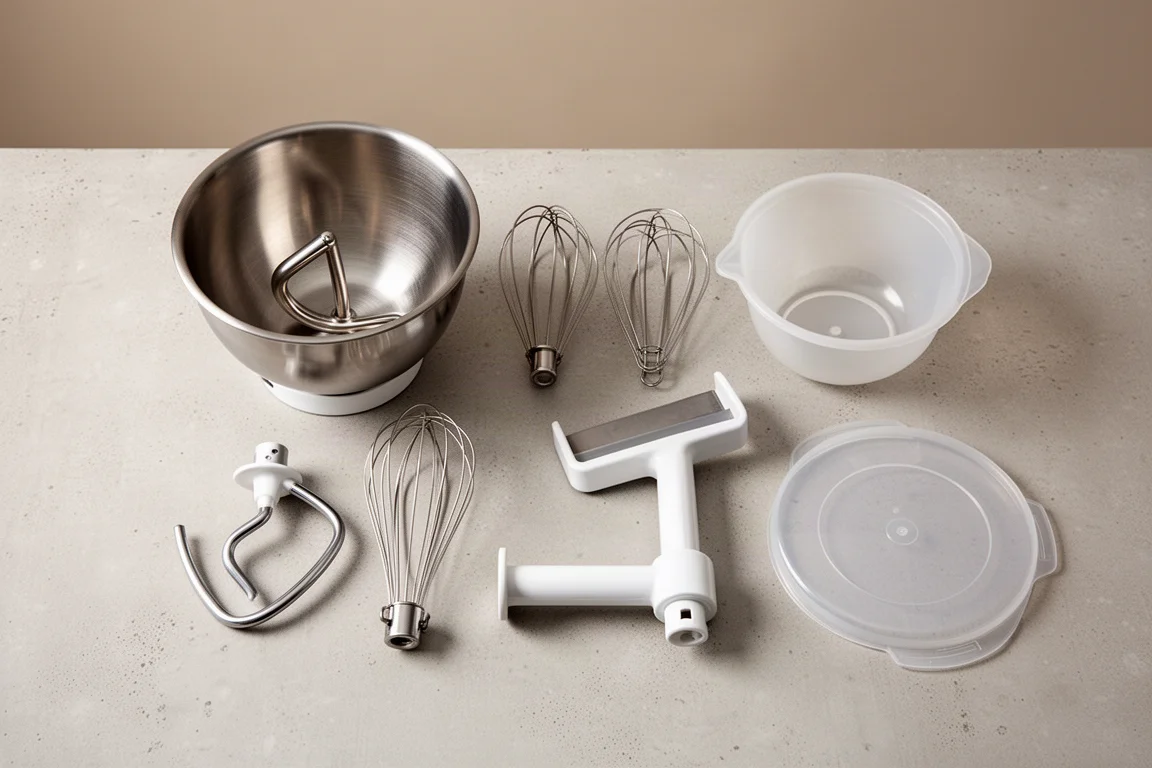
The open bowl design was another highlight. You can add ingredients easily and see clearly into the bowl while it works, and adjustability is exceptional: a dough hook suits softer, stickier, higher-hydration doughs, while a roller handles very stiff doughs. You can also reposition the arm within the bowl and adjust the tension of the roller as it kneads.
Not every tester loved that flexibility. Some found it harder to fine-tune specific dough types and preferred the KitchenAid’s simpler one-hook-fits-all approach. But for expert bakers who want that level of control, it is a real advantage. The trade-off is storage: there are a lot of parts, including a seven-liter stainless steel bowl, dough roller and scraper, a plastic Tritan bowl for whipping and creaming, a cover that fits both bowls, a dough hook, whipping whisks, interchangeable creaming whisks, and a central post. Extra attachments like pasta rollers, sausage makers, and grain flakers are available, but you need the cabinet space for all of it.
Which One Should You Buy?
In the end, the Ankarsrum Original 6230 took the win. It is less familiar at first and demands a short learning period, but once that is behind you it is easy, convenient, very capable, and highly adjustable, and it handled every dough test with room to spare.
The KitchenAid remains a strong machine with plenty of torque and excellent whipping and creaming performance, and it will feel more approachable to most American bakers. But the time and speed restrictions on dough kneading, combined with awkward bowl access, are real drawbacks for a machine positioned as a bread-baking workhorse. If you are a serious baker evaluating a large-capacity stand mixer, the Ankarsrum at $750 deserves a close look; if your dough output is modest, the KitchenAid at $650 still has a lot to offer.
Conclusion
Both of these are genuine workhorses, and you can hardly go wrong with either. But the Ankarsrum’s effortless kneading, open-bowl design, and deep adjustability made it the standout for serious home bakers, while the KitchenAid’s dough kneading restrictions and bowl access quirks held it back. Match the machine to how much bread you actually bake, and the right choice becomes clear.
Further reading
Related Reviews
Kitchen Appliances
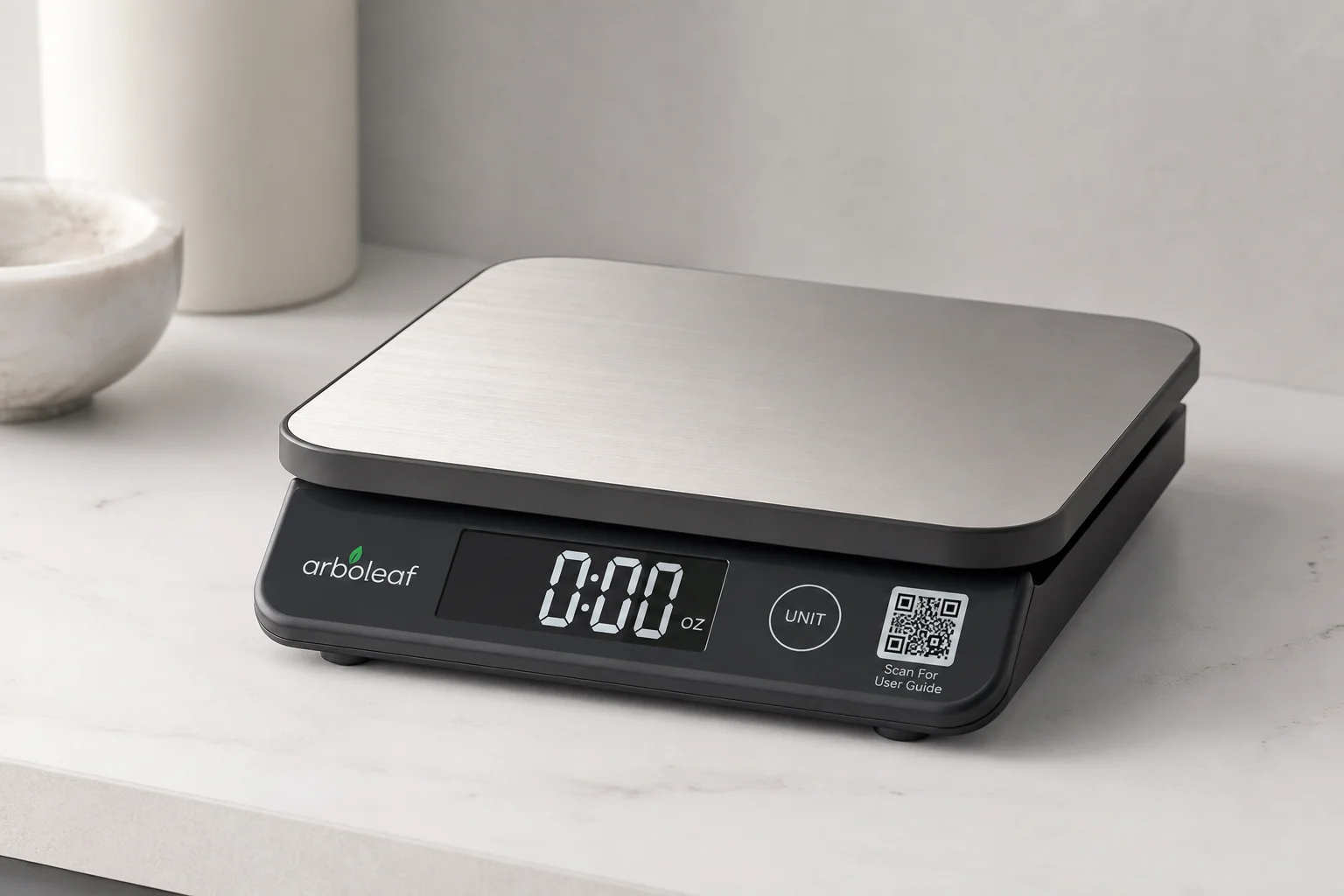
Arboleaf Smart Kitchen Scale Review: Connected Cooking Made Simple
A Bluetooth-enabled kitchen scale that syncs with a nutrition-tracking app, offering real-time weight monitoring and recipe guidance for home cooks.
Kitchen Appliances
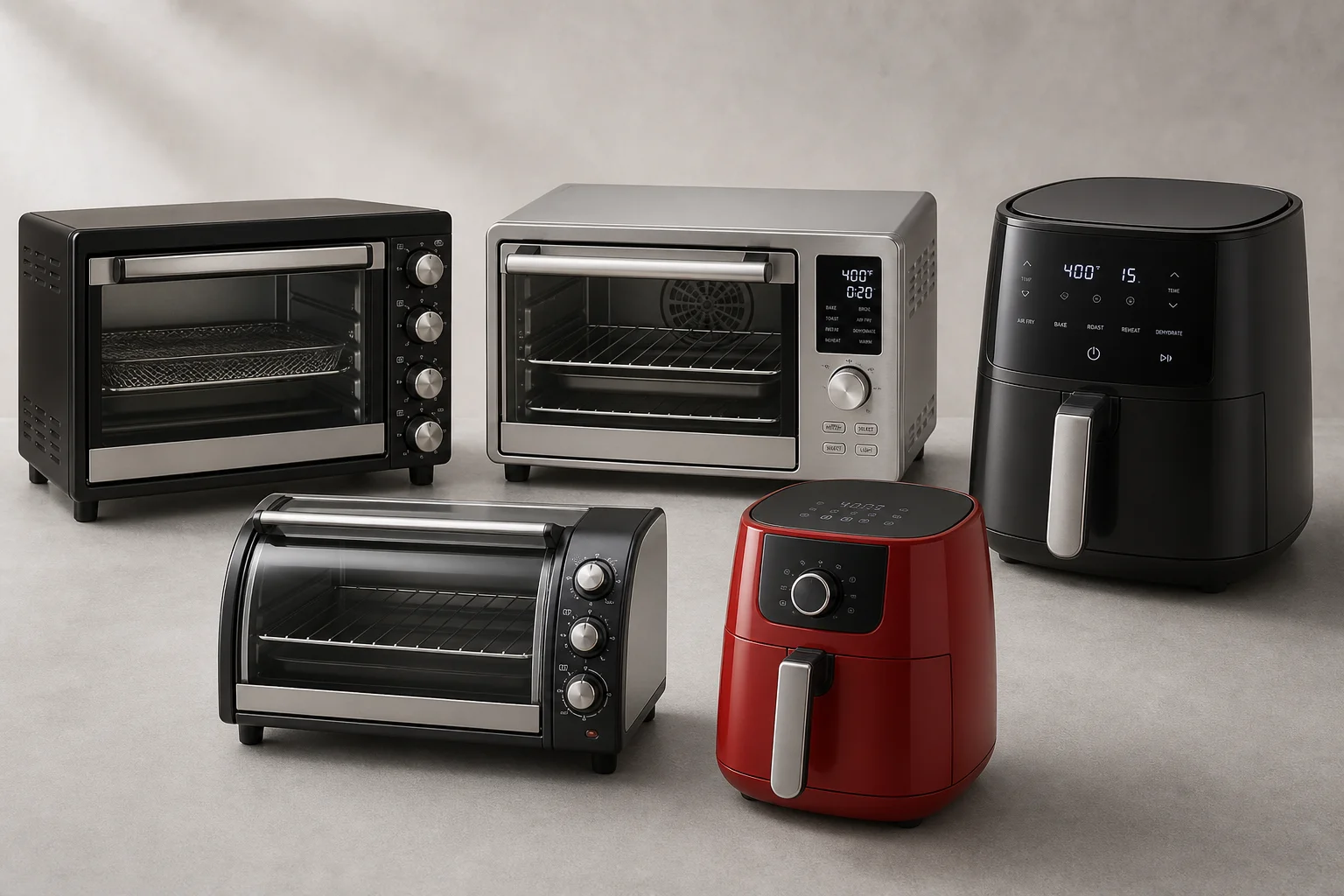
Best Air Fryer Toaster Ovens Under 100: Five Practical Options for Budget-Conscious Kitchens
Five air fryer and toaster oven combinations that deliver real cooking performance without breaking the bank, each with distinct strengths for different kitchen needs.
Kitchen Appliances
Best Air Fryer Toaster Ovens: Three Top Picks for Multi-Function Cooking
Three high-performing air fryer toaster ovens tested for versatility, ease of use, and real-world cooking results. Find the right fit for your kitchen.