Kitchen Tools
Best Knife Sharpeners for Home: Five Options from Honing Rods to Electric Models
A practical guide to five knife sharpening methods, from simple honing rods to electric sharpeners, with clear trade-offs to help you choose what fits your kitchen and lifestyle.
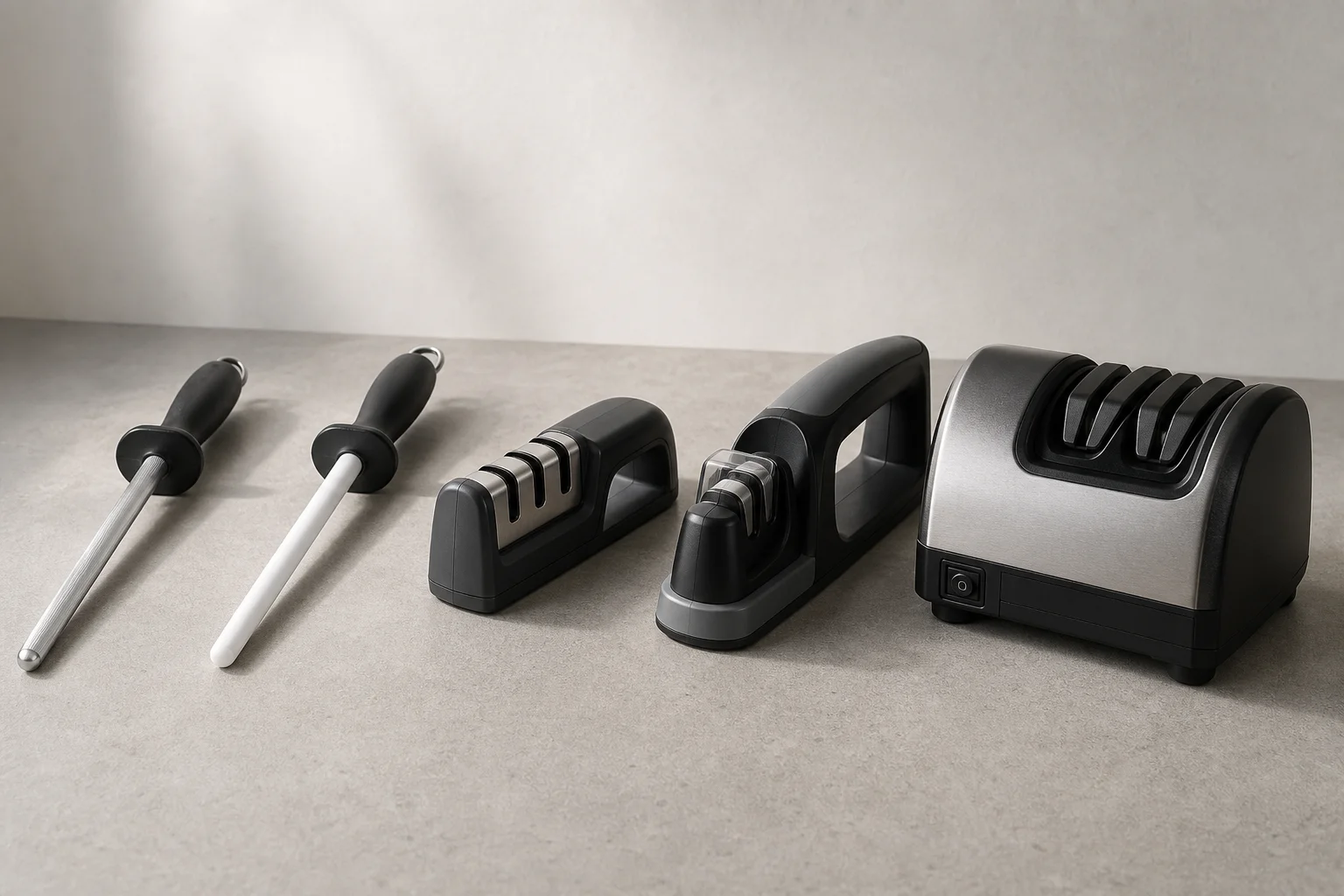
Introduction
Keeping your kitchen knives sharp is one of the most important maintenance tasks you can do. A sharp knife is safer, more efficient, and makes cooking more enjoyable. But choosing the right sharpening method depends on your space, lifestyle, and how much time you want to invest in knife care.
When to Sharpen Your Knife
The first step is recognizing when your knife needs attention. A sharp knife should cut through food with minimal pressure, gliding smoothly where you direct it. If you find yourself pushing harder than usual, or if the blade is denting instead of slicing cleanly, it is time to sharpen.
A simple paper test at home can tell you if your knife is sharp. Hold a sheet of paper horizontally and try to cut it starting from the heel of the blade and moving toward the tip. A sharp knife cuts cleanly with no effort. A dull knife will snag and rip the paper, and you will hear and feel the blade sawing rather than slicing.
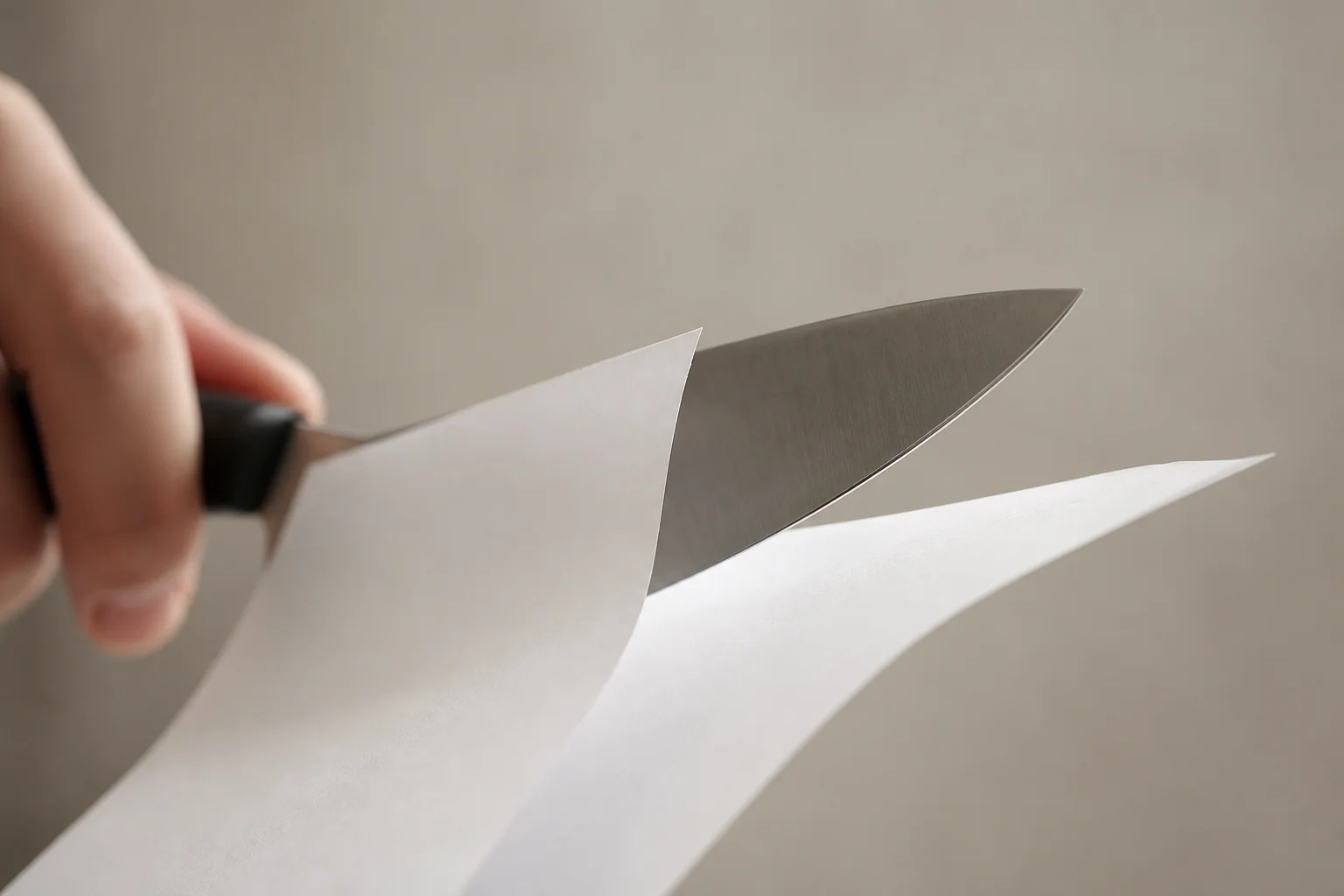
Your knife needs to be sharp across the entire blade from heel to tip. Any dull spots mean the whole blade is compromised for your cutting tasks.
Honing Rods: The Basic Touch-Up Method
Before you reach for a sharpener, understand the difference between honing and sharpening. Honing realigns the blade’s edge without removing metal. When you cut, especially through hard materials or on a hard cutting board, the delicate edge of the blade can round off or bend slightly to one side. Honing straightens it back to center.
A honing rod is the simplest way to maintain your blade between sharpenings. The proper technique is safer and more effective than the theatrical in-air method you might see at holiday dinners. Place a towel on your cutting board and anchor the honing rod’s point to it. This keeps the rod stationary while you move only the knife. Use a 15-degree angle, which is the standard edge angle for most quality kitchen knives. Start at the heel and draw the blade down toward the tip, maintaining that angle throughout. Repeat on the other side.
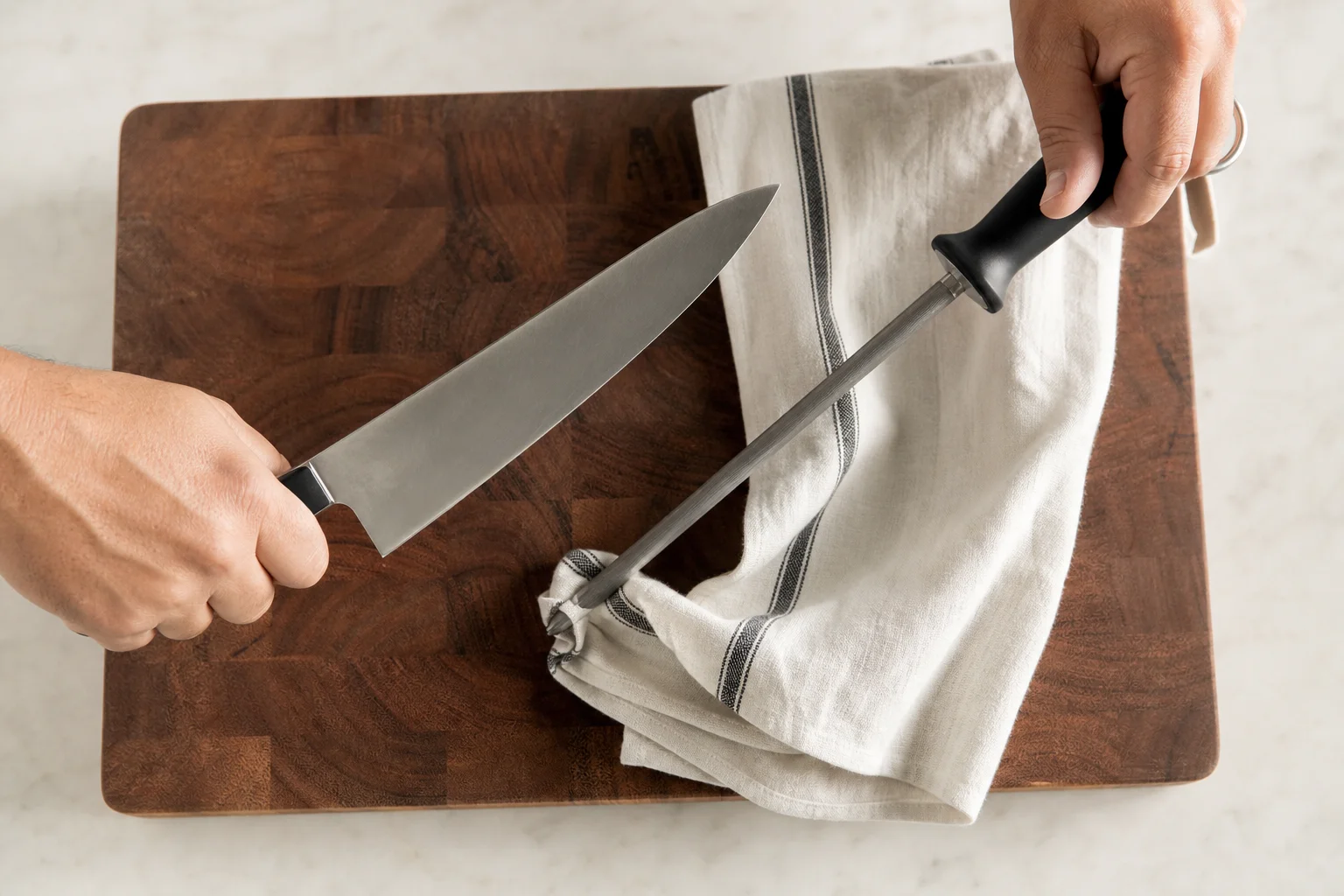
The process takes just seconds and can restore a slightly dull blade to working sharpness without any metal removal.
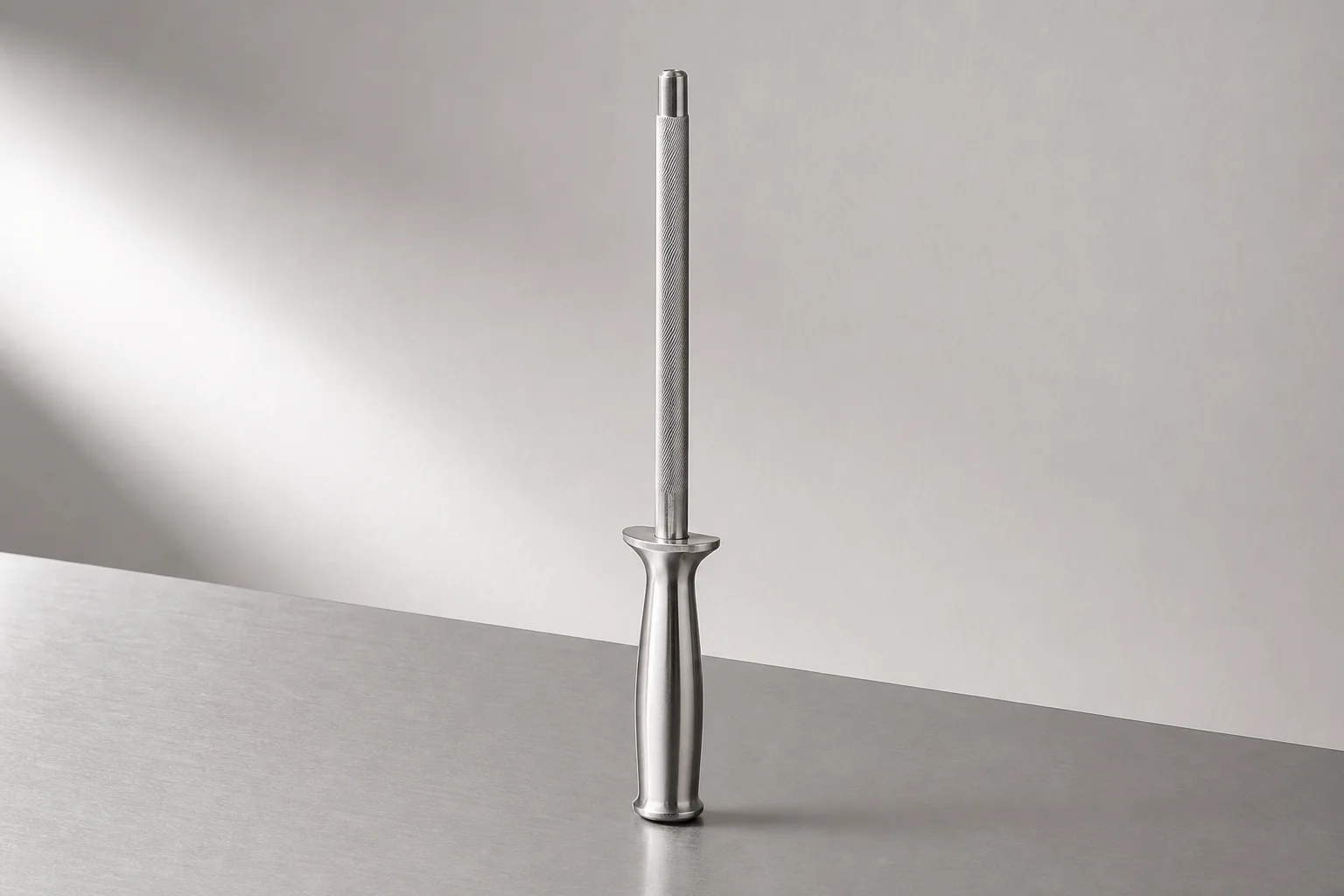
Kramer by Zwilling Honing Rod
The Kramer by Zwilling is a stainless steel honing rod with two different textures along its length, making it highly effective at realigning the blade. It is the top choice for serious home cooks who want the best honing performance.
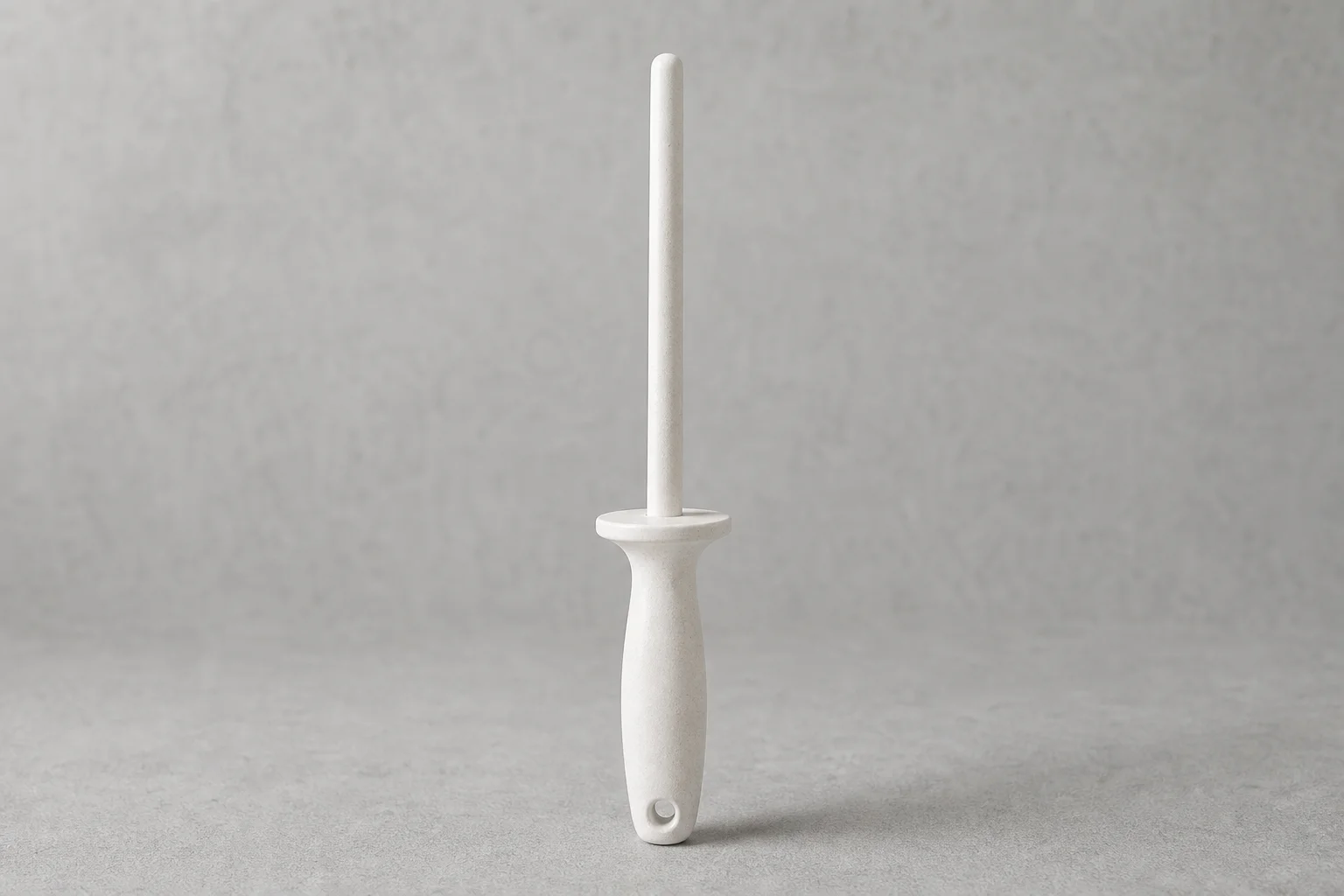
Idahone Ceramic Rod
The Idahone ceramic rod is a budget-friendly alternative that still delivers solid results. It has a single texture throughout, making it slightly less effective than the Kramer, but it remains a genuinely great tool at a much lower price point.
Manual Sharpeners: Effective and Affordable
When honing is no longer enough and your knife truly needs sharpening, manual sharpeners offer a practical middle ground between simple honing and electric options. These non-motorized tools let you control the sharpening process while still achieving professional-quality results.
The best manual sharpeners use diamond grit wheels, which proved superior in testing for both sharpening and polishing the blade. Avoid sharpeners with rough diamond coatings marketed as “sharpening steels” that can damage your knife without actually sharpening it.
Chef’s Choice Model 463
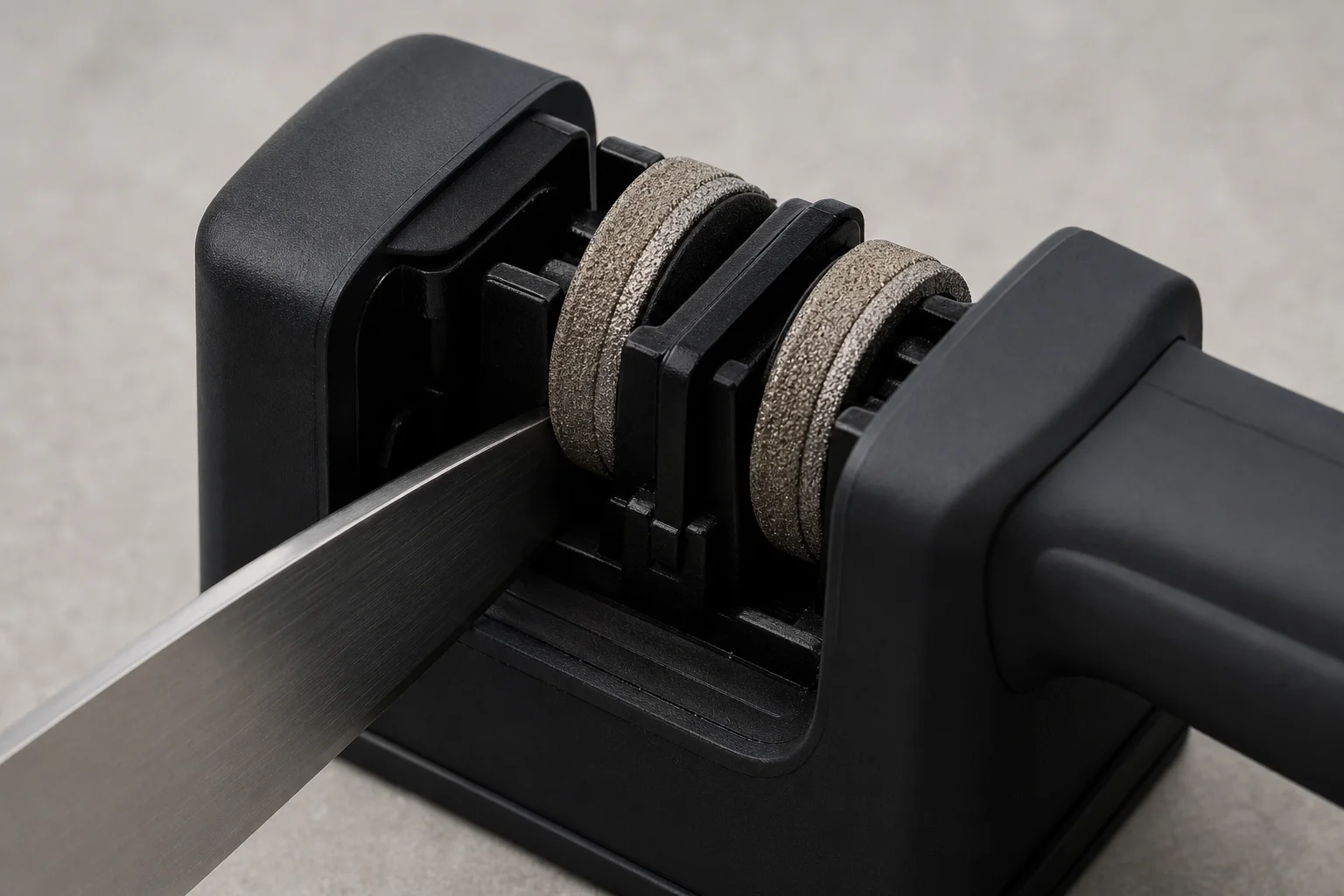
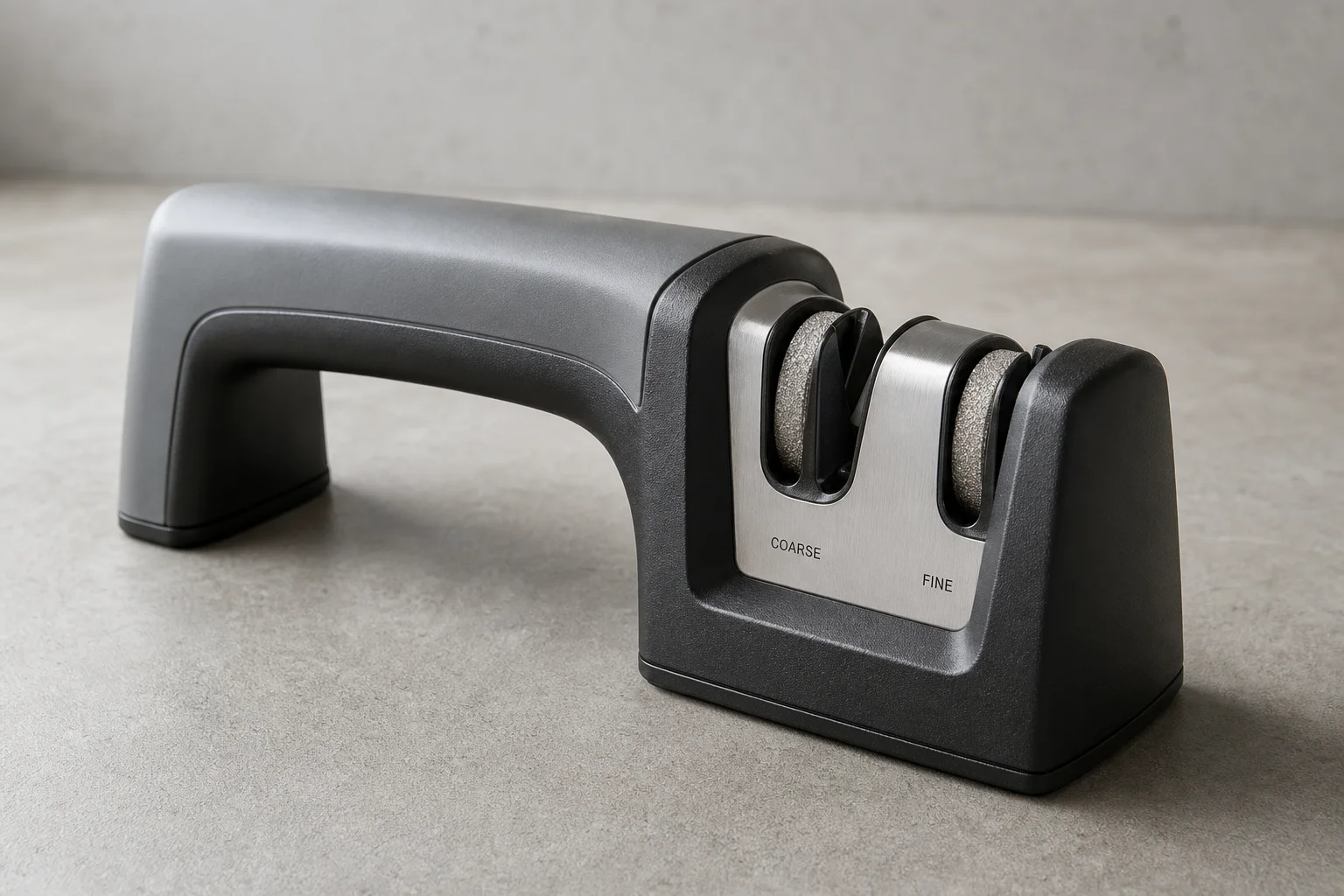
The Chef’s Choice model 463 is the top manual sharpener choice. It features two slots: a coarse slot for reshaping the edge and a fine slot for polishing. Each slot contains two diamond-grit wheels, giving you four wheels total. The deep slots keep your knife perfectly aligned at the correct angle, making it easy to sharpen the full length of the blade from heel to tip. The result is a sturdy, durable device that consistently produces a keen edge.
AccuSharp 15-Degree
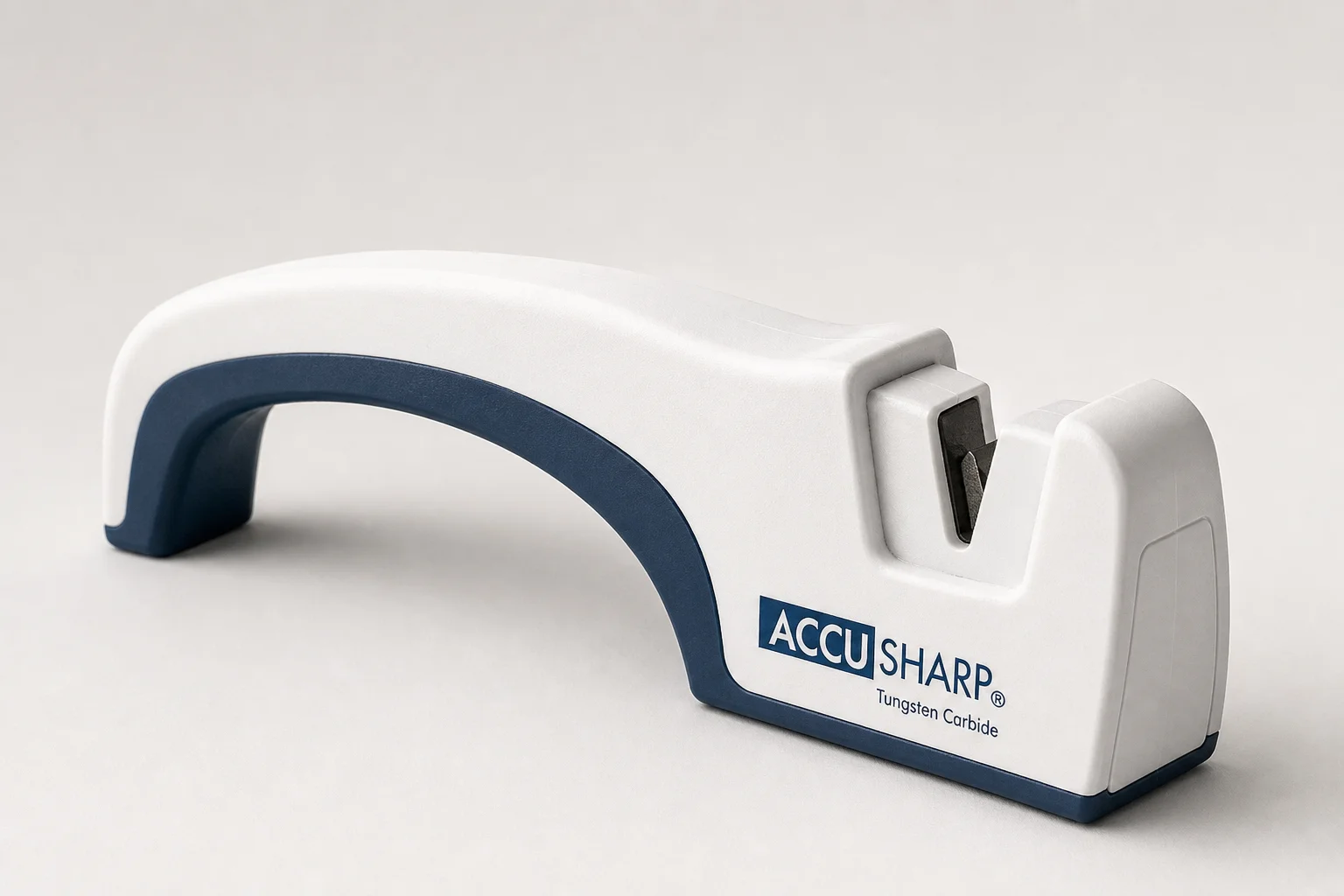
The AccuSharp 15-degree model is the best budget option for quick touch-ups. It uses tungsten carbide, a sharpening medium stronger than most knife metals, arranged in a V-shape at 15 degrees. You simply drag the blade through the carbide slot to reshape the edge. It is extremely lightweight and portable, making it ideal for vacation homes or as a gift for friends who neglect their knives. This is the quickest way to take a knife from dull to sharp.
Electric Sharpeners: Speed and Convenience
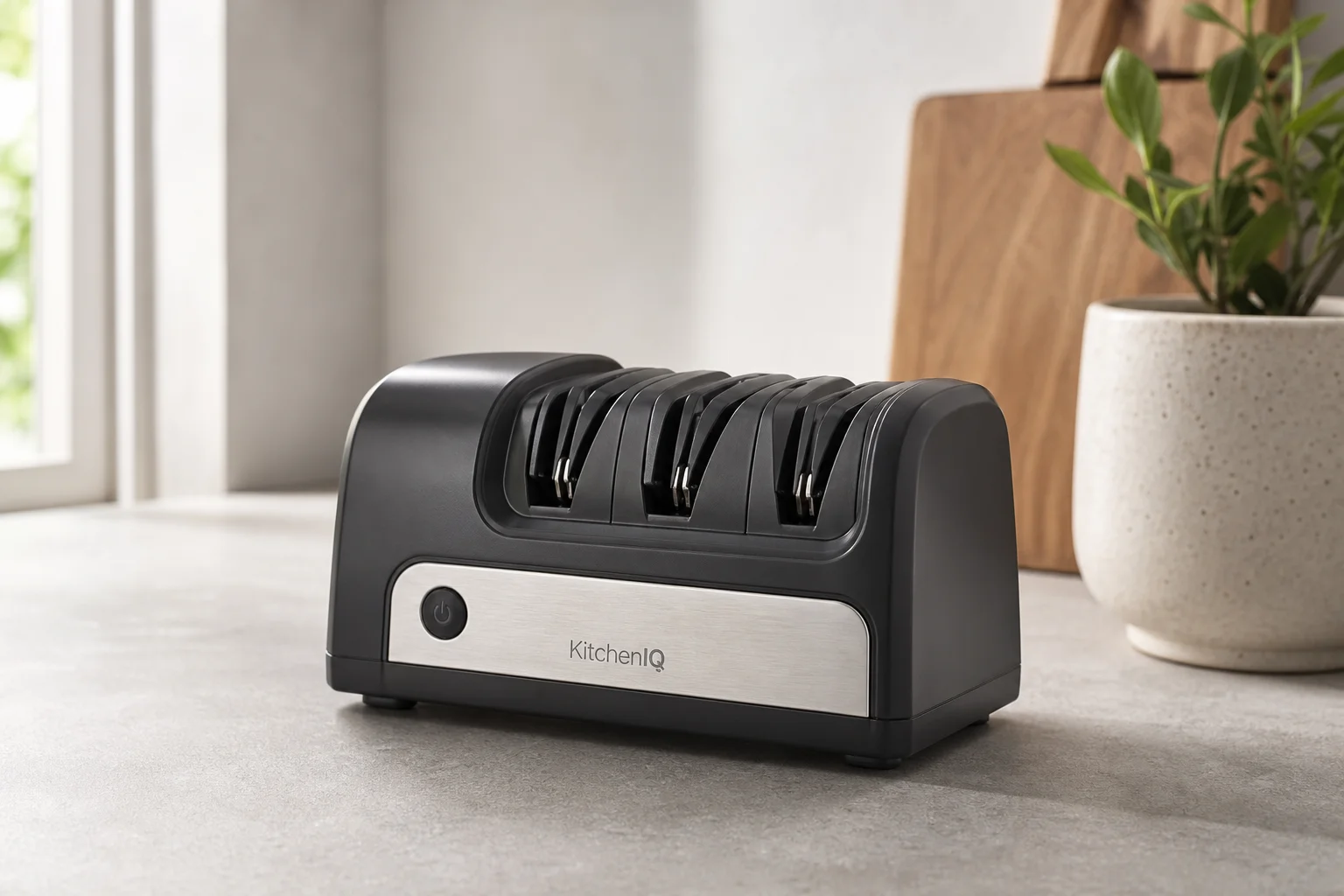
If you want to get back to cooking quickly and do not want to spend time on manual sharpening, an electric sharpener is an excellent choice. The motorized power does the work for you, making the process much faster than manual methods. The trade-off is higher cost and the need for kitchen storage space, roughly the size of a small loaf of bread.
Electric sharpeners are not too rough on your knives if used correctly. The key is reading the manual and following the process for weight, timing, and progression through the slots. When used properly, they remove no more metal than other sharpening methods and deliver very effective results.
Chef’s Choice Model 15
The Chef’s Choice model 15 is the top electric sharpener and has remained the favorite through years of testing against new contenders. It features three sets of slots: a coarse diamond grit slot, a fine diamond grit slot, and a stropping or polishing disc that also functions as a honing slot. If you damage your knife with a small nick in the edge, this machine can regrind the edge past the nick, something that normally requires sending the knife to a professional.
Whetstones: For the Dedicated
Whetstones offer the most control and the finest edge, but they require practice and commitment. The learning curve is not steep, but developing the feel and consistency takes time. A whetstone must be fully soaked before use, with water beading on the surface rather than absorbing. You set the knife at a 45-degree angle and tilt it to create your desired edge angle, typically 15 to 20 degrees. The motion is smooth once you develop the feel, but only pressure on the upstroke sharpens the blade.
Whetstones are best suited for knife enthusiasts who want to deeply understand their tools and are willing to invest time in maintenance and technique. They are not necessary for most home cooks, but they offer unmatched control for those who want it.
Conclusion
The best knife sharpener for you depends on your lifestyle and how much time you want to invest in blade maintenance. For quick touch-ups between sharpenings, a honing rod like the Kramer by Zwilling or Idahone ceramic rod is all you need. If you want effective sharpening without electricity, the Chef’s Choice model 463 or AccuSharp 15-degree deliver excellent results. For speed and convenience, the Chef’s Choice model 15 electric sharpener handles even badly damaged blades. Whatever method you choose, keeping your knives sharp will transform your cooking experience.
Further reading
Related Reviews
Kitchen Tools
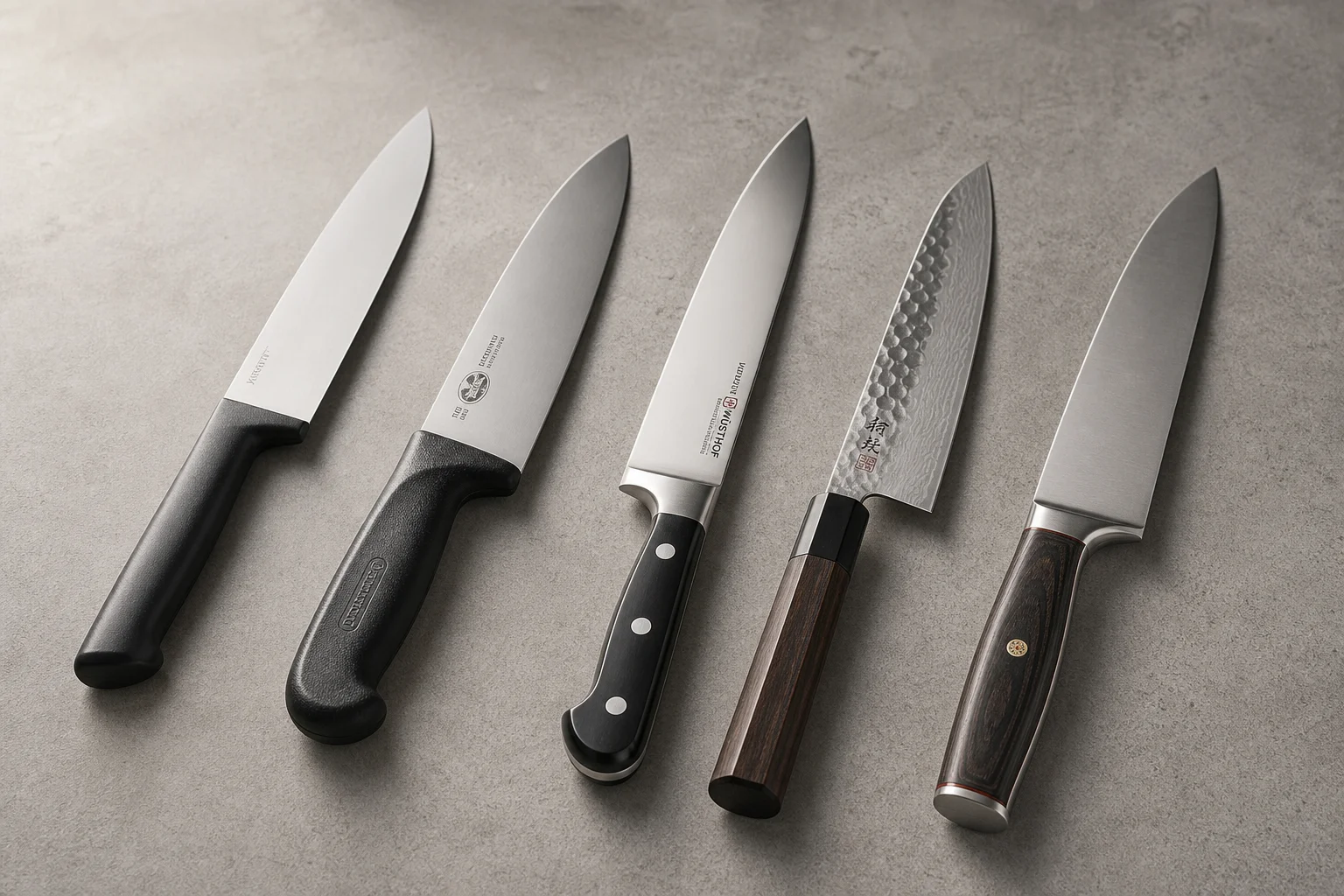
Amazon's Top-Rated Chef Knives Tested: Five Models from £11.50 to £200
We tested five of Amazon's highest-rated chef knives across sharpness, comfort, and versatility to see which delivers the best value and real-world performance.
Kitchen Tools
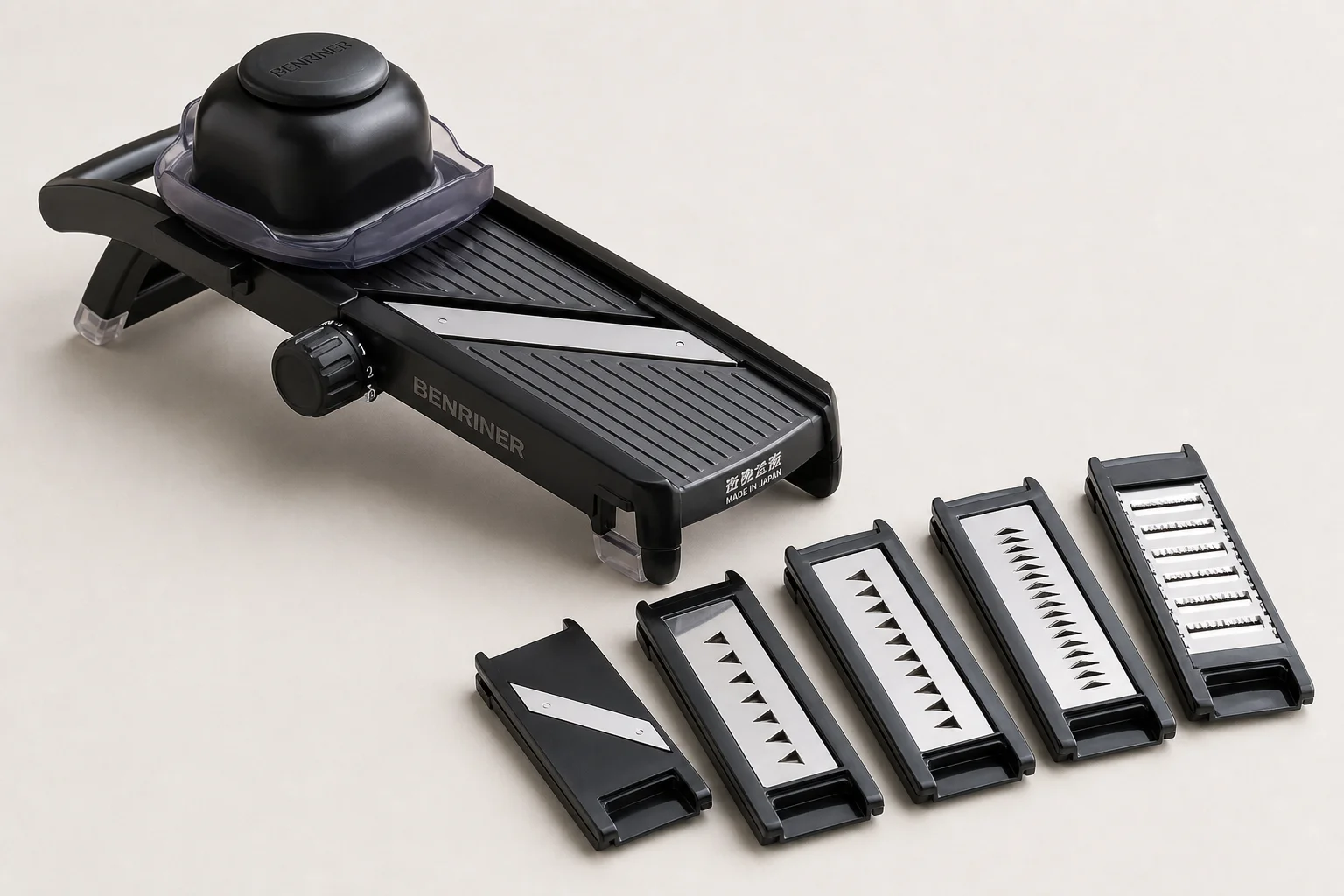
Benriner Japanese Mandoline Review: A Sharp Tool for Precise Vegetable Slicing
A practical guide to using a Japanese mandoline safely and effectively, with tips for achieving consistent, crisp results in the kitchen.
Kitchen Tools
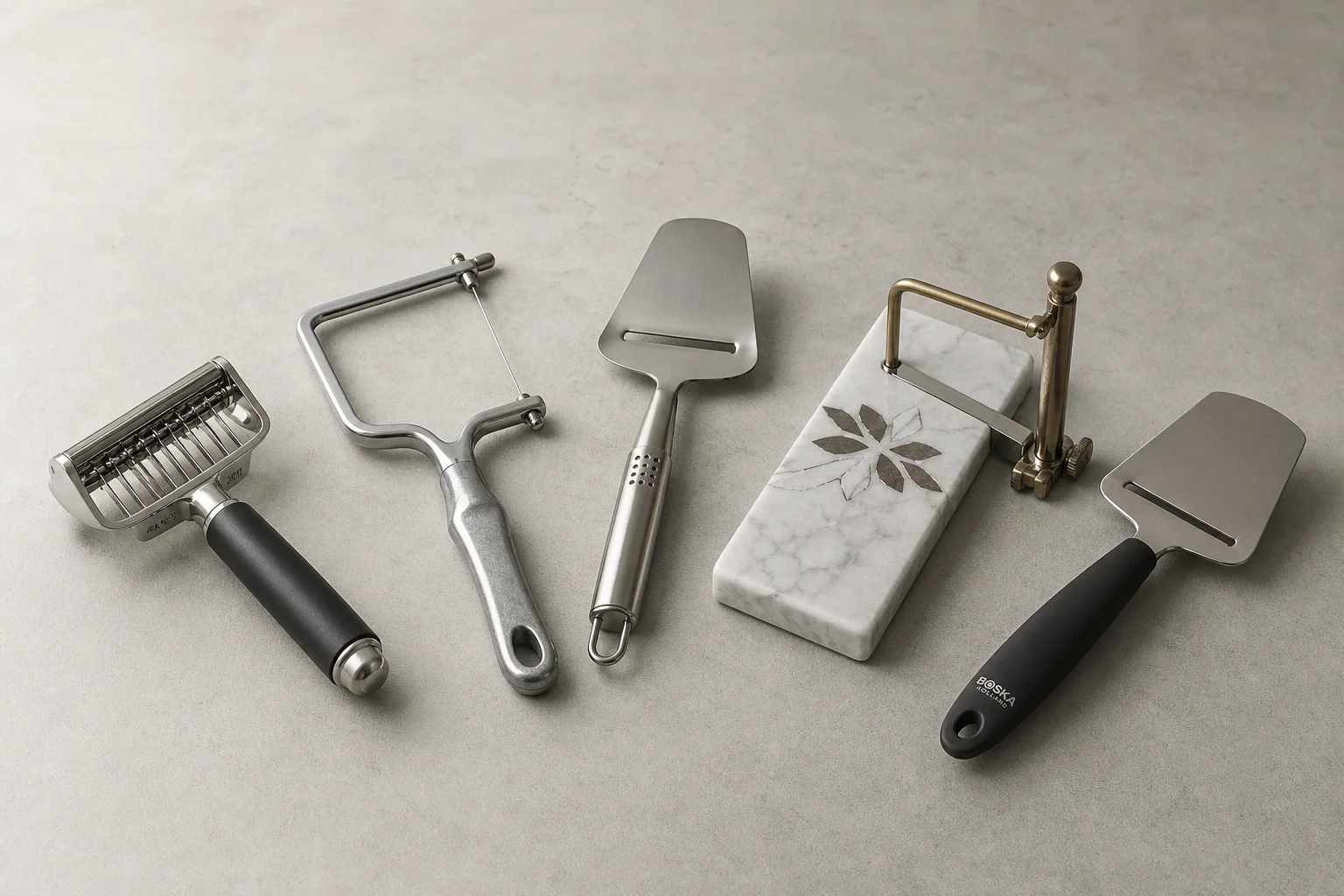
Best Cheese Slicers: Five Practical Options for Consistent Slicing
Five cheese slicers with different designs and features, from multi-blade versatility to wire-based precision, each suited to different kitchen needs and cheese types.