Kitchen Tools
Best Nakiri Knives and Tiny Kitchen Tools: Six Tested Picks Worth Your Counter Space
Two standout nakiri knives plus four genuinely useful mini tools, all put through hands-on testing for cutting, straining, and prep performance.
Introduction
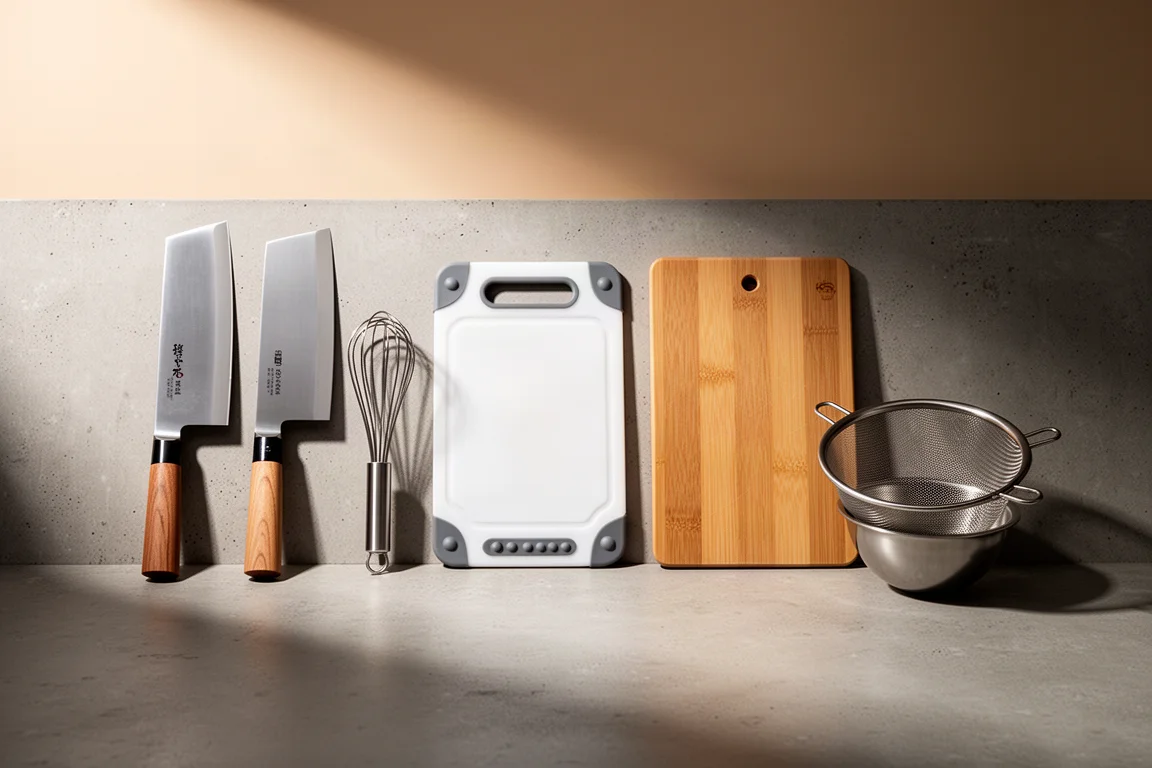
Not every kitchen upgrade needs to be a big, expensive purchase. A sharp vegetable knife, a whisk that actually fits a small bowl, and a cutting board that stays put can change how smoothly your prep goes. This roundup covers two standout nakiri knives and four compact kitchen tools that earned their spots through hands-on testing.
What We Looked For
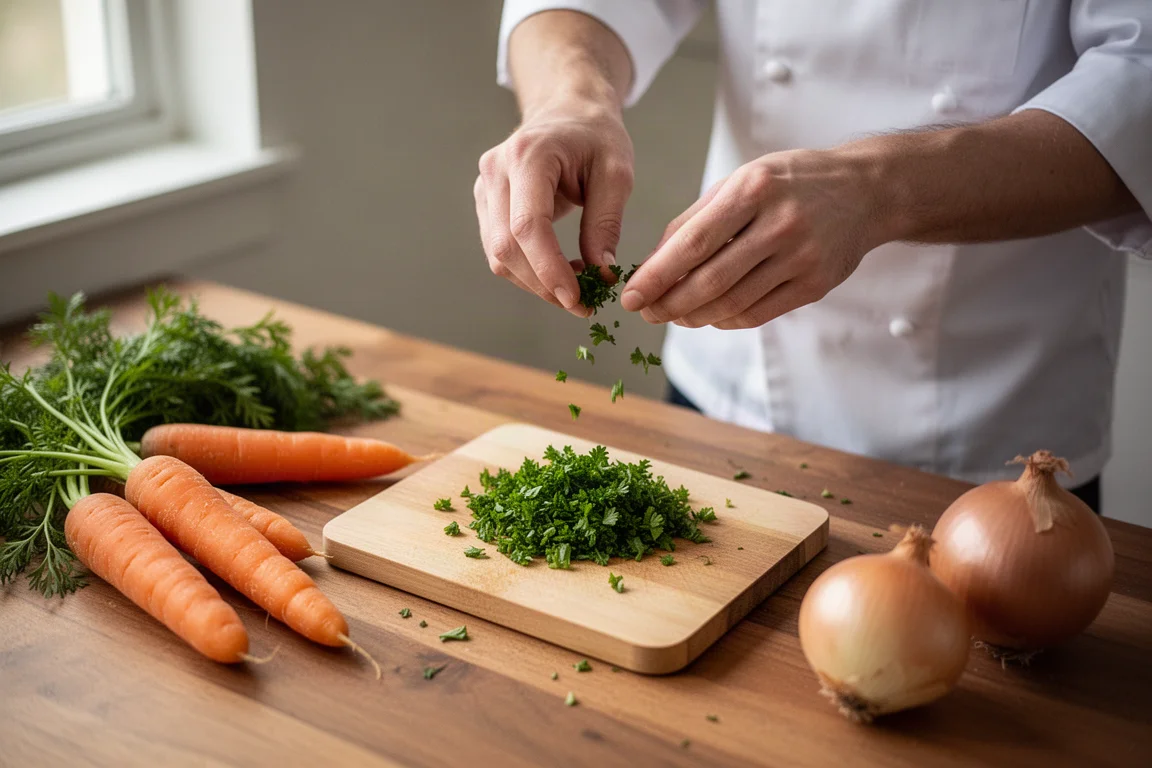
The nakiri knives were evaluated with everyday vegetable work: chopping onions, fine carrot dice, julienne cuts, minced parsley, sliced cabbage, delicata squash, and even partially frozen steaks. Blade thickness and overall weight turned out to be the two factors that separated the best from the rest.
For the smaller tools, the testing covered real tasks: mixing dressings, beating eggs, straining citrus, and mincing garlic. Winners had to be easy to clean, comfortable to hold, and stable in use.
Best Nakiri Overall: Masamoto Sohonten Wa-Nakiri
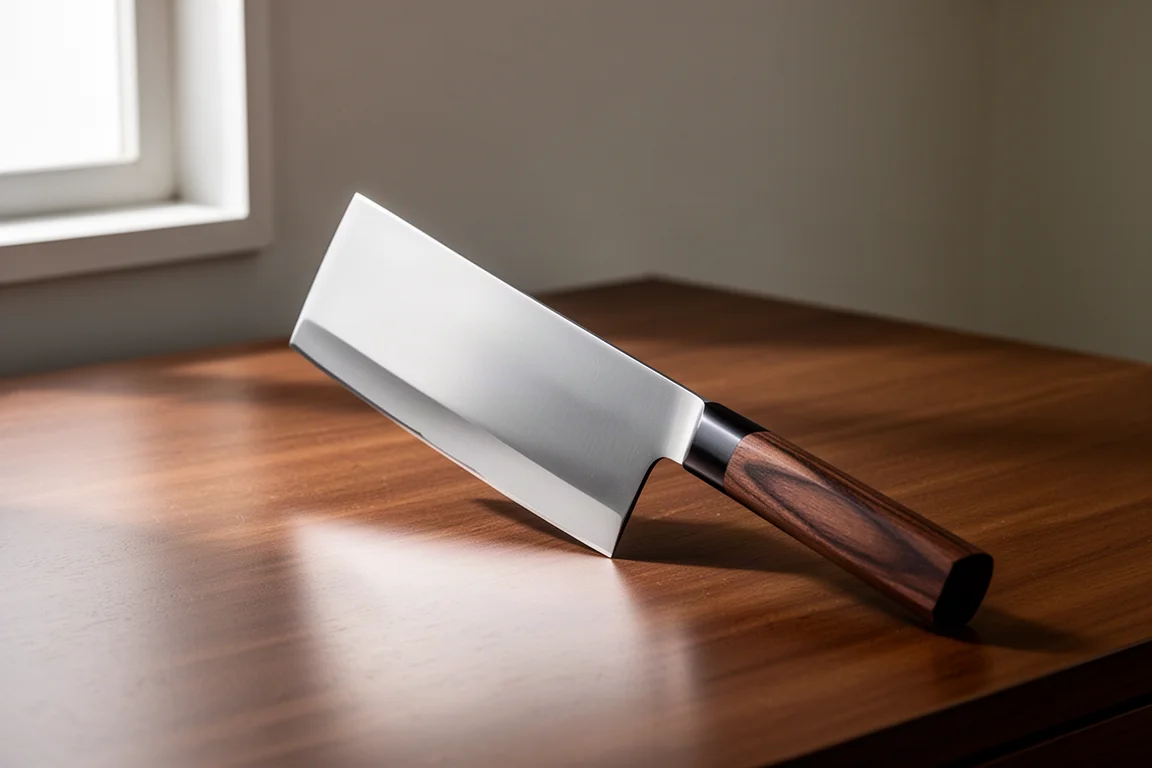
The Masamoto Sohonten Wa-Nakiri was the clear winner of a twelve-knife lineup, with testers consistently praising its finesse and control. It carries a premium price of about $210, but for a knife dedicated to precise vegetable prep, testers felt the performance justified it.
This is not a replacement for your chef’s knife or santoku. It is a supplemental knife, and that is exactly the point: once it is in the drawer, vegetable prep becomes the part of cooking you look forward to.
How a Nakiri Differs From a Chef’s Knife
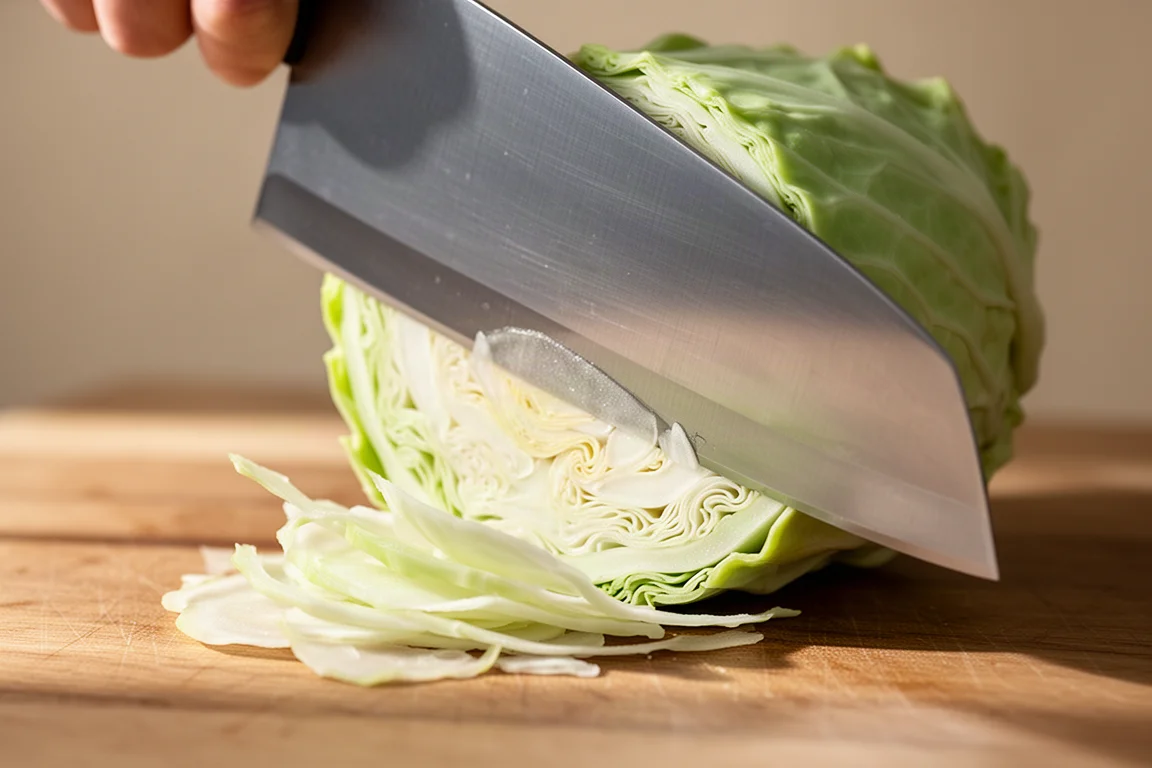
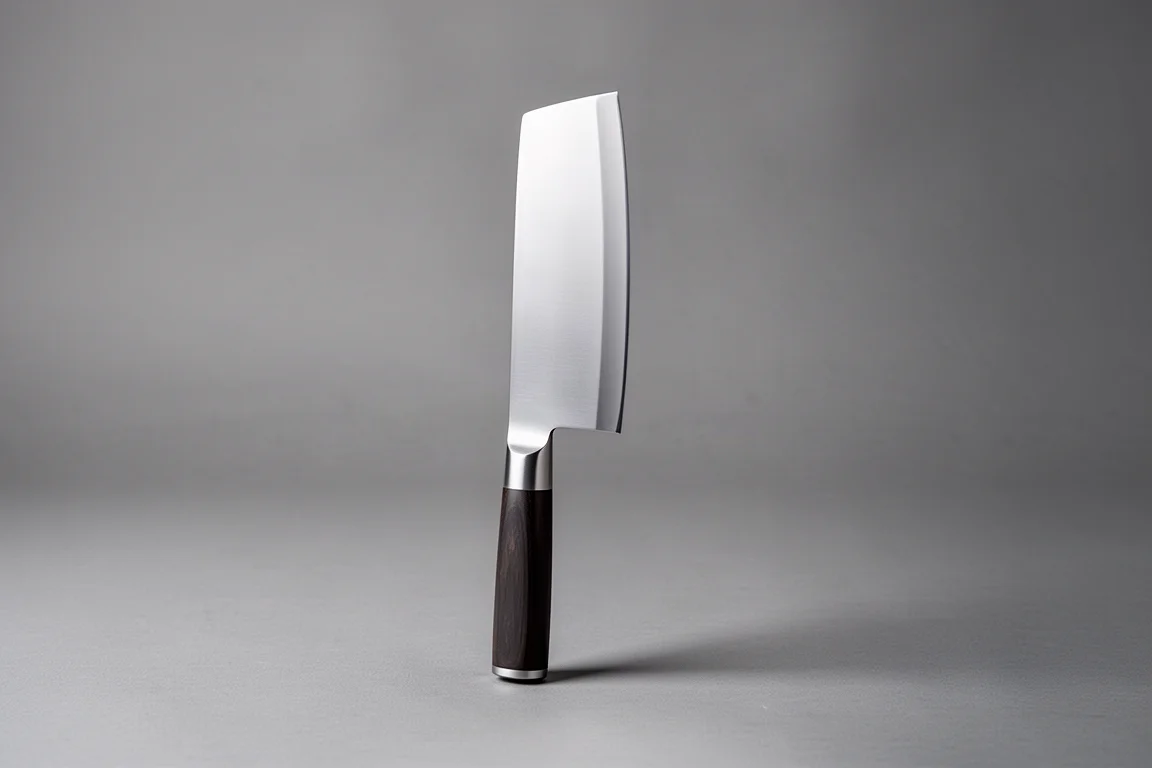
A nakiri is a Japanese knife made specifically for vegetables, and you will find one in almost every Japanese home kitchen. The shape is distinctive: a tall blade, a fairly short blunt tip, and a straight edge designed for full contact with the cutting board. You do not rock or dice with it. It is meant for straight, even, very precise slicing.
One important warning: in many Western markets these are mislabeled as vegetable cleavers. They are not cleavers. The steel is hard and fairly brittle, designed for precise cuts. Twisting through chicken bones or extremely hard squash can chip the edge, so treat it strictly as a vegetable knife.
Two physical traits drove the test results. First, blade thickness: a thinner blade (around 1.7mm at the spine versus 2.6mm on chunkier models) sliced cleanly instead of wedging through food, which testers described as almost surgical. Second, weight: models ranged from roughly 5 to 10 ounces, and the lighter knives clearly reduced arm fatigue during the repeated up-and-down chopping motion.
Best Value Nakiri: Masutani VG1 Nakiri
If $210 feels steep for a supplemental knife, the Masutani VG1 nakiri is the best buy. At 165 millimeters and around $70, it delivers much of the same clean, precise cutting feel for a third of the price.
For anyone curious about the nakiri shape but hesitant to invest in a premium blade first, this is the sensible entry point. It earned its recommendation on the strength of its thin, light profile and excellent value.
Best Mini Whisk: Tovolo Stainless Steel Six-Inch Mini Whisk
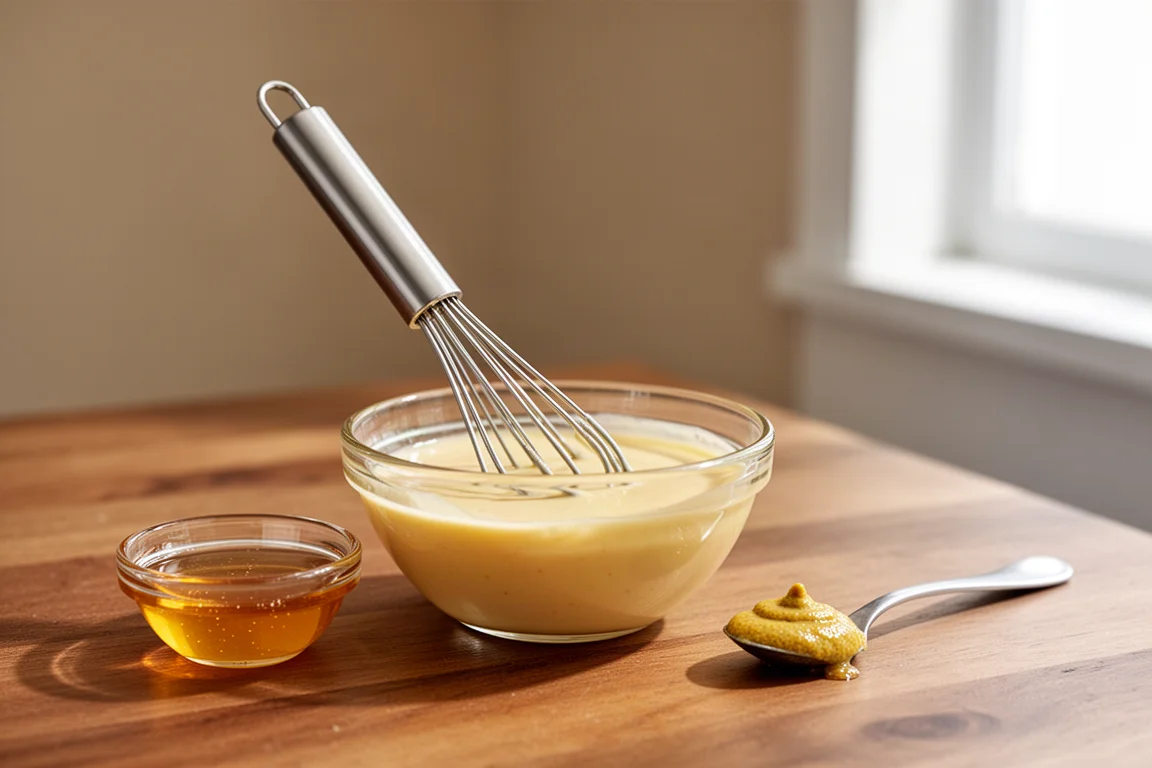
Six mini whisks went through a battery of small-batch tasks: mixing a spice blend, beating eggs, making vinaigrette, a honey mustard dipping sauce, and a cornstarch slurry. Several failed on design alone. One had only three loops and a skinny grip; another trapped gunk inside the top of the handle where it was nearly impossible to clean.
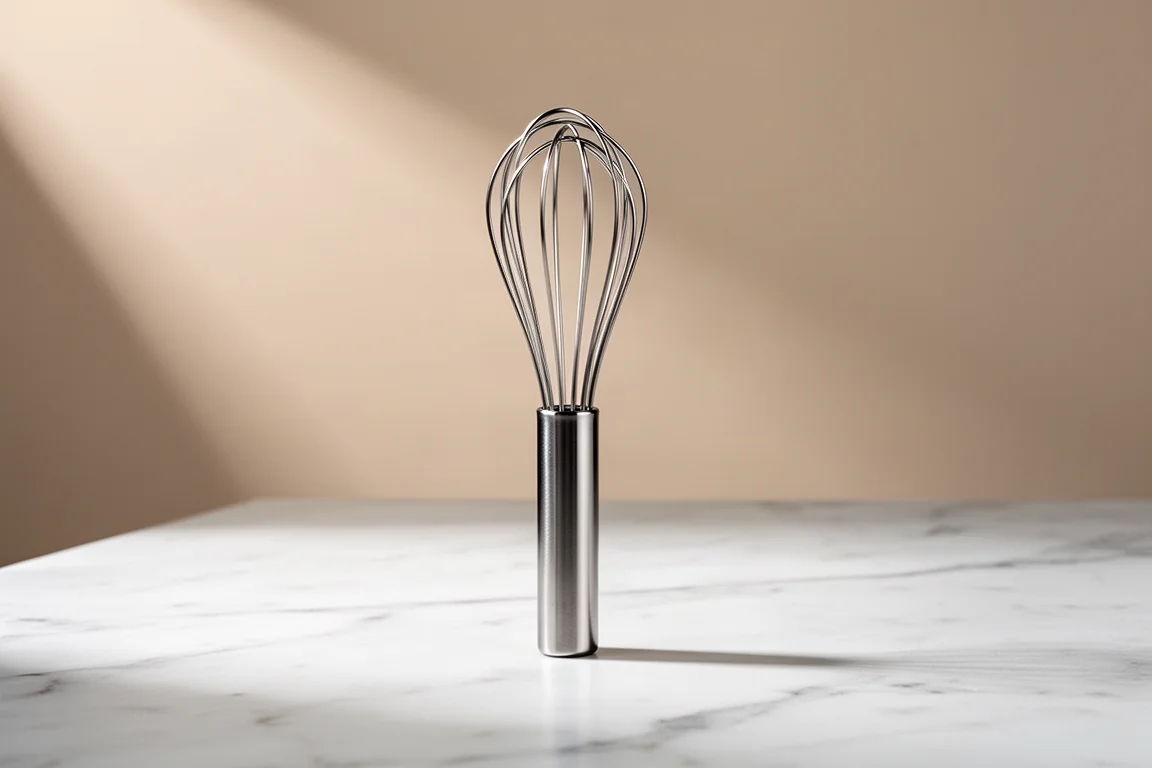
The Tovolo stainless steel six-inch mini whisk aced every test. Its wide head and generous loop count move ingredients efficiently, the handle is comfortable, and there are no hard-to-clean crevices. If you cook smaller portions or just hate dragging out a full-size whisk for a single egg, this is the one to get.
Best Prep Board: OXO Good Grips Prep Board
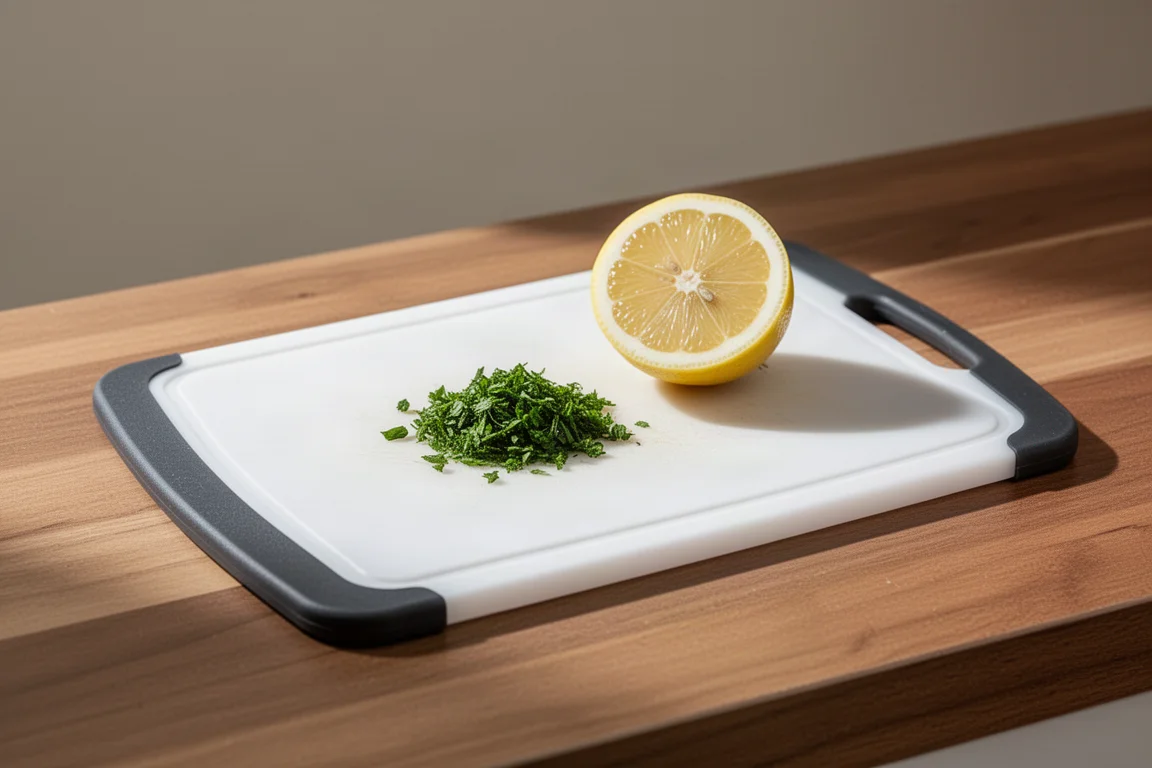
Mini bar boards are ideal for mincing a little garlic or herbs, slicing a lemon, serving cheese, or packing for a picnic. Out of nine tested, most fell short in one of two ways: ridiculously tiny footprints or boards that slid around the counter the moment you pressed down.
The OXO Good Grips Prep Board solves both problems. Grippy edges keep it firmly in place, and at about 7 by 11 inches it is the largest of the small boards tested. The plastic construction goes straight into the dishwasher, which is a genuine convenience a wooden board cannot offer.
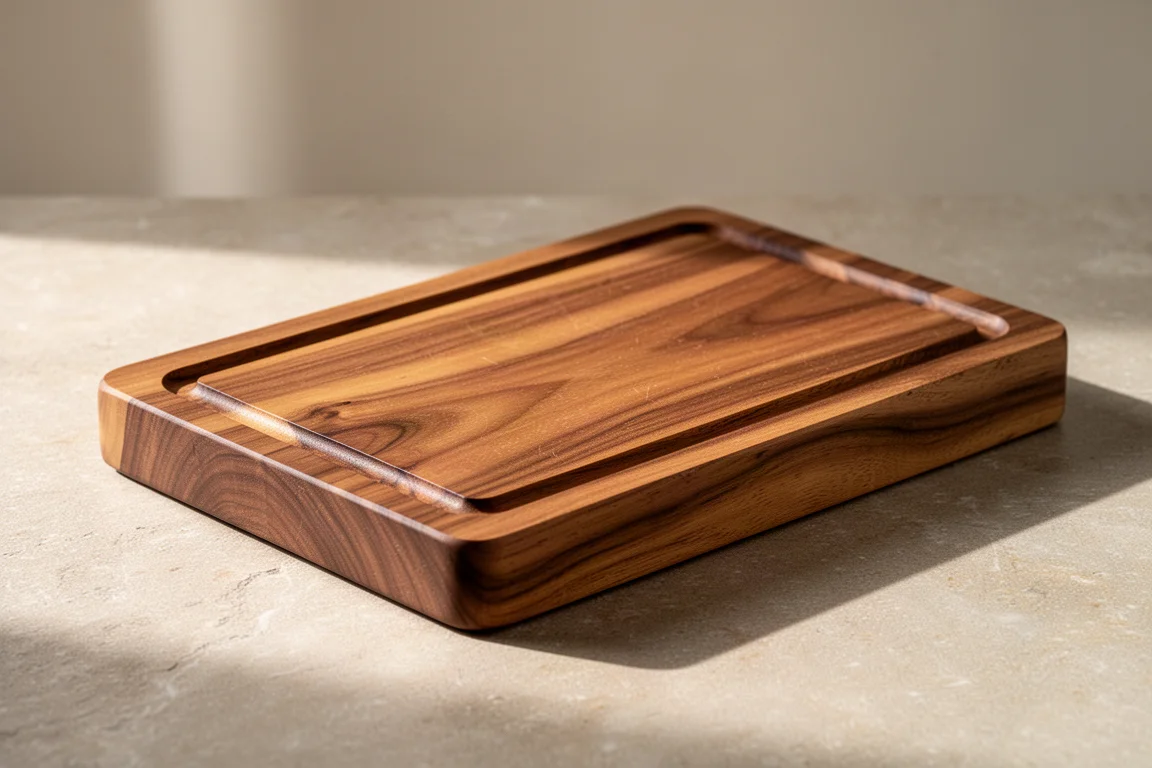
Best Wooden Mini Board: Teakhaus Marine Board with Juice Canal
For those who prefer wood, the Teakhaus Marine board with juice canal was the standout. It is reversible, and its heft keeps it heavy and stable on the countertop during aggressive chopping.
The teak itself is a quiet advantage: the natural resins in the wood help the board stay conditioned and resist stains over time. It is a good match for anyone who wants a small serving-and-cutting board that looks as good on the table as it performs at the counter.
Best Tea Strainer: Rosle Stainless Steel Fine Mesh Tea Strainer
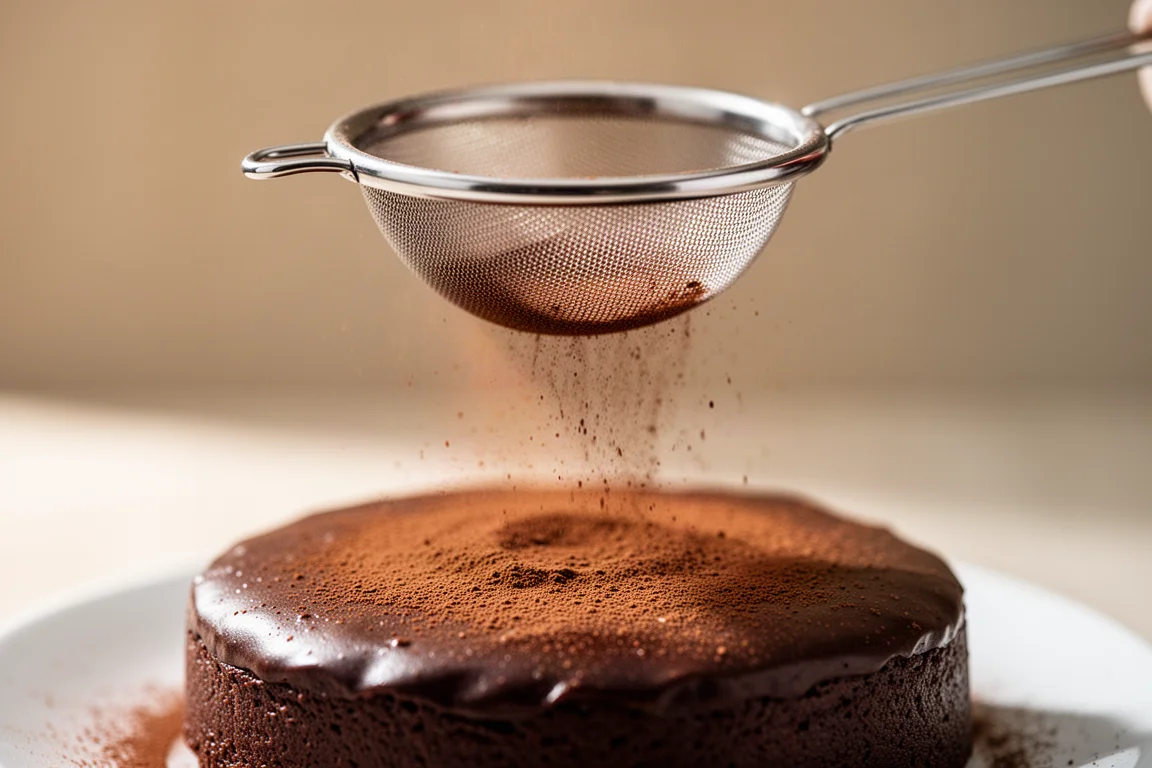
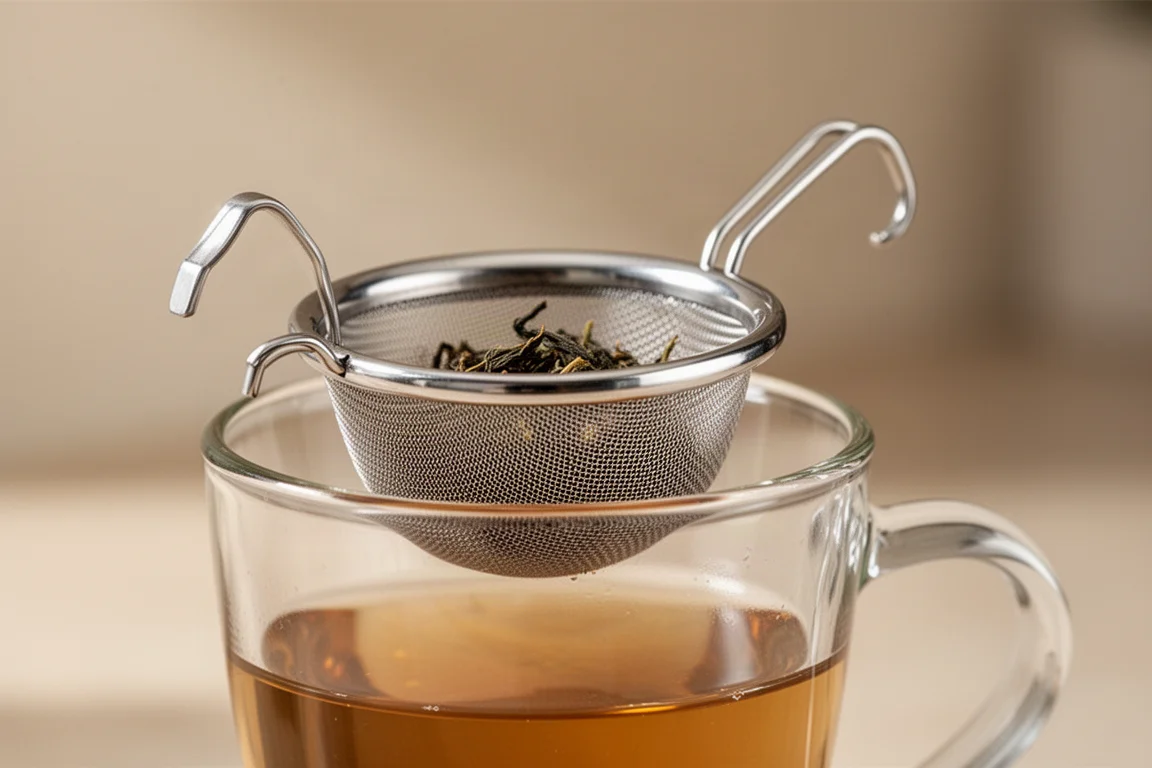
Small strainers earn their keep straining citrus juice, tea, and cocktails, or sifting confectioner’s sugar and cocoa powder. Of the seven tested, one model broke during testing, and several had mesh too open, letting everything fall straight through.
The Rosle stainless steel fine mesh tea strainer was the clear favorite. It is well balanced, and its hook sits securely on all kinds of bowls and cups. The fine mesh strained beautifully, producing crystal clear lemon juice and genuinely professional-looking dustings of cocoa powder and confectioner’s sugar.
Buying Advice
If you cut a lot of vegetables, start with the nakiri that fits your budget: the Masutani VG1 at around $70 is the low-risk way to try the style, while the Masamoto Sohonten Wa-Nakiri is the step-up choice if precision veggie prep is a daily habit. Remember to use it only on vegetables, never on bones or hard squash rinds.
The four small tools are easy, low-commitment upgrades. Pick the ones that match your actual cooking: the Tovolo whisk for sauces and dressings, the OXO board for quick prep and dishwasher convenience, the Teakhaus board if you prefer wood, and the Rosle strainer for tea, citrus, and dusting work.
Conclusion
None of these picks asks much of your kitchen space or budget, and each one earned its place by doing a specific job noticeably better than the alternatives. Choose the knife that matches your budget, add the mini tools that fit your routines, and your daily prep will quietly get easier.
Further reading
Related Reviews
Kitchen Tools
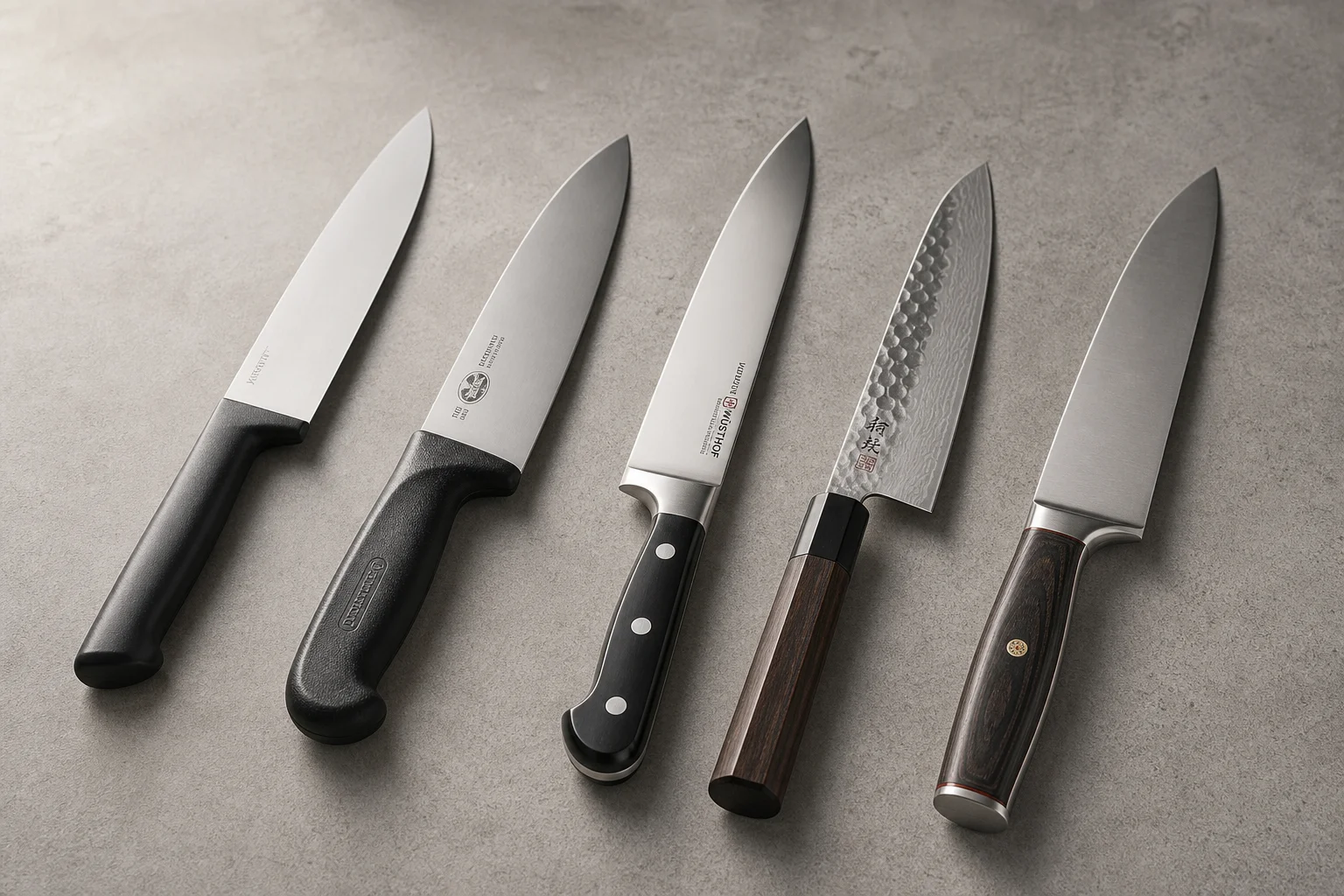
Amazon's Top-Rated Chef Knives Tested: Five Models from £11.50 to £200
We tested five of Amazon's highest-rated chef knives across sharpness, comfort, and versatility to see which delivers the best value and real-world performance.
Kitchen Tools
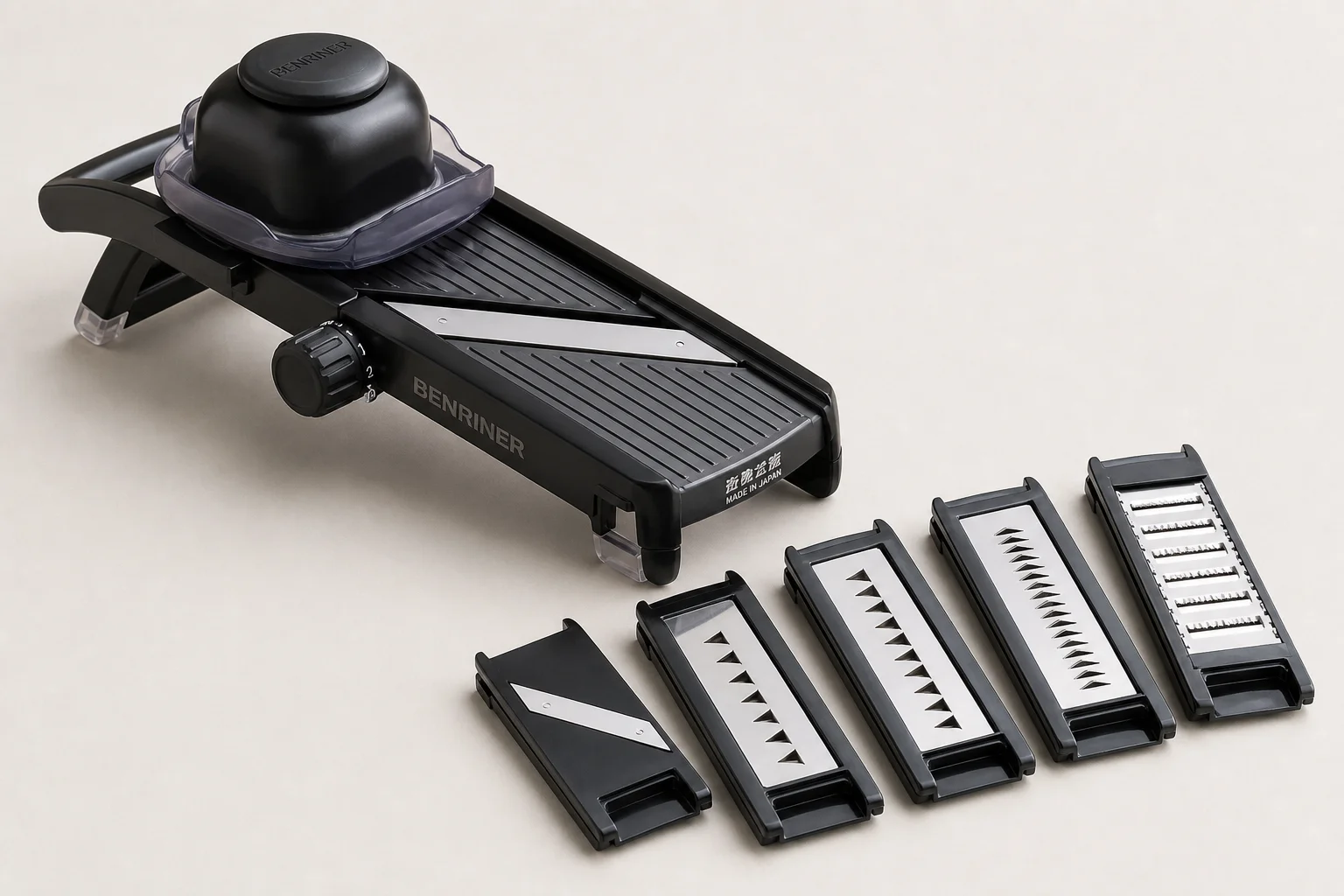
Benriner Japanese Mandoline Review: A Sharp Tool for Precise Vegetable Slicing
A practical guide to using a Japanese mandoline safely and effectively, with tips for achieving consistent, crisp results in the kitchen.
Kitchen Tools
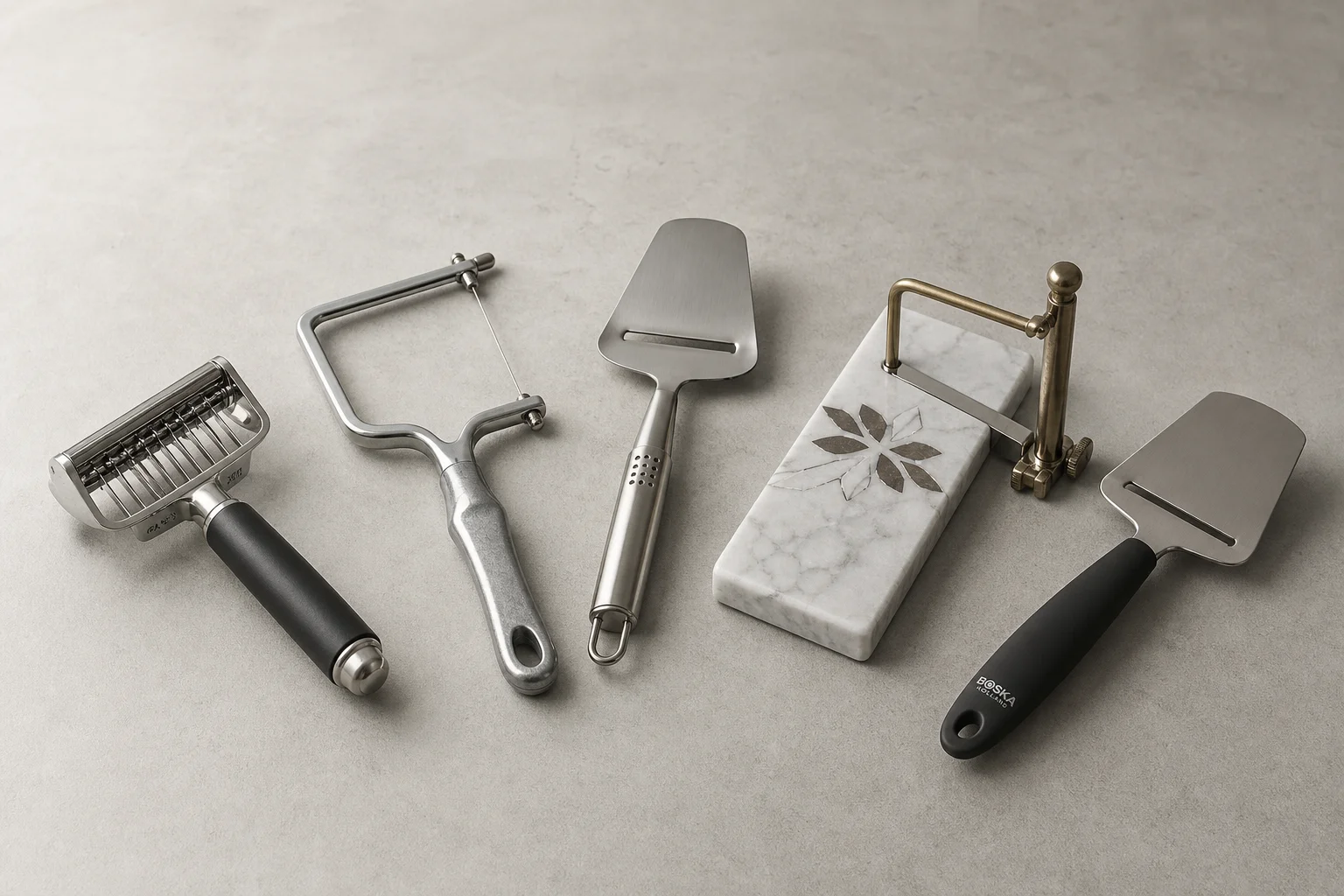
Best Cheese Slicers: Five Practical Options for Consistent Slicing
Five cheese slicers with different designs and features, from multi-blade versatility to wire-based precision, each suited to different kitchen needs and cheese types.