Kitchen Tools
Best Kitchen Scales for Weight-Based Cooking: Three Picks Worth Knowing
Three kitchen scales that make measuring by weight easier than measuring cups, from an affordable daily pick to a precision option.
Introduction
Measuring cups and spoons are among the least favorite kitchen tools of serious cooks, and that is not an unusual opinion. Professional kitchens measure by weight, and home cooks who switch rarely go back. Measuring cups are inconsistent, inconvenient, and they hold home cooking back in ways most people never notice.
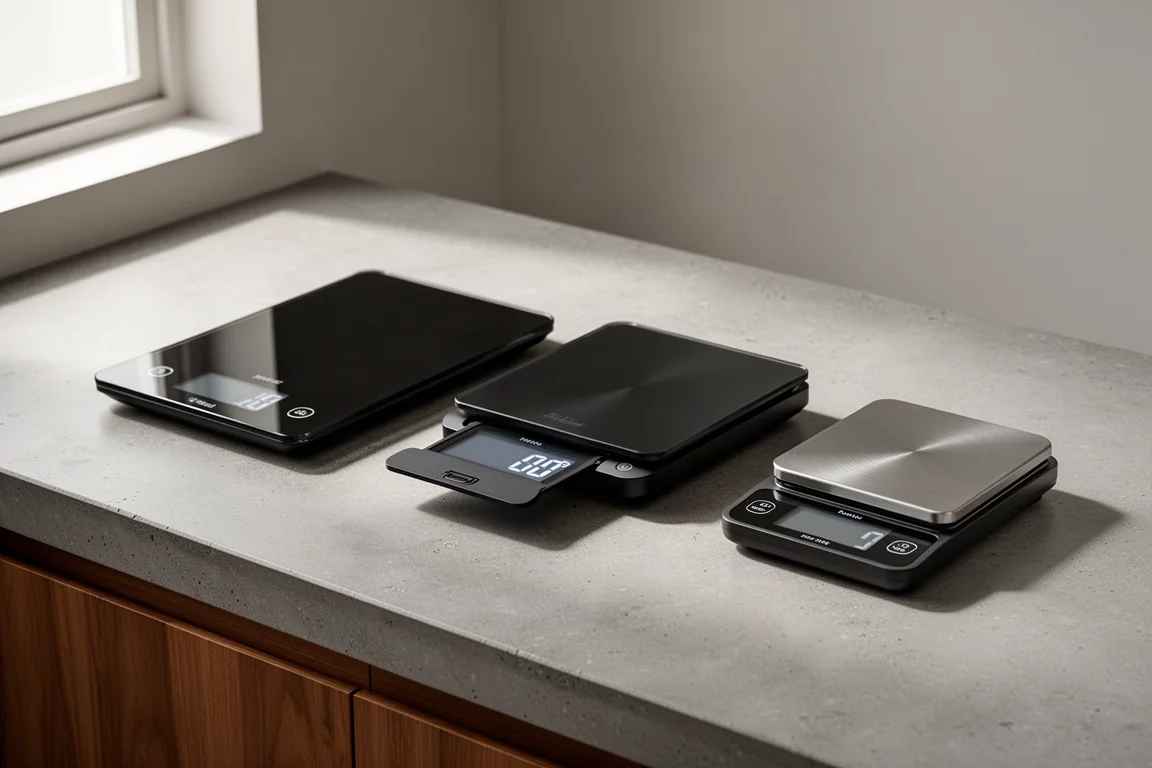
This guide covers three kitchen scales that make weight-based measuring easy: an affordable pick for most home cooks, a daily-driver option with clever bonus features, and a precision scale for rare cases that demand finer resolution.
Why Weight Beats Volume in the Kitchen
Volume measuring is messy largely because of inconsistent definitions. The US customary cup works out to about 236.58 ml, an awkward number for metric conversion, so a separate US legal cup of 240 ml is used for food labeling. Metric-inclined countries use a 250 ml cup. Manufacturers do not even agree among themselves, which is why one wet measuring cup may hold more than your dry one: they are simply using different definitions of the same unit.
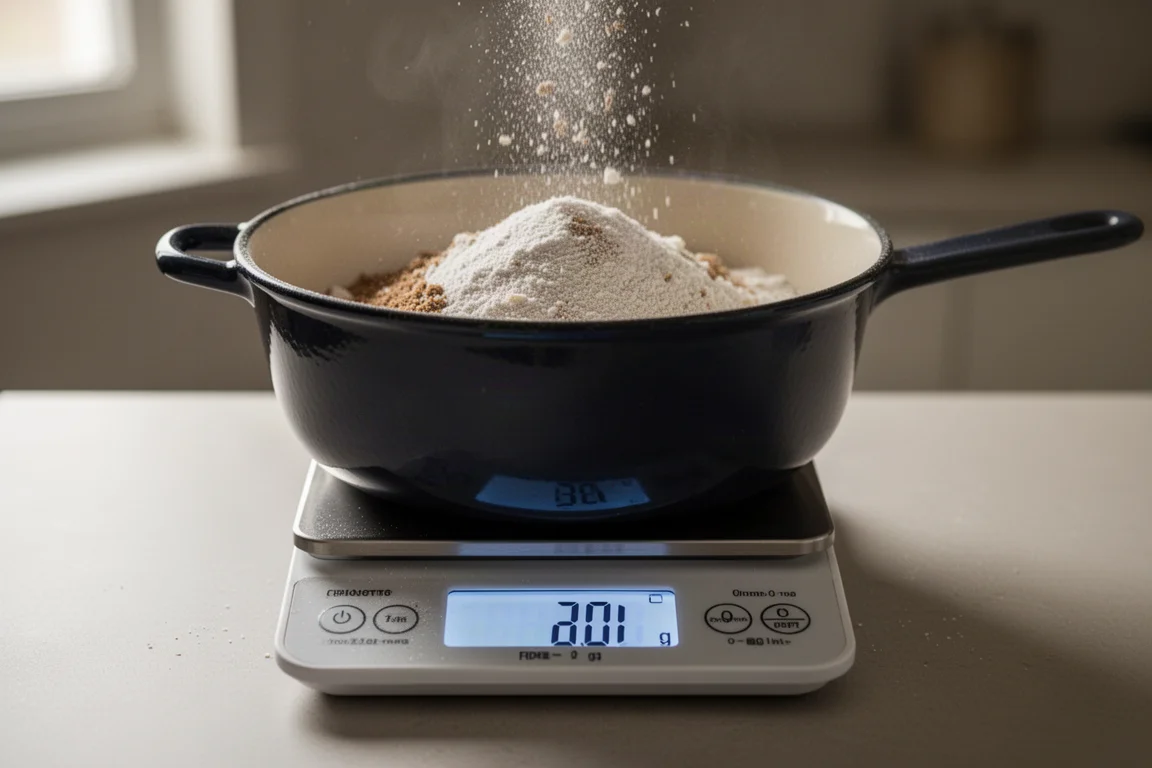
Weight measuring removes all of that. Grams work for both dry and wet ingredients, the resolution is fine enough that you never need awkward fractions, and there are no measuring dishes to wash. You can weigh ingredients directly into the pan, mixing bowl, or whatever you are actually working in, which also means fewer dishes overall.
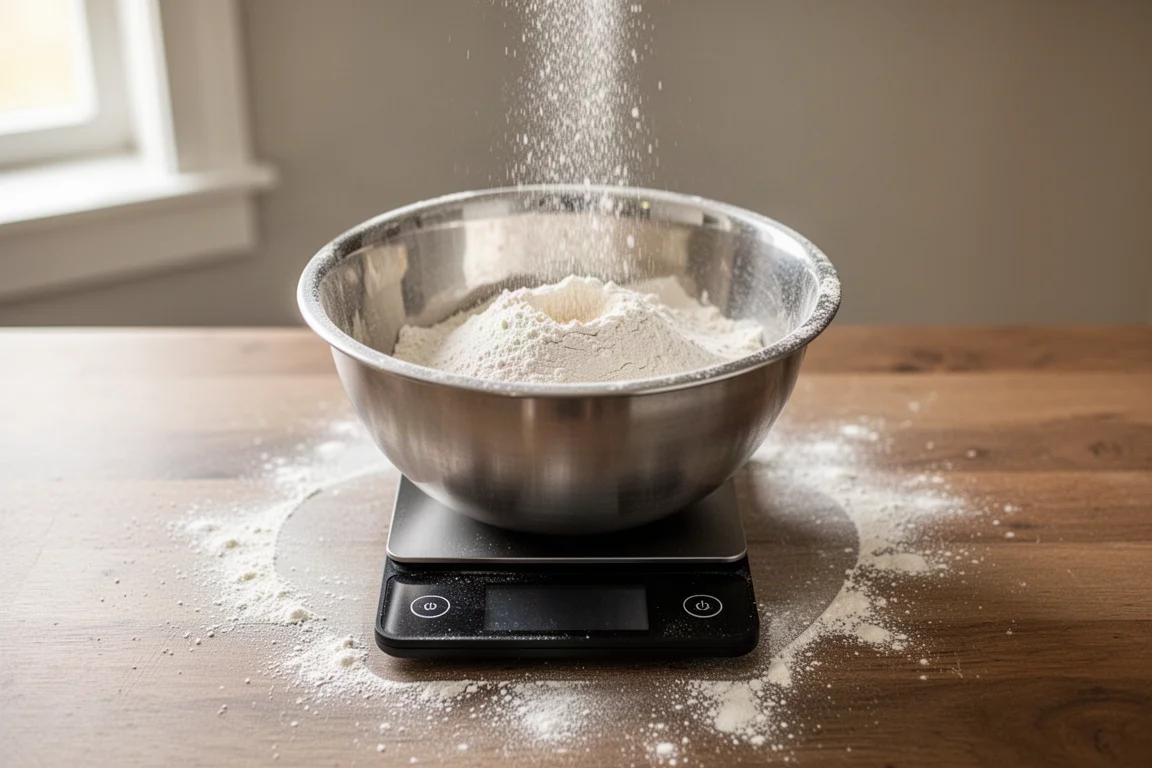
Recipes that call for odd units like “one cup plus one tablespoon” are usually a telltale sign: the author originally wrote the recipe by weight and had to convert it to volume for publication. Cookbook publishers continue to require volume measures because most home cooks already own cups, but with cheap, efficient digital scales widely available, that habit is increasingly outdated.
Best Overall: KitchenAid KQ909
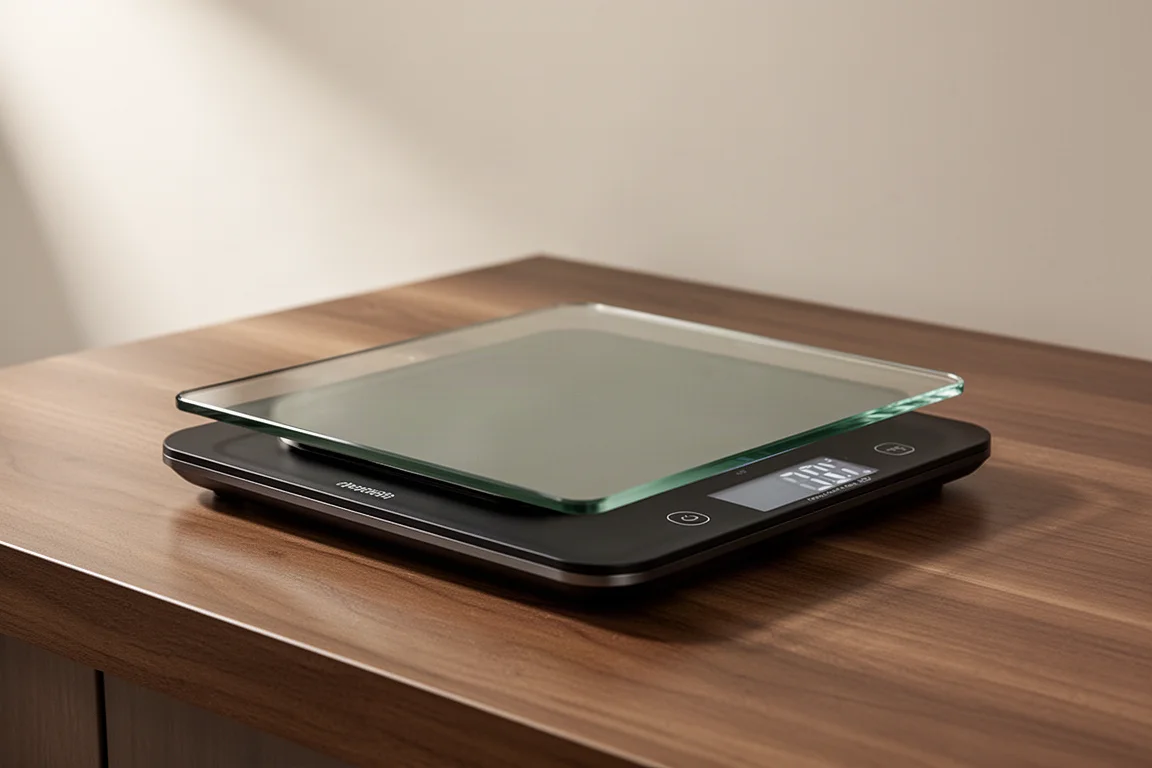
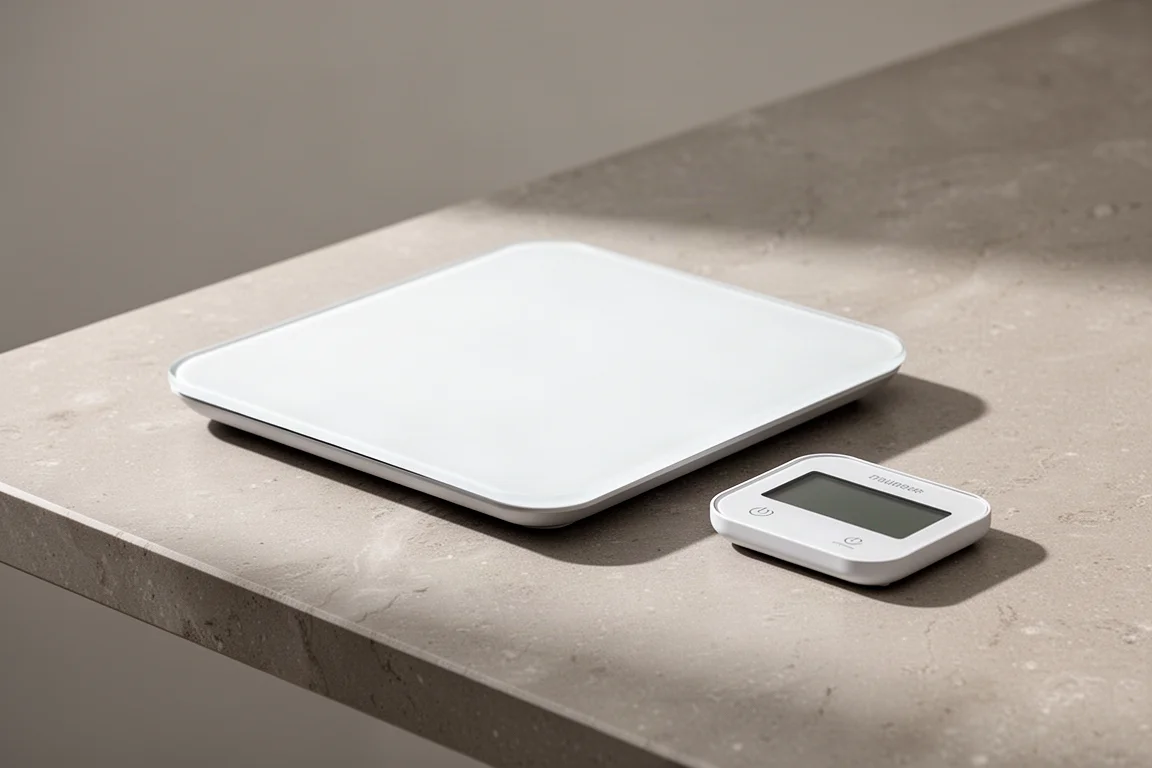
The KitchenAid KQ909 is the recommendation for most home cooks. In testing of roughly a dozen kitchen scales, it stood out for its simple controls and its relatively good accuracy at a low price point, usually under 30 dollars.
If you are buying your first kitchen scale, this is the one that covers nearly everything a typical cook needs without paying for extras you may never use.
Best With Bonus Features: OXO 11-lb Digital Scale
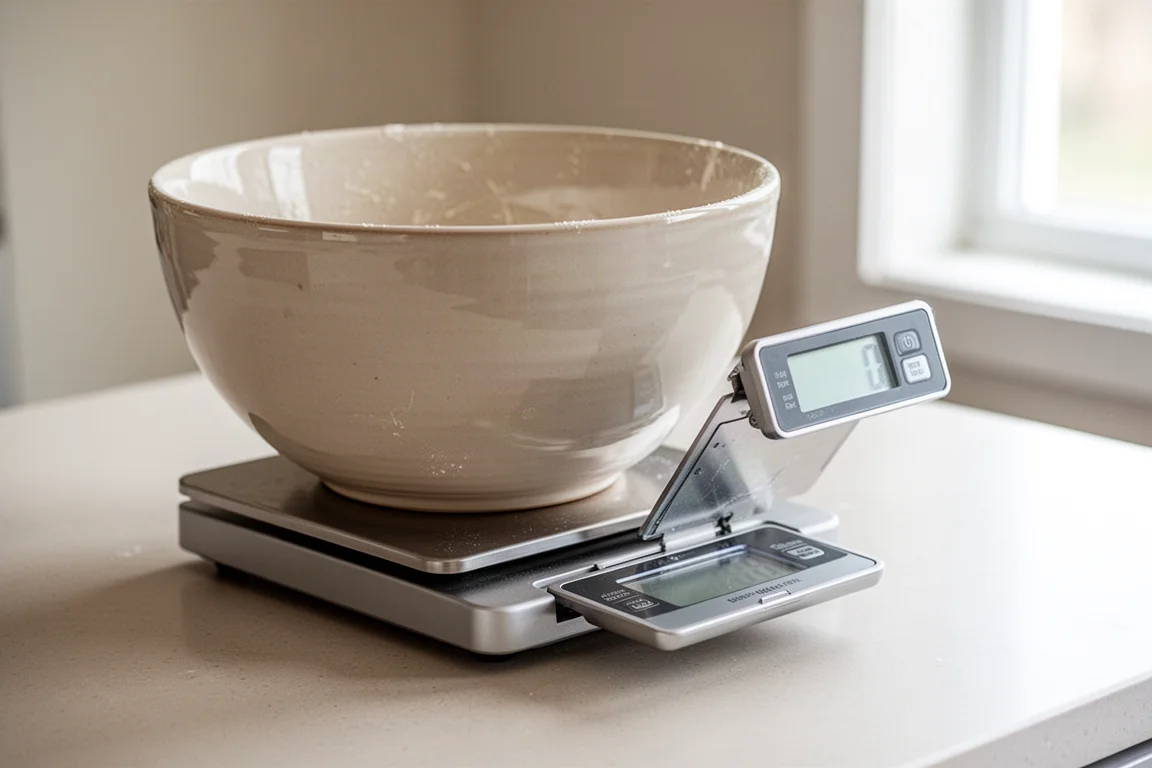
The OXO 11-lb digital scale is the daily workhorse pick, chosen mainly because it adds useful extras. The standout is the pull-out display, which lets you see the reading even when a large mixing bowl is covering the scale platform, a genuinely practical touch for anyone who mixes in big bowls.
It costs about twice as much as the KitchenAid, but both scales will get the job done. The OXO makes sense for cooks who weigh ingredients every day and want the little conveniences that come with daily use.
Best Precision Pick: AWS LB-3000
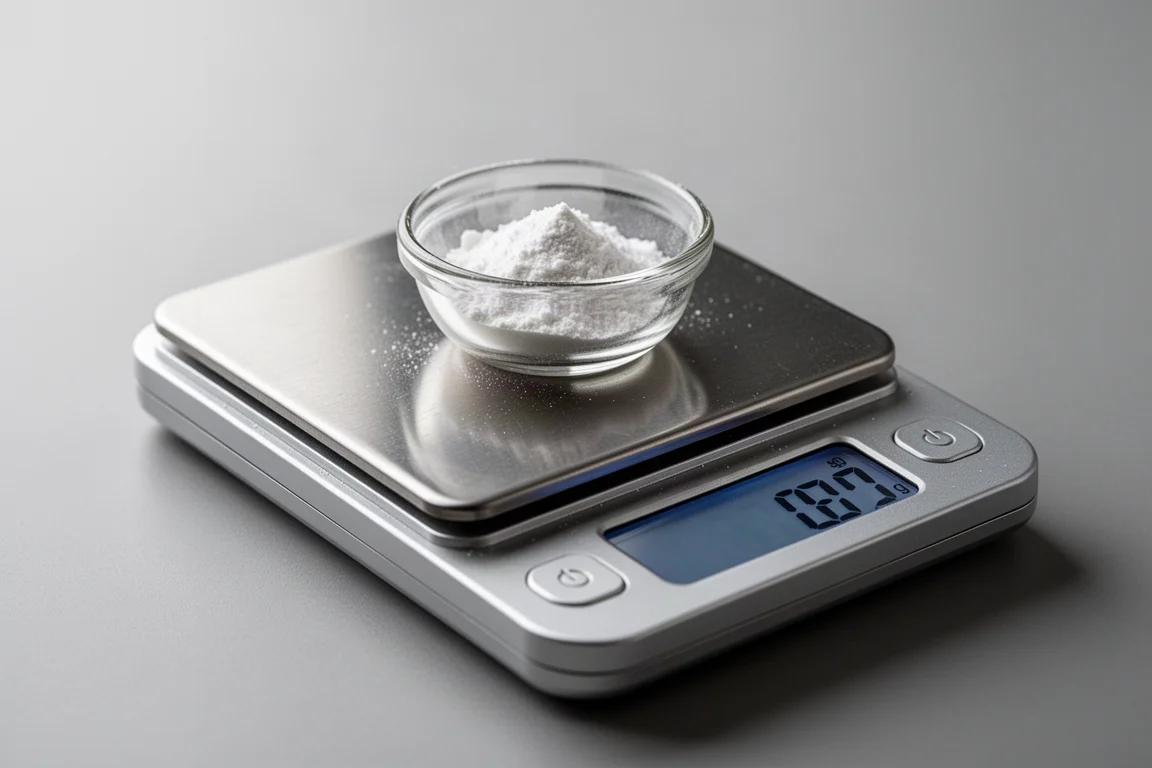
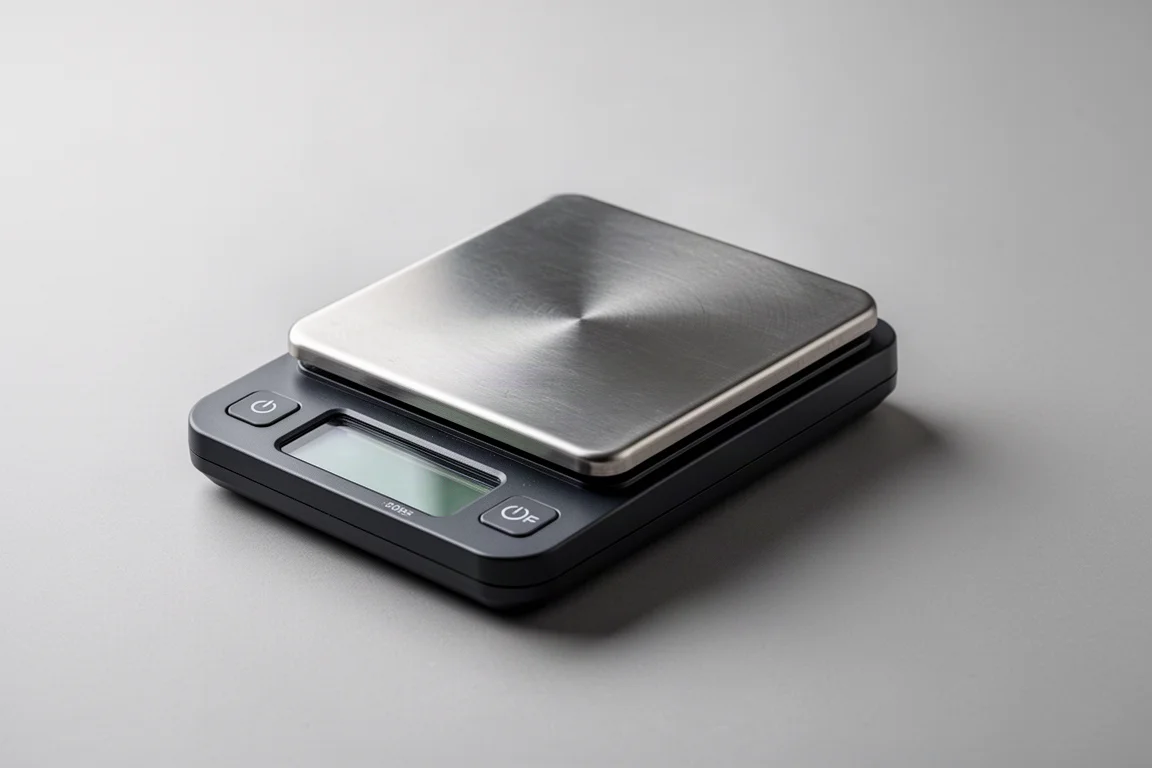
Some recipes occasionally demand a finer resolution than standard kitchen scales can deliver, particularly below their effective 2-gram minimum. For those cases, the AWS LB-3000 measures accurately down to a hundredth of a gram.
The trade-off is a much lower maximum capacity than the other two scales, and frankly most cooks will never need this level of precision. It is a niche tool for specialty tasks rather than an everyday scale.
Buying Advice
For almost everyone, the KitchenAid KQ909 is the sensible starting point: accurate enough, easy to use, and inexpensive. The OXO earns its higher price for daily cooks who appreciate the pull-out display and extra features. The AWS LB-3000 is only worth adding if you have a specific need for sub-2-gram precision.
Whichever you choose, learning to cook by weight is the real upgrade. It is more consistent, more convenient, and easier to clean up after, and cookbooks are increasingly including metric weight conversions to make the switch simple.
Conclusion
Measuring cups had their moment, but in a world with affordable digital scales they are simply the worse tool: inconsistent, fussy, and harder to clean up after. A good kitchen scale, whether the affordable KitchenAid KQ909, the feature-rich OXO 11-lb, or the ultra-precise AWS LB-3000, makes weight-based cooking the easiest way to measure. You are likely to enjoy cooking more for it.
Further reading
Related Reviews
Kitchen Tools
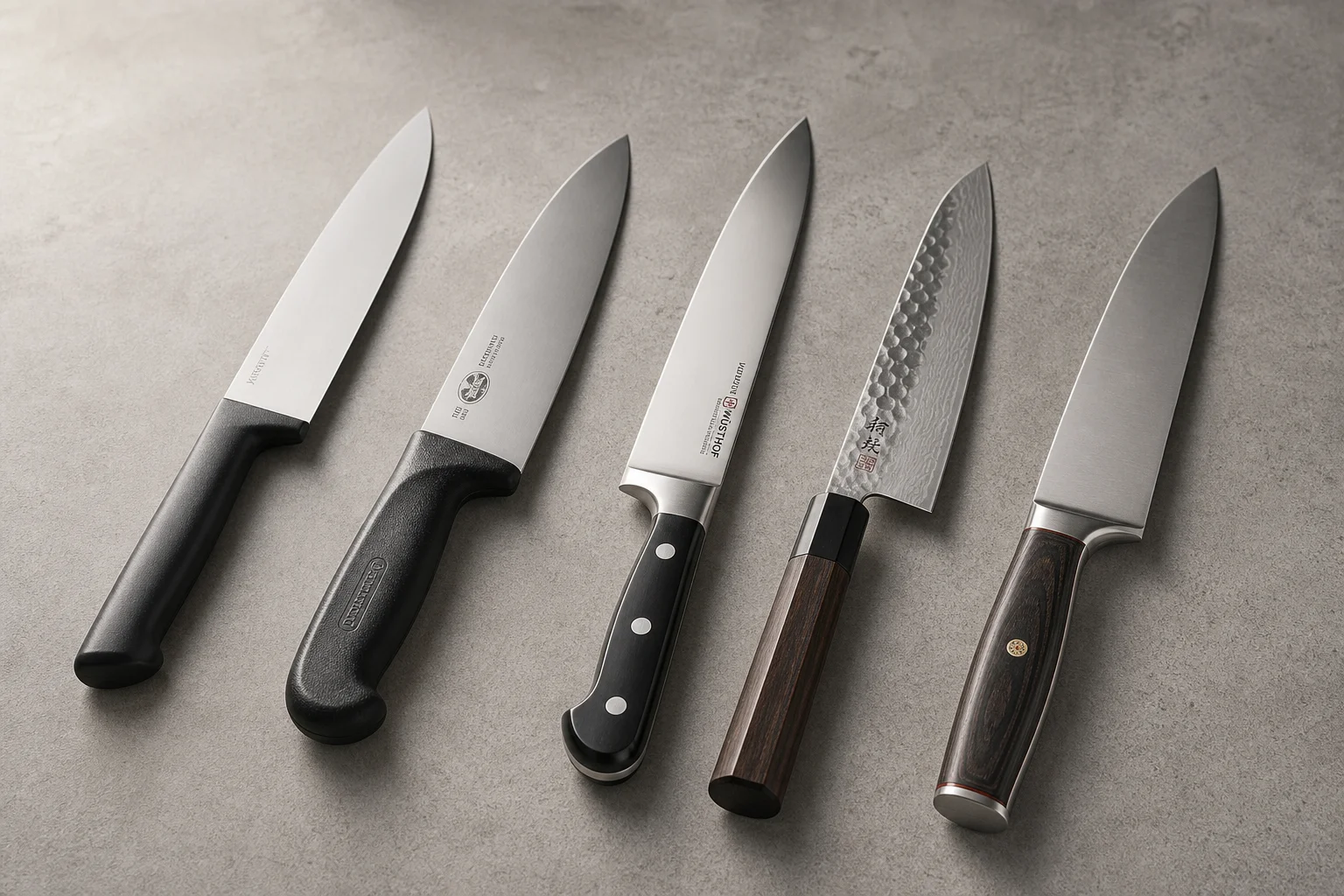
Amazon's Top-Rated Chef Knives Tested: Five Models from £11.50 to £200
We tested five of Amazon's highest-rated chef knives across sharpness, comfort, and versatility to see which delivers the best value and real-world performance.
Kitchen Tools
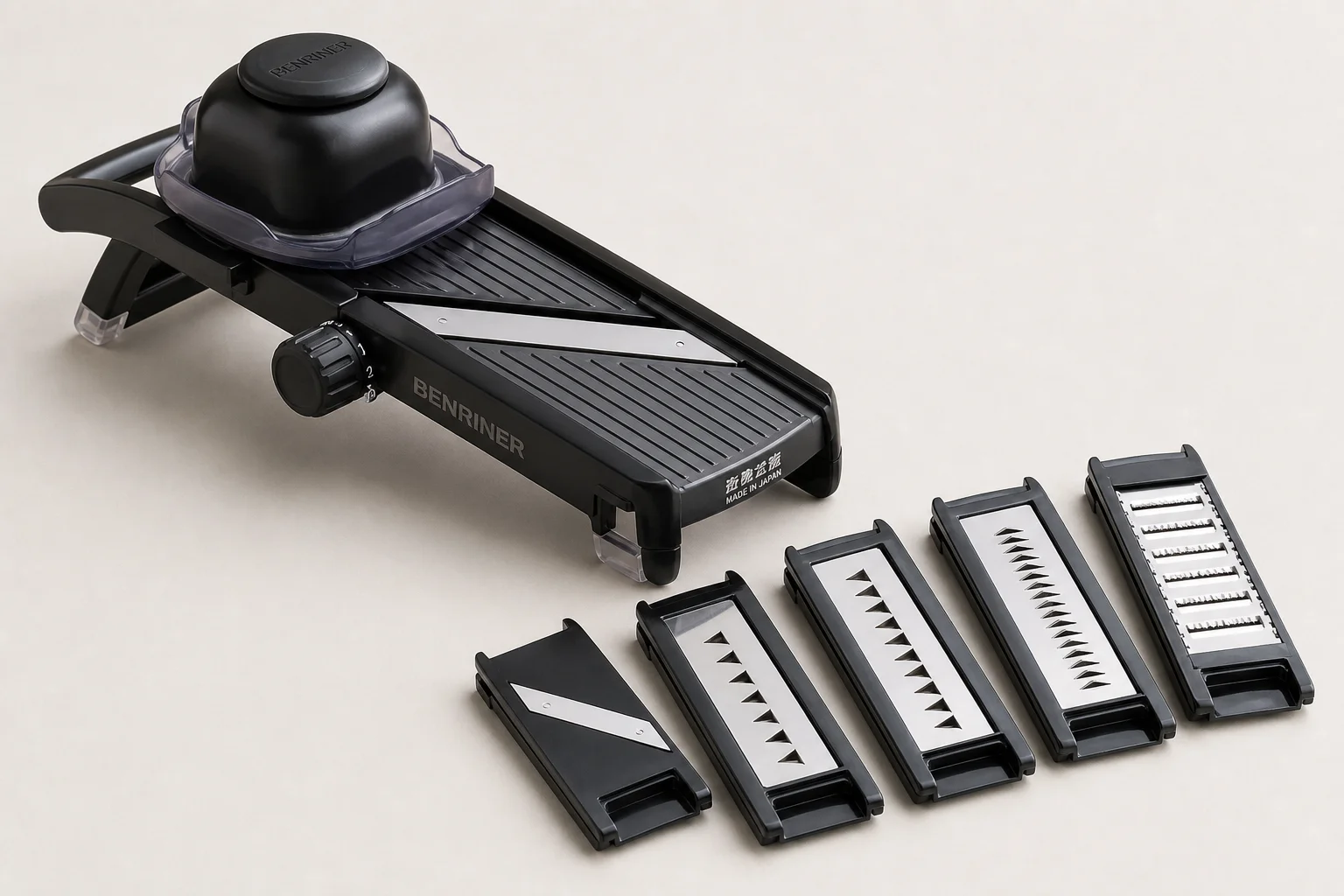
Benriner Japanese Mandoline Review: A Sharp Tool for Precise Vegetable Slicing
A practical guide to using a Japanese mandoline safely and effectively, with tips for achieving consistent, crisp results in the kitchen.
Kitchen Tools
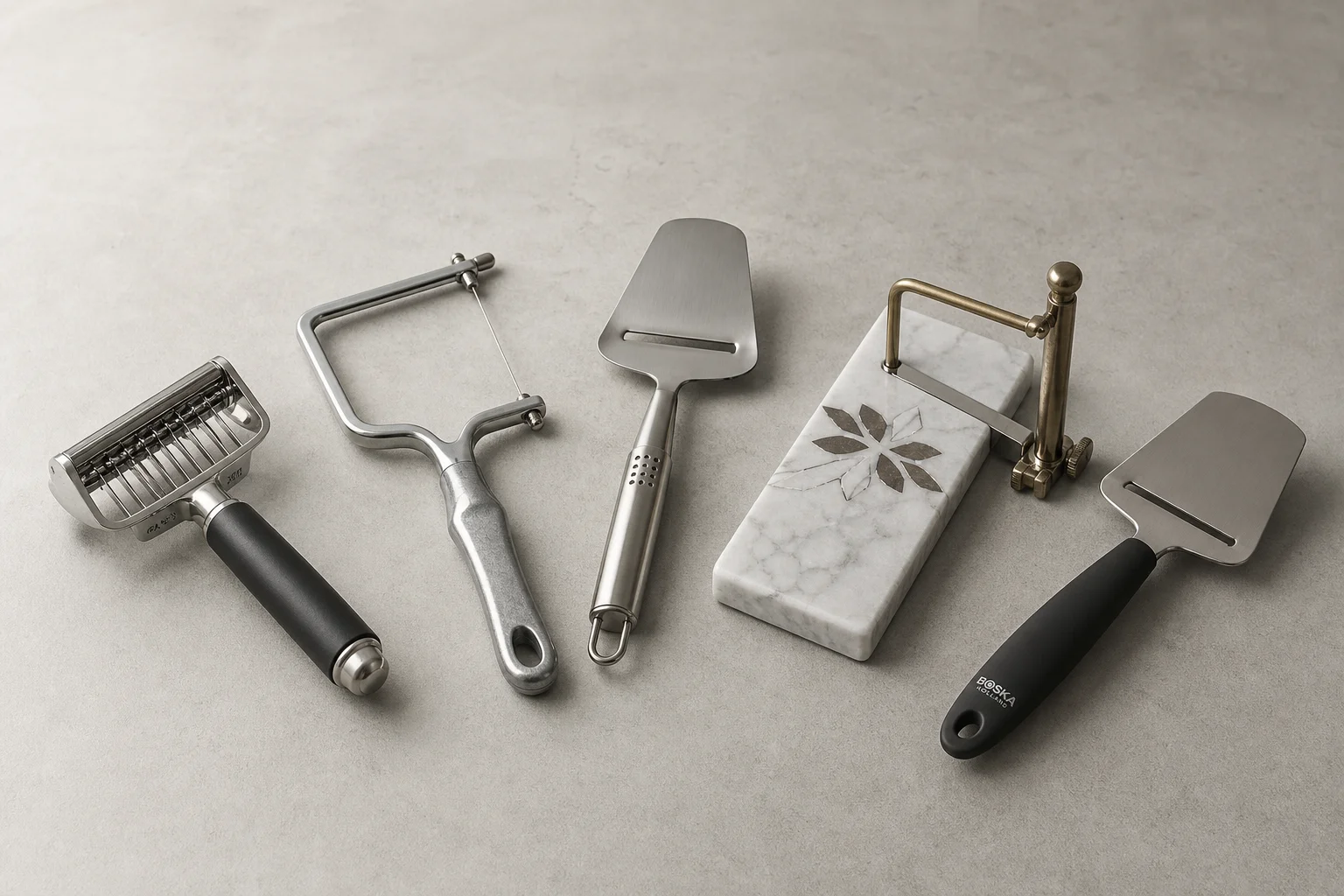
Best Cheese Slicers: Five Practical Options for Consistent Slicing
Five cheese slicers with different designs and features, from multi-blade versatility to wire-based precision, each suited to different kitchen needs and cheese types.