Outdoor Gear
Best Kids Backpacking Gear: 10 Pieces Worth Packing for Young Hikers
A practical guide to the kids' outdoor gear that makes family hiking, backpacking, and car camping trips easier, from fleece layers and small packs to youth quilts, short pads, and child carriers.
Introduction
Getting kids into the backcountry works best when the gear they carry is small, comfortable, and genuinely theirs. Parents often hesitate to spend much on children’s outdoor equipment, because kids grow out of it, wear it for only part of a season, or use it a handful of times a year. The good news is that kid-specific gear does not have to be expensive, particularly when you shop end-of-season sales and previous-year models.
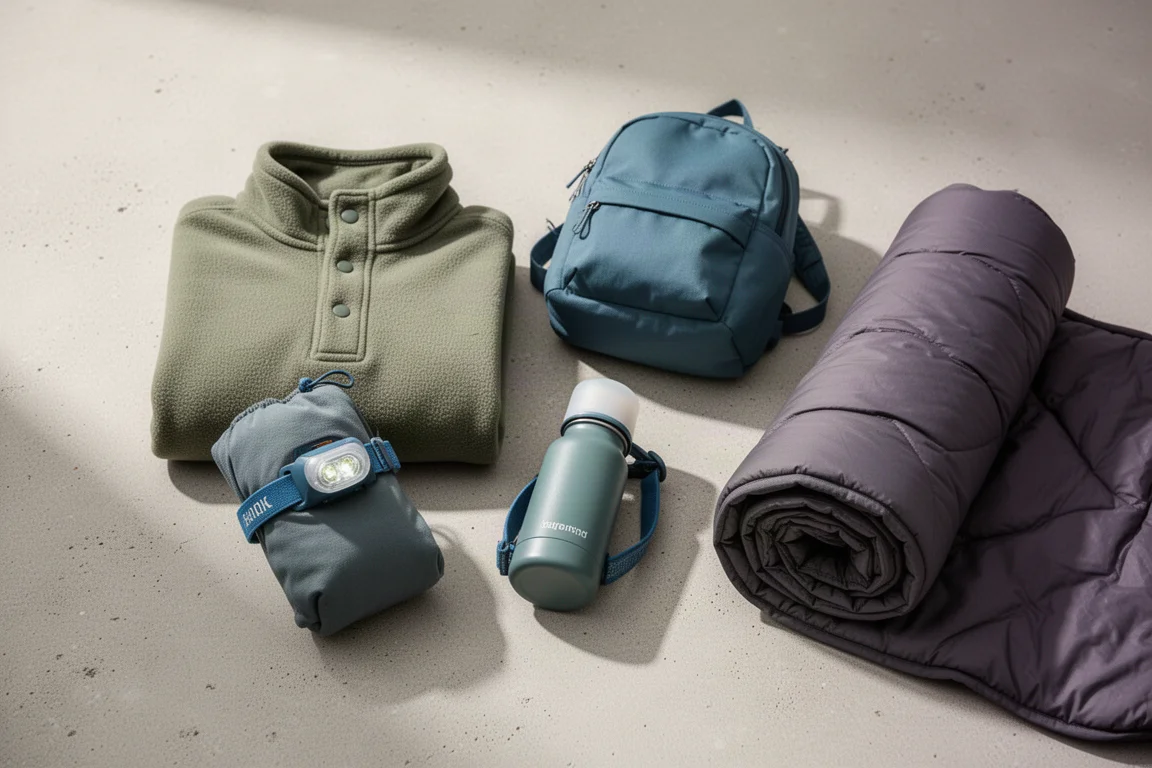
What follows is a practical list of ten pieces of gear that consistently make family hiking, backpacking, and car camping trips easier. The goal behind all of it is simple: a child who is warm, comfortable, and equipped like the rest of the family wants to keep going out.
What to Look For in Kids Backcountry Gear
Three things matter more than brand names when you are outfitting a child.
First, size and weight. Kids should be able to carry their own small load, which means a pack that fits their frame and gear that does not add unnecessary bulk. Second, warmth and protection. A layer that takes the edge off a cold morning, a passing storm, or an evening temperature drop does more for a child’s mood than almost anything else. Third, durability and ease of use. Gear that survives a full season of rough handling, cleans up easily, and is simple enough for a child to operate on their own is worth more than gear with a longer feature list.
Budget is a legitimate consideration too. Kid-specific items go on sale regularly, and off-season shopping often turns up previous-year models at a fraction of their original retail price. Good outerwear also tends to hold enough value to be re-gifted or passed down to a younger sibling. Down jackets are a good example: they do not have to be expensive, and a sale price can bring a jacket that originally retailed above one hundred dollars down to a small fraction of that.
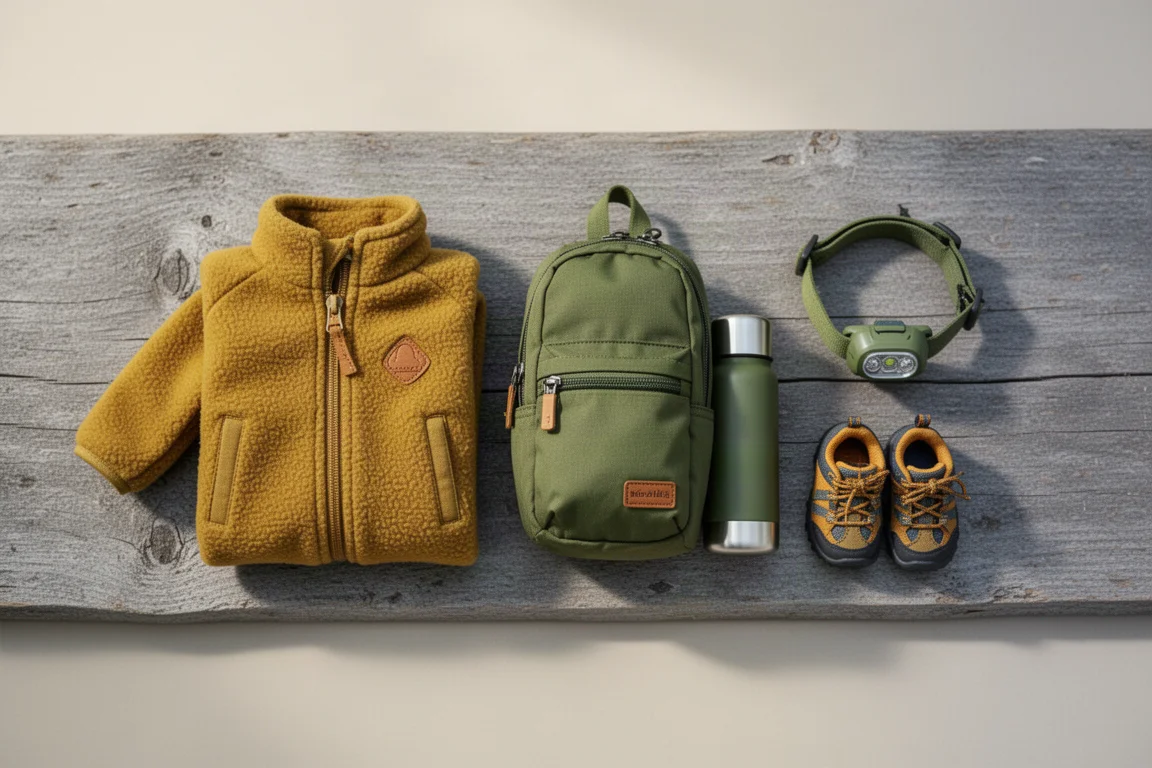
A useful rule of thumb is to buy the pieces that affect comfort and safety at full quality, and to save on the pieces that only affect convenience.
Patagonia Micro D Fleece: A Fleece Kids Actually Wear
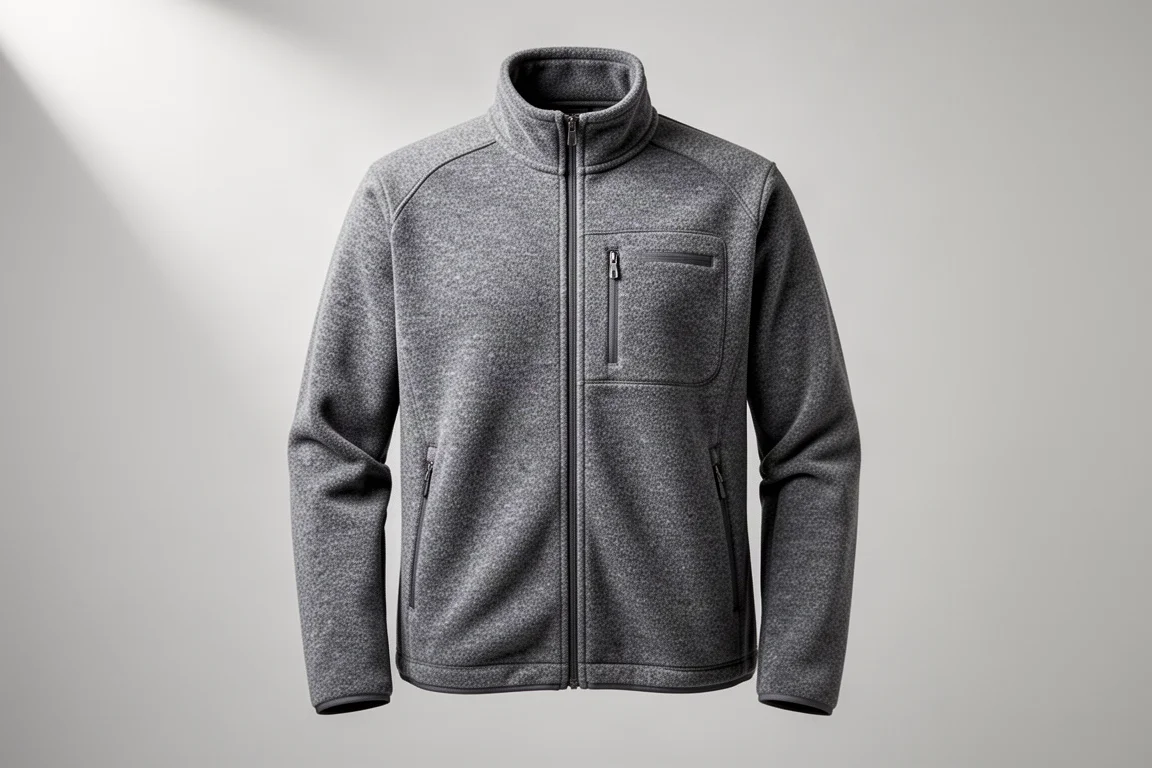
The Micro D fleece from Patagonia is the snap-front style, and it tends to be the jacket kids reach for first. It suits summer conditions when mornings carry a chill, when a storm drops the temperature, or in the evening around camp. The colors are a large part of the appeal for kids, and the fleece is fairly inexpensive, with frequent sale pricing that makes it practical to buy one for each child.
Osprey Daylight: A First Daypack for Short Hikes
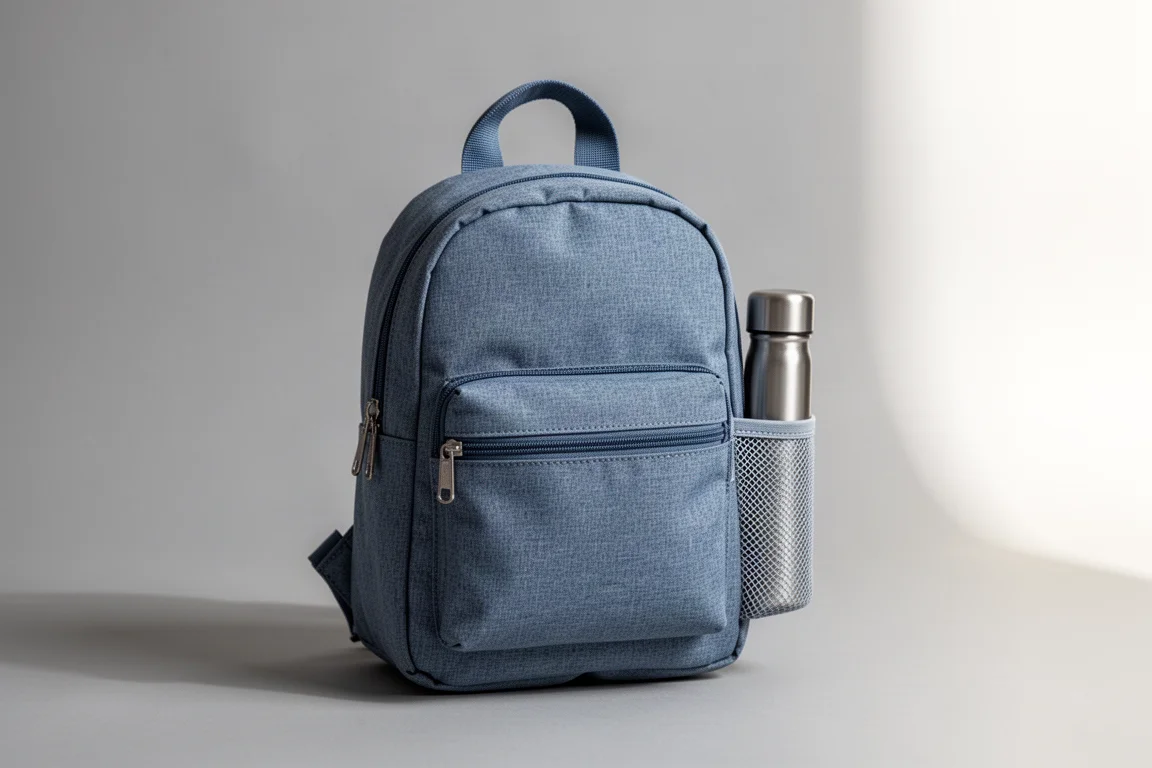
The Daylight is a small daypack sized for children, and it gives a kid a real job on the trail. A water bottle fits in the side pocket, and there is enough room for snacks, a lunch, and a jacket without weighing a child down. It is not a major investment, which matters for a pack that will be outgrown in a couple of seasons.
Osprey Jet 12: A Small Pack for Real Backpacking Trips
The Jet 12 is the step up for overnight trips. It holds a small sleeping pad, a sleeping bag, snacks, and a stuffed animal in the mesh pocket on the outside of the pack. That last detail matters more than it sounds, since comforts from home help kids settle into a night outside. Small hip belt wings add comfort on the trail.
Hydro Flask Kids Water Bottle: Cold Water That Survives the Trail
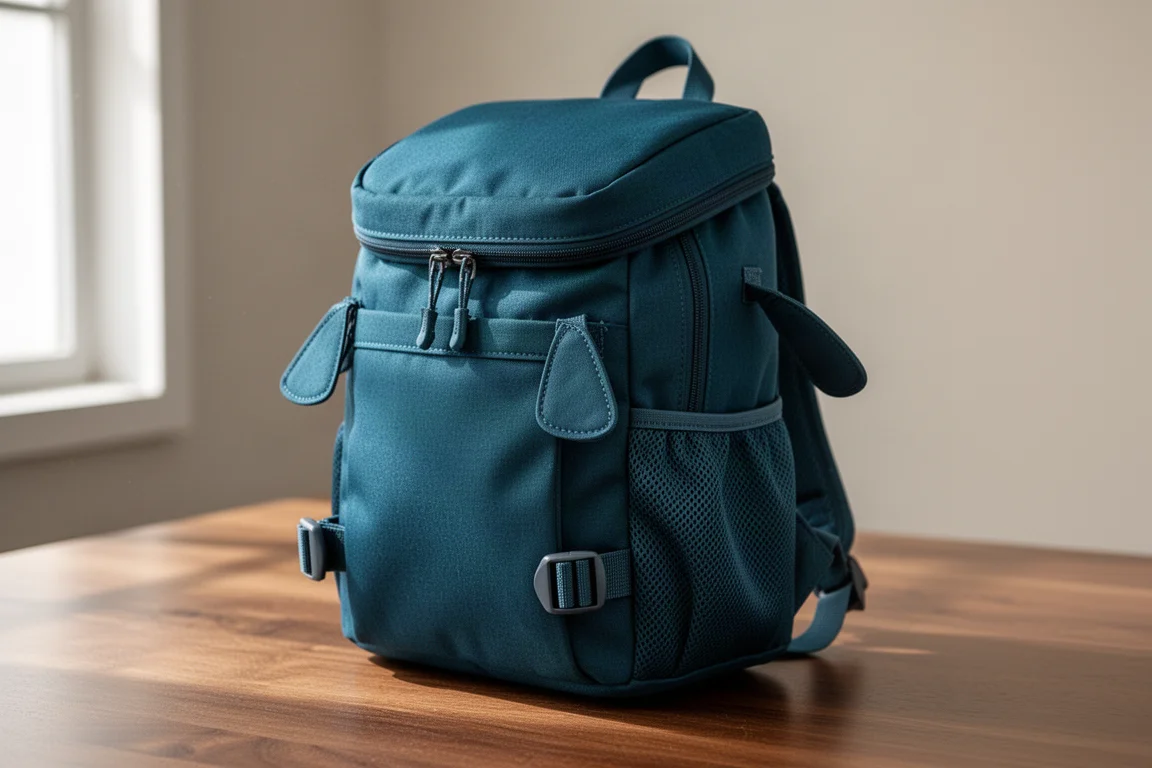
Kid-focused Hydro Flask bottles are heavier than a disposable bottle, but they keep water cold and they hold up to rough treatment. The straw lid is effectively spill proof, which removes a common source of mess inside a pack or a tent, and the bottle is easy to clean. Ours has been in regular use for over a year. Kids can add their own stickers, which helps them take ownership of carrying their own water and staying hydrated.
Black Diamond Wiz Headlamp: Kid-Sized Light Without the Glare
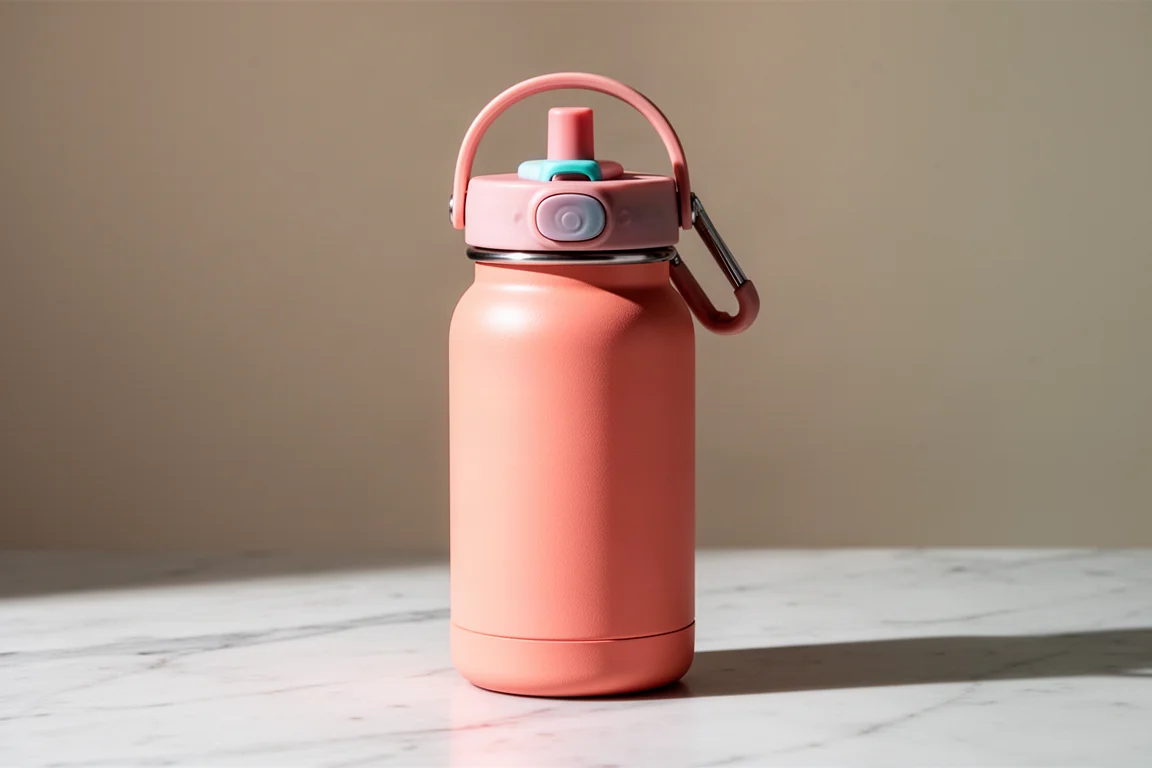
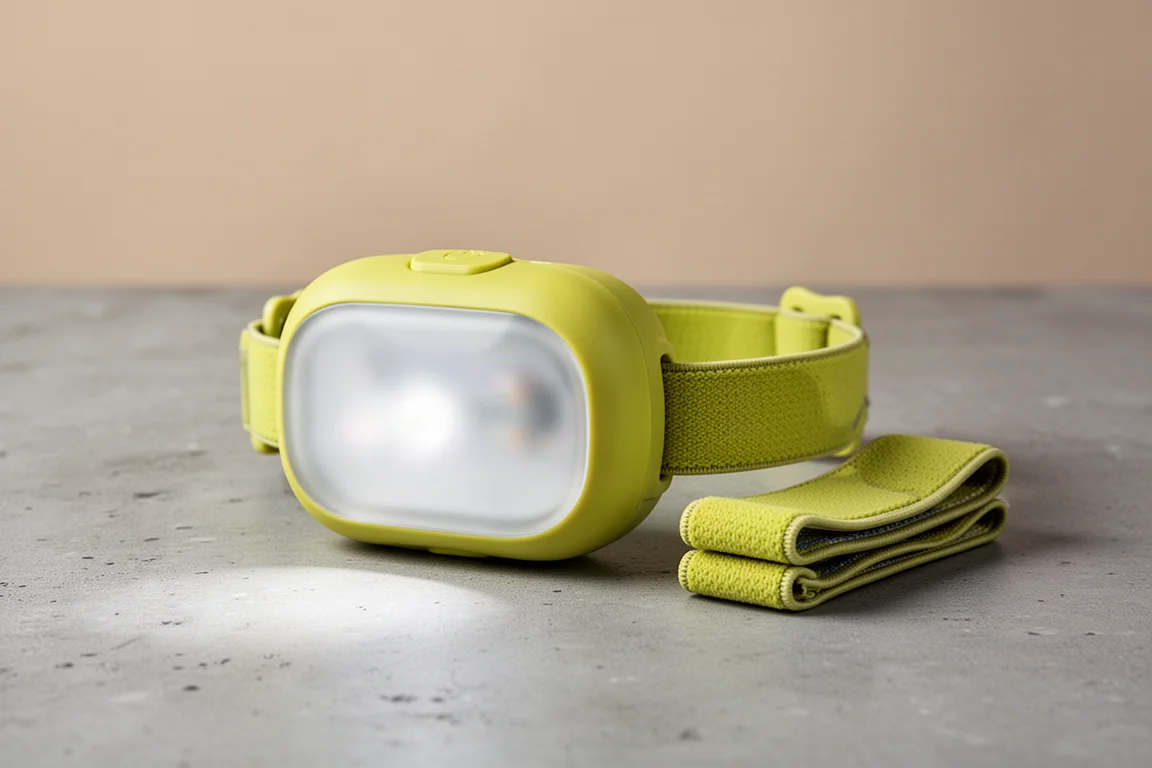
The Wiz headlamp gives a child the same setup a parent has, which is a large part of why it gets used at all. A diffuser spreads light across the entire front of the lamp, so it is difficult for anyone to get blinded by the beam. That makes it a friendly light for walking around camp and for reading inside a tent.
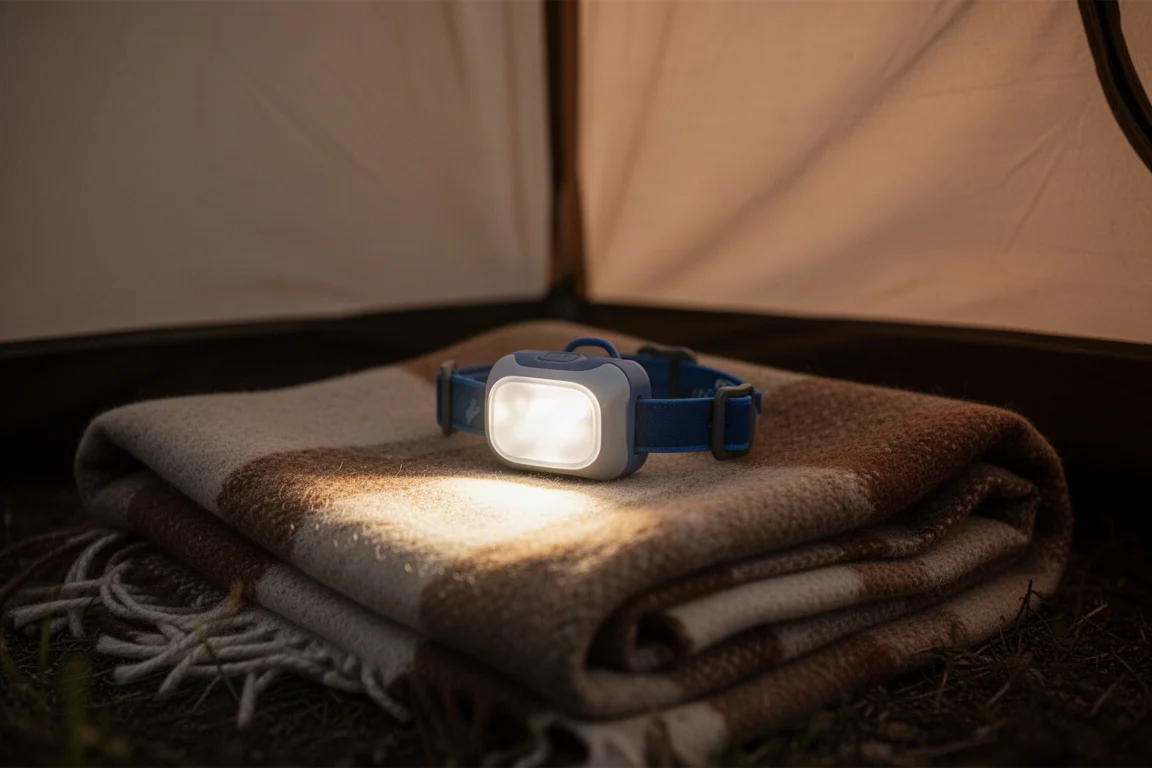
For younger kids, the appeal is less about output and more about being equipped like the rest of the family.
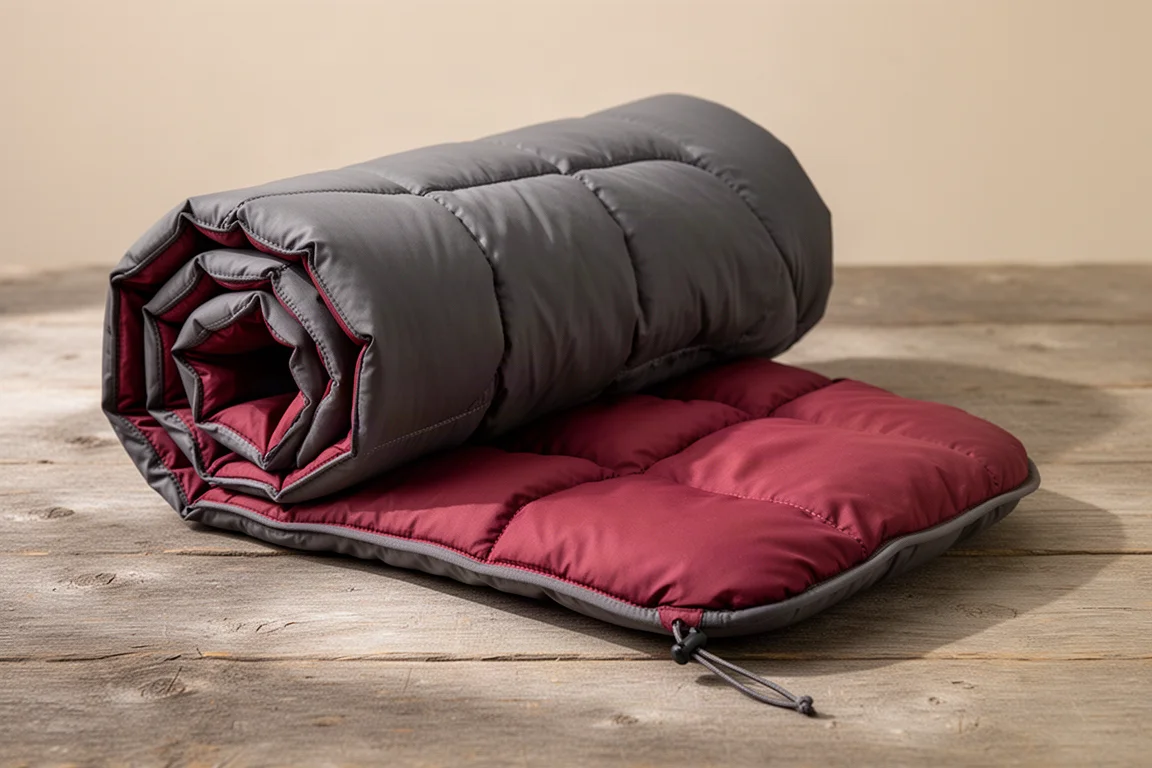
UGQ Youth Quilt: Down Warmth in a Small Package
Most sleeping bags built for children are synthetic filled, which makes them bulkier and heavier than they need to be. The UGQ youth quilt takes the down route instead, keeping packed size small and weight low while still providing warmth. Youth down options are still uncommon, so availability varies.
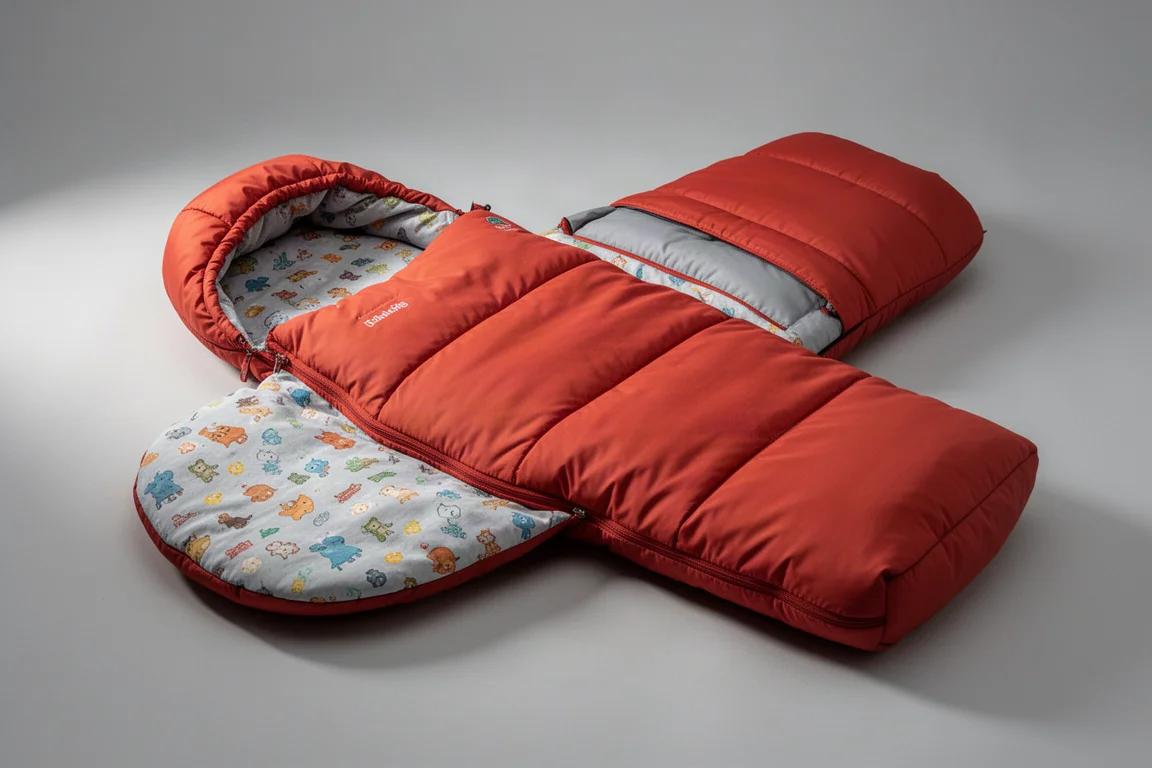
Big Agnes Little Red: A 15-Degree Bag With a Pad Sleeve
The Little Red is a synthetic-filled 15-degree bag built specifically for children. It is bulkier and heavier than a down quilt, but it earns its place with an integrated pad sleeve that keeps a child on top of their sleeping pad through the night, which is genuinely useful for kids who flop around in their sleep. Length tops out at roughly 48 inches, it packs down reasonably small, and the designs appeal to kids. It has held up through close to three seasons of family use and keeps kids warm and comfortable.
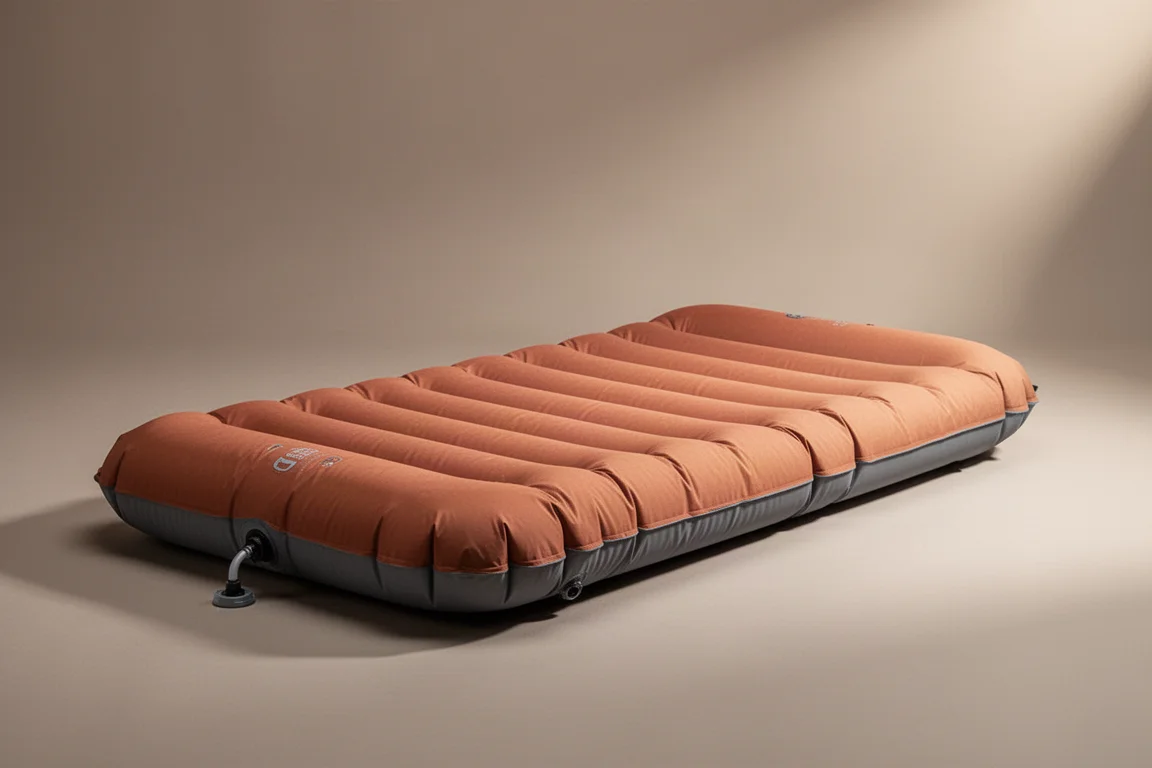
Big Agnes Air Core Ultra: A Short Pad Sized for Small Kids
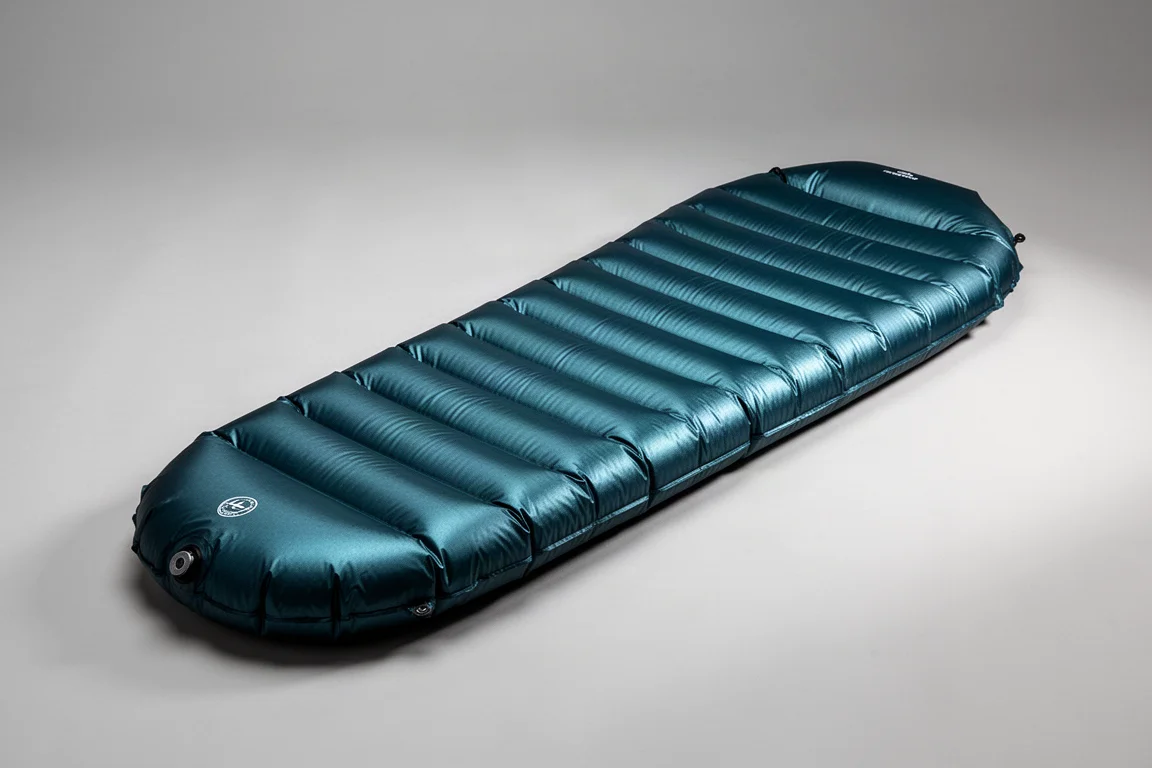
Kids deserve a comfortable pad rather than a closed-cell foam mat thrown on the ground. The Air Core Ultra is one of two short pad options here, measuring 48 inches long and 20 inches wide. That fits the pad sleeve on a kids’ bag and matches the length of a youth quilt, so a child is not sleeping on a pad that extends well past them. If a child is taller than four feet, a longer pad makes more sense.
NEMO Tensor Insulated Short Mummy: Insulated Comfort for Cold Nights
The Tensor Insulated Short Mummy from NEMO is the insulated option in this pair, sharing the same 48 by 20 inch dimensions and fitting the same pad sleeve.
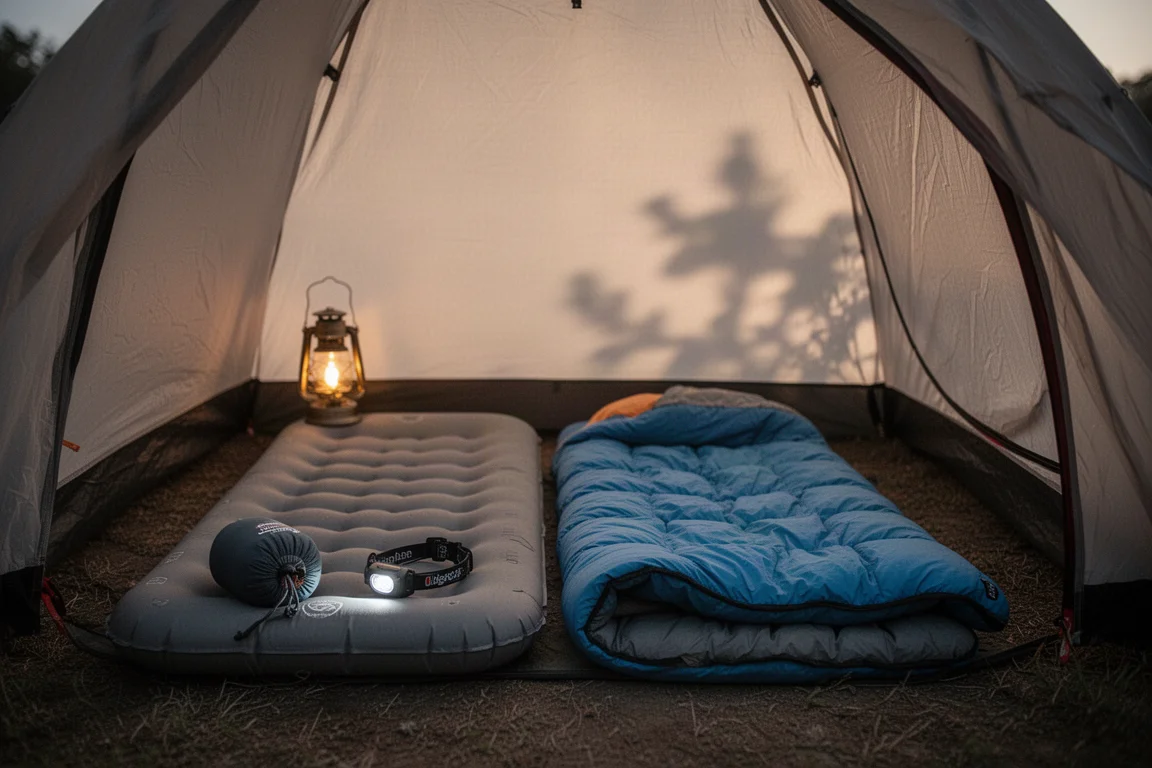
On cold-weather trips, the extra insulation is the difference between a child sleeping through the night and a child waking up cold and miserable at two in the morning. For families who camp outside the warmest months, it is worth the step up.
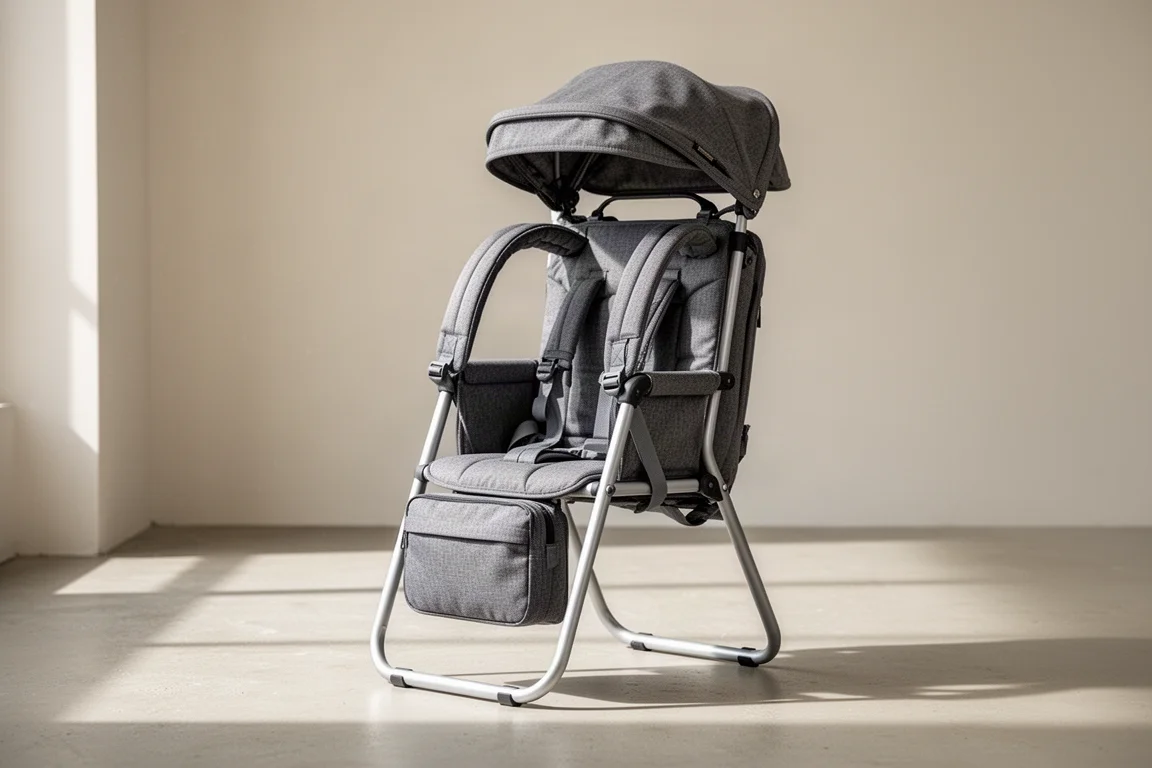
Deuter Kid Comfort: A Carrier for Kids Who Are Not Walking Yet
For families with children too young to walk, a kid carrier opens up trails that would otherwise be out of reach. The Kid Comfort has storage underneath the seat and a canopy that can be pulled over the top, with the amount of storage varying by model. It is a bit of an investment, but it has covered a lot of miles on family backpacking trips and it is the reason those trips happened at all.
Overall Buying Advice
Start with the pieces that affect comfort and safety: a warm layer, a pack a child can carry, a bottle that keeps water cold, and a sleep system that keeps them warm through the night. A down quilt and a short insulated pad cost more than a synthetic bag and a foam mat, but they pack smaller, weigh less, and are easier for a child to manage on their own.
If budget is the deciding factor, the fleece, the daypack, the bottle, and the headlamp deliver the most comfort per dollar, and all of them are commonly discounted. Buying a size up on outerwear rarely works well for kids, since a jacket that is too large is uncomfortable and tends to get left at home. Shopping off-season for previous-year models is the more reliable way to save.
Conclusion
The point of all of this gear is not the gear itself. It is that a child who is warm, comfortable, and carrying something of their own is far more likely to enjoy the trip, and a child who enjoys the trip is far more likely to want to go again.
Start with the pieces that matter most for comfort, buy them on sale when you can, and let the rest follow as your kids grow into longer days and bigger trips.
Further reading
Related Reviews
Outdoor Gear
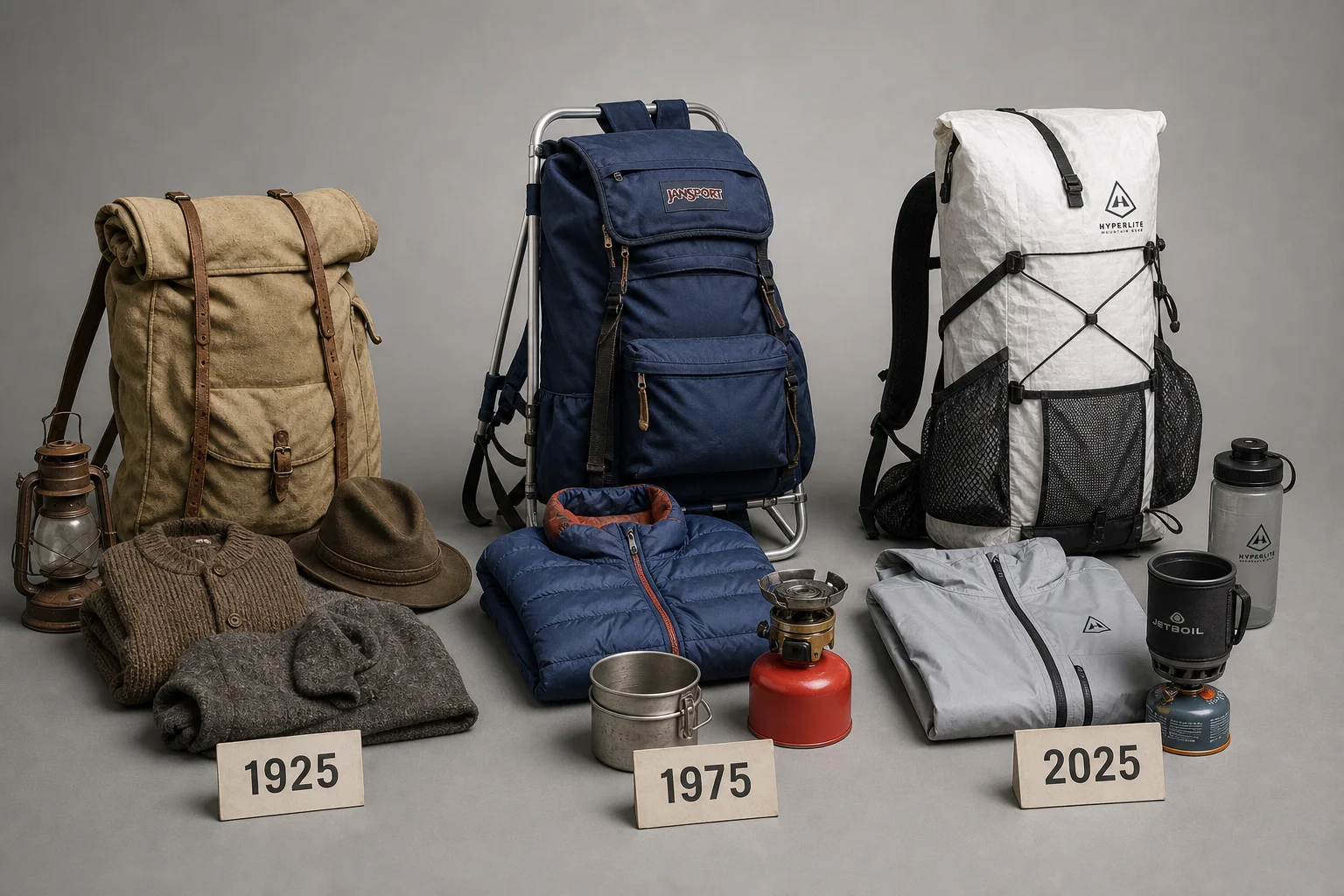
Backpacking Gear Evolution: 100 Years of Technology Compared
We tested backpacking gear from 1925, 1975, and 2025 across a three-day hike in Yosemite. Here's how technology has transformed comfort, weight, and the outdoor experience.
Outdoor Gear
Best Affordable Hiking Watches: Five Rugged Options for Outdoor Adventures
Five durable hiking watches that balance ruggedness, functionality, and value for outdoor enthusiasts who need reliable GPS tracking and weather resistance.
Outdoor Gear
Best Backpack Coolers 2026: Five Practical Options for Outdoor Adventures
Five backpack coolers with distinct cooling capabilities, storage features, and design trade-offs to help you choose the right one for your outdoor needs.