Automotive Tools
Best Jump Starters Tested: 12 Options Put Through Real-World Cranking Tests
Twelve jump starters, two jumper cable sets, and one super capacitor face big block V8s, diesel engines, freezing temperatures, and bench tests to find out which ones are actually worth buying.
Introduction
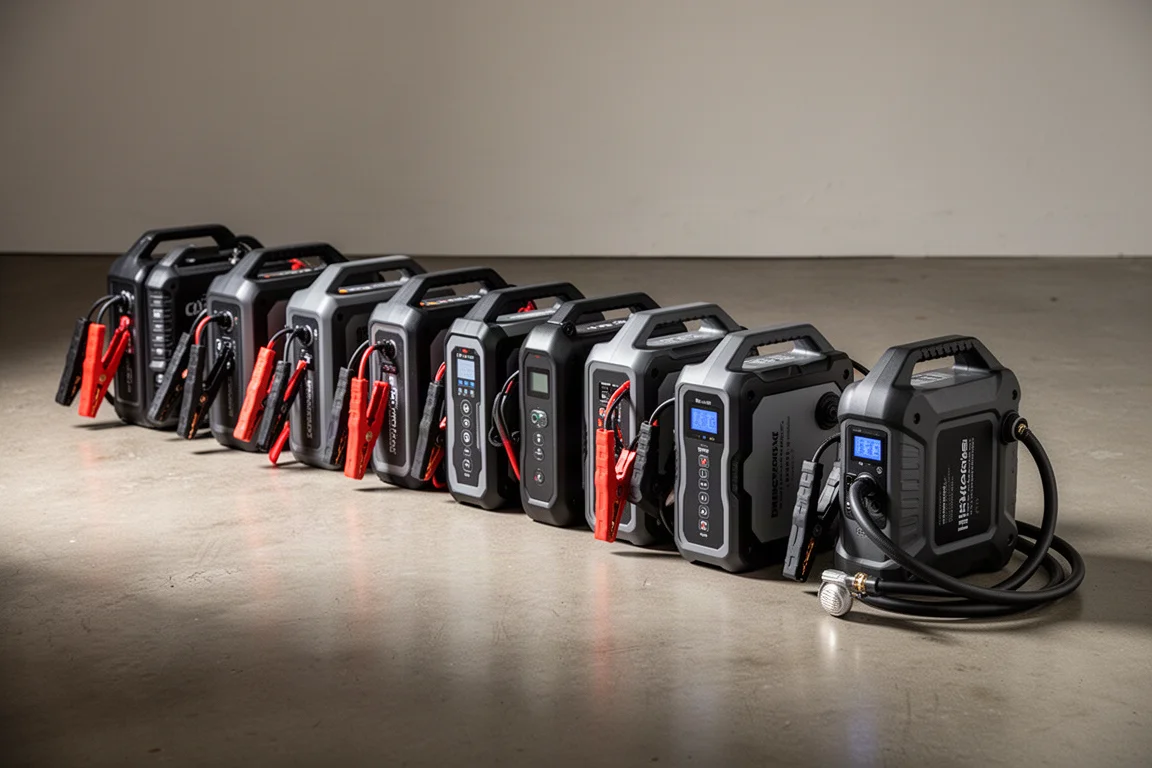
A jump starter is one of those tools you hope you never need, until the day it saves you from a parking lot with a dead battery. The question most buyers face is simple: grab a cheap budget model, spend a little more for a feature-packed unit, or go all the way to a premium brand or even a super capacitor?
This comparison puts twelve jump starters through the same gauntlet: a V6 pickup with a completely dead battery, a massive 7.4L gasoline big block, a diesel pickup running two batteries, a deep-freeze cold test, real tire inflation runs, and a proper bench test with a carbon pile tester. Some results were surprising. Several budget units badly overstated their specs, while a few underdogs beat far more expensive rivals.
How the Testing Worked
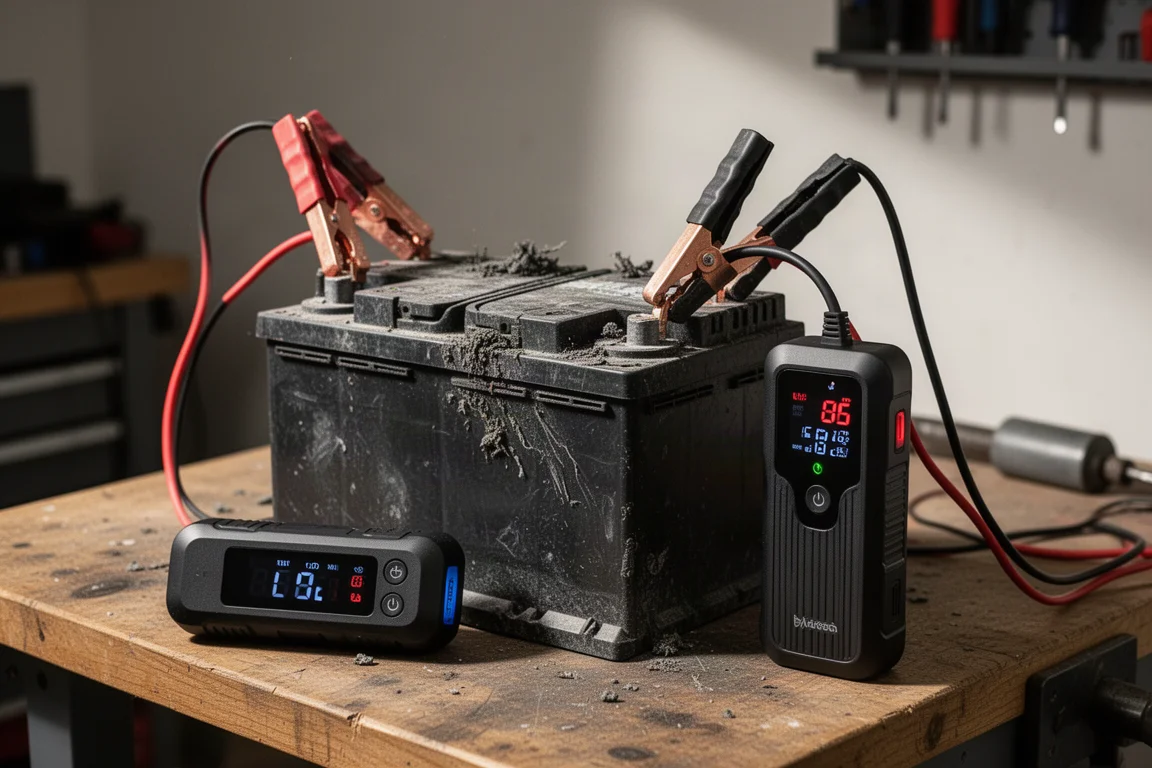
Every unit faced the same sequence. First, a jump start test on an old Ford Ranger with a V6 and a battery drained to zero volts. Next, a 7.4L gasoline big block, followed by a diesel pickup that normally runs on two full-size batteries with one badly drained. Then came a cold-weather test after the units spent 15 hours in a freezer at around 4°F.
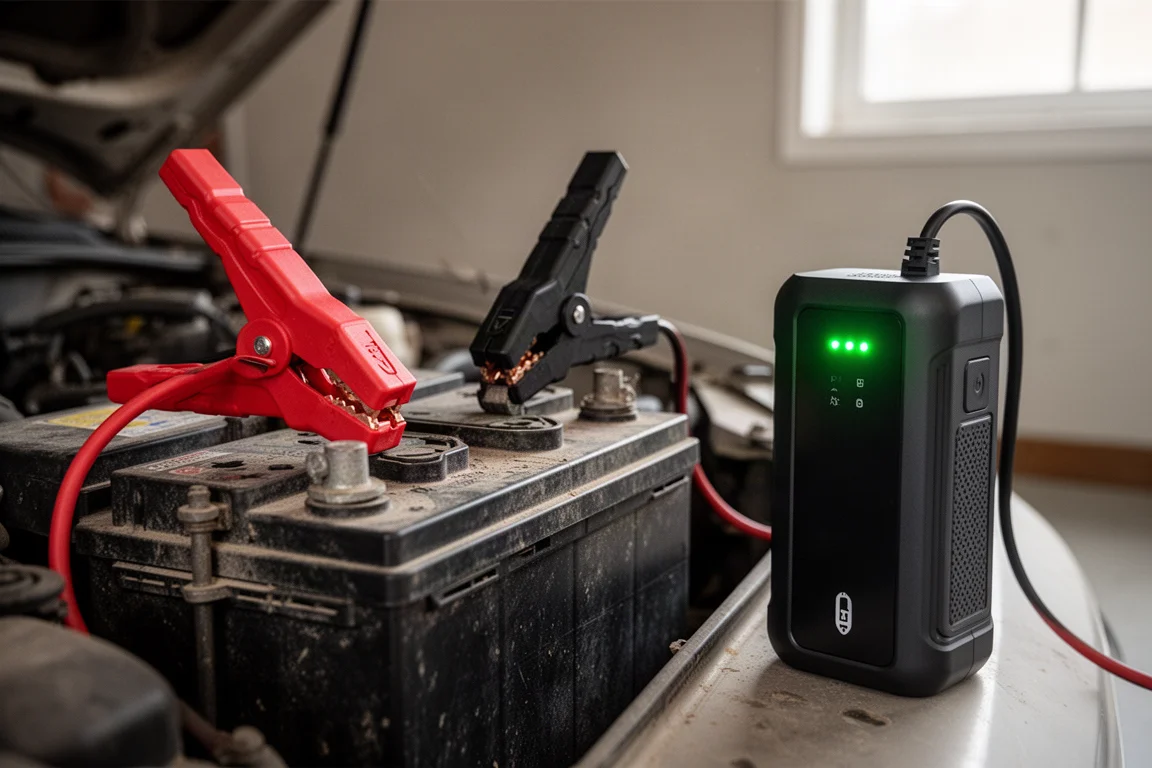
Finally, each unit went on a carbon pile bench tester with digital meters to measure real cranking output in amps and watts, and each battery pack was discharged to measure actual capacity against the advertised rating. One thing worth knowing up front: peak amp claims from manufacturers are calculated in a very generous way that helps sell products, so the measured bench numbers below are far more realistic.
The Contenders
Vimma Jump Starter
The Vimma sells for $59 before coupons and claims a very impressive 4,500 peak amps along with a 22,000mAh power bank capacity. It advertises an operating range of -4°F to 140°F, two USB-A outputs plus USB-C, a battery life indicator, and an LED light. It spun the V6 over fast enough to start the truck, but that is roughly where the good news ends. On the bench it managed 359 amps at 7.4 volts, nowhere near the claimed figure, and the capacity test delivered only 26.9Wh against the claimed 81Wh, about a third of the promise. It struggled with the big block, could not handle the diesel, and failed the cold test entirely.
Alphabot Jump Starter
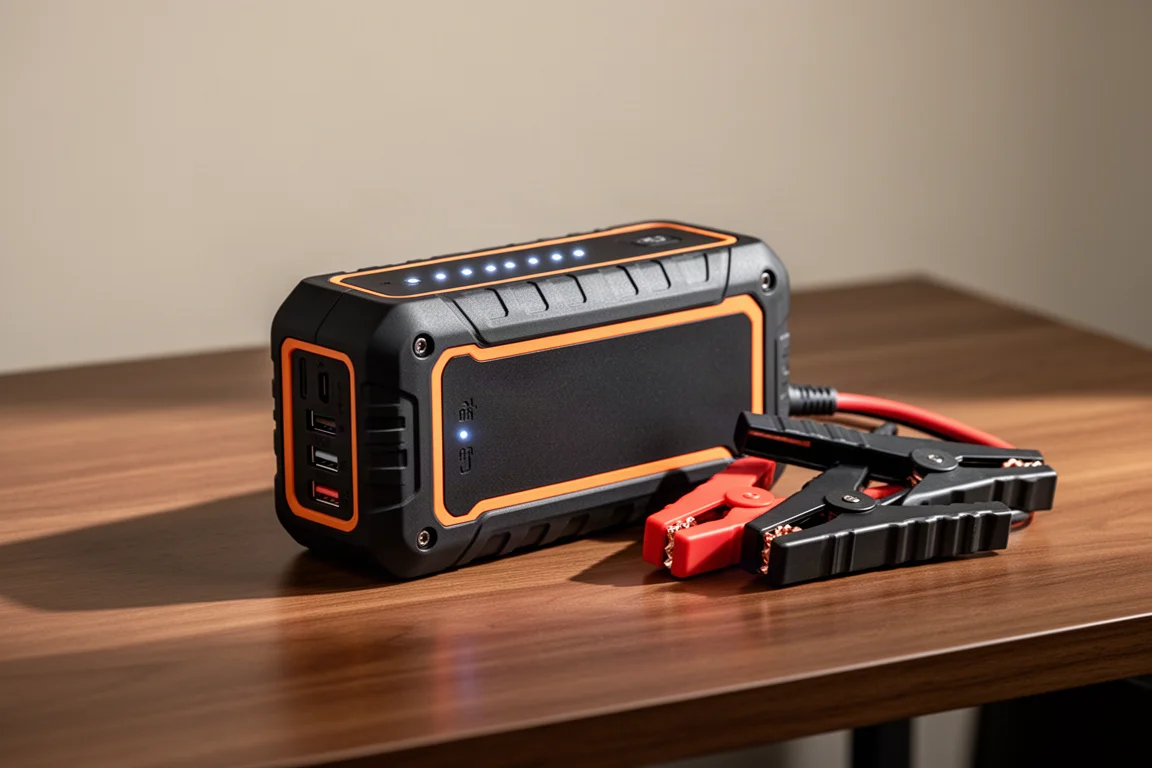
At $100, the Alphabot claims 4,000 cranking amps, a built-in tire inflator, and a 26,800mAh battery, with USB, 12V, and USB-C ports, though no carrying case. Its inflator finished a tire in close to 6 minutes with an accurate gauge, and it moved a healthy 541 amps at 6.6 volts on the bench. The main concern is durability: the unit proved fragile and did not survive intact through the testing process, which is a serious knock for a tool meant to live in a trunk. Its battery capacity also fell short at 47.7Wh versus the advertised 99Wh.
Burpin Jump Starter
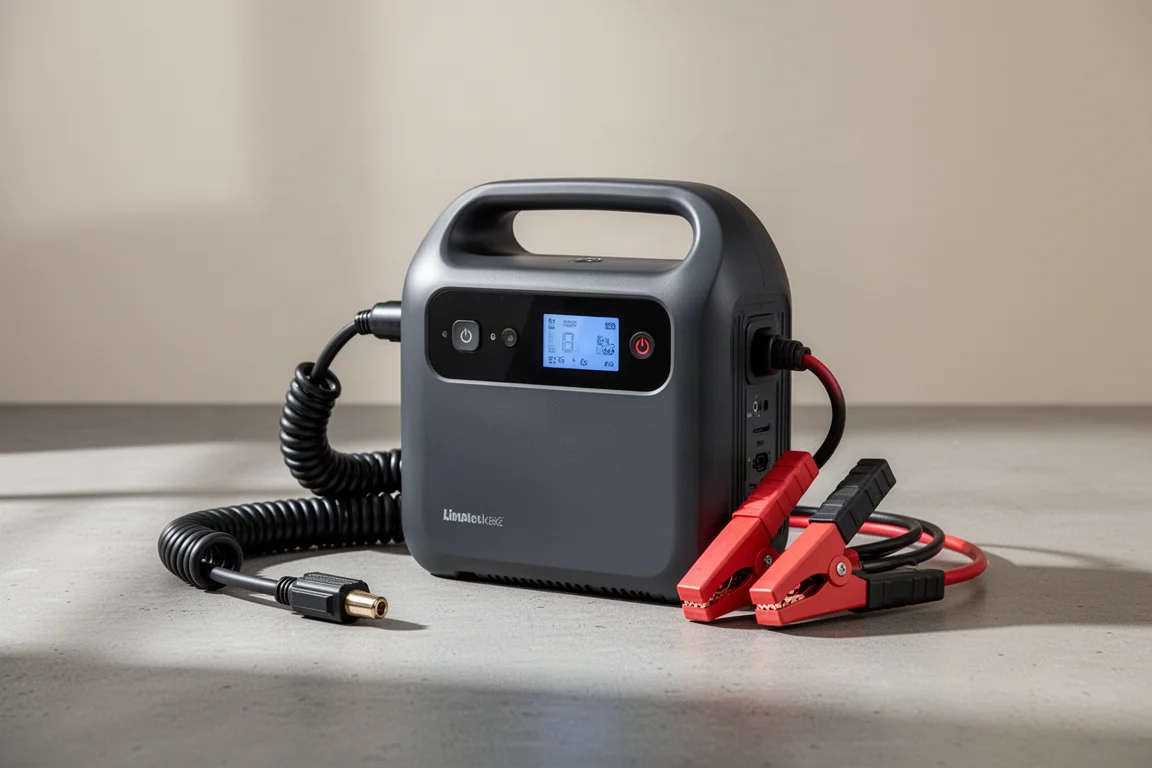
The Burpin costs the same $100 and includes a genuinely nice carrying case, combining a jump starter, air compressor, power bank, and LED light with two USB-A ports, USB-C, and 12V. It claims 4,000 amps and 24,000mAh. It made easy work of both the V6 and the 454 big block, started the diesel without drama, and bench tested at a strong 661 amps at 6.5 volts, almost 4,300 watts. The catch is capacity: it delivered only 44.4Wh, about half of the advertised figure, and the cold test set it back noticeably, though it still managed to spin the engine.
Gulu GP4000
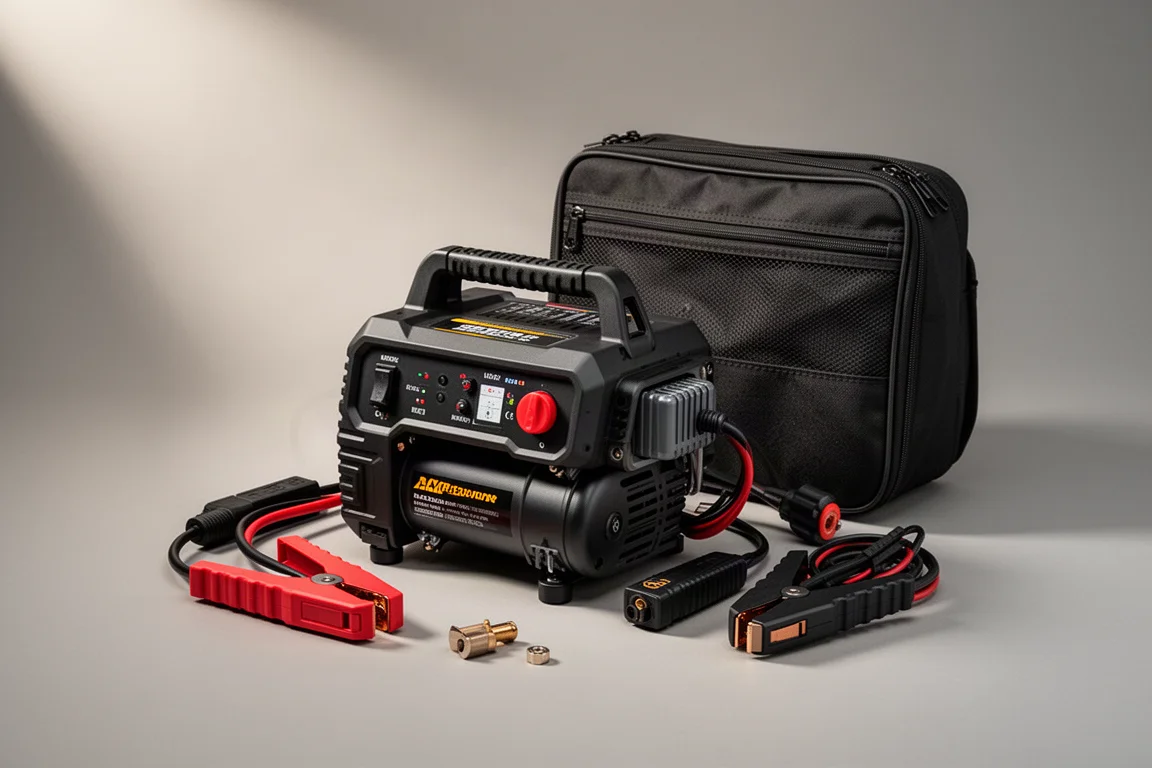
The Gulu GP4000 is a $100 pure jump starter with no tire inflator, just dual USB charging ports and a USB-C port. It is not messing around. It spun the V6 faster than anything else in its class, handled the big block with authority, started the diesel with ease, and turned in by far the best mainstream performance in the cold test. On the bench it produced 537 amps at 9.2 volts, almost 5,000 watts, which is excellent for a $100 unit. Its battery pack stored just over 68Wh, the best result in that test at the time and one of the few units to reach over 70 percent of its advertised capacity. If value is the priority, this is a standout.
Booter Jump Starter
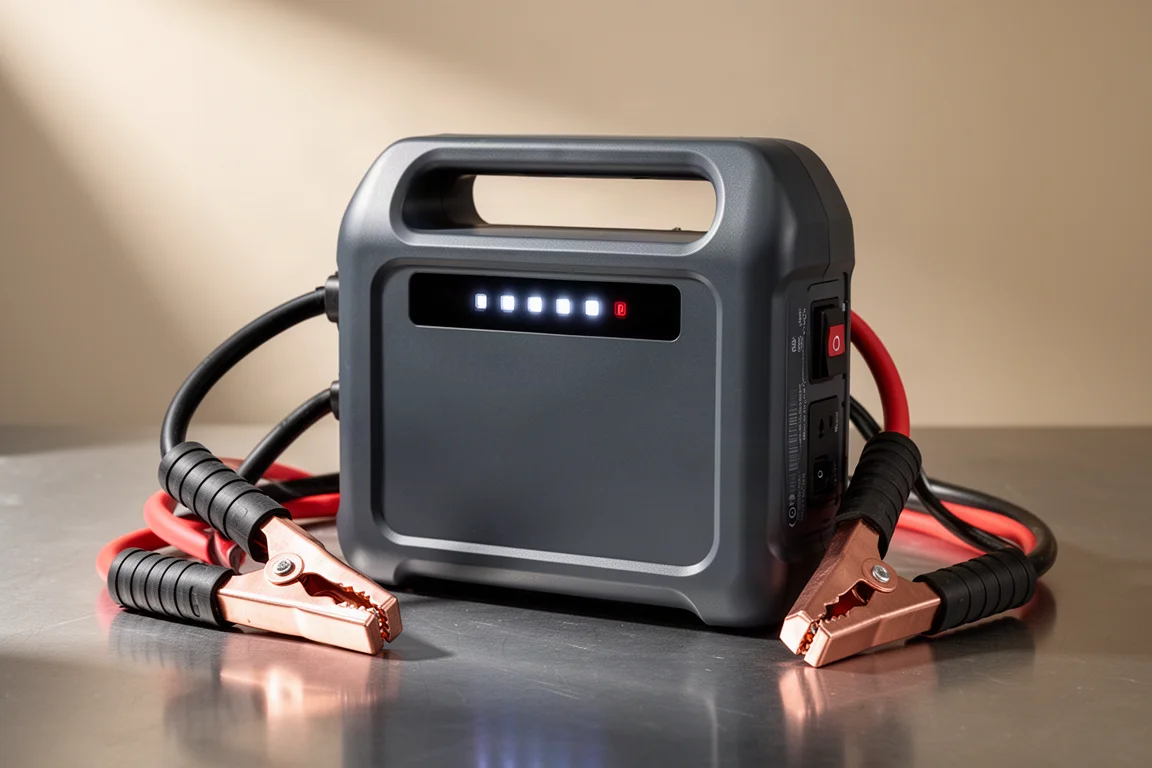
The Booter also lists at $100, includes a nice carrying case and a flashlight, and claims 3,500 cranking amps with USB-C, two USB-A ports, and a 12V adapter. It started the V6, though not as briskly as the Gulu, and handled the big block adequately. The bench test produced 588 amps at 6.5 volts, about 3,822 watts, and the inflator finished a tire in about 5 minutes 40 seconds at a relatively quiet 87.1dB. However, the battery capacity test was disappointing at only 41.6Wh against 99Wh advertised, and it clearly dislikes the cold, barely turning the engine over after the freezer test.
Povy Jump Starter
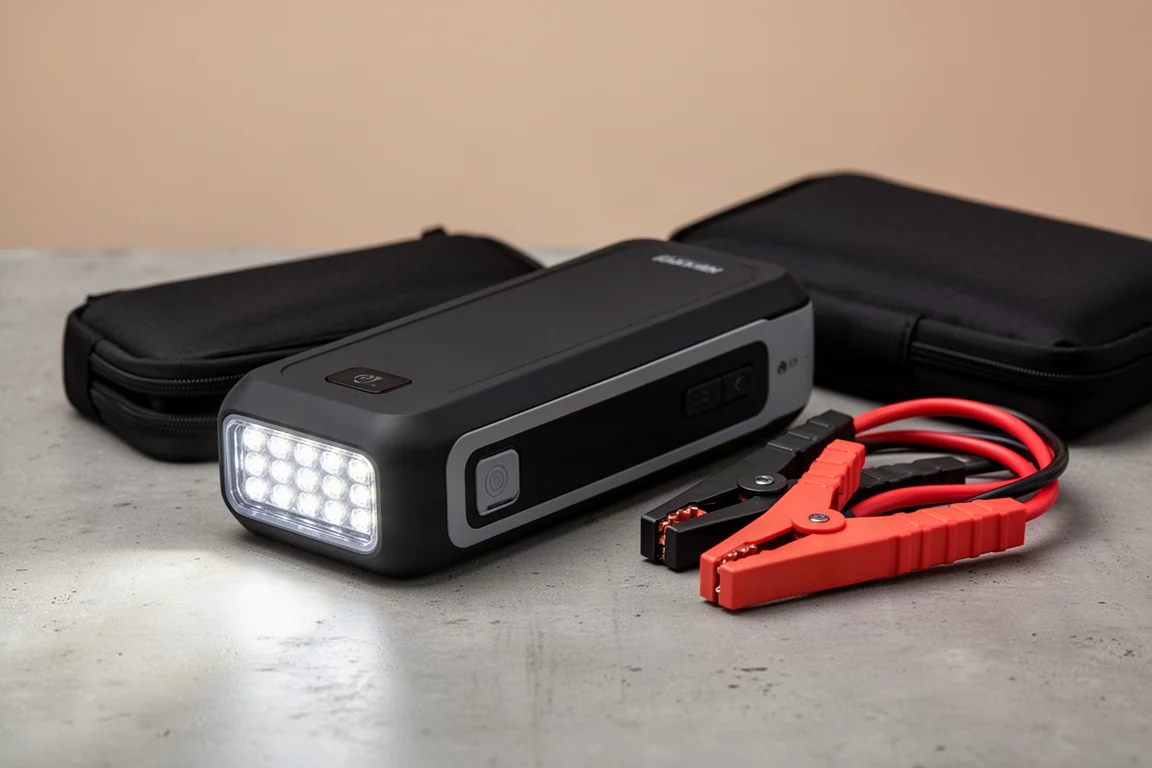
The Povy combines a jump starter and tire inflator, claims 3,500 amps, and advertises inflating a tire from 0 to 36 PSI in 7 minutes. Pricing sits around $87 with a coupon, higher without one. It has a neatly stowed inflator hose, 12V, two USB-A, and USB-C ports. Its inflator is quieter than most at 86.3dB with a very accurate gauge, though slightly slower at around 6 minutes 15 seconds. The critical weakness showed up on the vehicle tests: it will not activate on a completely dead battery, and once connected to a low battery it simply gave up, skipping it from the big block run and failing the diesel and cold tests. The bench result of 513 amps at 8 volts was respectable, but the real-world behavior is a dealbreaker for a tool meant to rescue a dead battery.
Homow Jump Starter
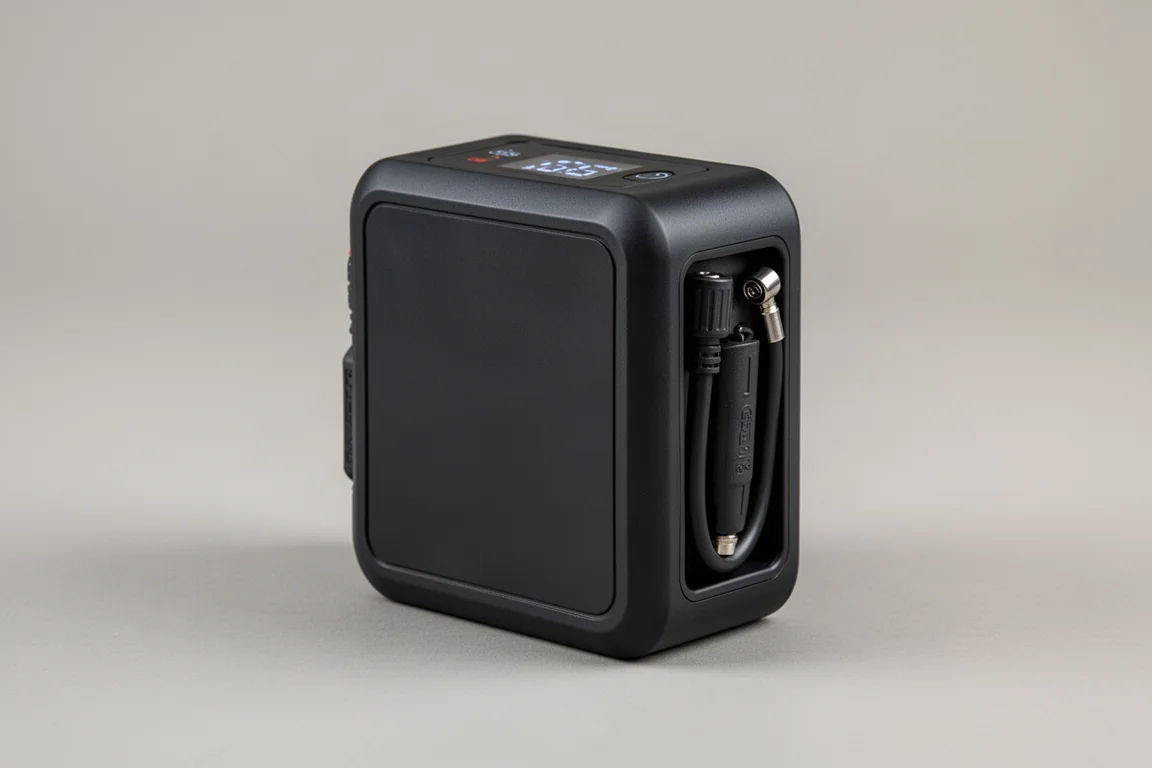
The Homow lists at $130 and is frequently discounted further with coupons. It is a jump starter and power bank without a tire inflator, claiming a very ambitious 6,000 amps and the ability to start all gasoline engines and up to 12L diesels, with USB, two USB-C, and a 12V port. It largely backs the talk: it made easy work of both the big block and the diesel, performed well in the cold, and bench tested at 736 amps at 7.2 volts, almost 5,300 watts, the third-best result overall. It also posted the best battery capacity of any unit at 78.6Wh, helped by a notably heavy pack. It is a little slower than the Gulu in the cold but still excellent.
Autogen Jump Starter
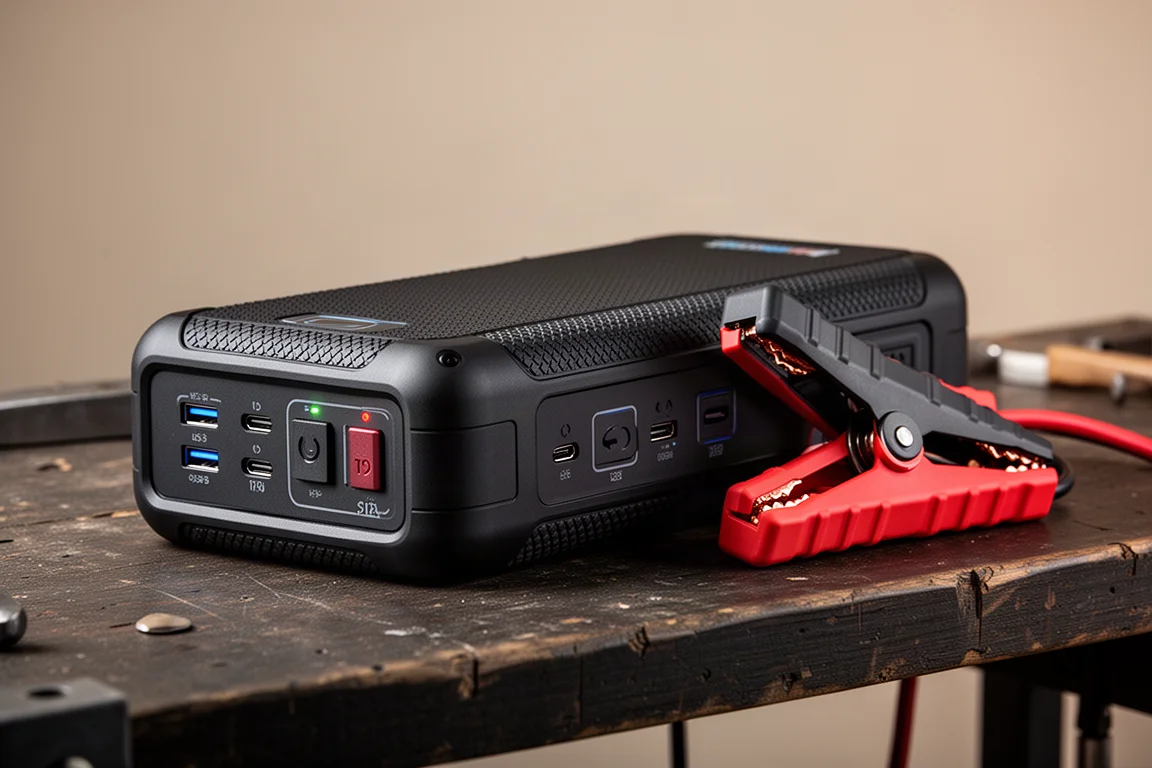
The Autogen is a jump starter and air compressor with a 27,000mAh battery, up to 4,000 peak amps claimed, four input and output ports, and a two-pouch carrying case that separates the unit from its accessories. It started the V6, though less enthusiastically than the Gulu or the Homow, and had just enough for the big block and diesel. The bench test showed 536 amps at 7.3 volts, and the inflator is the quietest in the lineup at 81.4dB but also the slowest at nearly 8 minutes, with a gauge off by about 6 PSI. The bigger problem is battery capacity: it delivered only 19.9Wh, roughly 20 percent of the advertised rating, and it really struggled in the cold test.
Toan Jump Starter
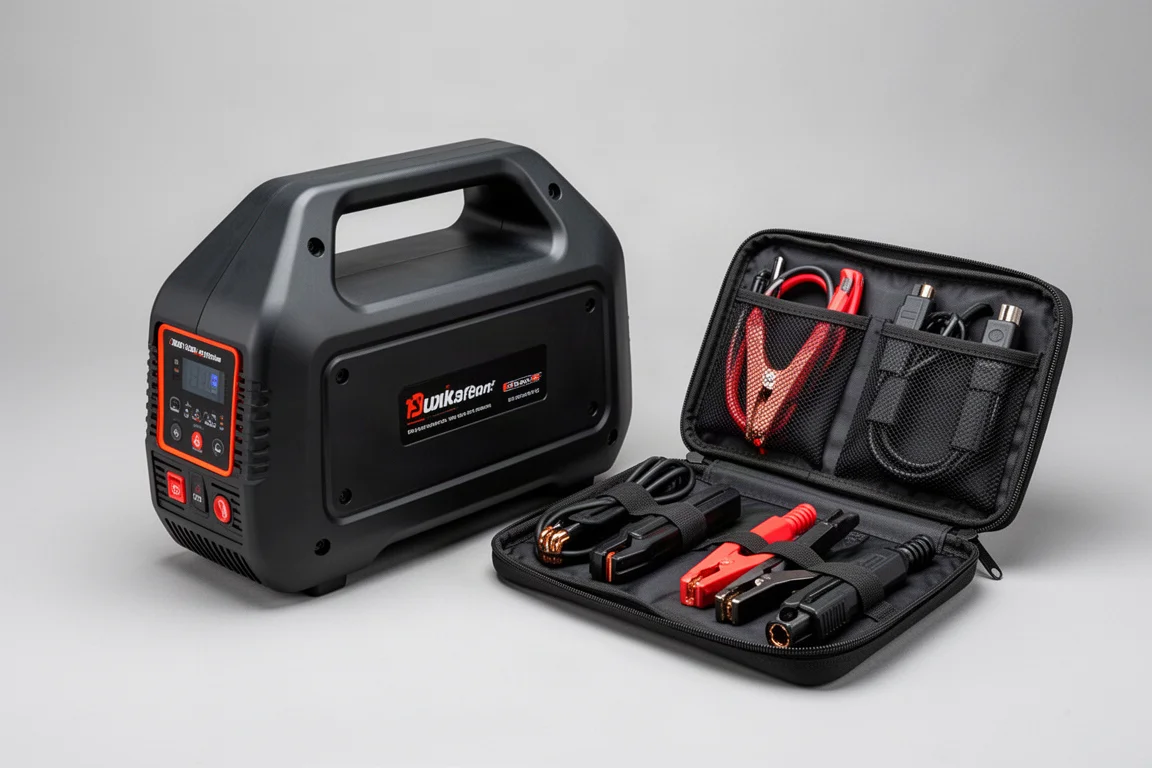
The Toan lists at $130, or around $120 with a coupon, and claims 4,250 cranking amps with an air compressor rated up to 160 PSI, plus USB, USB-C, and 12V ports. It is a heavy unit, which is a good sign of substantial battery cells inside, and it delivered: strong cranking on the V6, easy work of the big block, an effortless diesel start, and a solid cold-test showing. On the bench it reached 570 amps at 8.4 volts, about 4,788 watts, second-best among the lithium units at the time. As an added bonus, its tire inflator was the fastest of the entire group and its gauge stayed within 1 PSI of the reference.
JF iGo Jump Starter
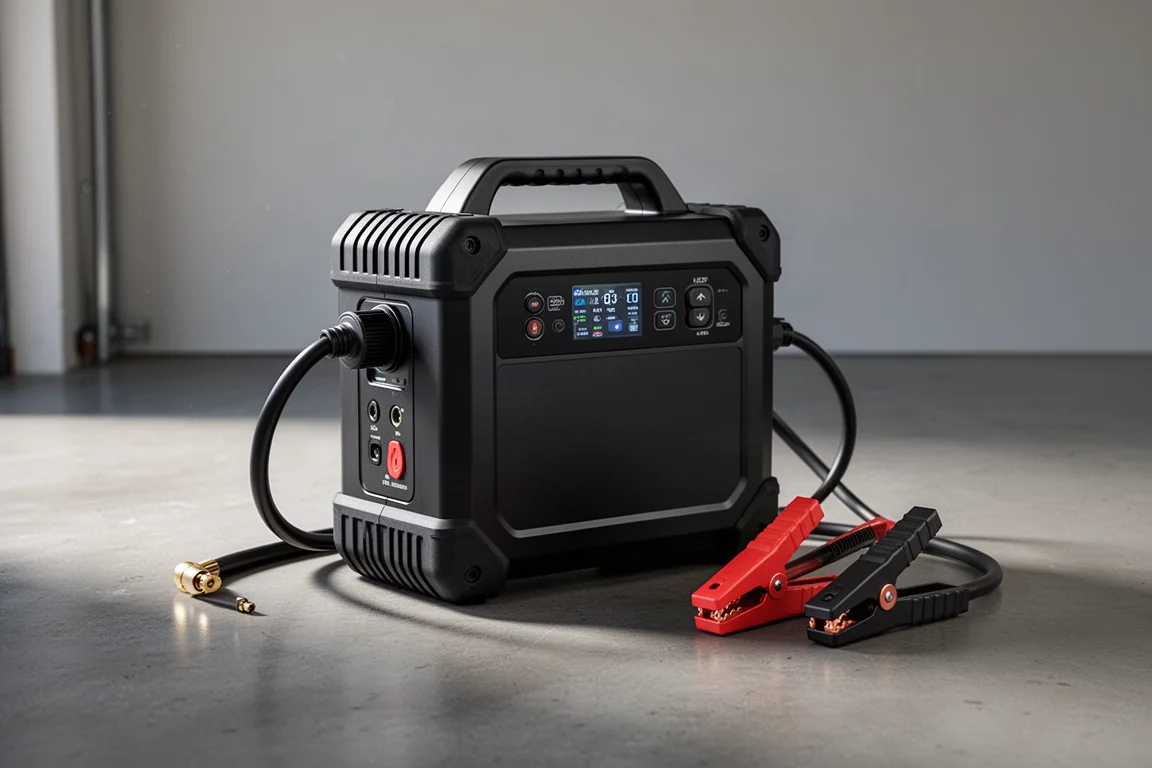
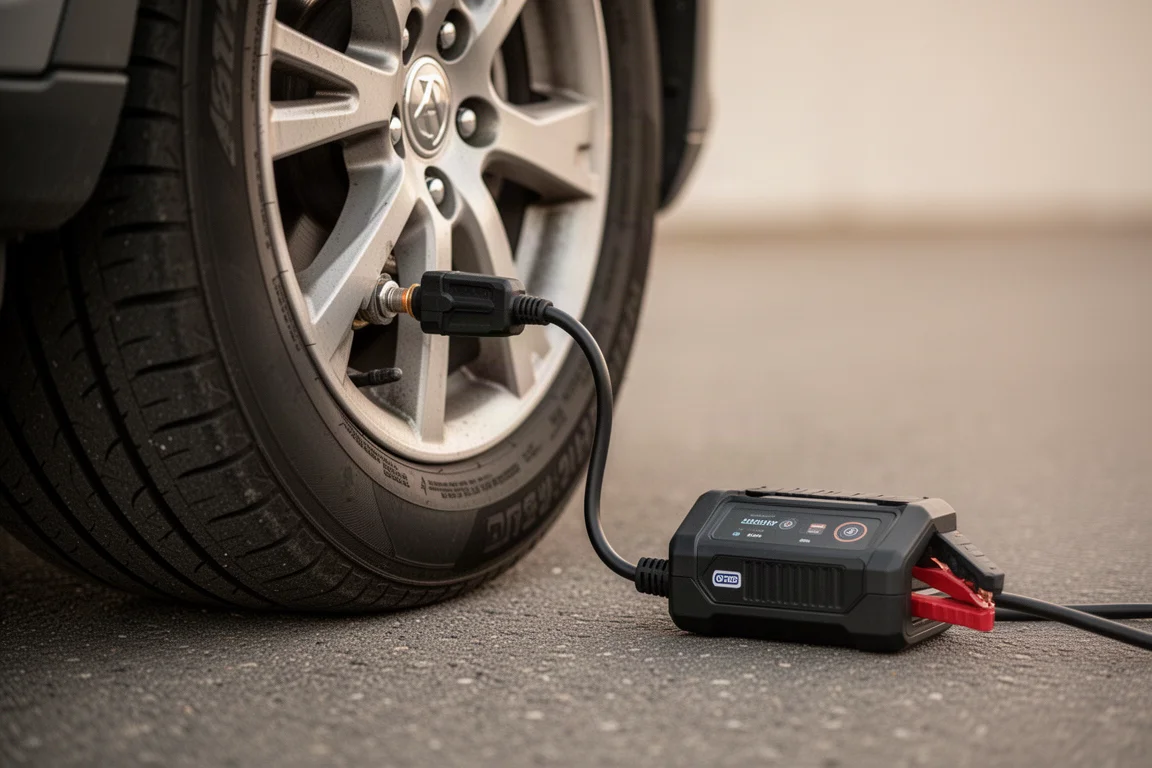
The JF iGo is the premium play among the mid-range units at $279 before discounts, around $236 with a coupon. It claims a very impressive 6,000 cranking amps and includes an air compressor and battery charge indicator, with two USB-A ports but no USB-C. It made more than enough cranking amps for the V6, big block, and diesel, and its diesel performance seemed on par with the Toan. The bench test measured 591 amps at 8.2 volts, almost 4,900 watts, and the inflator reached 30 PSI in just over 5.5 minutes at a fairly loud 92.6dB. Battery capacity landed at 49.3Wh, middling for a unit at this price.
Keen Power Super Capacitor
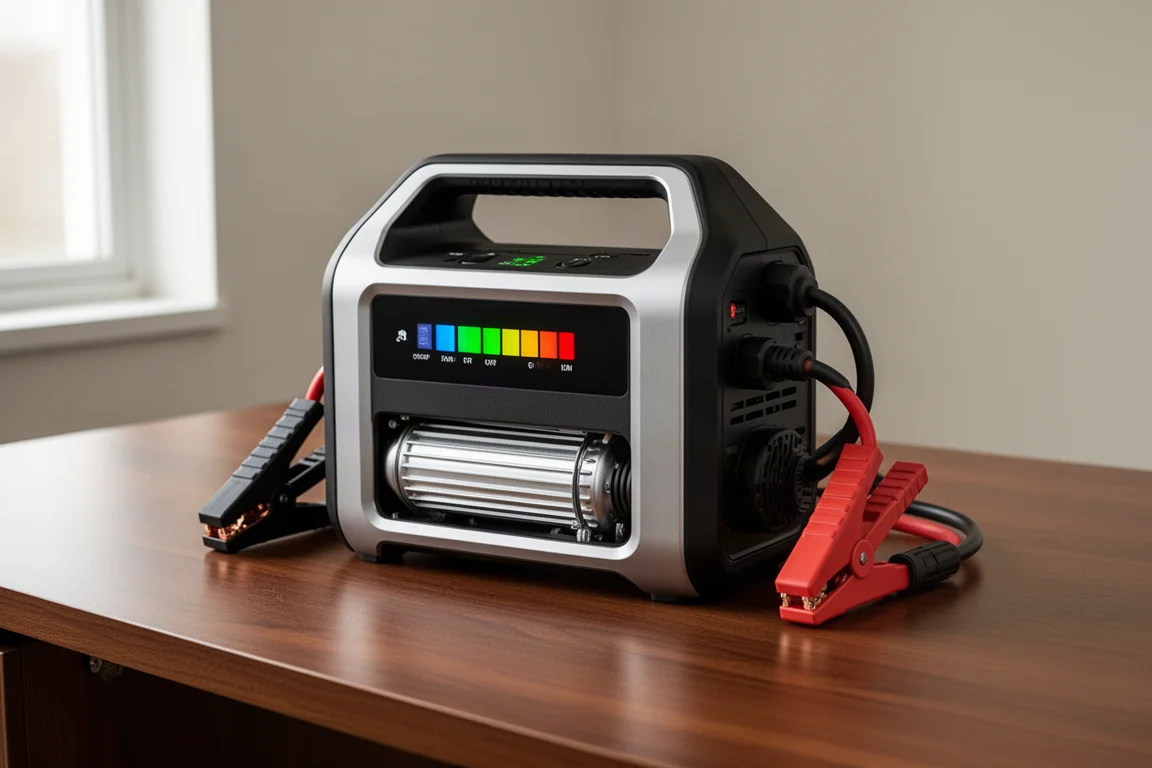
The Keen Power super capacitor normally sells for $300, and a $150 coupon brings it to far more reasonable territory. It claims 6,000 cranking amps and a lifespan of up to a million uses. Its unique trick is that it never needs to be pre-charged at home: connect it to a power source and it charges itself in about a minute and 40 seconds, or roughly 2 minutes from a partially drained battery. That self-charging design paid off in testing. It started the big block easily in all three attempts, was arguably more powerful than any of the lithium units on the diesel, and outperformed every jump starter in the cold temperature test. On the bench it delivered 799 amps at 8.2 volts, over 6,500 watts, second only to the NOCO. The trade-offs are no tire inflator and essentially no power bank capacity, which makes the $300 asking price hard to justify but the $150 price very attractive.
NOCO GBX155
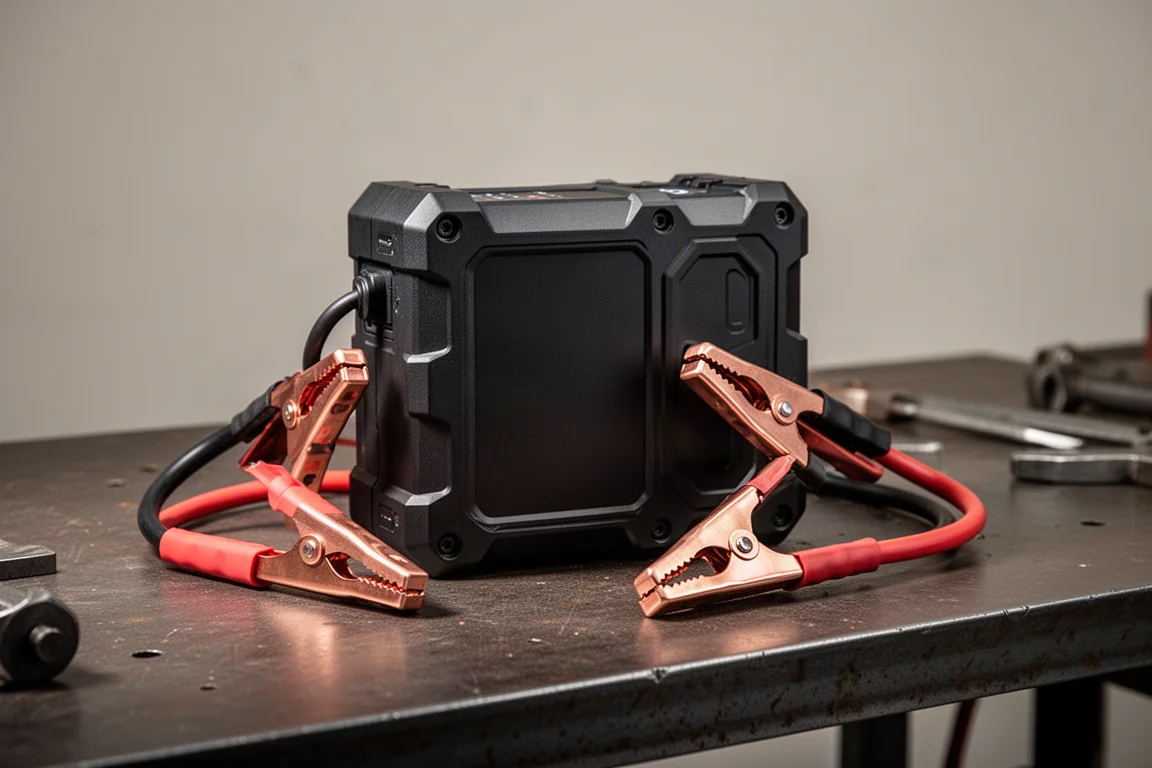
The NOCO GBX155 costs $370 and was the previous champion in this category, so it arrived with a target on its back, still holding a full charge after sitting unused for a full year. It made very easy work of the V6, the big block, and the diesel, and in the cold test it was not even close: plenty of cranking amps and the best vehicle-side cold result of the group. On the bench it took the overall lead at 879 amps at 8 volts, just over 7,000 watts, and its battery pack was among the only units to achieve over 70 percent of its advertised capacity. It is expensive, but it is also the most complete performer here.
What About Jumper Cables?
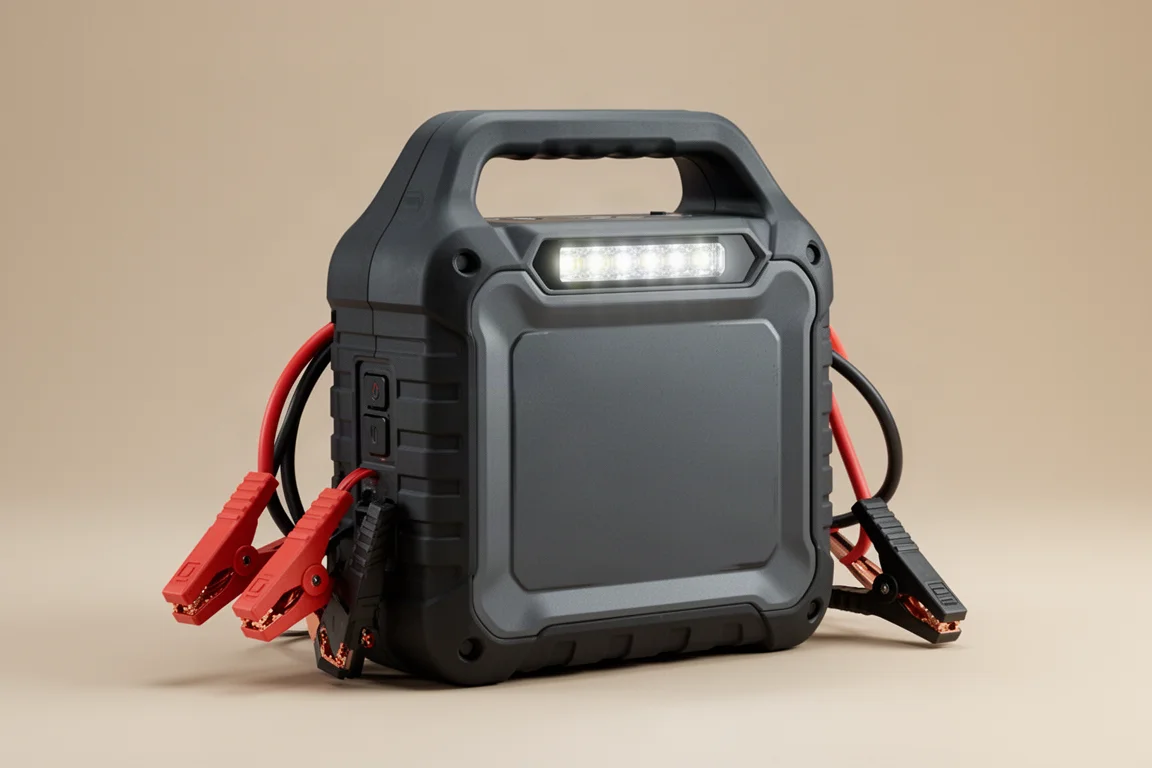
For perspective, a $17 set of light-duty 10-gauge jumper cables, 12 feet long, could not jump start the V6 even from a healthy 950-cranking-amp donor battery. A $40 heavy-duty one-gauge set rated for up to 800 cranking amps did better but still was not fast enough. On the bench, the heavy-duty cables managed only 281 amps at 4.5 volts and the light-duty set just 158 amps at 2.9 volts, far below every jump starter tested. Cables alone are a poor substitute if the donor situation is less than ideal.
Tire Inflator Results
Most units with built-in compressors were timed inflating a 225/75R15 tire to 30 PSI, with a calibrated inline gauge checking accuracy. The Toan was the fastest at 5.1 minutes, with the Burpin, JF iGo, and Booter just behind at around 5.5 minutes. The Alphabot took close to 6 minutes, the Povy about 6 minutes 15 seconds, and the Autogen nearly 8 minutes.
Noise levels varied from a relatively quiet 81.4dB for the Autogen to over 93dB for the Alphabot, Burpin, and Toan. On gauge accuracy, the Povy and Toan were the most trustworthy, while the Autogen’s gauge was off by about 6 PSI, which is enough to mislead you in an emergency.
Battery Capacity Results
Every unit fell short of its advertised capacity, but the gap varied enormously. The Homow led at 78.6Wh, followed by the Toan at 70.9Wh and the Gulu at just over 68Wh. Only these three, plus the NOCO, reached over 70 percent of their advertised rating. The Alphabot, Booter, and Burpin delivered roughly half or less of their claims, the Vimma about a third, and the Autogen a dismal 20 percent. If you want a jump starter that doubles as a genuine power bank, the Homow, NOCO, Toan, and Gulu are the only credible options.
Which Jump Starter Should You Buy
If budget is no object and you want the single best jump starter and battery bank combination, the NOCO GBX155 remains the one to beat, with the strongest bench numbers, the best cold-weather performance, and honest capacity. It is simply expensive.
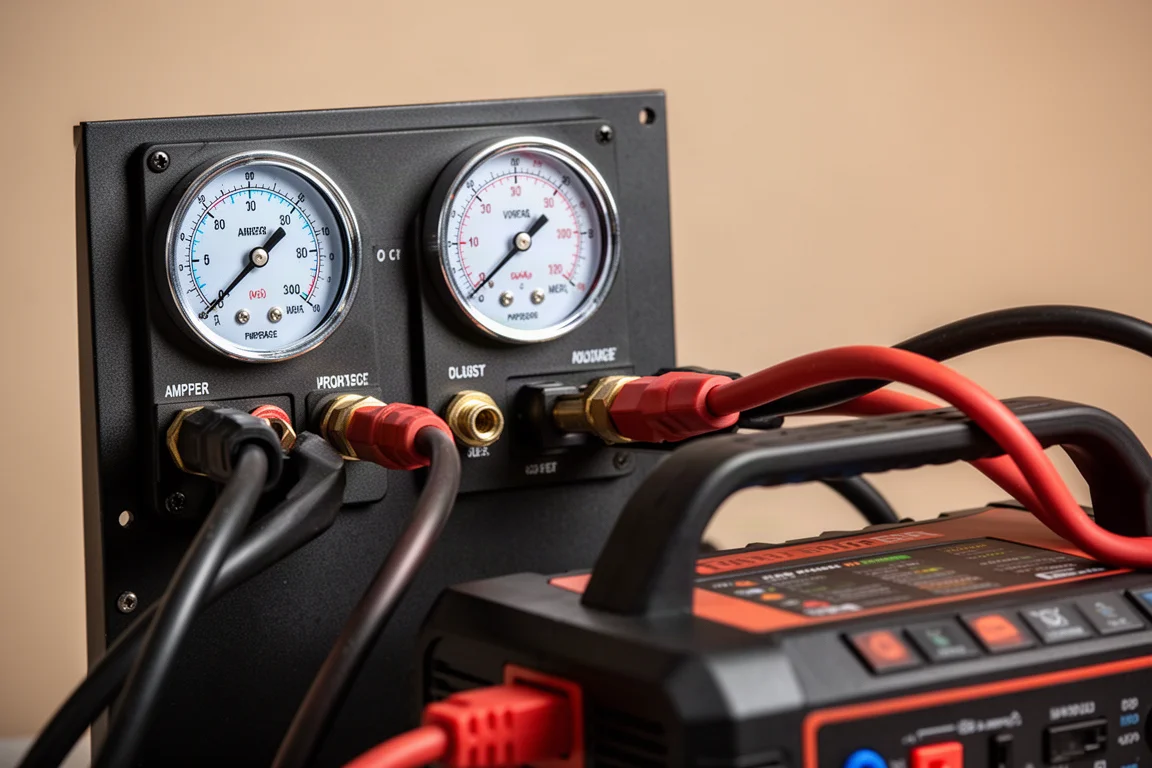
For pure value, the Gulu GP4000 is the pick, with near-5,000-watt bench output, class-leading cold performance, and respectable battery capacity for $100. The Homow is the alternative if you can spend just over $100 and want the best capacity and even more cranking power without an inflator.
If a tire inflator is a must-have, the Toan is by far the strongest option: fastest pump, accurate gauge, strong cranking, and good capacity. The Burpin is a reasonable second choice at around $100 or less, despite its middling battery capacity. As for the Keen Power super capacitor, it is easy to recommend at around $150, but without an inflator or power bank function it feels overpriced at $300.
Conclusion
The jump starter market is full of inflated amp-hour and peak-amp claims, and this testing shows how wide the gap can be between marketing and reality. A handful of units, the NOCO, Gulu, Homow, and Toan, came far closer to delivering what they promise, while several cheaper options collapsed under a dead battery, a diesel engine, or a cold morning. Match the purchase to what you actually need: raw value, a built-in inflator, or outright performance, and any of those four will serve you well.
Further reading
Related Reviews
Automotive Tools
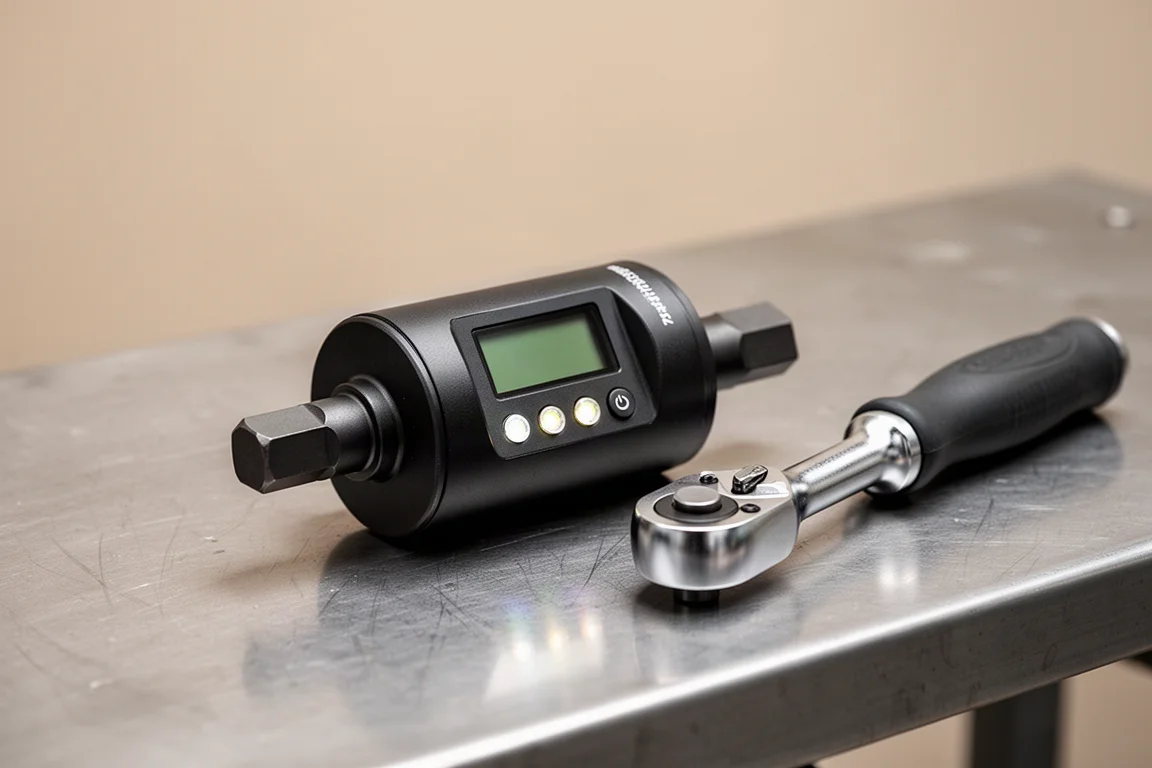
ALAIAL 1/2" Digital Torque Adapter Review: Turn Any Ratchet Into a Precision Tool
A practical look at the ALAIAL 1/2" digital torque adapter, an affordable way to add torque measurement to your existing ratchet.
Automotive Tools
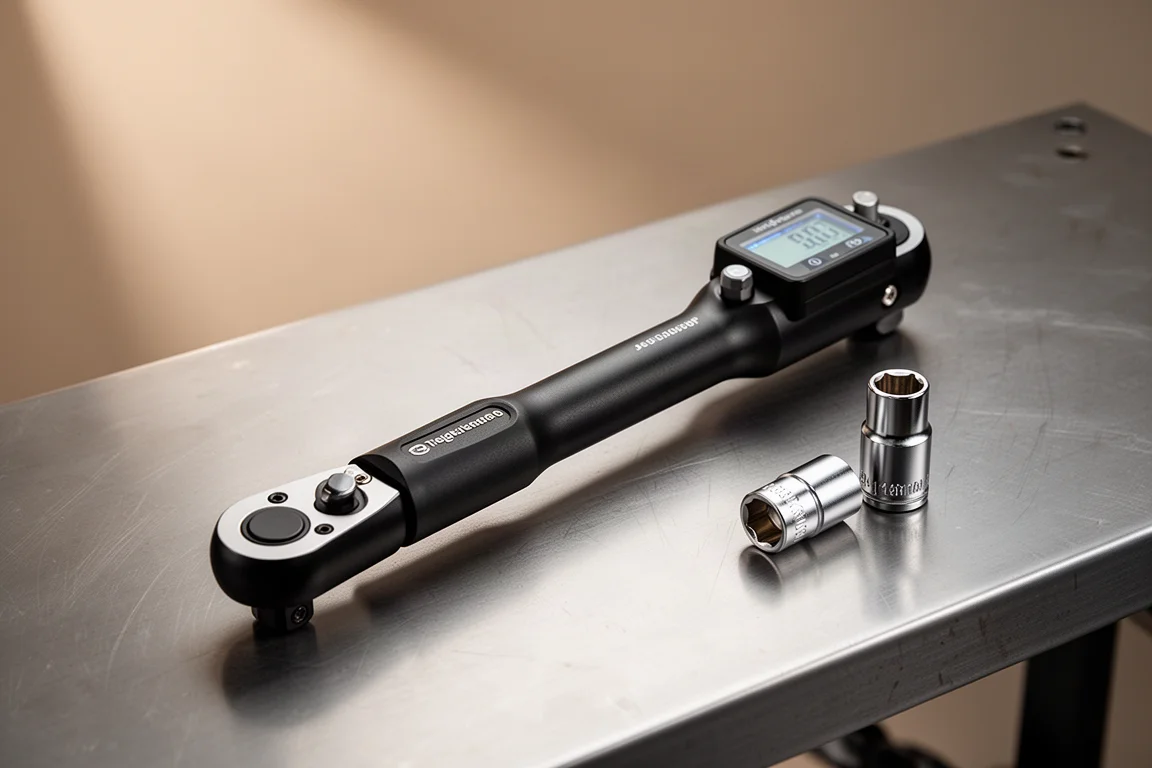
ALAIAL 3/8" Digital Torque Wrench Review: Accurate Fastening Made Simple
A practical look at the ALAIAL 3/8" digital torque wrench, covering its features, ease of use, and real-world performance for vehicle maintenance.
Automotive Tools
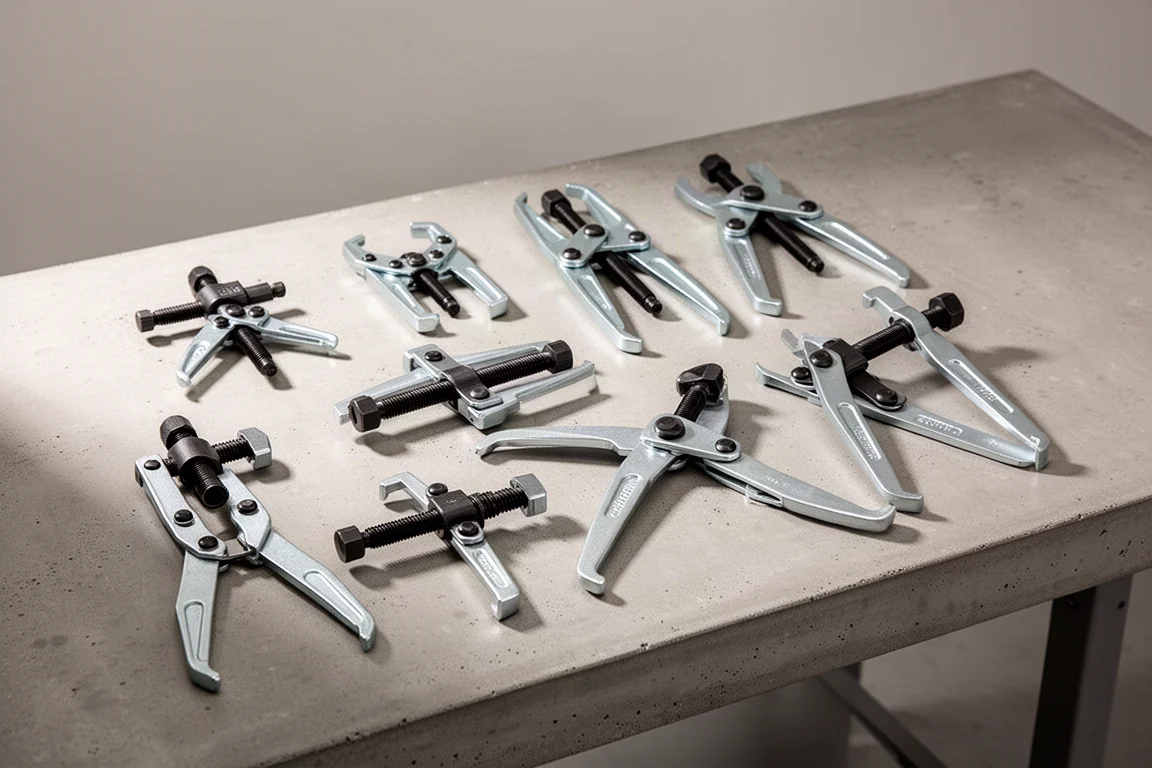
Best Gear Pullers 2026: 2-Ton and 5-Ton Options Compared
We compared nine gear pullers across 2-ton and 5-ton classes to see how design, build quality, and price affect real-world pulling performance.