Pantry Staples
Best Japanese Rice Varieties: Three Short- and Medium-Grain Picks Worth Knowing
From California-grown Calrose to imported Hokkaido Yumepirika, three Japanese-style rices that cover everyday meals, sushi night, and a splurge.
Introduction
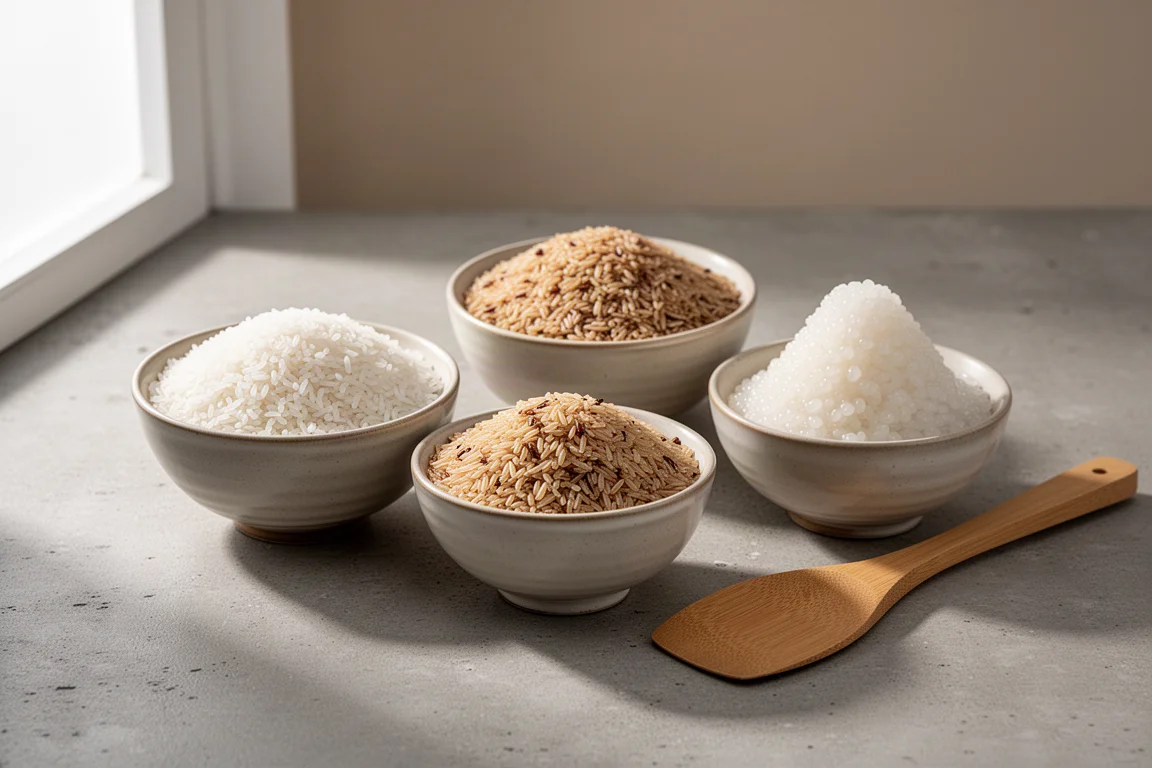
Rice is essential in many cuisines around the world, and depending on the variety, the flavor, texture, and appearance can vary dramatically. Japanese-style rice, sometimes labeled sushi rice, is best known for rolling sushi, but it is equally at home as everyday table rice alongside whatever else is on the plate. We looked closely at three varieties that cover the main bases: a California classic, a premium Japanese import, and a sweet rice that many shoppers overlook.
Why Japanese-Style Rice Deserves a Closer Look
Short- and medium-grain Japanese-style rices fall into a few broad groups: white rice, brown rice, and sweet rice known as mochigome. Sweet rice stands apart immediately, with a sweeter flavor and a chewy, gummy texture in the best possible sense. Some sweet rices also lean slightly floral.
One useful detail for shoppers: in Japan, rice is often milled to remove different amounts of the bran, so it is not a simple binary of white or brown. That milling range creates a wide spectrum of flavors and textures. A quick rinse before cooking keeps excess starch in check, though a little remaining starch is actually desirable here, because it helps the grains stick together so you can pick them up with chopsticks.
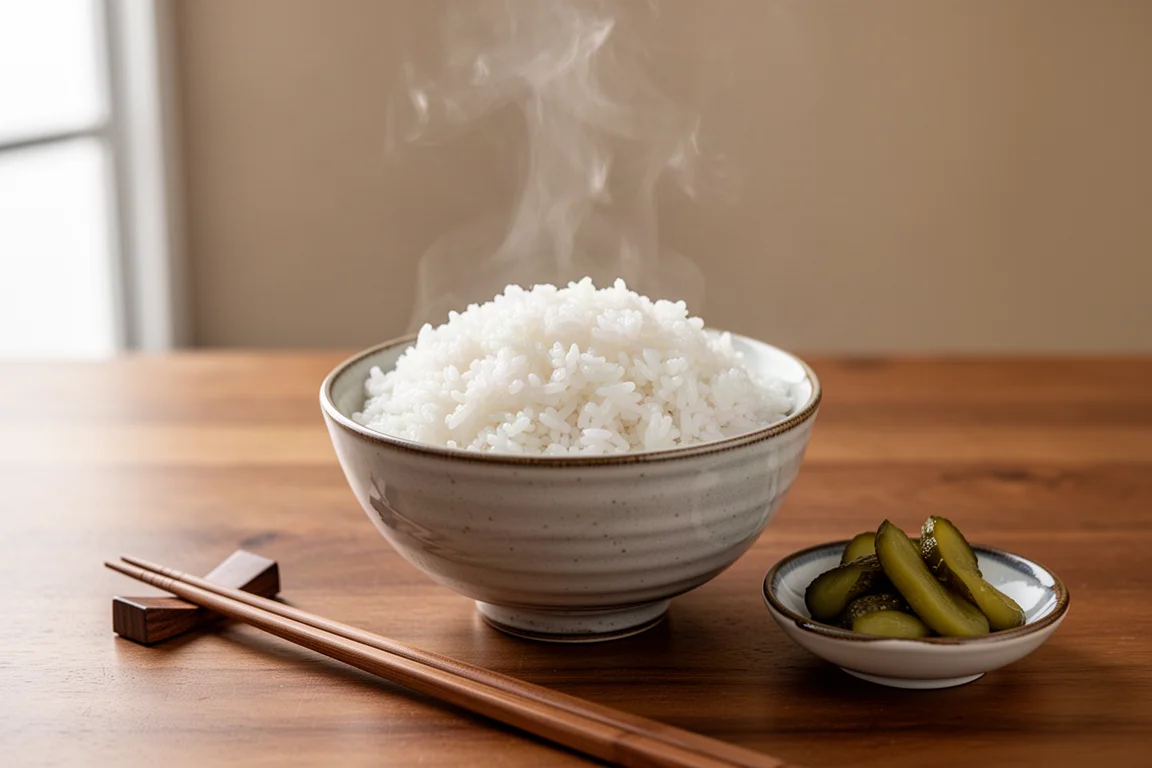
These rices are easy to find. They are stocked in many supermarkets and certainly at Asian grocery stores, so building a small tasting lineup at home takes little effort.
The California Classic: Kokuho Rose
Kokuho Rice from Koda Farms, perhaps the best known of all the growers, has a lovely, gentle flavor. It is a little bit sweet, though noticeably less sweet than a dedicated sweet rice.
Kokuho Rose traces back to a long California growing tradition, and its mild, slightly sweet character makes it an easy rice to like across many meals. For anyone starting their exploration of Japanese-style rice, this is a comfortable, well-rounded place to begin.
The Premium Import: Hokkaido Yumepirika
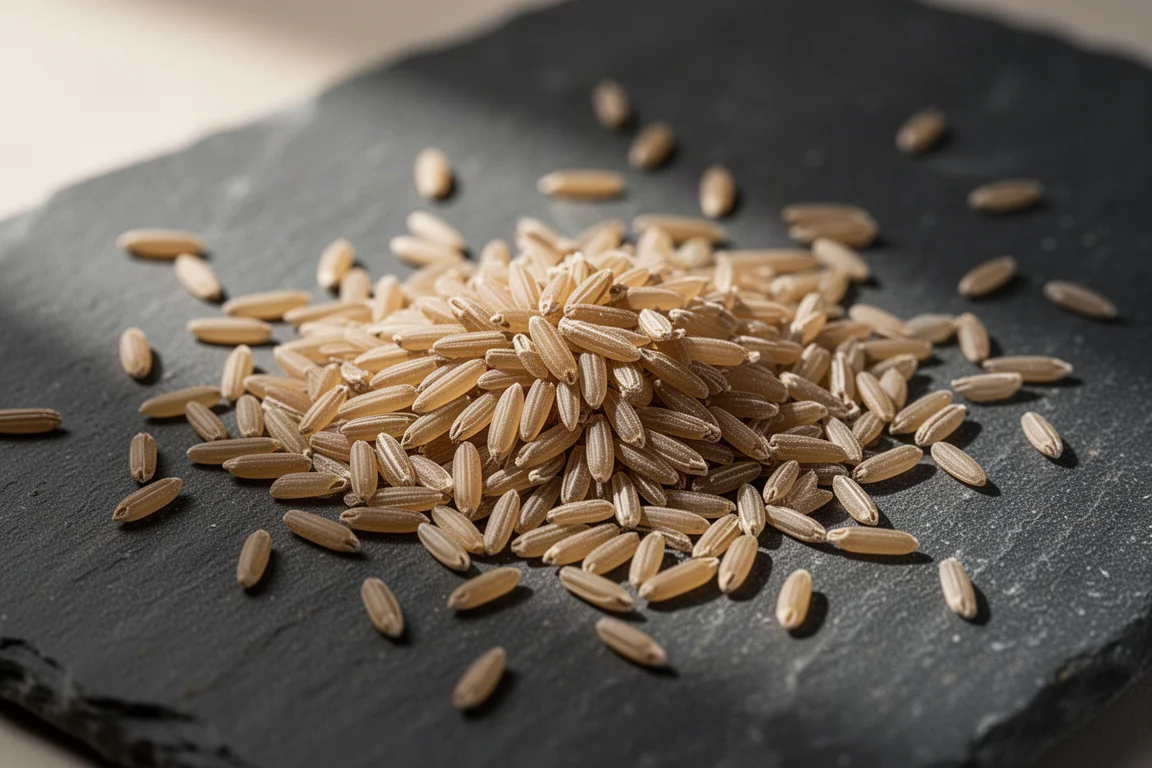
Japanese-imported rices are delicious, and they also cost about twice as much as the American-grown options on the shelf. Hokkaido Yumepirika makes the case for the splurge. Tasters describe a deeper flavor, with buttery and richer notes coming to mind, and the difference is genuinely noticeable next to more everyday rices.
If you cook rice as the centerpiece of a meal rather than a side, or you want the best possible bowl for a special dinner, this is the one worth seeking out. Its premium price is the main trade-off, so it works best as an occasional treat or for dishes where the rice itself is the star.
The California Brown Rice
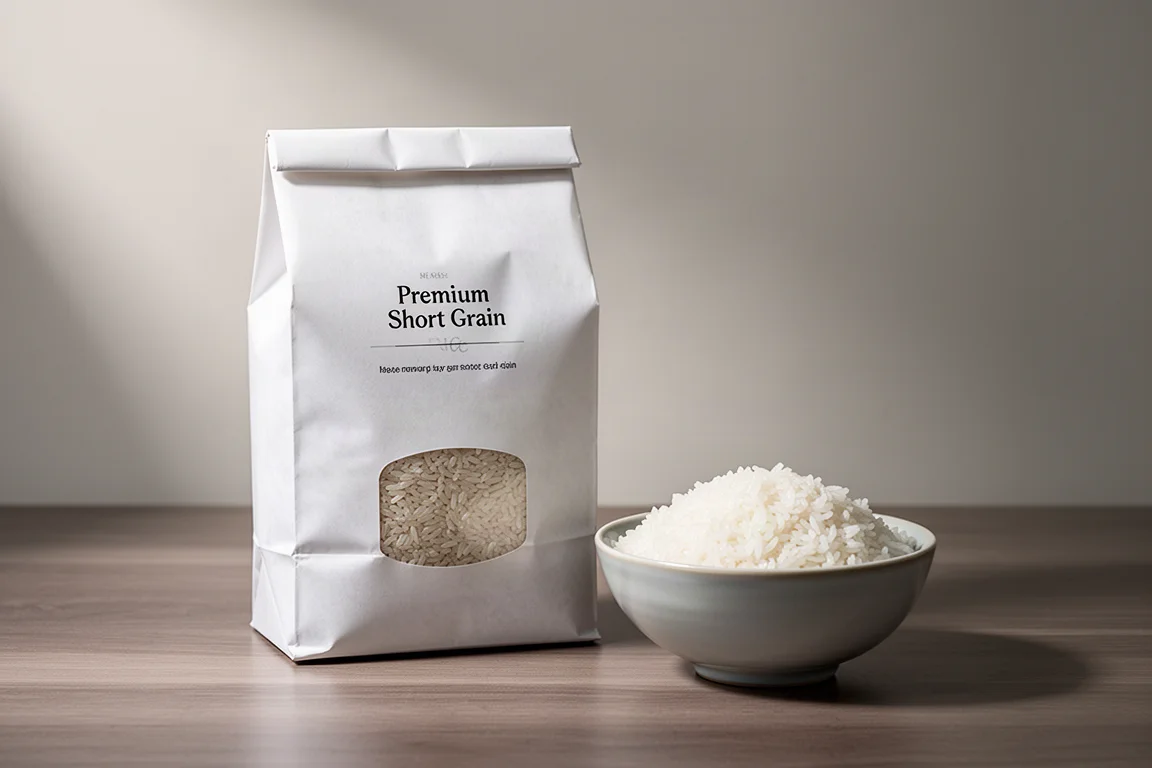
Brown rice is not for everyone, but the California-grown Japanese-style brown rices change the usual calculus. Instead of the overwhelmingly germ-forward, slightly sour flavor that puts some people off brown rice, these lean toasty, grassy, malty, and caramely, with a subtle, slightly woodsy character that never becomes overly aggressive.
That makes them an appealing way to get the health benefits of brown rice without sacrificing enjoyment. If you have written off brown rice before, a California Japanese-style variety deserves a second chance.
The Sweet Rice Surprise
Mochigome, or sweet rice, was a genuine revelation. It is stickier than the rest, which is exactly what you want when you need the rice to hold together for wrapping with seaweed and other fillings.
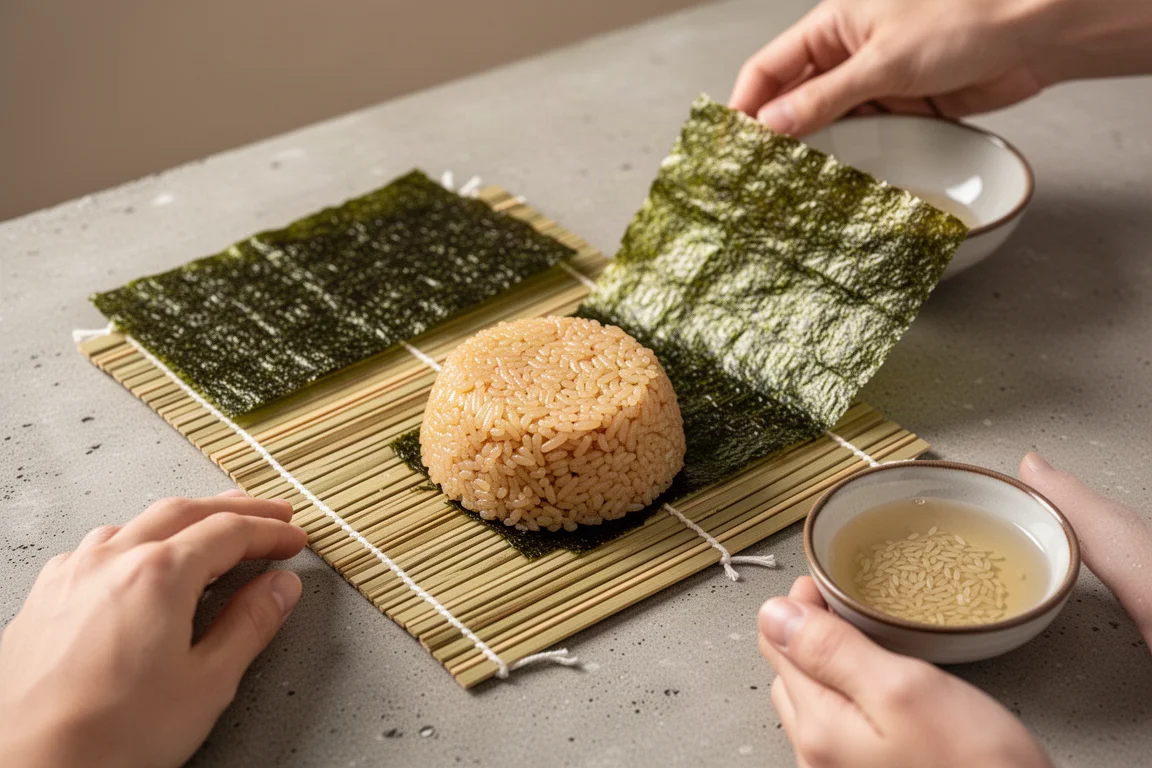
A California-grown sweet rice brings a lovely texture and just enough sweetness to feel special, yet it also pairs beautifully with savory dishes. Grilled vegetables with a vinaigrette are a particularly good match, with the rice’s subtle sweetness bringing out those flavors. For many tasters, sweet rice goes from unknown to new favorite in a single meal.
The Everyday Workhorse: Calrose
Calrose, developed in California in the 1940s, is probably the main variety of American-grown Japanese-style rice, and decades of breeding since then have produced a wide range of wonderful choices from the state. Calrose itself is versatile and plain in the best sense: mild enough to picture alongside South American, Indian, or Chinese cooking without clashing.
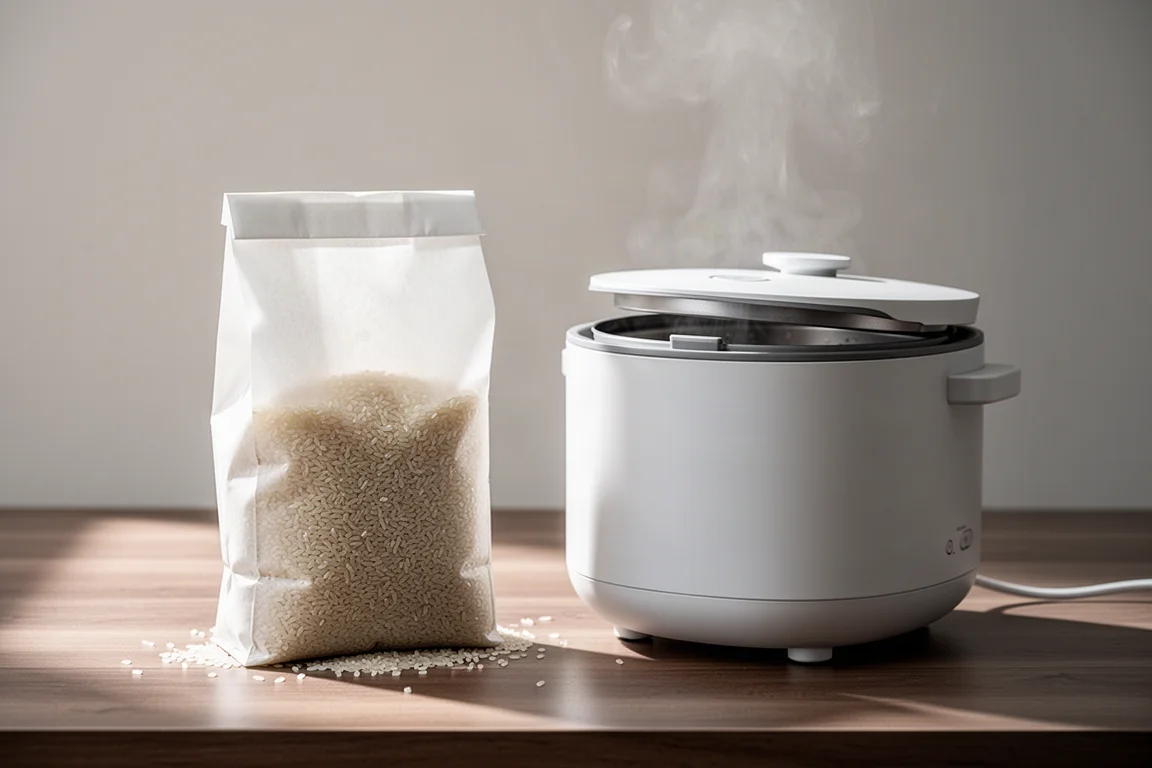
As an affordable, reliable everyday rice, it is hard to argue with. It delivers the pleasant, slightly starchy texture that Japanese-style rice is known for at a fraction of the cost of imports.
Overall Buying Advice
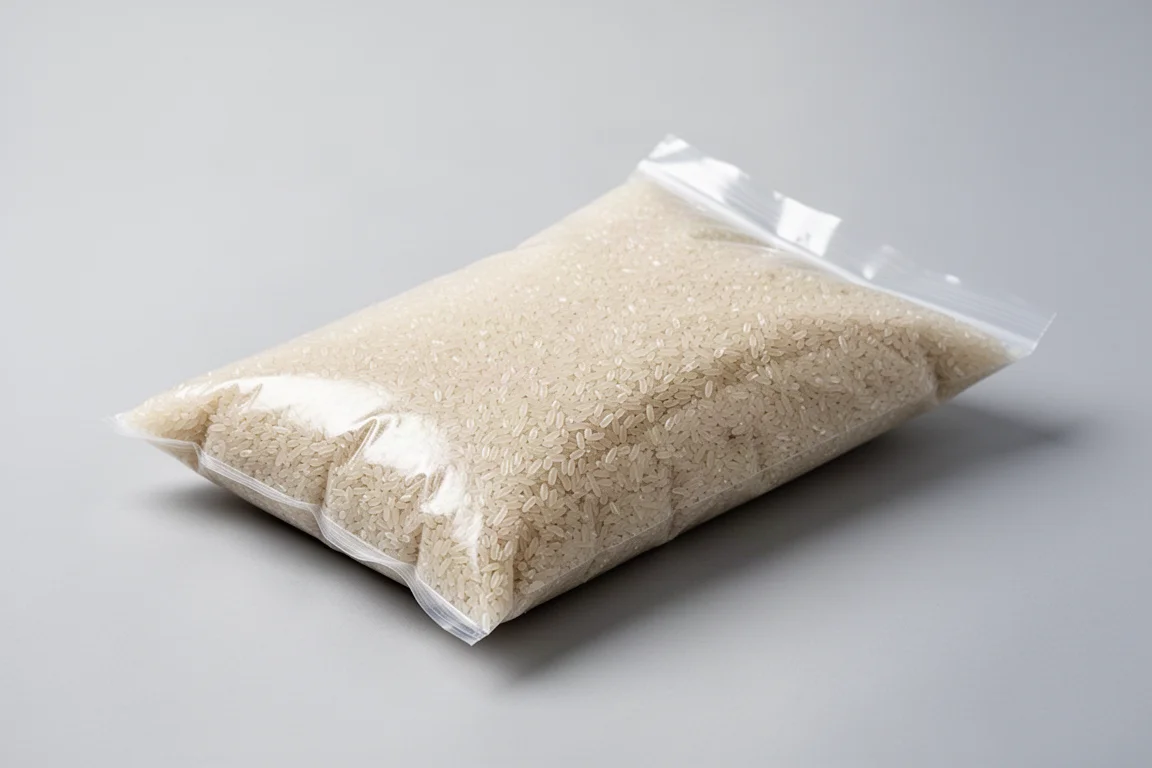
There is a wonderful world of Japanese-style rices out there, and the right pick depends on how you cook. For everyday versatility on a budget, Calrose is the dependable choice. For a gently sweet, well-rounded bowl with heritage behind it, Kokuho Rose earns its reputation. For special meals where you want the deepest, richest flavor, Hokkaido Yumepirika justifies its premium price. And do not sleep on sweet rice: mochigome is a rewarding detour, especially for wrapping and pairing with grilled dishes.
Conclusion
Tasting these varieties side by side shows just how much range exists within a single category of rice. Whether you choose an affordable California classic or a buttery Japanese import, rinsing well, cooking properly, and matching the variety to the meal will get the best out of every bag.
Further reading
Related Reviews
Pantry Staples
Best Canned Whole Tomatoes: 7 Brands Tested in a Simple Tomato Sauce
Seven brands of whole canned tomatoes went head to head in a simple tomato sauce to find out which ones actually deliver on flavor.
Pantry Staples
Best Gochujang 2026: Eight Korean Chili Pastes, Tasted and Ranked
We tasted eight gochujang brands plain and in tteokbokki to find the ones worth adding to your pantry, from supermarket staples to traditional artisan pastes.
Pantry Staples
Best Heirloom Beans 2026: Four Standout Varieties Worth Seeking Out
Four heirloom bean varieties that deliver richer flavor, creamier texture, and faster cooking than commodity supermarket beans.