Fountain Pens
Best Japanese Fountain Pens: Our Picks from Budget to Luxury
Nine Japanese fountain pens across three price points, from a famously capable starter pen to handcrafted ebonite and maki-e luxury.
Introduction
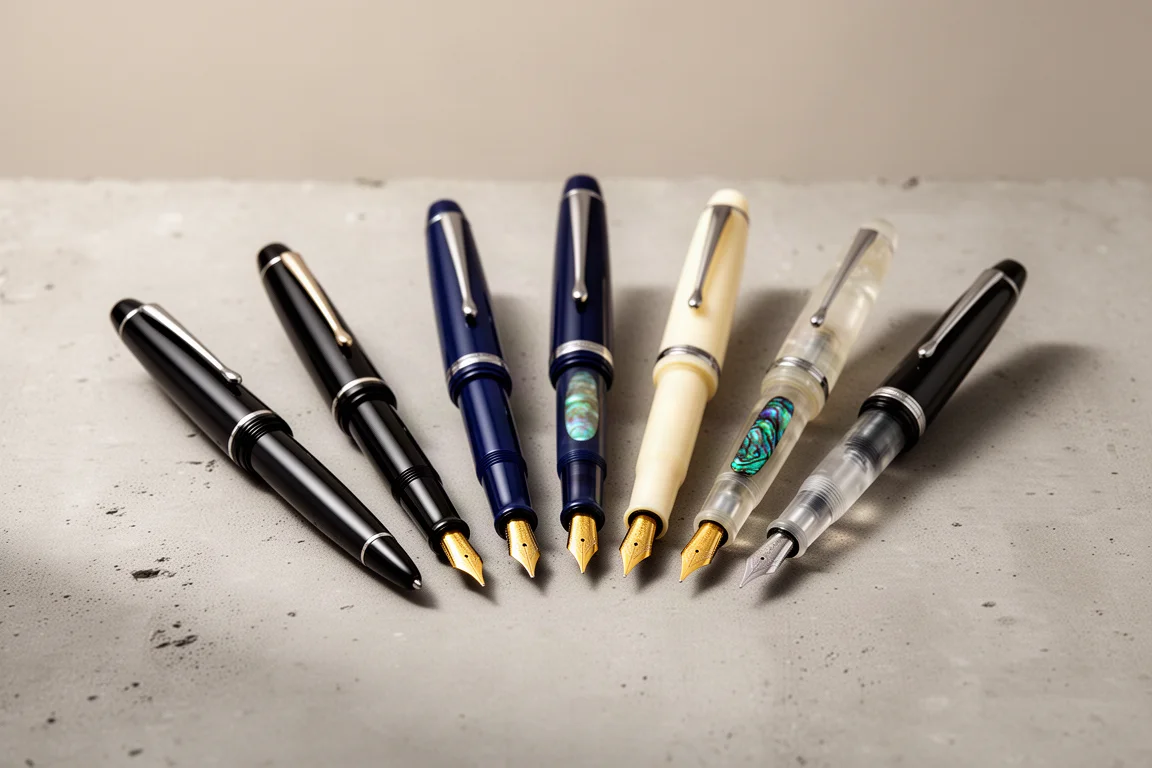
Whether you are new to fountain pens or have a growing collection, chances are a Japanese pen is already part of it. Pilot, Platinum, and Sailor, often called the big three Japanese manufacturers, have earned that reputation through decades of attention to nib quality, nib sizing, and materials. In this guide we break down what makes Japanese fountain pens special and recommend nine favorites across budget, mid-range, and luxury price points.
In-House Nib Craftsmanship
The big three all craft their nibs in-house. Whether you buy a budget pen like the Platinum Preppy or a work of art like a Pilot Maki-e, the nib received plenty of attention before it reached your hands. That control over production translates into better quality, consistency, and appearance. Most Western brands outsource nib production, and even some Japanese brands like Eboya or Onishi Seisakusho use dedicated nib manufacturers with excellent results, so an outsourced nib on a Japanese pen is nothing to worry about.
One consequence of in-house production is variety: Pilot, Platinum, and Sailor each shape their nibs differently, so they are almost never interchangeable between brands.
Finer Nib Sizes
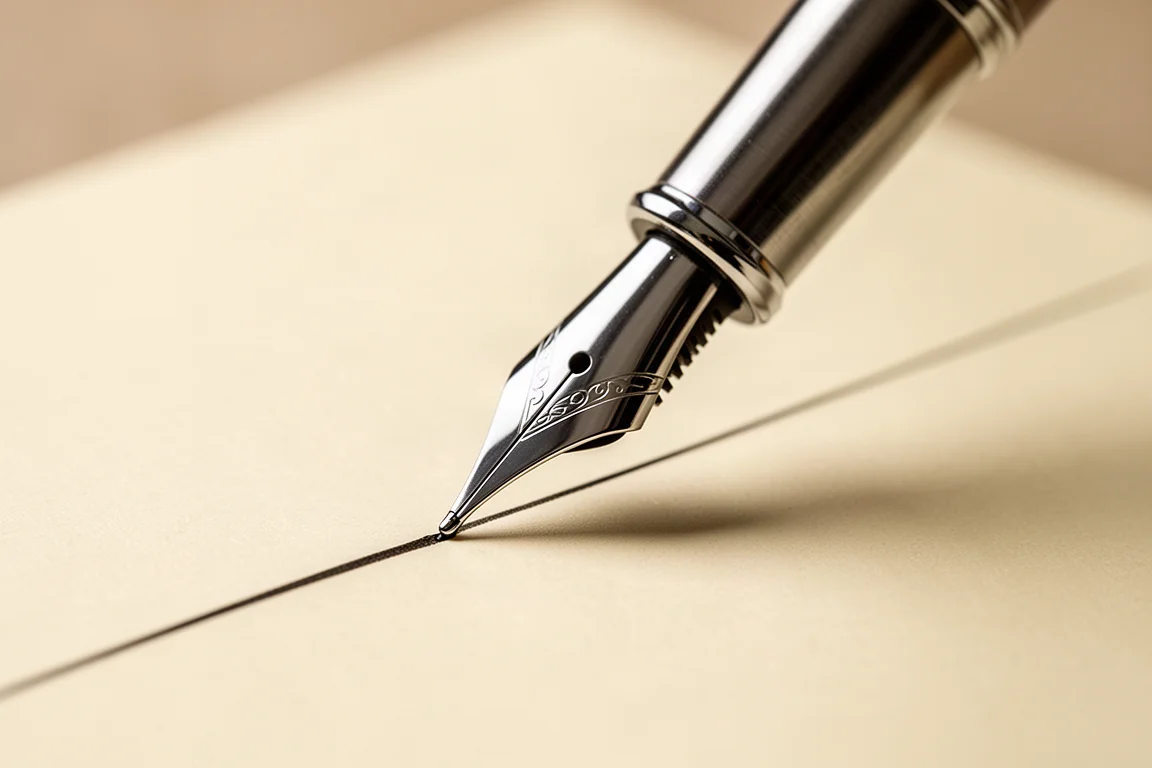
Western fountain pens usually stop at extra fine, but Japanese pens go further with super fine options that are hard to find elsewhere. Platinum’s Ultra Extra Fine nib creates lines as thin as a 0.38 mm gel pen. Japanese nibs also run finer in general, so a Japanese medium typically produces a thinner line than a Western medium.
The reason comes down to Japanese characters. Kanji are intricate, and precise nibs keep complex writing legible. Even if you never write kanji, finer Japanese nibs suit anyone with naturally small handwriting who wants letters to look neat. Japanese nibs are not limited to the fine side either: broad and double broad sizes exist, Sailor offers a specialty music nib with wide downstrokes and finer horizontal strokes, and soft nibs like those on Pilot Elabo pens create gentle line variation reminiscent of brush calligraphy.
Beautiful Materials
Beyond typical resin and brass, Japanese brands turn to more distinctive materials. Onishi Seisakusho turns every pen by hand from cellulose acetate, the material behind tortoiseshell sunglasses. Eboya Houju fountain pens are made from beautifully striated ebonite, a classic pen material that predates plastics. Some Platinum 3776 Century pens are decorated with maki-e, a traditional technique that applies powdered metallic pigments to lacquered pens in a process that can take weeks or months. And the Pilot Vanishing Point can be inlaid with colorful abalone shell for a shimmering effect.
Budget Japanese Fountain Pens
Platinum Preppy
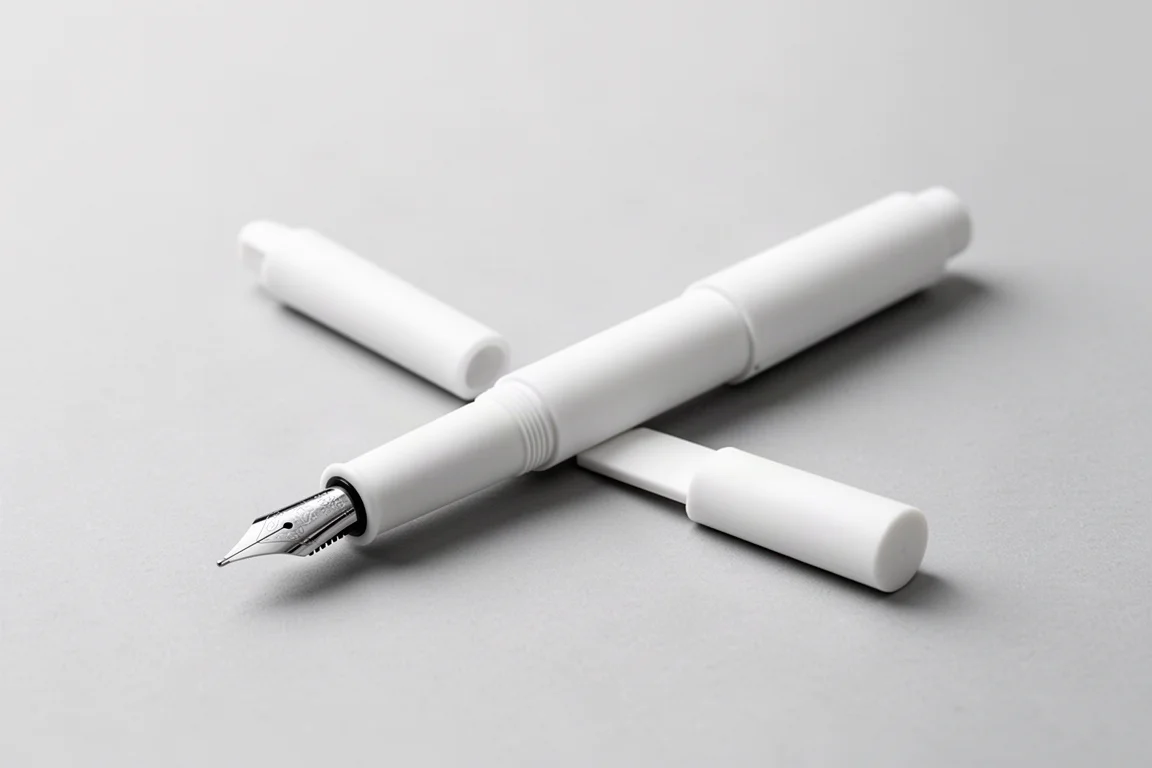
Do not let the Platinum Preppy’s price tag fool you. It is a great starter pen, but even experts appreciate its excellent performance. The smooth steel nib comes in extra fine, fine, and medium sizes, and the “Slip and Seal” cap design keeps the pen from drying out for at least a year.
Meister by Point Slim Liner
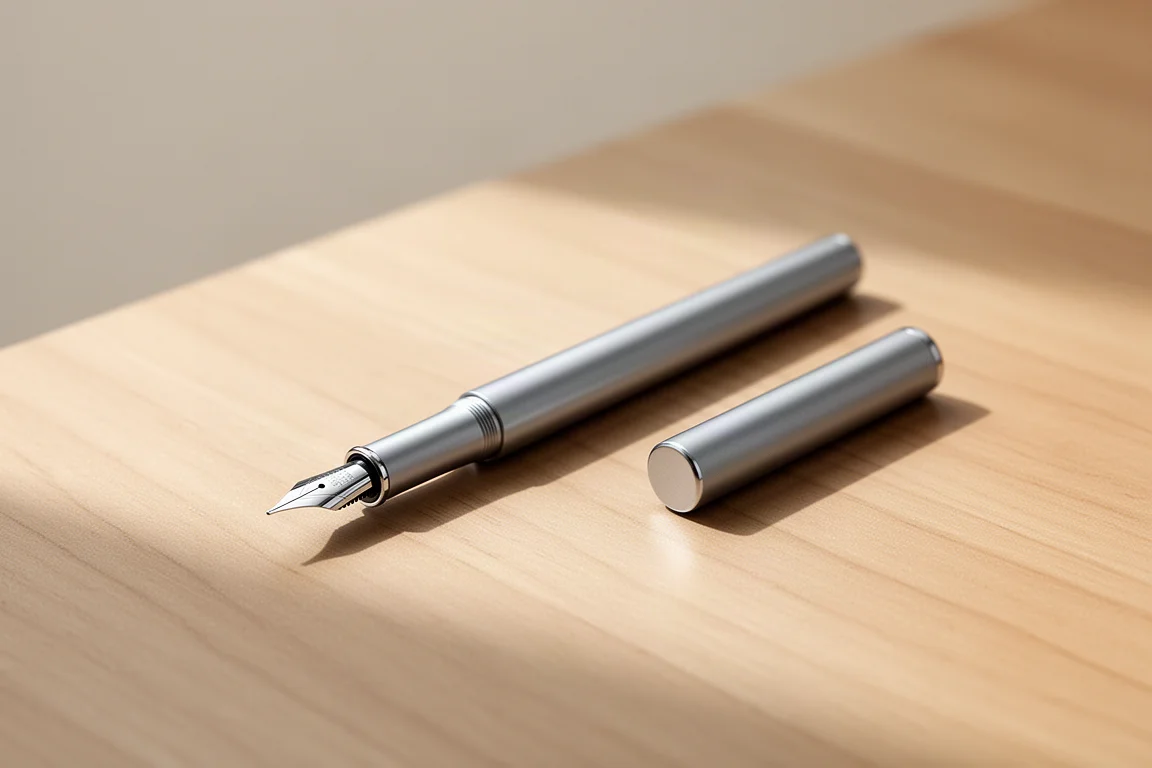
A unique alternative is the compact Meister by Point Slim Liner. Despite its sleek profile, it accommodates a full-size converter and holds plenty of ink.
Mid-Range Japanese Fountain Pens
Pilot Prera
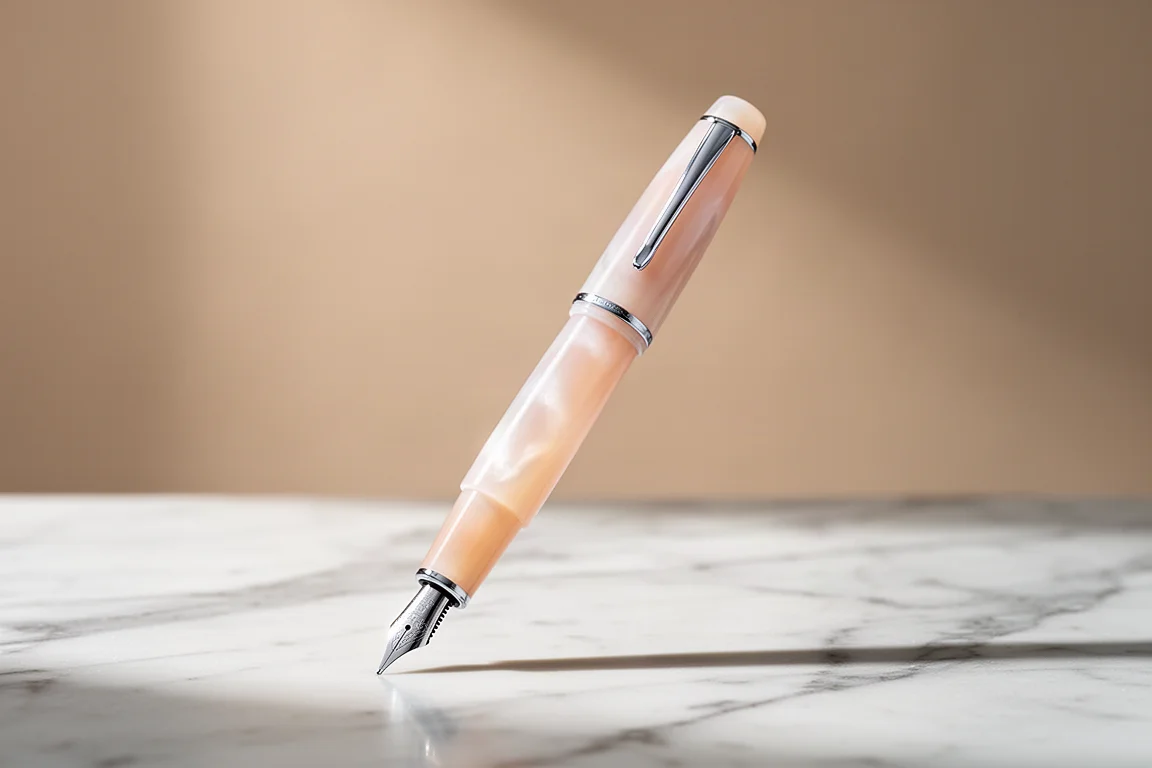
The compact Pilot Prera is an everyday carry delight. It is comfortable unposted, and those with larger hands can post the cap on the back. It comes in twelve colors with fine or medium nibs, plus seven colors with a fun medium italic nib that adds flair to your writing. Some Preras also ship with a converter installed, so you can start using bottled ink right away.
Platinum Procyon
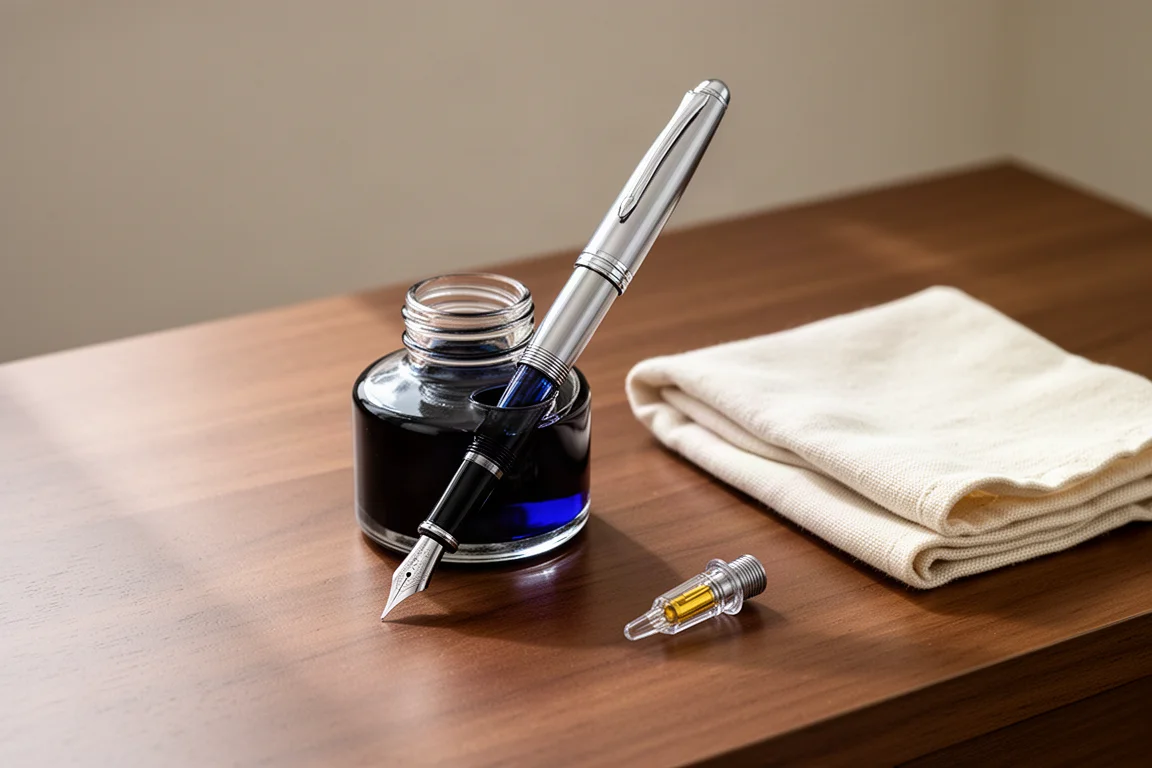
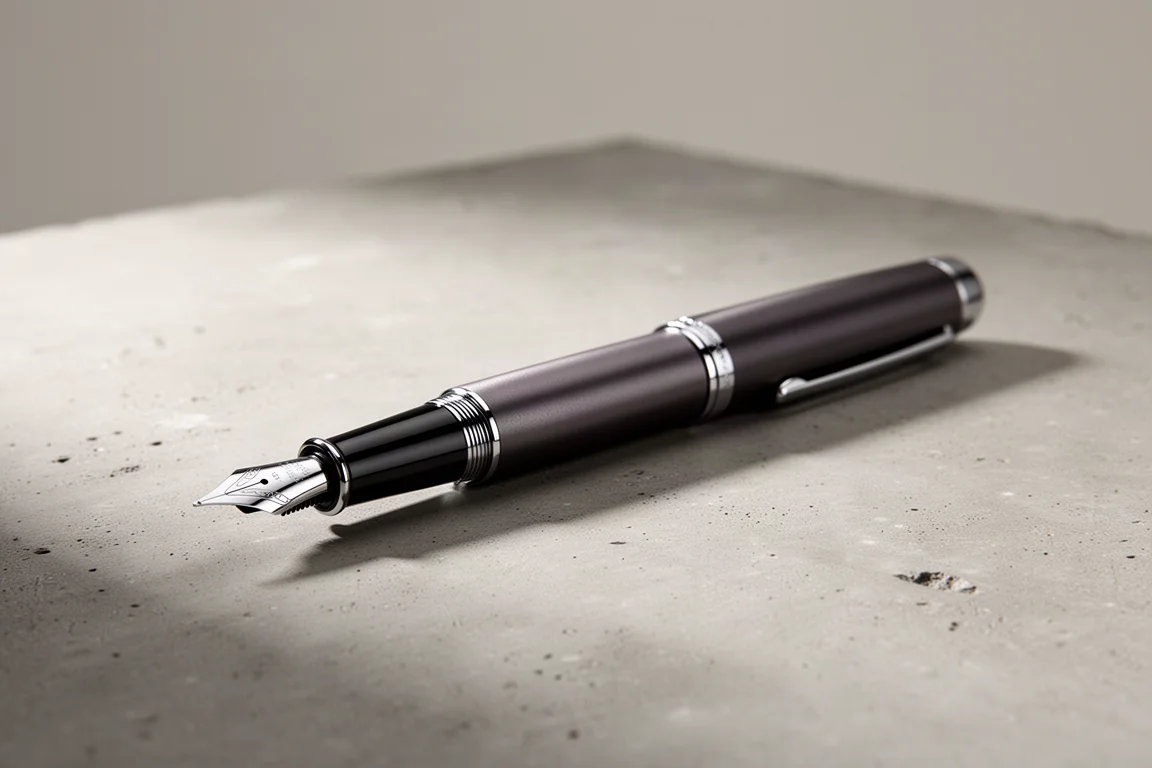
The Platinum Procyon is another excellent mid-range option. Its innovative feed mechanism lets you fill the pen when only part of the nib is submerged in ink.
Luxury Japanese Fountain Pens
Sailor Pro Gear Slim
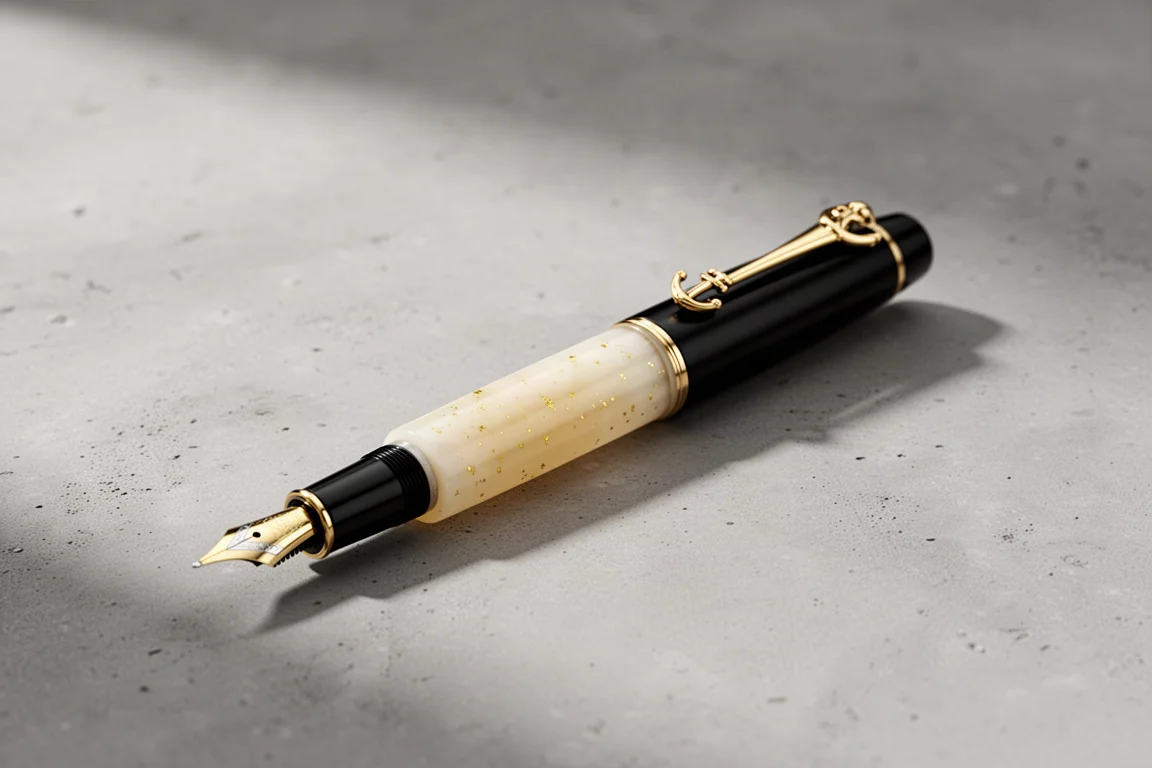
The Sailor Pro Gear Slim is a stylish, pocket-friendly pen available in a variety of classy and unique colors, some of them limited edition. At this price point you also move up to a gold nib. Gold nibs are not necessarily better than steel, but they resist corrosion and can feel softer on the page.
Pilot Custom 74
The Pilot Custom 74 is another gold-nibbed pen, this one with a high-capacity converter that holds twice as much ink as a typical converter. Note-takers and journalers will not run dry at an inopportune moment.
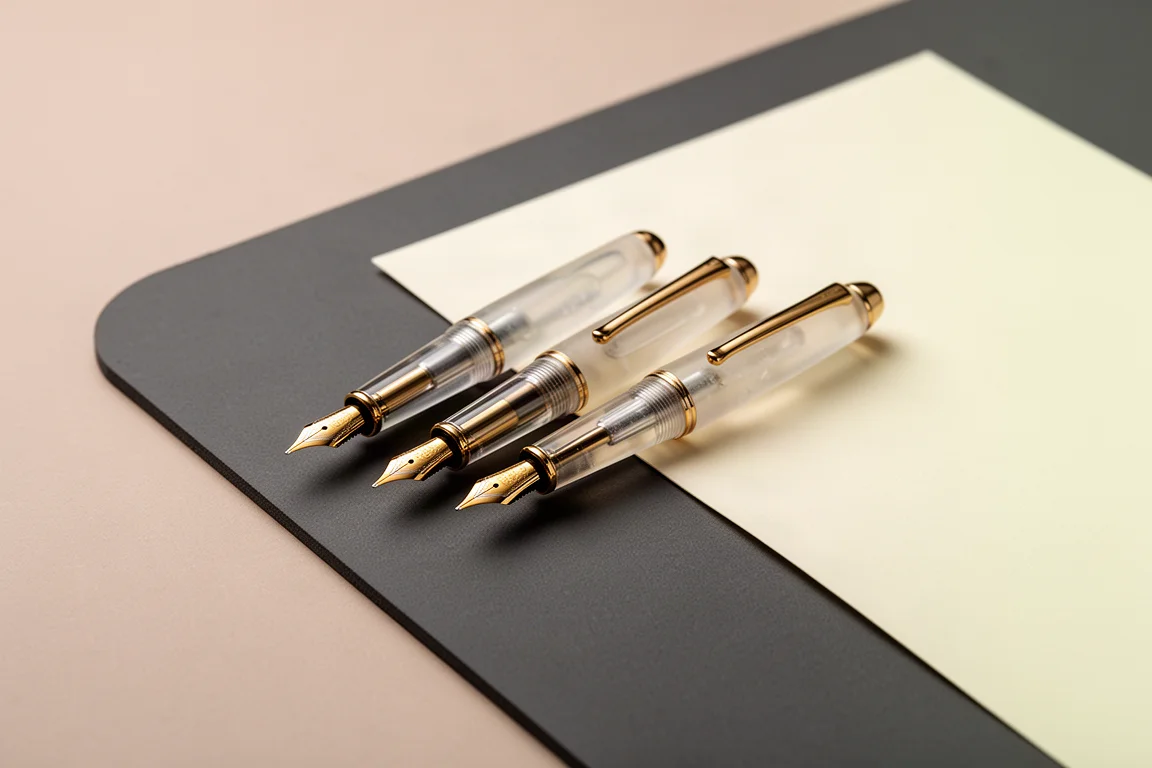
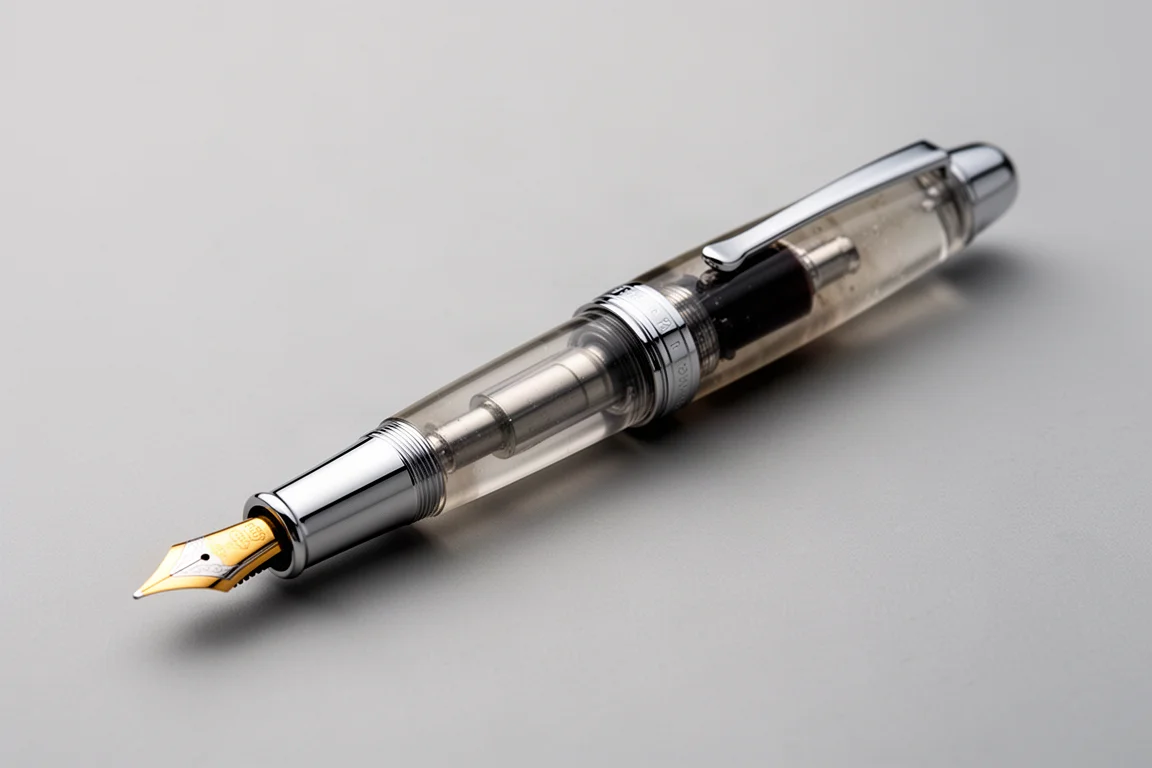
Platinum 3776 Century
The Platinum 3776 Century line reaches into true luxury territory with pens decorated using maki-e, the traditional technique of applying powdered metallic pigments to lacquered pen bodies. The process can take weeks or even months, making each decorated pen a genuine piece of craftsmanship rather than just a writing tool.
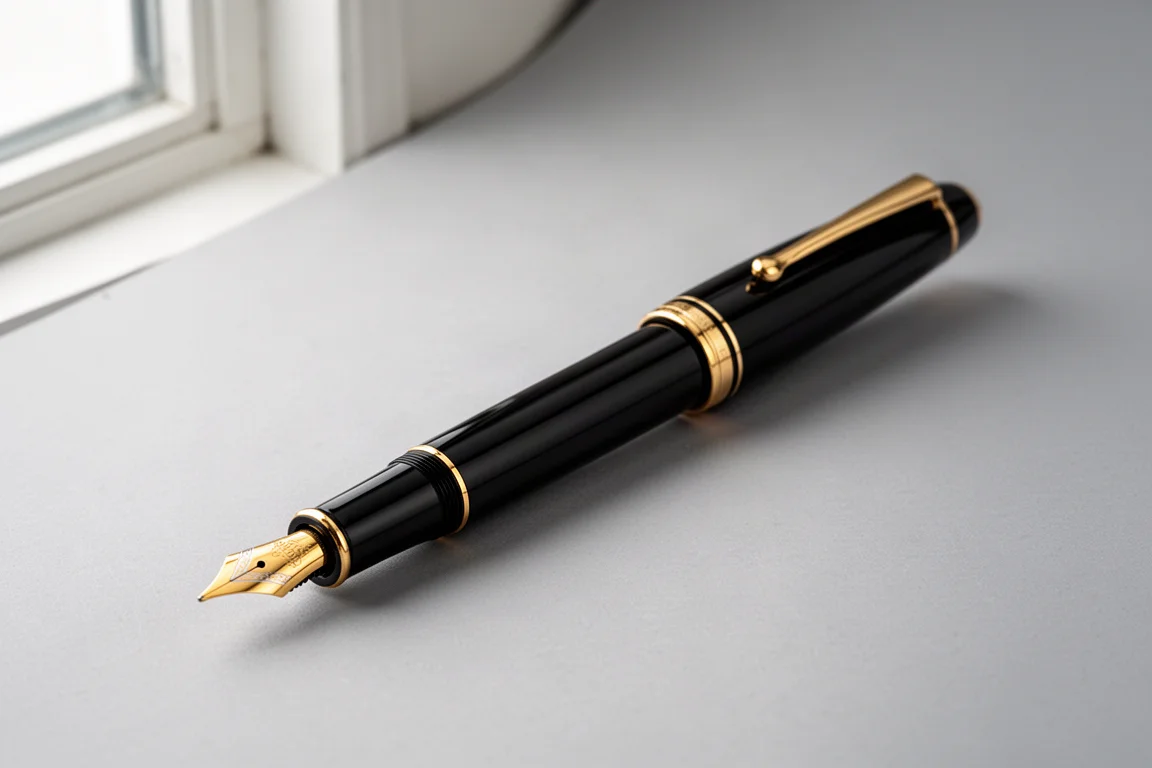
Pilot Vanishing Point
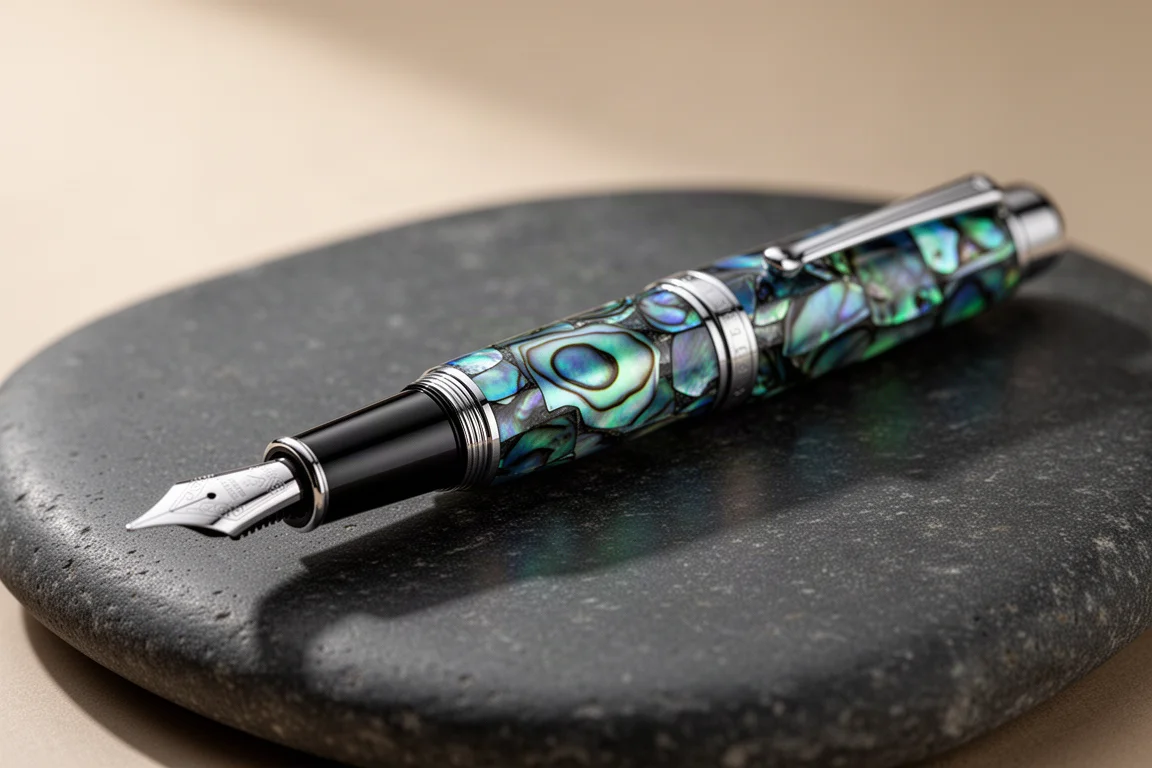
The Pilot Vanishing Point stands out with bodies inlaid with colorful pieces of abalone shell, creating a beautiful shimmering effect. It pairs that artistry with a practical retractable nib design aimed at everyday use.
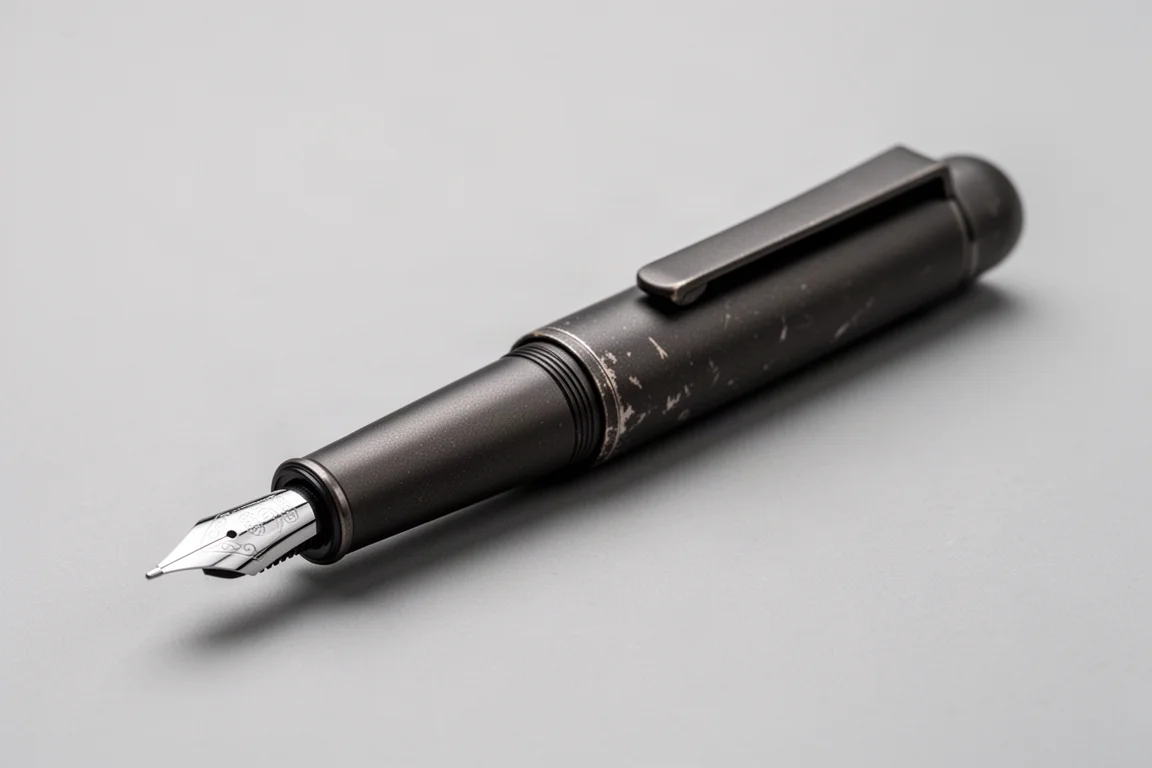
Eboya Houju
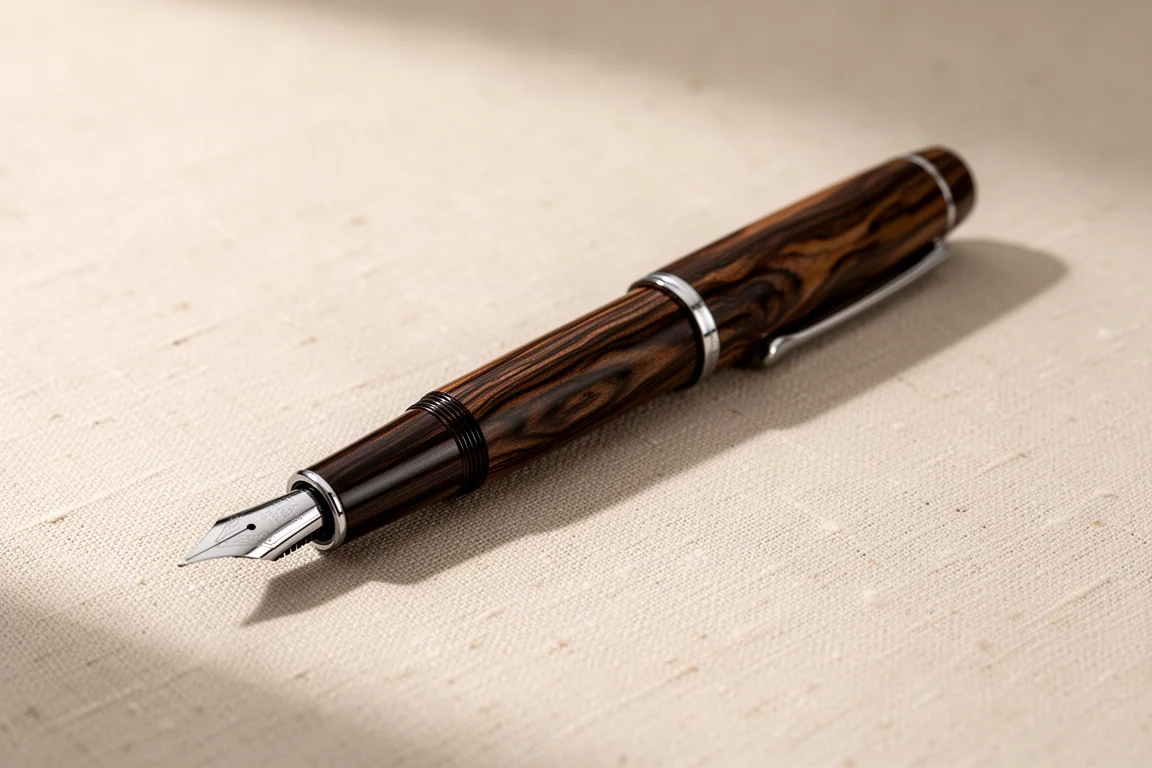
Eboya Houju fountain pens are made from beautifully striated ebonite, the classic fountain pen material used before plastics became widely available. The result is a pen with rich, natural patterning that feels like a piece of traditional craftsmanship in the hand.
Buying Advice
If you are starting out, the Platinum Preppy delivers far more performance than its price suggests, with the Meister by Point Slim Liner as a compact alternative. For daily carry, the Pilot Prera and Platinum Procyon offer comfortable ergonomics and clever filling features. When you are ready for a gold nib, the Sailor Pro Gear Slim brings style in a pocket-friendly size, while the Pilot Custom 74 suits heavy writers who need ink capacity. For those who view a pen as a collectible object, the maki-e Platinum 3776 Century, abalone-inlaid Pilot Vanishing Point, and hand-turned ebonite Eboya Houju sit at the top of the range.
Conclusion
Japanese fountain pens earn their reputation through in-house nib craftsmanship, exceptionally fine nib sizes, and materials that range from practical resins to ebonite, maki-e lacquer, and abalone shell. Whatever your budget, there is a Japanese pen that fits, and every pick in this guide rewards daily use as much as it rewards the eye.
Further reading
Related Reviews
Fountain Pens
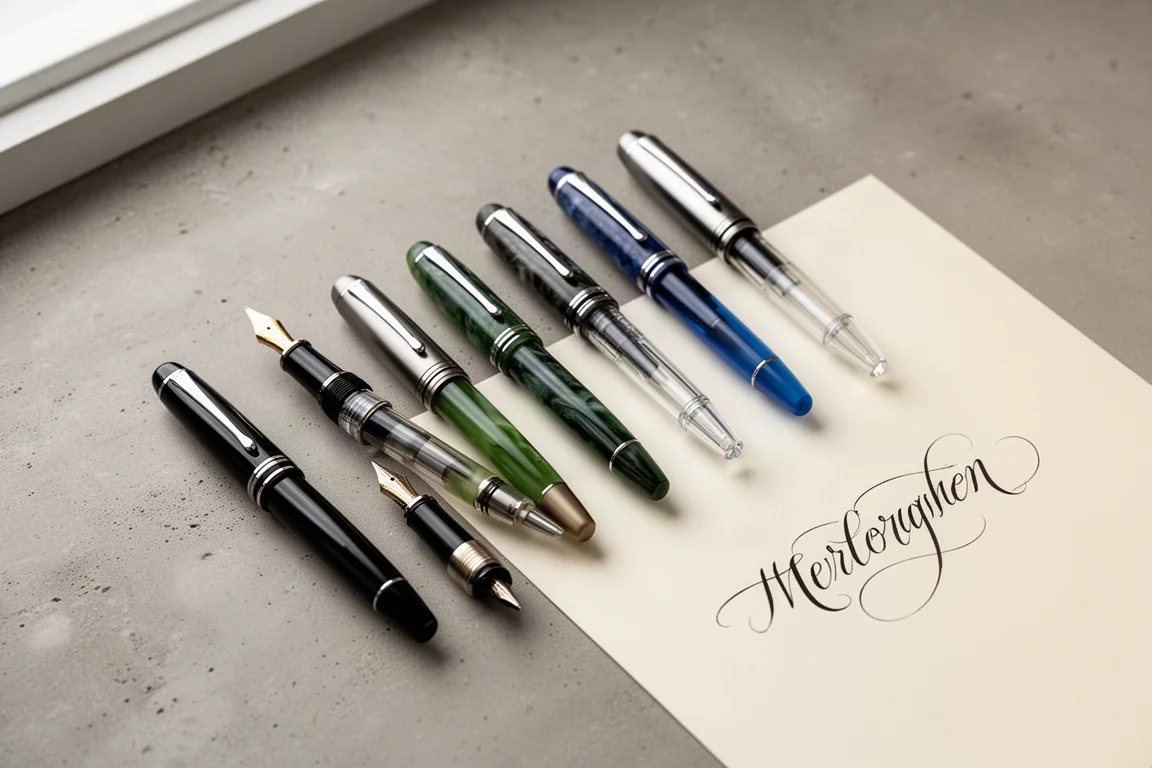
Best Budget Fountain Pens Tested: 9 Pens, One Clear Winner
A hands-on comparison of nine affordable fountain pens for everyday writing, calligraphy, and sketching, with a clear standout for flexible nib fans.
Fountain Pens
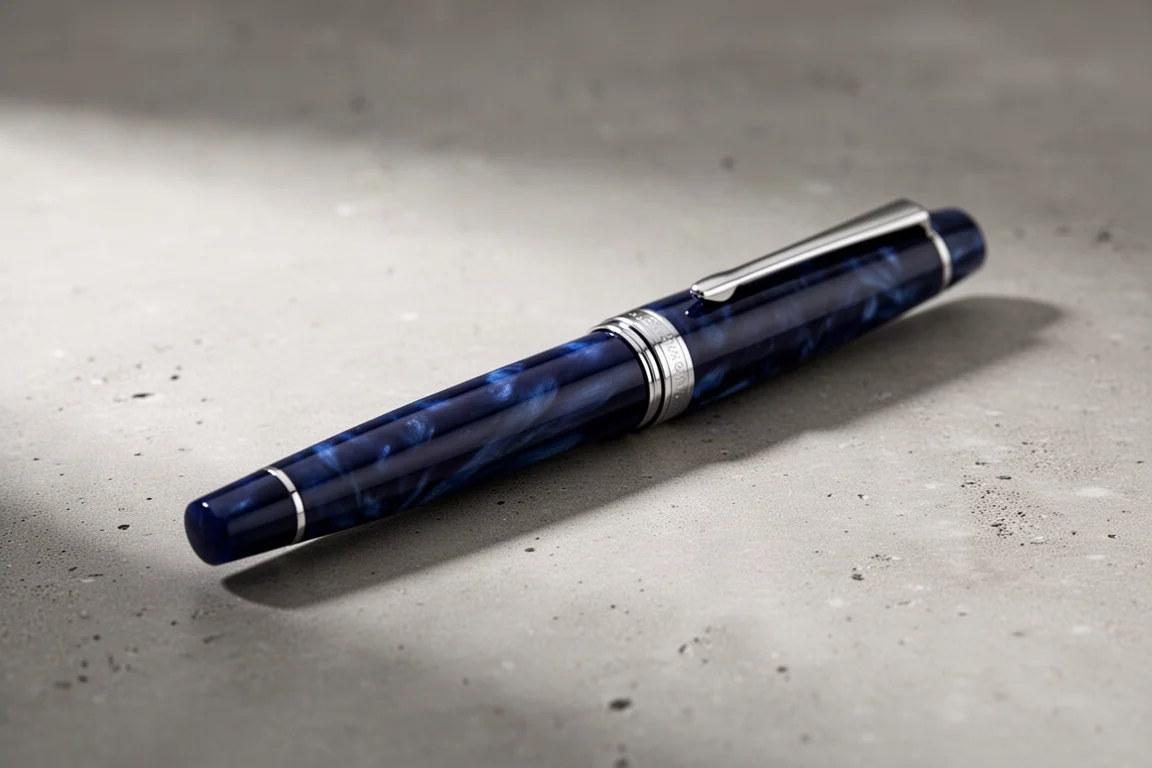
Aurora Optima Review: An Italian Piston Filler That Punches Above Its Price
A 14k gold nib, ebonite feed, and a beautifully deep oraloid body make the Aurora Optima one of the most rewarding piston fillers around.
Fountain Pens
Cross Bailey Light Review: The Entry-Level Fountain Pen Worth Keeping at the Office
A plastic-bodied Cross with a metal clip, snap cap, and famously smooth extra fine steel nib. Around $15, available almost everywhere, and easy to recommend.