Running Shoes
Best January Running Shoe Releases 2026: Seven Picks Ranked
The strongest running shoe releases of January 2026, from a can't-miss marathon racer to a comfort-first daily cruiser, plus the ones we'd skip.
Introduction
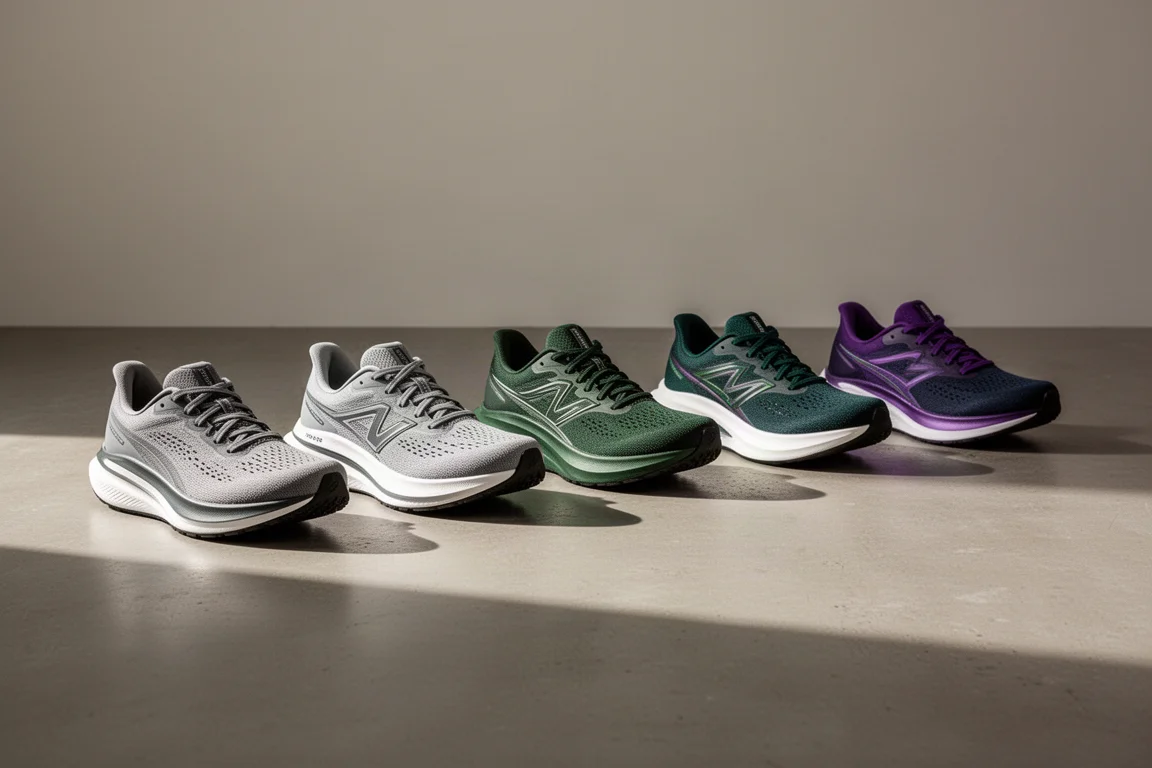
January brought a crowded batch of running shoe releases, and after testing through the lineup, a clear picture emerged: a few shoes earned their spot at the top, a couple left us cold, and one long-running flagship overstayed its welcome. This list ranks the releases that matter, from the shoe we’d recommend first to solid options that fit specific niches.
How We Ranked the January Releases
The criteria were simple: does the shoe have a clear purpose, does it back it up on the road, and is there a better option at or near the same price? The best releases of the month knew exactly who they were for and delivered. The weakest ones tried to be everything and ended up being nothing special.
Puma Deviate Nitro Elite 4: The Best Release of the Month
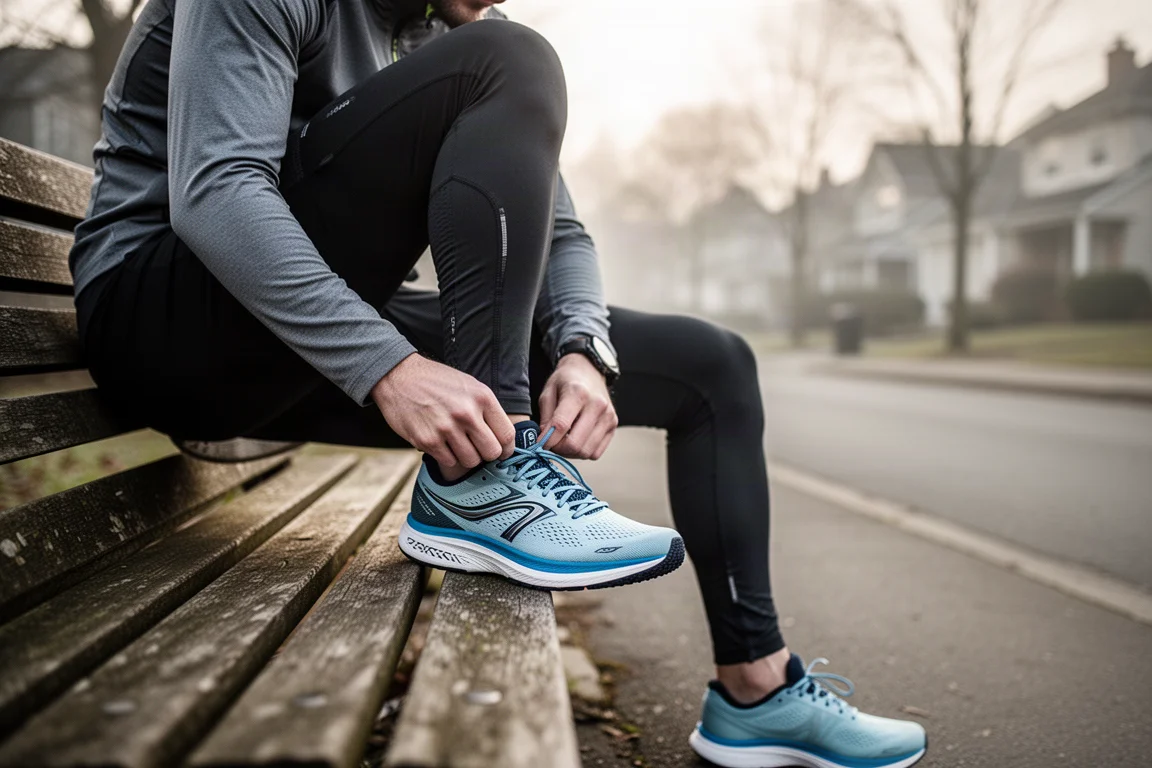
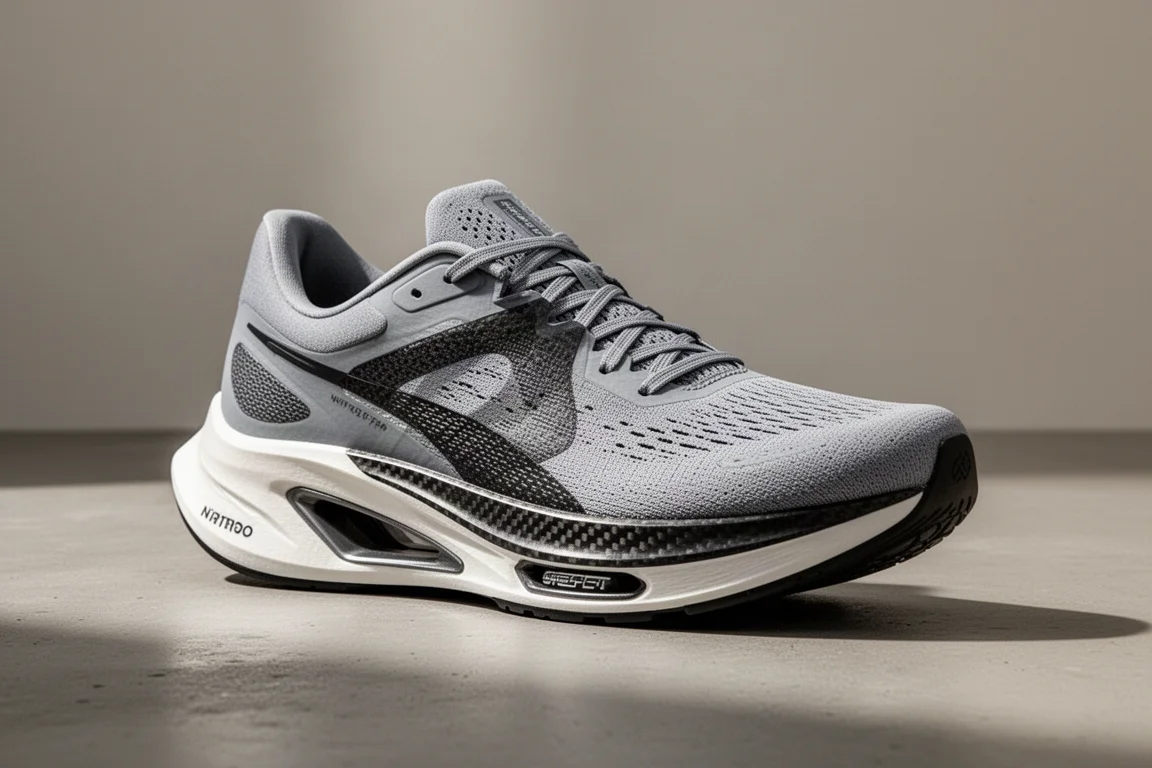
The race shoe takes the top spot. Key updates over the previous version include a widened upper and toe box, a different softer foam compound on top, and a significantly lighter build. The weight cut is the change you feel most: turnover comes easier, and the shoe has an energizer-bunny quality that keeps pushing you forward. It works well for both high-cadence and power runners, though it is at its best for strong midfoot strikers who can pop off the front rocker. On a 23-mile long run it never went mushy, kept its comfort, and still had gears left at the end when the pace dropped into the sixties. This is one of the best race shoes available right now.
Asics Gel Nimbus 27: The Comfort Champion
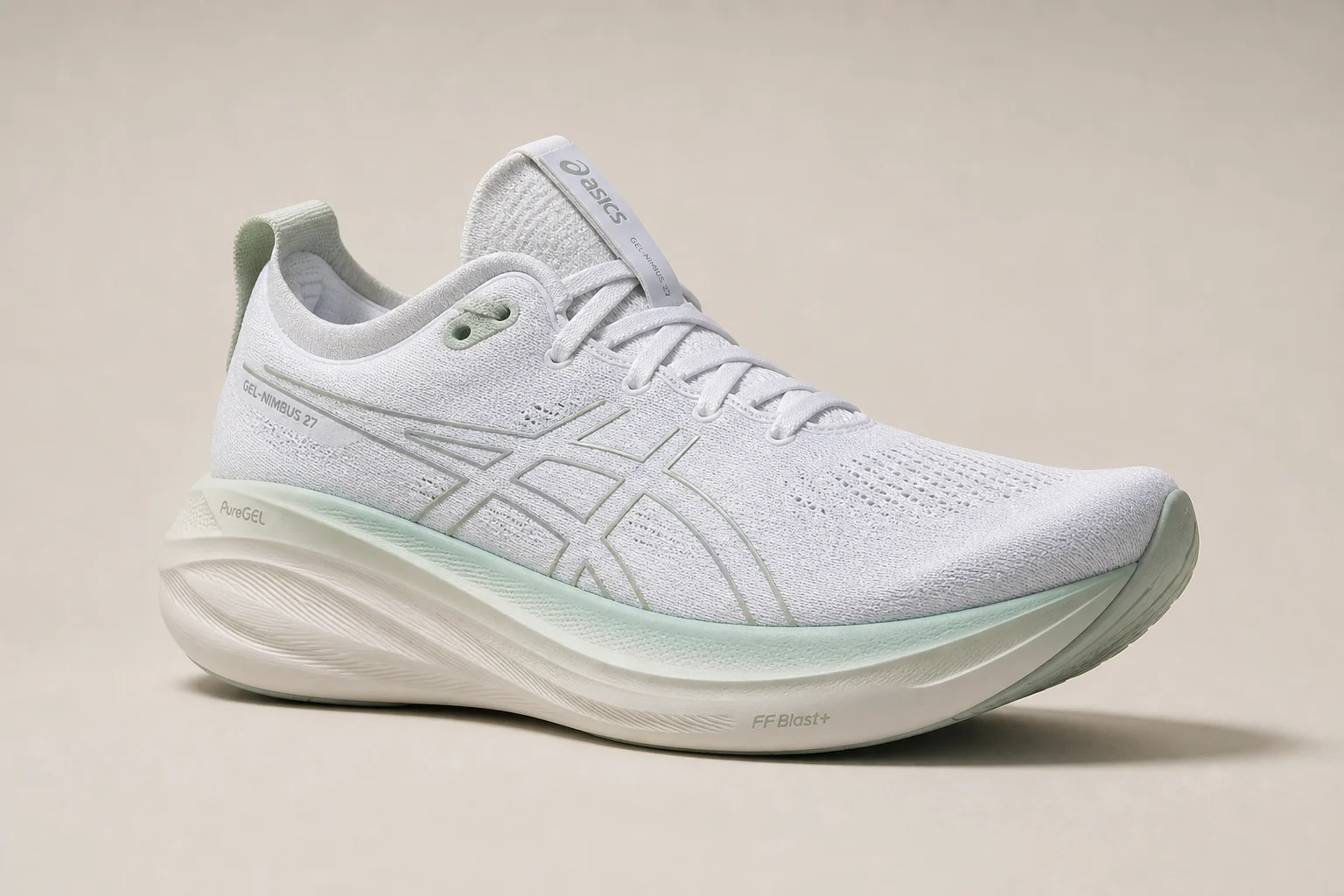
A true recovery day cruiser and comfort model, and it makes no apologies for it. A huge stack of foam underfoot plus a gel unit in the heel handles impact absorption, while the geometry stays smooth and the upper is decently accommodating. The big news is the weight: it finally lands around or under 300 grams, down from 317 in the last version, without losing the same protection or foam. The compression-heavy softness is not super bouncy at relaxed efforts, but it responds when you pick up the pace. For comfort and reliability with no gimmicks, it is an absolute banger.
Mizuno Hyperwarp Elite: The Crowd-Pleaser
If you put this shoe blind on any runner in the 3:00 to 4:00 marathon fitness range, very few would hate it. The dual-foam setup pairs soft PEBA on top with a firmer foam underneath, plus a winglet plate inside, placing it somewhere between a soft-bounced cadence racer and a firmer, snappier stride shoe. It has the toe-off bounce of the softer racer with less foam scooping in the forefoot, and it is firmer and snappier overall. It handles any type of run with decent support and stability. The main hesitation is the $275 price on a brand with a smaller performance running footprint, but on pure performance it is worth it.
Mizuno Hyperwarp Pro: The Stable Long-Run Weapon
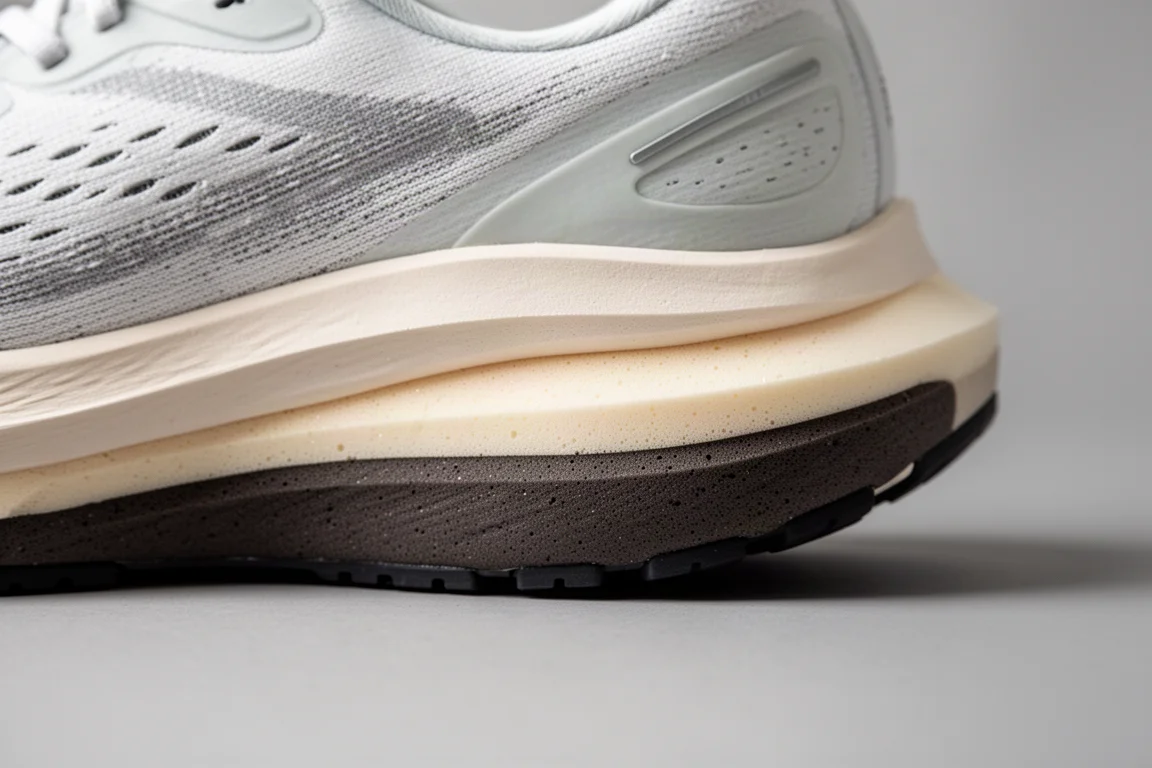
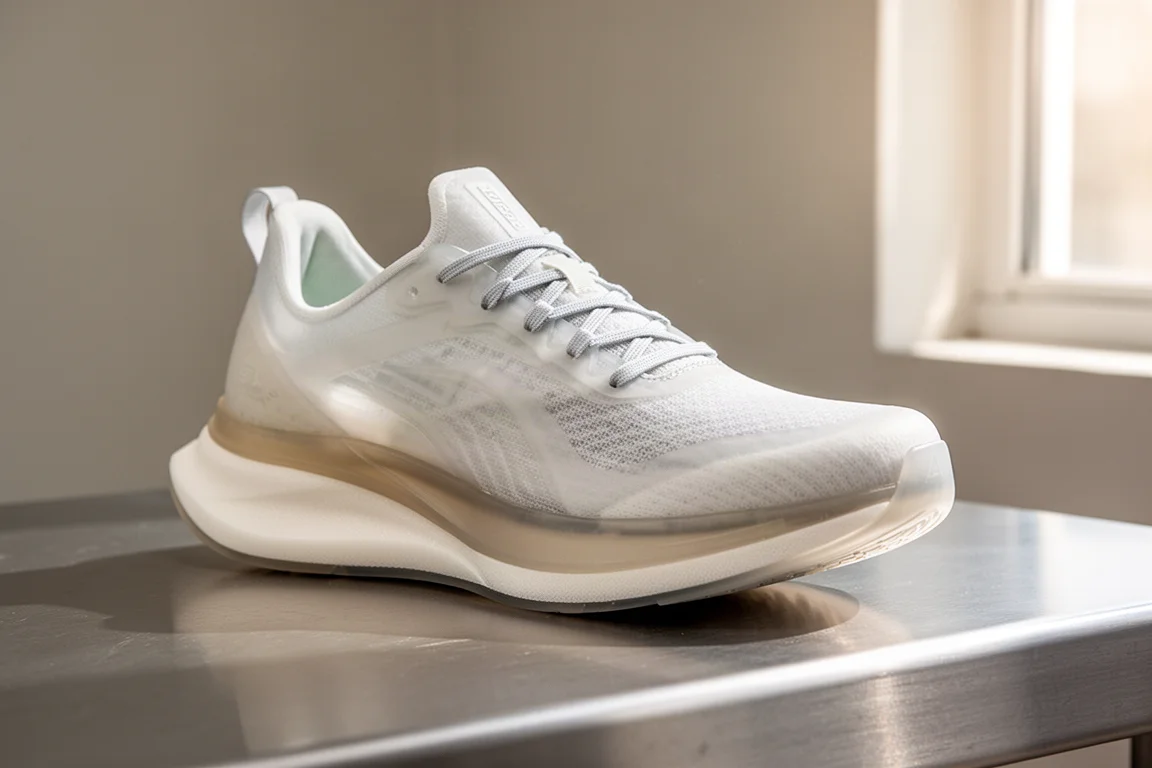
Think of the fastest version of a soft, bouncy super trainer: more aggressive geometry, slightly firmer foam, and better top-end speed. It is built entirely from the firmer foam with winglet plates on both the medial and lateral sides, giving it a wide, stable base and a protective, energetic ride. The aggressive heel bevel carries over from the brand’s previous pro-level racer line and discourages heel landing, which takes some getting used to. In a workout of hard one-minute hill repeats it returned a ton of energy while staying protective. If you like a cushioned, energetic trainer that slants you up onto your toes, this is a strong pick.
Puma Deviate Nitro 4: The Fun Speed Day Shoe
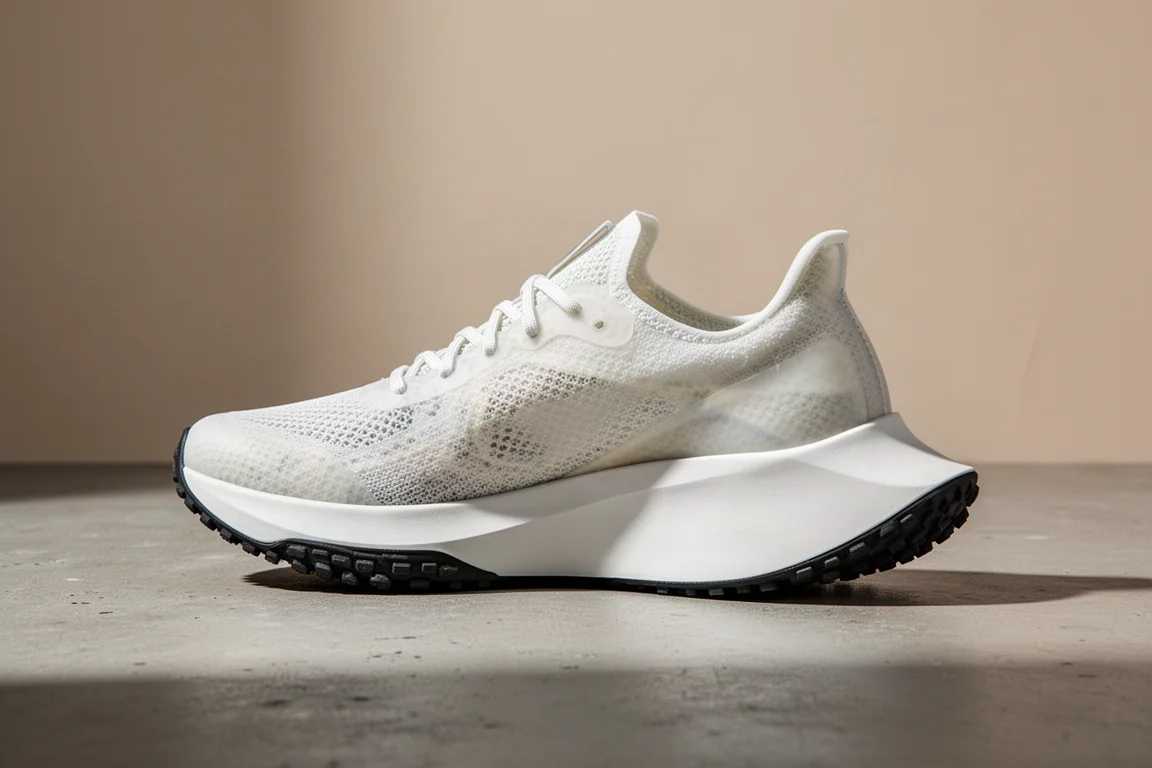
The training version of the race shoe returns to the soft, bouncy character of the cult-classic second generation while keeping some of the smoothness added since. Stack height came down by about 7 millimeters to around 36 to 37, the toe box was widened, and the result is a much more accommodating, lighter shoe. It is very stable but not the most protective, so it is not the first pick for a 20-miler or marathon duty. As a tempo, workout, and fun-everyday-run shoe with strides, it is excellent, and a great all-around choice for a beginner who wants one shoe to train and race in.

Nike Structure Plus: A Niche Worth Knowing
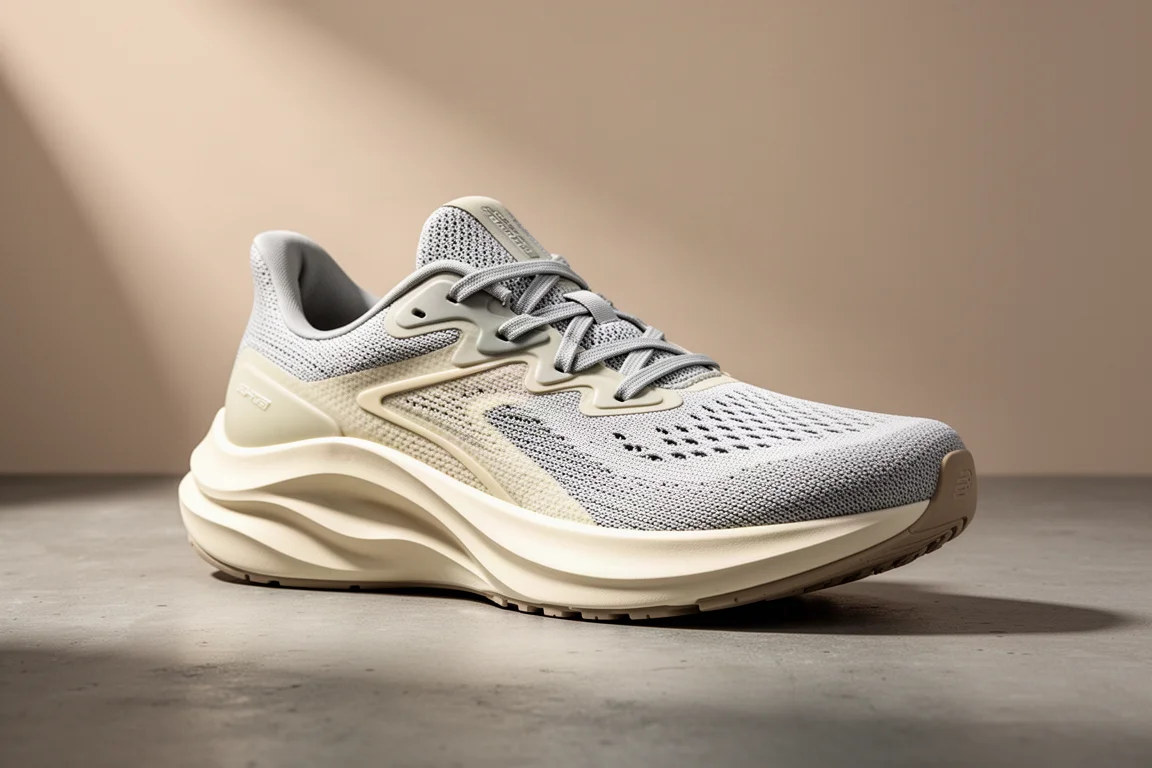
This max cushion stability shoe pairs full-length ZoomX on top with a denser, more supportive ReactX base, and the midfoot support system locks the foot in place. The ZoomX here actually delivers the fluffy, fast feel, making it the closest training-shoe experience to a true race shoe we have tested. The catch is fit within a rotation: it rides oddly fast and aggressive for recovery days, and it is heavier than you’d want for long runs or tempos. For runners who love traditional stability shoes like the Tempest, Kayano, or Glycerin GTS and want a faster, more fun alternative, this is the unicorn they have been waiting for.
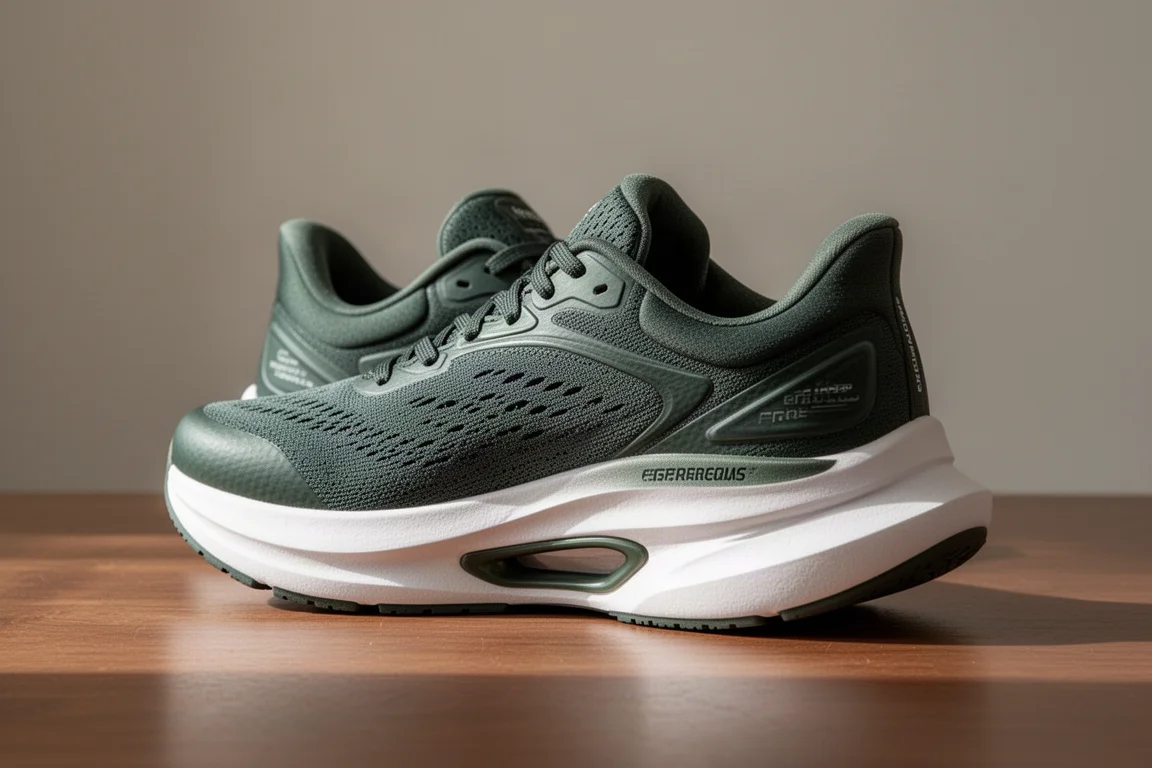
Adidas Evo SL Woven: The Refined Super Trainer
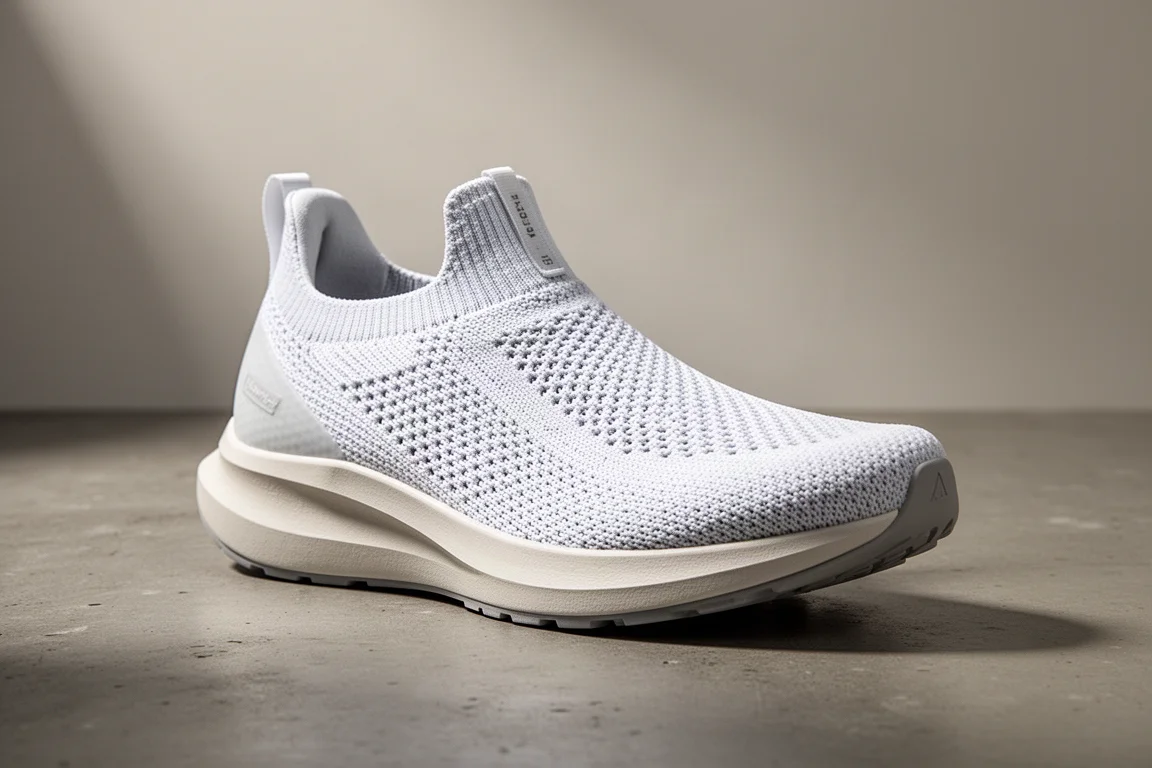
This feels like a totally different shoe from the standard Evo SL, and we like it a whole lot more. The Adios Pro 4-style upper makes it one of the best super trainer uppers out there, over the same Lightstrike Pro midsole with its flat rear and huge forefoot rocker. Once the foam breaks in, the ride gets softer and smoother, and it feels genuinely efficient at moderate tempos. At $150 it is a zone 3 champion type of shoe: not a daily trainer, not a true workout weapon, but a great pick if you did not love the original Evo SL. One caution: grip on snow and ice is poor.
Overall Buying Advice
A couple of themes worth taking away. First, shoes that know their audience win: the comfort-first Nimbus and the purpose-built Deviate Nitro Elite both made strong statements and backed them up. Second, patience pays: older colorways of big-name racers regularly drop well below launch price, and waiting for sales can save you 20 to 50 percent on gear that performs nearly identically.
Two January releases to approach with caution. A $140 standard daily trainer and an $180 speed trainer both struggled because a better shoe exists for nearly every use case: the former felt average at everything and great at nothing, while the latter put a thick layer of old-school EVA under race foam and ended up harsh, heavy, and compromised on roads. And one housekeeping note for fans of a certain $295 flagship racer: it is still being sold in new colorways four calendar years after its original release. It remains a great shoe, and older colorways can often be found for $200 to $220, but new releases at full price are a hard pass until a successor lands.
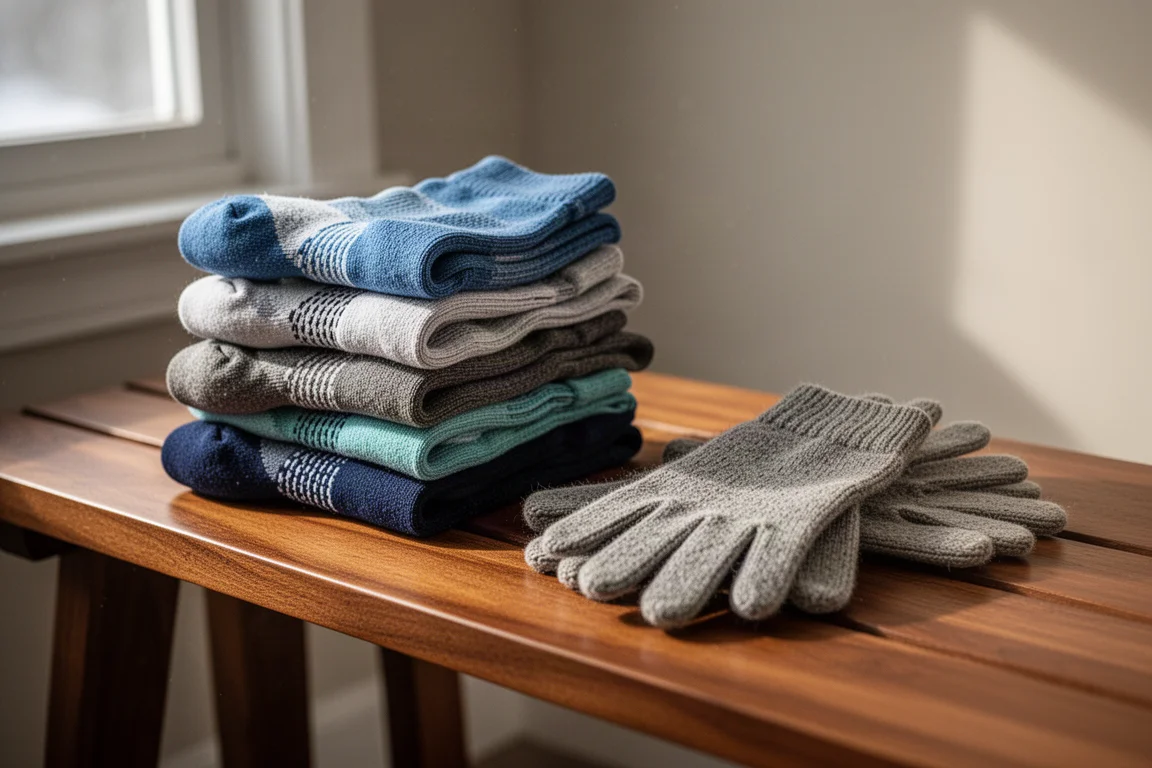
Layering-wise for winter running, the formula that works is a light wicking long-sleeve base layer, a quarter-zip mid layer, and a fleece outer, with a vest as a flexible alternative. Socks matter less than people think as long as you avoid cotton in the cold; moisture-wicking synthetics or merino blends keep wet feet from turning cold.
Conclusion
The Puma Deviate Nitro Elite 4 is the release to beat this month, with the Gel Nimbus 27 as the comfort pick and the Mizuno Hyperwarp Elite and Pro as excellent all-round performers. Match the shoe to the runs you actually do, and most of this January lineup has something genuine to offer.
Further reading
Related Reviews

Running Shoes
Best Road-to-Trail Running Shoes: Three Versatile Options for Mixed Terrain
A practical guide to three road-to-trail running shoes that handle both pavement and mild trails, with clear strengths and trade-offs for different runner types.

Running Shoes
Best Running Shoes for Achilles Tendonitis: Three Options Explained
Three running shoes with different heel drops and support features designed to help reduce Achilles tendon pain during walking and running.

Running Shoes
Best Running Shoes for Women: Five Top Choices Ranked
A ranked guide to five women's running shoes, from versatile daily trainers to high-performance racing options, with real strengths and trade-offs for each.