Tools
Best Impact Swivel Sockets and Adapters: Three Options at Very Different Price Points
Impact swivel sockets are essential, expensive, and potentially dangerous. We compare a premium welded-pin set, a budget pinless set, and a collared adapter set to help you choose.
Introduction
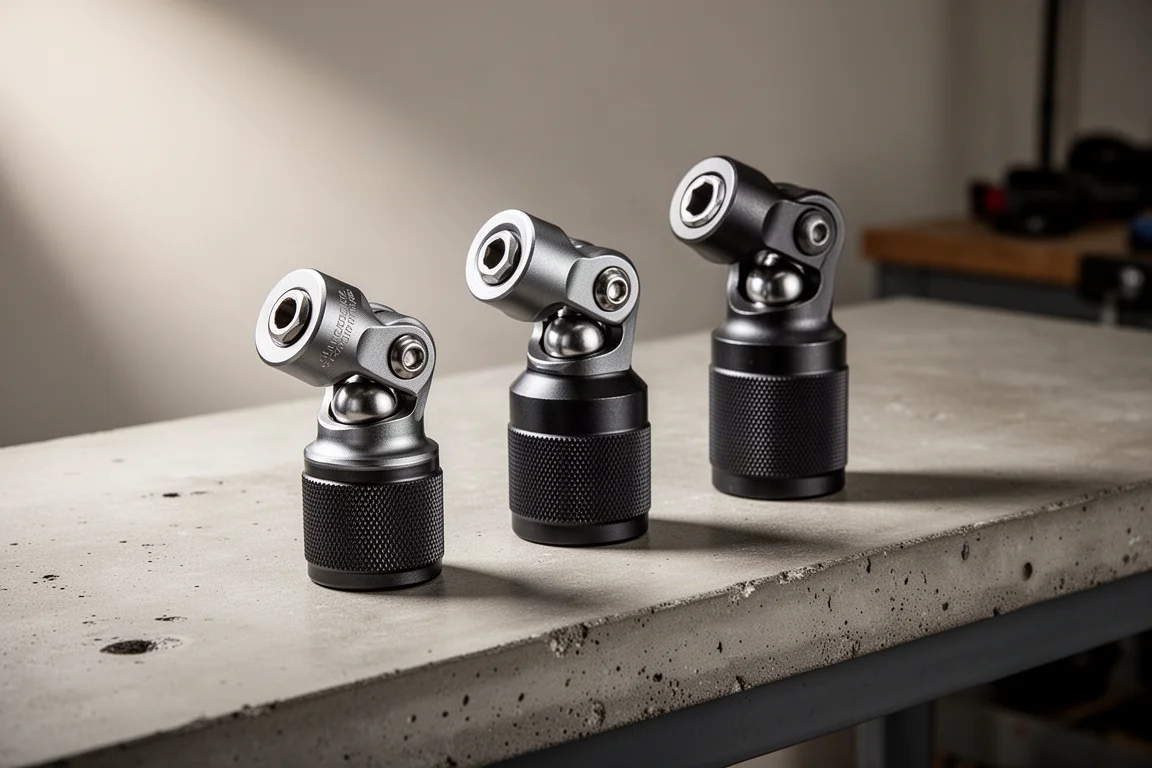
Impact swivel sockets are one of those tools that get quietly used constantly, yet rarely get talked about with the depth they deserve. They are among the most essential and most used sockets in the box, but also potentially the most dangerous and definitely the most expensive per piece. And with so many variations on the market, it is genuinely hard to know which design is the most useful, the safest, or whether you even get your money’s worth.
This comparison covers three approaches at very different price points: the premium Snap-On impact swivel socket set with its welded pin design, the budget-friendly Husky set with a simple pinless layout, and a set of Ulsa collared swivel adapters that let you convert regular impact sockets instead of buying a dedicated swivel set.
Match the Tool to the Level of Impact
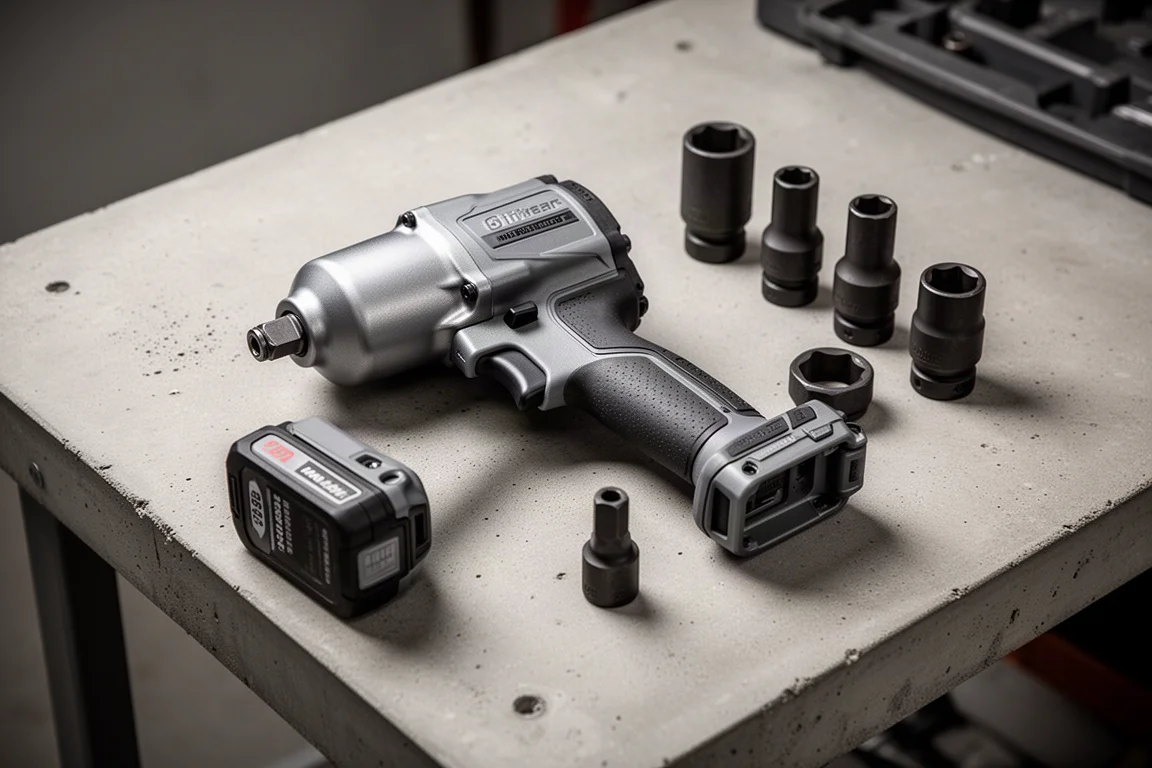
Before picking a socket, it helps to think about how much impact you are actually putting through it. On the light end, a compact M12-style impact driver with a quarter inch hex chuck will drive sockets including impact sockets just fine for many tasks. A step up in power is a small M12-class impact wrench, and above that sits a full half inch drive M18-class tool, where socket quality genuinely starts to matter.
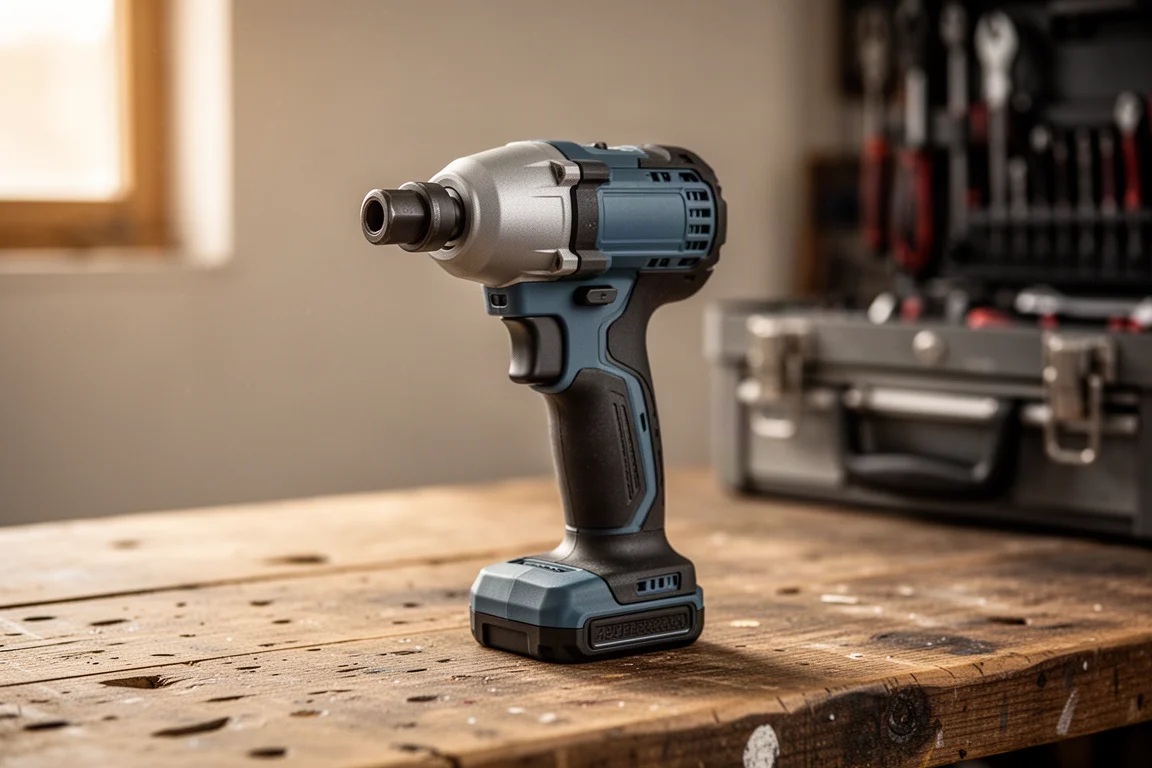
If you mostly stay on the lower end of that spectrum, the less expensive socket options become far more viable. The risk case is a heavy, high-speed impact tool under sustained load, and that is where design and material quality earn their price.
Snap-On Impact Swivel Socket Set
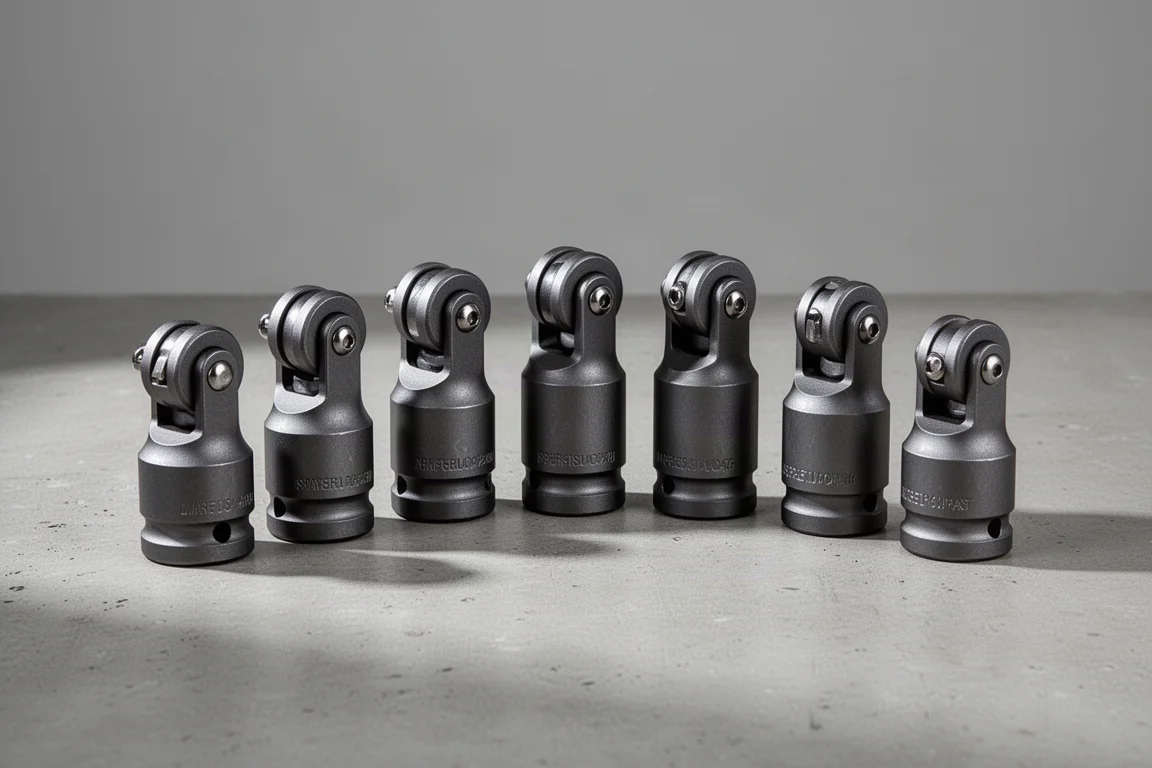
The Snap-On seven piece impact swivel socket set costs $426 if bought new, and it tops out at 18mm. Since many users want a 19mm as well, adding that socket on top pushes a complete small set close to $500. That is a serious amount of money for a handful of sockets, and it is the classic “Snap-On tax” conversation in full.
What you are paying for is construction. These use a ball with a welded-in pin, essentially a rod through a ball that is welded and then polished. The intent is that if the socket fails, it should crack or snap off rather than blow apart, which is about as close to failing safely as a spinning, banging, angle-working socket can get. Some users dislike the sharp ridges on certain Snap-On swivels, which can feel like a buzz saw compared to smoother competitors, but the overall build quality is the benchmark here.
Husky Impact Swivel Socket Set
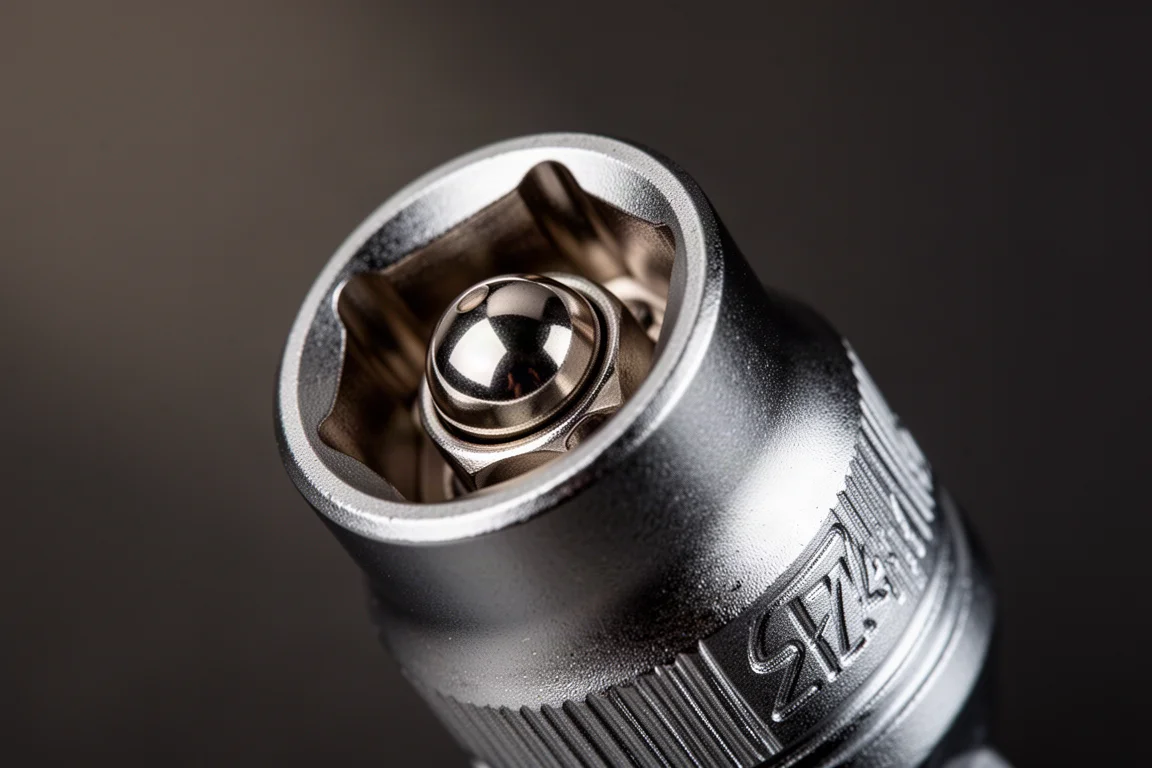
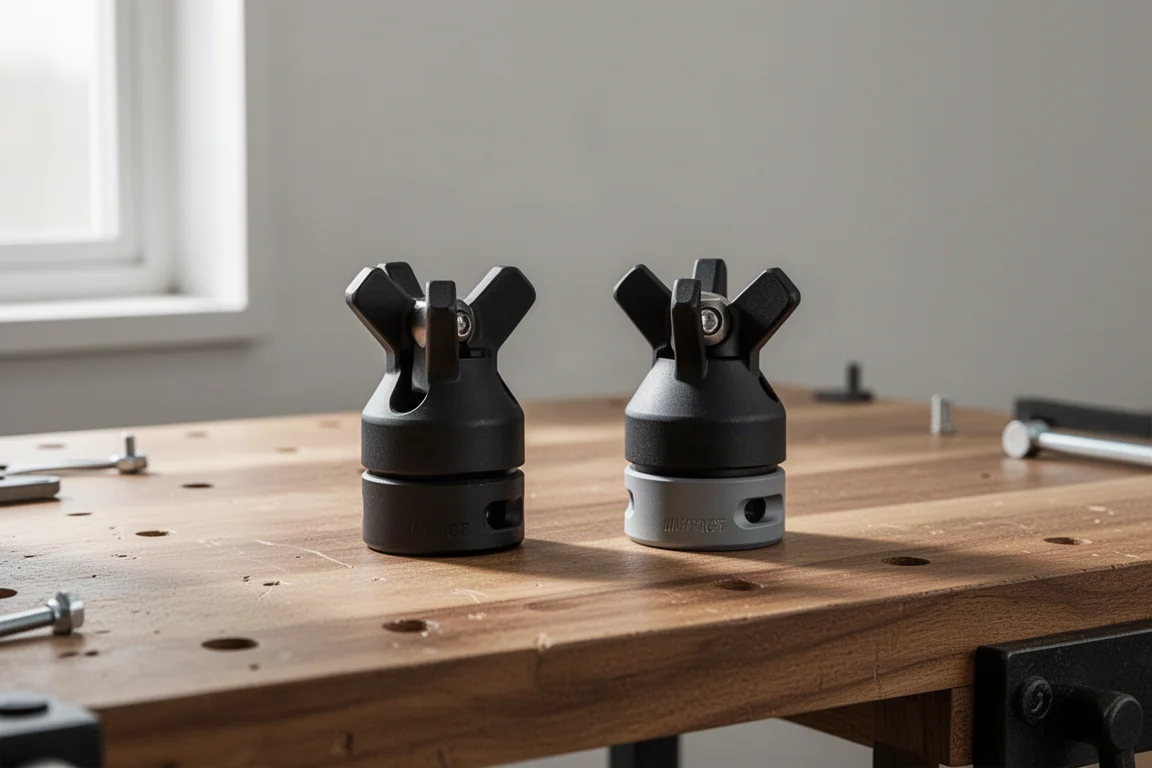
At the other end of the price spectrum sits the Husky set, which cost somewhere in the high 30s to low 40s dollars years ago and now sells as roughly a $50 set. The design is deliberately simple: a four-fin pinless swivel that is fairly smooth in operation. The trade-off is that they lack the stout, dense feel of a true impact socket, and long-term durability is less proven.
Husky even includes a warning that stands out: “do not hold socket while in use,” which is exactly what most people instinctively do. That note alone suggests some caution is warranted. For light impact work with smaller tools, this set can be a reasonable starting point, but pushing it hard with a powerful impact wrench carries real risk.
A Middle Option: A Newer Pinless Set Worth Knowing About
There is also a newer pinless option worth mentioning in the middle of this range: a 10 through 19mm no-skips set that sells for around $100. Unlike the four-fin Husky, these use a six-sided, giant hex ball pinless design, and they are made from chrome molybdenum rather than the chrome vanadium typical of hand sockets. They feel noticeably closer to the Snap-On sockets than the Husky ones do, with a fairly shallow swivel profile.
The interesting takeaway here is that pinless is not automatically good or bad. A well-executed $100 pinless set can feel solid and useful, while a cheap pinless design can be the riskiest option on the shelf. Quality level matters more than the pinless label itself.
Ulsa Collared Swivel Adapters
Ulsa takes a different path entirely: instead of a dedicated swivel socket set, it offers a set of three collared swivel adapters. These use a heavy metal collar around the pin to keep it in line, which adds weight and girth but should help hold everything together if a crack develops.
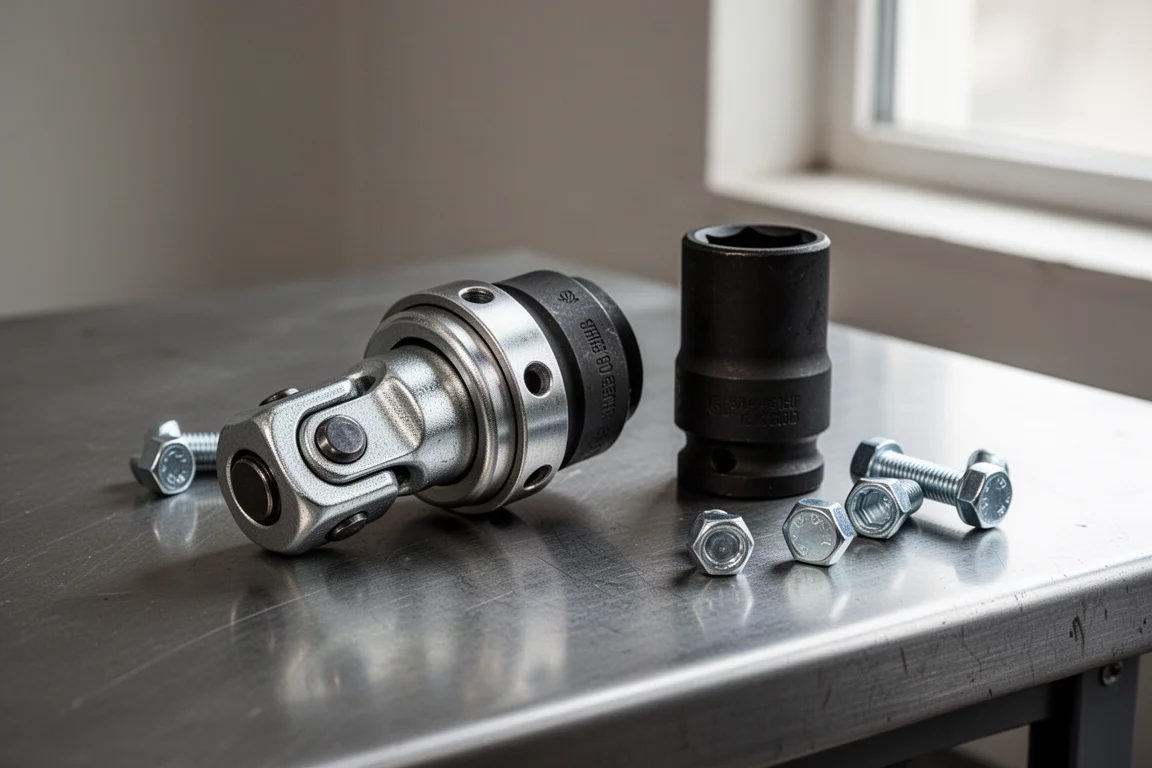
The practical appeal is cost efficiency. Pairing an adapter with impact sockets you already own gets you much of the benefit of a dedicated swivel set without buying one, making it a less expensive way to start working at angles with an impact tool.
Buying Advice: Matching Design to Price
Design choice and price tier have to be considered together, because the same design can be safe at one quality level and questionable at another. If you are buying at the very low end, a heavier collared pin design is likely a better bet than an inexpensive pinless one. In the middle tier, a well-made pinless design becomes reasonably safe and genuinely useful. At the top end, where sockets see heavy, sustained impacting, the welded pin construction is the conservative choice, precisely because pinless designs are harder to make well at that level of abuse.
It is tempting to assume pinless is simply better, the way wireless beat corded, but it does not quite work that way. Pinless is more expensive precisely because it is harder to manufacture safely, so unless the pinless design is from a maker you trust, spending a lot on one is hard to justify.
Conclusion
There is no single right answer for impact swivel sockets, only the right combination of design, quality, and how hard you drive them. Light-duty users can start with the affordable Husky set. Intermediate users get a strong value story from the Ulsa collared adapters paired with sockets they already own. For heavy, frequent impacting, the Snap-On welded pin set remains the benchmark, assuming the near-$500 price is acceptable. Whatever you choose, match the socket to the tool and the task, and treat these as the potentially dangerous tools they are.
Further reading
Related Reviews

Tools
Best Contractor Grade Tape Measures 2026: Eight Models Tested Head to Head
We tested eight contractor grade tape measures from Milwaukee, DeWalt, Crescent Lufkin, Tajima, Stanley, Irwin, Gelan, and Craftsman to find the best value and performance.

Tools
Best Precision Screwdriver Sets 2026: Manual and Electric Options Compared
We compare 19 precision screwdriver sets, from budget manual kits to electric drivers, to find the strongest bits and best value.

Tools
Best Stud Finders 2026: Five Popular Models Put to the Test
We tested five popular stud finders on drywall, firewall, and lath and plaster surfaces to see which ones really find studs and avoid false readings.