Kitchen Appliances
12 Immersion Blenders Tested: From $15 Budget Picks to $200 Powerhouses
Twelve immersion blenders went through smoothie, splatter, ice-crushing, and endurance testing. Here is how the field shook out, from the Ovente to the Vitamix.
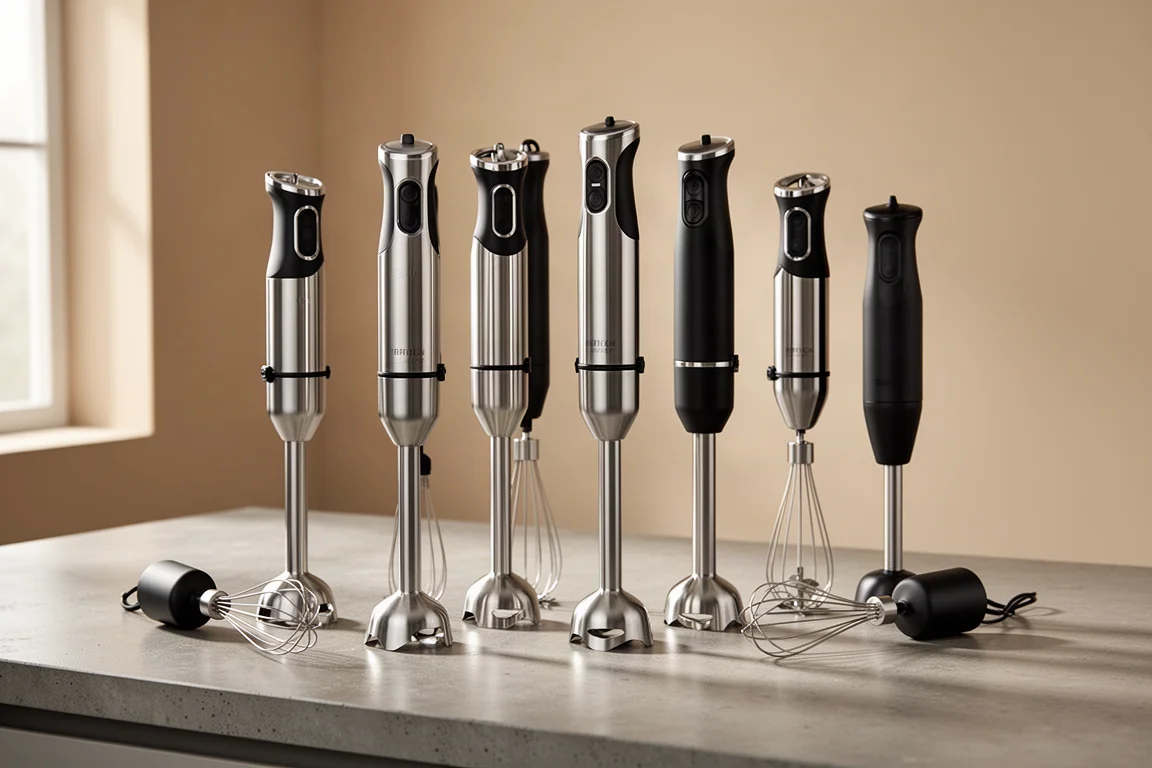
Introduction
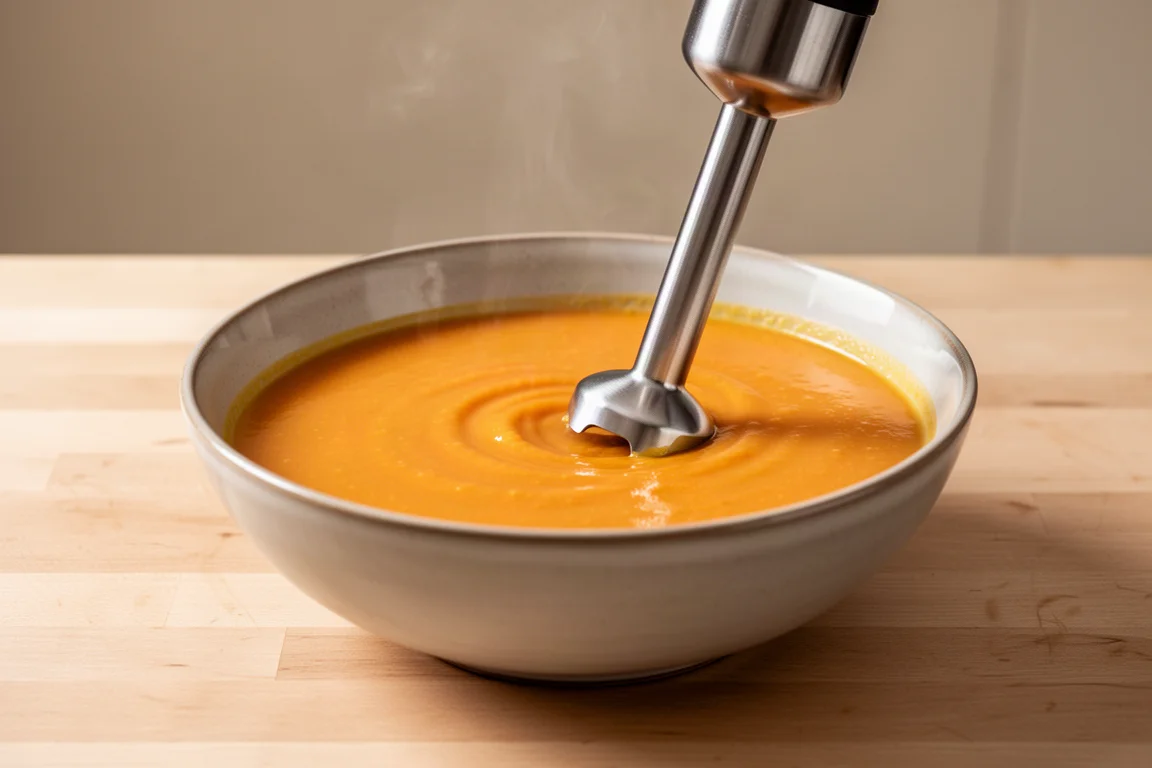
An immersion blender is one of the easiest kitchen upgrades to justify, but the price spread is enormous: the models tested here run from $15 to $200. Is the cheapest one good enough, or does spending more genuinely buy better blending? To find out, twelve immersion blenders went through the same battery of tests: making a smoothie from 10 oz of frozen berries and 10 oz of water in 30 seconds, controlling splash and splatter in soup, turning 6 oz of ice and 7 oz of water into a slushy, and running continuously for three minutes.
Measured details included no-load wattage, peak energy use, no-load RPM, noise level in decibels, and overall weight. The differences between brands turned out to be far bigger than the price tags alone would suggest.
How the Testing Worked
Every blender faced identical conditions. The smoothie test weighed leftover unblended berries after 30 seconds, which made results directly comparable. Sound was measured from roughly 12 inches away, and each unit was weighed to give a rough sense of build density.
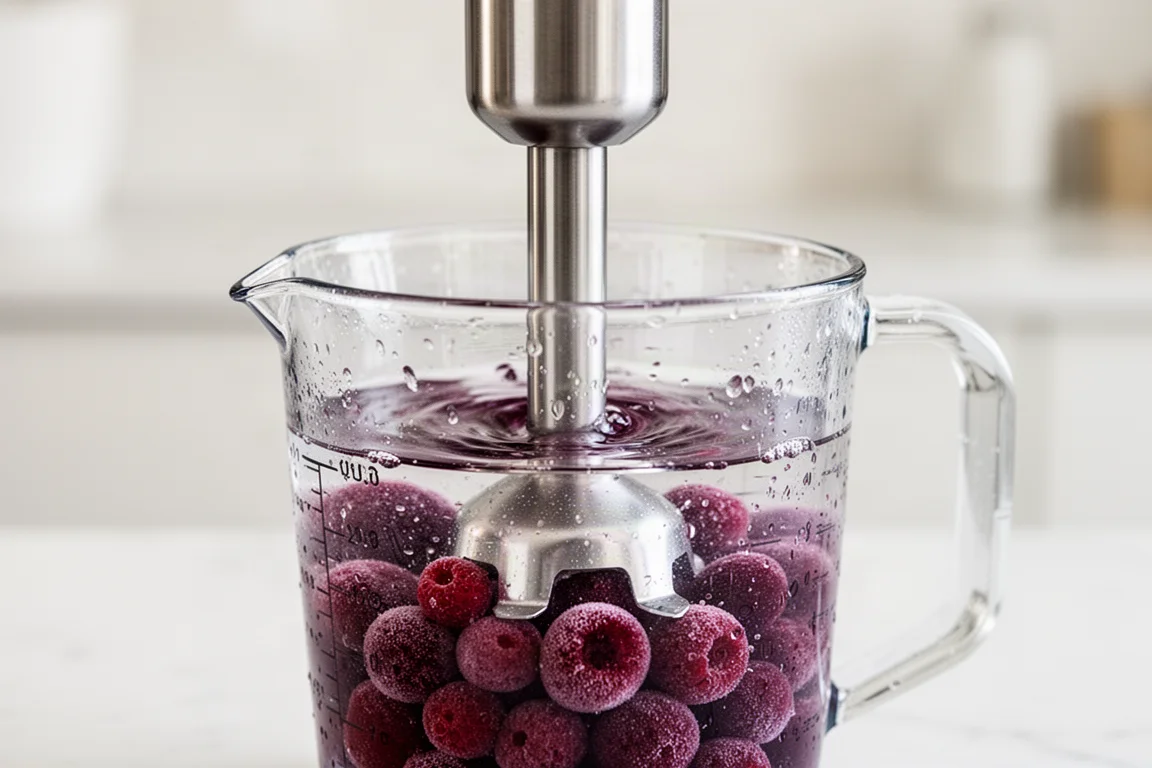
One theme repeated across every test: blade and head design mattered more than claimed motor wattage. Several models with impressive spec sheets struggled badly against frozen berries simply because their head geometry could not create a strong suction vortex to pull ingredients into the blades.
Budget Picks: Ovente and ZKB Home
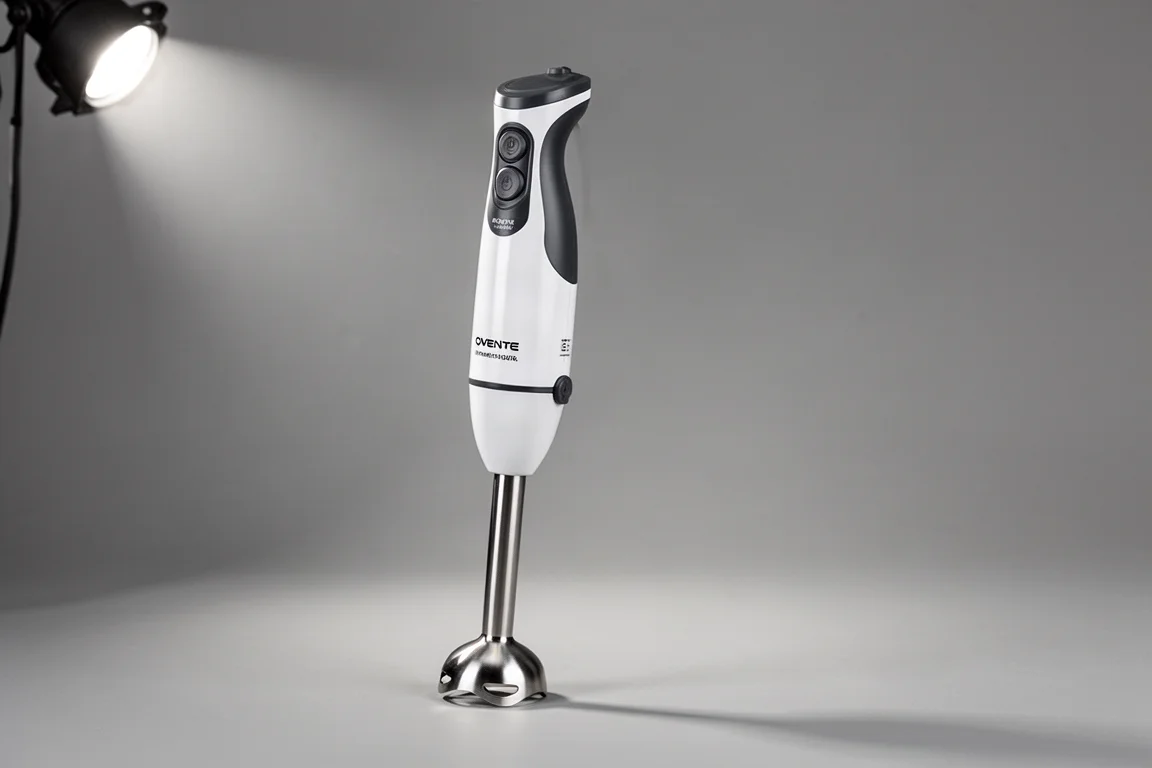
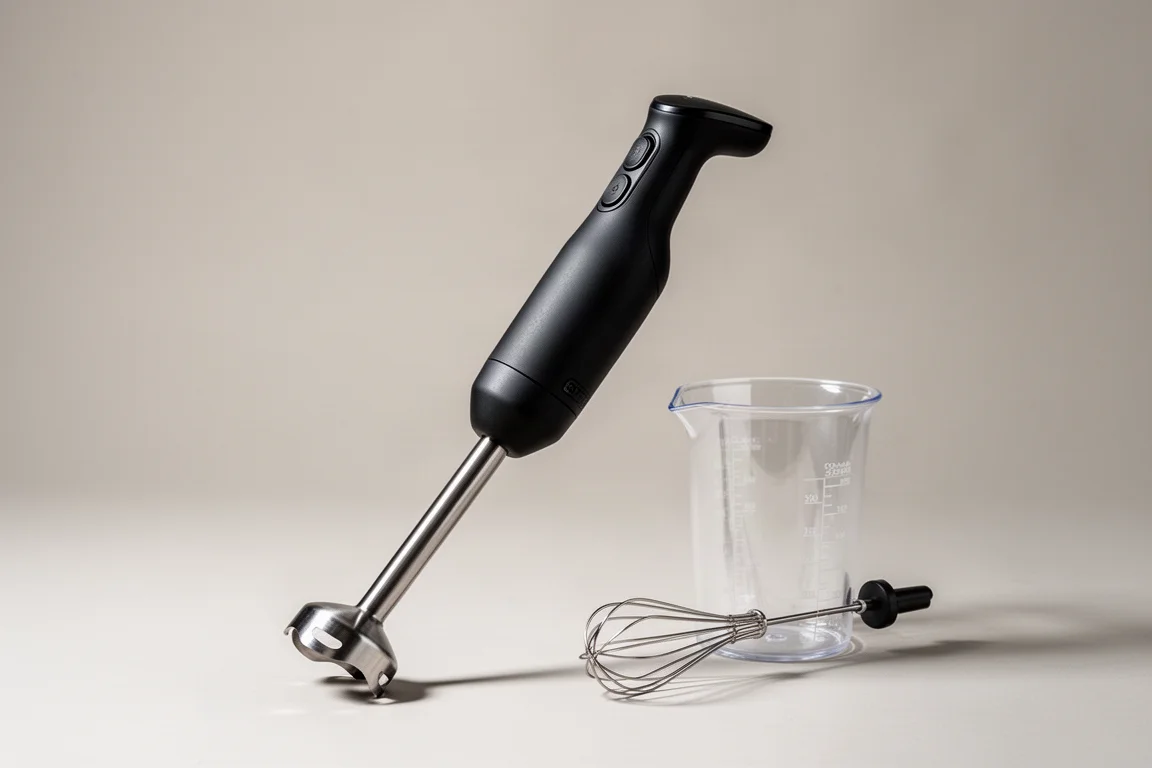
The Ovente, at $15, claims a 300 W motor, a pulse-activated sensor, and two blending speeds. Measured, it drew close to 87 W unloaded, spun at 19,252 peak no-load RPM, and hit 82.5 decibels, weighing 692 g. It was the fastest unloaded of the group, but in the smoothie test it lost a lot of RPM under load and left 5.8 oz of berries unblended. It did keep the soup in the bowl when fully immersed, though soup spilled when lifted.
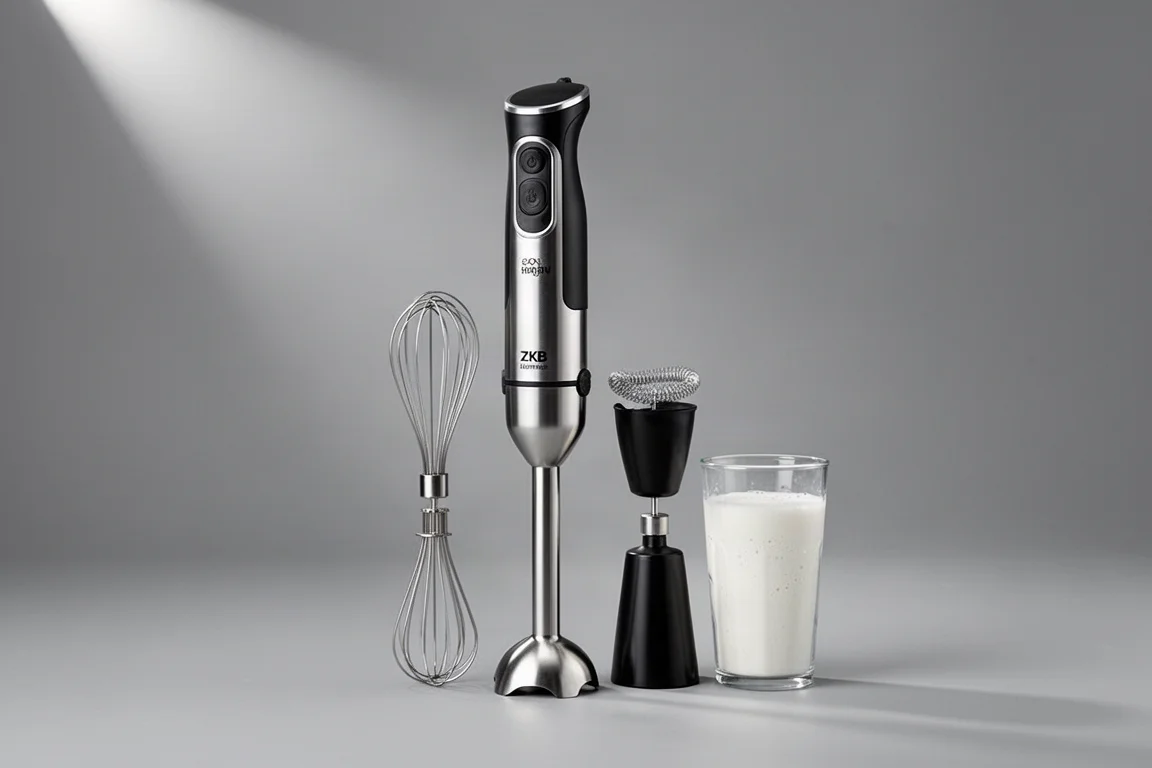
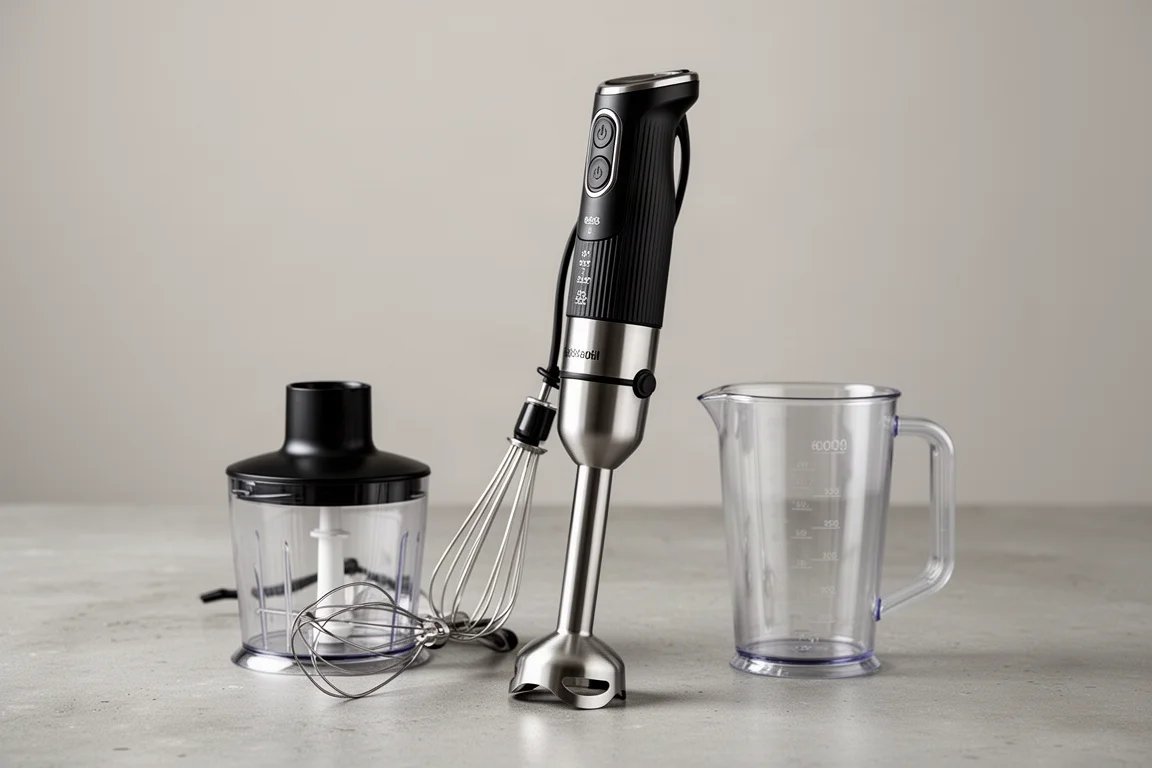
The ZKB Home, at $27, claims a 1,100 W full copper motor and ships as a three-in-one cordless kit with a whisk and milk frother. It measured around 50 W unloaded, 13,353 RPM, and a quiet 67.2 dB at 806 g. It beat the Ovente on berries with 4.8 oz remaining, and it actually won the ice-crushing test outright, leaving only 0.3 oz of ice. The trade-off: it created a soup wave that spilled over the bowl.
The Value Leader: Mueller
At $32, the Mueller five-in-one claims a 12-speed hand mixer with turbo boost, titanium reinforced blades, and an 800 W clump-destroying motor. Measured numbers: around 62 W unloaded, just over 15,000 RPM, 75.7 dB, and 714 g. It peaked at around 270 W during the smoothie test and produced a strong vortex that shredded nearly everything, leaving just 1.8 oz of berries, the best result at that point.
It also performed well on ice with almost nothing left, and its splash control was excellent: a mess-free powered entry and an almost perfect exit with tiny droplets. Across all graded categories it posted the best average finish of 2.3, making it the overall winner of the group and the standout value pick.
Mid-Pack Contenders: Ganiza, Turllar, KitchenAid
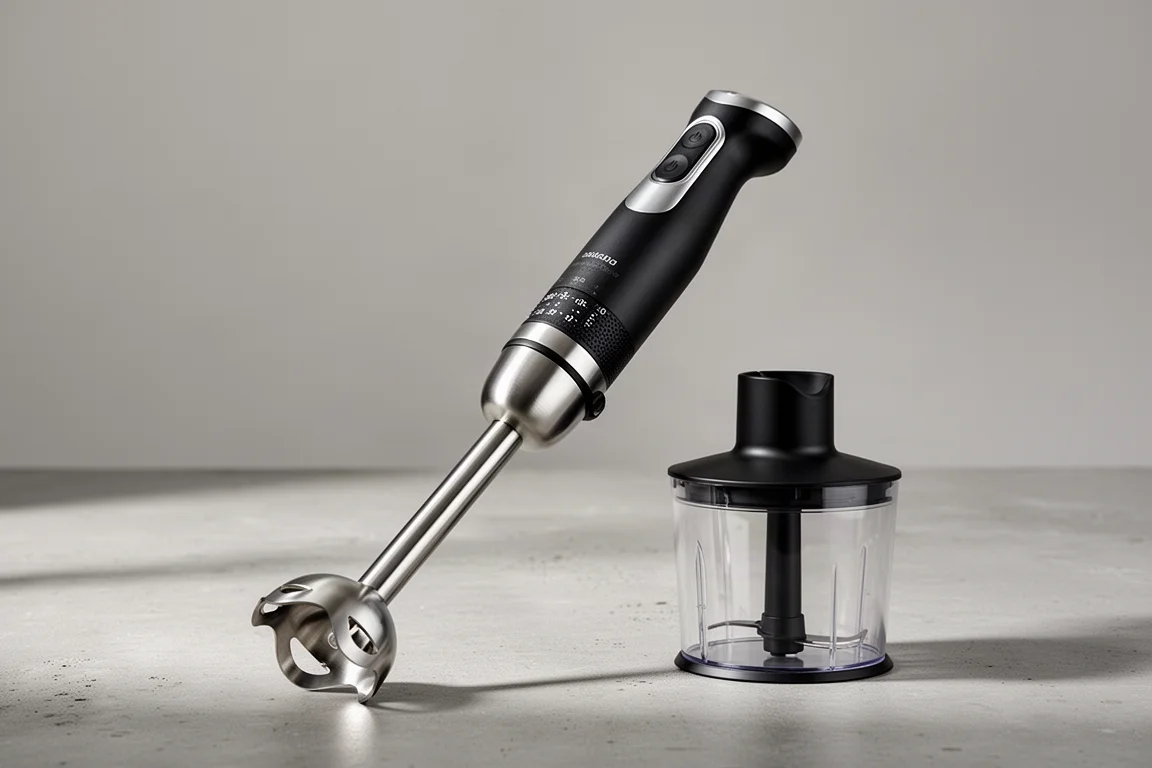
The Ganiza, $35, claims a max 1,000 W heavy-duty motor, 16 speeds, a stainless steel blade, an 800 ml mixing beaker, a 600 ml chopper, whisk, and milk frother. It measured just over 56 W unloaded, around 15,500 RPM, and a loud 82.6 dB at 866 g. Despite the power on paper, it struggled with the berries, leaving 5.9 oz, and finished fourth in that test.
The Turllar, $36, claims an 1,100 W motor with trigger variable speed, includes a whisk and frother, and uses BPA-free accessories. It measured around 56 W unloaded, just over 13,000 RPM, 74.4 dB, and 810 g. It was overwhelmed by the frozen berries, leaving about 8 oz untouched, the weakest smoothie result of the group.
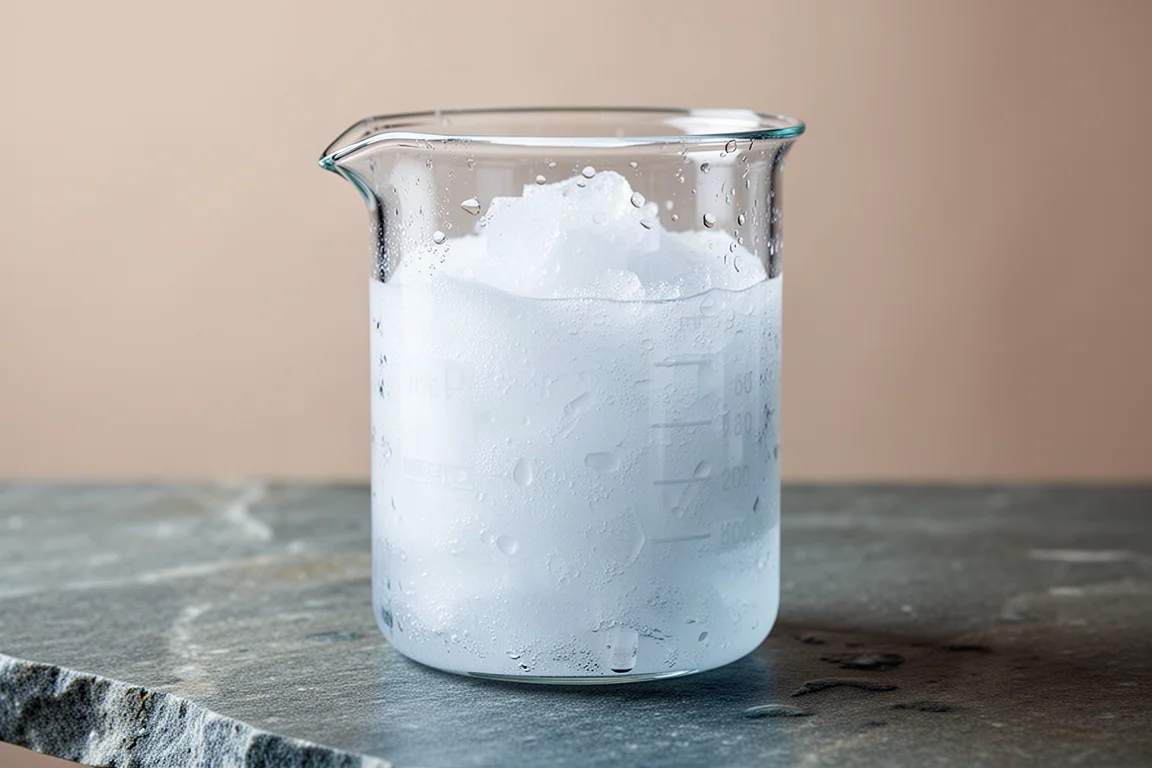
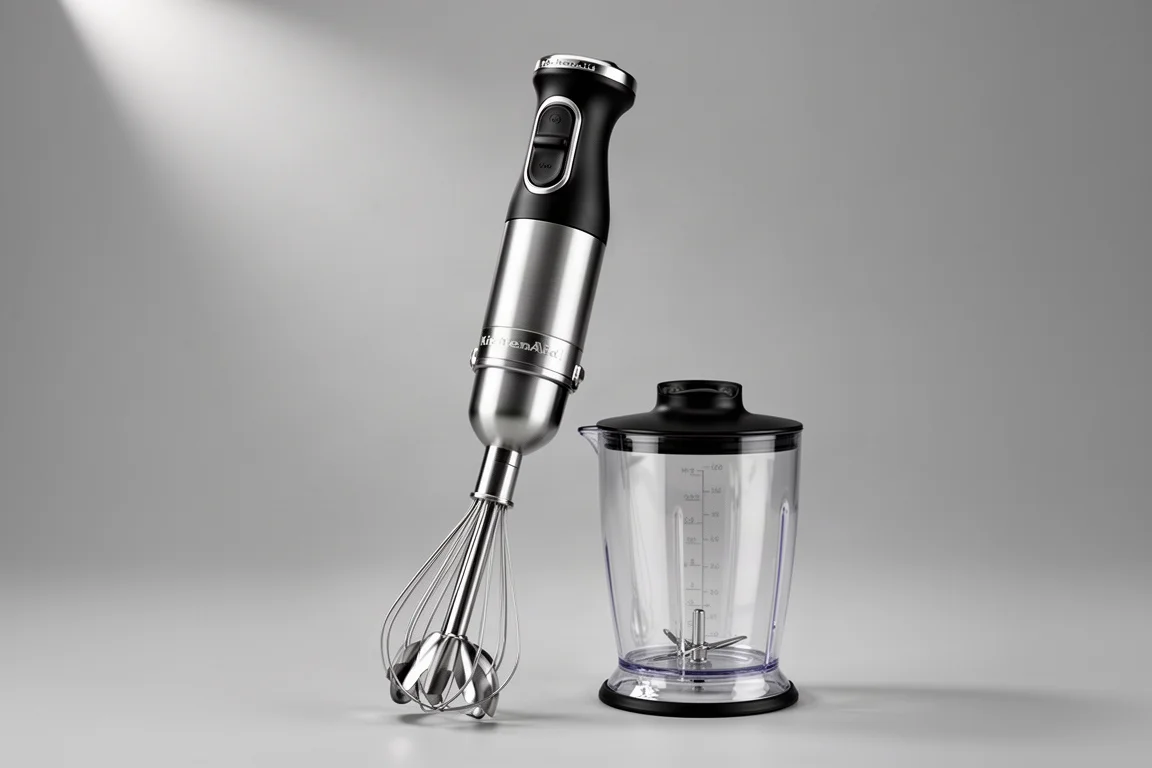
The KitchenAid, $55, claims four stainless steel blades, a US patented removable pan guard, a three-cup BPA-free blending jar, and a dishwasher-safe blending arm. It measured around 59 W unloaded, just under 11,700 RPM, and was the quietest tested at 66.5 dB, weighing 792 g. It made a decent smoothie with 3.9 oz remaining, good for second place at that stage, and lifted ice directly into the blade path for a very clean slushy.
The Sweet Spot: Cuisinart
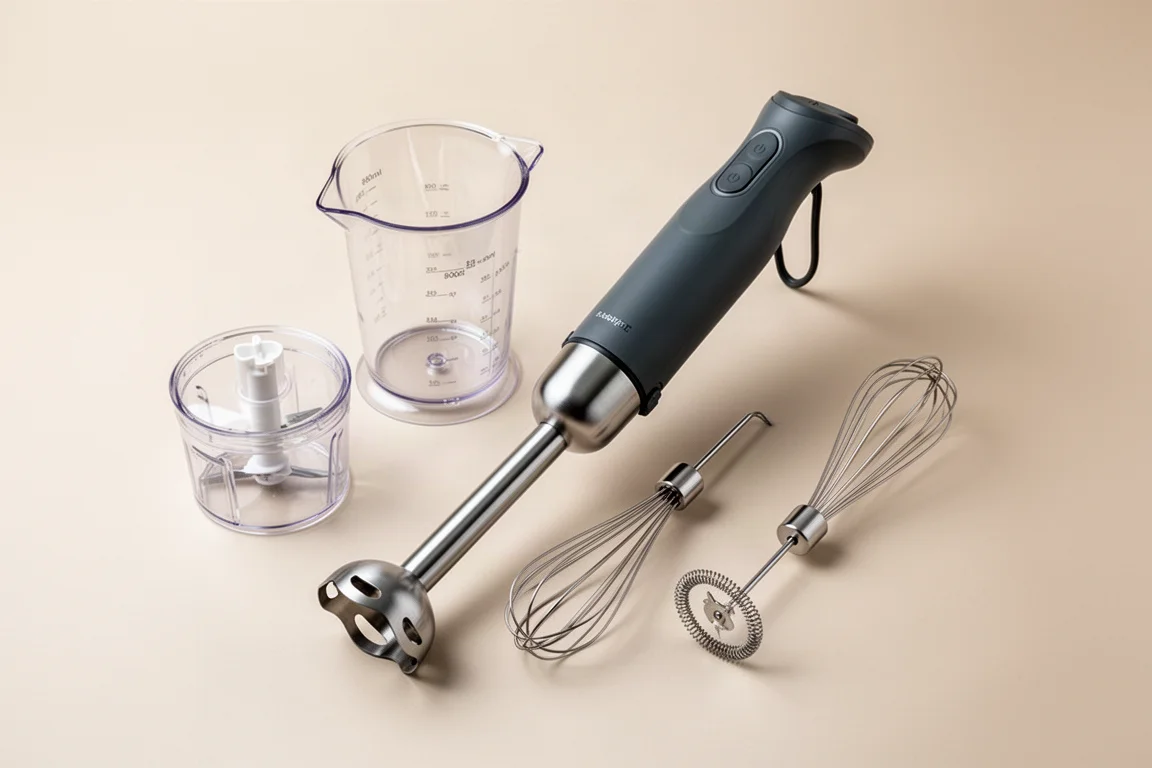
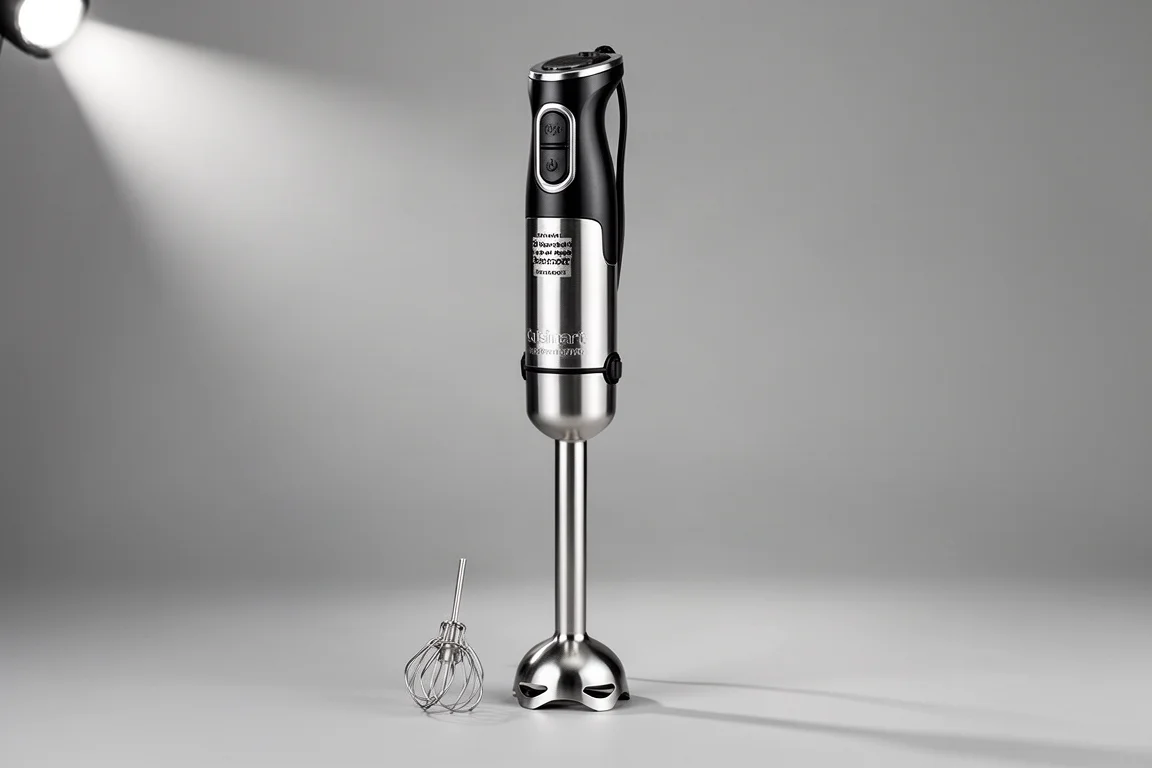
At $59, the Cuisinart offers a two-speed fingertip slide control, a claimed 300 W motor, an 8-inch stainless steel blending shaft, a 24 oz mixing cup, and a 3-year limited warranty. Measured: just over 50 W unloaded, just over 12,000 RPM, 74.9 dB, and 720 g.
In the smoothie test it attacked the berries immediately and produced possibly the best-looking smoothie yet at that point, leaving only 1.4 oz, which put it in the lead. It also made a very nice slushy with just one tiny particle of ice remaining. The one weakness: it makes huge waves in soup, and its powered entry and exit were messy. At $59, it was called out as the personal pick, a strong balance of price and blending performance.
More Power, More Mess: Color Limo, Braun, Ninja
The Color Limo, $60, claims an 1,800 W motor, four-in-one functionality, eight variable speeds with turbo boost, and speeds up to 14,000 RPM, with a 500 ml chopper, 600 ml beaker, and whisk included. It measured the highest no-load draw yet at around 92 W, 13,300 RPM, 73.5 dB, and 868 g. It used over 200 peak watts but could not lift and chop berries as well as the Cuisinart, leaving 6.6 oz.
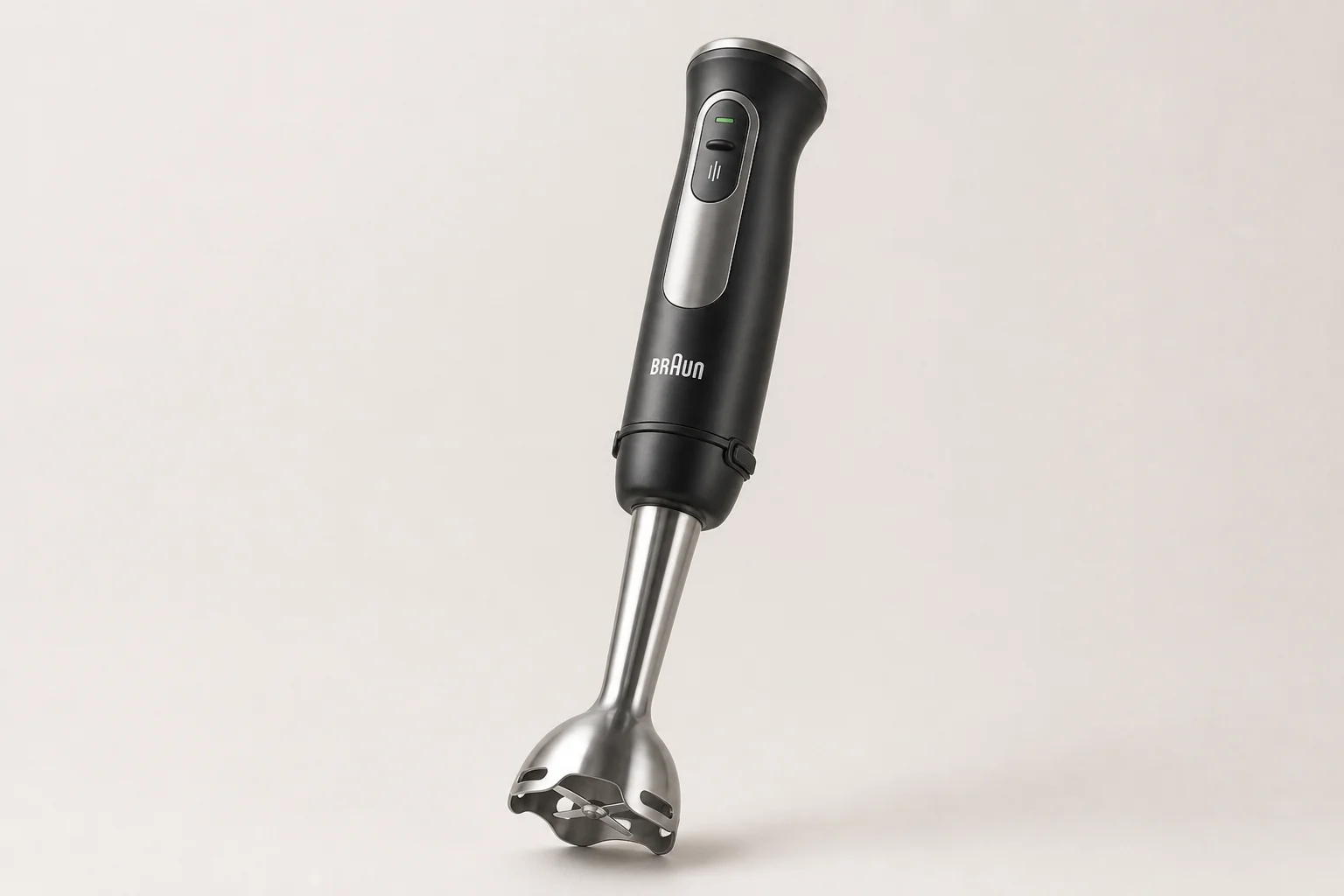
The Braun, $70, claims a 400 W motor, 21 blending speeds with turbo, and splash control technology. It is designed in Germany and made in Romania. Measured: around 45 W unloaded, about 14,200 RPM, a quiet 68.6 dB, and 802 g. Its splash control claim held up, with an almost perfect powered entry and exit. It left 2.4 oz of berries and made a very clean slushy with one small piece of ice remaining, earning it second place overall with an average finish of 2.7 and a build quality that seemed a notch above the Mueller.
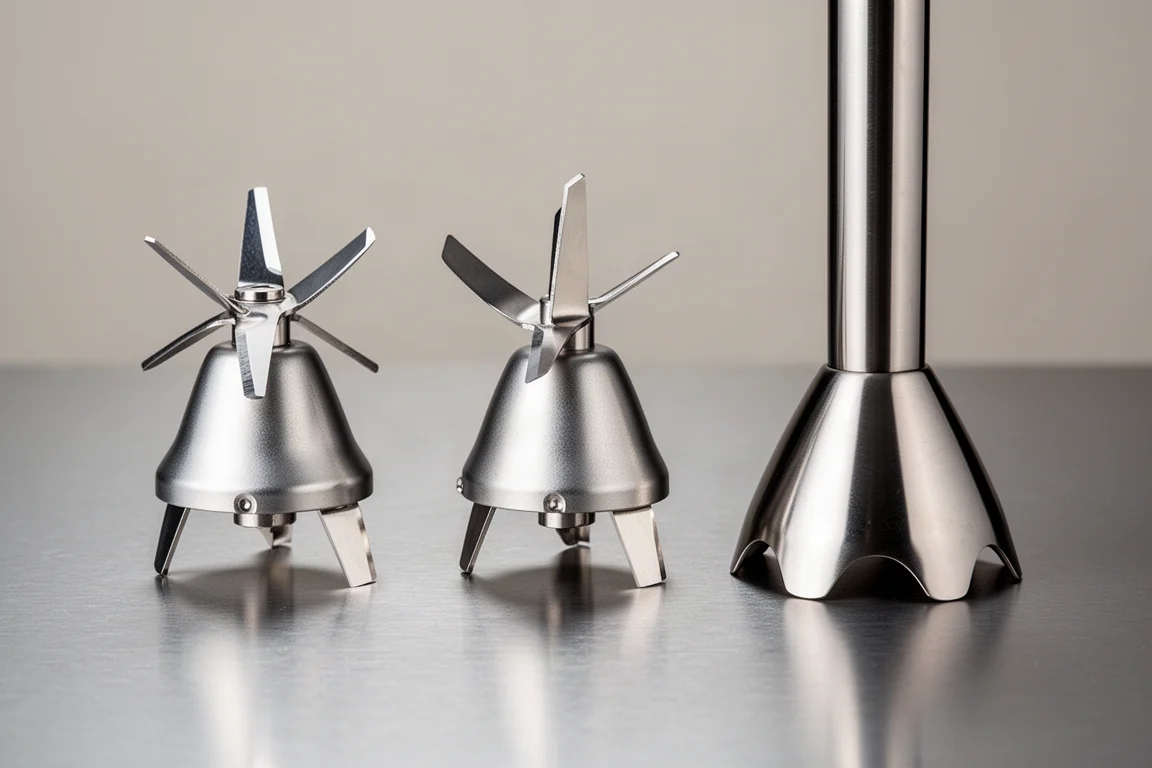
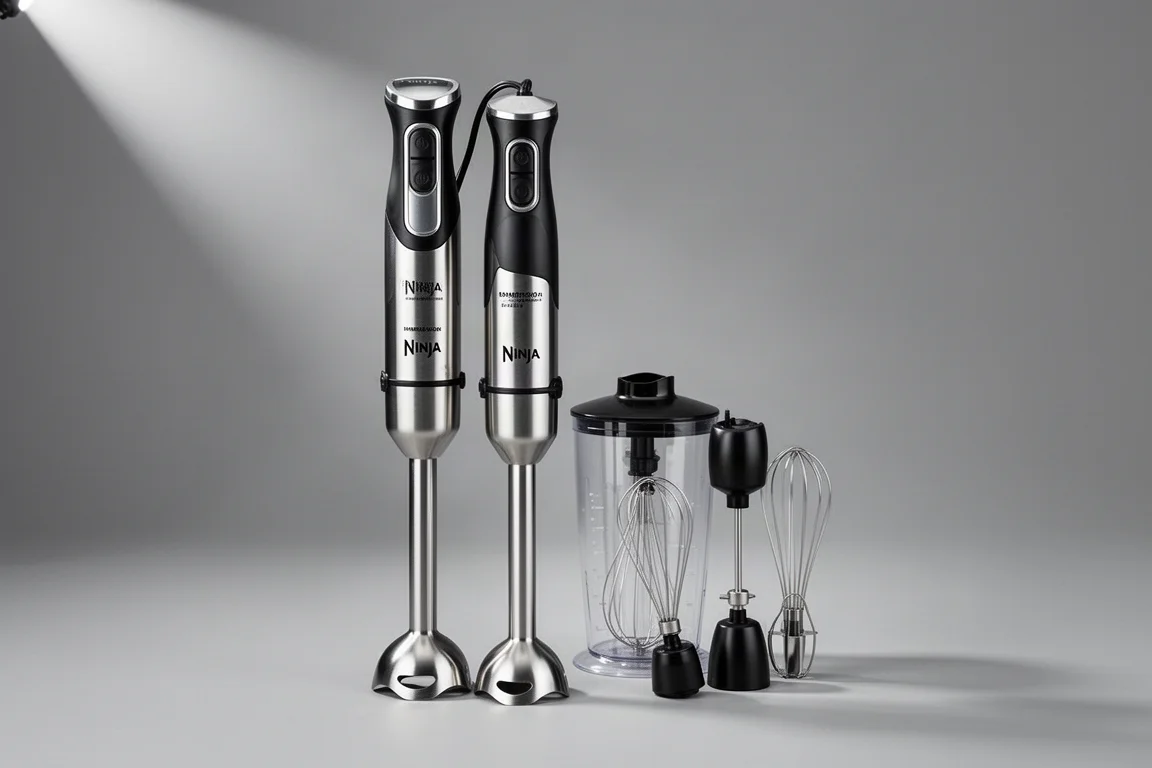
The Ninja, $80, claims a 750 W peak motor and includes a power base, a 9-inch immersion blending arm, a rapid whisk, a 4-cup blending vessel with lid, a recipe guide, and a splatter shield, with four speed settings. It was the most energy efficient unloaded at 38.3 W, produced just over 15,000 RPM, ran at 68.7 dB, and weighed 1,042 g. Despite the power, its blade and head design struggled with berries, leaving 6.2 oz, and it was one of two units that began smoking near the end of the 3-minute endurance test, though it survived without damage.
Endurance and Final Rankings
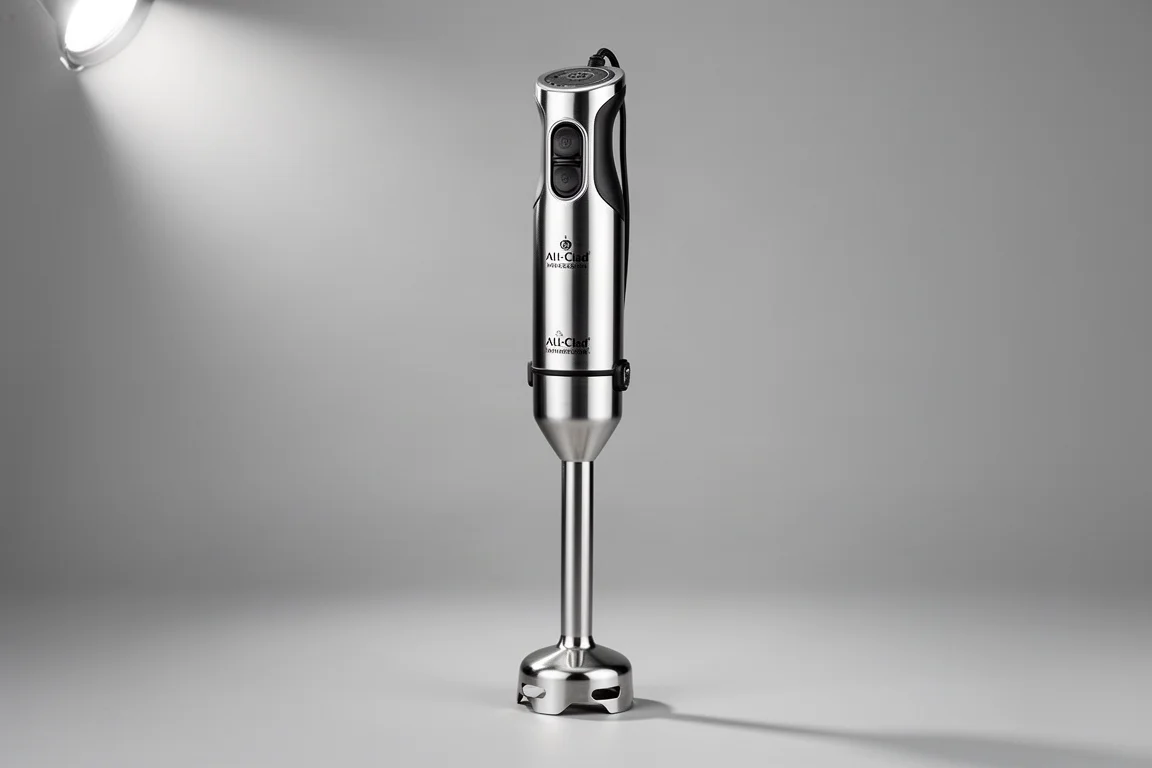
The premium tier delivered on blending. The All-Clad, $150, claims a 600 W motor, a two-piece design with turbo function, an extra-long 9.25-inch drive shaft, a variable speed dial, and a turbo button. It measured around 50 W unloaded, just over 15,100 RPM, 74.9 dB, and 1,126 g. It attacked the berries without hesitation, peaked at around 255 W, and finished third overall in the smoothie test at 1.5 oz. It also handled ice well, leaving one small pebble, though it made quite a soup tsunami.
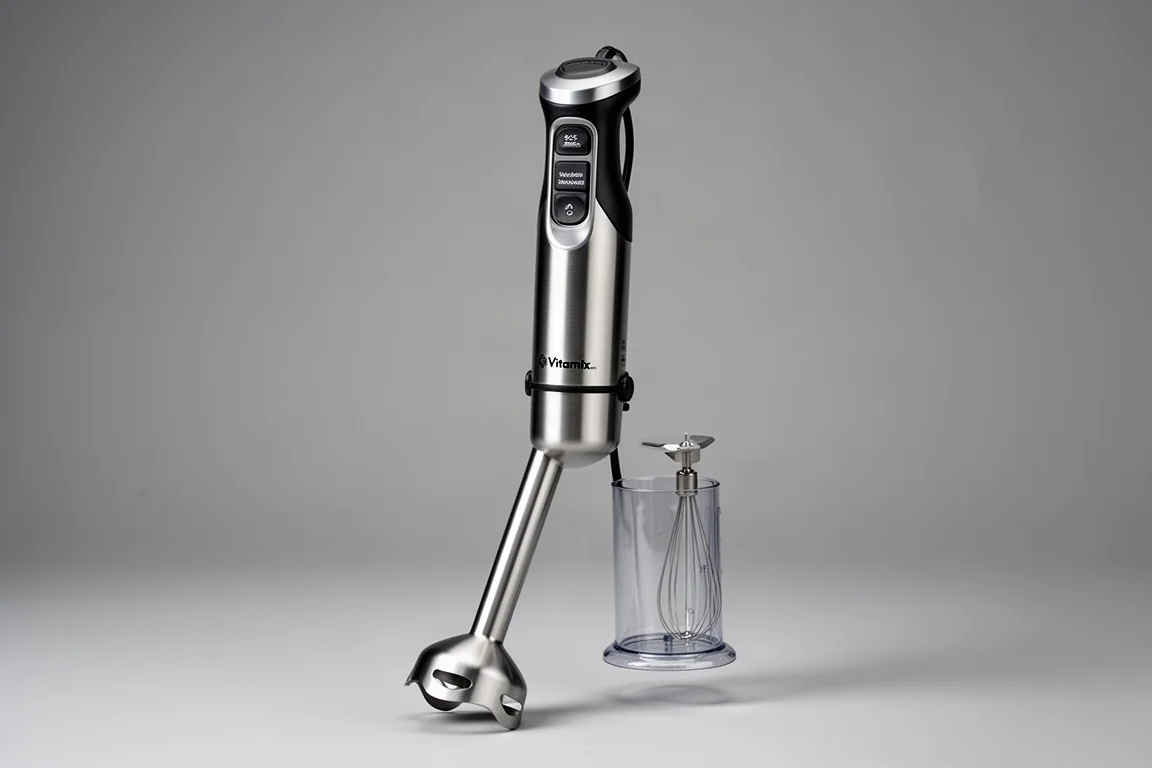
The Vitamix, $200, is a three-piece bundle with whisk attachment, storage case, and a professional-grade hand blender claiming premium stainless steel engineering, a four-prong blade, a 625 W motor, five speed settings, and a three-year warranty. Measured: around 58 W unloaded, 14,600 RPM, 72.6 dB, and 1,196 g, nearly twice the weight of some rivals. It peaked at around 317 W, the highest measured, and won the smoothie test decisively at 0.9 oz. On ice it seemed finished after only 10 seconds of a 30-second test, leaving zero pieces. The catch: powering it up in a bowl of soup was described as like running a jet ski in a bathtub. Set aside splash and splatter, and it is the clear winner overall, with by far the best build quality.
In the endurance test, all twelve blenders survived three minutes of continuous water blending without the housing becoming too hot to touch, though the ZKB Home and Ninja did begin smoking near the end. All emerged without damage.
Which One Should You Buy
For pure value, the Mueller is the pick: the best average finish across all graded tests at just $32. If build quality matters more and you can spend around $70, the Braun is a refined runner-up with excellent splash control. For the best blending performance with money no object, the Vitamix is in a league of its own, provided you accept the mess that comes with its power. And at $59, the Cuisinart hit a genuinely appealing balance of smoothie performance, ice crushing, and price, making it the personal favorite for most kitchens.
Conclusion
Price and performance do not correlate the way you might expect. A $32 Mueller outscored blenders costing four times as much, while a $15 Ovente proved that the floor is genuinely low. Blade and head design, not claimed wattage, drove the results. Match your budget to your priorities: value, quiet operation, or maximum blending power, and there is a clear winner in each lane.
Further reading
Related Reviews
Kitchen Appliances
Arboleaf Smart Kitchen Scale Review: Connected Cooking Made Simple
A Bluetooth-enabled kitchen scale that syncs with a nutrition-tracking app, offering real-time weight monitoring and recipe guidance for home cooks.
Kitchen Appliances
Best Air Fryer Toaster Ovens Under 100: Five Practical Options for Budget-Conscious Kitchens
Five air fryer and toaster oven combinations that deliver real cooking performance without breaking the bank, each with distinct strengths for different kitchen needs.
Kitchen Appliances
Best Air Fryer Toaster Ovens: Three Top Picks for Multi-Function Cooking
Three high-performing air fryer toaster ovens tested for versatility, ease of use, and real-world cooking results. Find the right fit for your kitchen.