Coolers
Best Ice Retention Coolers: 7 Standouts From a 55-Cooler Test
Seven coolers that separated themselves in a two-week ice retention test, from a foam-shell champion to a $150 warehouse-club value pick.
Introduction
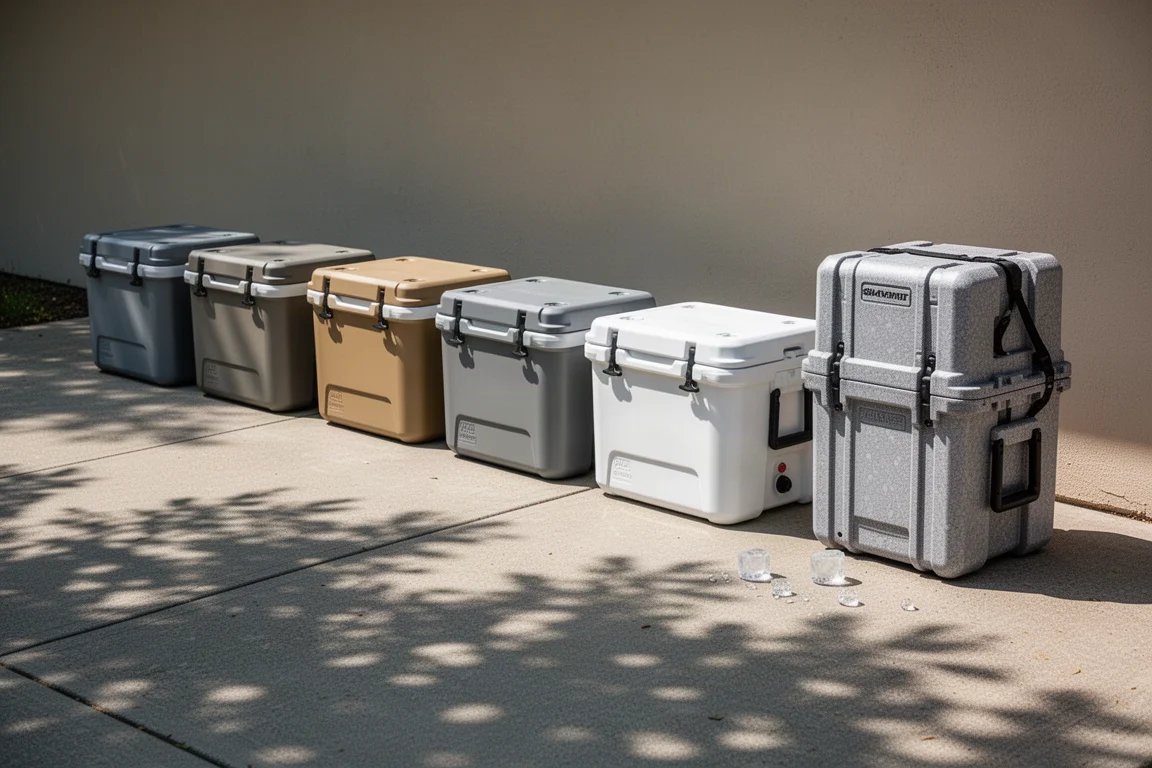
Fifty-five coolers, roughly a ton of ice, and more than two weeks of daily checks in ordinary summer conditions. That is the shape of this year’s ice retention test, and the results are more useful than any single spec sheet.
Each cooler was loaded about half full of ice, with one individually wrapped hot dog and two cans of soda inside, then left outdoors under shade trees while daytime temperatures moved from the mid-70s into the 80s and 90s. Every day, four simple observations decided whether a cooler stayed in the running.
Most of the field sat between 45 and 75 quarts, with the majority in the 50 to 60 quart range, which is the size most campers need for an extended trip.
How These Coolers Were Tested
Four points were available per cooler per day. The first went to any cooler that still had ice inside. The second went to a lid surface temperature at or below 50 degrees Fahrenheit, measured with an infrared thermometer. The third went to a hot dog temperature at or below 40 degrees Fahrenheit, the food-safe threshold. The fourth went to cans still sitting on top of the ice rather than bobbing in meltwater.
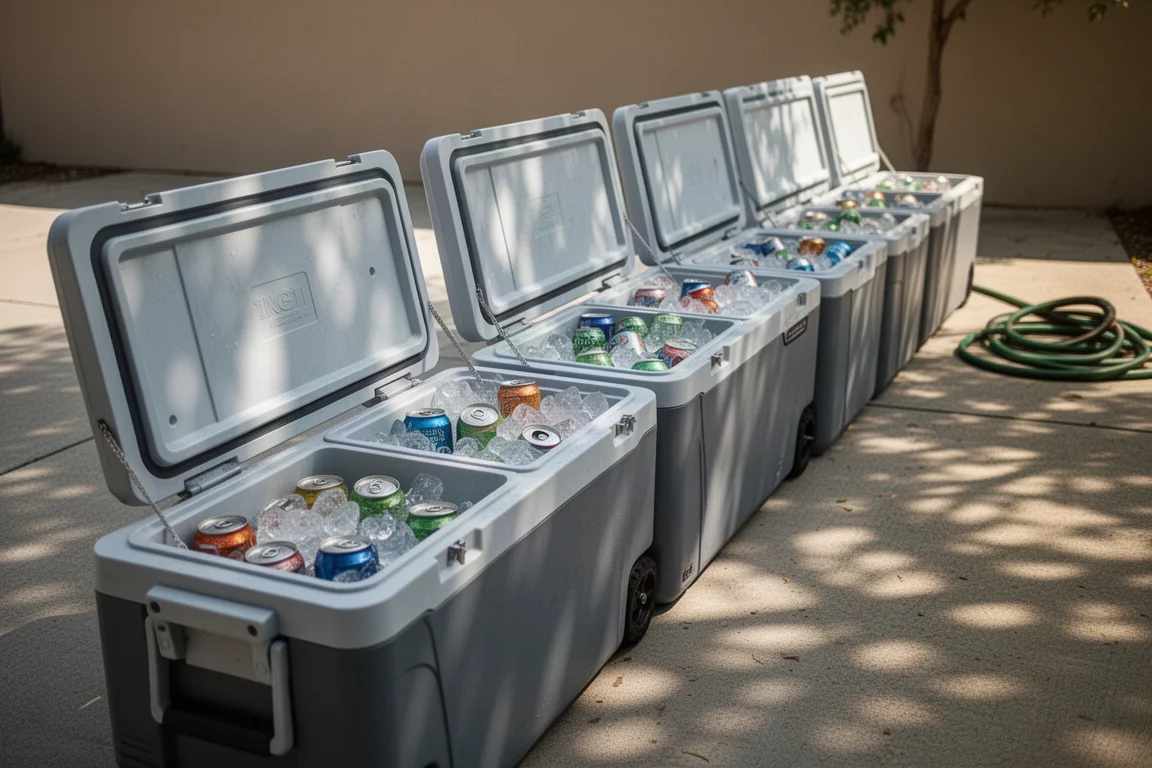
A cooler that scored zero points in a day was eliminated. That single rule is what makes the results easy to read: a cooler either still had ice and cold food, or it did not. Bigger coolers generally held on longer because they carry more ice and more thermal mass, but size alone did not decide the outcome.
By day seven, 22 of the 55 coolers remained. By day eight, 11 were left. By day nine, only four. Every cooler that finished in the top ten managed at least eight days of ice retention in these conditions.
Best Overall: Coolbox Eco Plus
The winner again this year, and it is not a conventional cooler. Instead of a hard plastic shell, it uses an expanded polypropylene foam body, which insulates extremely well while staying surprisingly light. It finished with 12 full days of ice and 48 chill points, the highest score in the field, for the second year running.
The trade-off is character. It looks closer to an industrial cold storage container than a weekend cooler, and it is at its best when it stays put rather than being dragged over forest roads or bounced around camp.
Runner-Up: Maluna 70
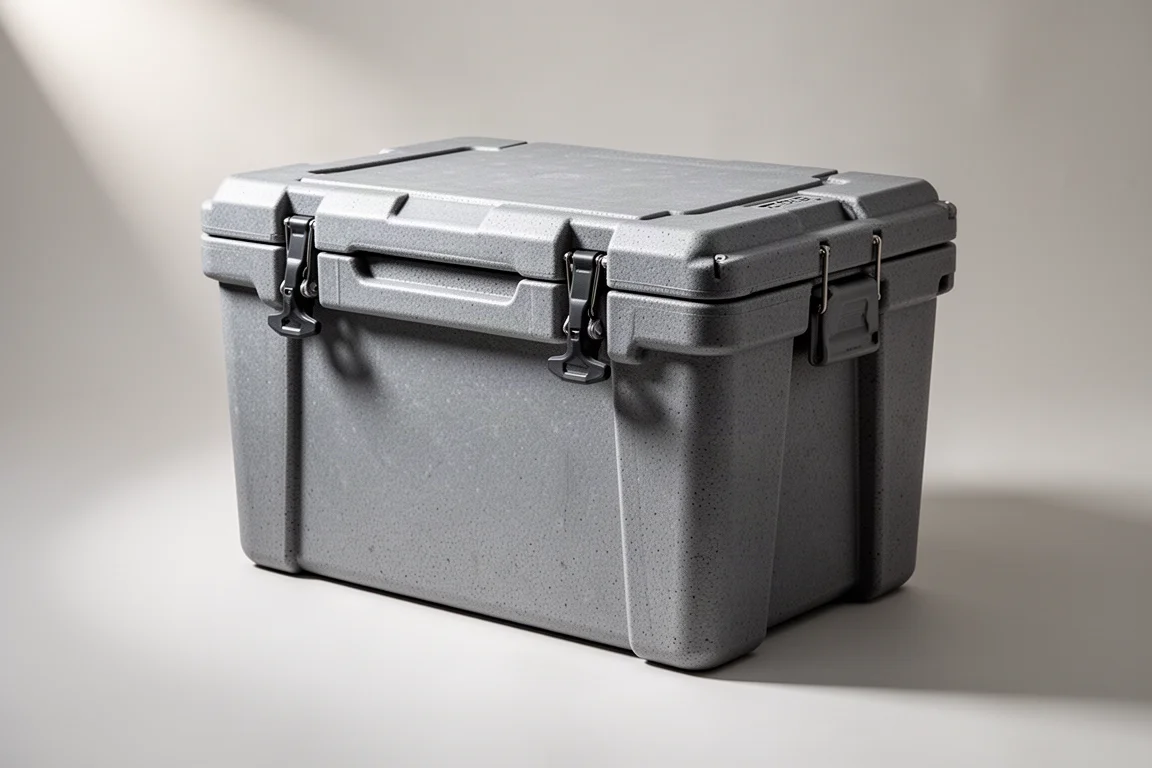
If the winner is a laboratory instrument, the runner-up is a piece of equipment. The Maluna 70 held ice for 11 days and scored 43 chill points, and it is IGBC bear resistant certified, made in Minnesota, and backed by a lifetime warranty.
It is big, bulky and deliberately overbuilt, the kind of cooler that shrugs off being shoved into a truck bed. For backcountry trips where a cooler has to survive the journey as well as chill the food, this is the one most people will reach for.
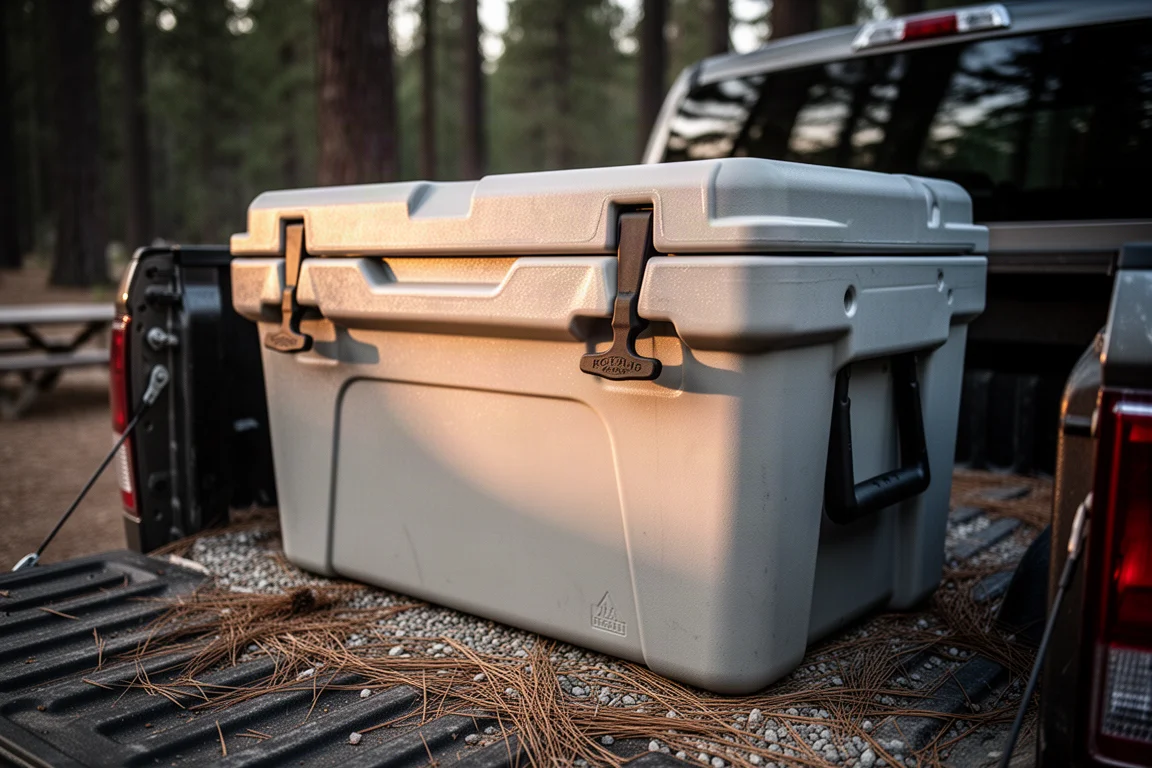
Its consistency is the real story. Across multiple years of this test it has never fallen far from the top, which is a strong signal for buyers who plan to keep a cooler for a decade or more.
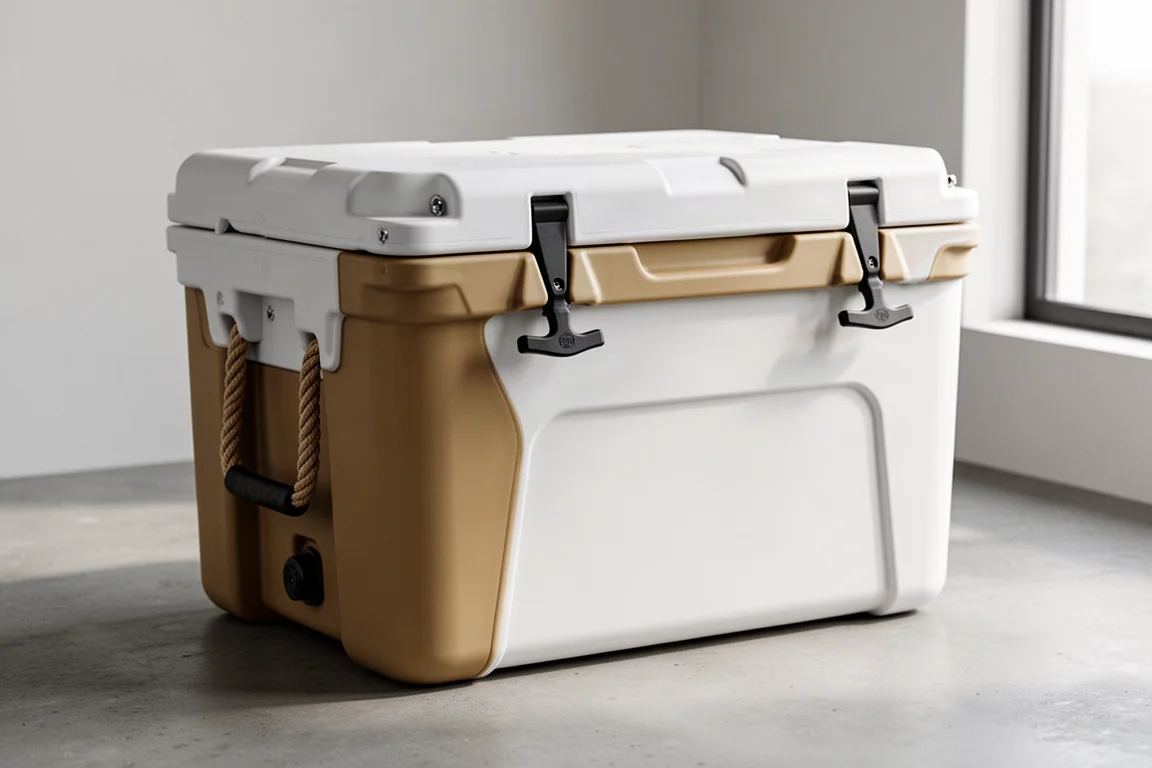
Best Mid-Size Performer: Maluna 50
New to the field this year, and it answered the obvious question. Shrinking the ice chest did not shrink the performance. The 50-quart version held ice for nine days and scored 37 chill points, tying for third overall and beating nearly every other mid-size cooler in the test.
For campers who want the Maluna build without the footprint of the 70-quart model, this is the more practical choice.
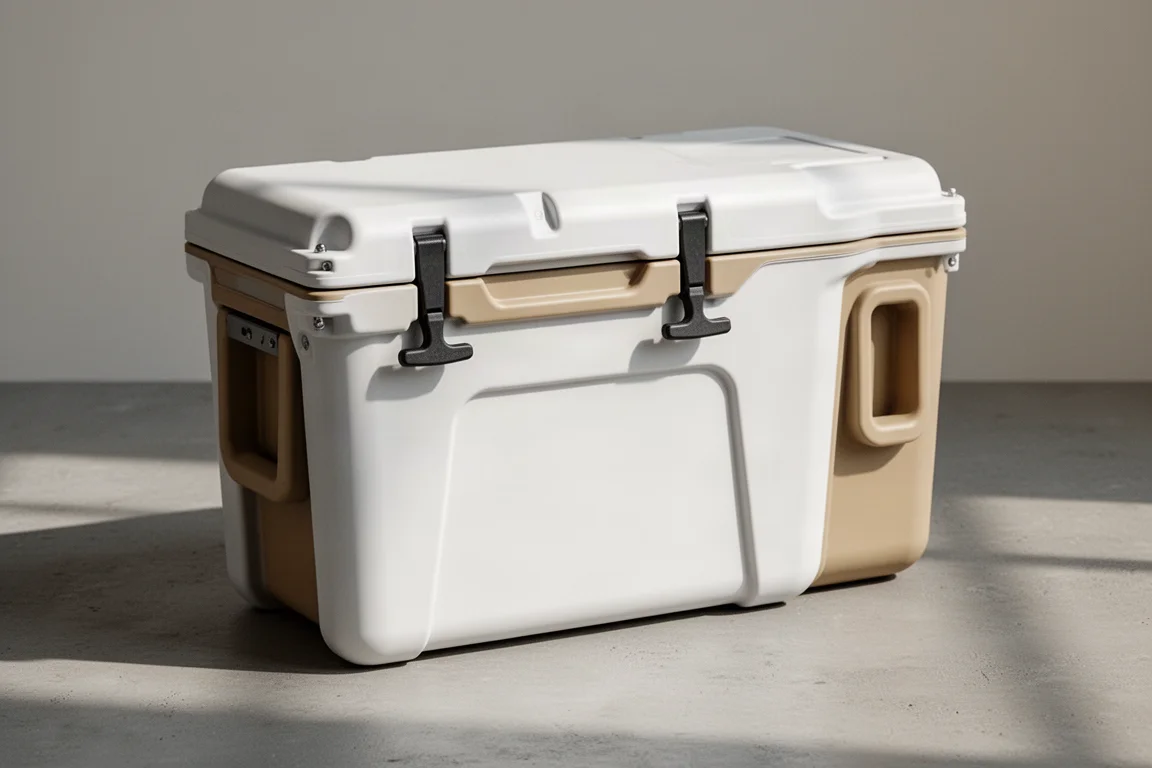
Best Value: Igloo Yukon
A warehouse-club special that quietly embarrassed a lot of expensive hardware. The Igloo Yukon held ice for a full week, and at roughly $150 that works out to about $27 per day of ice retention in this test, one of the best ratios in the entire field.
It will not outlast a premium rotomolded cooler, but a full week of ice for that money is hard to argue with.
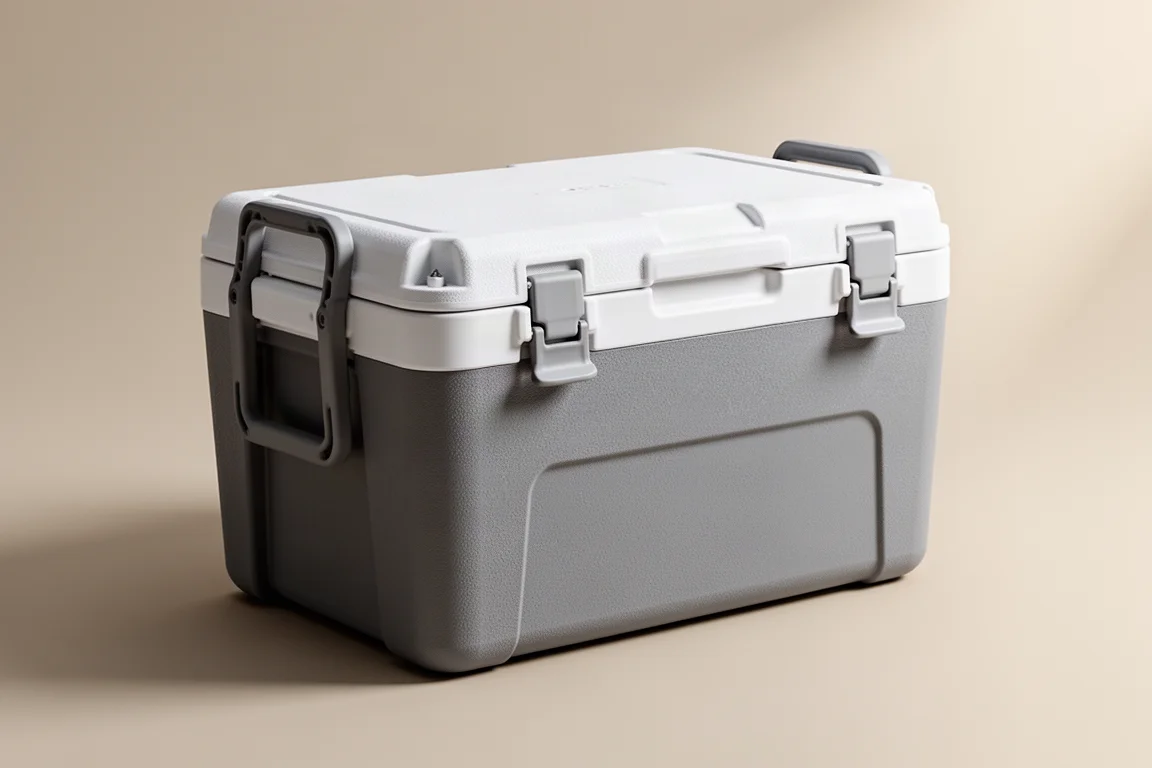
Best Small Cooler: Otter Tempo Pro
At only 24 quarts, this aluminum-bodied cooler somehow kept pace with coolers more than twice its size, staying in the running through the eight-day check. The Pro model adds internal and external temperature monitoring, which is genuinely useful when you want to know what is happening inside without lifting the lid.
The catch is price. This is a premium small cooler, and you are paying for portability and monitoring rather than raw capacity.
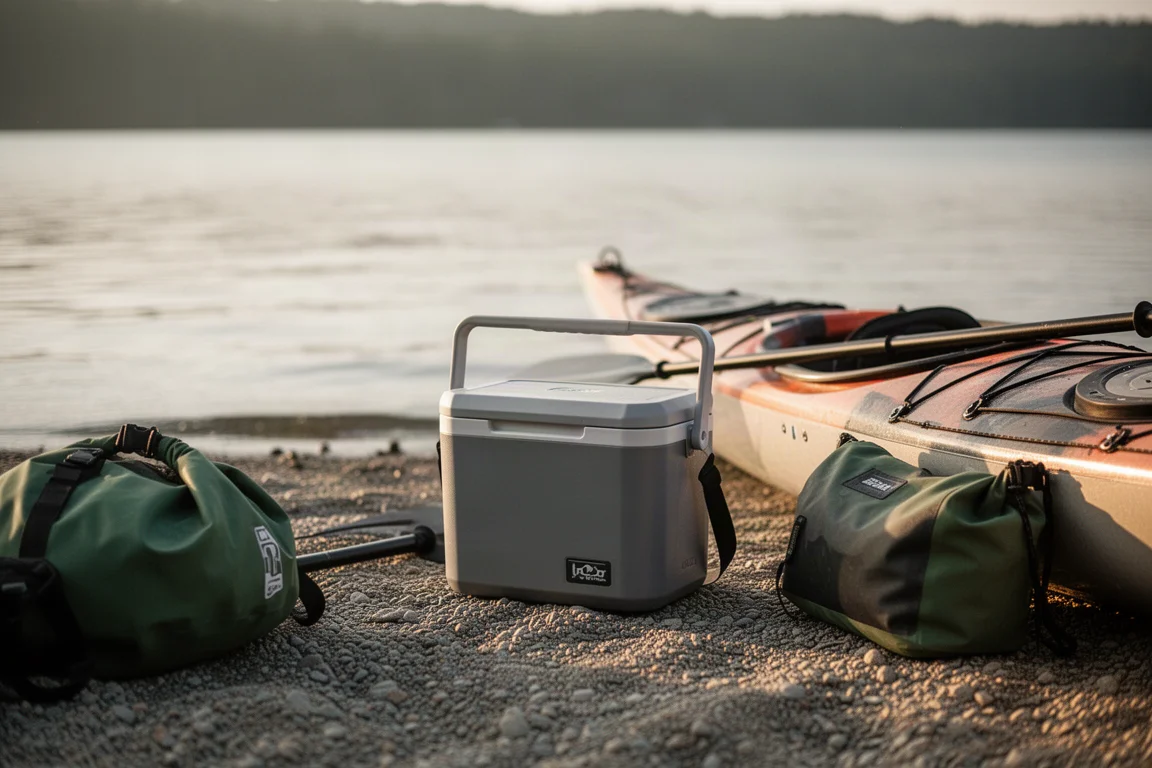
It is the right answer for short trips, tight cargo space and buyers who want to check temperatures at a glance.
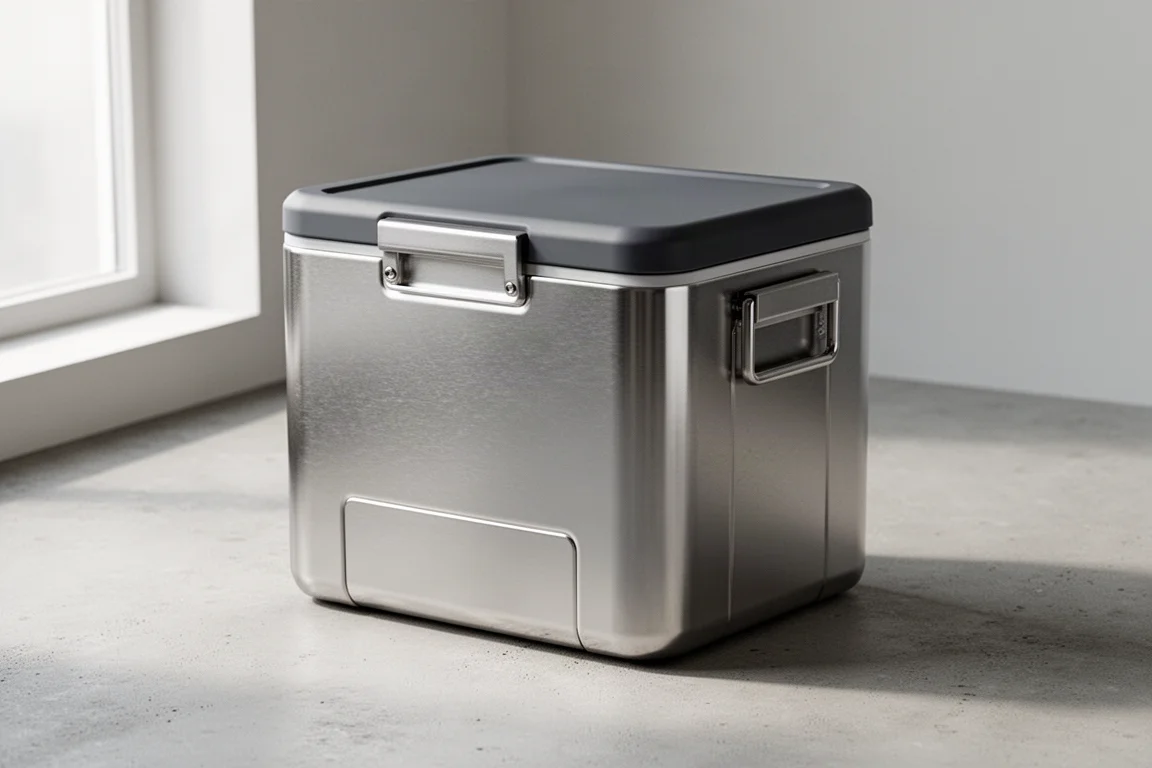
Strong Value in the Large Class: Arctic Ultra Tough 65
Nine days of ice and 37 chill points, tied for third overall, and the best result Arctic has posted in this test. The Arctic Ultra Tough 65 also sits among the coolers that deliver above-average retention without premium pricing.
If you want large-class performance and price is the deciding factor, this is the strongest argument in the field.
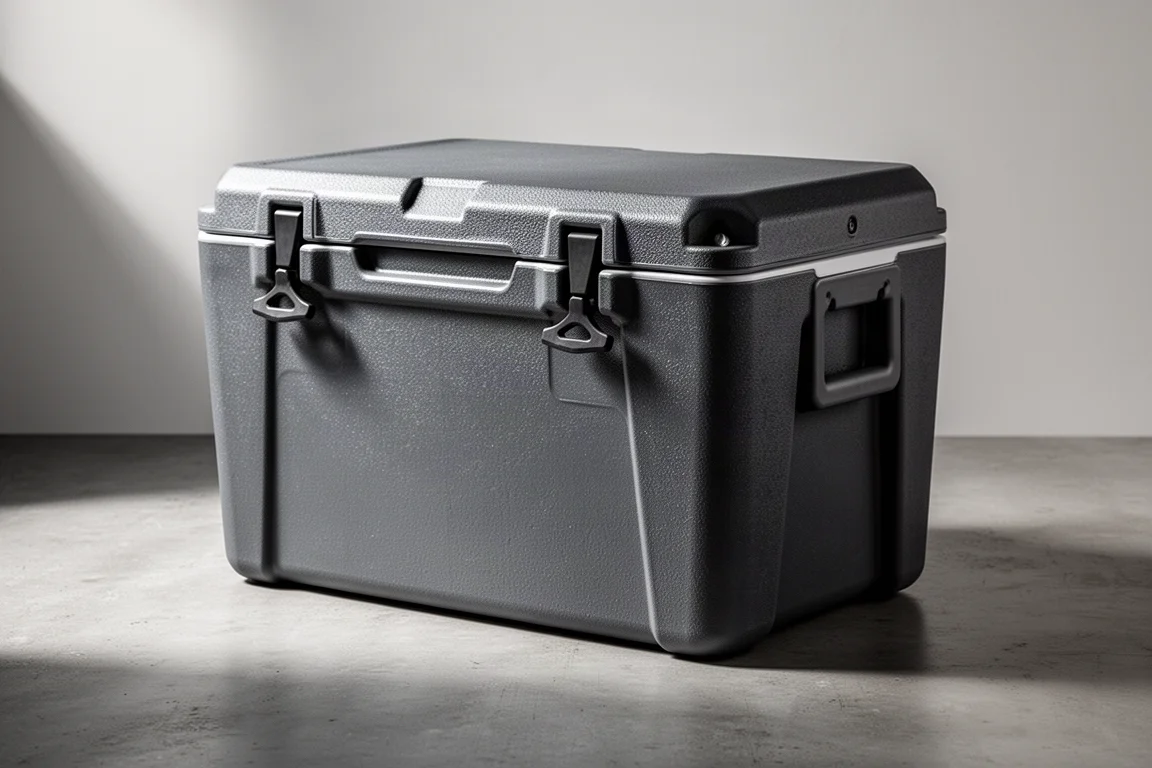
Long-Range Ice Retention: Techni Ice Signature Series
The Australian entry finished third in the large class with 33 chill points, one point ahead of the pack of eight-day coolers behind it. It is a large, heavy-duty cooler aimed at the same extended-trip buyers as the leaders.
It trails the Maluna and Arctic coolers in this test, but it comfortably clears the eight-day mark that separated the serious coolers from the rest.
Buying Advice
The clearest lesson from two weeks of data is that price and ice retention only loosely track each other. The trend is real, better coolers generally cost more, but several mid-priced coolers outperformed models costing hundreds more, and a handful of premium coolers finished mid-pack.
Cost per day of ice is the metric worth calculating before you buy. The Igloo Yukon worked out to about $27 per day of ice retention, while the least efficient coolers for the money landed above $100 per day. Meanwhile the cheapest options in the test, including the Coleman Classic series and the basic Igloo models, came in around $14 per day with six full days of ice, and they are made in America.
Size should follow your use case. A 50 to 60 quart cooler covers most extended campouts, a 24 quart cooler makes sense for short trips and tight spaces, and anything larger is mostly about how much food and drink you need to keep cold at once.
Conclusion
Fifty-five coolers, one ton of ice, and the same winner as last year. The Coolbox Eco Plus remains unlike anything else in the field thanks to its foam shell, while the Maluna 70 and Maluna 50 show that a rugged, overbuilt design still wins the long game. The Igloo Yukon and Arctic Ultra Tough 65 prove that value picks can hold their own, and the Otter Tempo Pro is a reminder that a small cooler can punch far above its size.
Match the cooler to how you actually camp, and a week or more of ice is a realistic expectation rather than a marketing claim.
Further reading
Related Reviews

Backpacking Gear
Building a 10 lb Base Weight: An Ultralight Backpacking Gear List
A practical walkthrough of the ultralight pieces behind a 10 lb base weight, from a 765 g pack and a roomy one-person tent to a full camp chair and a dependable water filter.

Road Bikes
10 New Road Bikes Worth Watching: Aero, Titanium, Steel and Endurance Standouts
A practical roundup of 10 new road bikes, from aero flagships chasing single-watt gains to titanium, steel and endurance platforms built for real roads.
Bikepacking Gear
11 Bikepacking Essentials for Long-Distance Cycling
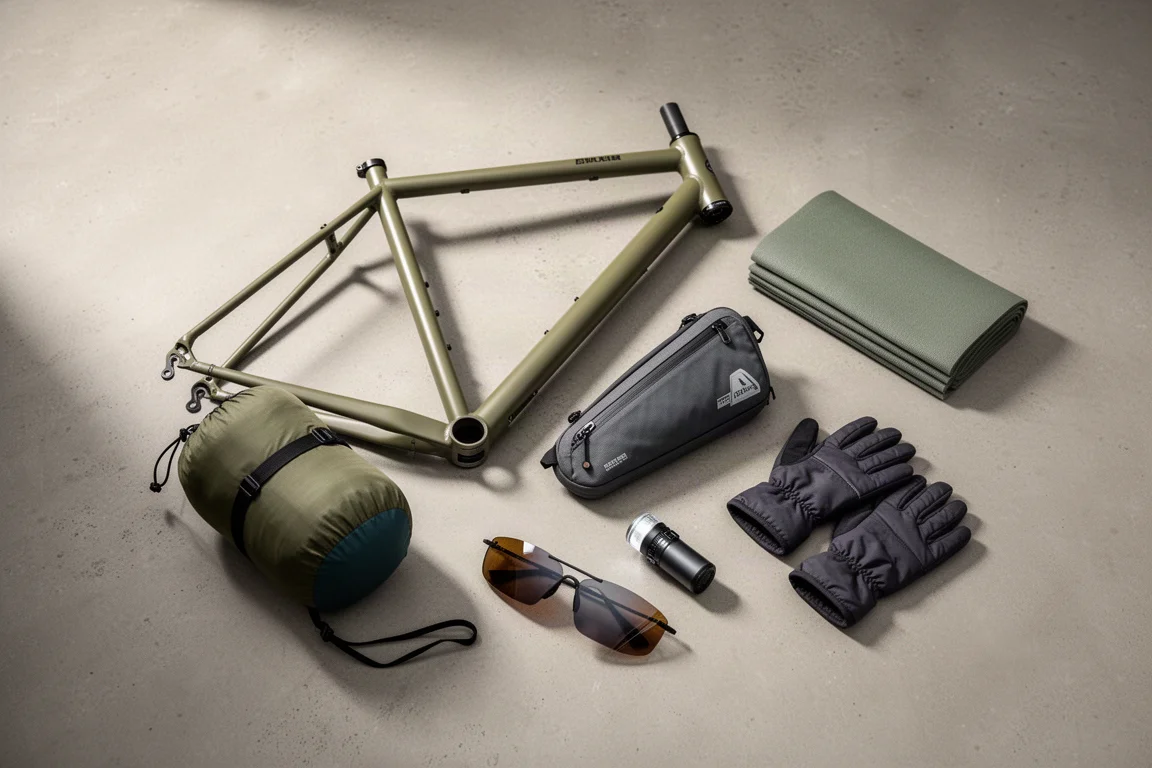
Eleven bikepacking essentials for long-distance cycling, from a steel gravel frame and a two-person tent to helmet lights, packable gloves, and a frame bag that puts weight in the right place.