Kitchen Appliances
Best Ice Cream Makers We Tested: Five Options from Blade Machines to Compressor Models
We churned, tasted, and compared five ice cream makers across three styles to find which ones make genuinely smooth frozen desserts and which fall short.
Introduction
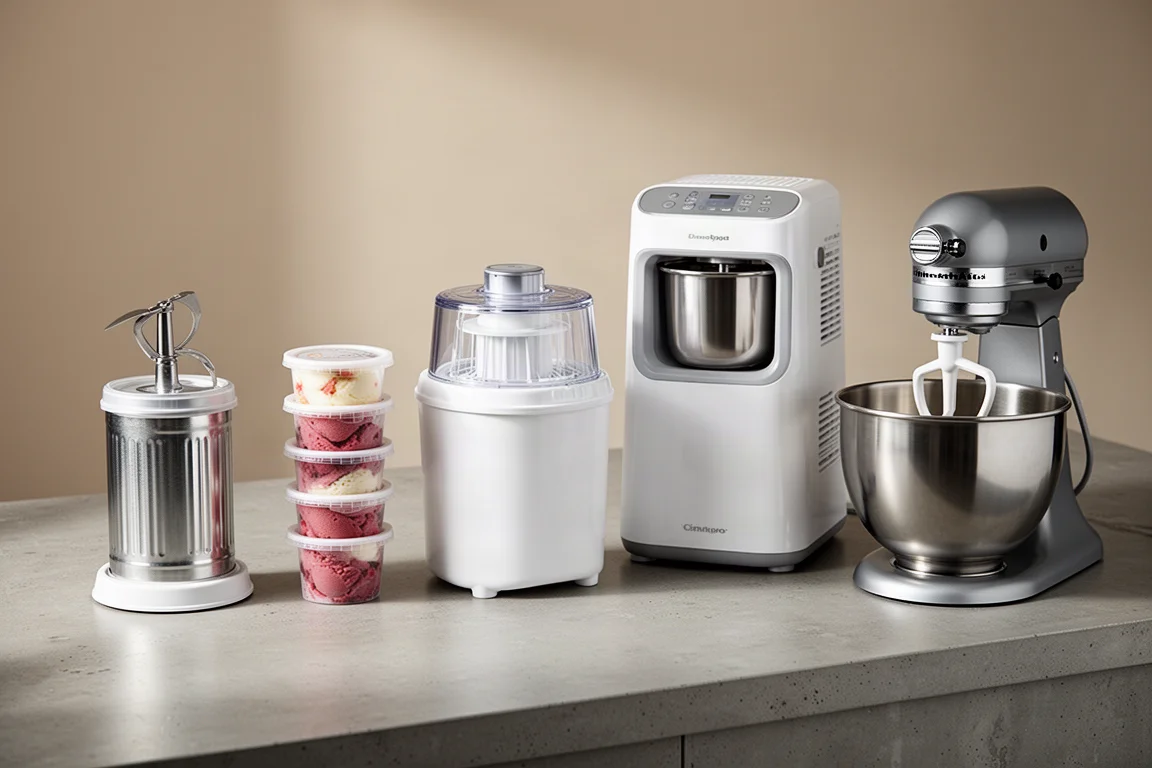
Homemade ice cream is one of those projects that sounds harder than it is, but the machine you choose makes a bigger difference than most people expect. We tested models across all three consumer styles: blade machines, canister machines, and self-refrigerating compressor machines, at prices from $40 up to $400.
After churning vanilla, coffee crunch, raspberry sorbet, and frozen yogurt in each machine and rating texture, smoothness, creaminess, and ice crystal formation, a clear picture emerged. Flavor is the easy part. Texture is where the money goes, and not always where you would expect.
How We Tested
Every machine churned the same lineup of classics, and our tasting panel rated each batch on texture, smoothness, creaminess, and the presence of ice crystals. We also timed churning, evaluated paddle design, checked how easy it was to monitor temperature mid-churn, and assessed cleanup.
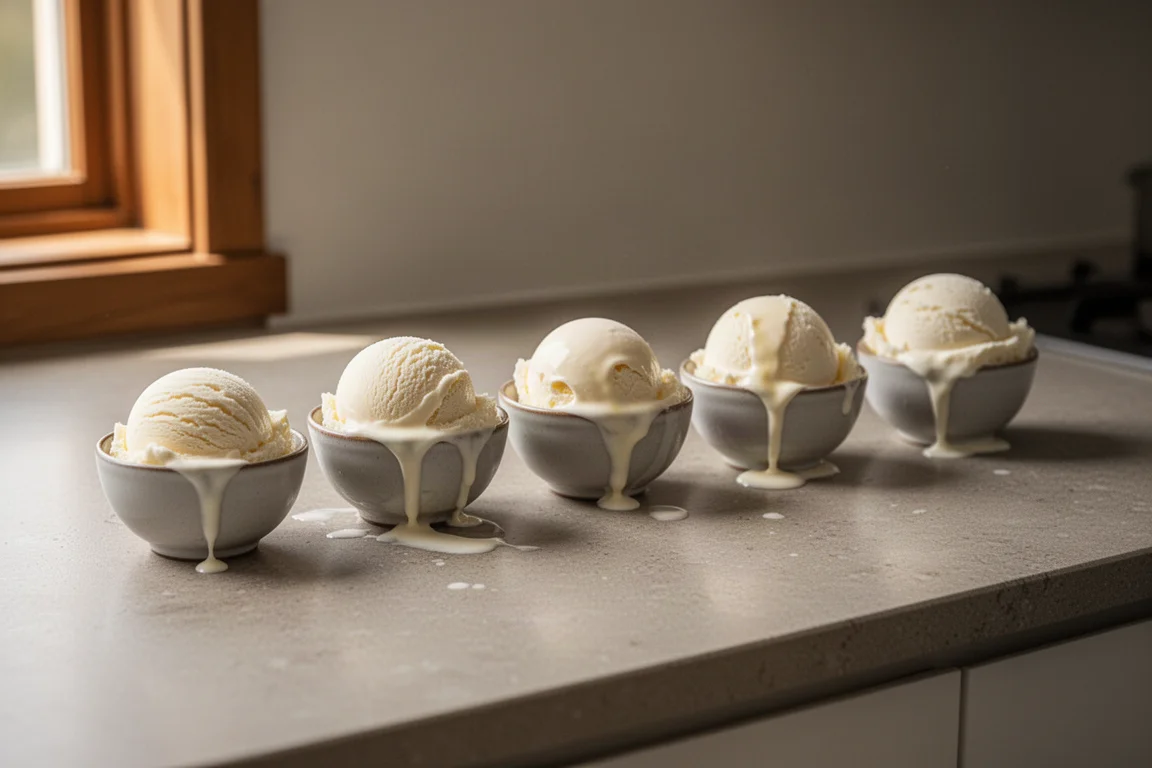
Then came the mix-in test: mini M&M’s folded into vanilla ice cream, judged on even distribution and whether the paddle over-agitated the batch and bled the color. Finally, we looked at convenience, including whether each machine could produce consecutive batches.
Ninja Creami
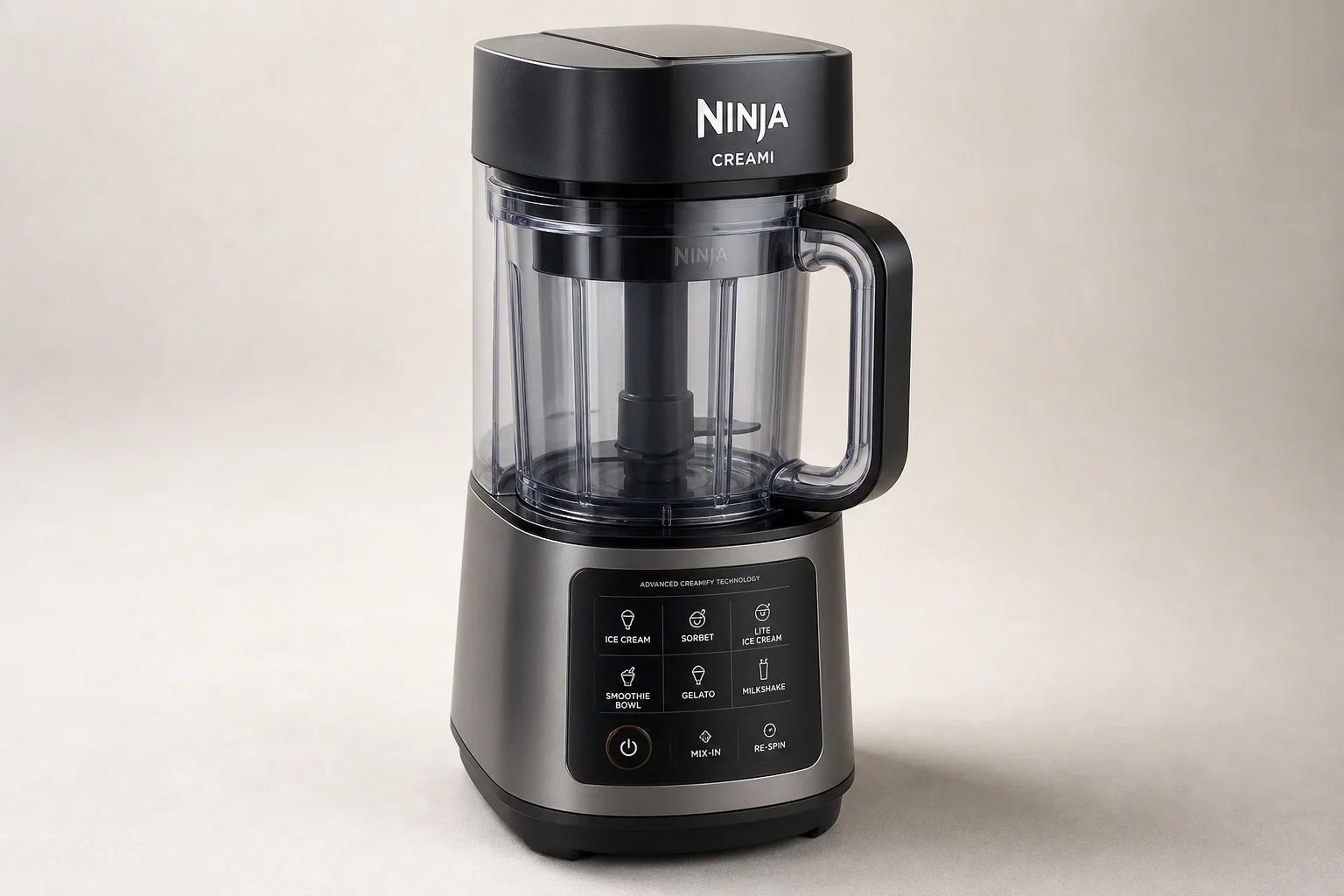
The Ninja Creami is the best-known blade-style machine, promising ice cream in about two minutes by chopping already frozen ingredients. We paid $200 for ours, and it produced decent ice cream, though being picky, it was softer than we would like straight from the machine and developed large ice crystals once it firmed up in the freezer.
The design works like a coffee maker with a carafe: you drop the frozen canister into the carafe, snap on the lid with the blade inside, and the machine lifts it up to the motor. It only takes a couple of minutes to run, but it takes up serious counter and storage space, and it is loud enough to bring a kitchen to a halt. It does come with a large recipe book covering smoothies, sorbets, and protein shake-style frozen treats, which suits a specific kind of user. If you want to make ahead a batch of frozen cups and spin one up in two minutes, it works. As a dedicated ice cream machine, the texture and flavor fell short in side-by-side tasting, with a watery, icy finish and no plushness.
Cuisinart Fast Freeze Frozen Dessert Maker
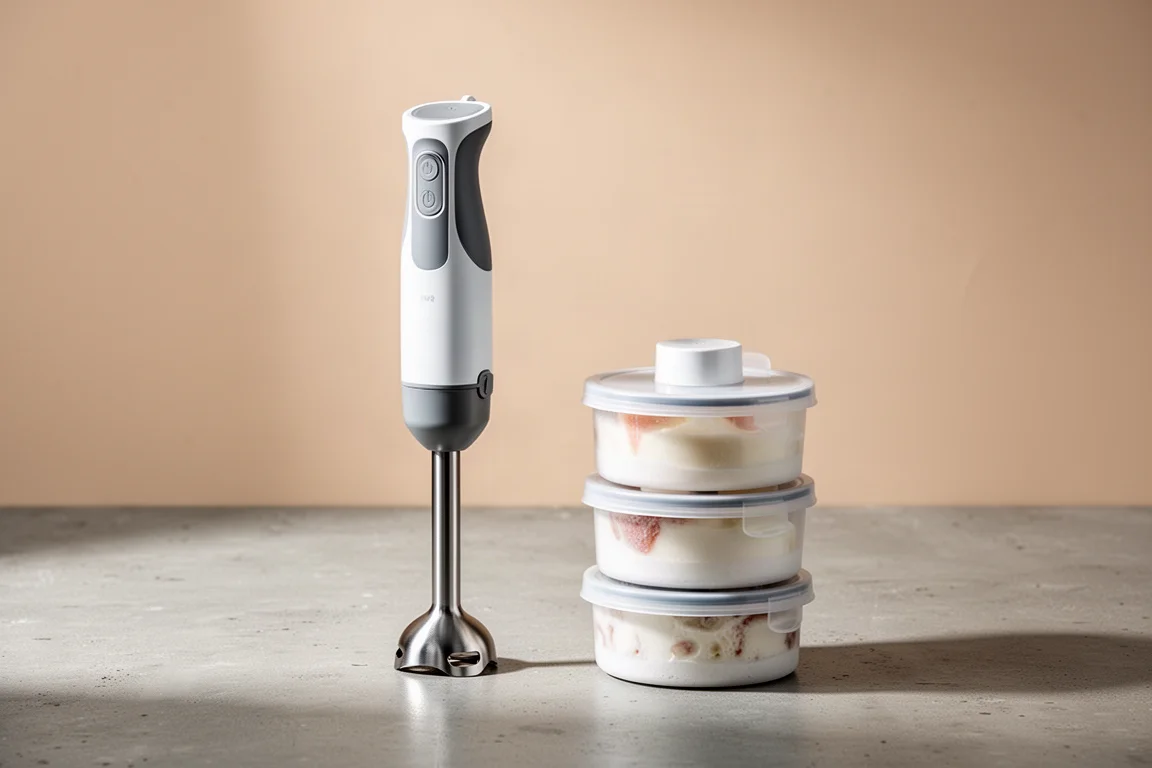
This newer blade-style competitor costs less at $120, but it performed even worse in our testing. The manual was confusing enough that we returned to it repeatedly, and the blade does not quite reach the edges and bottom of the cup, leaving chunky, icy pieces unincorporated along the sides.
Like the Ninja, its output was too soft straight from the machine and turned icy after firming up. Our temperature testing suggests the blades heat the ingredients slightly, which would explain the soft-then-icy texture tasters described as gritty, like chewing on sand at the finish.
In its favor, it is compact, roughly the size of an immersion blender, and the small canisters stack neatly for freezing, as long as you keep them level and respect the max fill line. If you want a rotating stash of little cups of different frozen desserts ready in two minutes, it delivers something quick and not terrible. It is not the route for anyone serious about ice cream texture.
KitchenAid Stand Mixer Ice Cream Attachment
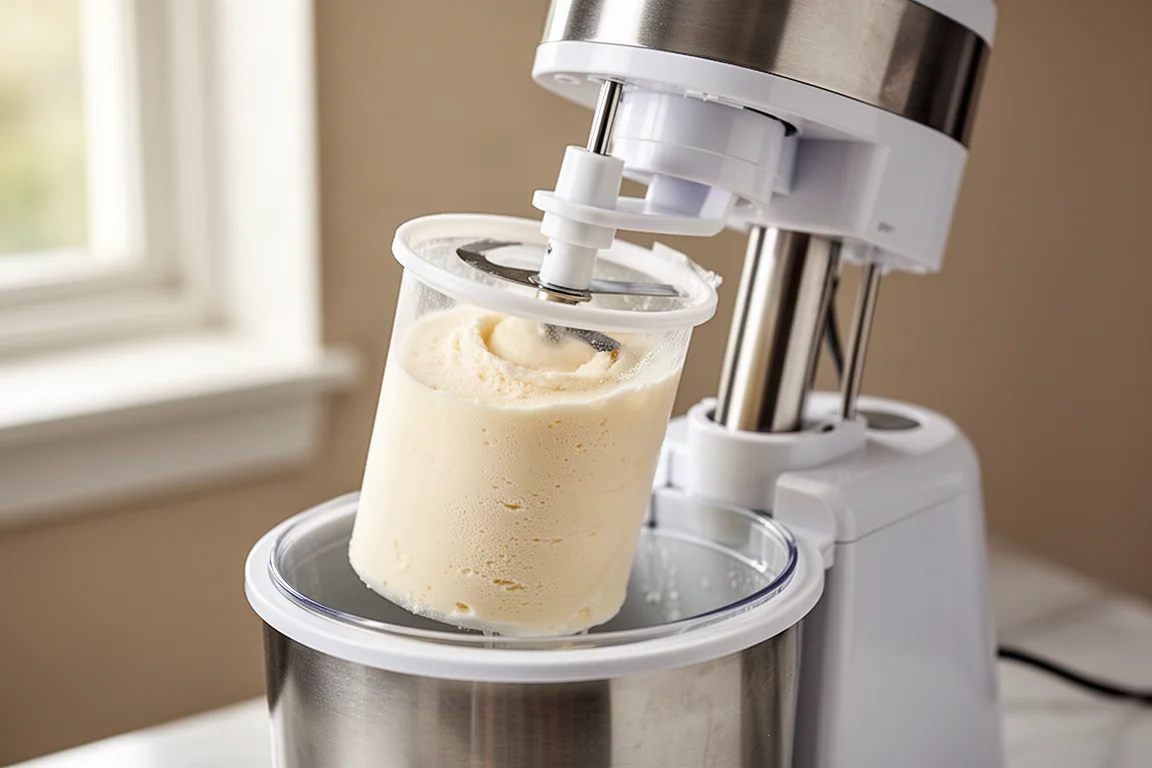
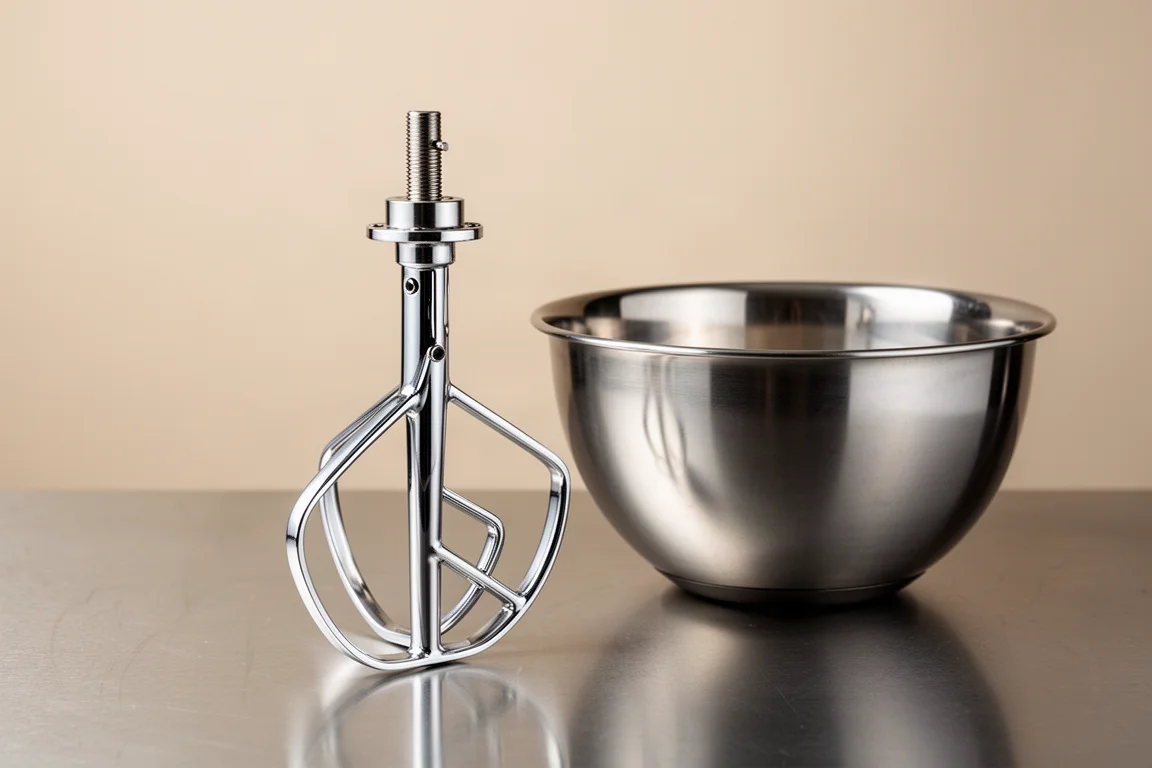
If you already own a KitchenAid stand mixer, the ice cream attachment seems like an efficient add-on. In practice, the horizontal paddle spun above the base of the bowl, letting ice cream clump on top and ride along instead of churning. We had to stop and scrape repeatedly, which disrupted churning and led to iciness.
The paddle also blocked access for taking the temperature of the base, something that makes churning recipes foolproof. The best machines we tested use paddles set lower so they scrape the sides more effectively. This is the fundamental flaw of the attachment, and it shows up in the bowl as noticeable ice crystals.
Cuisinart Frozen Yogurt Ice Cream and Sorbet Maker
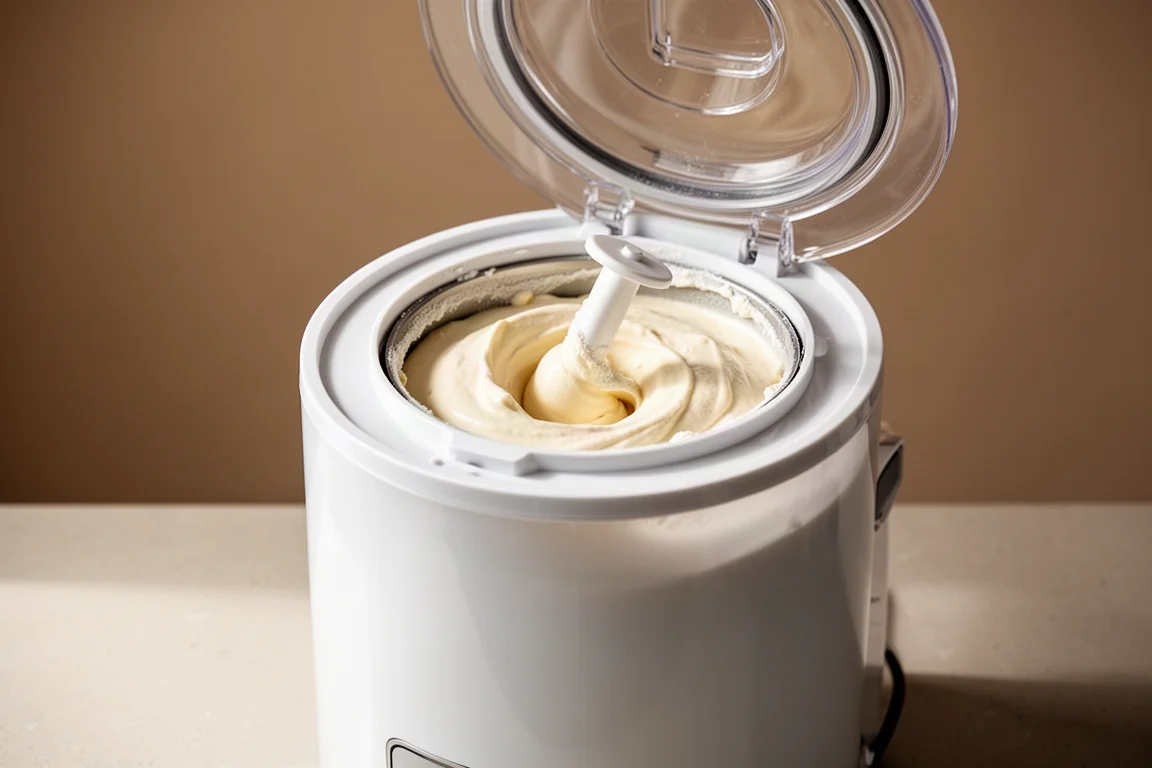
Our winning canister-style model delivers premium texture at a reasonable price, around $90. The paddle sits fully submerged, which prevents clumping and lets you check the temperature without stopping the machine, both of which reduce iciness.
It is extremely simple: a lightweight plastic cover and paddle stack onto a coolant-filled canister you freeze 24 hours ahead. One button starts it, you pour in your base while it spins so nothing adheres and freezes prematurely, and the slow chill avoids the ice crystals that plague cheaper designs. It is fast, reliable, light, and the best value for most home cooks. The trade-off is the canister lifestyle: about 20 minutes of churning, and no back-to-back batches unless you buy extra canisters, sold separately, each needing a full day of pre-freezing.
Whynter 2.1 Quart Automatic Compressor Ice Cream Maker
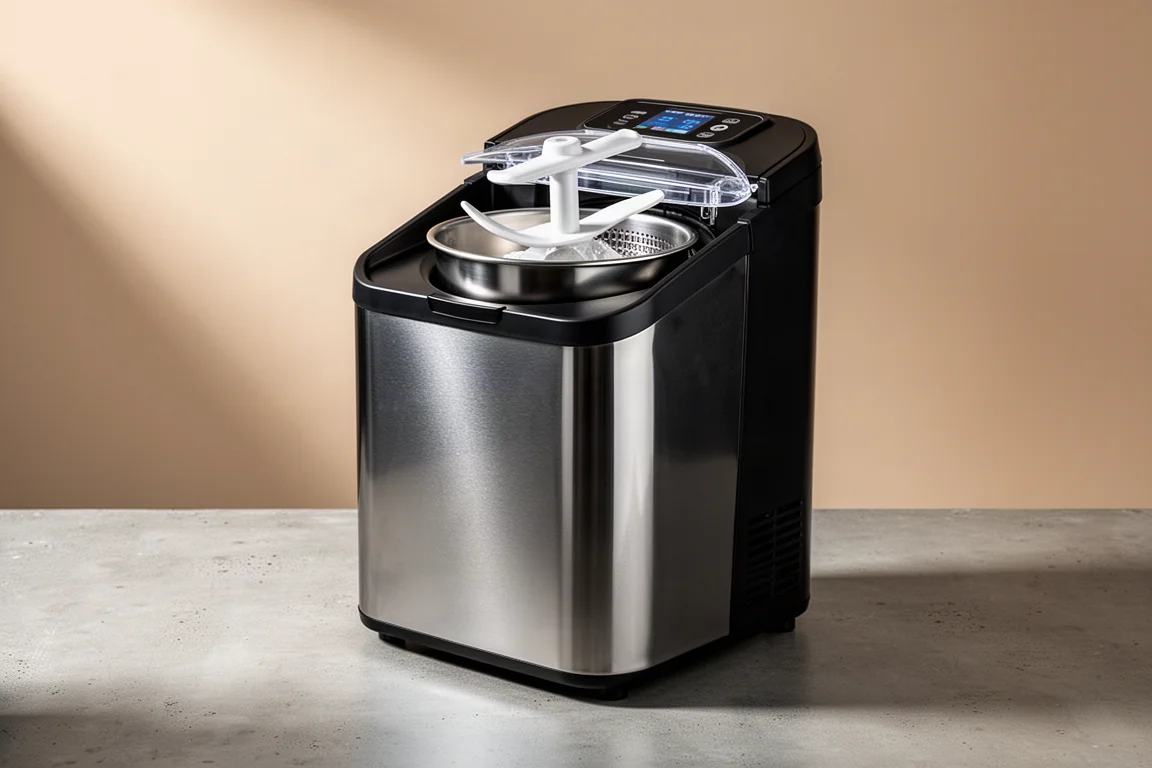
The winning self-refrigerating model costs around $400 and buys convenience, not necessarily better ice cream. In our tasting, the $90 canister Cuisinart produced ice cream just as smooth as this $400 compressor machine. What the premium price gets you is the built-in compressor, essentially a mini refrigerator, so there is nothing to pre-freeze and you can make batch after batch on a whim.
It produced very smooth ice cream and sorbet relatively quickly for a compressor model, which tend to take longer, around 30 minutes. The short, wide bowl made scooping out the finished batch easy, and the low-set paddle followed the same design principle that made the canister winner succeed. Pre-programmed settings add some intelligence to the process. It is heavy and substantial, but if you want to get serious about making ice cream regularly, this is the machine for that.
The Blender Hack
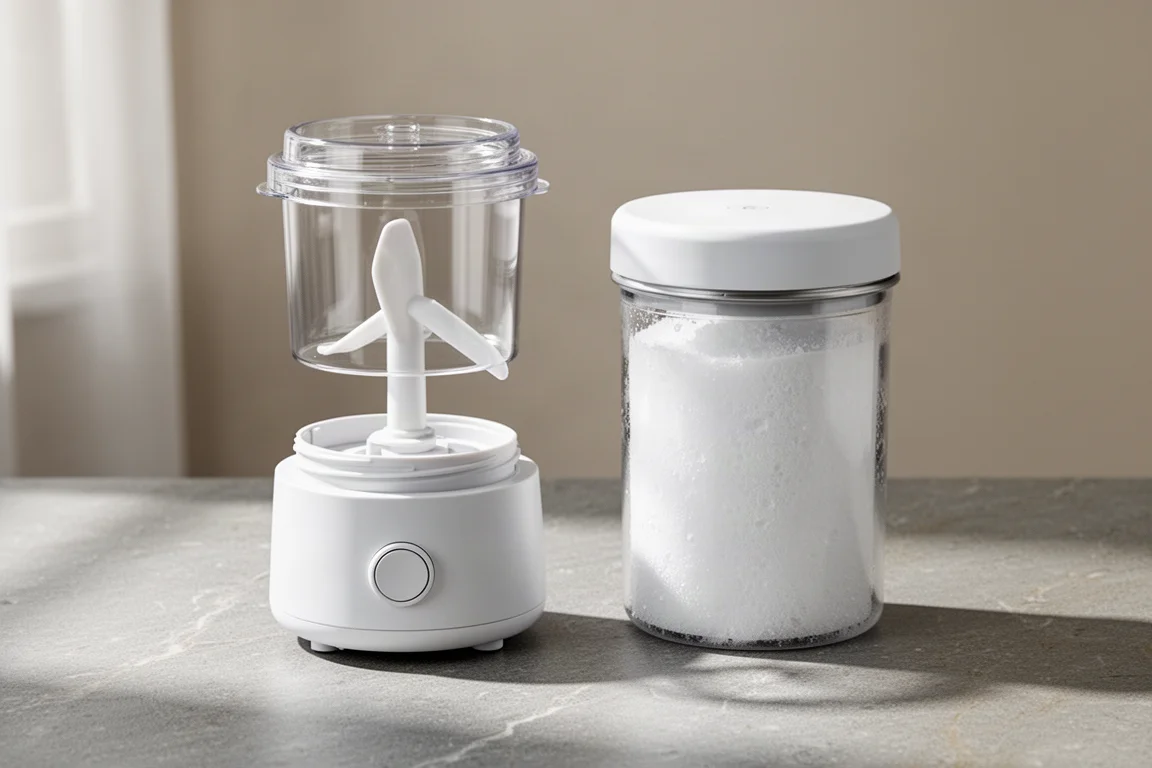
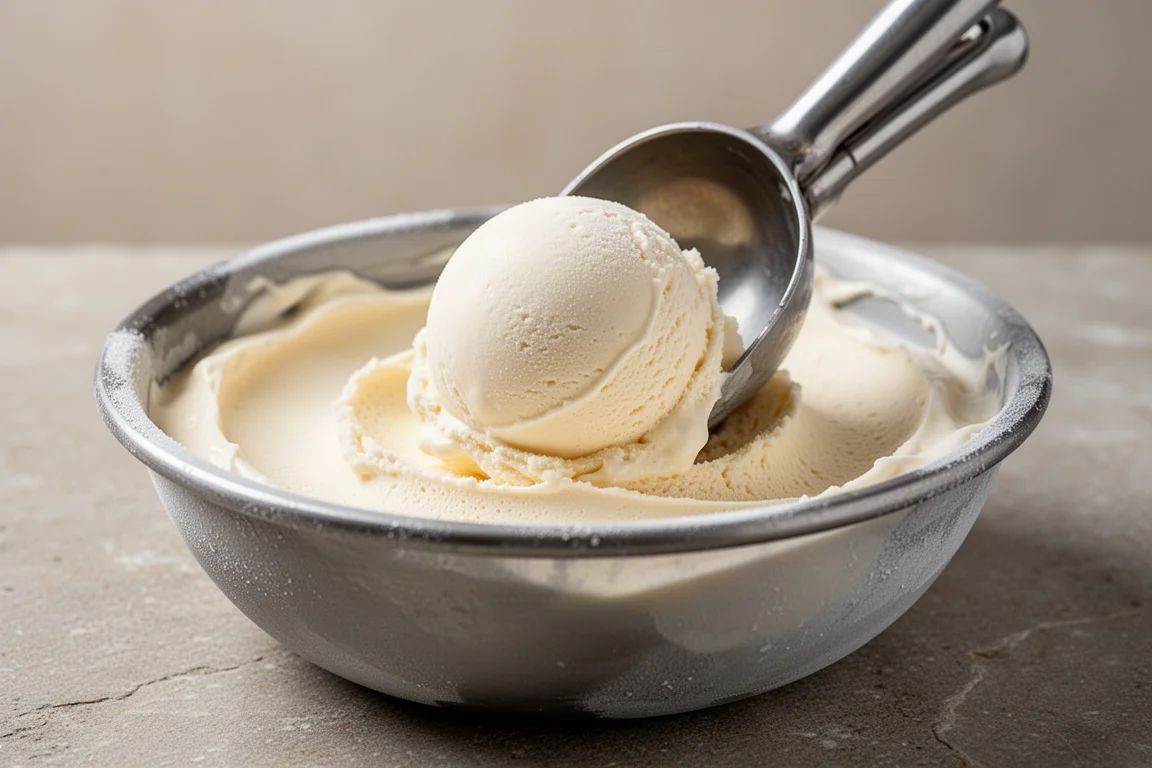
If you do not want to buy a dedicated machine at all, the blender method is a genuinely good option. Our recipe whips air into cream in the blender, with sweetened condensed milk and corn syrup keeping the mixture soft, then goes straight into the freezer to firm up. It takes about two minutes of active work and is the easiest method of everything we tried.
The trade-off is flavor: the functional ingredients, corn syrup, condensed milk, and a little sugar, slow ice crystal formation but leave a sweeter finish. Still, tasters found the result plush, creamy, rich, and really good, and you probably already own a blender.
Buying Advice
The core choice is between cost and convenience. Blade-style machines are quick but the consumer technology is not there yet: soft out of the machine, icy after freezing, and limited to their own recipe books because this style needs a different balance of fat and sugar. Canister machines are affordable and produce excellent texture, at the cost of planning ahead and waiting a day between batches. Compressor machines remove all that friction for a premium price. And the blender method costs nothing extra if you want frozen dessert with near-zero commitment.
Whichever route you take, you are opening up a world of customization: fresh mint chocolate chip, real strawberry, flavors you simply cannot buy at the store.
Conclusion
After nearly $3,000 worth of testing across 11 models, the winners are clear. The Cuisinart Frozen Yogurt Ice Cream and Sorbet Maker is the best value for most home cooks, and the Whynter 2.1 Quart Automatic Compressor Ice Cream Maker is worth the investment for dedicated makers who want batch after batch on demand. Skip the blade-style machines for now unless the two-minute novelty specifically fits your habits, and keep the blender hack in your back pocket as the zero-equipment alternative.
Further reading
Related Reviews
Kitchen Appliances
Arboleaf Smart Kitchen Scale Review: Connected Cooking Made Simple
A Bluetooth-enabled kitchen scale that syncs with a nutrition-tracking app, offering real-time weight monitoring and recipe guidance for home cooks.
Kitchen Appliances
Best Air Fryer Toaster Ovens Under 100: Five Practical Options for Budget-Conscious Kitchens
Five air fryer and toaster oven combinations that deliver real cooking performance without breaking the bank, each with distinct strengths for different kitchen needs.
Kitchen Appliances
Best Air Fryer Toaster Ovens: Three Top Picks for Multi-Function Cooking
Three high-performing air fryer toaster ovens tested for versatility, ease of use, and real-world cooking results. Find the right fit for your kitchen.