Pantry Staples
4 Honey Brands Worth Trying: Raw, Creamed, and Bold Picks from a Tasting
Four standout honeys from a tasting of 15: an everyday bestseller, a citrusy orange blossom, a bold buckwheat, and a creamy floral spread.
Introduction
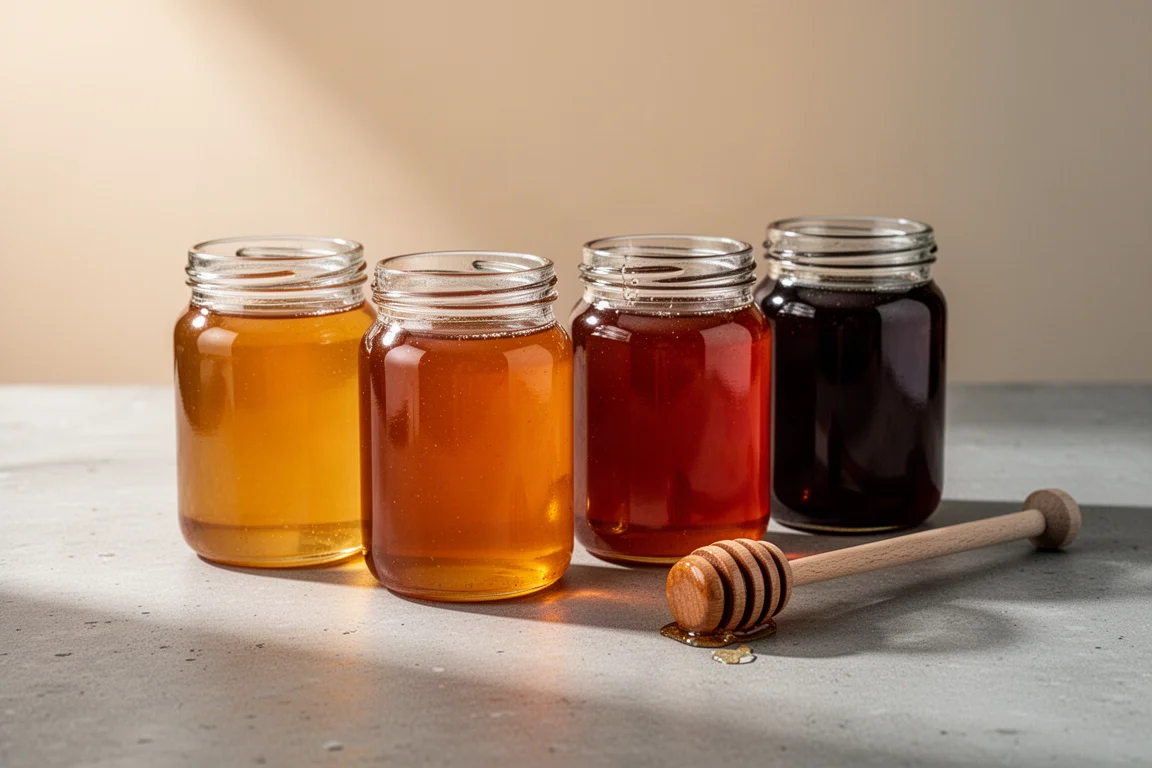
Honey is one of the oldest ingredients we cook with, and today the supermarket shelf offers more variety than ever. In a tasting of 15 honeys, four stood out for very different reasons: an approachable everyday bestseller, a citrusy monofloral, a bold buckwheat, and a creamy spreadable option. Here’s how they differ and who each one suits.
Before You Buy: What Makes a Good Honey
The single most important thing to look for is raw honey. When heat is applied during processing, it slows crystallization but destroys flavor. Heat is the enemy of the nuance that comes from whatever the bees were feeding on.
The second thing to check is whether you’re buying a blended (polyfloral) honey or a monofloral one. Polyfloral means the bees collected nectar from many different plants, while monofloral means at least roughly 20 to 60 percent of their nectar came from a single plant, such as buckwheat, tupelo, or orange blossom. Monofloral honeys can taste dramatically different, with flavor notes ranging from marshmallow to peat to citrus, almost like wine reflecting its terroir. Fall harvests tend to produce stronger flavors than early-season ones.
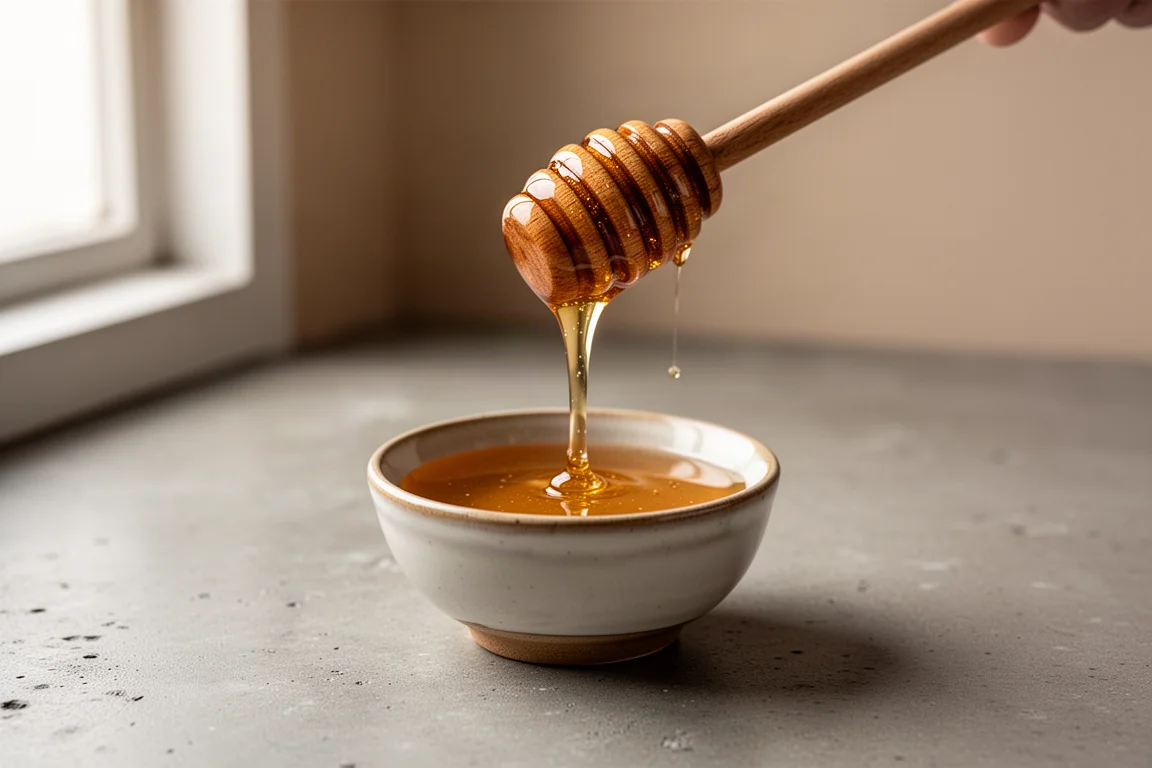
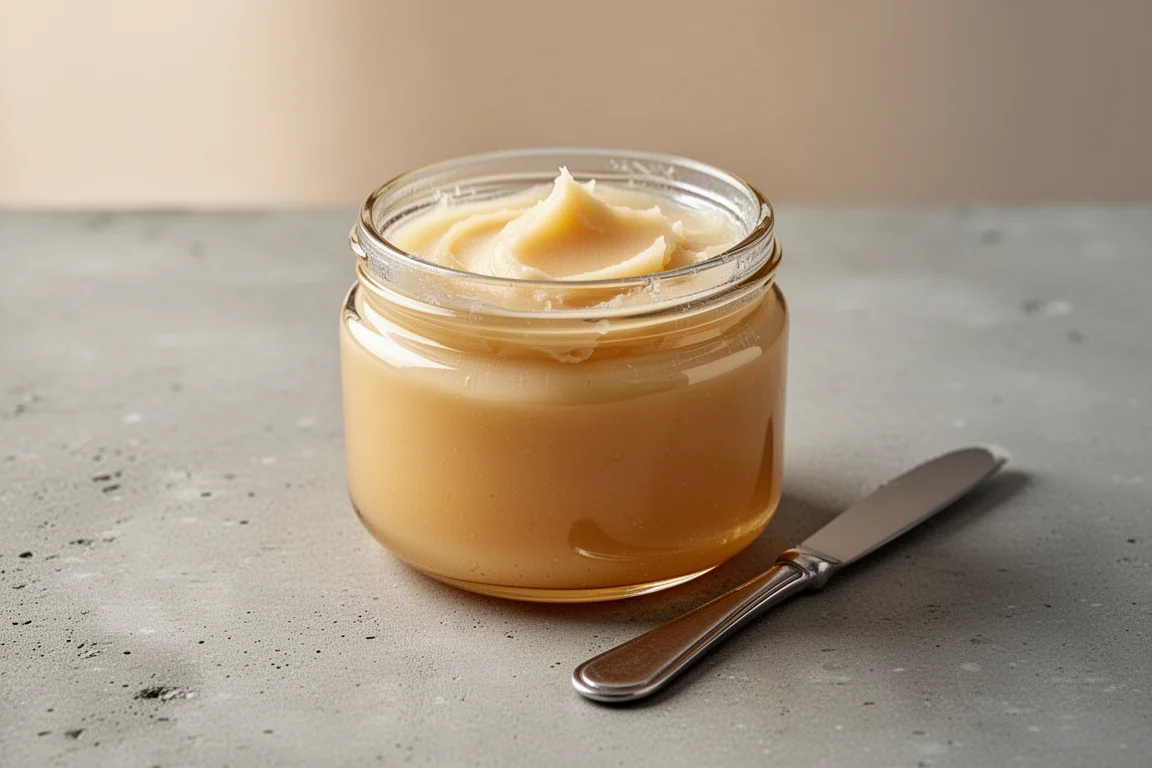
Crystallization also matters. While it’s usually considered a flaw, creamed honeys are designed to crystallize on purpose, either by adding a little crystallized honey or by whipping the batch. The result has a texture similar to lemon curd.
Best Everyday Pick: Nature Nate’s Raw Unfiltered Honey
Nature Nate’s is the bestselling honey in the US, and it earned its popularity. It’s a raw, unfiltered, polyfloral honey with a balanced, middle-of-the-road flavor: sweet, delicious, and complex, but with no single attribute dominating. If you grew up on the classic honey bear bottle, this is the flavor profile you already know, just better.
It’s the safe pick for anyone who wants one versatile jar for tea, toast, and everyday cooking.

Brightest Flavor: Brightland Orange Blossom Honey
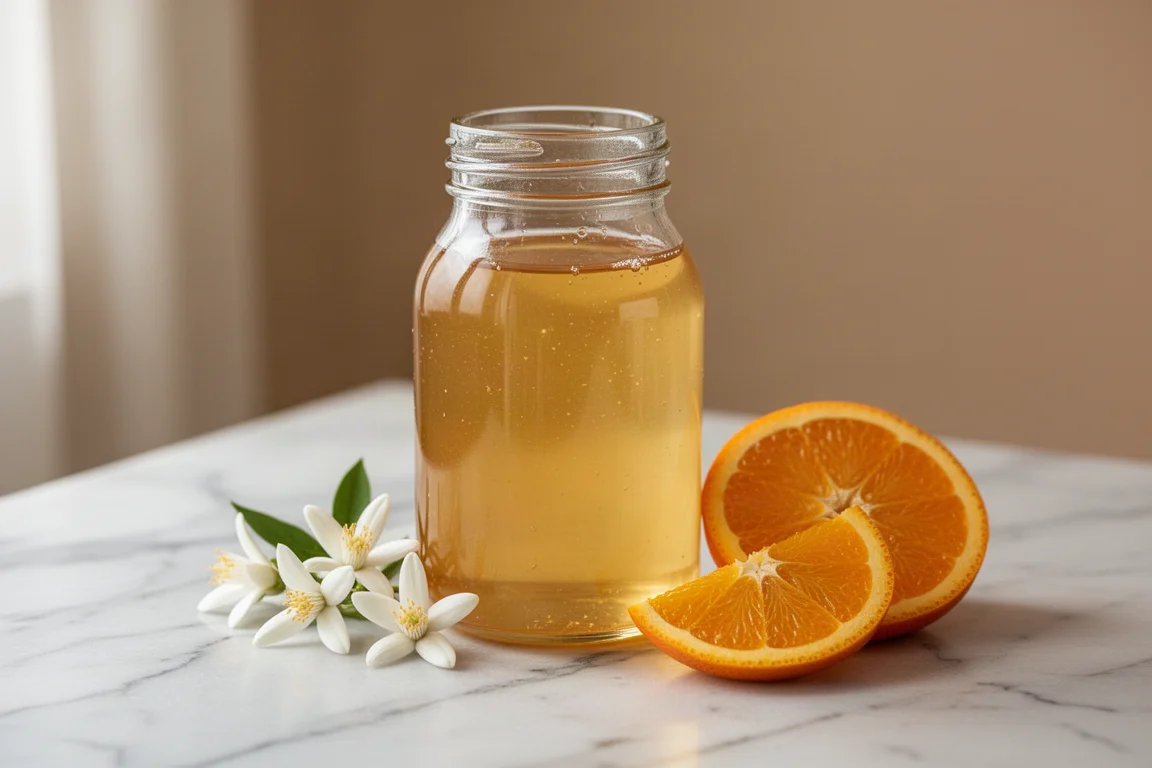
This orange blossom honey from Brightland delivers genuine fruitiness with a touch of acidity that cuts through honey’s natural sweetness. That balance makes it a distinctive cooking honey, especially for honey-forward desserts.
If you want to make baklava or any dessert where honey is the star, this is a great choice.
Most Bold Flavor: Bee Harmony Buckwheat Honey
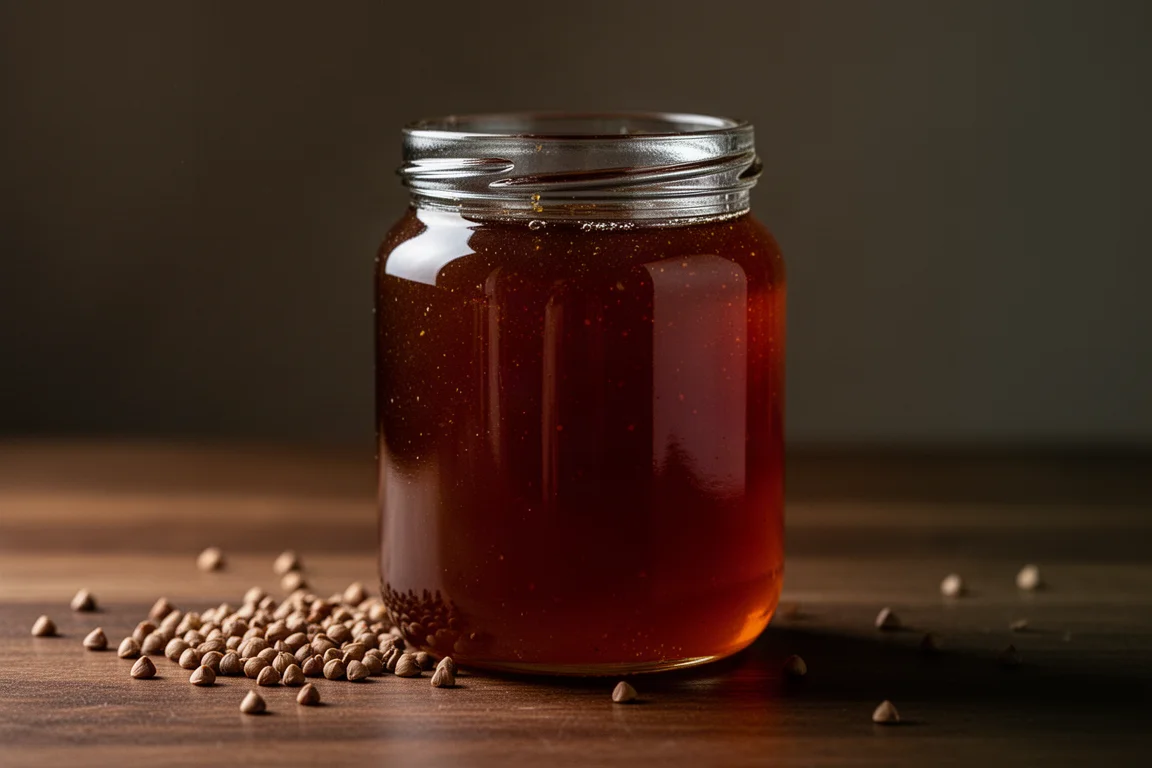
Bee Harmony’s buckwheat honey is the wild child of the group. It’s much darker in color and far more robust, with tasters picking up smoke, tobacco, and roasted oak notes, plus a hearty, almost molasses-like depth. It’s big and bold, which means it can overwhelm a delicate dish, but it’s delicious in the right setting.
Think of it anywhere you’d use maple syrup, such as over pancakes, or use it in savory cooking to add a little oomph.
Most Spreadable: Shelburne Honey Company Creamed Honey
Shelburne Honey Company’s creamed honey is mild, floral, creamy, and simply wonderful. Because of its lemon curd-like texture, it works almost like jam: picture it on a warm buttery scone or spread on cornbread.
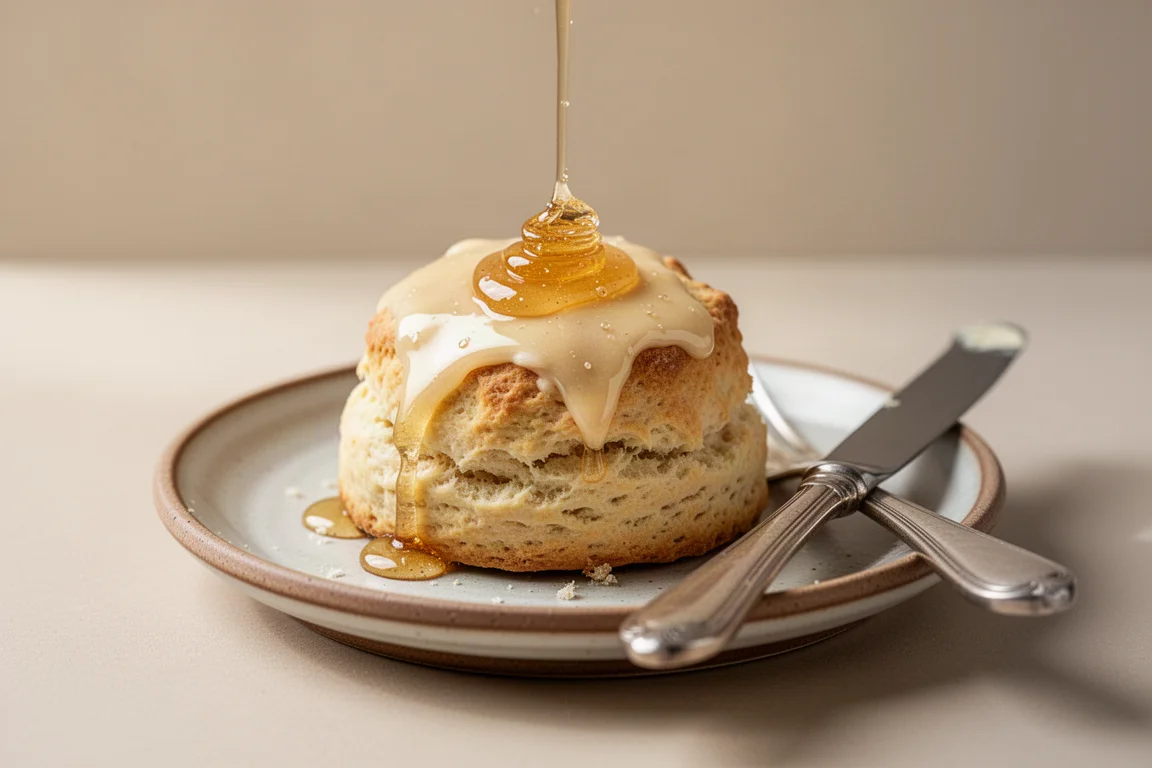
If you want a honey that behaves like a spreadable topping rather than a drizzle, this is the one to reach for.
Overall Buying Advice
Choose Nature Nate’s if you want one versatile, crowd-pleasing jar. Choose Brightland for citrusy brightness in desserts, Bee Harmony for bold depth in pancakes or savory dishes, and Shelburne for a creamy, spreadable treat. Whatever you pick, make sure it’s raw so the full flavor of the flowers survives.
Conclusion
Four honeys, four completely different personalities: balanced, bright, bold, and creamy. Matching the style to how you actually use honey is the key to picking the right jar.
Further reading
Related Reviews
Pantry Staples
Best Canned Whole Tomatoes: 7 Brands Tested in a Simple Tomato Sauce
Seven brands of whole canned tomatoes went head to head in a simple tomato sauce to find out which ones actually deliver on flavor.
Pantry Staples
Best Gochujang 2026: Eight Korean Chili Pastes, Tasted and Ranked
We tasted eight gochujang brands plain and in tteokbokki to find the ones worth adding to your pantry, from supermarket staples to traditional artisan pastes.
Pantry Staples
Best Heirloom Beans 2026: Four Standout Varieties Worth Seeking Out
Four heirloom bean varieties that deliver richer flavor, creamier texture, and faster cooking than commodity supermarket beans.