Trail Running Shoes
Best Hoka Trail Shoes 2026: Three Models for Different Running Styles
A detailed comparison of the Hoka Speedgoat 6, Challenger 7, and Stinson 7 trail shoes, covering outsole grip, cushioning, fit, and best use cases for each.
Introduction
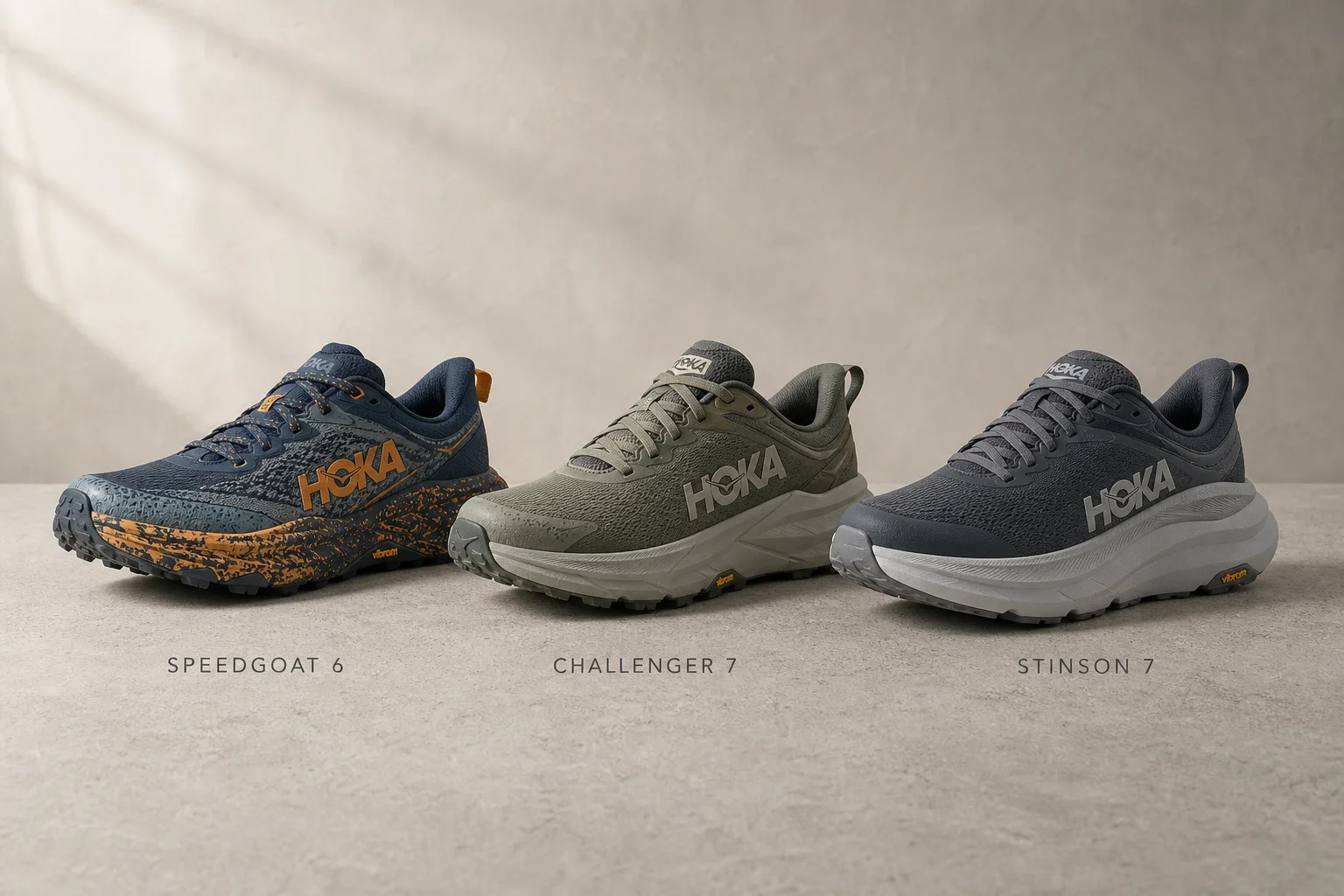
Hoka offers three standout trail shoes that serve different running needs and terrain preferences. The Speedgoat 6, Challenger 7, and Stinson 7 each excel in specific situations, from technical downhill running to long-distance comfort and road-to-trail versatility. Understanding the differences in outsole grip, cushioning, fit, and weight will help you select the best option for your running style.
Outsole and Grip Performance
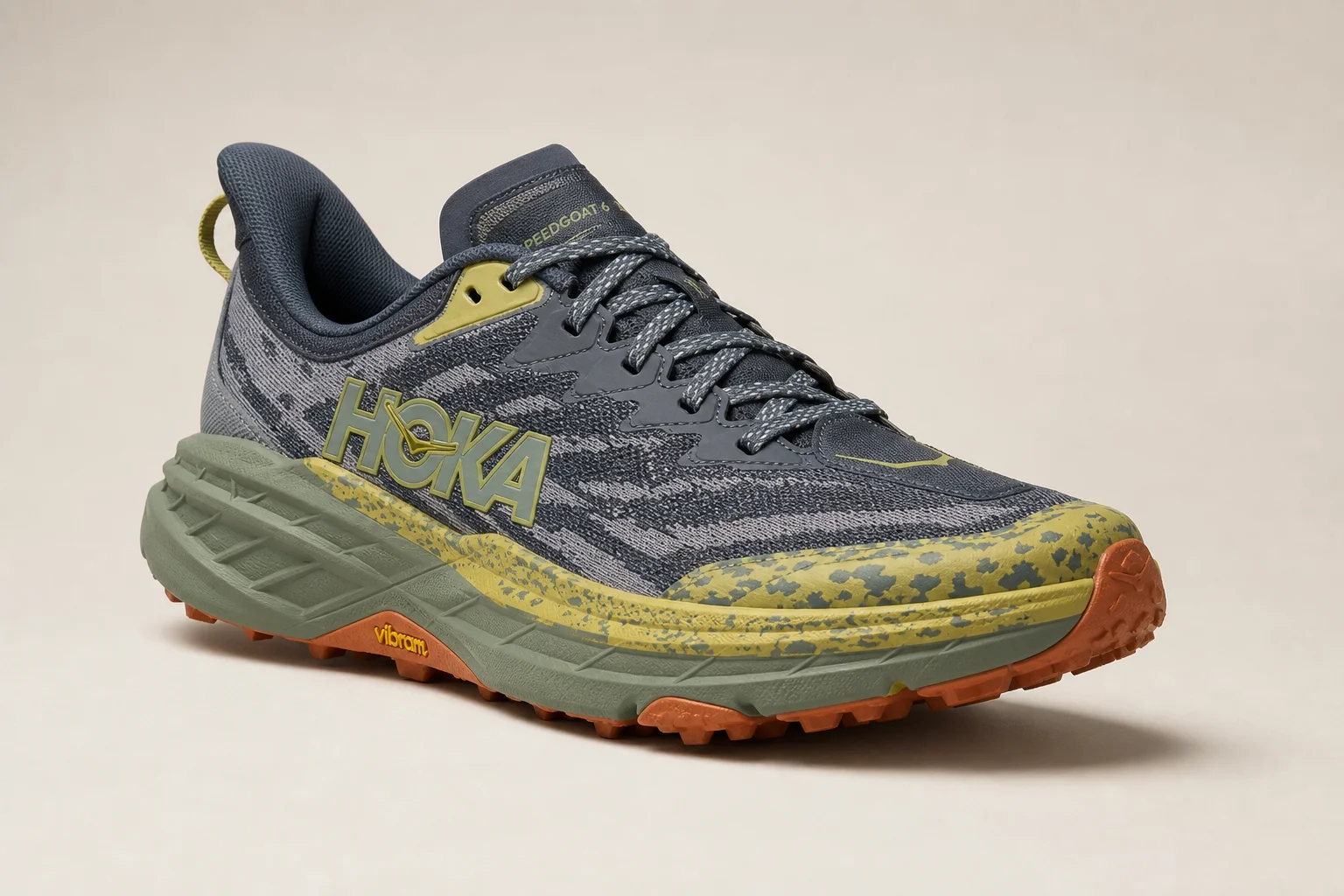
The outsole is where these three shoes diverge most significantly. The Speedgoat 6 features a Vibram Mega Grip outsole with 5 mm multi-directional lugs, delivering exceptional grip on wet rock, slippery terrain, and technical ground. This makes it an excellent choice for runners tackling steep downhill sections, muddy trails, and challenging conditions where foot security is paramount. The trade-off is that the aggressive tread wears quickly on asphalt or tarmac.
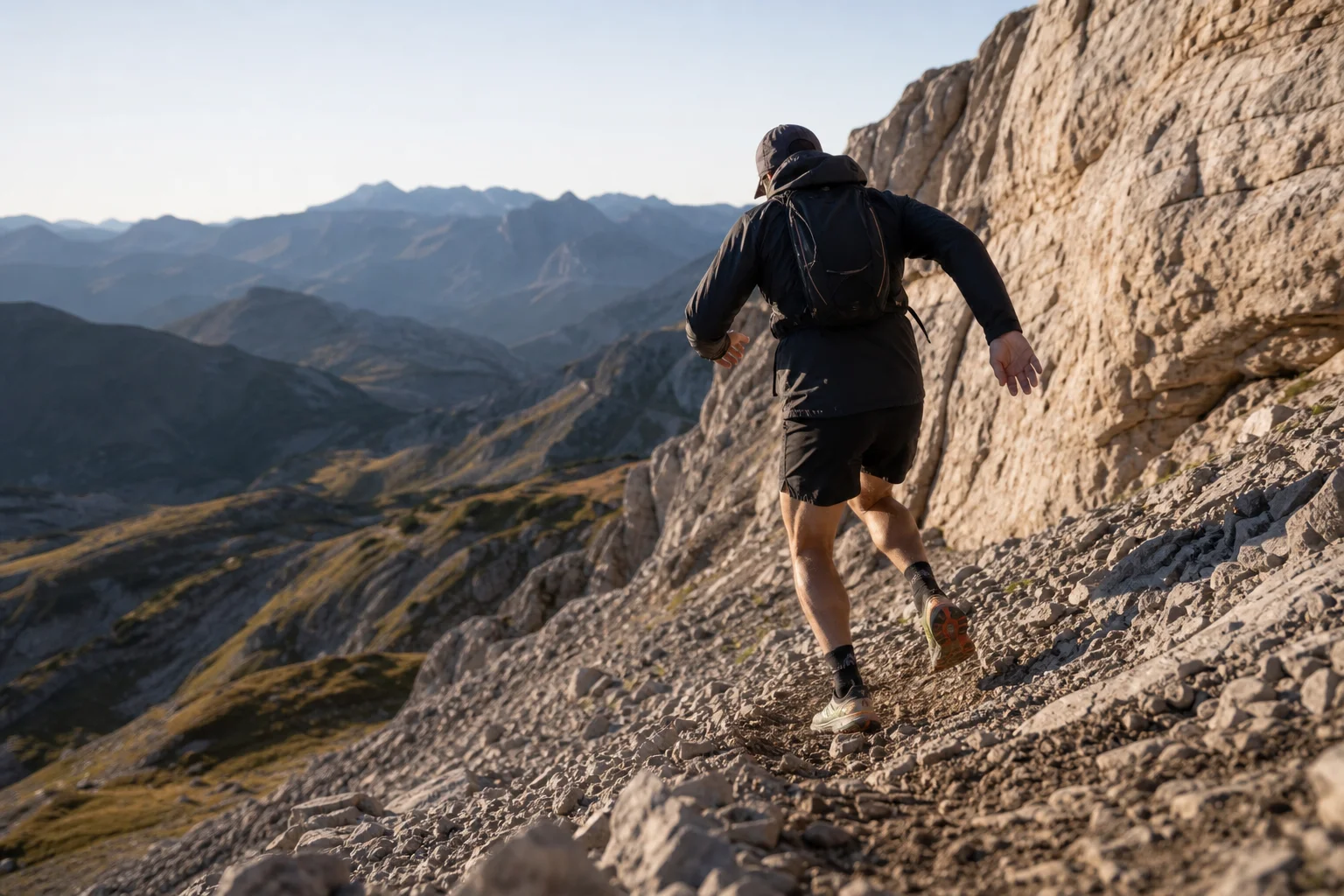
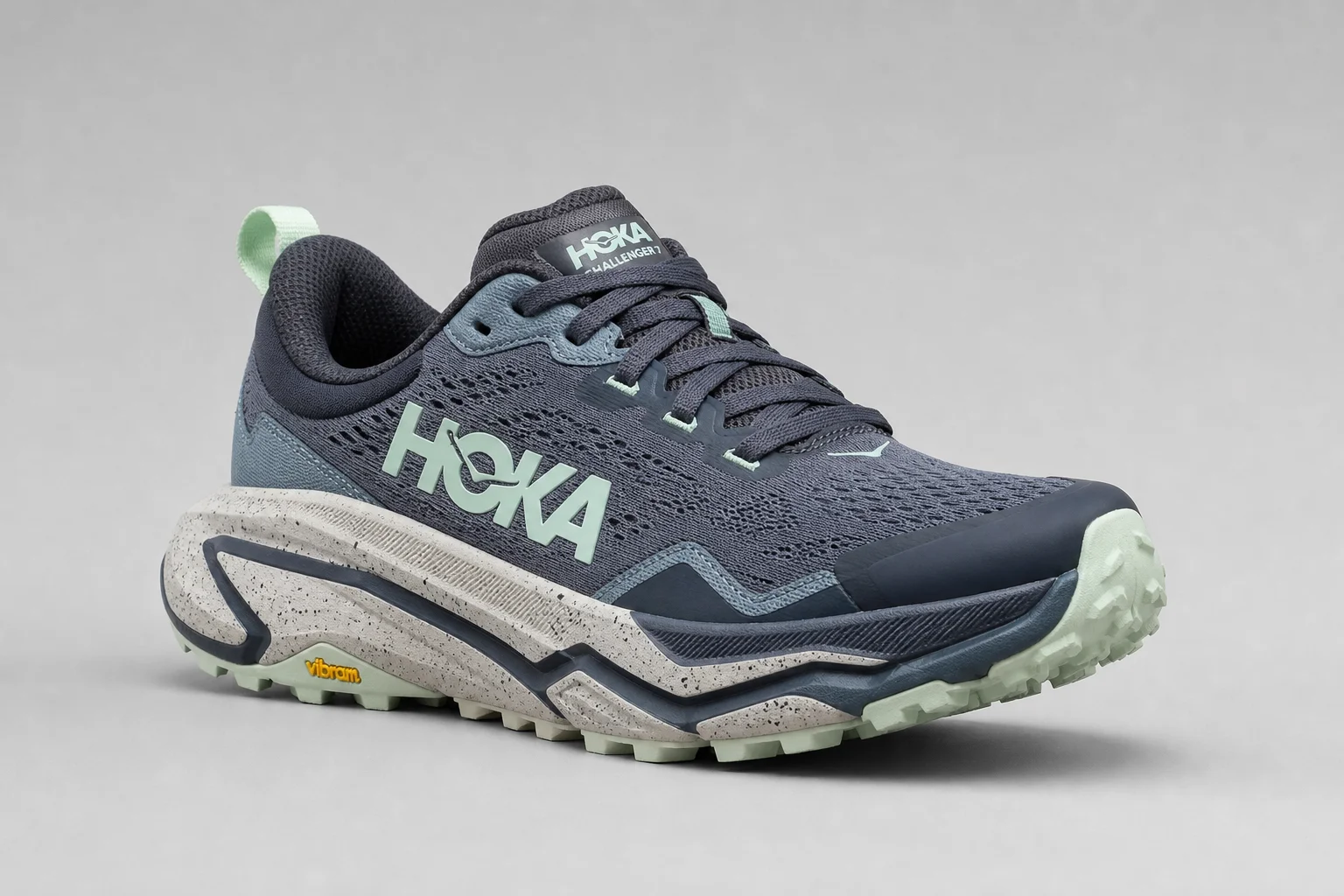
The Challenger 7 takes a middle approach with 4 mm lugs and no Vibram Mega Grip. The broader, shorter lugs are more comfortable on lighter trails and road surfaces while still providing adequate grip for moderate technical terrain. This design makes the Challenger 7 more road-friendly without sacrificing trail capability.
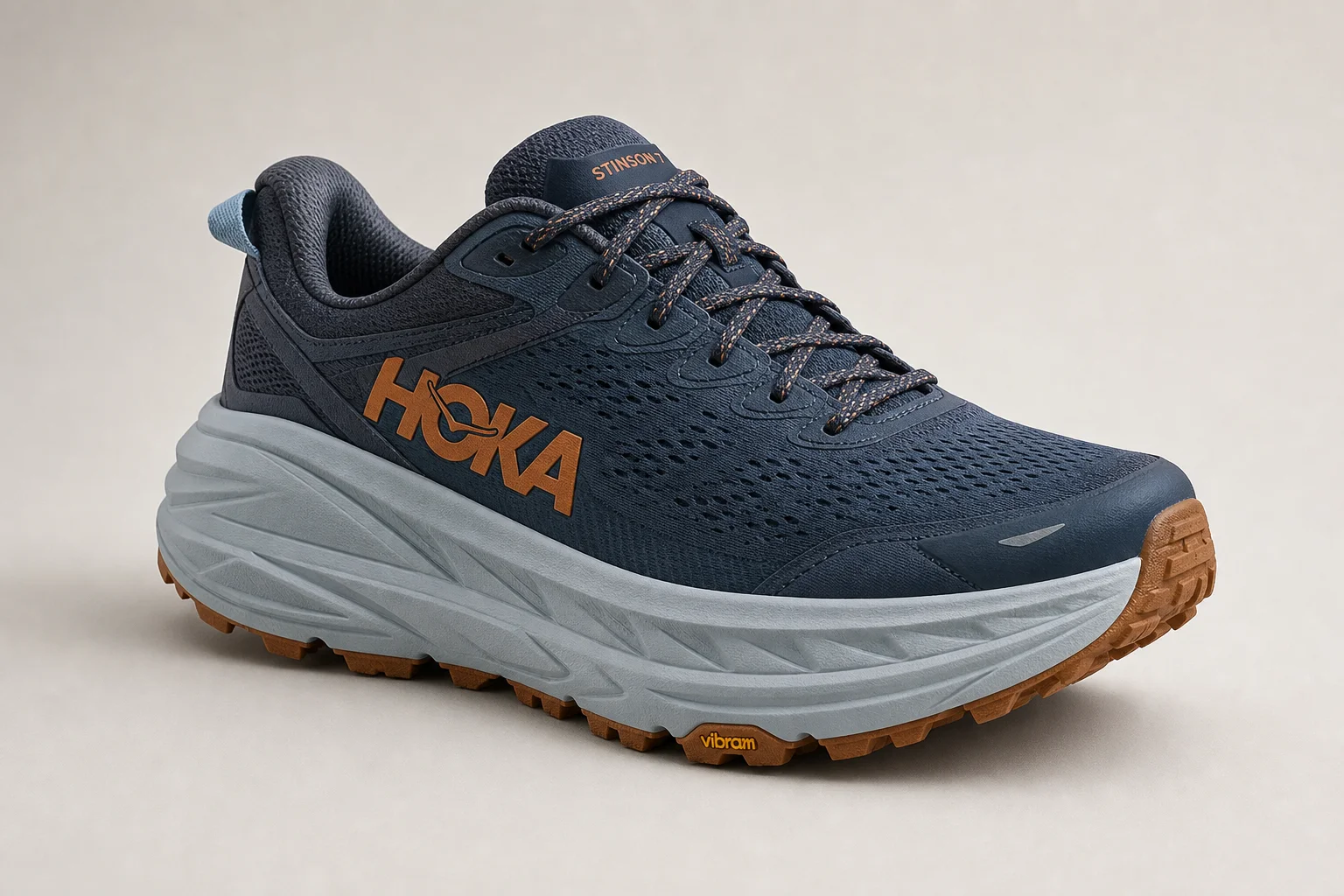
The Stinson 7 features the shortest lugs at 3 mm with multi-directional tread but no Vibram Mega Grip. This configuration prioritizes road-to-trail versatility and light-to-moderate trail use. The minimal lug depth makes it the most comfortable option for runners who split time between pavement and easier trail sections.
Midsole Cushioning and Stack Height
Cushioning philosophy differs markedly across these three models. The Stinson 7 is the most cushioned, with 45 mm of stack in the rear foot and 40 mm in the forefoot. This generous padding is built for comfort and extended time on your feet, making it ideal for ultramarathon running and long hiking days. However, this extra cushioning adds weight, bringing the shoe to approximately 360 grams for a men’s size 9 US.
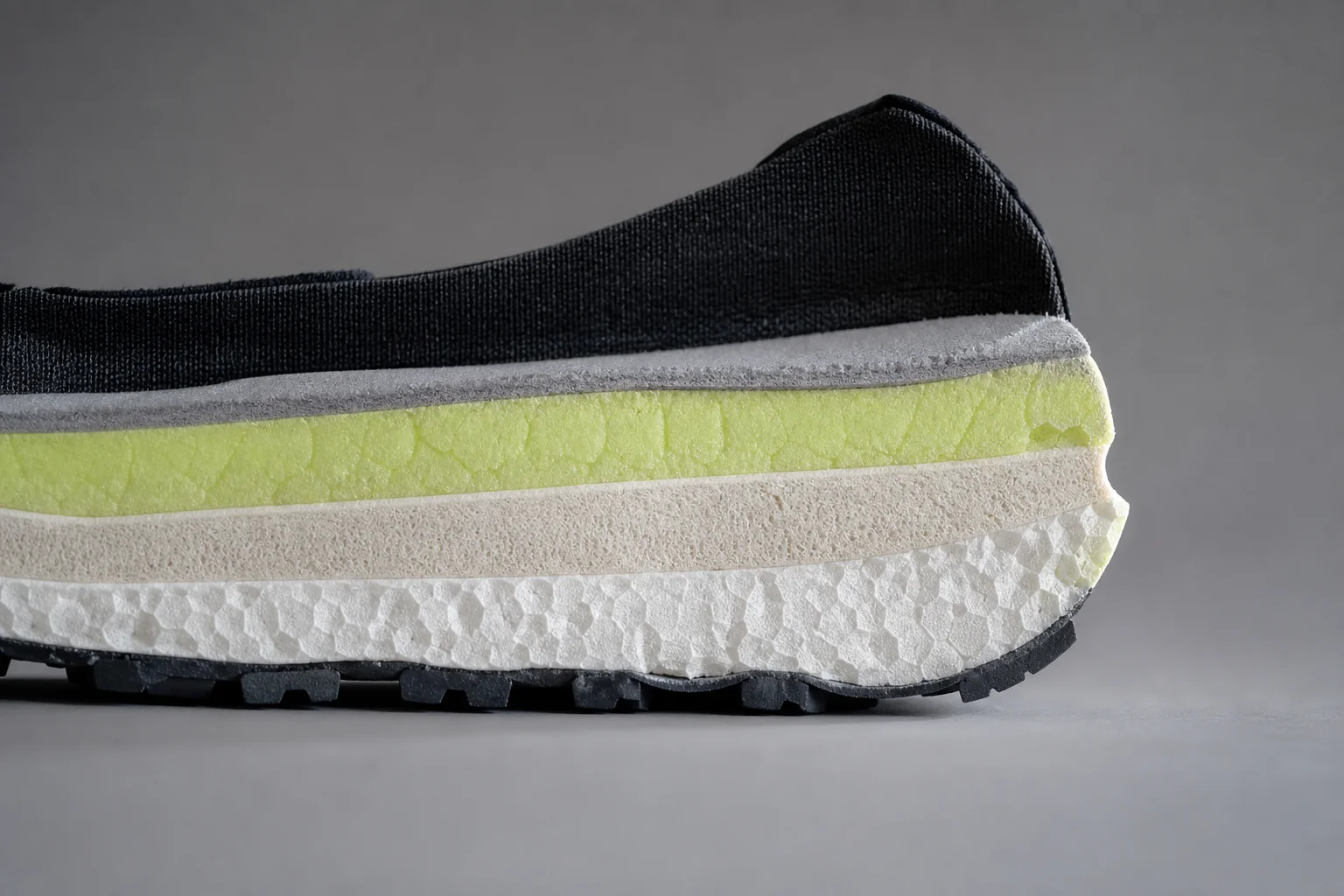
The Challenger 7 offers a more moderate stack with 31 mm in the rear foot and 26 mm in the forefoot, providing a 5 mm drop. Despite less overall cushioning, the foam is softer and more compliant than the Speedgoat 6, creating a comfortable ride that transitions well between road and trail. At around 250 grams for a men’s size 9 US, it is significantly lighter than the Stinson 7, making it a versatile all-rounder.
The Speedgoat 6 sits in the middle with 40 mm rear foot and 35 mm forefoot stack, also offering a 5 mm drop. The key difference is firmness: the EVA cushioning is more responsive and less squishy than the Challenger 7, supporting technical terrain running and faster paces. At approximately 277 grams for a men’s size 9 US, it balances protection with reasonable weight.
Fit, Toe Box Width, and Comfort Features
Fit varies considerably among these three shoes. The Speedgoat 6 has a notably narrow toe box with tapered construction that allows precise foot placement and quick directional changes on technical terrain. The overlay around the toe box provides some protection without adding rigidity. All three shoes are true to size in length, but the Speedgoat 6 offers minimal padding in the toe box.
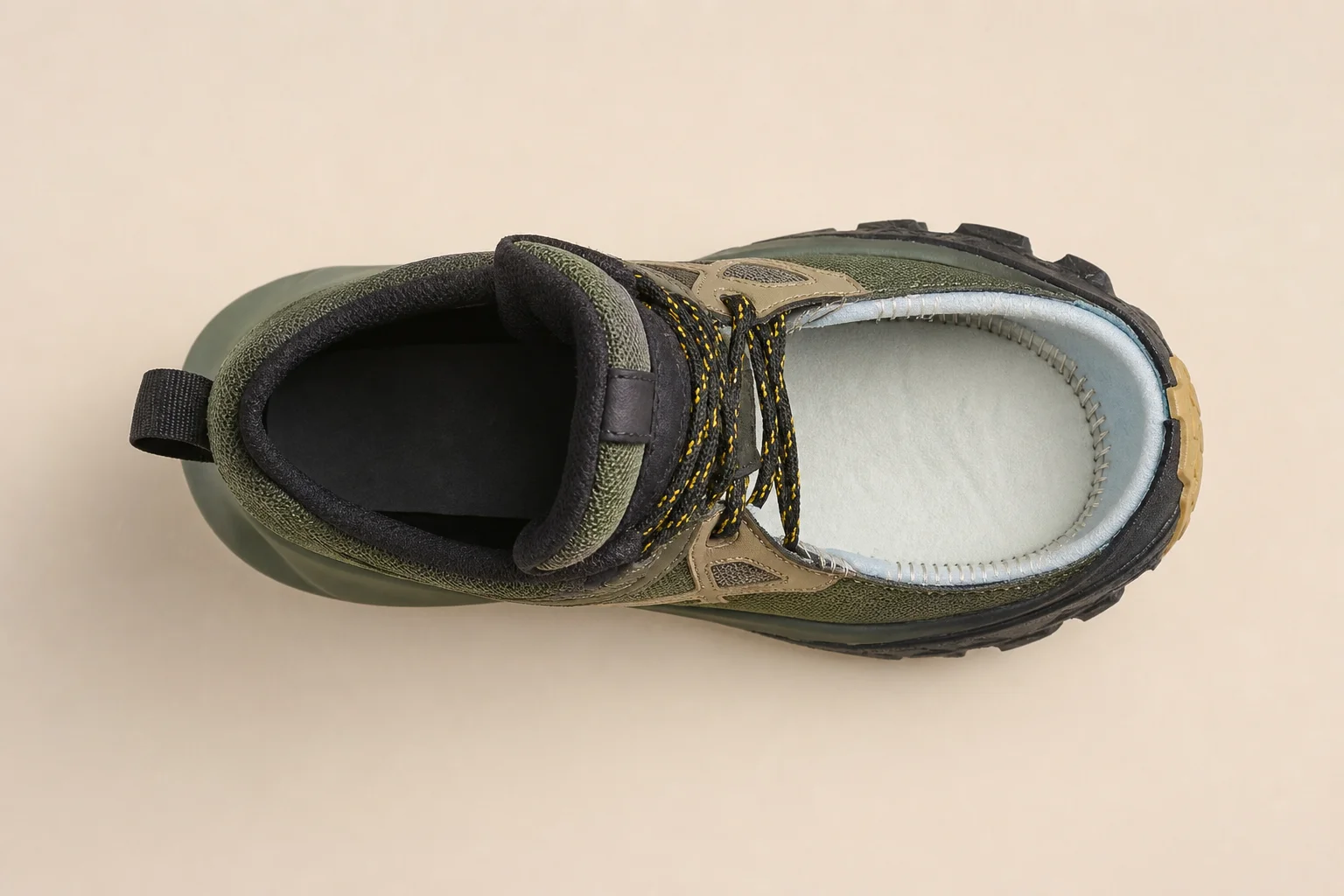
The Challenger 7 provides moderate toe box space, sitting between the Speedgoat 6 and Stinson 7. It includes ample padding throughout the toe box and offers a comfortable fit for runners with average to slightly wider feet. The heel counter is stiff on all three shoes, providing stability.
The Stinson 7 has the widest toe box of the three, comparable to Hoka’s road-running Gaviota 5. It offers generous space for your toes and extensive padding throughout, prioritizing comfort for long-distance running and hiking. The shoe also features a built-in H-frame stability system that runs between the midsole and your foot, providing guidance for pronation control and helping keep your foot centered. This stability feature compensates for the softness and volume of cushioning, making it a good choice for runners seeking additional support.
Choosing the Right Shoe for Your Running Style
The Stinson 7 is best suited for runners prioritizing comfort and stability on roads and light trails. Its generous cushioning, wide fit, and H-frame support make it ideal for ultramarathon running, long hiking days, and extended time on your feet. The trade-off is weight and reduced technical capability.
The Challenger 7 excels as a do-it-all shoe for runners who split time between road and trail. Its lighter weight, softer cushioning, and moderate lug depth make it versatile enough for light-to-moderate technical terrain while remaining road-friendly. It is an excellent choice for runners seeking a single shoe that handles varied terrain without compromise.
The Speedgoat 6 is purpose-built for technical terrain and responsive running. The Vibram Mega Grip outsole, firmer cushioning, and narrow fit make it ideal for ultramarathon runners tackling steep descents, muddy trails, and wet rock. Choose this shoe if technical grip and responsiveness matter more than road comfort.
Conclusion
Each of these Hoka trail shoes serves a distinct purpose. The Stinson 7 prioritizes comfort and support for long-distance running and hiking. The Challenger 7 offers versatility for runners who want a single shoe for mixed terrain. The Speedgoat 6 delivers technical grip and responsiveness for challenging trail conditions. Match your choice to your primary running environment and distance goals for the best experience.
Further reading
Related Reviews
Trail Running Shoes
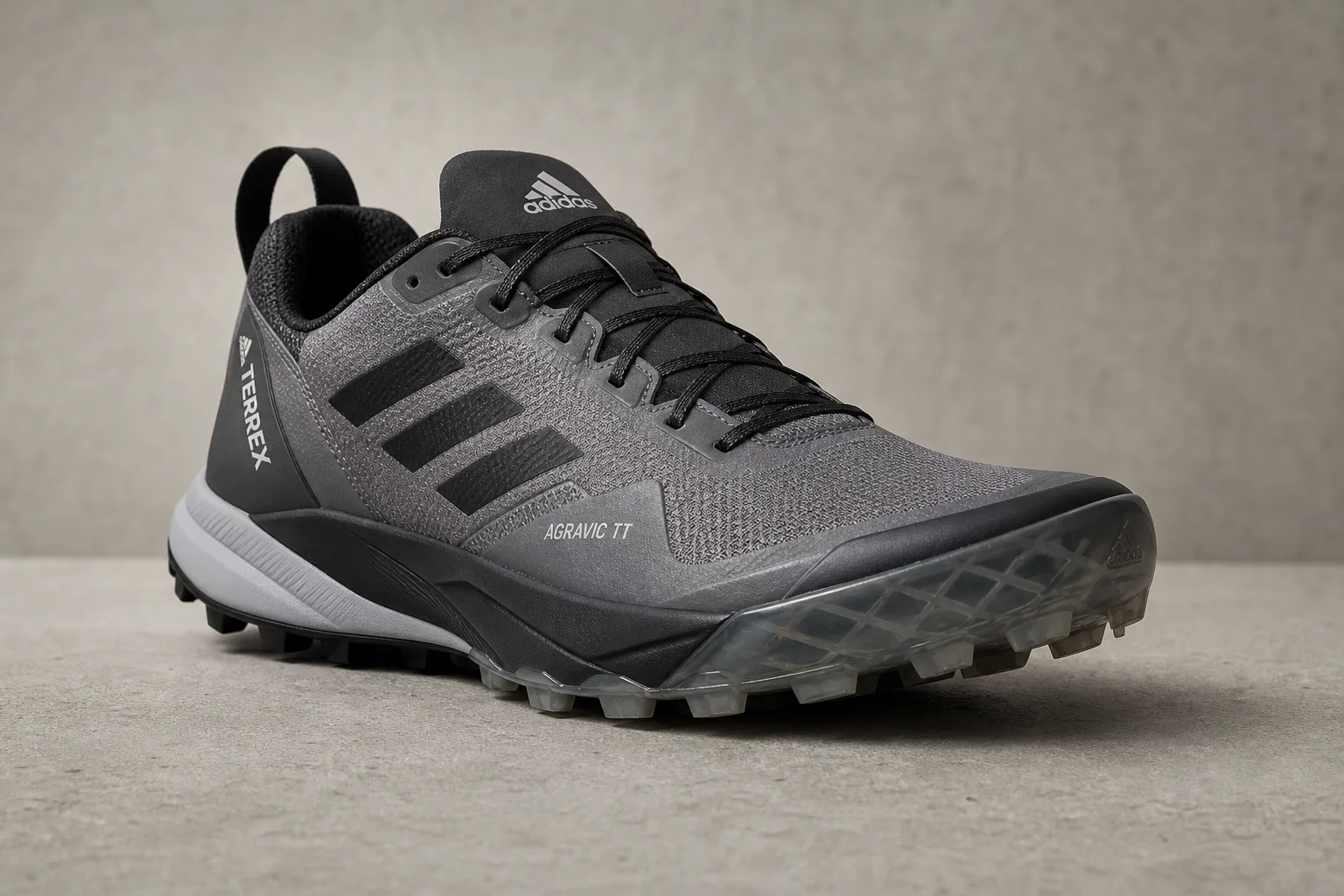
Adidas Terrex Agravic TT Review: A Technical Trail Shoe Built for Rocky Terrain
The Adidas Terrex Agravic TT combines a full-coverage rock plate with a firmer midsole to deliver protection and stability on technical, rocky trails. A capable choice for runners who prioritize underfoot defense over lightweight cushioning.
Trail Running Shoes
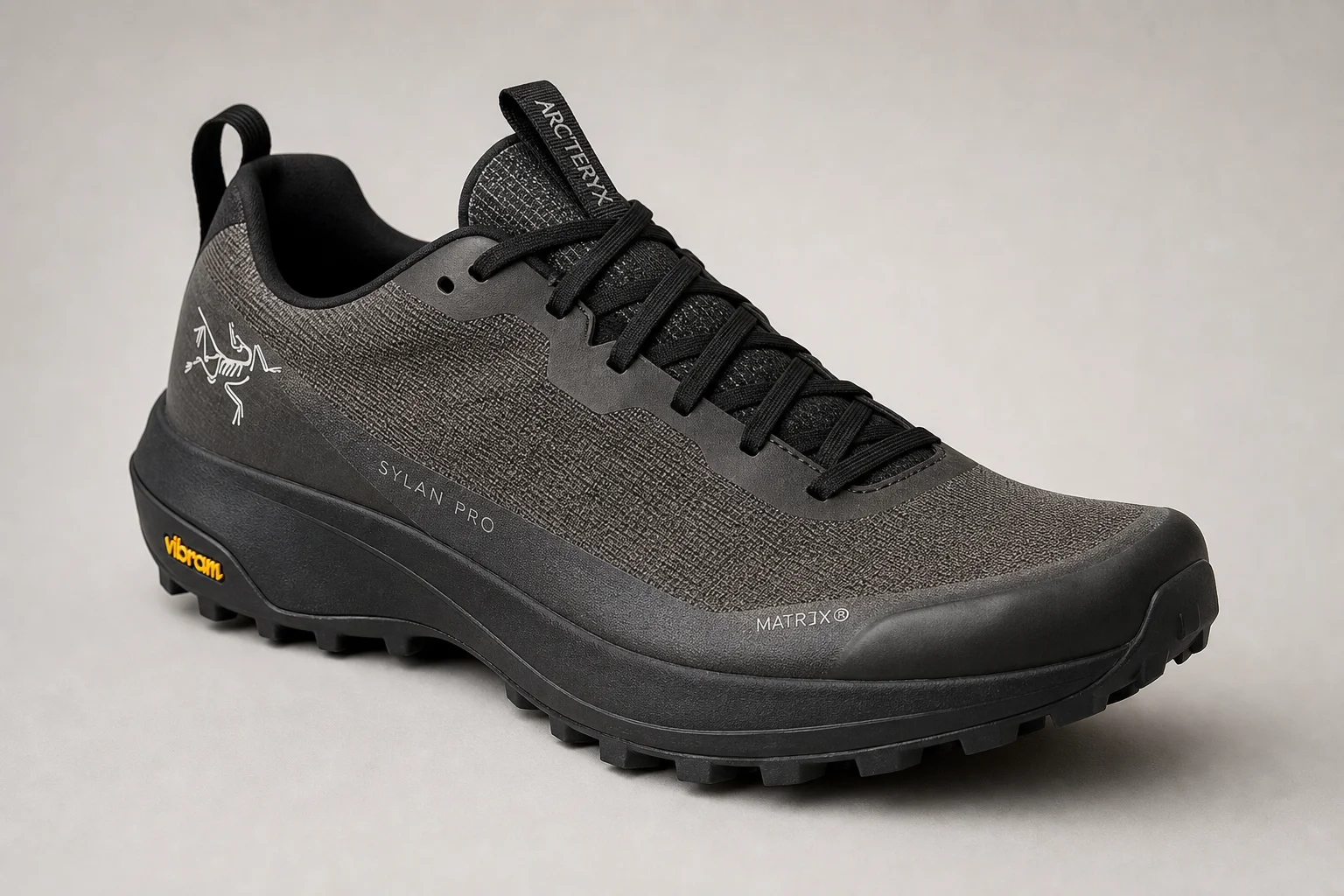
Arc'teryx Sylan Pro Review: A Rocker-Focused Mountain Running Shoe Tested on 20 Miles
The Arc'teryx Sylan Pro brings a pronounced rocker geometry and secure fit to mountain terrain. We tested it on a 20-mile Sawtooth loop to evaluate its climbing efficiency, protection, and handling of technical descents.
Trail Running Shoes
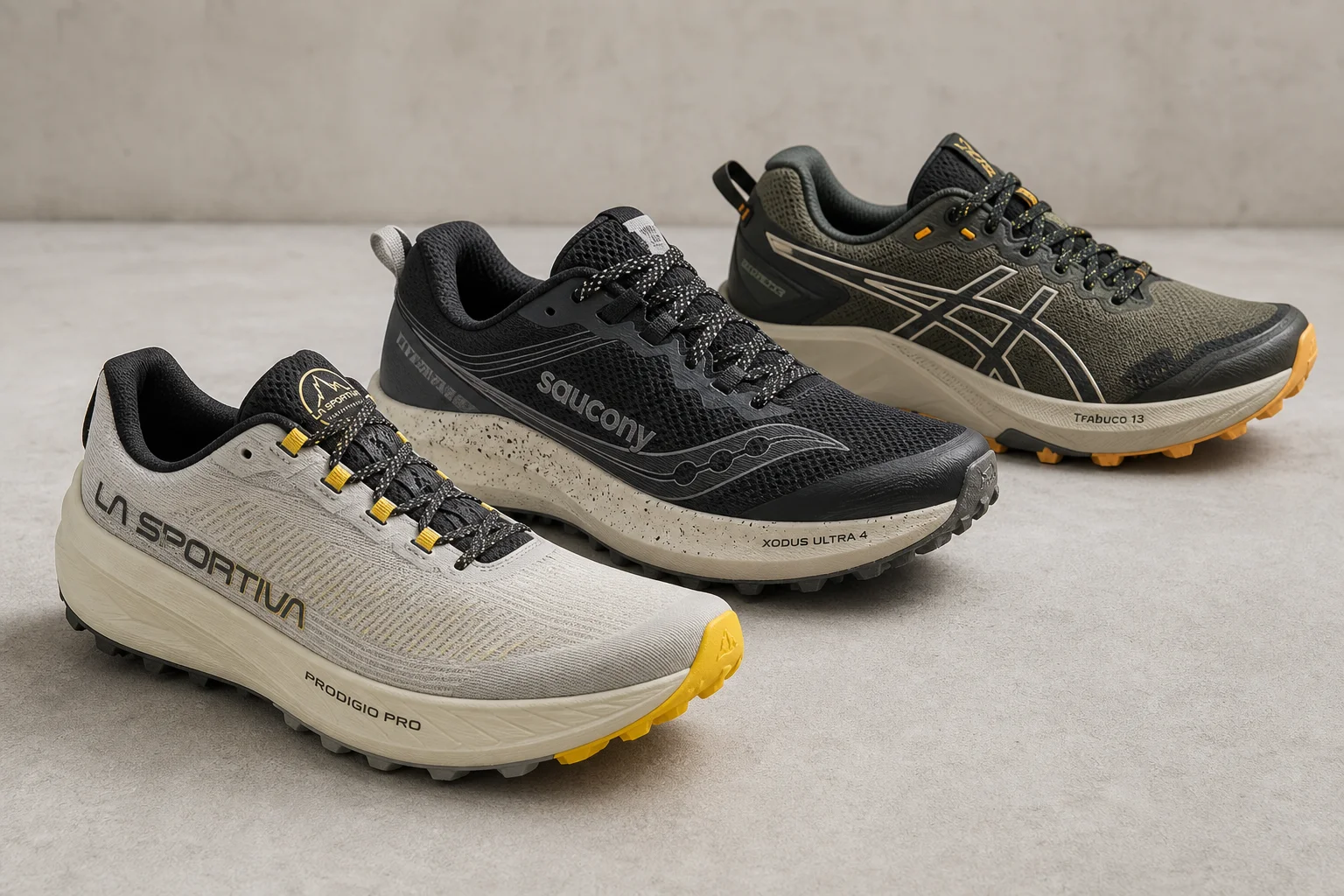
Best All-Mountain Trail Running Shoes: Three Versatile Options for Any Trail
A focused roundup of three all-mountain trail running shoes that handle technical terrain, long distances, and variable conditions with real strengths and practical trade-offs.