Pantry Staples
Best Hoisin Sauce: Three Bottles Worth a Spot in Your Pantry
We compare three hoisin sauces side by side, from a gluten-free all-rounder to a smoky powerhouse, to help you pick the right bottle for glazes, dips, and stir-fries.
Introduction
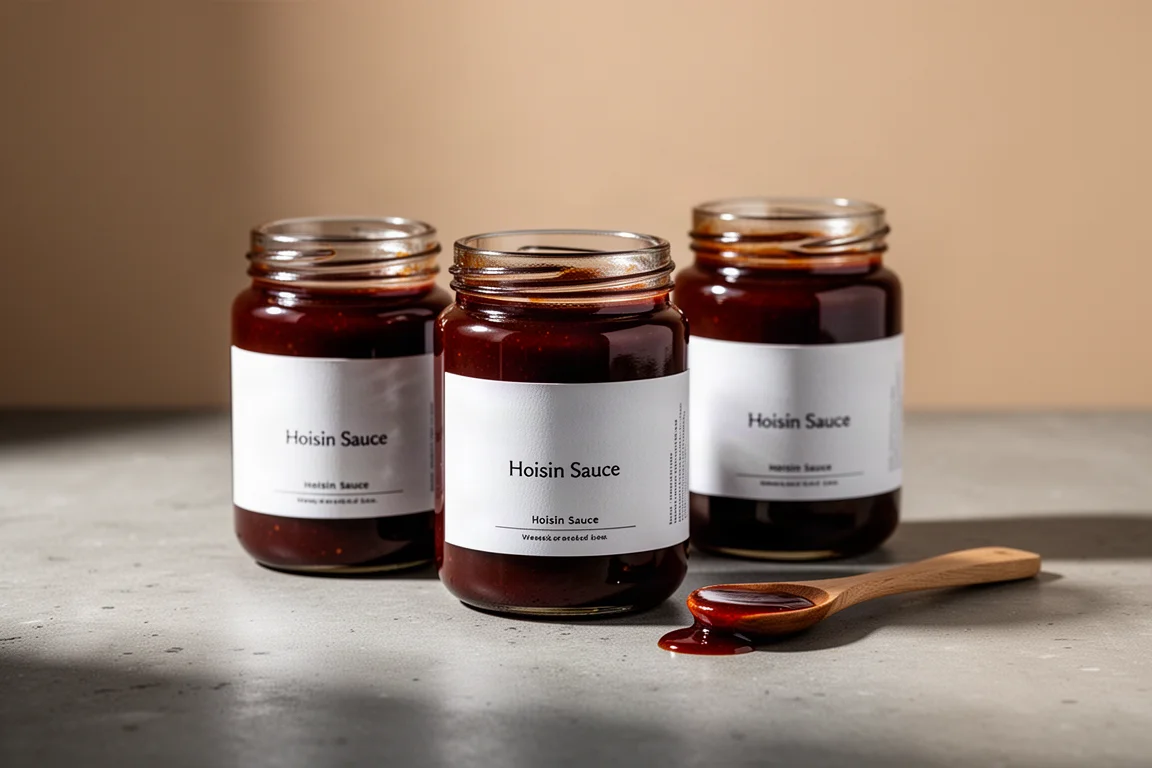
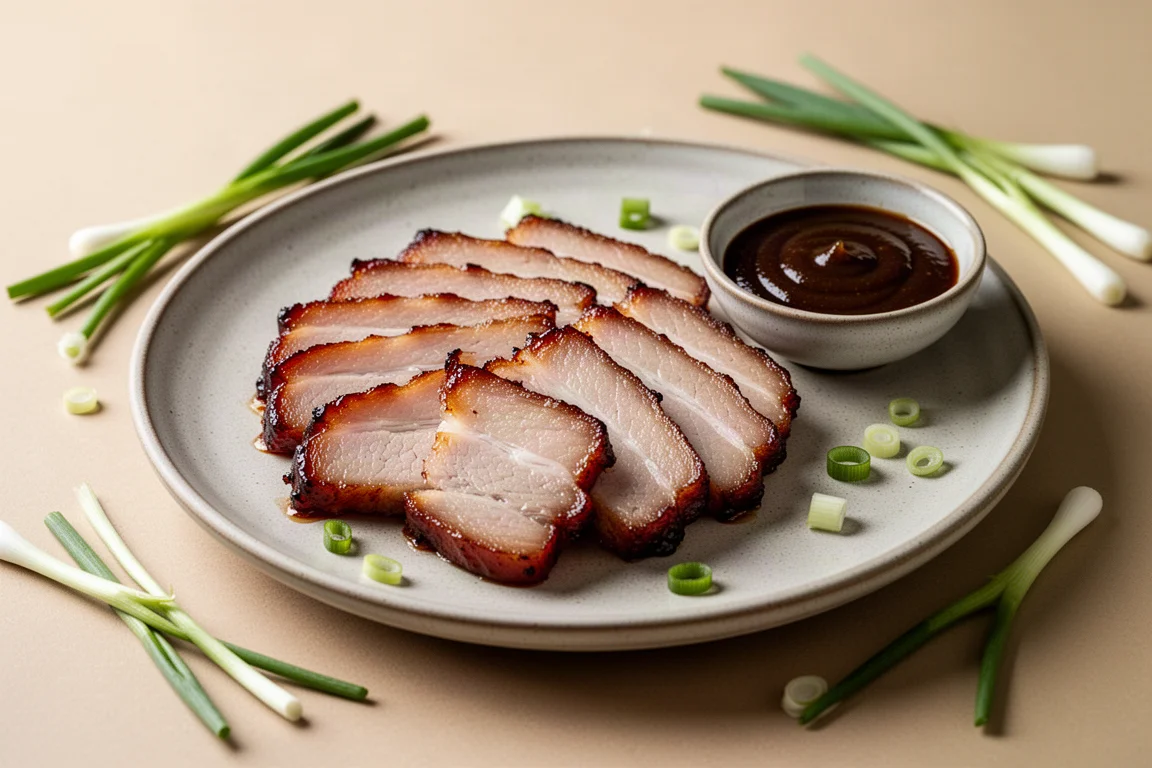
Some sauces earn a permanent spot in the fridge door. Hoisin is one of them: a thick, sweet-savory fermented soybean sauce that brings umami depth, sweetness, tang, and warm spice to everything it touches. It shows up classically in General Tso’s chicken, on char siu, and brushed over barbecued ribs, and it even stands in as the dipping sauce served alongside Peking-style roast duck in the United States.
But not all hoisin is the same. We tasted three widely available bottles side by side to find out where each one shines, because the differences between them are real and worth knowing before you buy.
What Hoisin Actually Tastes Like
Hoisin starts with fermented soybeans, which give it that deep umami complexity. From there, most recipes layer in sugar and vinegar for the sweet-and-sour backbone, plus five-spice and garlic for warmth and aromatics.
When you taste several side by side, two things stand out. First, different bottles push different ingredients forward: some lean into garlic, others bring plummy, stone-fruit notes, and some let the warm spices lead. Second, texture varies. One of the bottles we tasted was noticeably grainier than the others. That is not a defect, but it matters if you want a smooth, beautiful lacquer for glazing.
The Best All-Rounder: Lee Kum Kee Hoisin Sauce
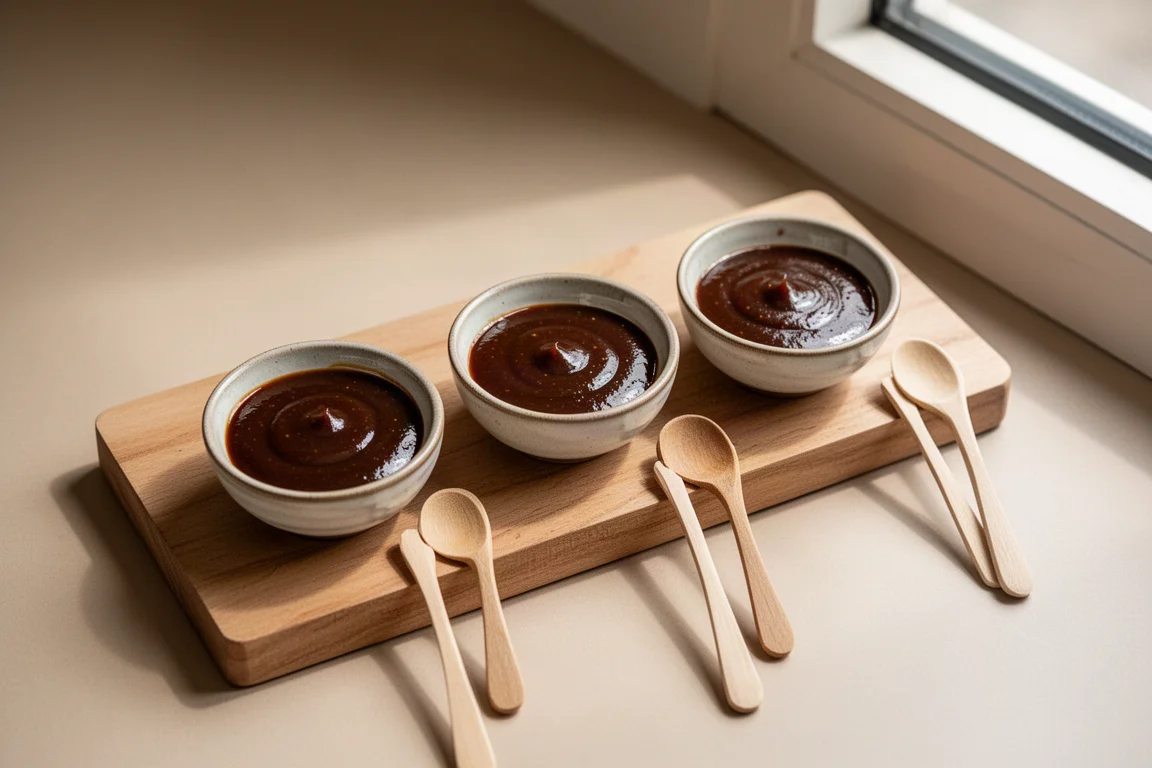
Lee Kum Kee was our favorite of the three, and it happens to be gluten-free, though the two facts are not related. It is simply a delicious hoisin sauce. The fruitier flavor comes forward, the five-spice comes through clearly, and the overall profile tastes clean and balanced rather than muddled.
If you had to pick one bottle to handle every job, from dipping sauce to marinade to stir-fry finisher, this is the one that does everything well without asking you to compromise on anything.
The Powerhouse: Koon Chun Hoisin Sauce
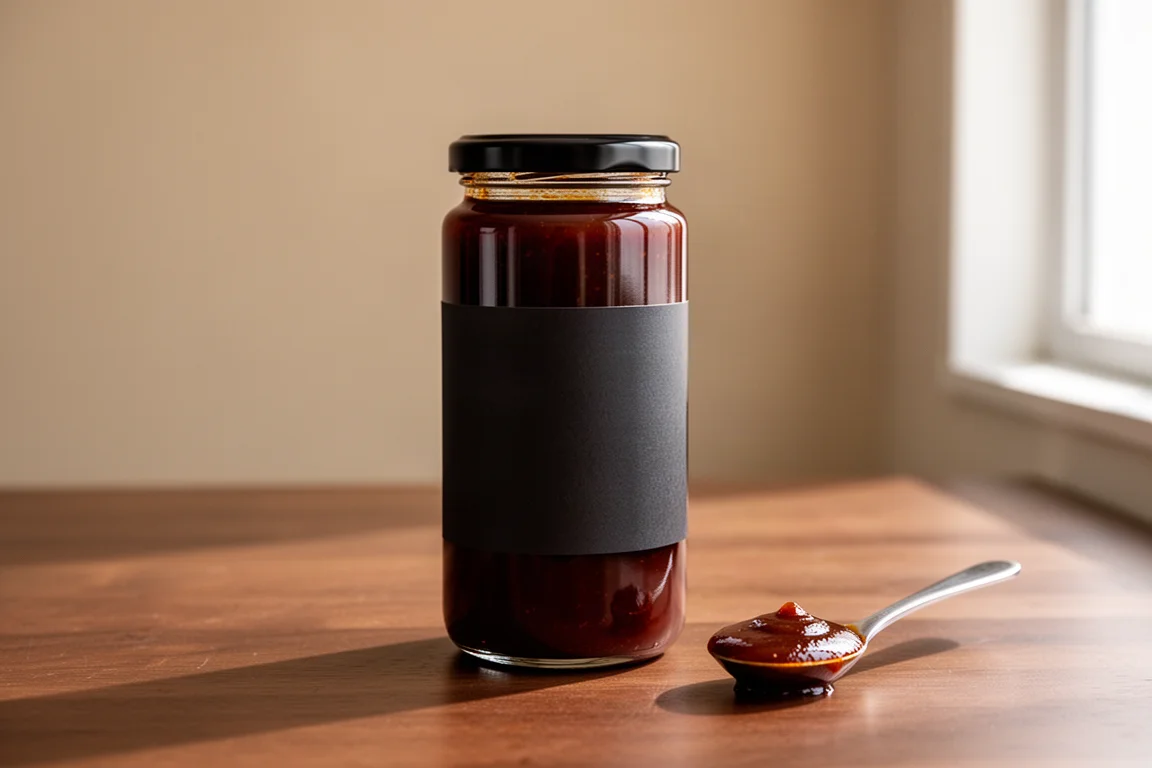
Koon Chun was the most complex of the three, and the one we called the powerhouse. Tasters picked up smoky, charred notes and a blackstrap molasses character: not actually burnt, but like developed sugar that has been concentrated until it teeters right on the edge.
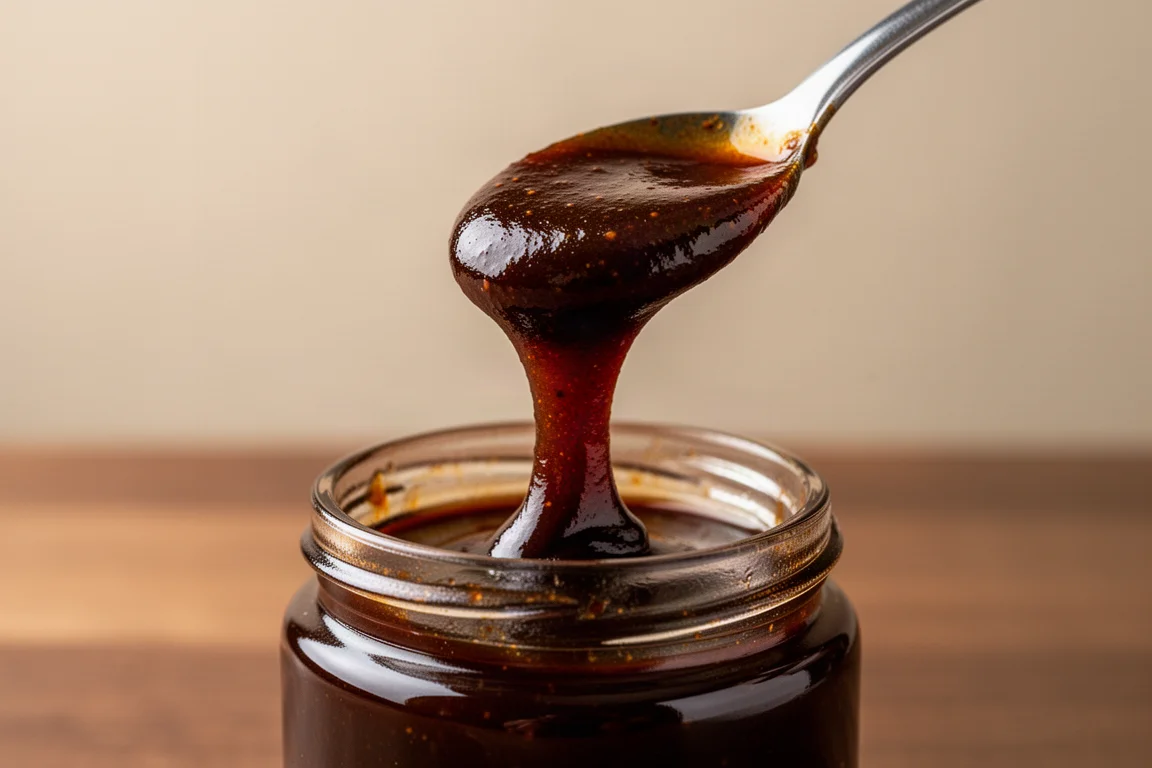
It is also thicker and slightly grainier in texture. That extra body means it is probably not the best choice for a smooth glaze, but it packs more flavor into every teaspoon. If you want a hoisin that dominates a dish rather than blending into it, this is the bottle.
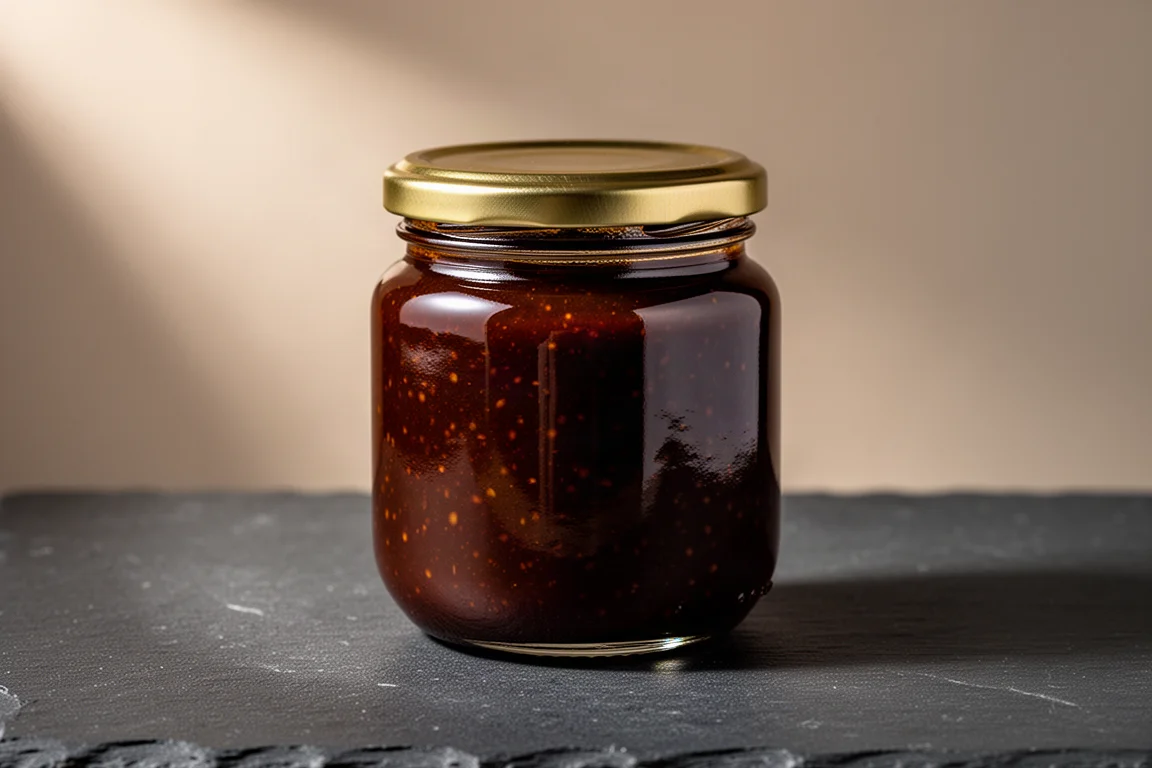
The Classic Choice: Kikkoman Hoisin Sauce
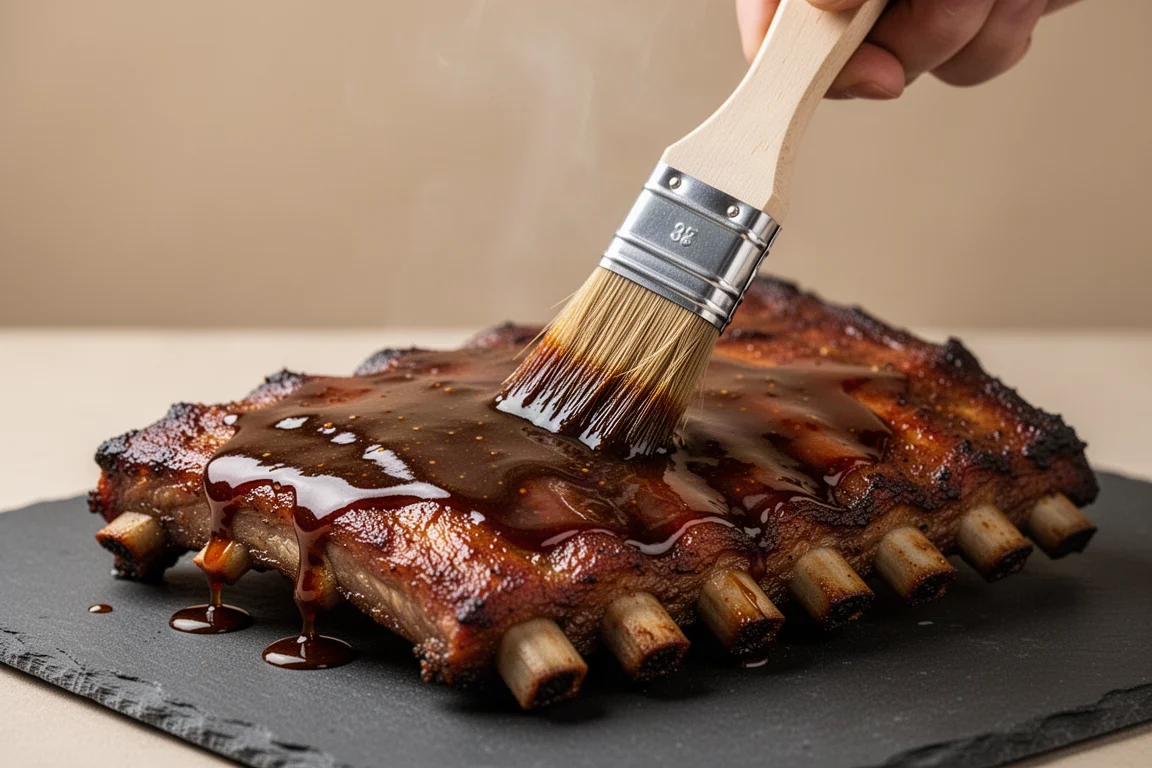
Kikkoman landed squarely in the middle of the road, and we mean that as a compliment. If you had to define what hoisin should taste like, this one does a really good job of it. The profile is balanced, the spices are present but not dominant, and it behaves the way most people expect hoisin to behave in a recipe.
This is the sensible pick for cooks who want a dependable, familiar flavor for classic applications like moo shu pork, duck pancakes, and stir-fry sauces.
How to Choose the Right Bottle
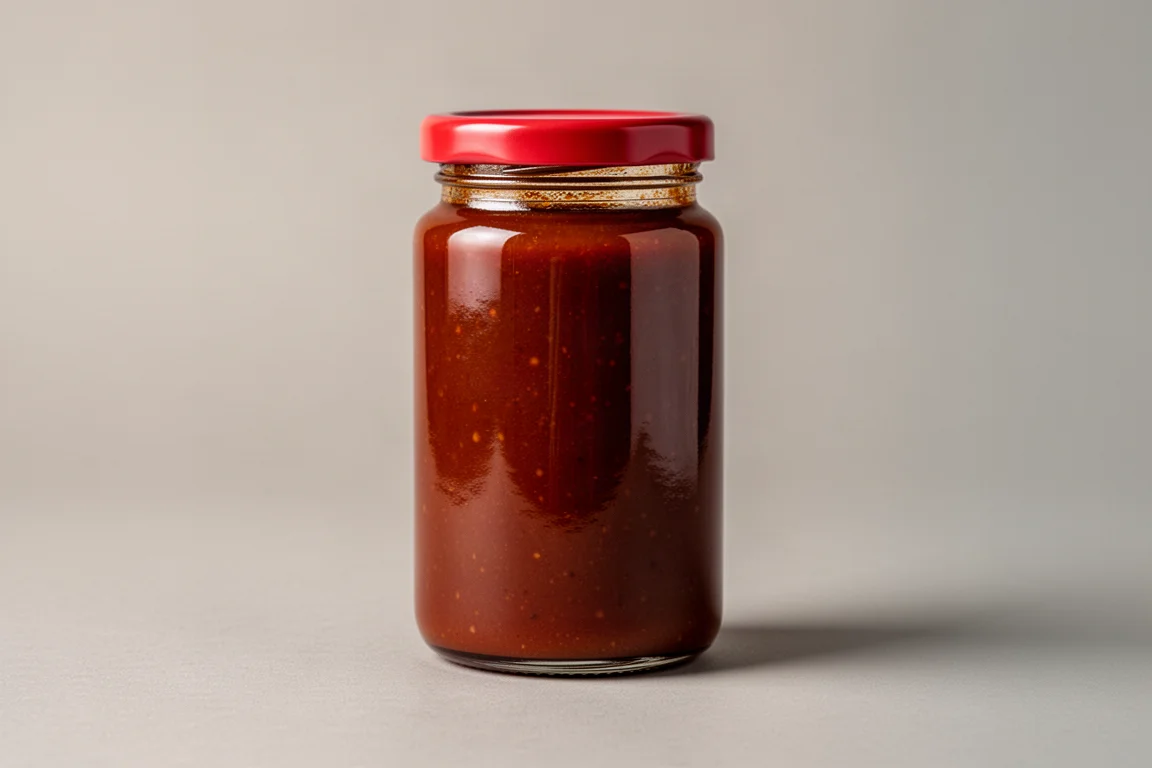
Match the bottle to the job. If you want one versatile sauce for dipping, glazing, and cooking, Lee Kum Kee is the easiest recommendation: balanced, fruity, clean, and gluten-free. If you want maximum flavor impact and enjoy deeper, smokier, molasses-rich notes, reach for Koon Chun, keeping in mind its thicker, grainier texture is less ideal for a smooth lacquer. If you want the most classic, expectation-meeting hoisin flavor, Kikkoman is the safe bet.
Conclusion
All three of these hoisin sauces are genuinely good; they are just different. Lee Kum Kee wins as the all-rounder, Koon Chun delivers the most complexity and punch per spoonful, and Kikkoman nails the classic profile. Pick based on how you cook, and any of the three will make everything it touches more delicious.
Further reading
Related Reviews
Pantry Staples
Best Canned Whole Tomatoes: 7 Brands Tested in a Simple Tomato Sauce
Seven brands of whole canned tomatoes went head to head in a simple tomato sauce to find out which ones actually deliver on flavor.
Pantry Staples
Best Gochujang 2026: Eight Korean Chili Pastes, Tasted and Ranked
We tasted eight gochujang brands plain and in tteokbokki to find the ones worth adding to your pantry, from supermarket staples to traditional artisan pastes.
Pantry Staples
Best Heirloom Beans 2026: Four Standout Varieties Worth Seeking Out
Four heirloom bean varieties that deliver richer flavor, creamier texture, and faster cooking than commodity supermarket beans.