Hobby Books
Best Hobby Books 2026: Ten Gift Ideas for Miniature Painters and Wargamers
Ten books that make excellent gifts for miniature painters, wargamers, and tabletop hobbyists, covering art theory, terrain building, and hobby history.
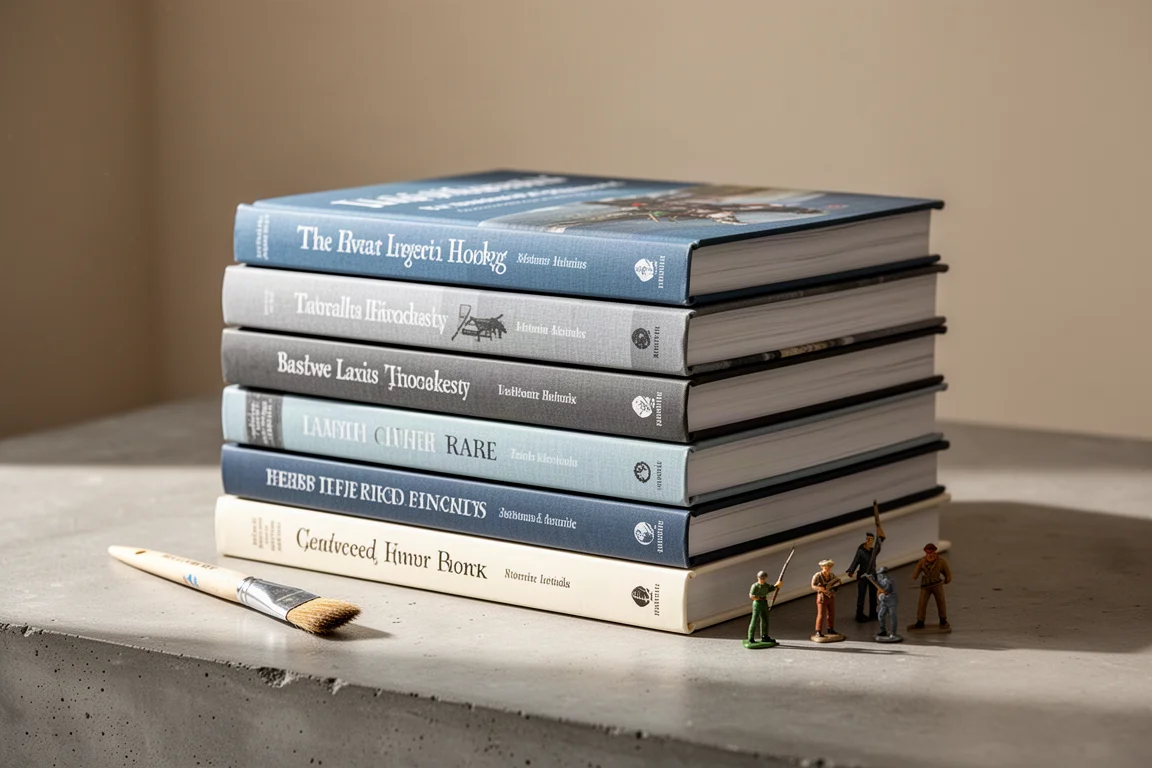
Introduction
Finding a gift for a miniature painting or wargaming enthusiast can be tricky. You might not know which army they collect, which models they already own, or which paints they need. Books offer a safer path. They do not become outdated like rule books, and they stay useful for years. This list covers ten books that most hobbyists will not already own, and that they will likely appreciate for a long time.
Imaginative Realism by James Gurney
Imaginative Realism comes from James Gurney, the artist behind Dinotopia. At its core, the book is about taking things that do not exist, such as dragons, fantasy worlds, and strange aliens, and making them completely believable using real-world logic and references. That approach mirrors miniature painting closely. Every time you highlight a pauldron or add weathering to a tank, you are trying to convince someone that a tiny plastic figure genuinely exists.
What makes this book valuable for wargamers is that Gurney does not just talk about theory. He builds small maquettes, shines lamps on them, studies how shadows fall, and then paints worlds around that reference. It is the same mindset behind lighting miniatures for photos or figuring out where battle damage should go so it makes sense. The book encourages readers to think bigger about composition, atmosphere, and color harmony, and to apply those ideas to display boards, terrain, dioramas, or making an army feel like it comes from a lived-in world.
There are very few step-by-step tutorials in the traditional sense. Instead, the book offers pure artistic creativity that is genuinely addictive. It is also packed with stunning pictures, so it works well as a coffee table book even for someone who never picks up a brush.
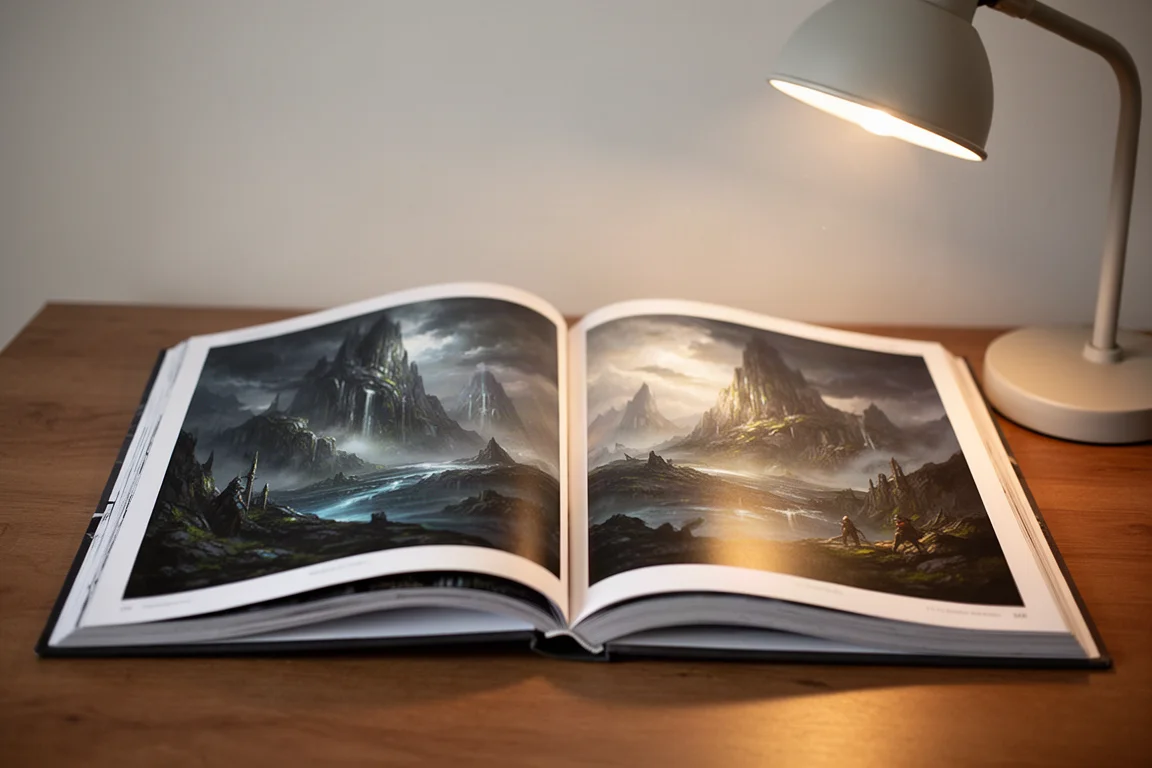
Color Index XL
Color Index XL might look like the most boring book on the planet to someone outside the hobby, but for painters it is a treasure. It is essentially a giant, no-nonsense dictionary of color combinations that work. These are not combinations that might work or could work if you are feeling adventurous. They have been vetted by a designer who understands harmony, contrast, mood, and how colors behave together without turning into visual sludge.
If you have ever stared at a primed model wondering what color the cloak should be, or why a lovingly painted tank looks like a clown car, this book could be the answer. Each page gives you curated palettes complete with little swatches and RGB codes. If you like a swatch, you can check a website like Paint Comparator to find the closest model paint to that swatch.
The real joy here is the creative spark it provides. Flipping through the pages, you might suddenly imagine an entire army themed around a moody sea foam and rust palette, or realize your orcs would look striking with a punchy pink neon scheme instead of the usual green and brown. It helps break you out of the box art mental prison and nudges you toward painting choices you might never have considered. Color Index XL is basically a cheat code for color confidence, with pages and pages of palettes to inspire you.

Color and Light by James Gurney
Color and Light is a highly regarded book by professionals in the miniature painting industry. If Imaginative Realism showed how to build worlds from thin air, Color and Light pulls back the curtain on why those worlds look so good. For miniature hobbyists, this is a book that quietly levels you up in ways you do not realize until you are halfway through painting a model and think, “Hold on, I actually know what I’m doing.”
This book is the grown-up, sensible cousin of every painting tutorial you have ever watched. Instead of saying highlight here, shade there, Gurney breaks down the actual physics and psychology of color and lighting in a way that does not overwhelm you. He talks about sunlight, overcast light, bounce light, rim light, warm shadows, and cool highlights, all the things hobbyists fake all the time without really understanding why it works. Once you understand it, your painting gets sharper, more believable, and probably more fun.
Almost everything in this book has some application to painting miniatures. Knowing how colors influence mood lets you build armies that feel unified and atmospheric, not just red because Blood Angels or blue because Ultramarines. Even weathering becomes more convincing when you grasp how dust, grime, and rust actually affect color in the real world. Color and Light takes you from “I painted this well” to “I painted this intentionally.”
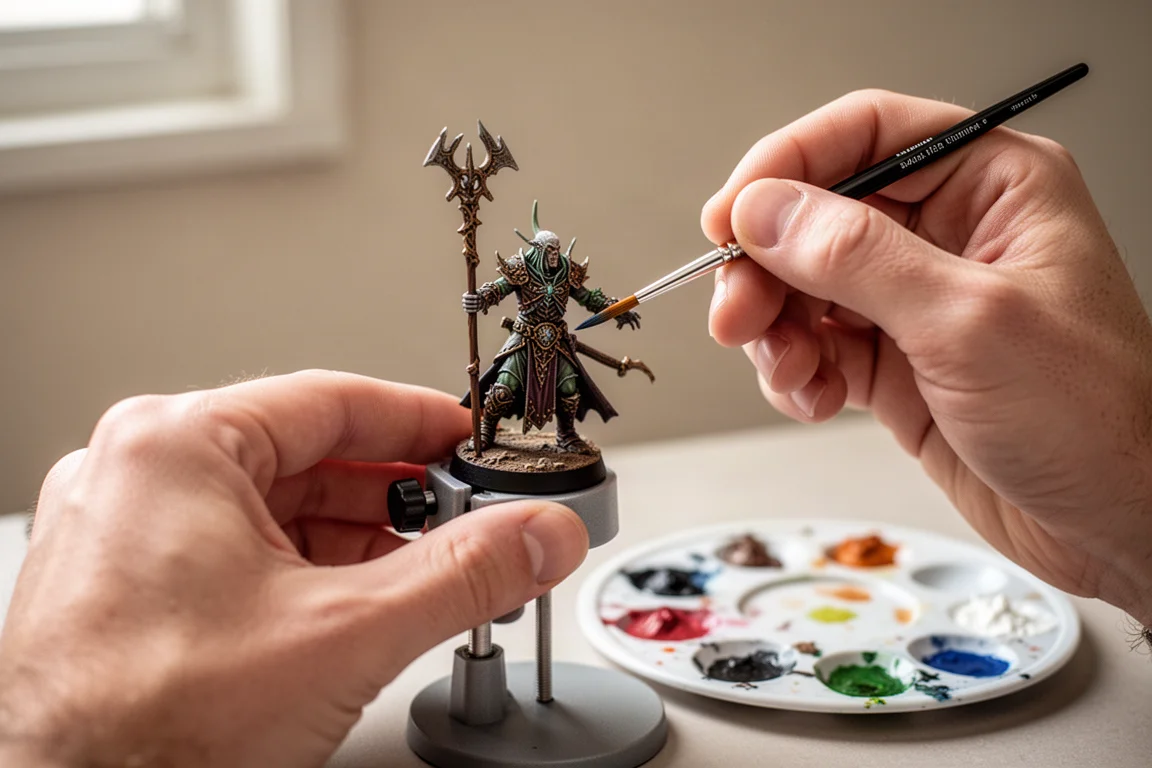

Blanch: The Rise of Grim Dark
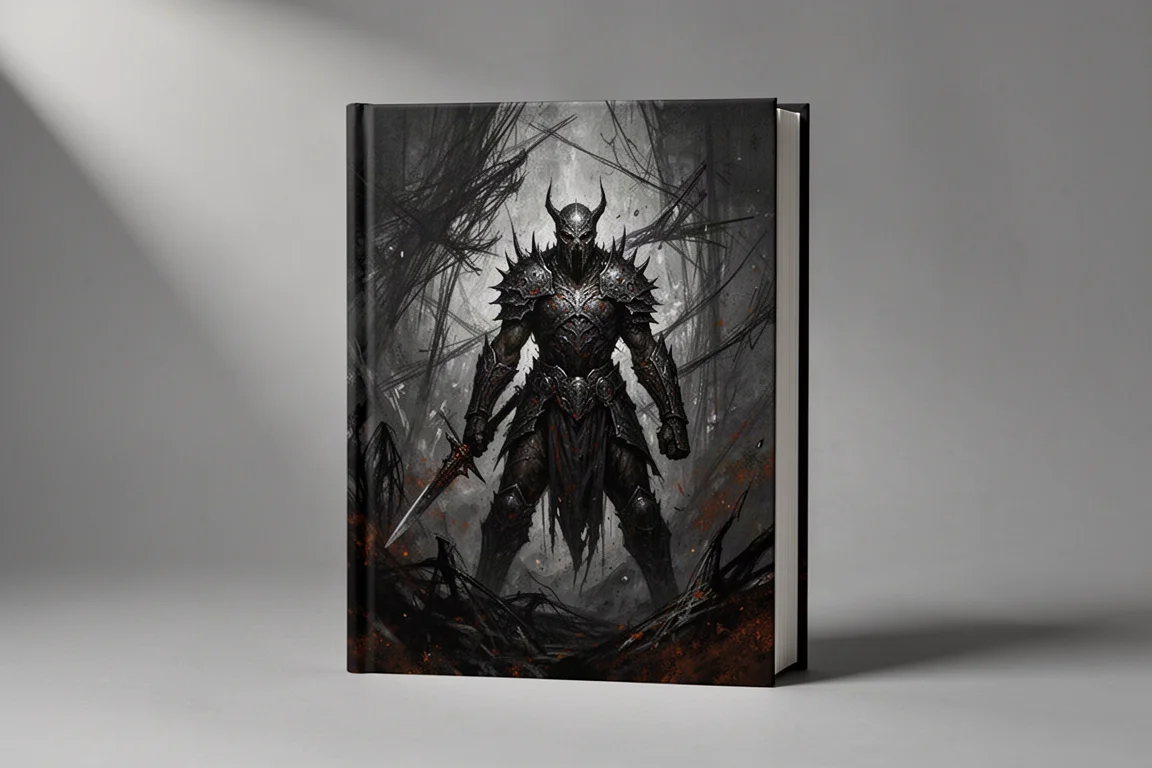
Blanch: The Rise of Grim Dark tells the story of John Blanche, one of the most important fantasy artists in the world. If you love the grittier, darker side of the hobby, you owe a quiet thank you to Blanche, whose strange, scratchy, chaotic imagination helped shape an entire aesthetic that miniature hobbyists now live and breathe.
This is not a tutorial book. You will not find paint recipes or step-by-step guides. What you do get is a deep dive into Blanche’s life, influences, notebooks, sketches, and the creative stew that eventually boiled over into the art style that defines so much of the hobby’s DNA, particularly for Warhammer. You see how medieval history, punk energy, fantasy illustrations, and a lifetime of drawing strange little gremlins all fused into that instantly recognizable Blanche look.
The coolest part is that the book reveals the mindset behind Grim Dark, not just the imagery. You start to understand why Blanche’s world feels so wonderfully oppressive and lived in, and why everything looks like it is held together with prayers, rust, and bad intentions. Once you get that, it becomes much easier to bring that same atmosphere into your own painting and kitbashing. The book is packed with artwork and personal photos, some rough, some polished, but all offering amazing insights into a truly unique artist.
Little Wars and Floor Games by H.G. Wells
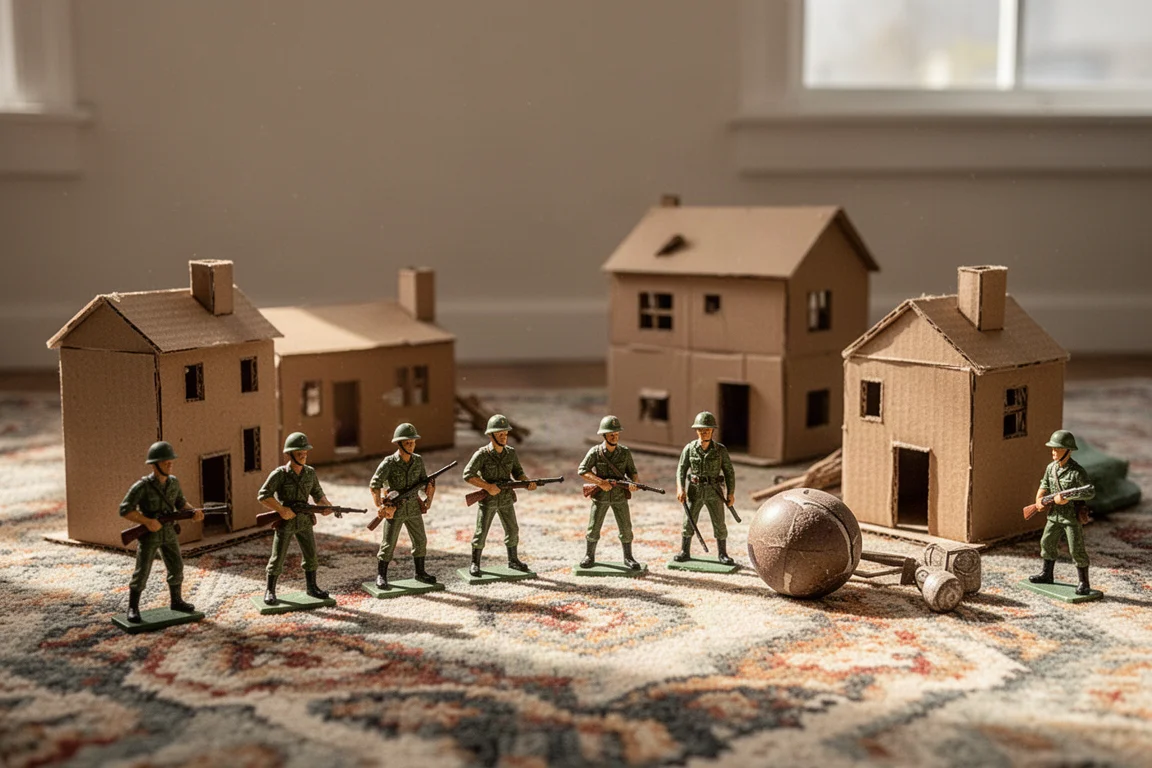
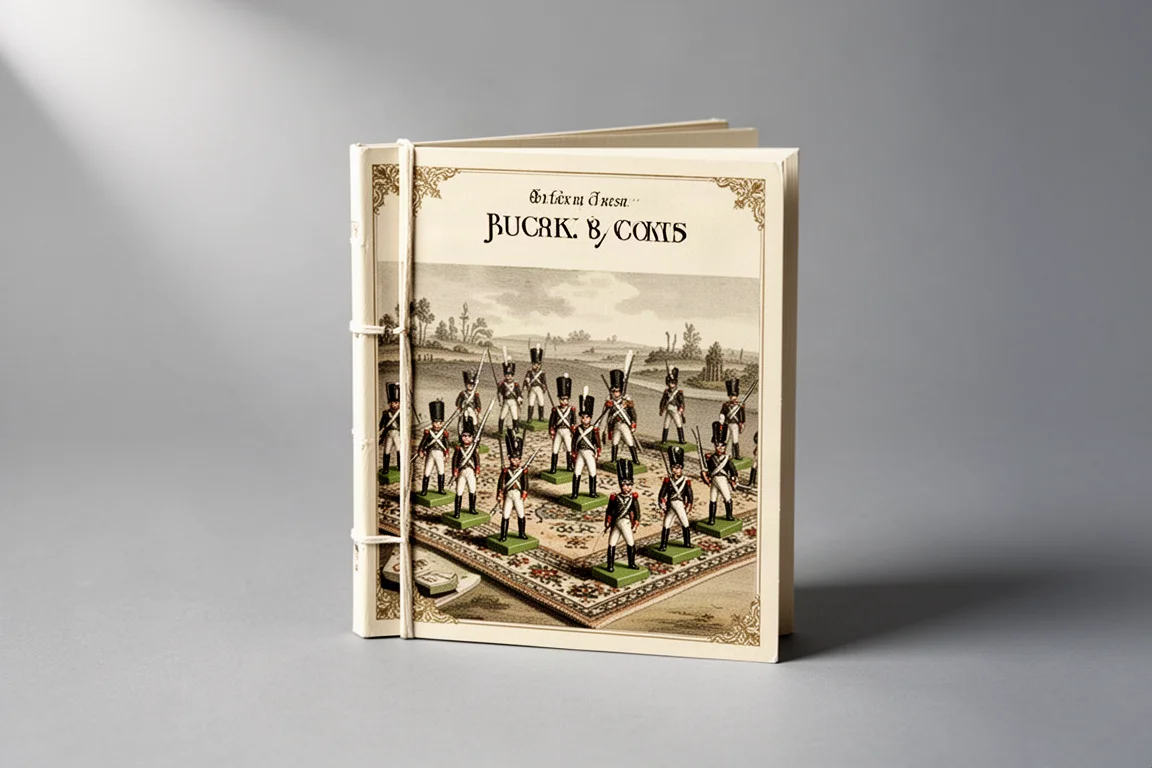
Little Wars and Floor Games by H.G. Wells takes you back about 110 years to the primordial soup from which the entire miniature hobby eventually crawled. These two tiny booklets are not rule books in the modern sense. There is no strategy or command points. They are more like charming little manifestos about the joy of playing with toy soldiers and building imaginary worlds on your floor.
What makes Little Wars especially fun is that Wells treats his miniature battles with a wonderful mix of seriousness and total whimsy. It is like reading the diary of the world’s first battle report. Floor Games, on the other hand, is more about the pure creativity of play, building towns out of books, crafting landscapes from household objects, and letting imagination be the main rule set.
Together, these booklets are a tiny time capsule that reminds you why people enjoy playing miniature war games in the first place, because it is fun you can have with your friends. It is small, it is two books in one, it is a novelty, and it is cheap. It makes a great gift, even if it is just for yourself.
Talking Miniatures Volumes 1 and 2
Talking Miniatures Volumes 1 and 2 come in a little package together, and they are one of the most fascinating reads any tabletop hobbyist can get their hands on. These books are long-form interviews with the people who built the hobby from the ground up. Sculptors, designers, writers, illustrators, and studio legends all sat down and shared how the worlds we love actually came to be.
Imagine the behind-the-scenes extras from a big box set, except instead of one artist talking about how they designed a single unit, you have dozens of hobby pioneers talking candidly about the early days of wargaming, the chaos of starting studios, the weird experiments that worked and the ones that did not, and all the brilliant little moments that shaped the hobby we have today. It has forbidden time capsule vibes, packed with vibrant creative energy, drama, and old school enthusiasm.
These books give hobbyists something they do not often get: context. Talking Miniatures lets you understand the people behind it all, their philosophies, their mistakes, their breakthroughs. The interviews are friendly, honest, and unpretentious, proper conversations rather than corporate PR. You hear how iconic art styles developed, how certain sculpting techniques evolved, and how certain design choices eventually became whole universes. It is the closest thing you can get to hanging out in a pub with the originators of the hobby and picking their brains for all the cool anecdotes you would not otherwise learn about.
Warhammer 40,000: The Ultimate Guide by Guy Haley and Gav Thorpe
Warhammer 40,000: The Ultimate Guide is easily the riskiest choice on this list because it is the bestselling book here and it covers the most popular tabletop wargaming franchise of all time. Guy Haley and Gav Thorpe are two people who know the Warhammer 40,000 universe inside out, and this book is essentially a guided tour through it.
It is a beautifully laid out, illustrated encyclopedia of practically all the miniatures from that universe. It does not drown you in text. It is packed with full-page artwork, faction breakdowns, beautifully photographed miniatures, and often the iterations of different miniatures over the ages that certain characters have had. There are timelines, maps, and snippets of story that give you just enough context to understand why your chosen army fights, looks, and behaves the way it does.
That is massive for hobby inspiration, but it is also a really good way to introduce people to the factions and concepts within Warhammer 40,000 who have no idea or just a passing interest. It is probably the best gateway book to Warhammer 40,000 there is. Since it is a slightly risky choice because the recipient might already own it, you might want to do some subtle snooping first. But if they do not have it, it is a great choice.
Color by Angel Giraldez
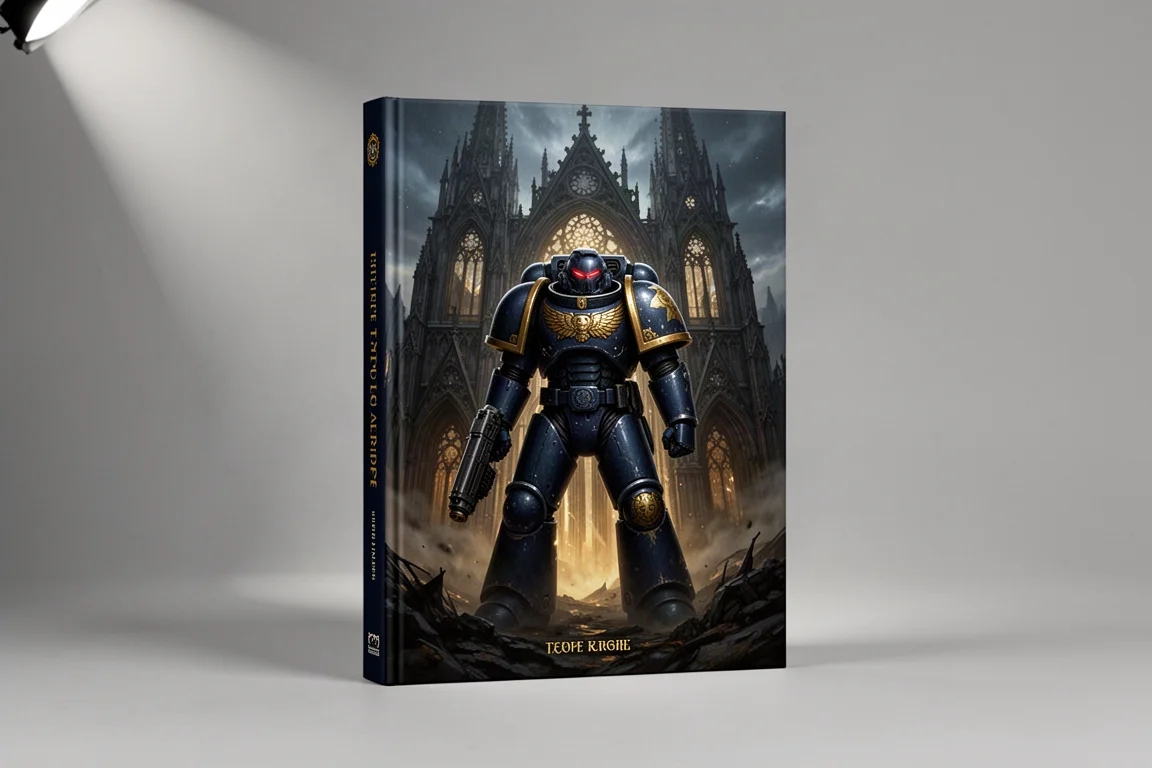
Color by Angel Giraldez is the newest book on this list. Giraldez is one of the most talented and influential miniature painters on the planet. If you have ever seen a studio paint job so sharp it could probably cut you, there is a decent chance he painted it. Not only is he a world-class painter, he is also an exceptional teacher.
Unlike a lot of painting books that only give you step-by-steps for specific miniatures, Color is more about the principles behind choosing, combining, and controlling colors. It breaks down color theory in a way that is actually practical for miniature painting, not just abstract art school stuff. Saturation, contrast, warm and cool dynamics, and color psychology are all explained in terms of how they can shape the mood of a miniature and how you can use them to make your paint jobs pop without relying on flashy tricks.
What makes this book especially unique is that it is based around a framework Giraldez calls the BSL system, which stands for base, shadow, and light. It is designed to help hobbyists build color schemes intentionally, not just pick random paints and hope the end result does not look like a bowl of Skittles. It is the kind of structured approach that newer painters will find clarifying and experienced painters will find annoyingly clever. The book is packed with massive, clear, beautifully presented photos of step-by-steps, leaving nothing to guesswork. Even though it is new, it is likely to be considered a contemporary classic.
Terrain Essentials by Mel Bose
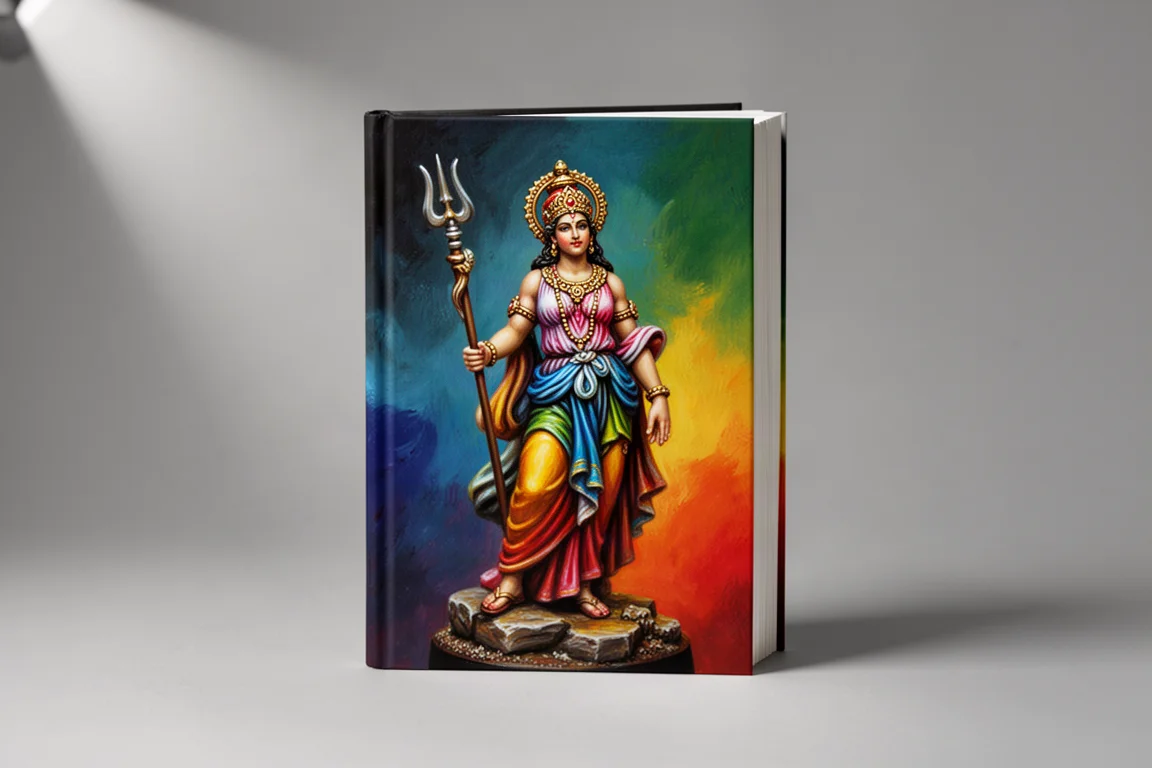
Terrain Essentials by Mel Bose is essentially the holy bible for wargaming terrain enthusiasts. Bose, known as the Terrain Tutor, has been teaching terrain building online for years, and this book distills all of that experience into one ridiculously useful guide.
There is no fluff, no filler, and no quirky terrain projects that look cool but require a 3D printer, a forge, and an engineering qualification. Instead, he lays out clear principles. How to build hills that will not chip, how to texture surfaces that look natural, how to paint ground realistically, how to do water effects properly, and how to make your terrain last longer than a single game.
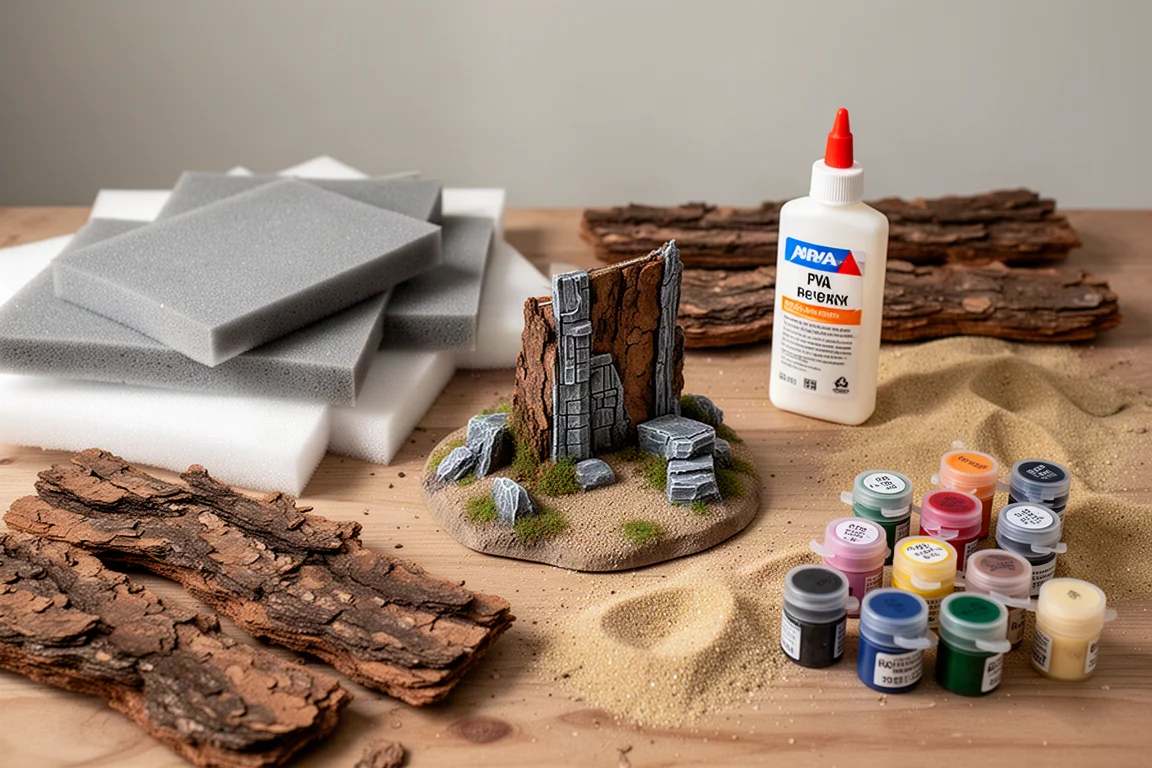
What makes it especially good for hobbyists is Bose’s focus on found materials and accessible techniques. Foam, cork, sand, PVA glue, and cheap craft paints can be turned into convincing landscapes. There is no gatekeeping and no over-complication, just solid, dependable advice from someone with years of hands-on experience. Visually, the book is packed with step-by-step photos, diagrams, and finished pieces that will make you want to start making stuff right away. The tone is friendly, encouraging, and genuinely enthusiastic, like having a patient hobby dad walking you through every step. It is the perfect gift for a hobbyist who wants their terrain and scenery to look as good as their painted armies, or maybe even better.
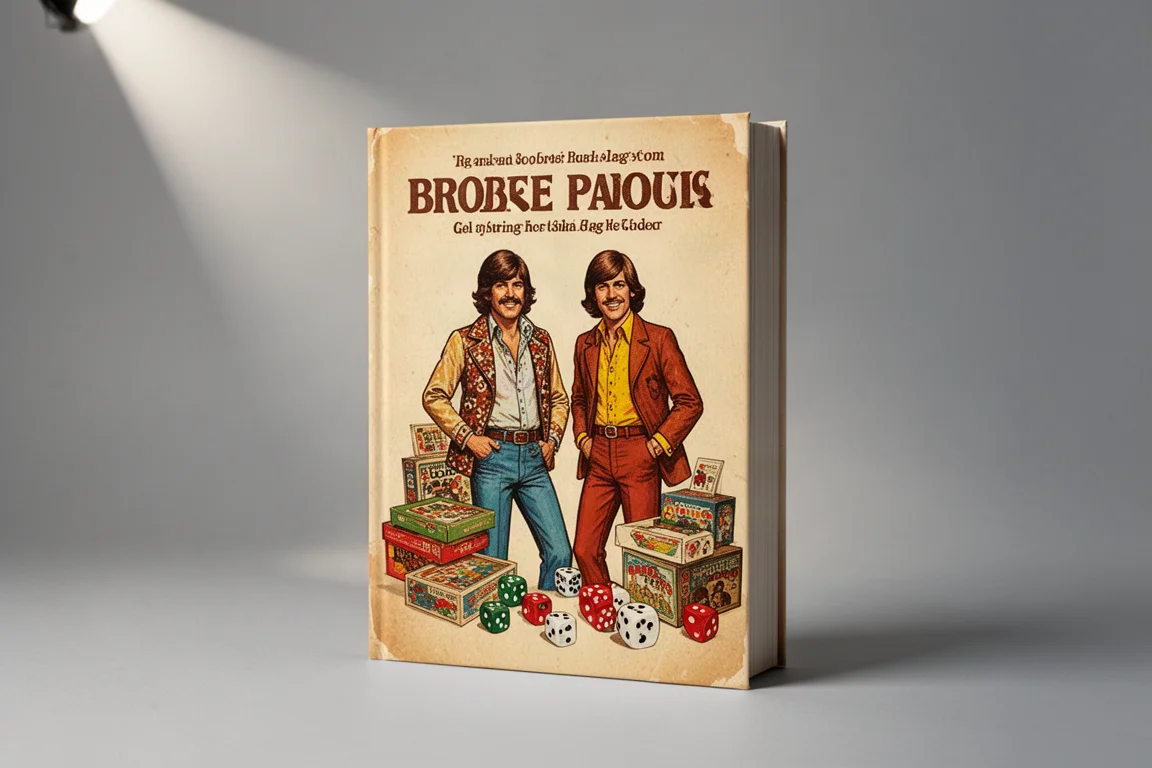
Dice Men by Ian Livingstone and Steve Jackson
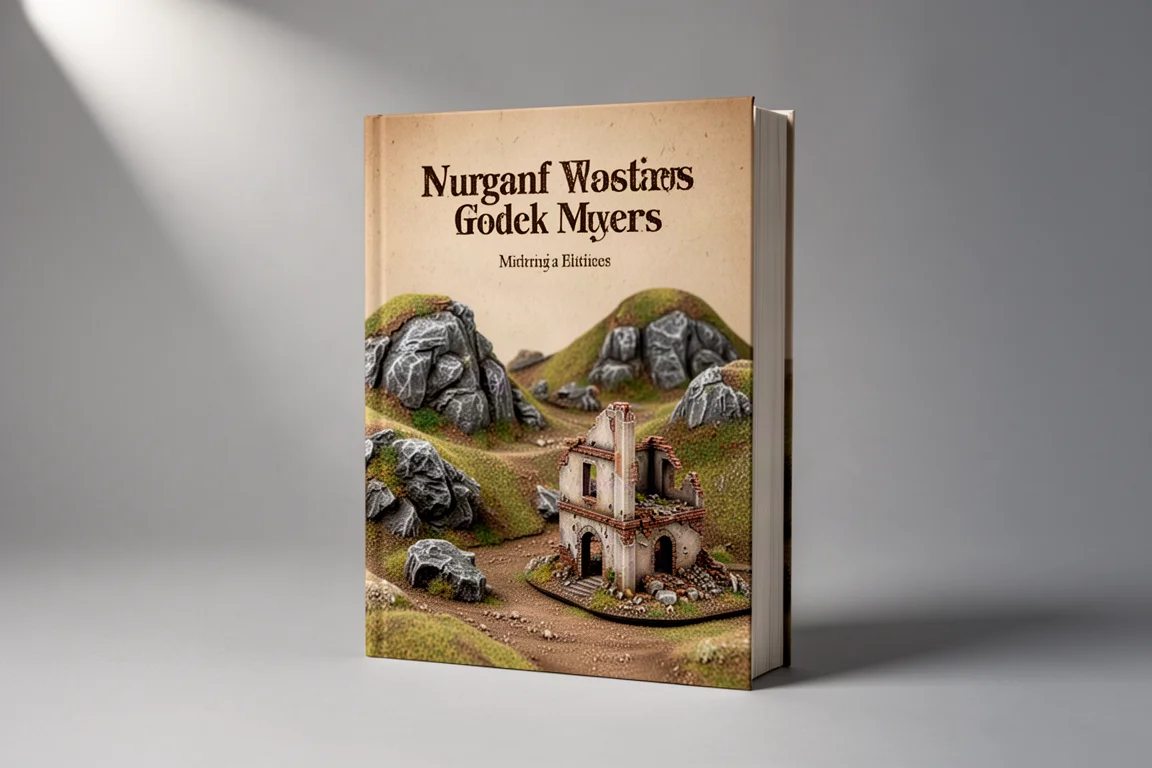
Dice Men by Ian Livingstone and Steve Jackson tells the story of the founders of Games Workshop. It is a ridiculously interesting tale of how two mates essentially selling imported games out of a tiny London flat ended up kickstarting the UK tabletop scene, inventing Fighting Fantasy, inventing Warhammer, and basically shaping the hobby landscape forever.
You get stories about the earliest days of Dungeons and Dragons arriving in Britain, the weird and wonderful chaos of running a mail order business before the internet, and the absolute madness of opening the very first Games Workshop store. For literally any miniature hobbyist, this book is unrivaled in terms of context and history. It shows how the hobby evolved from niche curiosity to full-blown cultural phenomenon, how the early White Dwarf issues were put together, how Citadel Miniatures came to be, and how the grim gothic universes we love did not appear fully formed. They were built, tested, argued over, and refined by real humans with passion, ambition, and occasionally questionable fashion choices.
It is also stuffed with old photos, adverts, artwork, prototypes, and behind-the-scenes snapshots that almost feel forbidden to see. This is a book that any hobbyist will treasure for years.
Overall Buying Advice
When choosing a gift from this list, consider what the recipient already enjoys about the hobby. For someone focused on painting technique, Color and Light and Color by Angel Giraldez offer deep, practical knowledge. For someone who loves building terrain, Terrain Essentials is the clear choice. For someone who appreciates the history and culture of the hobby, Talking Miniatures and Dice Men provide fascinating context. And for someone who just wants beautiful books to flip through, Imaginative Realism and Warhammer 40,000: The Ultimate Guide deliver stunning visuals.
Conclusion
These ten books cover a wide range of interests within the miniature painting and wargaming community. They do not go out of date, they offer lasting value, and they make thoughtful gifts for any hobbyist. Whether the recipient is a beginner looking for structured guidance or a veteran who wants to understand the roots of the hobby, there is something here for everyone.
Further reading
Related Reviews

Toy Reviews
Best Coffee Toys Under $50: Six Play Sets Ranked for Real Value
Six coffee-themed toy sets under $50 tested for design accuracy, playability, and whether they're worth shelf space. Two stand out; one teaches habits worth avoiding.

Hiking and Backpacking
Best Gifts for Hikers and Backpackers: 50+ Ideas Across Every Budget
Thoughtful gift ideas for outdoor enthusiasts, from ultralight stoves under $25 to premium tents and bear-proof storage, with practical advice for navigating gear preferences.
Hobby Accessories
Best Hobby Desk Accessories 2026: Practical Upgrades for Miniature Painting
A practical roundup of affordable desk and storage accessories that make miniature painting and wargaming setups easier, cleaner, and more efficient.