Outdoor Gear
Best Hiking Gear for Cold Rain: Six Picks for Wet, Cool Conditions
Six pieces of hiking gear chosen for cold, wet conditions, with real strengths, honest trade-offs, and guidance on what each one is best suited to.
Introduction
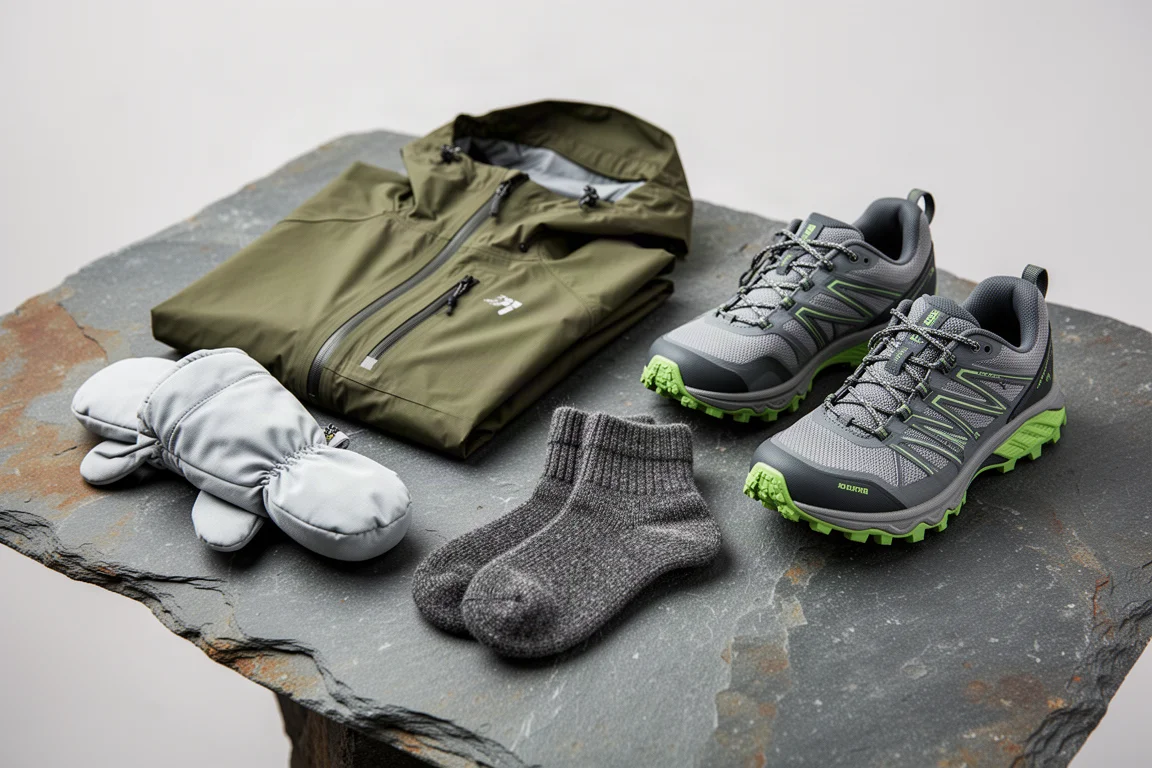
Cold, wet weather is the hardest condition to pack for. A shell that feels right on a dry autumn day can leave you shivering in steady rain, and the ultralight choices that make sense on a long carry can feel like too little once temperatures drop. The six items below were used on a long-distance walk in Scotland, including a cold, wet summit day, and each one was bought at retail rather than supplied by a brand.
The mix covers a full layering system: a rain shell, hand protection, socks, trail footwear, an active mid layer, and a sun hoodie for warmer, more exposed days.
How These Picks Were Chosen
Every item here had to earn its place in real conditions rather than on paper. The priorities were straightforward: stay dry in sustained rain, stay warm when temperatures fall, and stay comfortable enough to keep moving. Weight mattered, but not at the expense of performance.
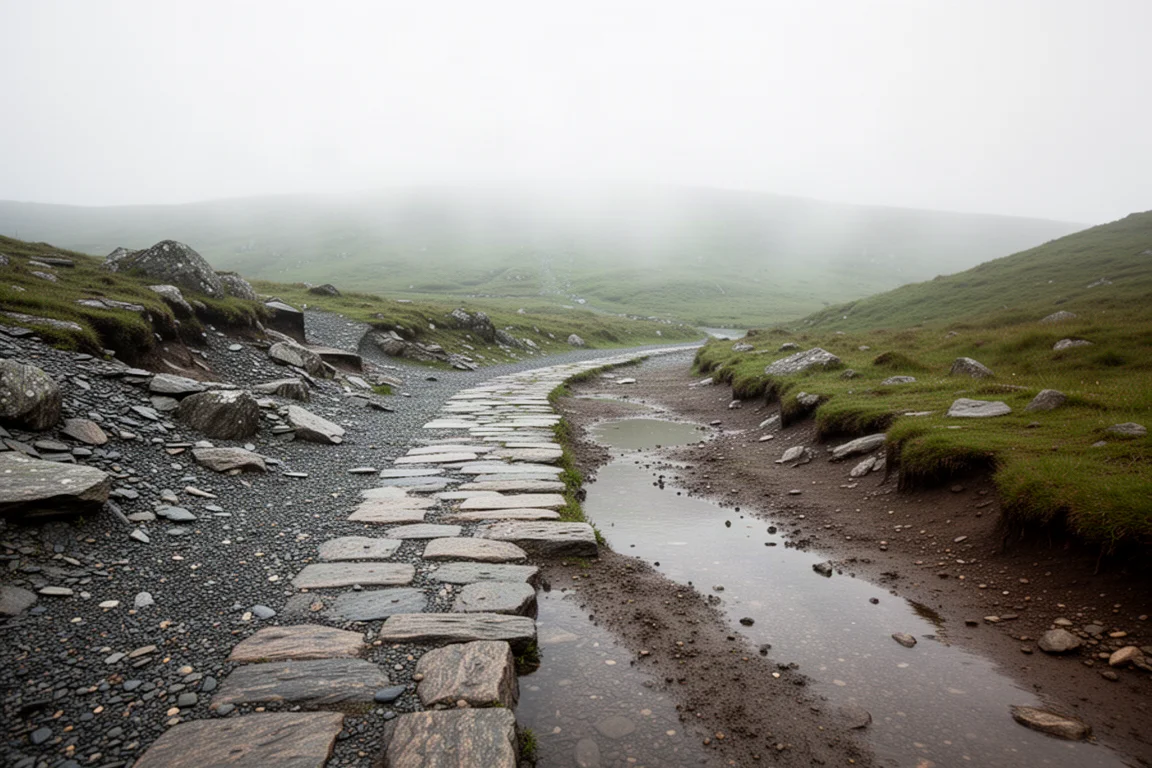
The trip itself shaped the choices. Days that mix improved surfaces with rough trail favour footwear with more underfoot protection, and a route walked with a lighter day pack allows a heavier, more protective shell than a fully loaded thru-hike would justify.
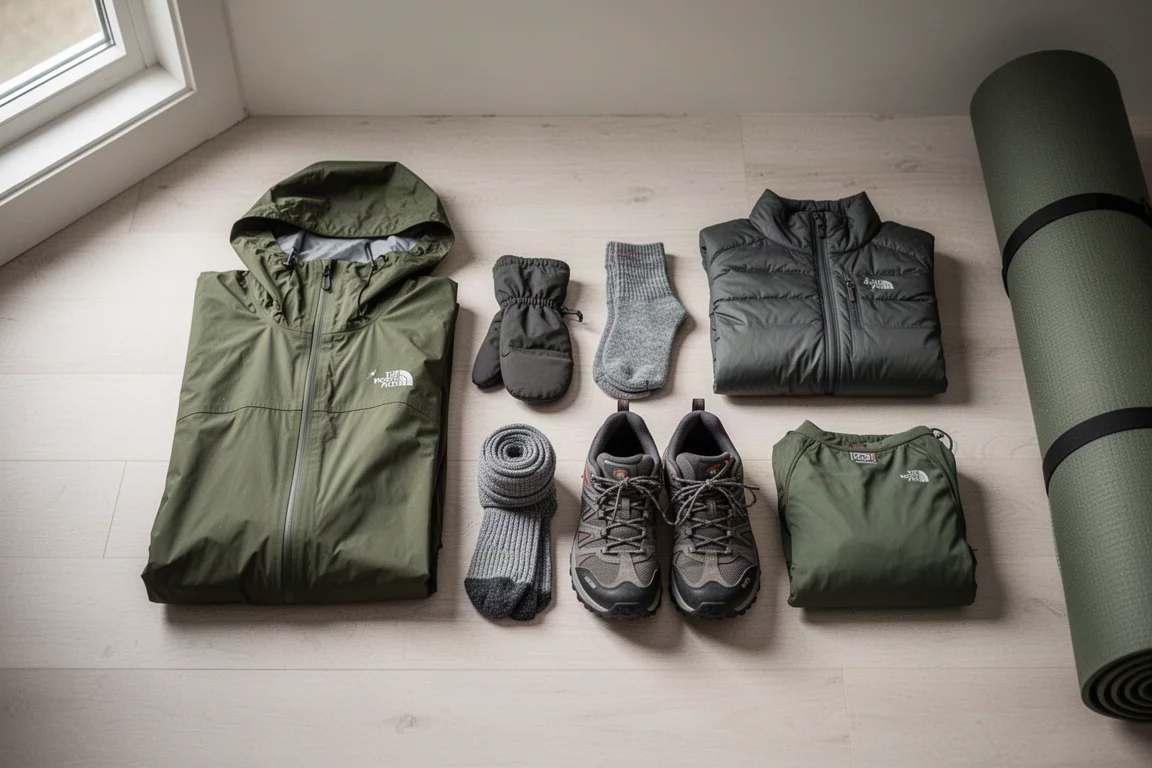
The result is a set of gear that leans toward protection over minimum weight, with a few genuinely light pieces where the weight penalty would have been hardest to justify. Prices are included so you can judge each piece against what you already carry.
Patagonia Torrentshell Rain Jacket: A Heavier Shell for Cold Rain
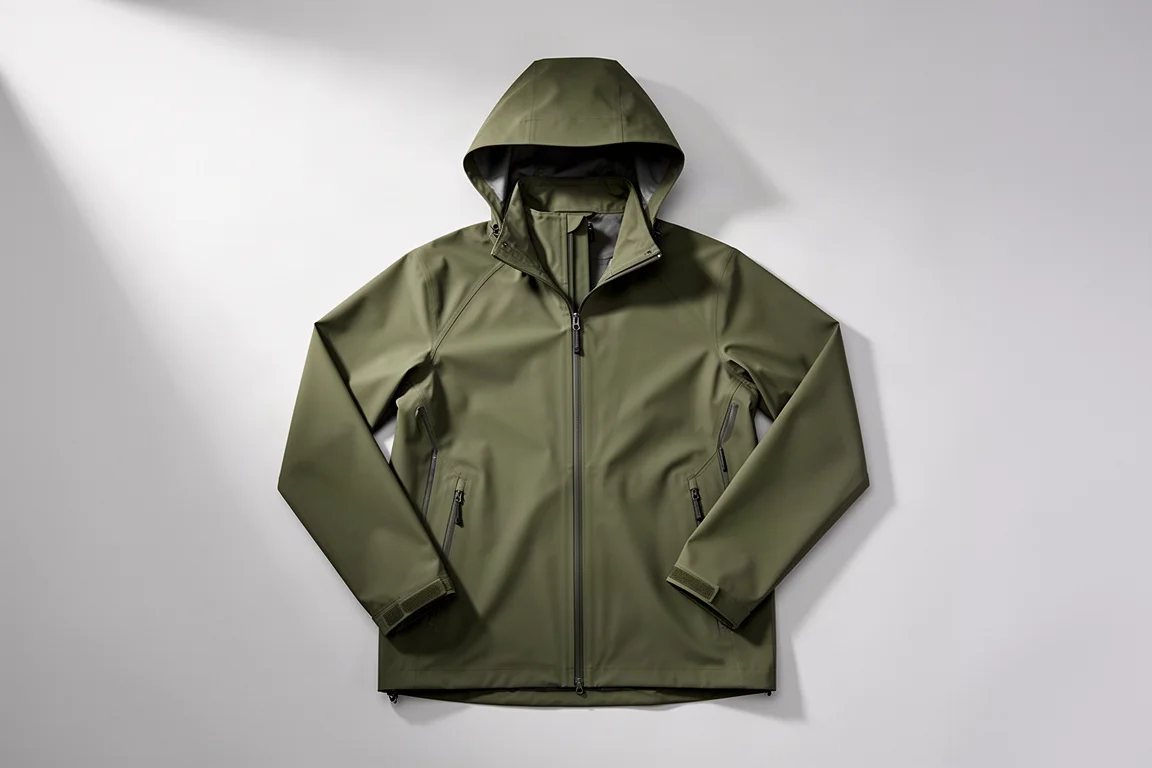
The women’s Torrentshell was a deliberate step up in weight. Lighter shells have long been the default for long carries, including options from Enlightened Equipment and AntiGravity Gear, but experience in cool, rainy conditions with a lighter day pack pointed toward something more protective. A wet, cool route in Scotland was exactly that scenario.
In use it did the simple things well. It kept rain out, added a useful buffer against wind, and held warmth when worn over a mid layer. Pit zips let you dump heat on climbs without opening the front, which matters when the rain is steady rather than showery.
At 12.4 oz it is not the jacket to reach for on a weight-focused thru-hike, though it is the kind of piece worth mailing ahead for a cold, wet finish. It also looks tidy enough to wear around town, which is more than can be said for many technical shells. It cost $179.
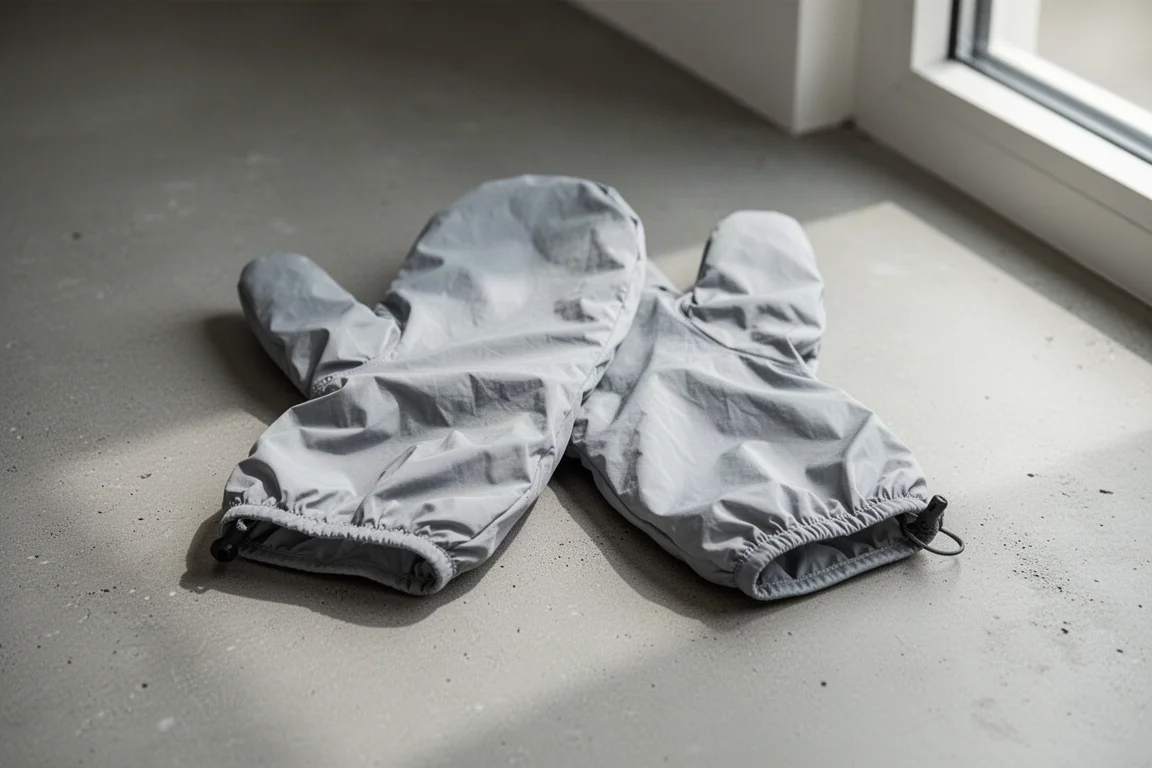
Zpacks Rain Mitts: Warmth for Hands in Wet Weather
Rain mitts were a first. Waterproof gloves had kept hands dry before, but separated fingers left them cold and miserable in low temperatures, which is the usual outcome for anyone who runs cold. Mitts solve that by keeping fingers together, and they pair well with a thin down glove underneath for extra insulation.
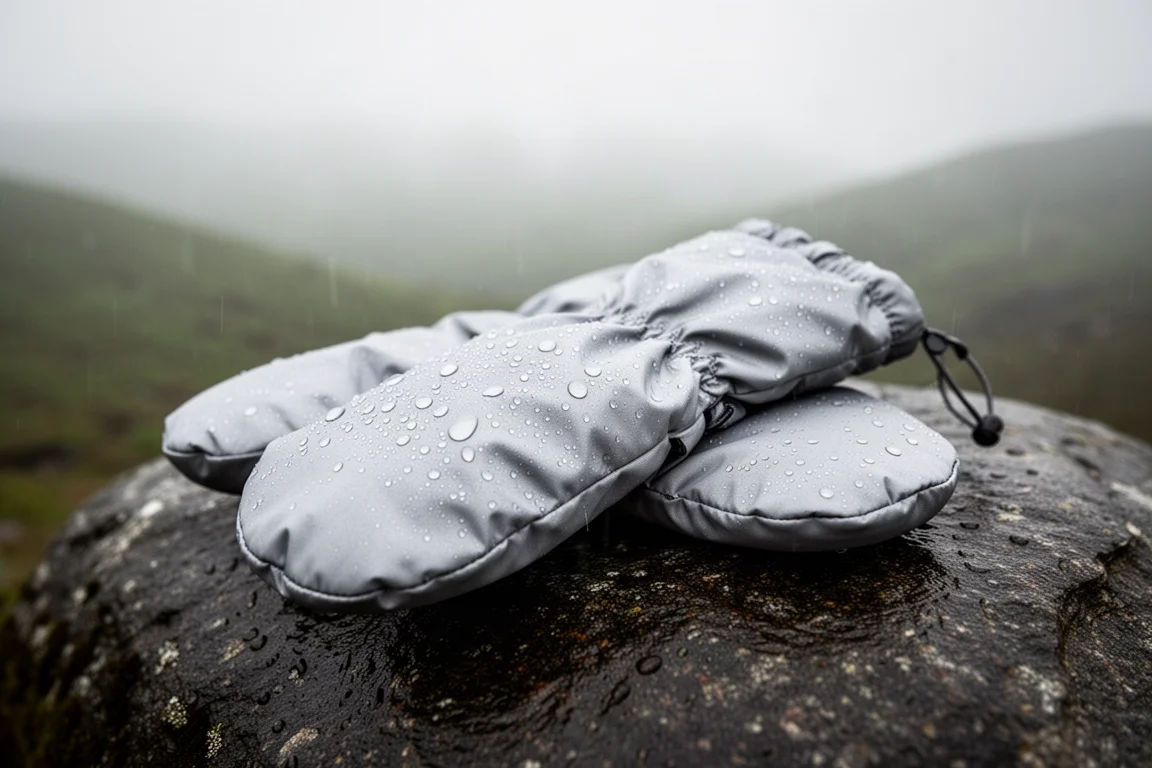
At just under an ounce for the pair they add almost nothing to a pack, and they kept hands dry through a day of cold rain and on a wet summit push. The trade-offs are price and dexterity. At $75 a pair they are expensive for what looks like a simple item, and anything that needs fine finger work has to wait until they come off.
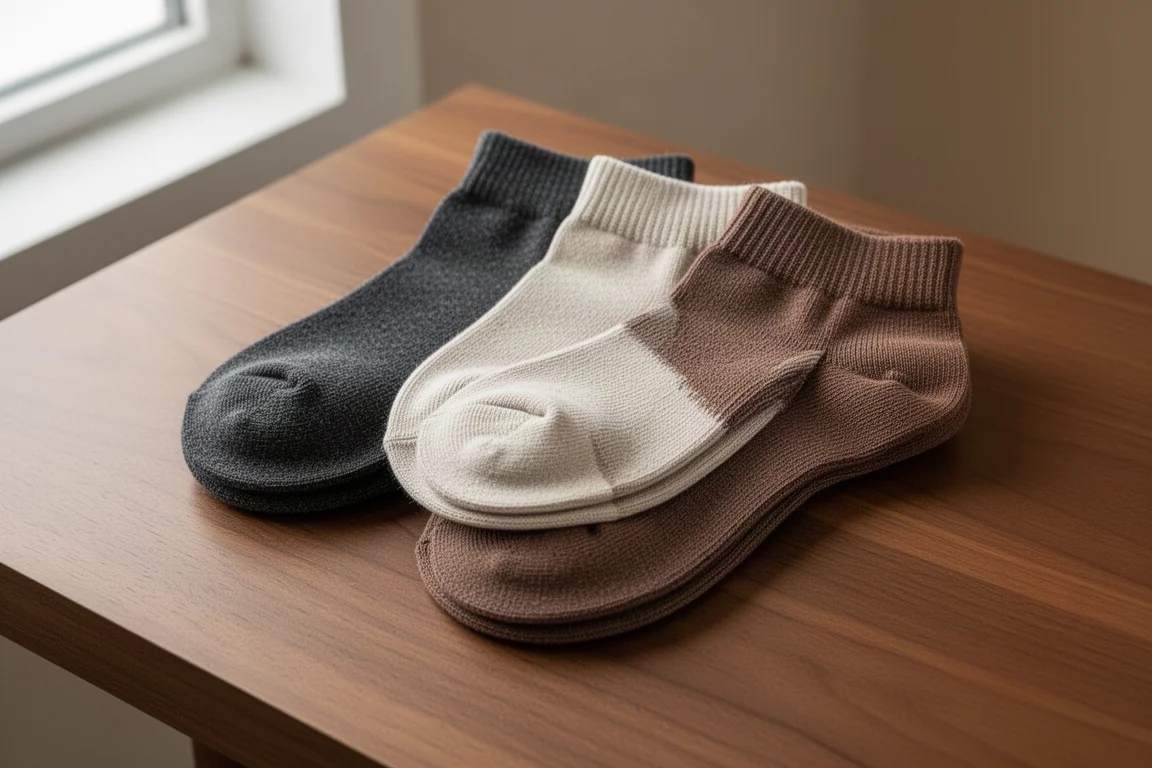
Paka Socks: Alpaca Comfort With a Lifetime Guarantee
These socks are made from alpaca and backed by a lifetime guarantee, which puts them alongside the merino options that usually dominate this category, brands such as Darn Tough and Farm to Feet. They felt cushioned and comfortable even on a summit day in trail runners that were not waterproof, and while feet were soaked, they were not cold.
Warmth felt broadly comparable to merino wool rather than clearly better, so the appeal is as much about the guarantee and the fit as about fibre performance. Ankle-height socks have a habit of sliding down, and these stayed put. A three-pack cost $48, which is in line with merino alternatives.
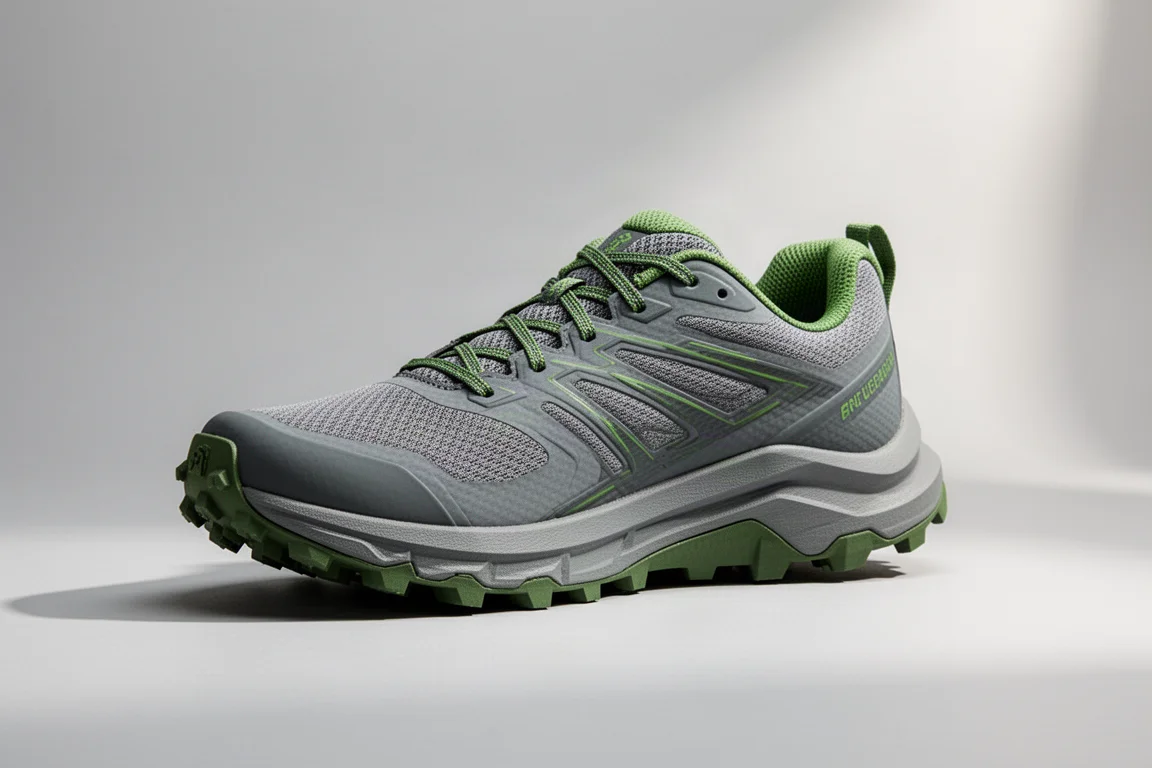
Topo Athletic Terraventure 4S: Underfoot Protection for Mixed Terrain
The route included improved surfaces, roads and paved sections alongside dirt, which is where the Terraventure 4S makes more sense than a lighter, less protected trail runner. Compared with the Altra Lone Peak, it keeps the foot better armored, thanks to a rock plate and a Vibram outsole. A roomy toe box, a 3mm drop and a stack height of 25mm down to 22mm round out the specification.
The 3mm drop is a small compromise for anyone who prefers zero drop, but it is easy to live with. The pair used here was the men’s version, and the gray and green colorway is a clear improvement on some of the brand’s earlier palettes. Expect to pay around $135.
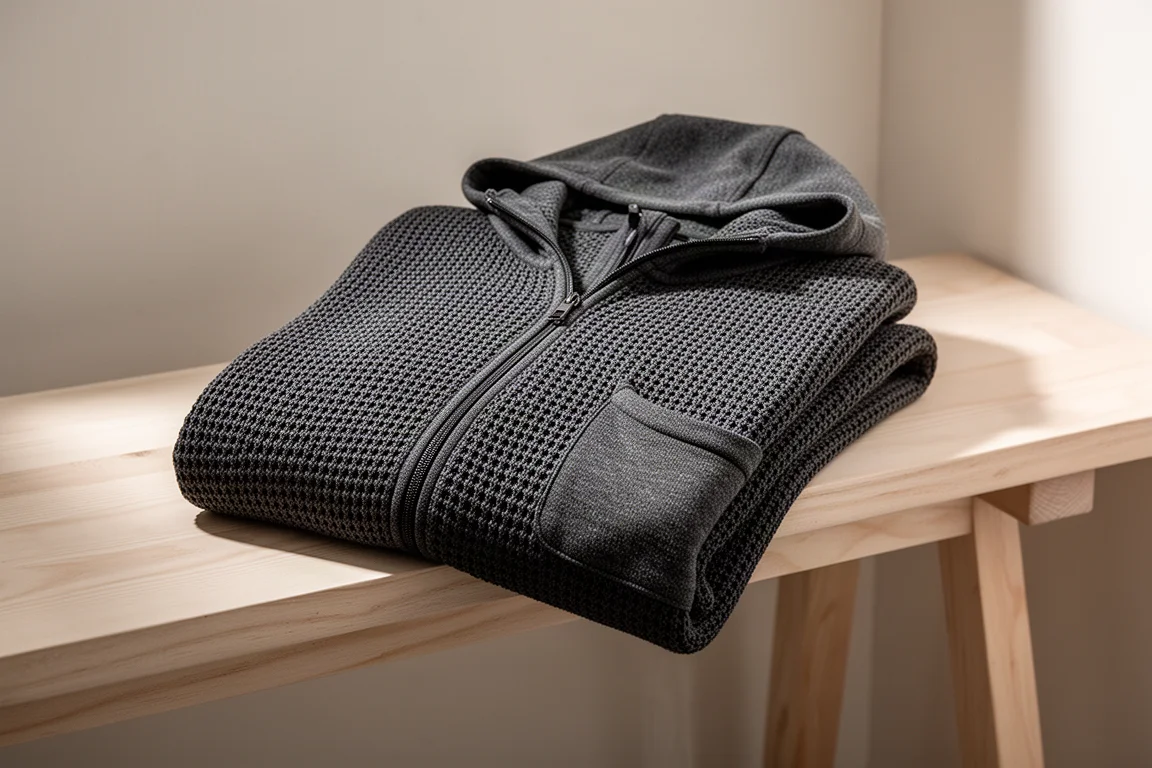
CI Designs Hoodie: An Active Mid Layer That Handles Wet
Built from Alpha Direct 120 fabric, this hoodie has an open, holey surface that does very little against wind on its own. Worn as a mid layer over a long-sleeve shirt and under a rain shell, however, it keeps you warm and, crucially, does not need to be kept dry the way down insulation does.
A front zip lets you fine-tune temperature, and there is a hood plus a front hand pocket, though the pocket sees little use on the move. A medium weighs 7.5 oz and costs $115, which is reasonable for a piece this versatile in cold, wet conditions.
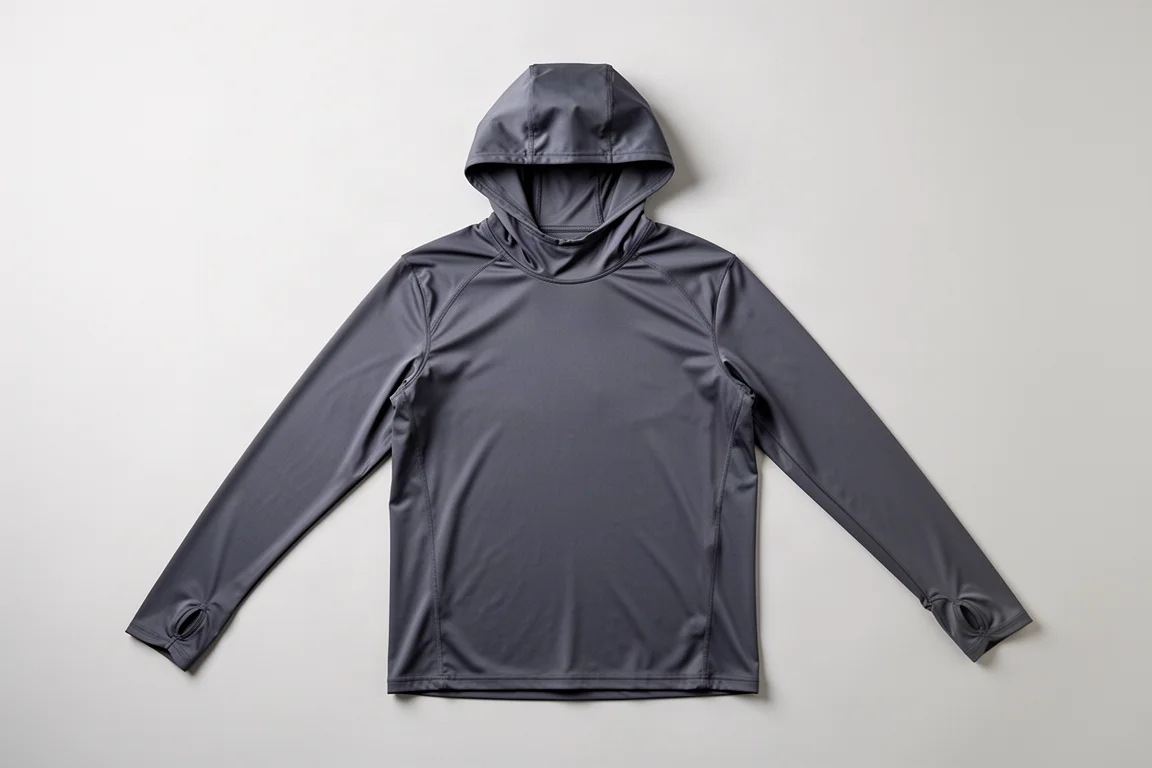
KUIU Hila Women’s LS Sun Hoodie: Sun Protection That Dries Fast
This sun hoodie comes from a brand best known for hunting apparel, which explains both its strengths and its colour range. It keeps you cool, offers UPF 50+ protection, and adds thumb holes so the back of the hands is covered as well. It is light at 7 oz and dries quickly enough to be washed in a shower and hung overnight.
The downsides are the muted colour selection, a deliberate consequence of the brand’s hunting roots, and the price at $79. A cheaper alternative from Amazon did not fit as well or keep the wearer as cool, which is often the difference between a sun hoodie that gets worn and one that stays in the pack.
Buying Advice: Matching Gear to Conditions
Shell choice is mostly about how you are carrying weight. With a lighter day pack and a forecast full of cold rain, a heavier shell with pit zips is the more comfortable call. On a fully loaded thru-hike, a lighter shell usually wins, and a heavier jacket can be mailed ahead for the cold, wet final stretch.
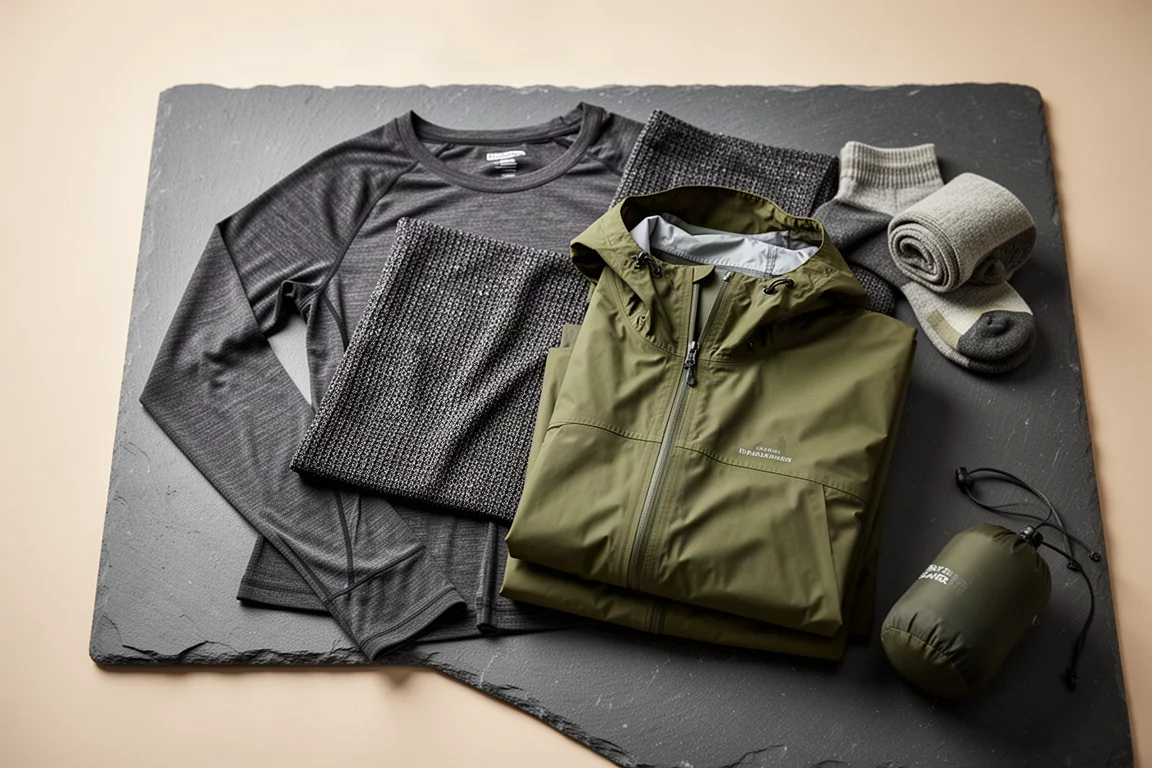
Hands and torso follow the same logic. Mitts over a thin down glove are warmer than waterproof gloves alone, at the cost of dexterity and money. A synthetic active mid layer such as an Alpha Direct hoodie is a safer bet than down in wet conditions, because getting it damp does not end its usefulness.
For feet, more underfoot protection is worth the small weight penalty when the route mixes pavement with trail. Socks are the cheapest upgrade to test, and a lifetime guarantee changes the maths on a three-pack. Finally, if the forecast includes long exposed sections, a UPF 50+ sun hoodie that dries overnight is easy to justify.
Conclusion
None of these six pieces is the lightest option in its category, and that is the point. They were chosen for cold rain, mixed terrain and long days, where protection and comfort matter more than grams. Start with the layer that solves your biggest problem, whether that is a wet shell, cold hands or soaked feet, and build from there.
Further reading
Related Reviews
Outdoor Gear
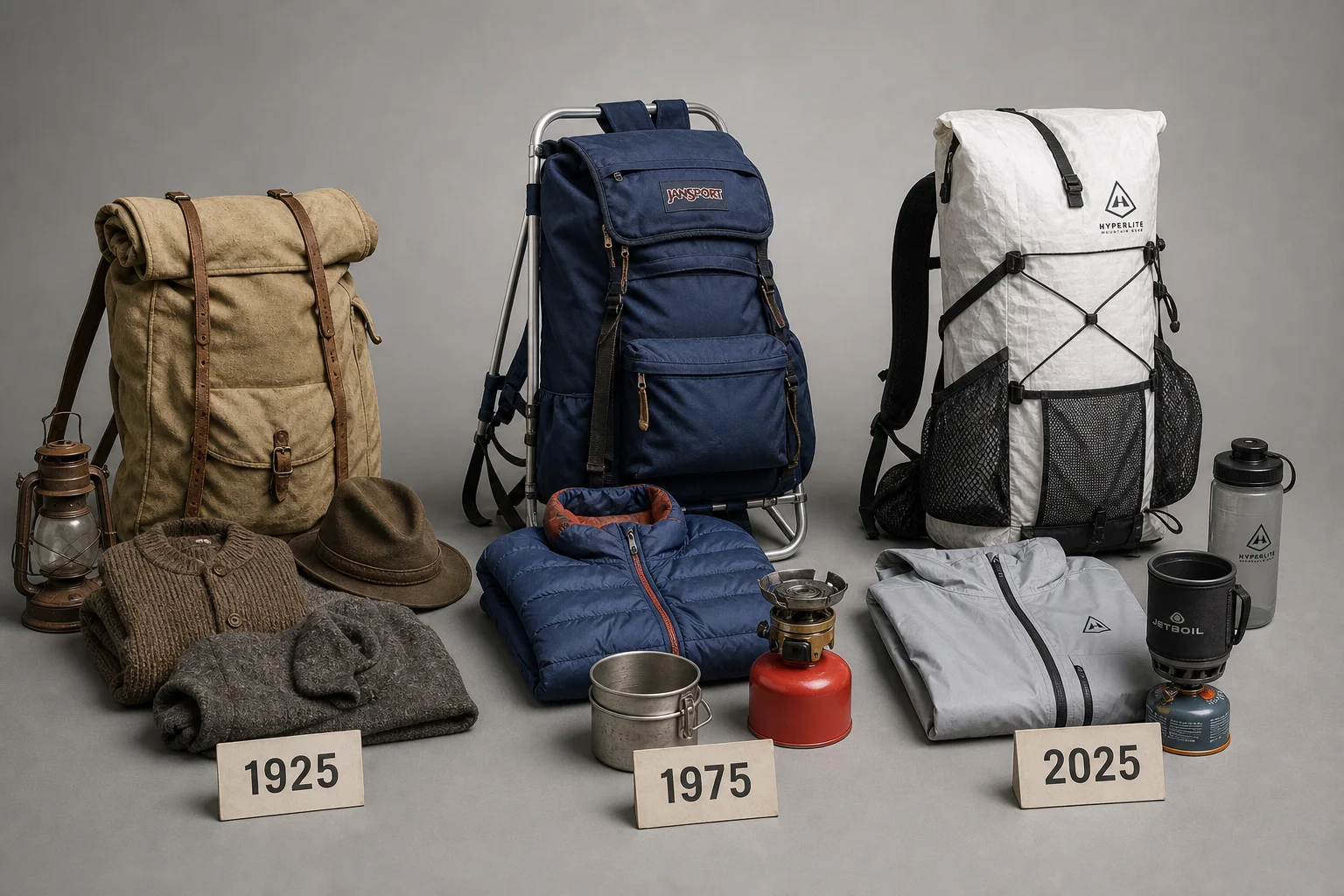
Backpacking Gear Evolution: 100 Years of Technology Compared
We tested backpacking gear from 1925, 1975, and 2025 across a three-day hike in Yosemite. Here's how technology has transformed comfort, weight, and the outdoor experience.
Outdoor Gear
Best Affordable Hiking Watches: Five Rugged Options for Outdoor Adventures
Five durable hiking watches that balance ruggedness, functionality, and value for outdoor enthusiasts who need reliable GPS tracking and weather resistance.
Outdoor Gear
Best Backpack Coolers 2026: Five Practical Options for Outdoor Adventures
Five backpack coolers with distinct cooling capabilities, storage features, and design trade-offs to help you choose the right one for your outdoor needs.