Running Shoes
Best High Mileage Running Shoes: Six Trainers That Earned Their Miles
Six running shoes that stacked up serious mileage in real training, from max cushion daily trainers to a marathon pace rocket, with honest strengths and trade-offs for each.
Introduction
There is no better endorsement of a running shoe than miles. Spec sheets, launch events and marketing copy all fade fast, but a shoe that keeps getting pulled out of the rotation, run after run, week after week, has earned its place the only way that matters.
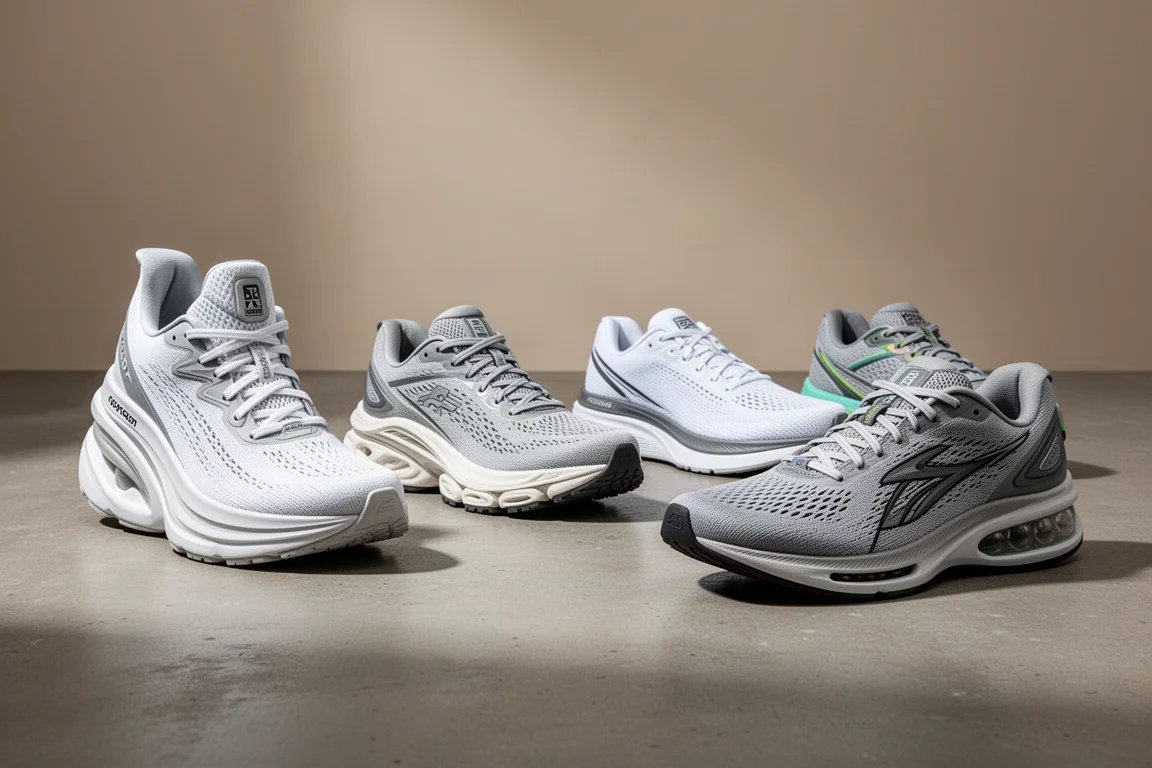
This list looks back at the six highest mileage shoes of the past year of real training, ranked from fifth to first, plus a bonus pick that almost made the cut. It is a mix of max cushion daily trainers, one firm and divisive platform, one lightweight speed machine and one race shoe that pulled double duty as a marathon pace weapon. If you are hunting for your next training shoe, this is a practical, miles-tested shortlist.
How This List Was Chosen
The ranking is simple: the shoes with the most logged miles over the past year, counted from lowest to highest. That means these are shoes that were genuinely used, not just sampled for a few runs.
One honest caveat: most of these shoes sit in the 100 to 200 mile range. That is because the routine in recent months shifted toward running a shoe until a fully formed take exists, whether that takes 30, 60 or 100 miles, rather than forcing every shoe to a fixed mileage target. The exception is a shoe that is clearly not working, which gets retired after a single run.
It is also worth noting what these picks have in common. Nearly all of them are higher stack, comfort and protection oriented shoes, because when you are maintaining big weekly mileage, cushion and support stop being luxuries and start being requirements.

Hoka Skyward X: Fifth Highest Mileage
The Hoka Skyward X racked up 131 miles, and it earned every one of them through sheer fun. This is the original max cushion beloved shoe, a tall stack of foam that manages to be bouncy rather than slow. It is one of those rare tall shoes that can pick up the pace almost down to marathon effort.
The key to the Skyward X is its geometry. There is an almost aggressive rocker underfoot that encourages a midfoot to forefoot landing, and the shoe rewards you for catching that rocker and letting it carry you forward. It is not lightweight, so runners who are sensitive to weight may notice it, but if you can put power down into the foam, it will bounce you along happily.
It is best for runners who want something bouncy for long runs and do not mind the weight. It is not recommended as a recovery shoe. Even for bigger or more powerful runners who can activate the foam, the Puma MagMax tends to feel more natural at easy paces because its geometry is less aggressive. This one would rank higher if it had stayed in the regular rotation instead of sitting on the bench.
Brooks Glycerin Max: The Comfort Workhorse
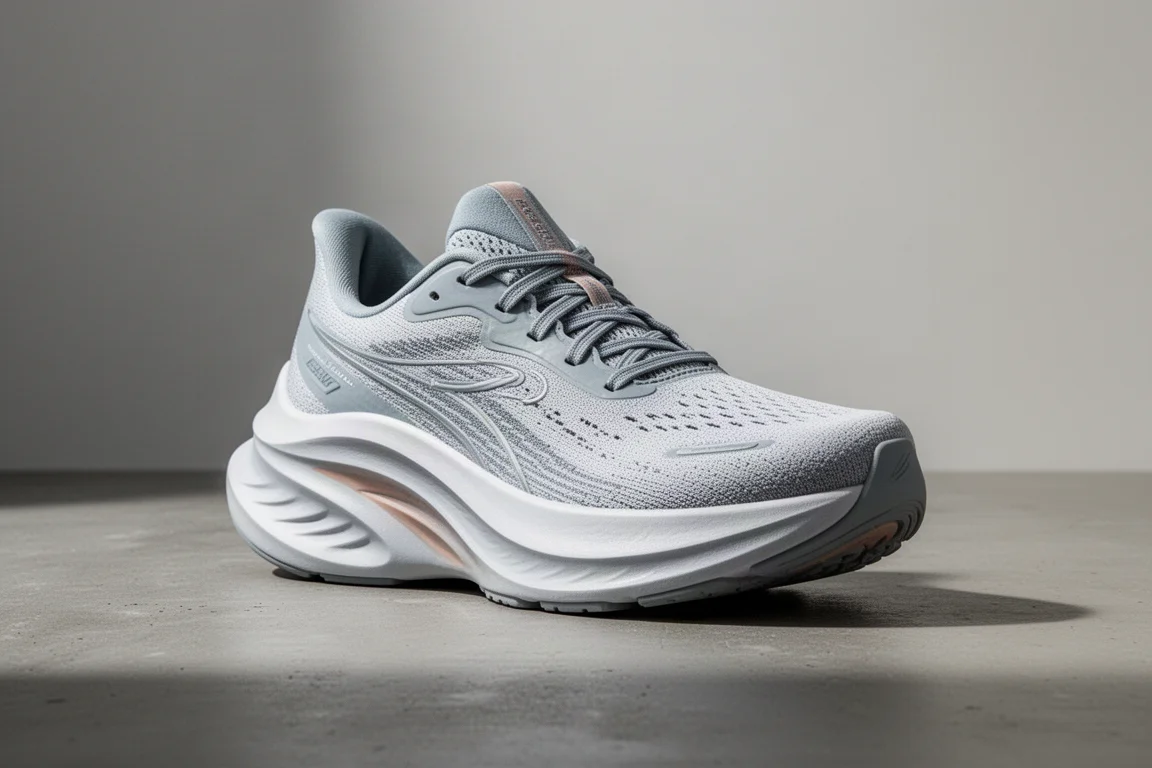
At 134 miles, the Brooks Glycerin Max is another super stack, max cushion entry, but its personality is different from the two shoes above. This is the comfort oriented option of the group, and it shines at recovery and easy paces.
What sets it apart is a dual density foam setup. The rear of the midsole is softer than the front, which means heel strikers get plush cushioning on landing, while the firmer front section makes the shoe surprisingly capable when you want to pick things up. A smooth rocker ties it together, and the ride never feels soft and mushy.
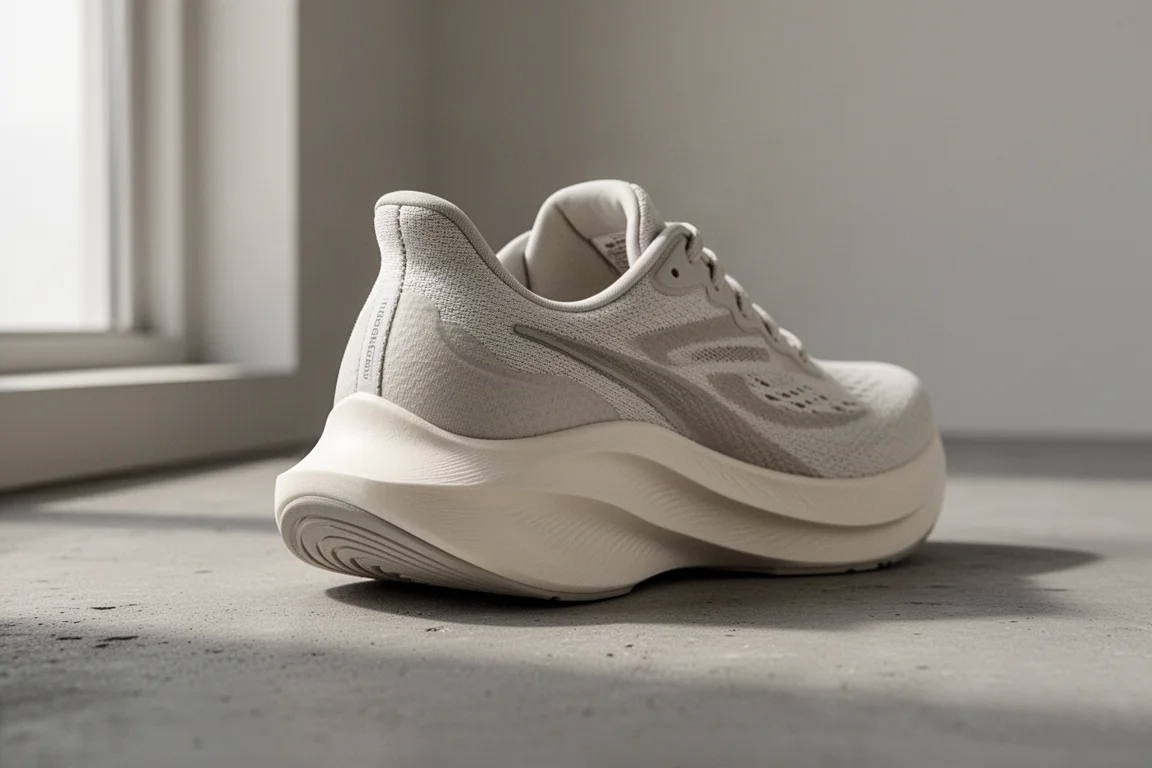
The stack height comes in above 40 millimeters in a next generation race foam, essentially taking everything good about the premium daily trainers of a generation ago and amping it up. It is an excellent choice if pure comfort is the goal, and a solid option for running a marathon if the target is simply finishing in comfort. For faster runners chasing big long runs with marathon pace segments, something lighter on foot may serve better. The longest run logged in it was around 12 miles.
ASICS Super Blast 2: The Miles Machine
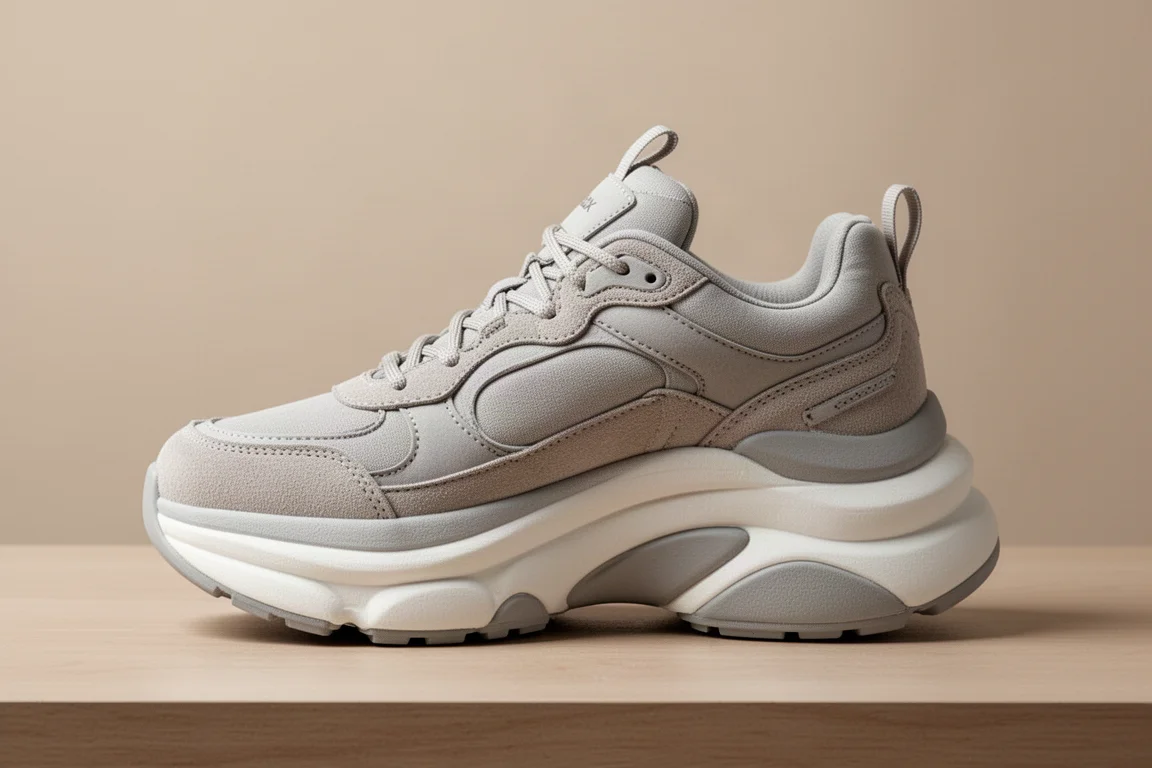
Here is the interesting one. The ASICS Super Blast 2 sits at 151 miles, third highest of the year, and yet it is not a favorite. It earned its spot through persistence and demand: this is a shoe with a devoted following, and it kept getting more chances, more miles, more opportunities to win over its runner.
The honest verdict after 150-plus miles: it remains a very firm, rigid platform. It does not activate well at relaxed everyday paces, and it does not feel natural for race pace work either. The bulky heel gets in the way compared with the smoother, lower drop heels of the Glycerin Max, Skyward X and MagMax.
Where it genuinely excels is durability. At over 150 miles the outsole and foam look barely touched, with essentially no compression or creasing. If you want something firm and stable, it is extremely reliable for exactly that. And if your goal is a lean one, two or three shoe rotation, its all-round daily trainer character makes it a strong candidate. For runners who love it, none of this will be a surprise.
Puma MagMax: The Highest Mileage Trainer
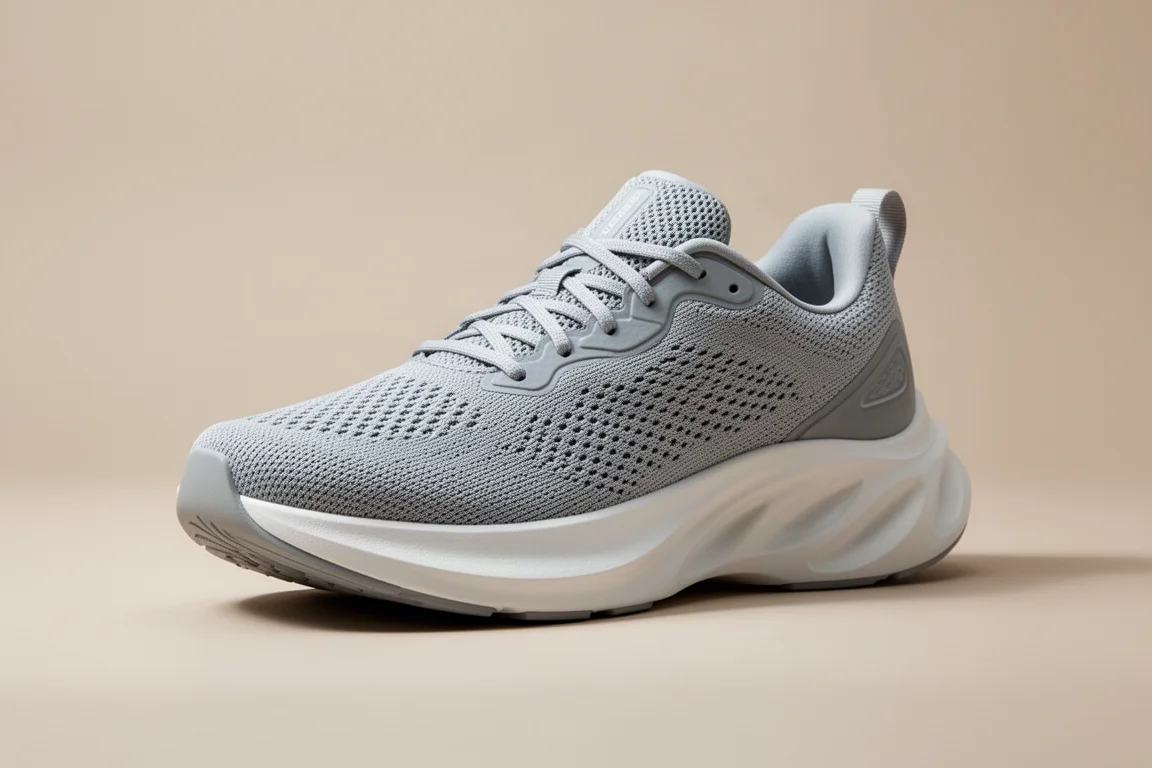
The Puma MagMax logged 151 miles and takes the top training spot, with the only shoe above it being a race shoe. The reason it became the default is simple: stability, support, comfort and ease of use. There were weeks across the fall and winter when nothing else was being tested and this was the shoe that just worked, every single run.
The foam sits slightly on the firmer side for a max cushion shoe. That gives it a Goldilocks character: not a speed shoe, not really a soft recovery shoe either, but outstanding for the broad middle zone of everyday miles. For lighter runners under around 180 to 200 pounds, there is an optimal zone where it feels efficient, and it crushes everything from about 7:30 pace down toward 6:40.
Be aware that it needs 20 to 30 miles to break in. After that, it becomes the shoe you reach for when decision fatigue hits, because there is very little it does badly as a default daily choice. Durability is excellent too: the rubber shows only superficial flatness, and the midfoot and forefoot coverage is still thick and healthy. Expect to retire it around 300 miles, with many runners getting more.
New Balance Rebel v4: The Lightweight Bonus Pick
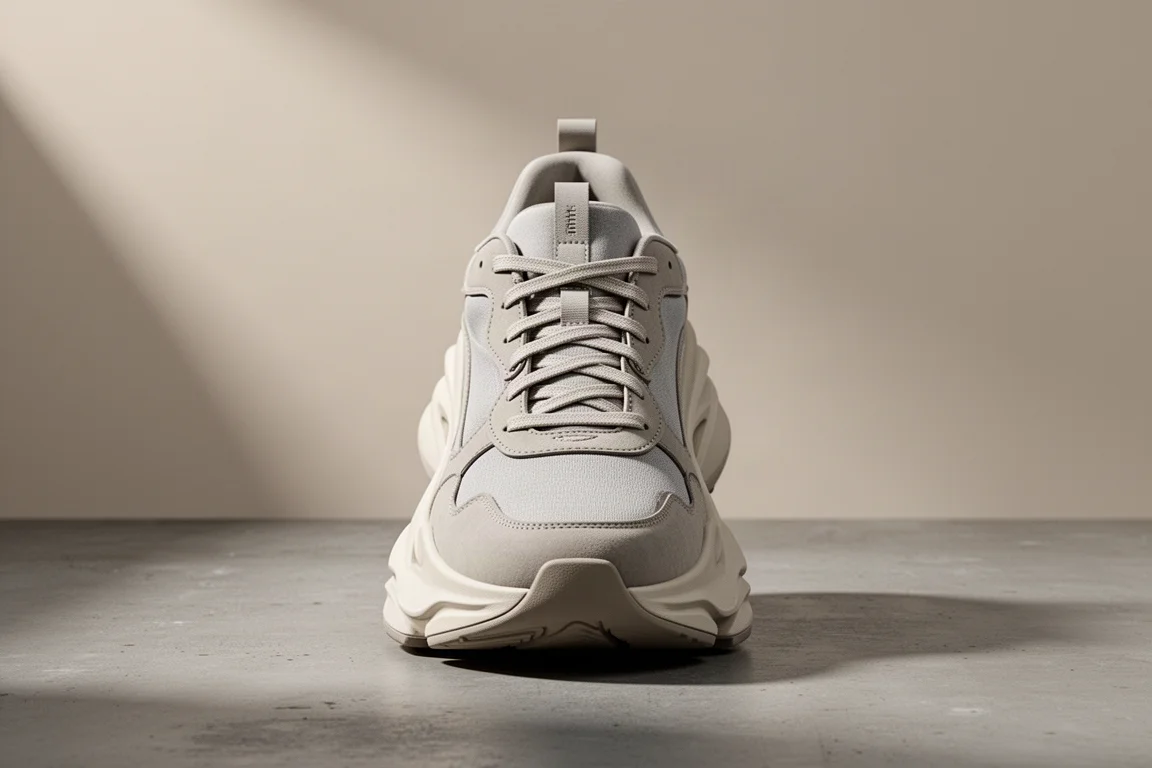
The New Balance Rebel v4 gets an honorable mention with over 150 miles on the pair, including a full 100 mile week early on. It earned that mileage during a stretch when it was a default daily shoe, which says a lot about its versatility.
This is the opposite end of the daily trainer spectrum from the max cushion beasts above: lightweight, lean and lower stacked, a speed machine type of daily trainer. Both archetypes are valid, and the right choice depends on your training style. For a polarized approach, where easy days sit around 7:10 to 8:10 pace and hard work happens in plated race shoes down at 5:40 and faster, this middle-zone shoe has fewer obvious slots. Where it does shine is base building: hill work, sprints, and fundamental phase sessions.
It is also a great pick if you simply want one simple lower profile shoe for a few runs a week, the gym and walking around the neighborhood. One fit note: a second pair in a different colorway ran noticeably shorter and caused some calf and toe discomfort, so it is worth trying pairs on rather than assuming consistency.
Nike Alphafly 3: The Marathon Pace Rocket
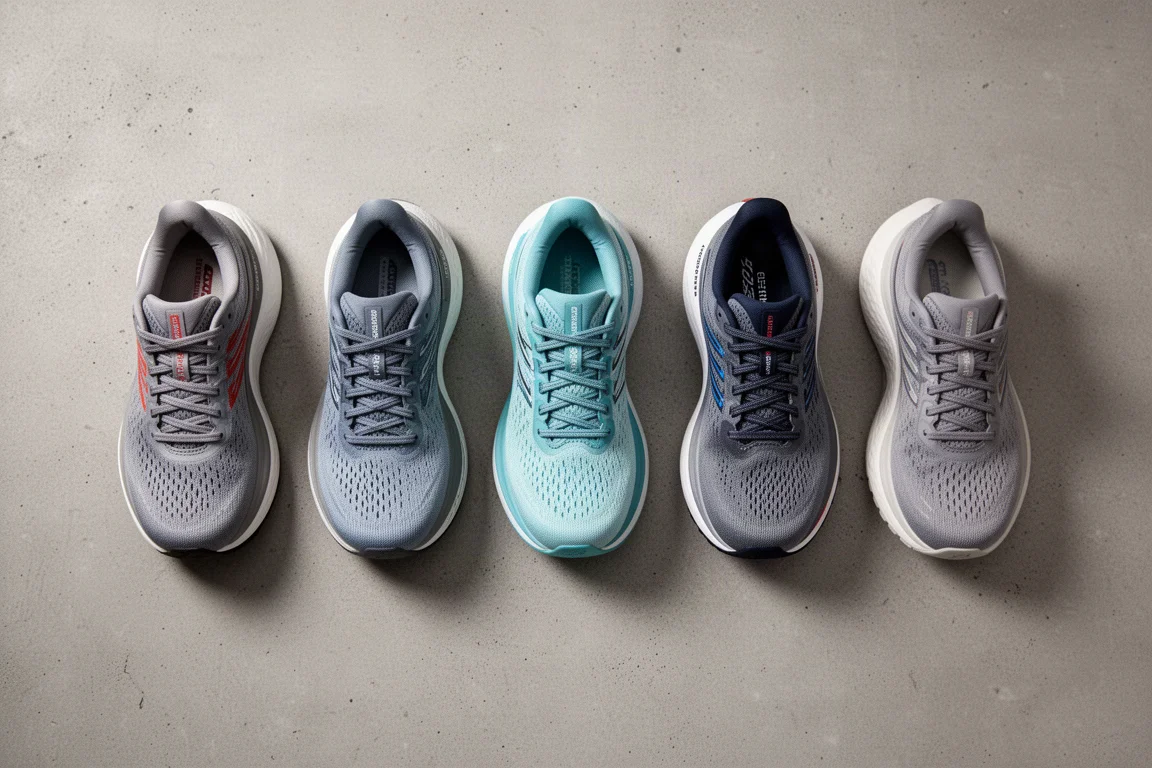
The highest mileage shoe of the past year is the Nike Alphafly 3, with over 200 miles. It came out over a year ago, but the miles kept stacking: a 250 kilometer review run, plus big workouts straight out of the box, including a 17 mile session and a 21 mile long run on a brand new pair.
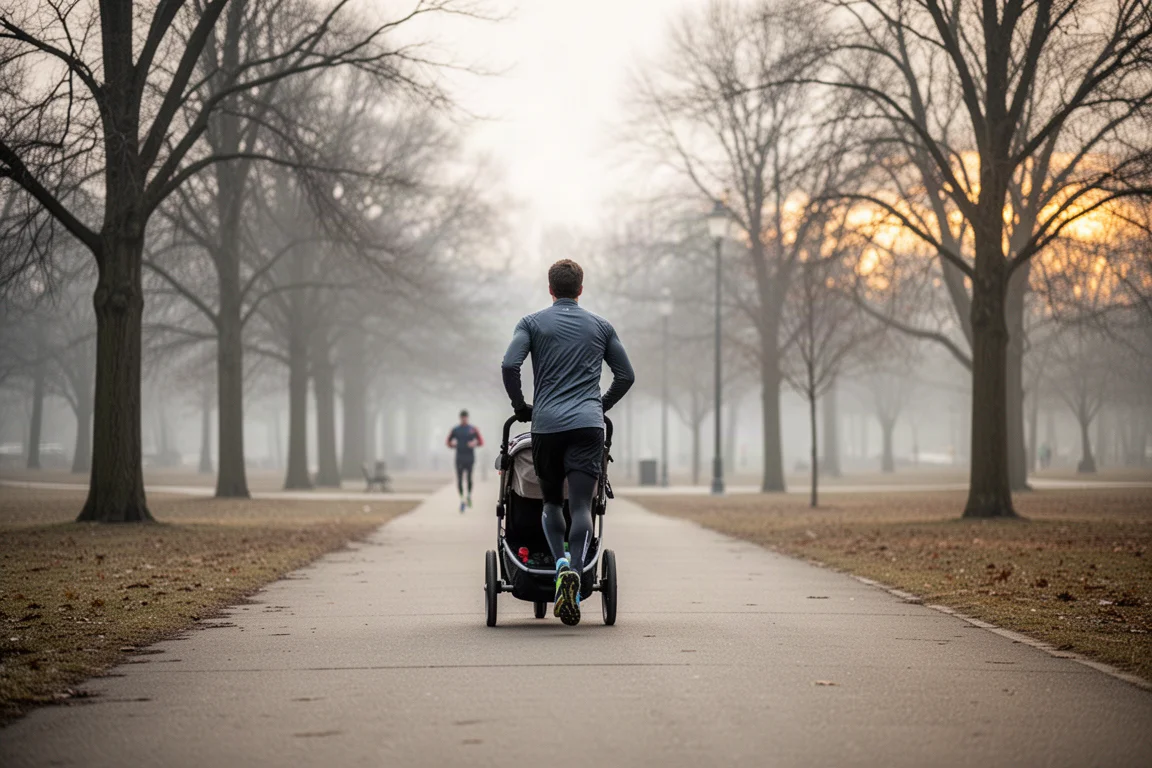
This is the other half of the polarized equation. Easy miles go to the MagMax, and when it is time to slam the gas, the Alphafly 3 delivers. The visible Zoom Air unit under the forefoot creates a floaty, above-the-ground ride with essentially no ground feel, extremely cushioned yet very aggressive at race paces. It is not a comfort oriented platform, but stack height under the forefoot is nearly comparable to the Glycerin Max on the eye test, which makes it remarkably protective for such a fast shoe.
It is arguably the best marathon pace training shoe available if you are targeting an aggressive pace, roughly sub-3:15 or faster, where marathon pace is a real effort rather than a jog. Stability is another hidden strength: on a hilly, twisty, turny training course it handles the corners extremely well, making it a good fit for rolling courses like Boston where narrow, squishy platforms feel sketchy.
Two caveats. The gigantic slit in the outsole, affectionately the rock catcher, will trap spiky balls and debris on gravelly roads. And for slower marathon goals where marathon pace feels like a jog, a less aggressive shoe makes more sense.
Buying Advice: Build a Rotation, Not a Warehouse
A few patterns are worth pulling out of this list before you buy.
First, know your pace zone. The MagMax, Glycerin Max and Skyward X all reward slightly different windows: the MagMax for faster everyday miles, the Glycerin Max for comfort and recovery, the Skyward X for bouncy long runs. Matching a shoe to the paces you actually run matters more than any single spec.
Second, vary your shoes. These six picks are all higher stack, moderate drop shoes, but they accounted for only about 20 percent of total mileage over the year, with the rest spread across a broad mix of cushioning levels, firmness and drops. You do not need a 130 shoe collection. Two or three shoes that cover your easy days, your faster days and your long runs will serve you well and give your body variety.
Third, trust durability signals. The Super Blast 2 and MagMax both showed impressively little wear deep into their mileage, which matters if you want a shoe to carry you through a full training block.
Conclusion
Vote with your miles. That is the most honest metric in running shoes, and these six earned their spots through repetition rather than hype. The Puma MagMax stands out as the ultimate default daily trainer, the Brooks Glycerin Max as the comfort pick, the Nike Alphafly 3 as the marathon pace weapon, and the Hoka Skyward X, ASICS Super Blast 2 and New Balance Rebel v4 as capable specialists. Pick the one that matches the miles you actually run, and it will probably end up on your own list a year from now.
Further reading
Related Reviews

Running Shoes
Best Road-to-Trail Running Shoes: Three Versatile Options for Mixed Terrain
A practical guide to three road-to-trail running shoes that handle both pavement and mild trails, with clear strengths and trade-offs for different runner types.

Running Shoes
Best Running Shoes for Achilles Tendonitis: Three Options Explained
Three running shoes with different heel drops and support features designed to help reduce Achilles tendon pain during walking and running.

Running Shoes
Best Running Shoes for Women: Five Top Choices Ranked
A ranked guide to five women's running shoes, from versatile daily trainers to high-performance racing options, with real strengths and trade-offs for each.