Hi-Fi
Best Hi-Fi Source Components: DACs and Streamers by Price Tier
A practical guide to seven standout DACs and streamers across three price bands, covering sound character, connectivity and the trade-offs that matter before you buy.
Introduction
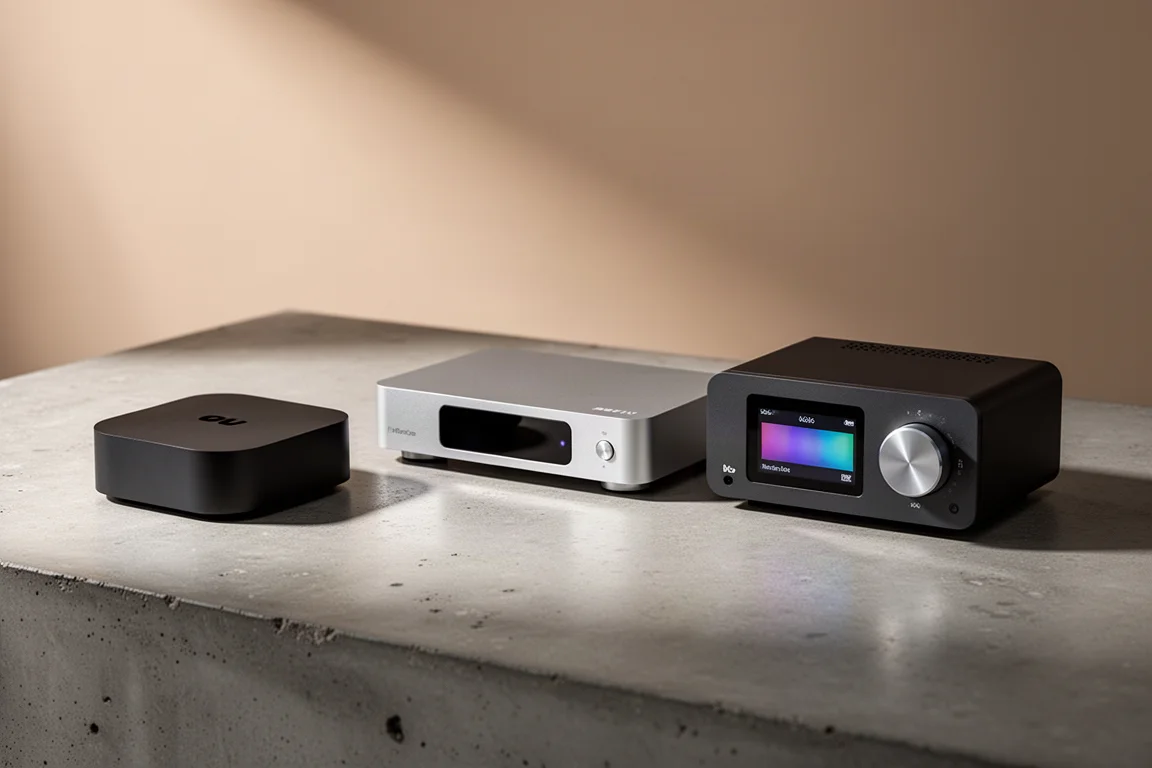
The source component is where a digital system begins, and recent years have made that a very good place to start. Conversion chips that once appeared only in flagship machines now turn up in components costing a few hundred pounds, and streaming platforms have matured to the point where usability is no longer a compromise at the entry level.
That progress cuts both ways. When a well-built converter can be bought for a few hundred pounds and measures better than expensive hardware from a decade ago, spending more needs a clearer justification: better engineering, a more natural tonal character, a stronger app, or connectivity that fits a real system rather than a specification sheet.
This guide covers seven source components across three price bands. Under £1,000 you will find the strongest value, between £1,000 and £2,000 the most interesting engineering, and above £2,000 the components aimed at systems that can reveal the difference.
Best Under £300: Bluesound Node Nano
The Node Nano is the least expensive component here, and it is also the one that resets expectations for the category. Connections have been trimmed compared with the £699 model it replaced, but the streaming module and the conversion stage both moved forward: the Nano uses a top-tier ESS 9039 Q2M chip and runs the mature BluOS platform, which remains one of the most complete streaming experiences available.
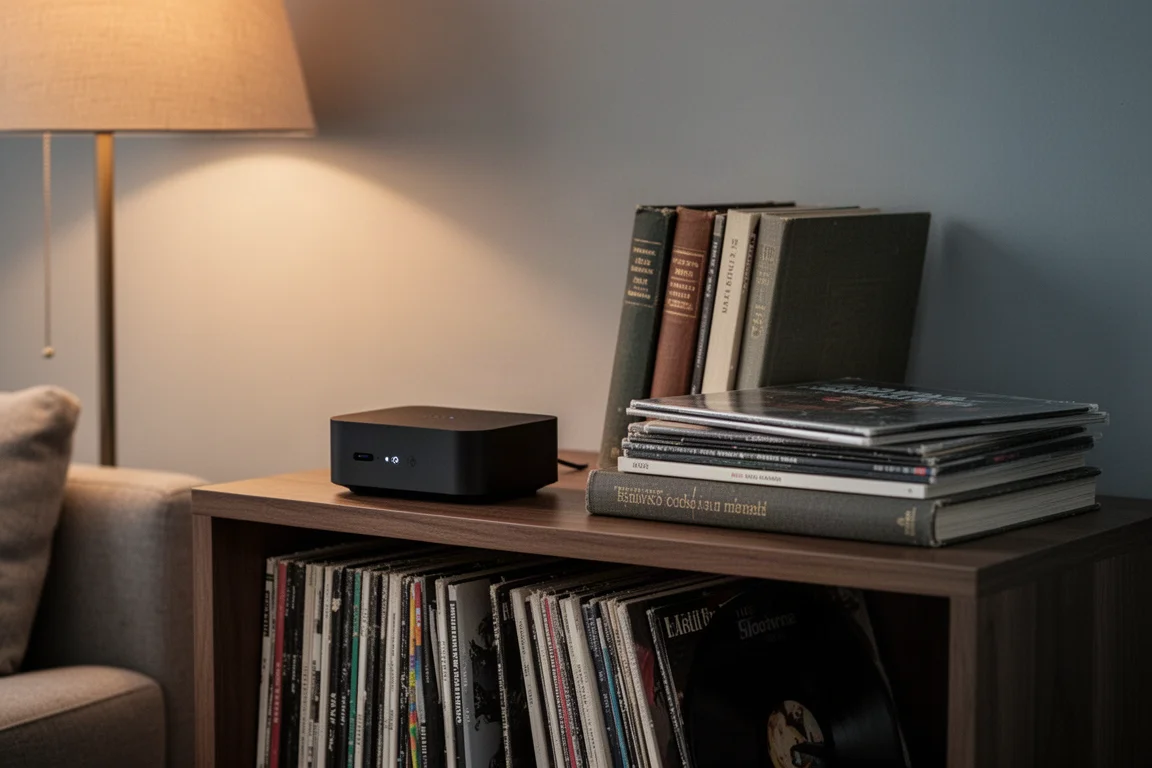
In use, the Nano sounds cleaner and more natural than any other digital source below £1,000 we have spent time with, including several components that cost considerably more. It is equally convincing as a transport: feeding an external converter through its optical or coaxial output delivers the cleanest result, while the USB output is best avoided.
For anyone building a compact system, that combination of sound quality and app polish at this price is difficult to argue with.
Best Value Source Component Under £1,000: WiiM Ultra
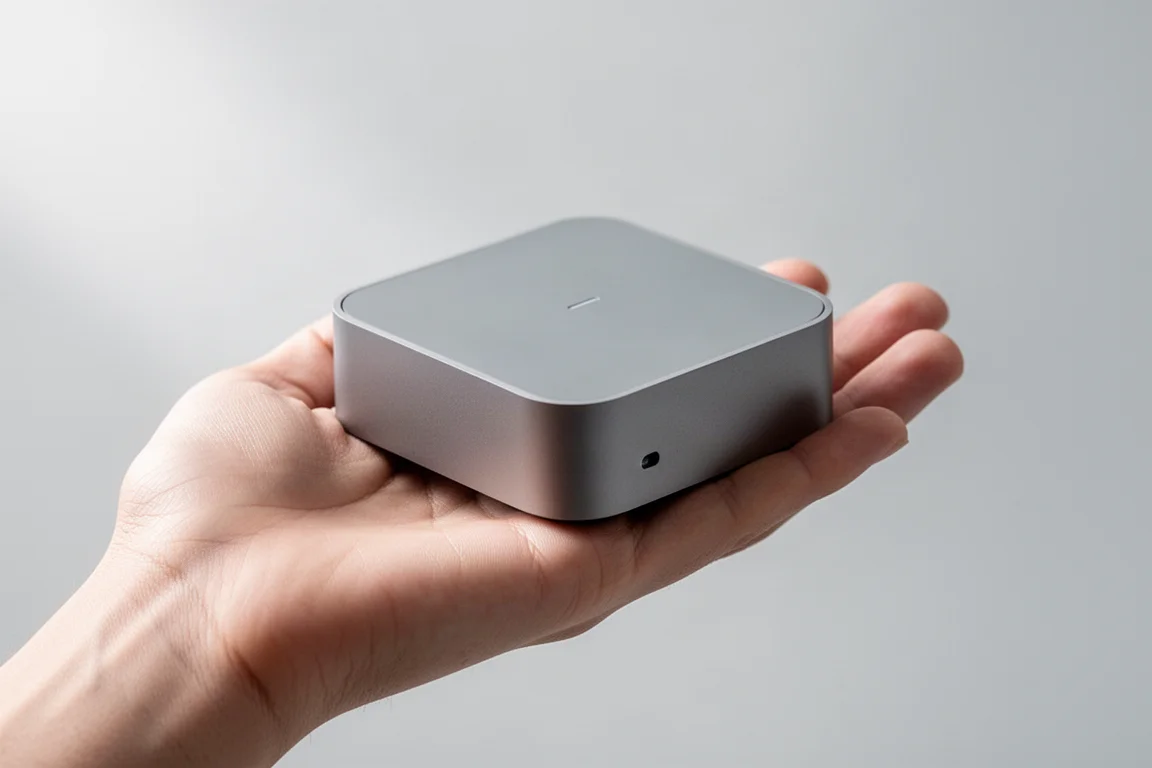
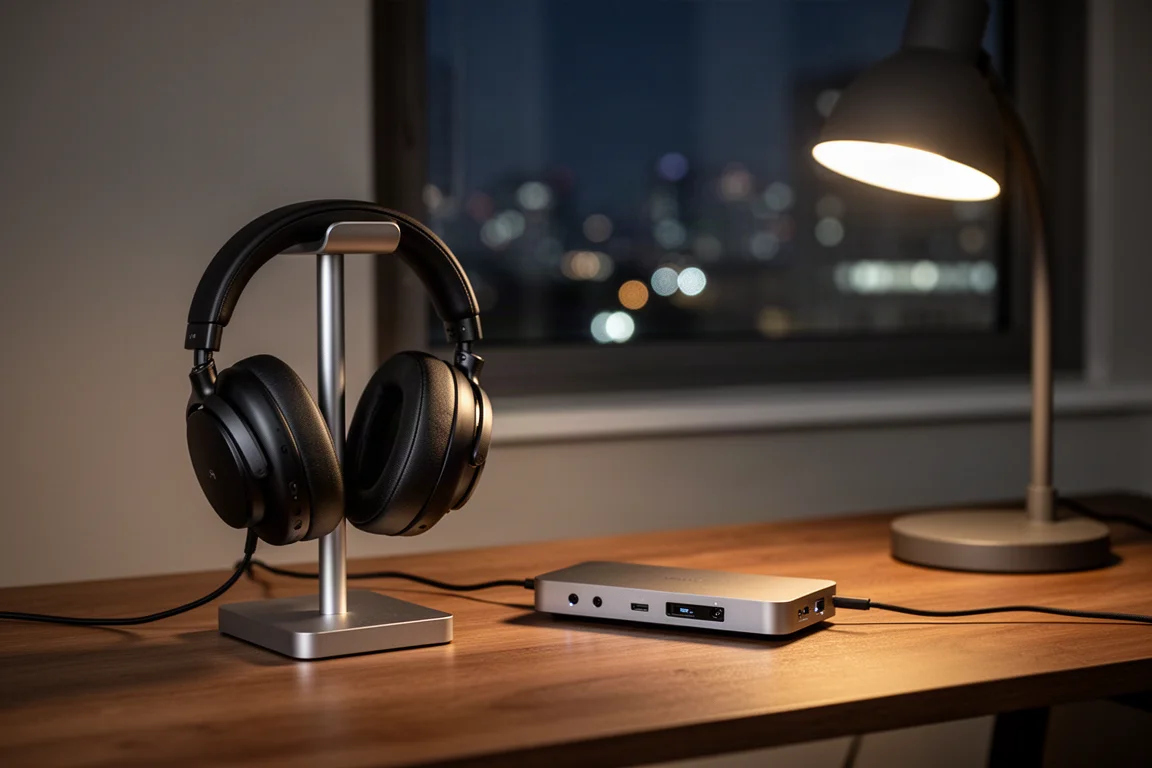
At £349 the WiiM Ultra is the pick we would recommend to most people starting a system. It is a solidly built, attractive unit with a 75 mm (3-inch) colour touchscreen and a rotary dial for volume, and the companion app adds parametric EQ and room correction.
The rear panel is where the value case becomes obvious: a line-level input, a moving magnet phono stage for turntables, an optical digital input, a USB port that works as either an input or an output, a subwoofer output, coaxial and optical digital outputs, and HDMI ARC. That last connection is rare on components costing several times as much. Connected to a television, the Ultra powers up automatically and follows the TV remote for volume.
Sonically it leans slightly warm, and it does not quite match the Node Nano for outright clarity, sitting a whisker behind some considerably more expensive streamers. The trade is deliberate: it is better equipped than anything else in this roundup and costs less than half as much, and in systems built around speakers and amplifiers of a similar price, those small differences in character are unlikely to be the deciding factor.
Best-Measuring DAC Under £1,000: Topping D90 Mark III
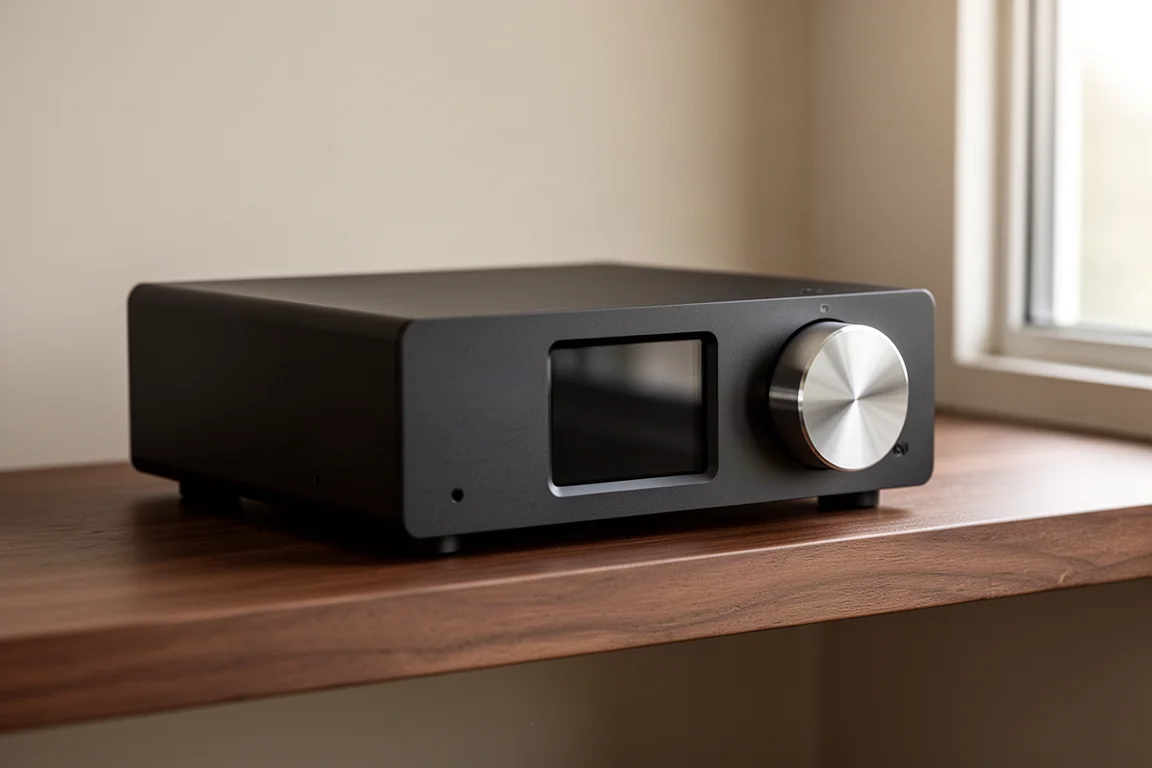
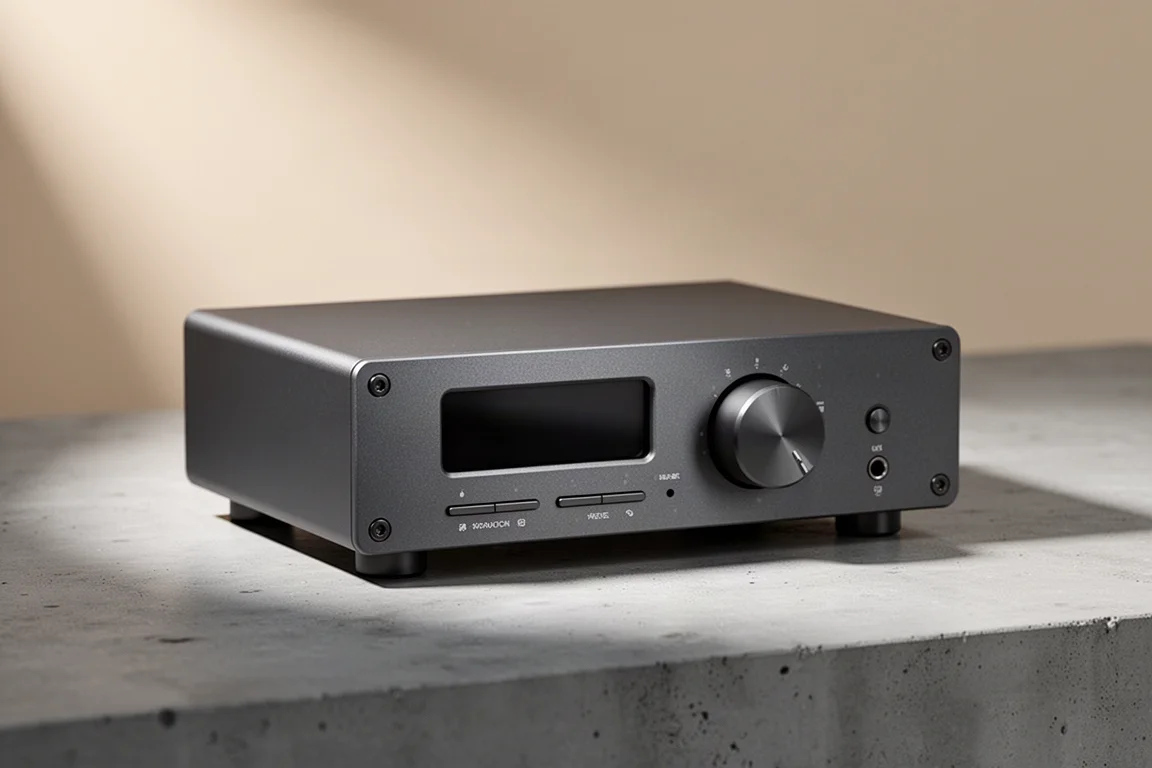
The D90 Mark III is a flagship desktop converter from a brand with an enviable reputation for measured performance. At around £900 it uses two top-of-the-range ESS 9039S Pro chips, and the resulting signal-to-noise ratio and technical figures place it among the best-measuring converters ever made, regardless of price.
In listening it is detailed and natural in tone with a slightly lean balance, and its soundstage is narrower and flatter than the best ladder designs, a characteristic shared by many chip-based delta-sigma converters.
That makes it a compelling choice for listeners who want maximum transparency and measured performance for under £1,000, particularly in a system with speakers or an amplifier that add a little body and warmth. If a wide, deep image and richer tonal colour matter more, the other options here will suit better.
Best Between £1,000 and £2,000: Auralic Vega S1
The Vega S1 is the strongest argument for spending a little more. It takes the Tesla G3 streaming platform, the Fusion conversion stage and the analog stages from a flagship model retailing at £6,899 and places them in a unit costing less than a third of that price. What it gives up is the flagship’s substantial chassis, HDMI ARC and Wi-Fi connectivity. What remains is the part that determines sound quality.
The result is a very resolving streaming converter that sounds a little cleaner than the Audio Note DAC 0.1x, though not as tonally rich. It also includes a genuinely good streamer, which means one box can handle both transport and conversion duties.
There is an optional power supply upgrade for around £1,000, and the two-box combination is priced around £3,000. That upgrade lifts performance across the board, with better soundstaging, imaging and bass definition, to the point where it approaches components costing considerably more. It is worth considering only if the rest of the system is capable of showing the difference.
Most Musical DAC: Audio Note DAC 0.1x
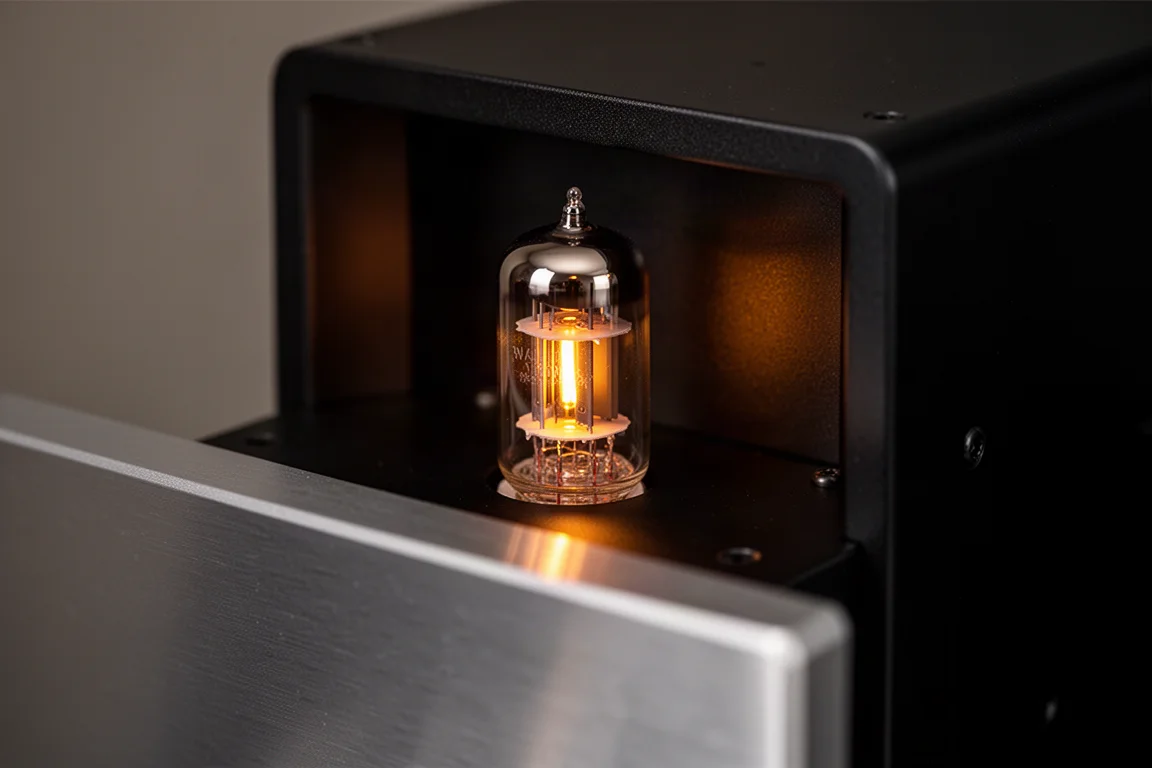
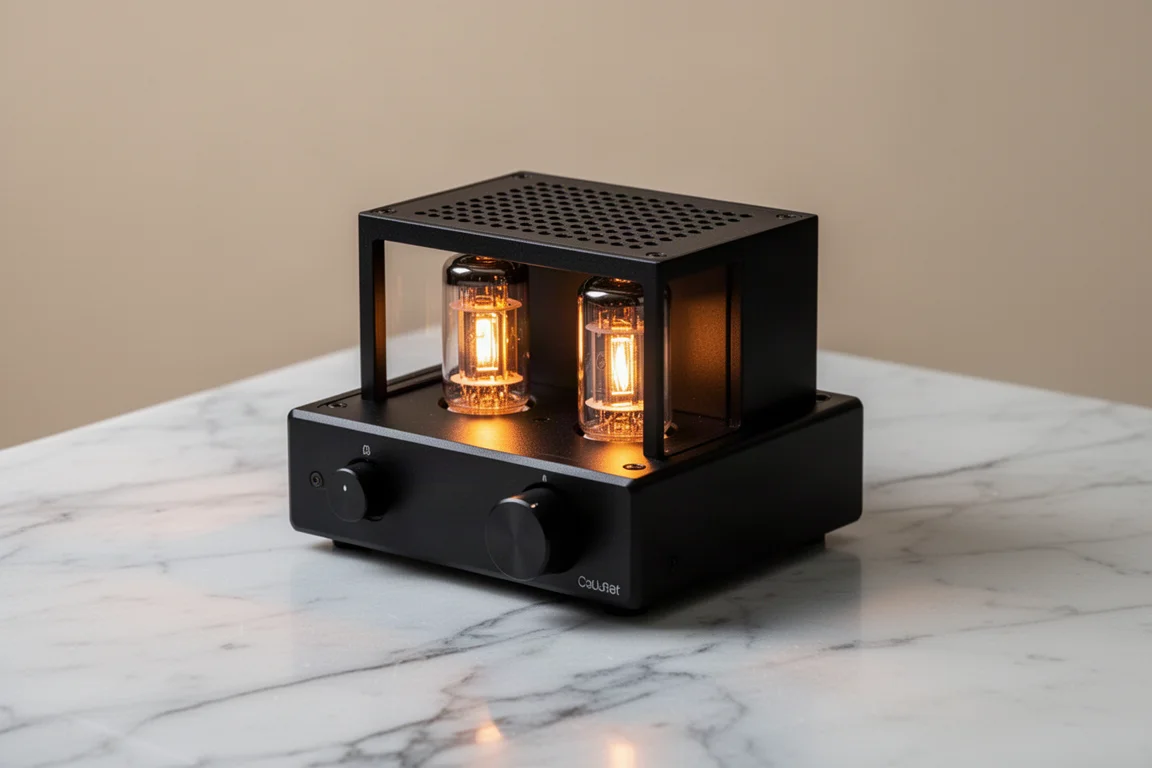
At £1,562 the DAC 0.1x is built on a different philosophy from everything else here. There is no oversampling and no digital filtering, the goal being to interfere with the signal as little as possible. Inputs are limited to coaxial and USB. Inside, conversion is handled by the Philips TDA 1543 R-2R ladder chip, supported by a custom-made transformer, custom capacitors and a valve output stage.
The payoff is a musicality that is rare in digital components. Detail retrieval is strong, but timing and spatial abilities stand out even more, all delivered in an organic, fluid manner that draws a listener into the performance rather than the specification. As with most things here, the coaxial input sounds cleaner than USB, so a good digital transport makes sense.
Judged purely on value, it delivers roughly three-quarters of the performance of a reference converter costing about twice as much, which is a strong result for a component at this price.
Best All-Rounder Around £1,890: Eversolo DMP-A8
The DMP-A8 costs £1,890 and answers the question of what more money buys once the sub-£1,000 options are exhausted. It offers generous connectivity and a superior architecture built around top-of-the-range AKM Velvet Sound chipsets. The app, build quality and feature set are all class-leading.
Sonically it is more resolving than several R-2R ladder designs, though its soundstage depth does not reach the same level, and its reproduction of timbre, most obvious with voices and acoustic instruments, is not quite as natural.
For listeners who want one component to handle streaming, conversion and system control, with an app that is genuinely pleasant to use, the DMP-A8 remains a very compelling package for south of £2,000.
Best Above £2,000: Gustard X30
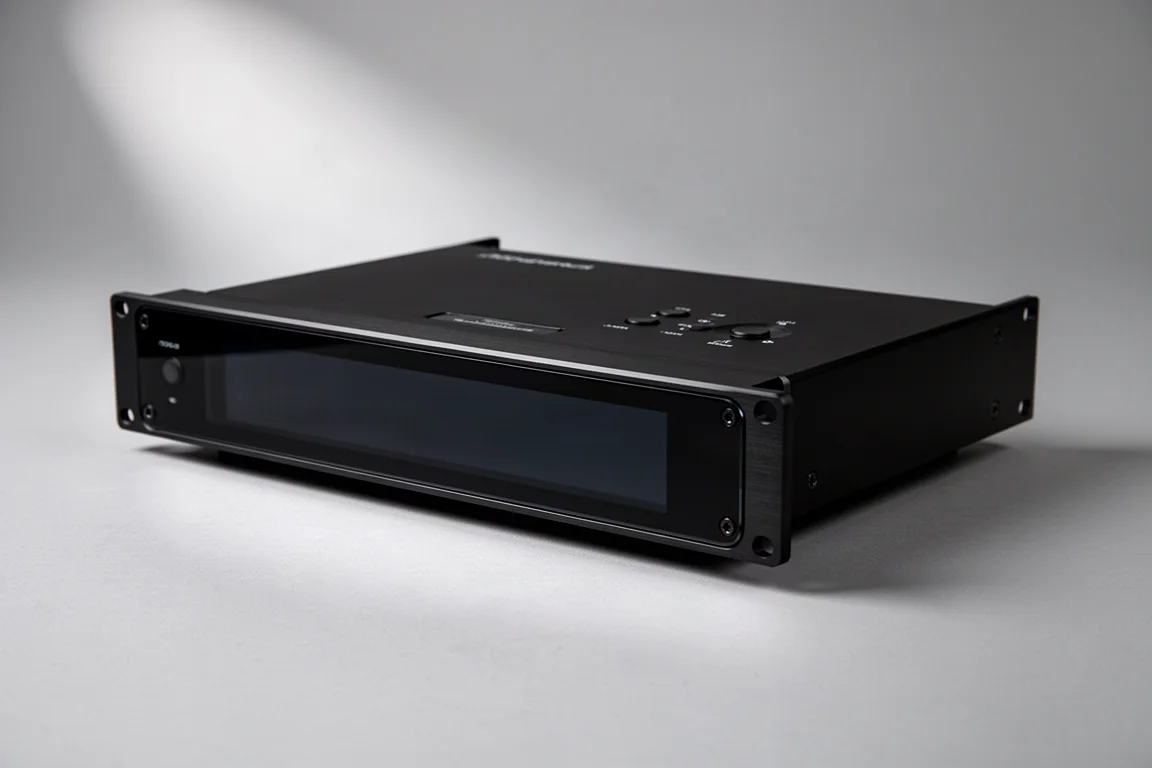
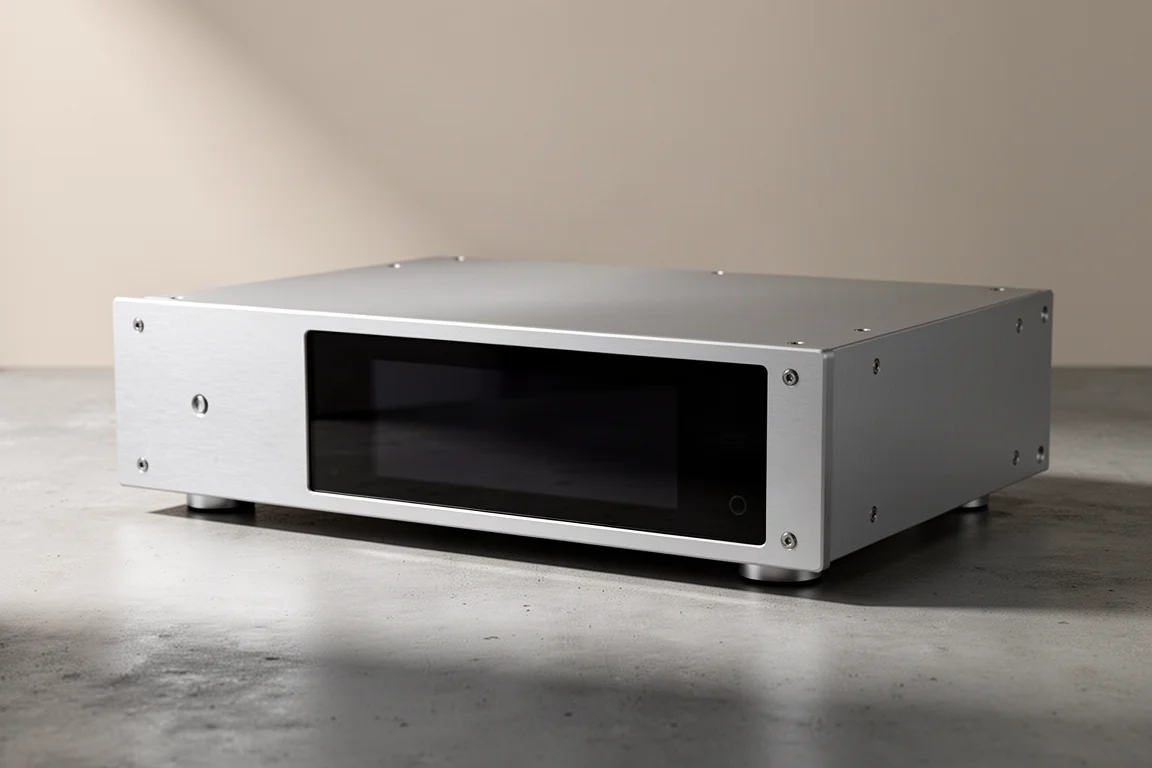
The X30 is the most heavily engineered component in this roundup. It sells for $3,000 plus shipping and taxes from the manufacturer, which puts it at around £2,500 in the UK. Inside are multiple filtered power supplies with separate transformers for the analog and digital sections, four flagship ESS 9039 Pro conversion chips, an Analog Devices signal processor with proprietary digital filtering, and an oven-controlled crystal oscillator for the clock.
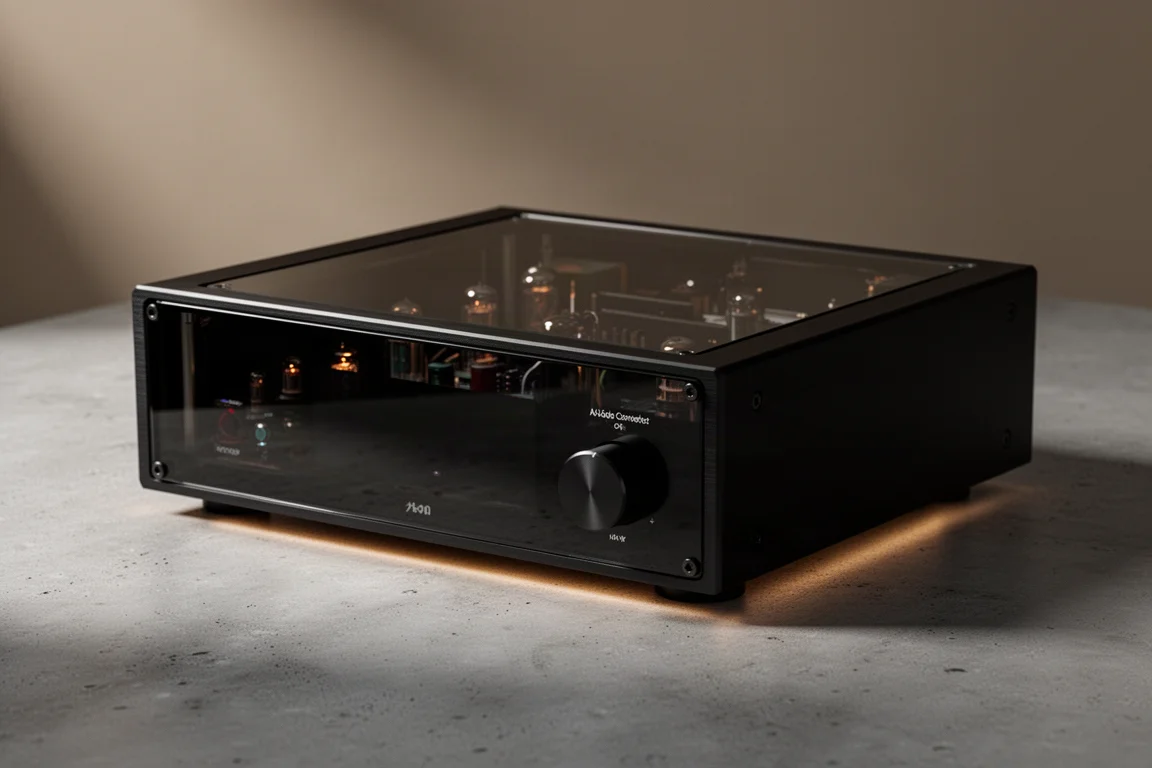
That engineering shows in the construction as well: a tempered glass panel runs the full length of the front, the display is clear and simple, and the connections cover everything most systems will need.
In listening, the X30 produces the cleanest bass in this roundup, with mid-range transients that are crisper than the ladder reference. Its soundstage width and depth match that reference too, with even better placement of performers within the mix. What a well-sorted ladder design still offers is a richer tone and more natural timbre, but there is nothing lean or clinical about the X30.
Buying Advice
Matching matters more than the price band. A £349 streamer feeding a £1,000 amplifier and speakers will sound better than a £2,500 converter in a system that cannot reveal the difference. Spend in proportion, and put the largest share of the budget into the components that shape the sound most.
Feature needs should drive the shortlist. If the system includes a television, HDMI ARC is worth having, because it lets one remote handle power and volume. If a turntable is part of the plan, a built-in moving magnet phono stage saves a box and a cable. If a subwoofer is involved, a dedicated output keeps the setup simple.
The streaming platform deserves as much attention as the conversion chip. App quality, stability and the availability of room correction or parametric EQ often determine how much a component is actually used, and a well-designed app at a low price is worth more in daily life than a marginal gain in measured performance.
Finally, think about the digital chain as a whole. A component with clean optical and coaxial outputs can serve as a transport for an external converter later, and an upgrade path, whether a better power supply or a separate conversion stage, can extend the life of a purchase considerably. At this price level a competent streamer also gives away nothing in sound quality to a comparably priced CD player, while adding access to streaming services and network libraries.
Conclusion
There has rarely been a better time to buy a digital source component. Under £1,000 the WiiM Ultra offers unmatched value and connectivity, the Bluesound Node Nano delivers the best sound quality in that bracket, and the Topping D90 Mark III delivers the strongest measured performance.
Between £1,000 and £2,000 the Auralic Vega S1 is the standout, combining flagship-derived technology with a built-in streamer, while the Audio Note DAC 0.1x is the choice for listeners who value musicality above all. The Eversolo DMP-A8 remains a compelling all-rounder with an outstanding app.
Above £2,000, the Gustard X30 shows what careful engineering and premium parts can achieve, with resolution and imaging that rival far more expensive designs. Match any of these to a system of similar calibre and the improvement will be obvious.
Further reading
Related Reviews
Hi-Fi
Award-Winning Hi-Fi Components: Ten Standout Pieces Worth Auditioning
Ten hi-fi components recognised by an international panel of specialist publications, with the strengths and trade-offs that matter before you buy.
Hi-Fi
Best Hi-Fi Products of 2022: Award Winners and Value Picks
A curated look at the standout hi-fi components of 2022, from floorstanding speakers and bookshelf kits to integrated amplifiers and DACs.
Hi-Fi
Best Hi-Fi Gear: Standout Amplifiers, Speakers, DACs and Streamers
A curated roundup of standout hi-fi components, covering amplifiers, speakers, DACs and streamers from around $30 to $2,500.