Hi-Fi
Award-Winning Hi-Fi Components: Ten Standout Pieces Worth Auditioning
Ten hi-fi components recognised by an international panel of specialist publications, with the strengths and trade-offs that matter before you buy.
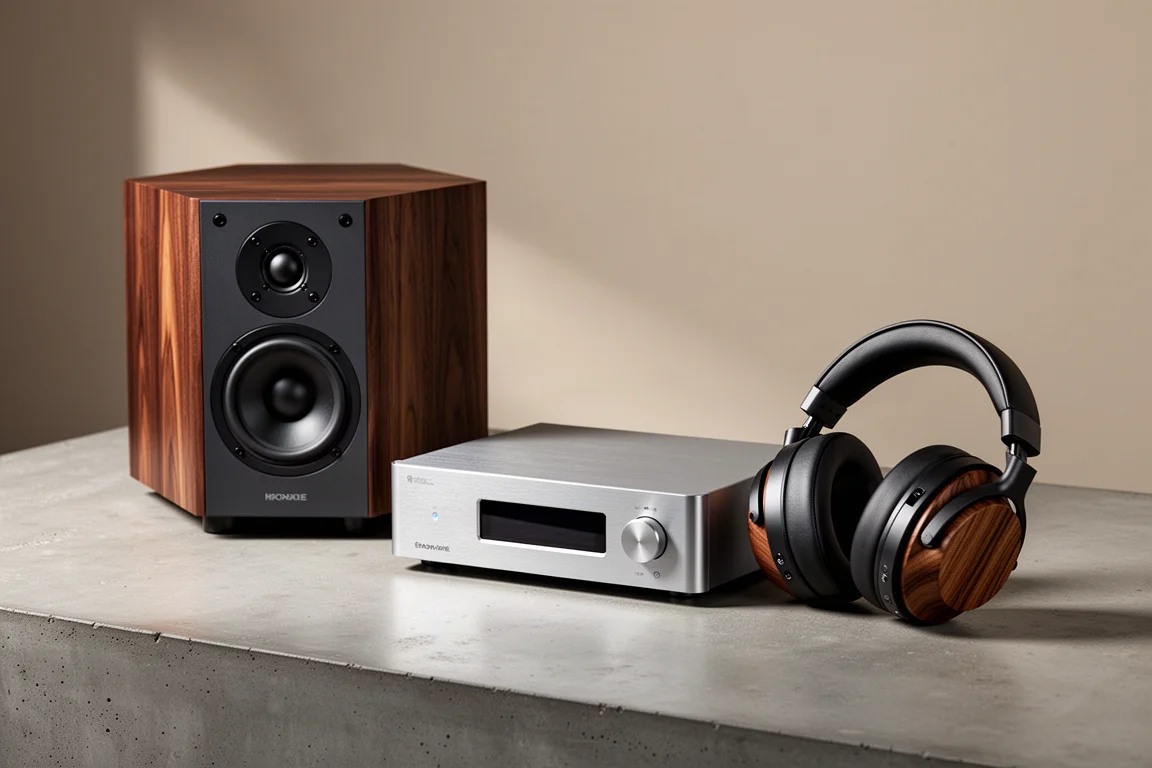
Introduction
Every year, an international group of specialist audio publications nominates the components that impressed them most over the previous twelve months. Editors and publishers from dozens of magazines in around thirty countries put candidates forward, a shortlist is assembled, and the final decisions are reached through anonymous rounds of voting. The outcome is not one person’s taste. It is a consensus built by people who have been assessing audio equipment for decades.
That consensus is a useful starting point rather than a verdict. The ten components below each won their category, and each one solves a different problem. Some are loudspeakers built for careful listening in a dedicated room. Others are compact streaming electronics that quietly replace three or four boxes. Read the strengths and the trade-offs, then decide whether the fit is right for your system.
How the Winners Are Chosen
The process is deliberately slow. Publications nominate only products introduced during the preceding twelve months, which keeps the field focused on current models rather than long-standing classics. Nominations are gathered by a category leader, a shortlist is compiled, and the panel votes in stages until ties are resolved. No voter sees another voter’s ballot.
That structure matters when you are spending your own money. A single enthusiast’s recommendation reflects one room, one set of ears, and one set of priorities. A committee vote spreads the risk, because a component has to survive scrutiny from listeners who work with very different systems, rooms, and musical tastes. It is a strong filter, and it is still only a filter.
Best Stand-Mount Loudspeaker: MoFi SourcePoint 8
The stand-mount loudspeaker award went to the MoFi SourcePoint 8, a compact two-way design developed by Andrew Jones, an engineer with a long track record in high-performance speakers. A stand-mount of this kind is the sensible starting point for listeners who want convincing imaging and detail without giving up a wall to a tower.
Its appeal is practical. A stand-mount is easier to place in a smaller room, easier to move while you experiment with positioning, and usually easier to live with in a shared space than a large floorstander. The trade-off is the familiar one: less low-frequency weight than a tower, and a pair of stands to budget for.
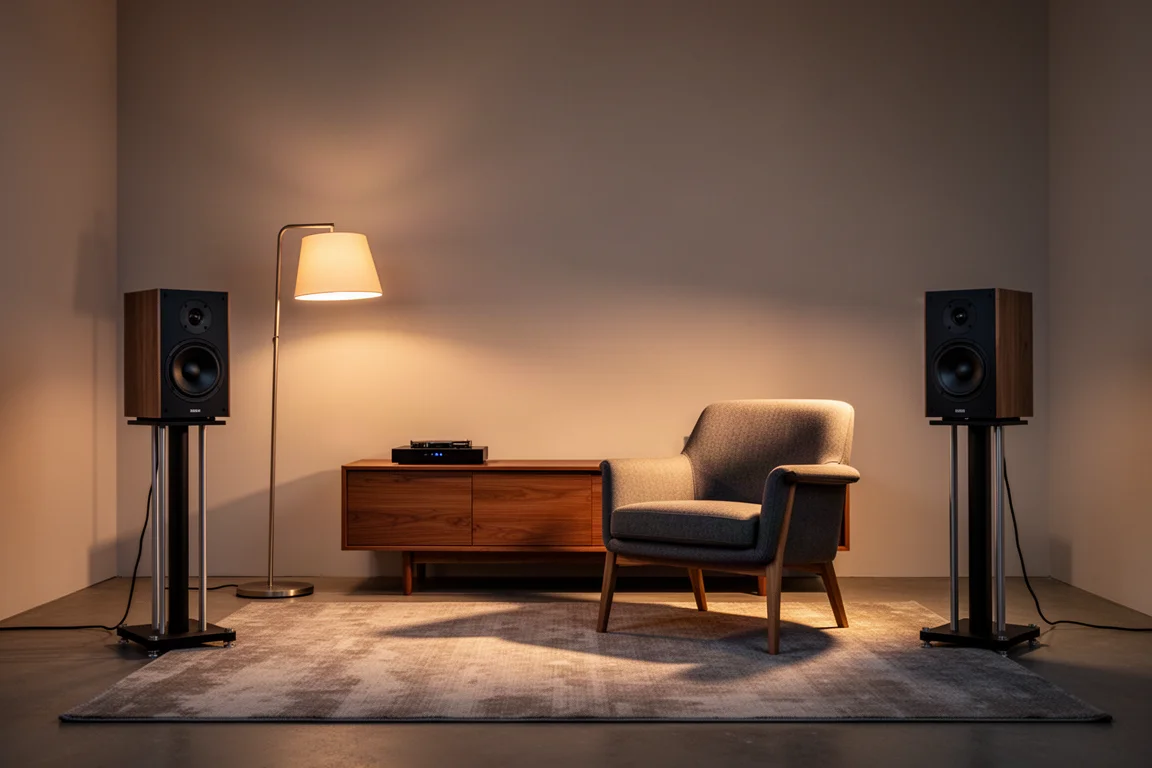
If your room is modest and your priorities are midrange clarity and a solid stereo image, a well-executed stand-mount remains the most direct route to them. Pair it with an amplifier that stays composed when the music gets busy.
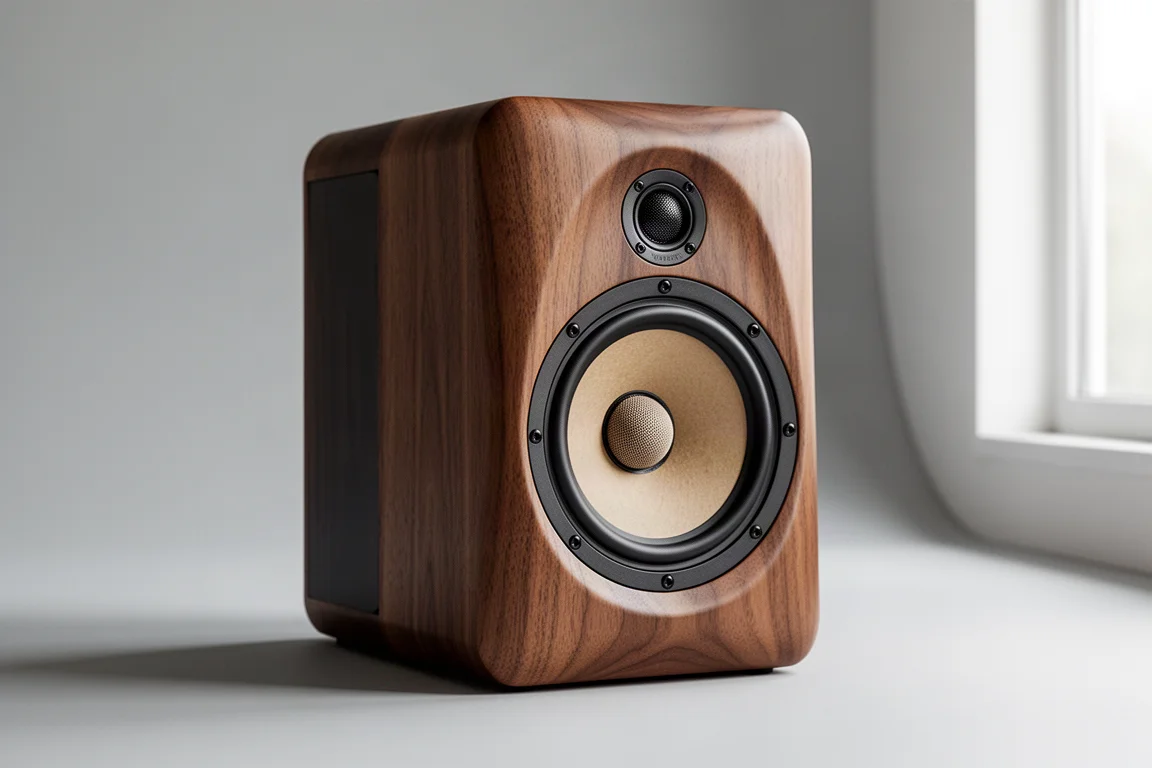
Best Floorstanding Loudspeaker: Bowers & Wilkins 703 S3
The floorstanding category went to the Bowers & Wilkins 703 S3. A tower like this is the classic choice for a main system in a room with some space to work with: more bass extension and greater dynamic headroom than a stand-mount, and the ability to fill a larger listening room without strain.
Floorstanders reward patience. They need room to breathe, some distance from the wall behind them, and an amplifier with enough grip to control the larger bass drivers. Get those basics right and a tower gives you a foundation that smaller speakers cannot match.
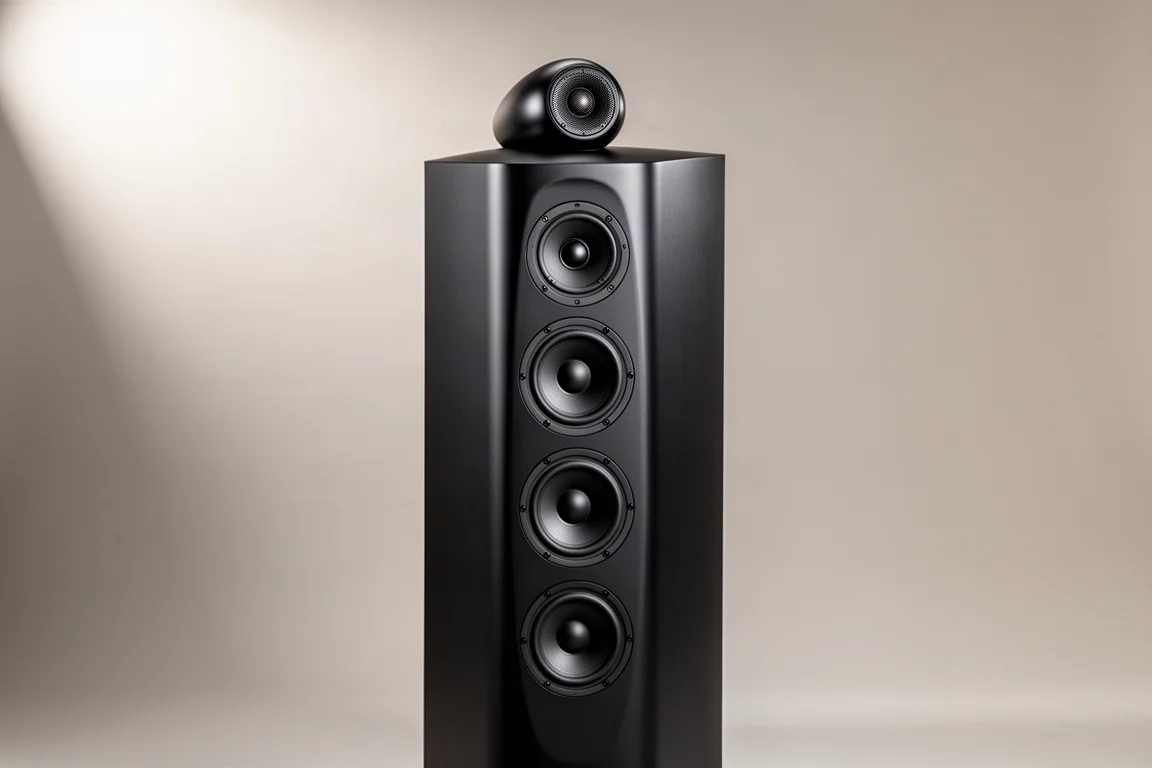
Best Wireless Bookshelf Loudspeaker: KEF LSX II
The wireless bookshelf award went to the KEF LSX II, a compact active speaker with a streaming module built in. Because the streaming hardware lives inside the cabinet, there is no separate player to buy, no interconnect to run, and no extra shelf space to find. You connect it to your network, to a source, or both.
The HDMI ARC input is the detail that makes it unusually versatile. The same pair can serve as a music system and as the sound for a television, switching between the two without a second set of speakers. For a small room, a desk, or a second system, that combination covers most of what people actually need.
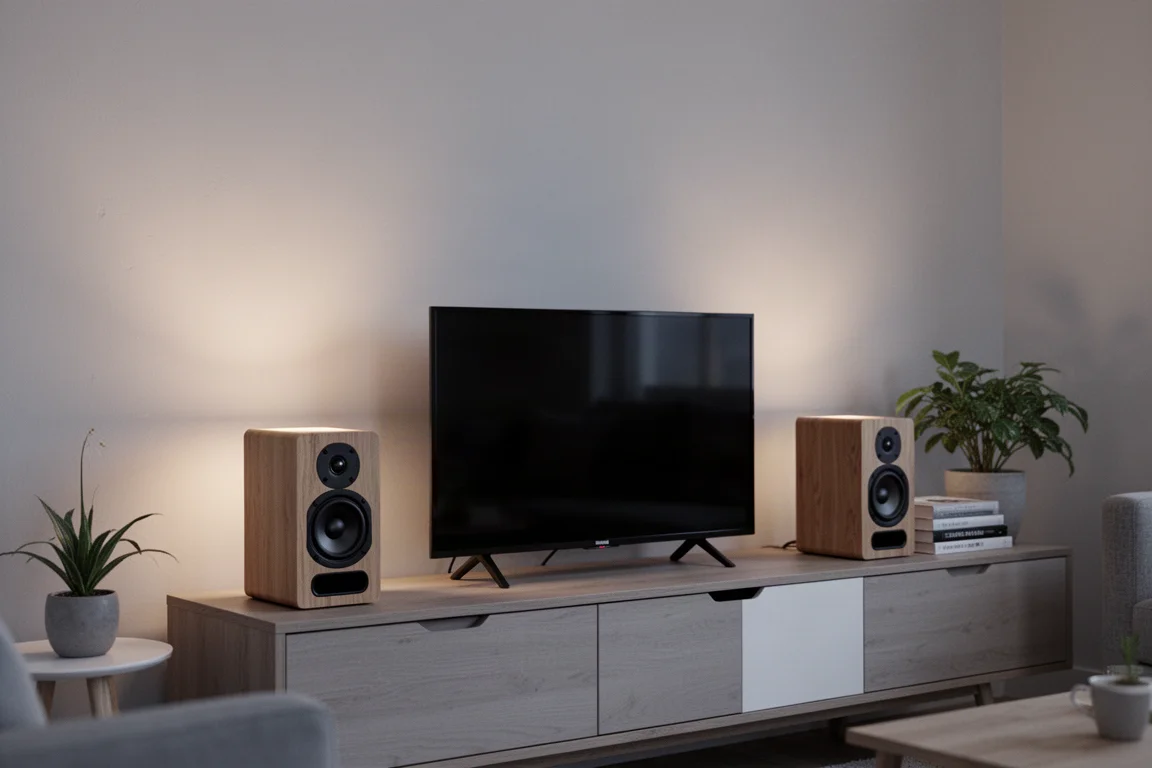
The compromise is worth stating plainly. An all-in-one speaker trades upgrade flexibility for convenience, so you cannot swap in a different amplifier or streamer later. If you enjoy changing one part of the chain at a time, separates remain the better path. If you want something that simply works and sounds far better than a soundbar, this is the category to shop in.
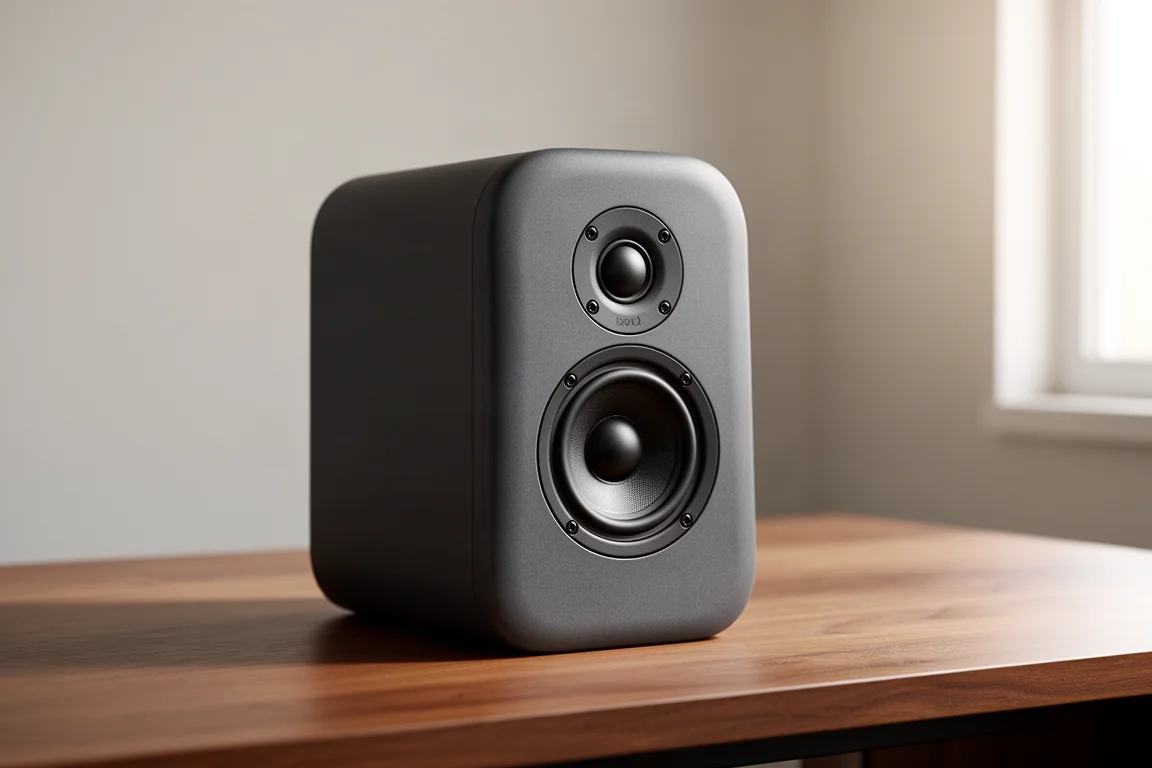
Best Powered Stand-Mount Loudspeaker: Klipsch The Sevens
The powered stand-mount award went to Klipsch The Sevens, an active speaker that sits a size above the company’s smaller Fives model. Everything needed to drive the speakers is inside the cabinet, so the system is a pair of speakers and a source, nothing more.
The input set is generous for a speaker of this type. There are digital inputs, an HDMI eARC connection for a television, and a phono stage built in for a turntable. There is no network streaming on board, which is a deliberate trade: you gain a simpler signal path and lose the ability to play directly from streaming services without an external player.
The Sevens are also tuned with a healthy low end, which suits listeners who want weight and impact from a compact powered speaker rather than a strictly neutral balance.
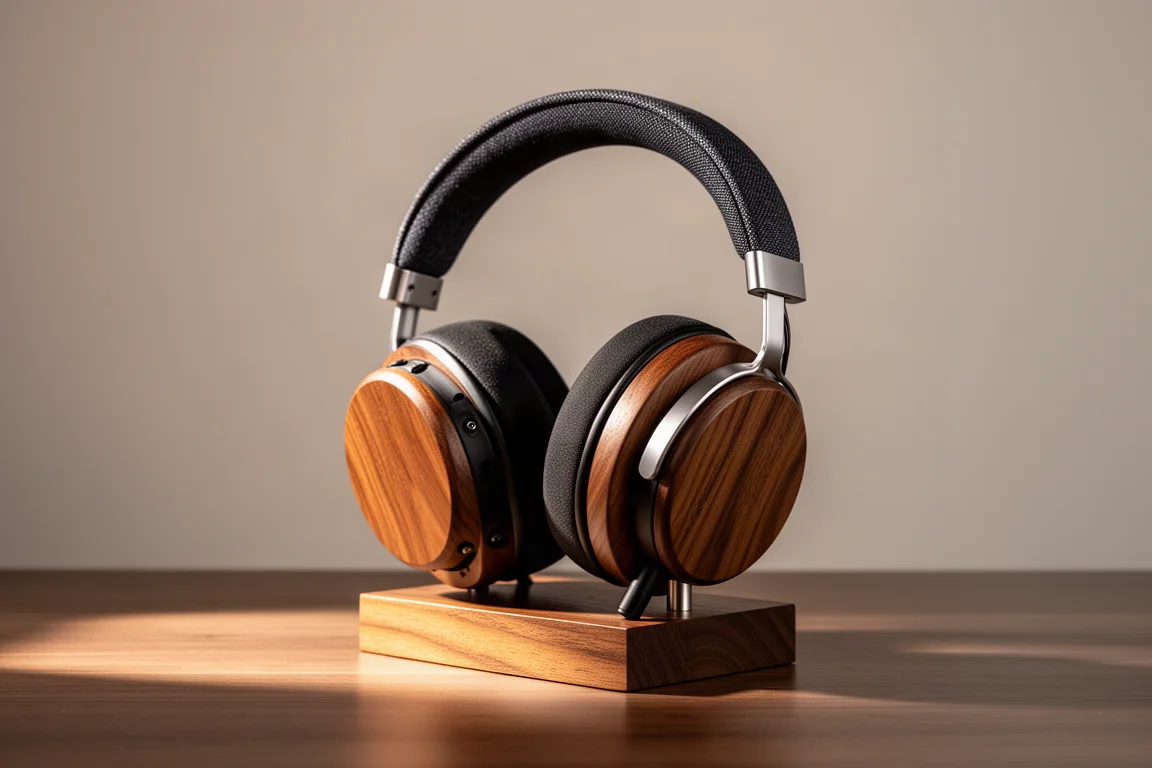
Best Headphones: Meze Audio 109 Pro
The headphone category went to the Meze Audio 109 Pro. Headphones occupy a specific role in a hi-fi setup: they take the room out of the equation, which makes them the most dependable way to judge what a recording’s bass actually sounds like. In a room with untreated low-frequency problems, no amount of speaker swapping will tell you the same thing.
A full-size design like the 109 Pro is aimed at home listening rather than travel. It suits listeners who want a serious second reference alongside their speakers, or who need to listen late at night without disturbing anyone else in the building.
Best Streamer: iFi Audio NEO Stream
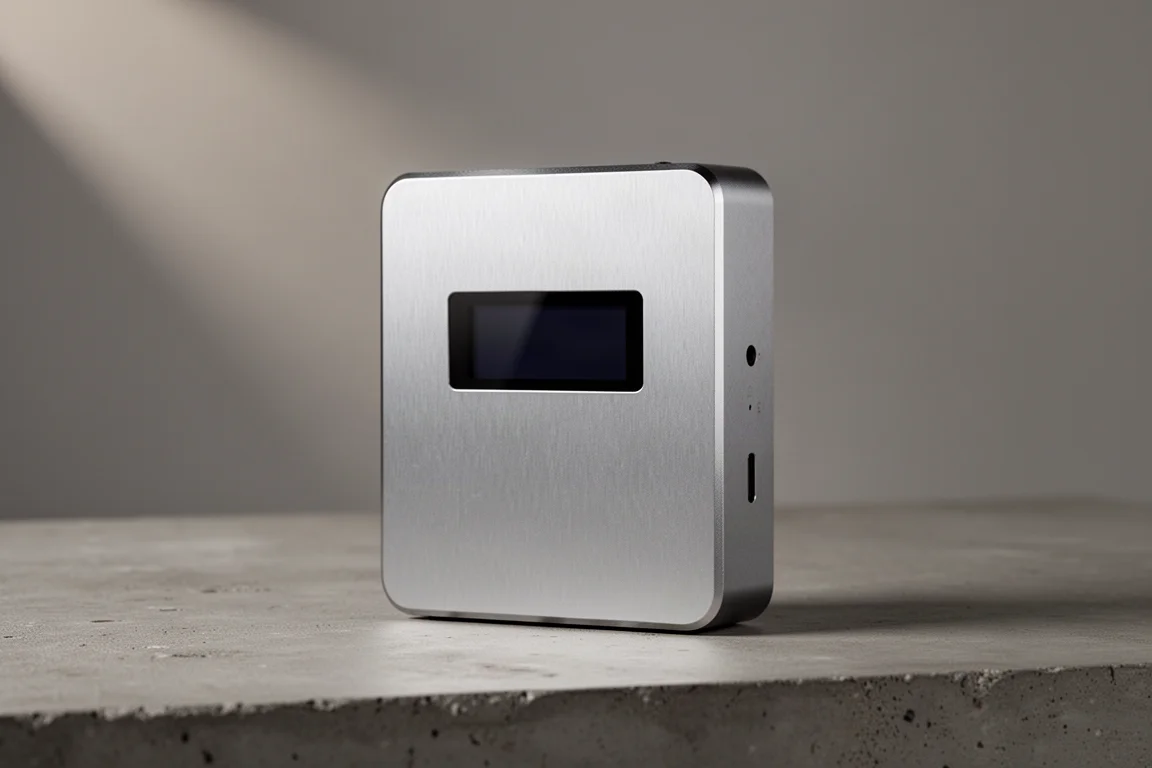
The streamer award went to the iFi Audio NEO Stream. This is a network player with digital outputs only, which means it does not contain a DAC. Its output feeds a converter that you already own or choose yourself.
That design decision is the whole point. Separating the streaming transport from the conversion stage lets you keep the DAC you like, improve one half of the chain without replacing the other, and avoid paying twice for a converter you already have. A small display on the front shows what is playing, and the chassis can be positioned horizontally or stood upright depending on the shelf space available.
Best DAC: Ferrum Audio Wandla
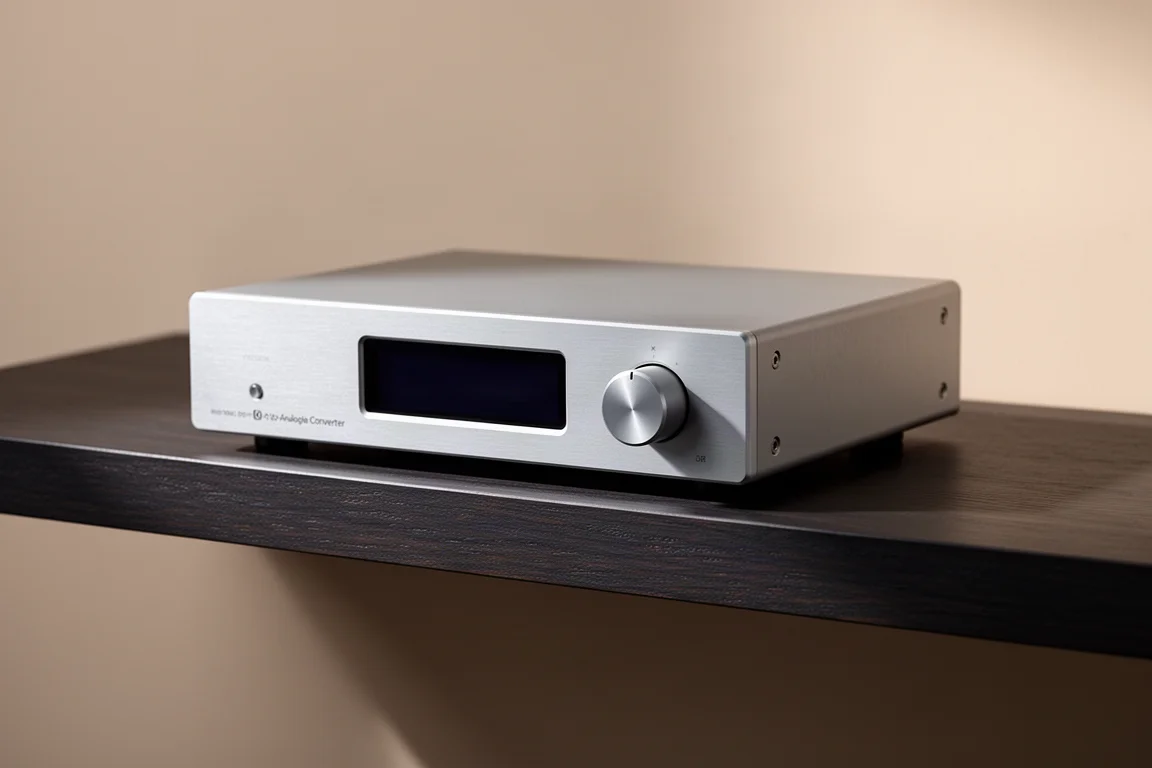
The DAC award went to the Ferrum Audio Wandla, the natural partner for a transport like the NEO Stream above. A dedicated converter turns a digital stream into the analogue signal your amplifier actually amplifies, and it is the one point in a digital chain where you can make a change without touching the transport.
A standalone DAC makes sense when your streaming source has no converter of its own, or when you want to change the digital half of a system without replacing the rest of it. It is also a straightforward component to audition, because you can compare it against what you already own in the same system and on the same recordings.
Best High-End CD Player: Hegel Viking
The high-end CD player award went to the Hegel Viking. Compact disc still accounts for a large part of many collections, and a dedicated player remains the most straightforward way to hear those discs at their best, without ripping, tagging, or managing a server.
This is a premium component, and the award category reflects that. A player at this level is aimed at listeners who have already built a resolving system around it and want their CD collection treated as a first-class source rather than an afterthought. If your discs are mostly background listening, the money is better spent elsewhere in the chain.
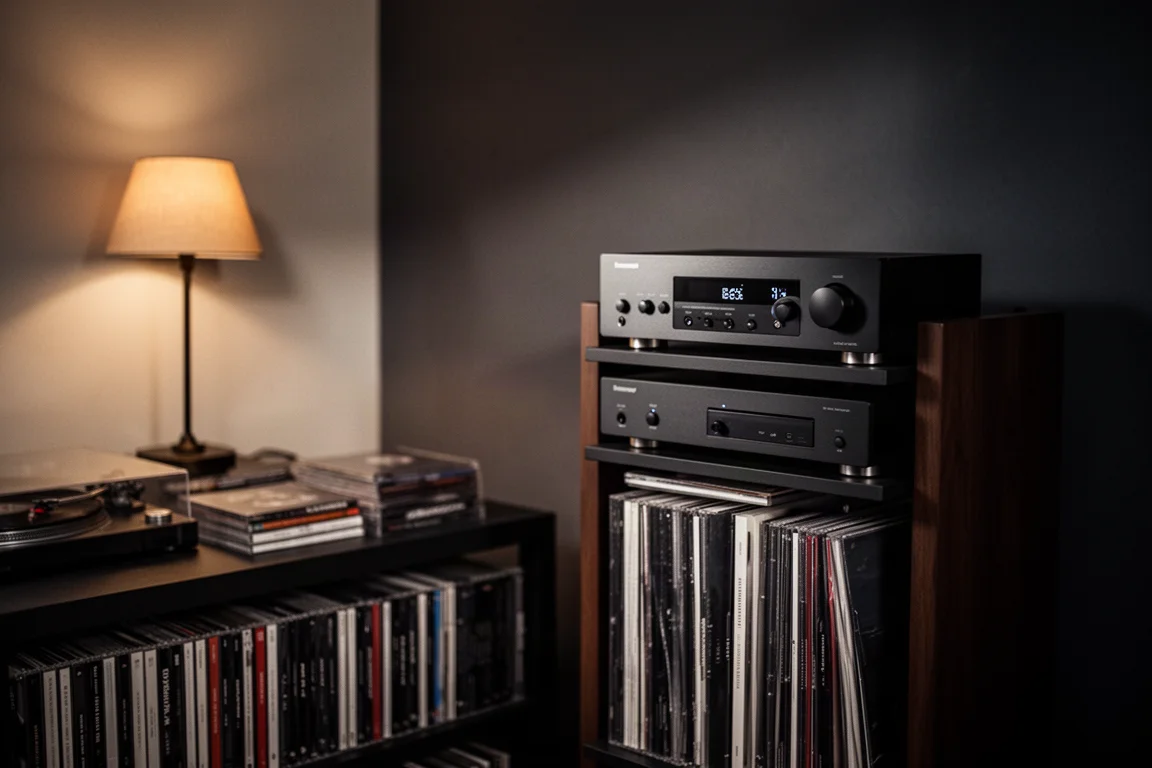
Weighing a disc player against a streaming setup is rarely an either-or decision. Many listeners end up with both: a player for the physical collection, a streamer for everything else. The Viking is the kind of purchase you make when the disc collection is the priority.
Best Integrated Amplifier: NAD C3050
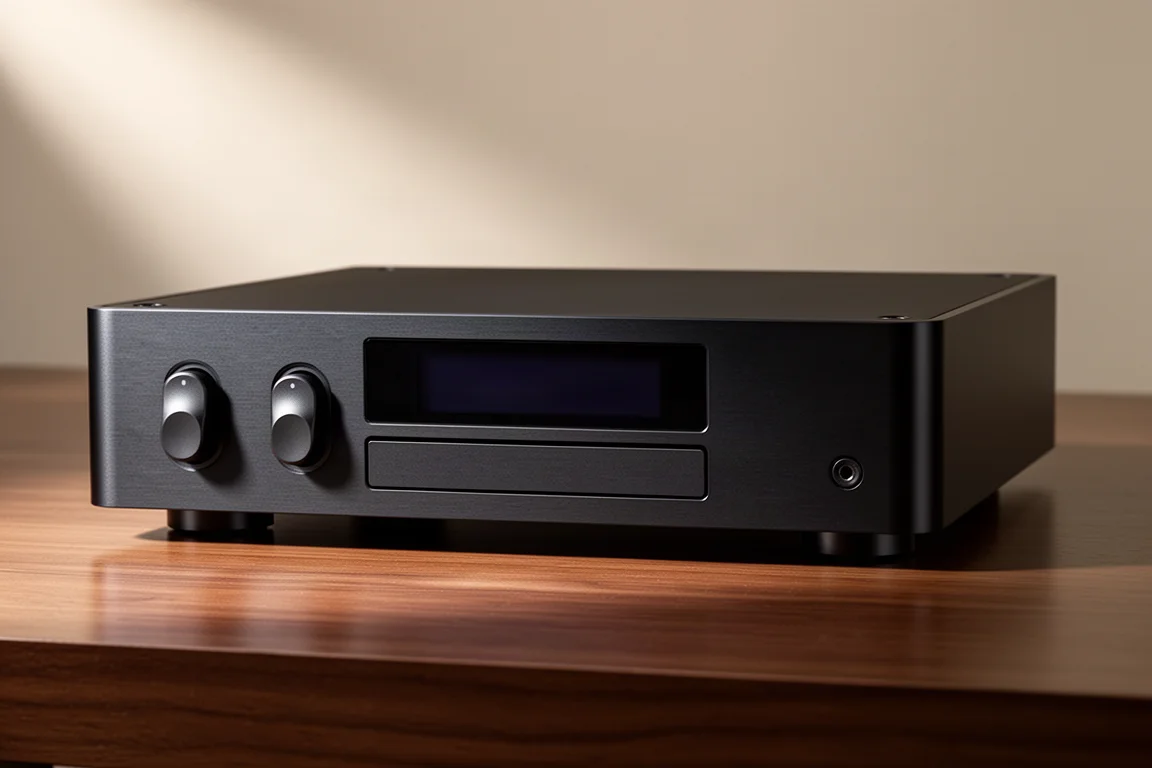
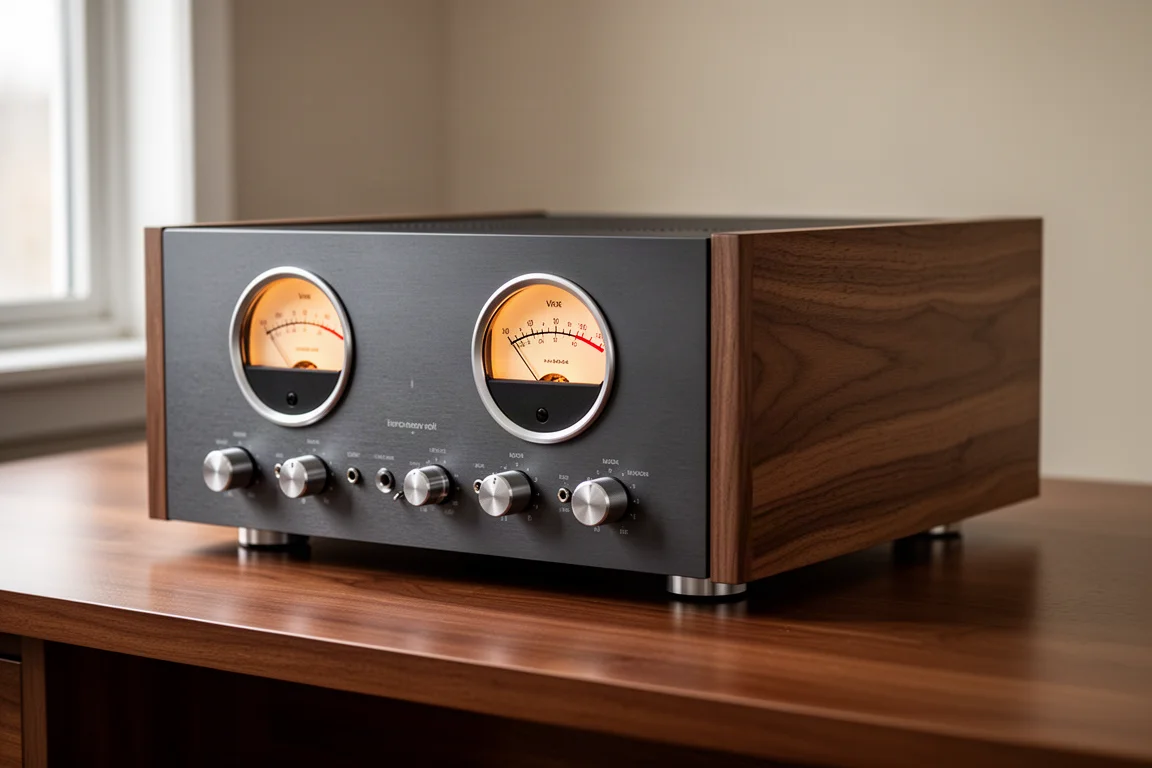
The integrated amplifier award went to the NAD C3050. It is a streaming amplifier with Dirac room correction built in, which means it can measure and compensate for the worst effects of your room instead of asking you to fix them with furniture and panels.
The front panel carries VU meters and styling that references classic amplifiers from decades past. That is more than nostalgia: an amplifier that is pleasant to look at and easy to operate tends to get used more. The standard edition is the version that carried the award.
Room correction is the feature to think about carefully. It can make a substantial difference in a room with awkward dimensions, and it matters less in a space that already behaves well. Either way, having it inside the amplifier removes a box from the rack.
Best Compact Streaming Amplifier: Bluesound Powernode Edge
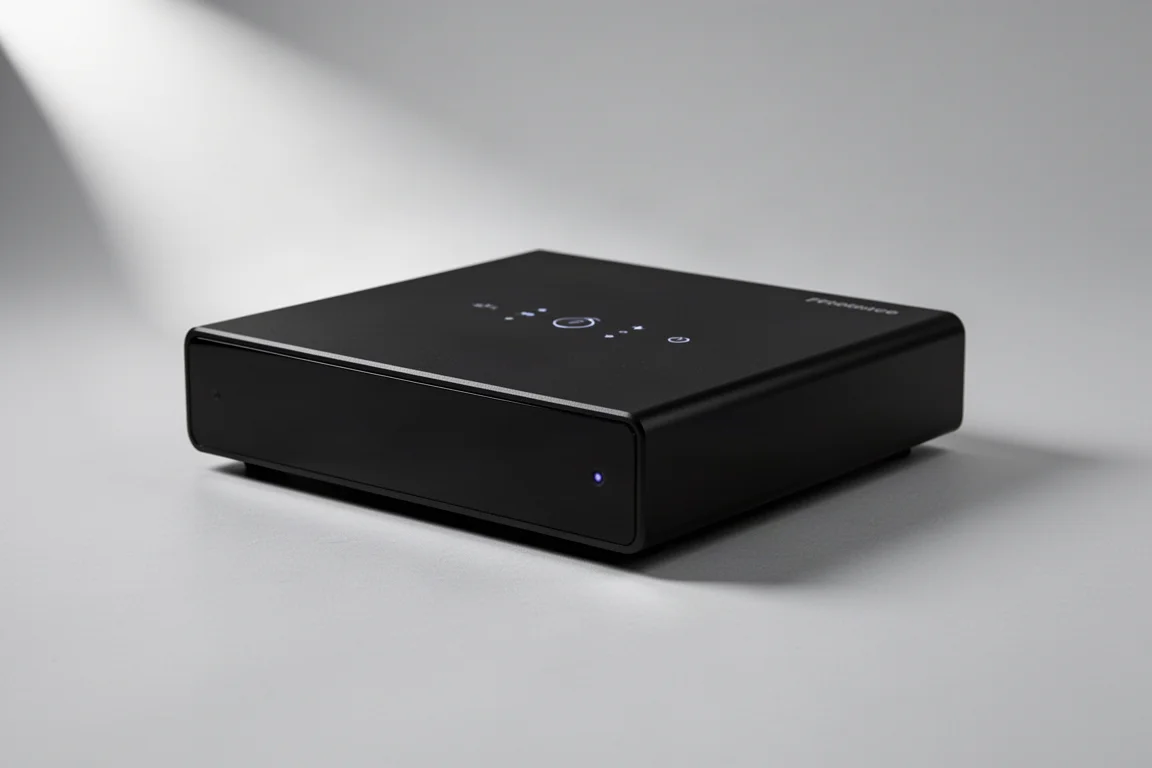
The compact streaming amplifier award went to the Bluesound Powernode Edge, a one-box solution that combines streaming and amplification in a chassis small enough to disappear into a sideboard. Add a pair of passive speakers and you have a complete system.
The appeal of this category is simplicity without the lock-in of an all-in-one active speaker. You choose the speakers, and you can replace them later without replacing the electronics. Compared with a full-size integrated amplifier, you give up some inputs and some expandability, and you gain a much smaller footprint and a much shorter setup.
Compact streaming amplifiers also make good second systems: a kitchen, a study, or a bedroom where a full rack would be absurd. The Powernode Edge is the sort of component that quietly ends up being used more than the main system, simply because it is always on and always ready.
Buying Advice
Start with the room, not the specification sheet. A compact stand-mount or powered speaker will often outperform a large tower in a small, reflective space, and a floorstander needs distance from the walls before it gives you what you paid for. Get the speaker choice right first. Everything else in the chain exists to serve it.
Then decide how much convenience you want. A wireless bookshelf speaker, a compact streaming amplifier, or a powered pair each replace several traditional components with one box. The trade is upgrade flexibility, and for a second system or a smaller room that is often a trade worth making.
For a main system, separates still make sense. A streamer without a DAC, a dedicated converter, and an integrated amplifier with room correction give you three points of change rather than one, and each can be improved independently as budget allows. If you already own a large CD collection, a dedicated player keeps that library in the system rather than in a cupboard.
Finally, treat any award as a shortlist rather than an instruction. A component that wins its category has cleared a high bar, but the right choice still depends on your room, your speakers, and the music you actually play. Audition where you can, and buy the component that solves your specific problem.
Conclusion
These ten components won their categories because a large group of experienced editors and publishers, working in different rooms and different countries, agreed that they stood out from everything introduced in the previous year. That is a meaningful signal, and it is still only a starting point.
The practical path is to identify the weakest part of your current system and address that first. If your speakers are the limitation, the MoFi SourcePoint 8 or the Bowers & Wilkins 703 S3 are the natural candidates. If convenience is the issue, the KEF LSX II, the Klipsch The Sevens, or the Bluesound Powernode Edge solve it in a single purchase. If your digital front end is the weak link, the iFi Audio NEO Stream and the Ferrum Audio Wandla let you upgrade in two steps instead of one.
Choose the component that matches your room and your listening habits, and you will get far more from it than from any list, including this one.
Further reading
Related Reviews
Hi-Fi
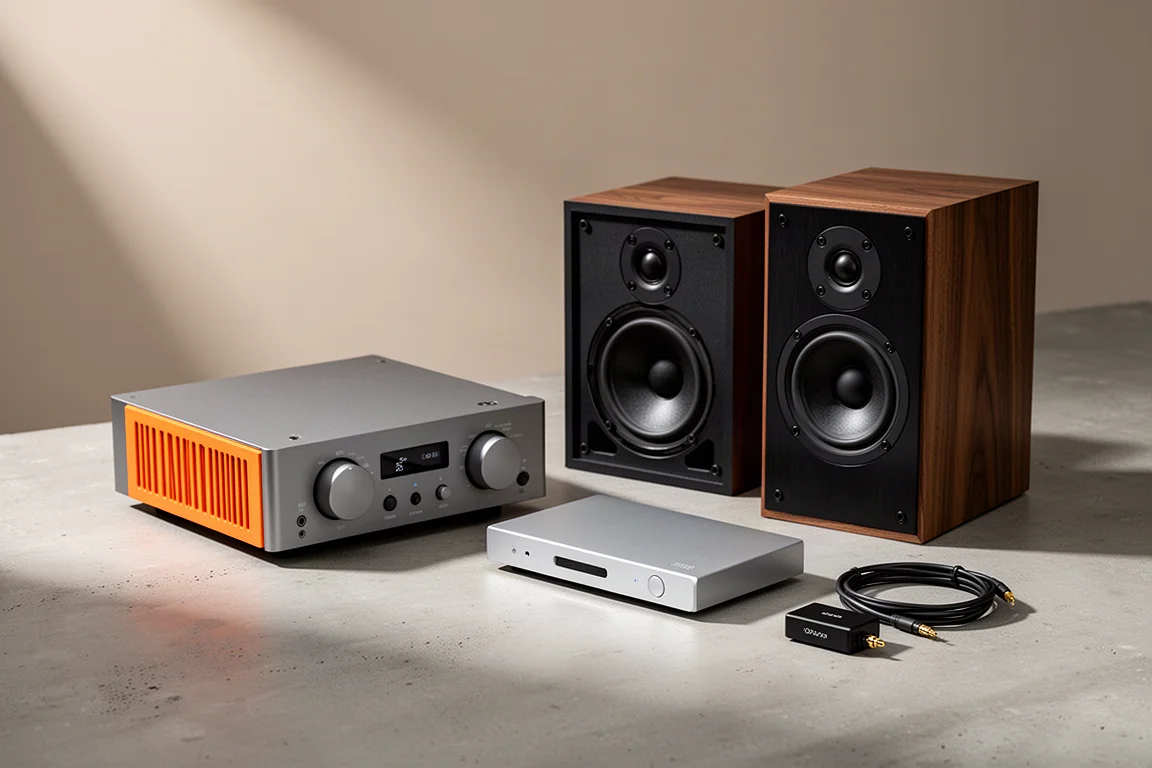
Best Hi-Fi Products of 2022: Award Winners and Value Picks
A curated look at the standout hi-fi components of 2022, from floorstanding speakers and bookshelf kits to integrated amplifiers and DACs.
Hi-Fi
Best Hi-Fi Gear: Standout Amplifiers, Speakers, DACs and Streamers
A curated roundup of standout hi-fi components, covering amplifiers, speakers, DACs and streamers from around $30 to $2,500.
Hi-Fi
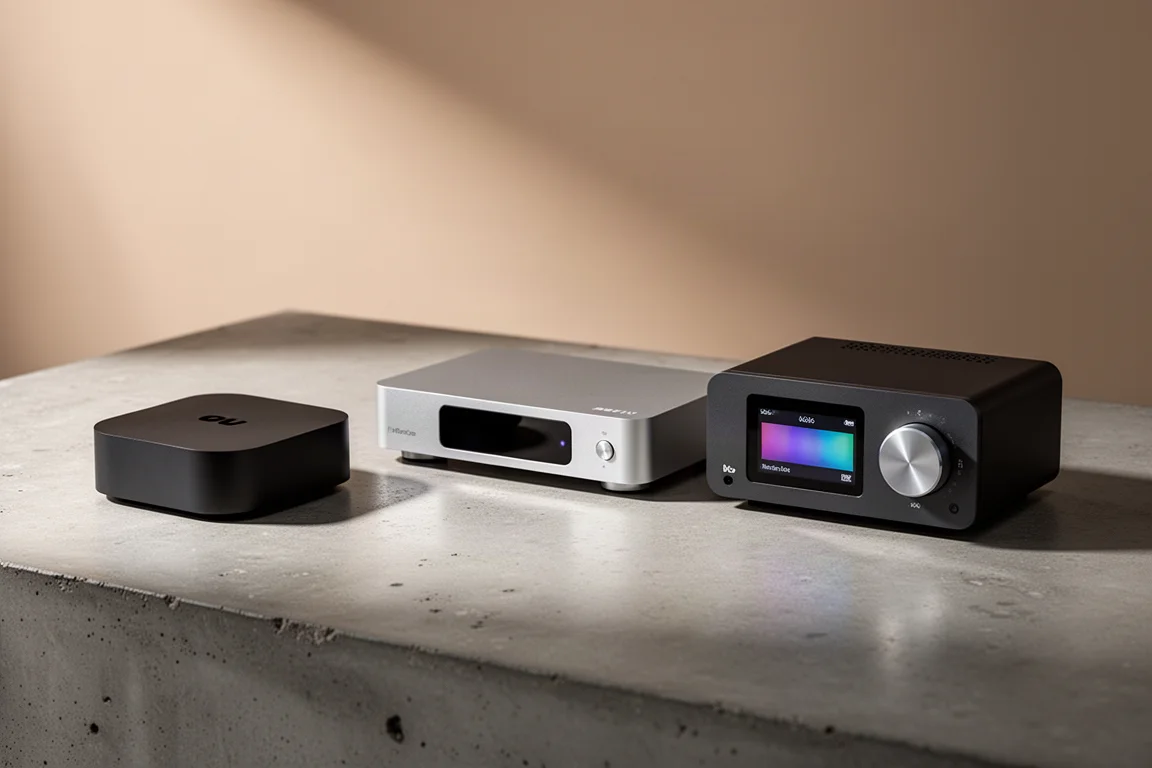
Best Hi-Fi Source Components: DACs and Streamers by Price Tier
A practical guide to seven standout DACs and streamers across three price bands, covering sound character, connectivity and the trade-offs that matter before you buy.