Cookware
Best HexClad Alternatives: 10 Pans Worth Considering Instead
Hybrid cookware alternatives to HexClad, from hex-pattern lookalikes to cast iron, carbon steel, and a smarter two-pan strategy.
Introduction
HexClad pans have a hybrid surface that sears like stainless steel, releases food like non-stick, and stands up to metal utensils. The trade-off is the price, which is hard to ignore. The good news is that several brands now offer similar hybrid designs, and a few very different pans deliver comparable results for much less money.
This guide covers the best alternatives we found, tested side by side against HexClad, so you can decide where the original is genuinely worth it and where a substitute makes more sense.
Evaluation Criteria
A HexClad alternative has to hit the same core benefits: searing performance, easy food release, metal utensil durability, and a long usable life. Price matters too, since most buyers looking for alternatives are trying to keep those benefits while spending less.
It also helps to know HexClad’s weak points before comparing: the pans are expensive, the raised steel pattern can in rare cases scratch a cooktop, and the hybrid surface needs to be greased before cooking eggs or similar foods.
Closest Lookalike: Henckels HXagon
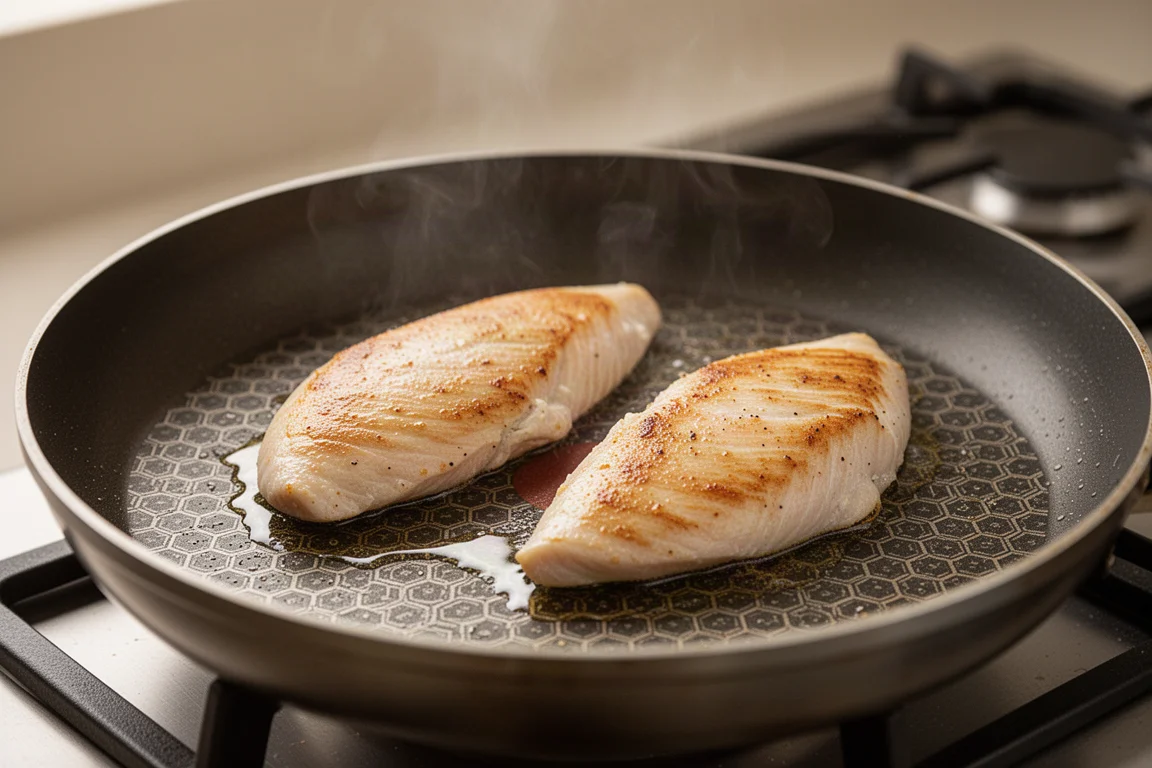
Henckels is known for kitchen knives, but its HXagon cookware collection borrows the HexClad playbook. These pans have a hexagon pattern on the interior with raised stainless steel peaks protecting the non-stick coating below, plus the same 3-ply stainless steel construction.
The differences are worth knowing. Henckels pans are 2.4 mm thick versus HexClad’s 3 mm. Cooked side by side, both seared chicken and burgers evenly, but the thinner Henckels pan cooked eggs and pancakes noticeably faster. The handles are rounded like HexClad’s, though longer, angled higher, and with a small groove on top. HexClad extends its hybrid pattern to the bottom of the pan, while Henckels pans have a smooth stainless steel bottom. The non-stick coating makes HexClad easier to clean, but the raised pattern carries a small risk of scratching glass cooktops.
The biggest difference is price. A 12-inch HexClad frying pan lists for $179 on HexClad.com, while the Henckels 3-piece HXagon set, including 8, 10, and 12-inch frying pans, is listed at only $87 on Costco.com. That makes the Henckels pans cost less than half the price of HexClad.
Runner-Up Lookalike: Cooksy
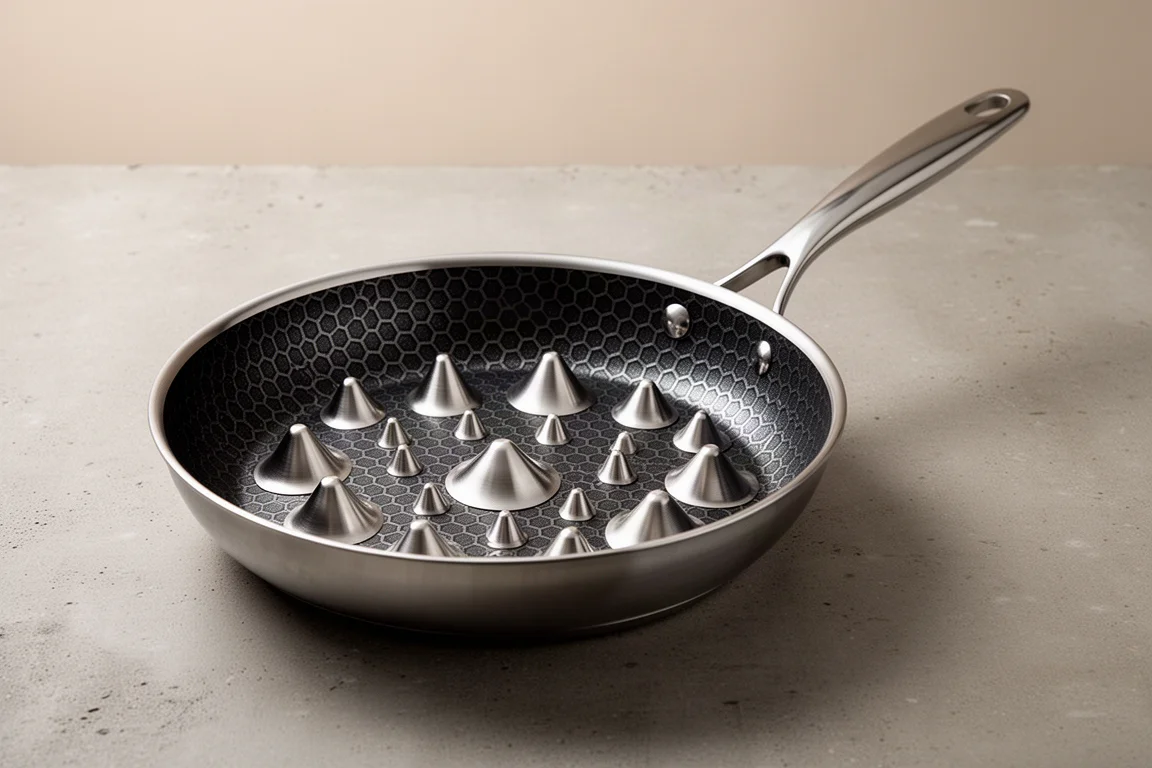
Cooksy pans look almost exactly like HexClad but cost less and add a few thoughtful design touches. The surface has more exposed steel than HexClad, which keeps oil pooled in the center of the pan and protects the non-stick coating, though it means greasing the surface with a bit more fat to prevent eggs from sticking.
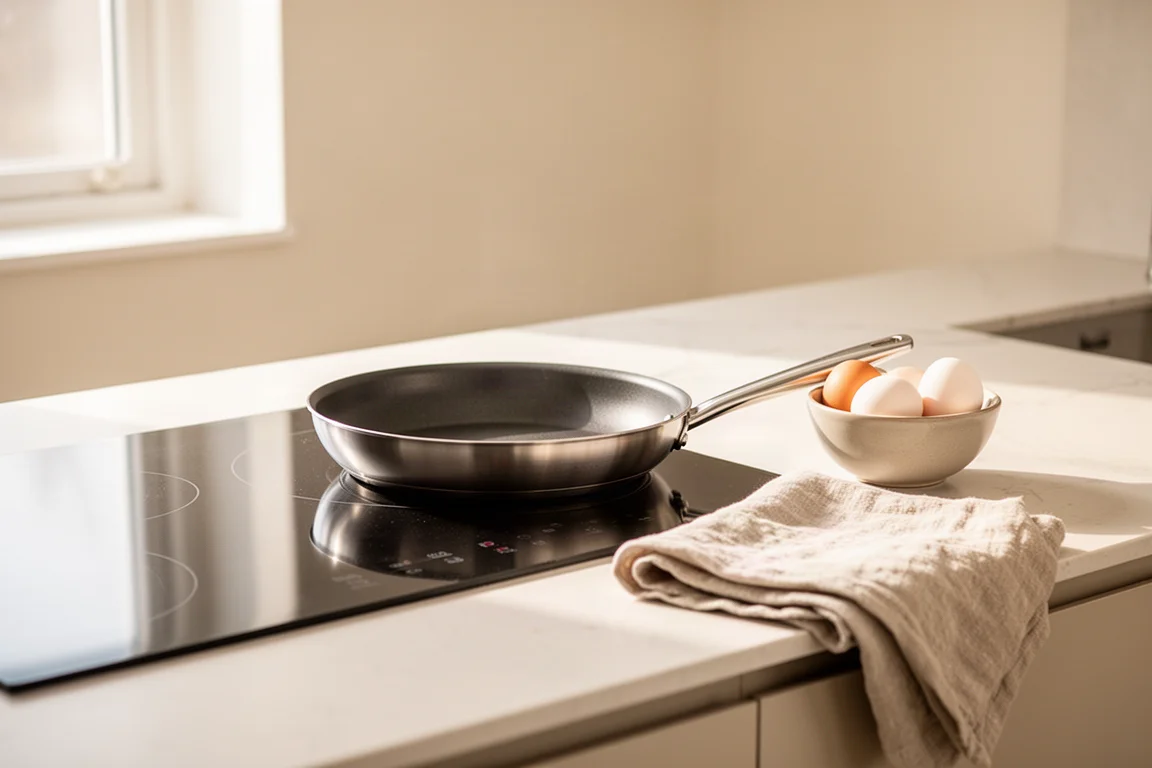
The handle design differs too. Cooksy handles are angled higher with a wider circumference and attach with screws rather than rivets, so the cooking surface is completely smooth and easier to clean. The 12-inch frying pan also includes a helper handle for lifting with two hands, something HexClad frying pans lack, and like the Henckels pans, the bottom is smooth stainless steel.
The main downside is selection. Cooksy only offers a few frying pans, saucepans, stock pots, and sets, while HexClad has a much wider range including specialty items like roasting pans and griddles. Pricing runs 20 to 30 percent below HexClad depending on the piece.
Also Strong: Anolon X
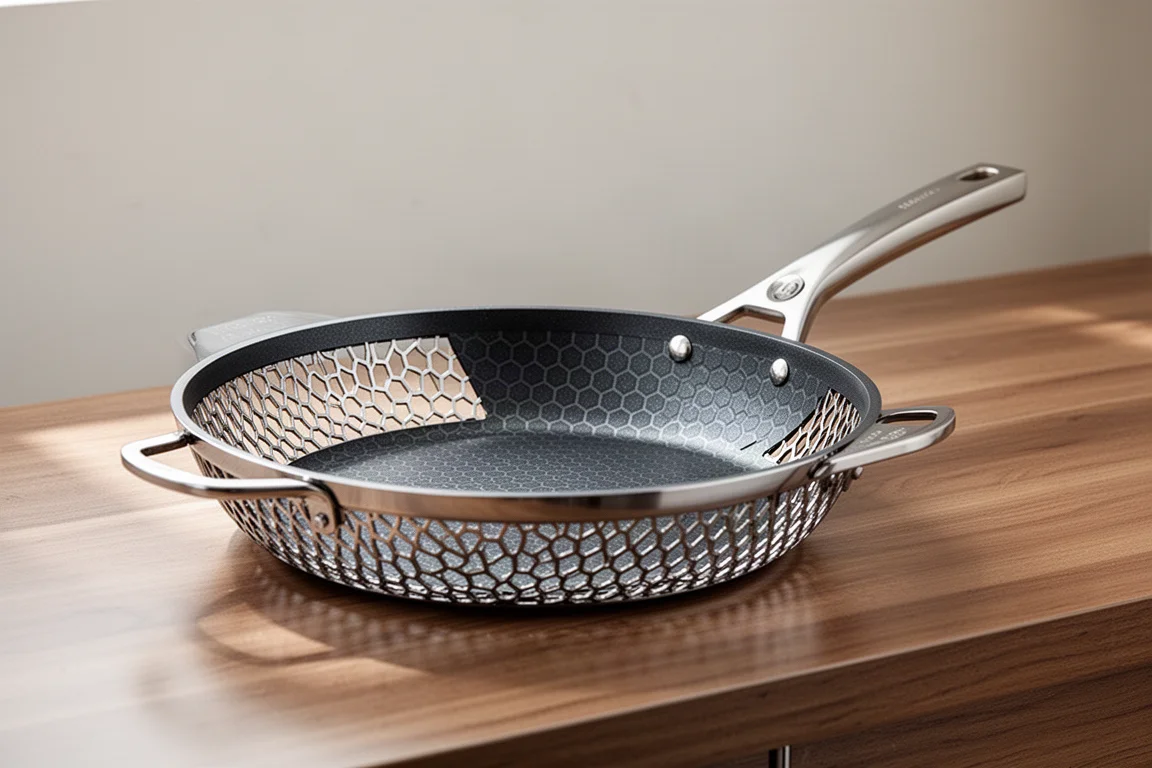
Anolon X is another hybrid collection with steel integrated into the non-stick surface. Like HexClad, the pans sear well and resist sticking as long as the surface is greased, and the steel mesh does a good job keeping oil in the center of the pan. The pans are metal utensil-safe, oven-safe up to 500°F, and dishwasher-safe.
Construction is the big difference. Anolon X pans are slightly thinner and made of aluminum. Since aluminum is not magnetic, a steel plate is bonded to the bottom for induction compatibility. The result is faster heating, but less heat retention than HexClad’s thicker, fully clad stainless steel build.
The handles are arguably better. HexClad’s round handles can rotate in your hand if your grip is greasy or wet, or if you are using a towel or oven mitt. Anolon X handles are flat on top and bottom with a slight curve for your thumb, giving a more secure grip, and the flush rivets are flat and easier to clean than HexClad’s protruding standard rivets. Anolon X pans are not cheap, but the 12-inch pan costs $129 on Anolon.com versus $179 for the same size HexClad.
Not a Lookalike, But Just as Practical: Cast Iron and Carbon Steel
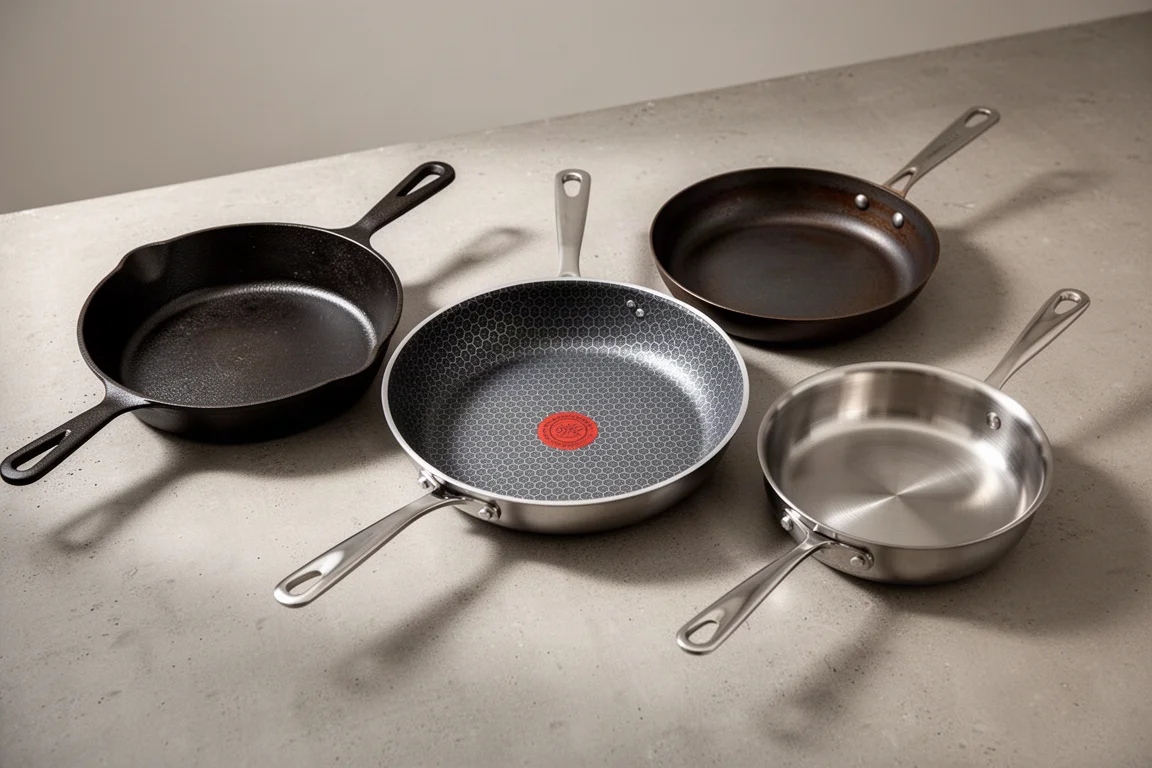
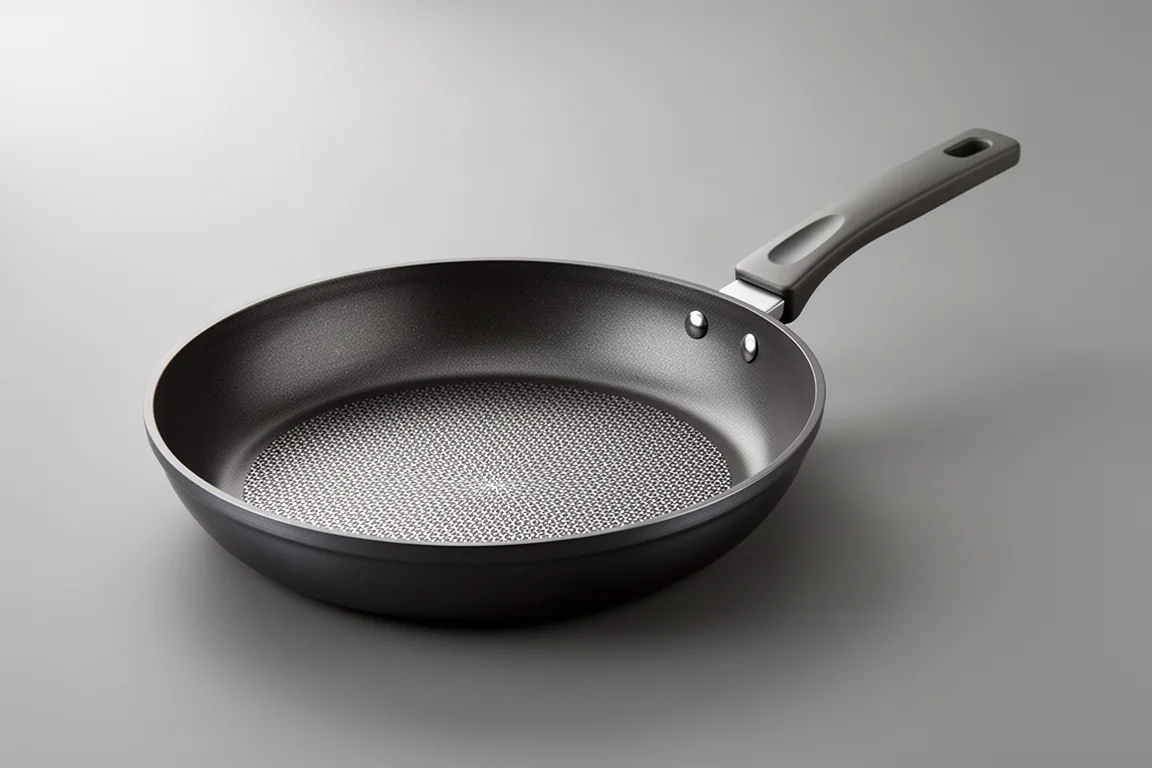
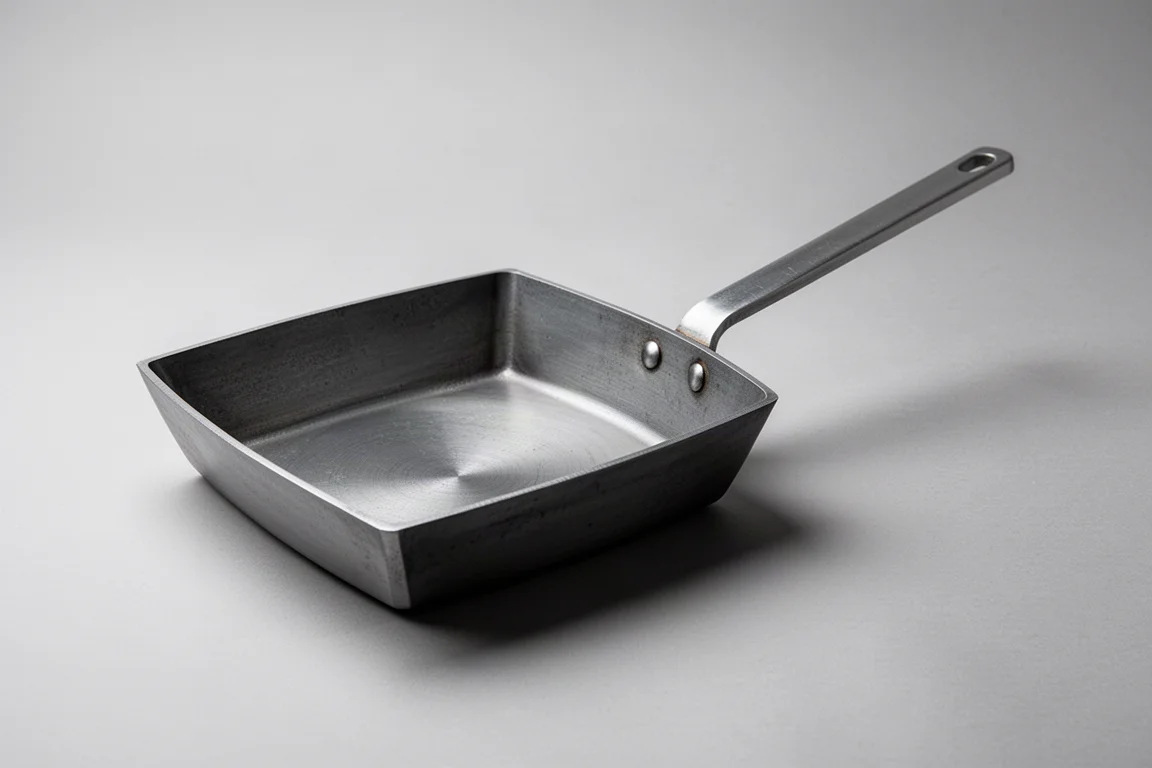
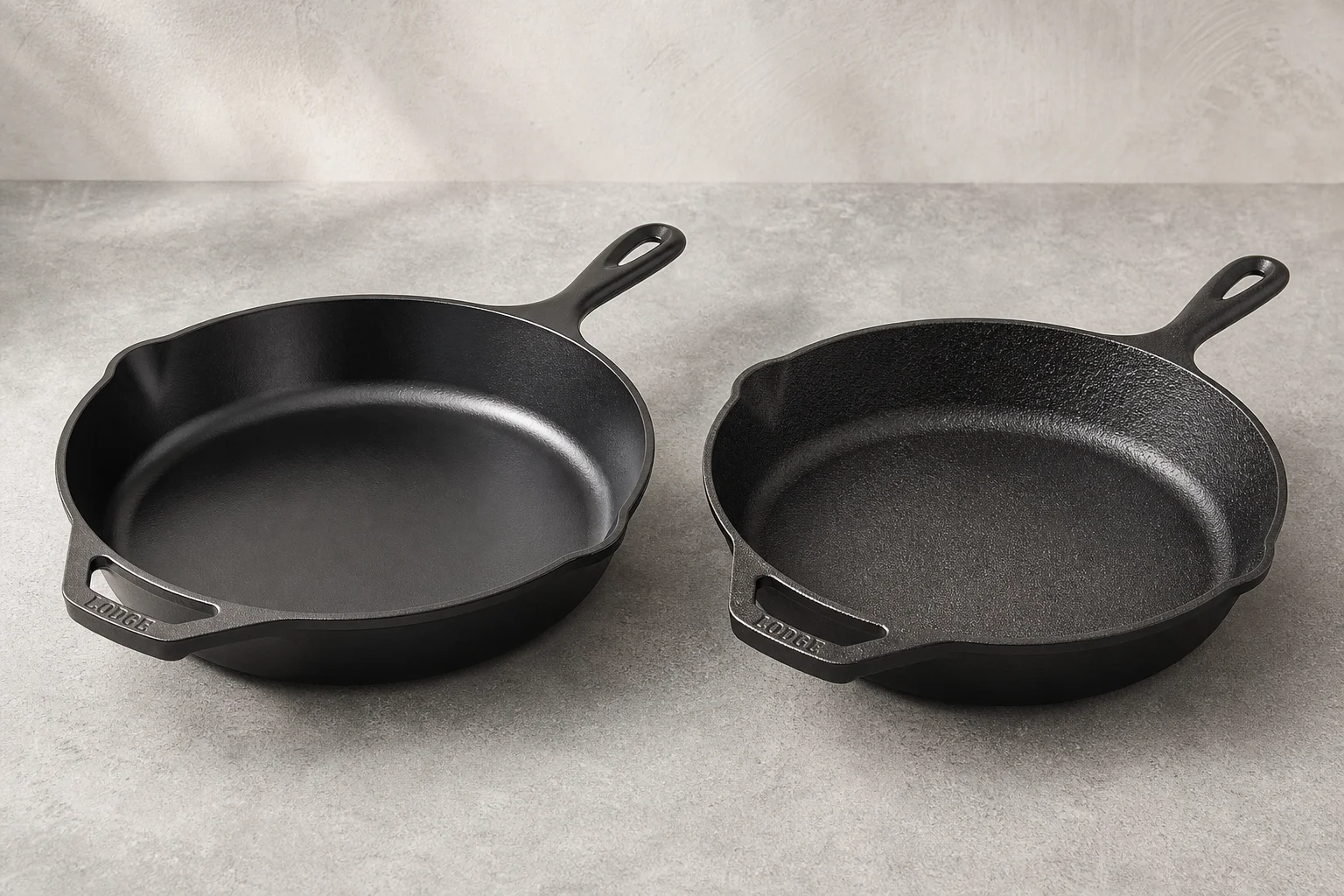
Cast iron pans look nothing like HexClad and are made from entirely different materials, yet they can match or beat HexClad in the kitchen. HexClad’s core benefits are searing, easy food release, metal utensil durability, and longer life than traditional non-stick. A well-seasoned cast iron skillet checks all of those boxes too. It can last for generations and, because it is thicker with superior heat retention, it often sears better than HexClad.
The trade-offs go both ways. HexClad is lighter and can simmer acidic sauces for hours, while large amounts of acidic ingredients cooked for long periods can degrade cast iron seasoning. Trusted brands like Lodge cost less than half the price of HexClad.
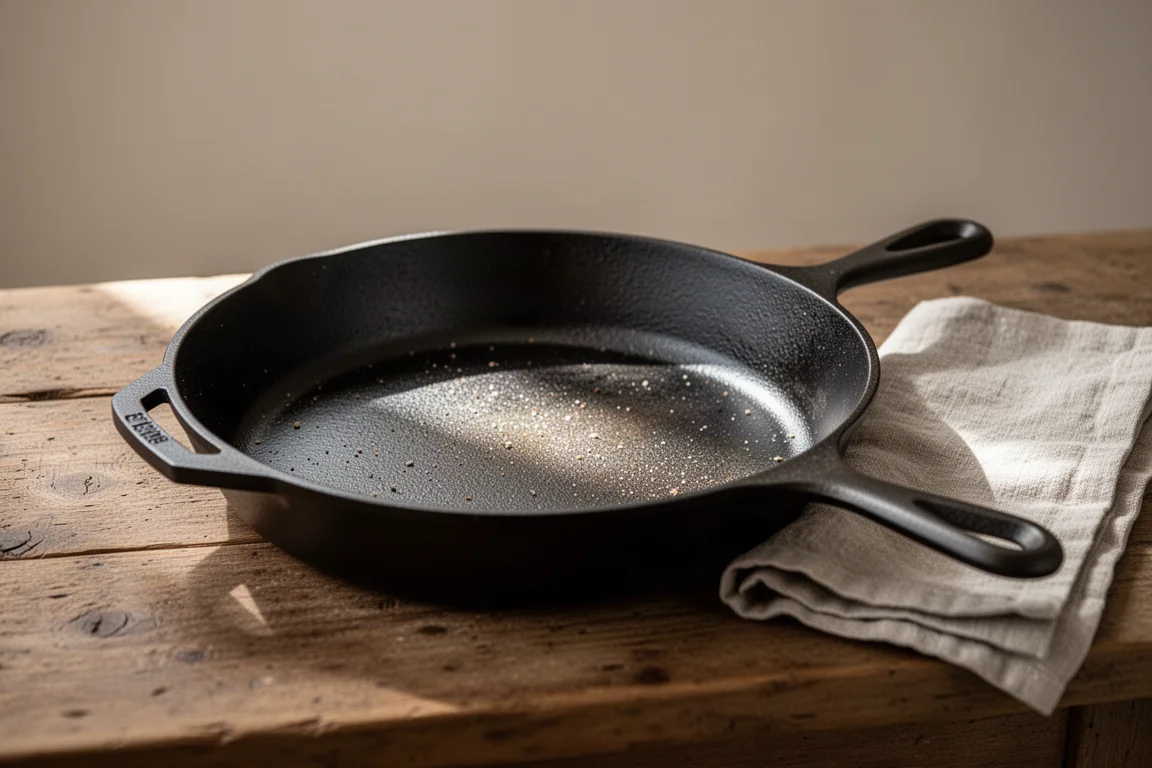
If weight is the concern, carbon steel is a lighter option with almost the same benefits. The point is that you do not need to buy a HexClad lookalike to get HexClad-style results. Brands like Lodge and Matfer provide similar performance at a much lower price.
The Two-Pan Strategy: Stainless Steel Plus Non-Stick
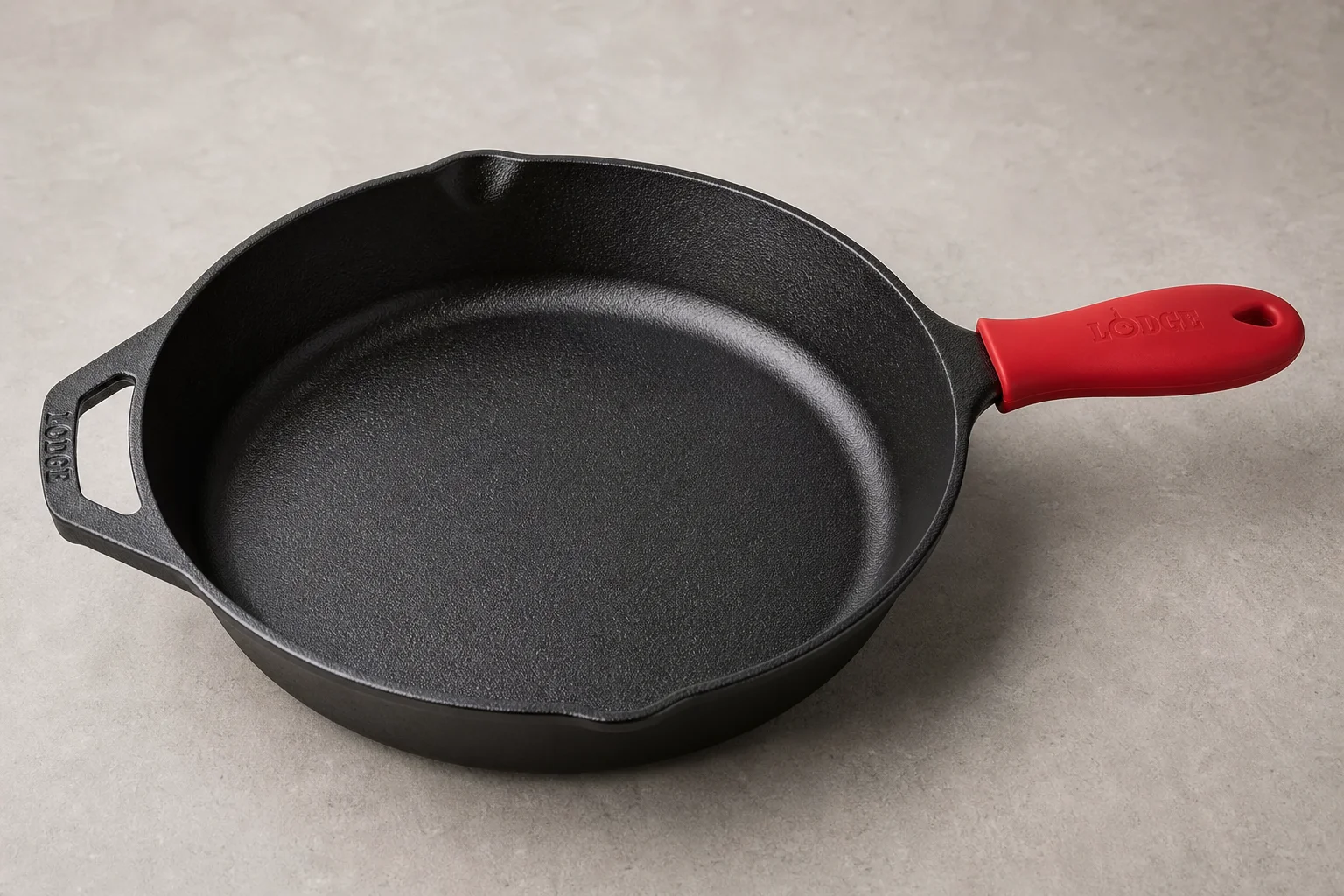
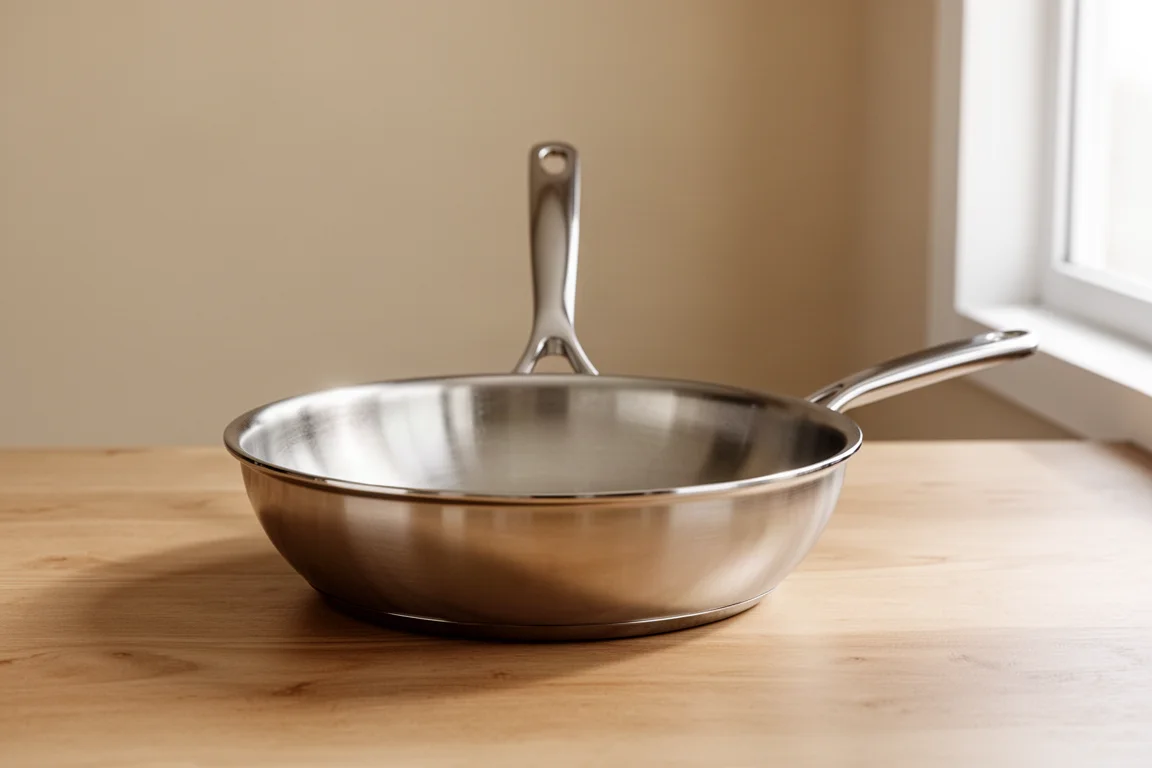
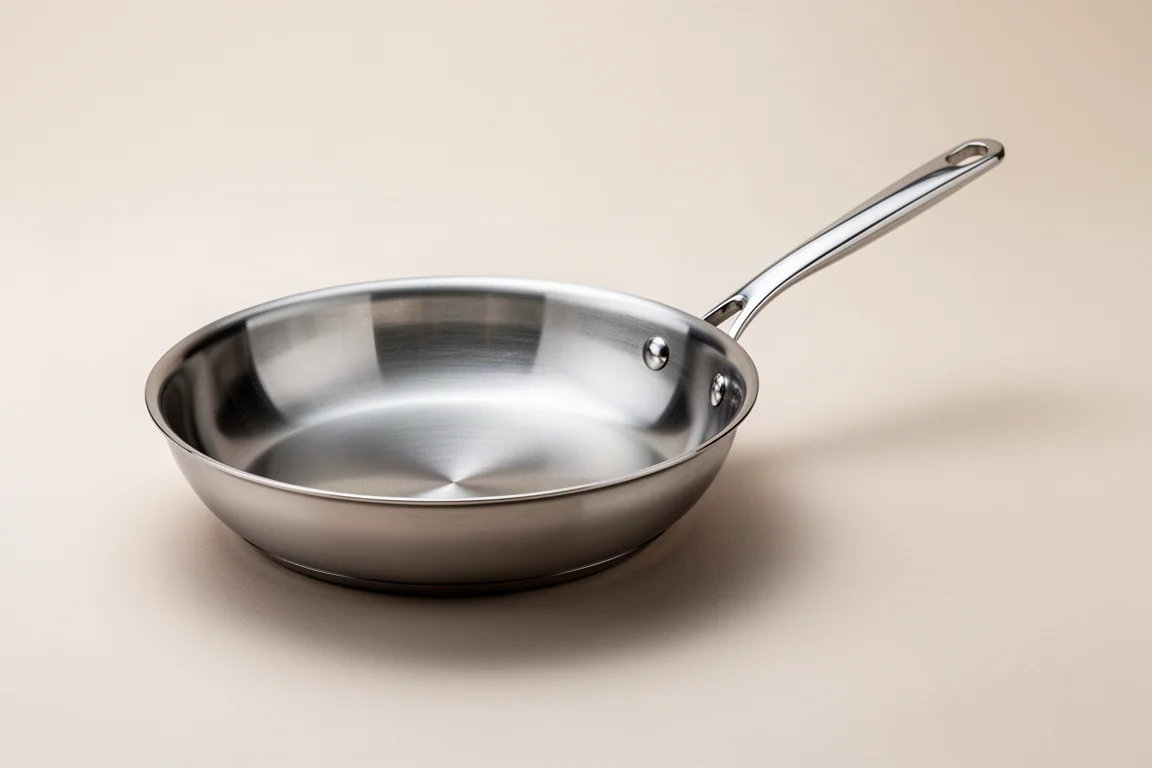
Instead of one pan that combines stainless steel and non-stick, another practical and cost-effective route is buying two separate pans: a stainless steel pan and a non-stick pan. You get better non-stick performance from a dedicated non-stick pan, and a traditional stainless steel pan is more durable because it has no coating that can wear out over time.
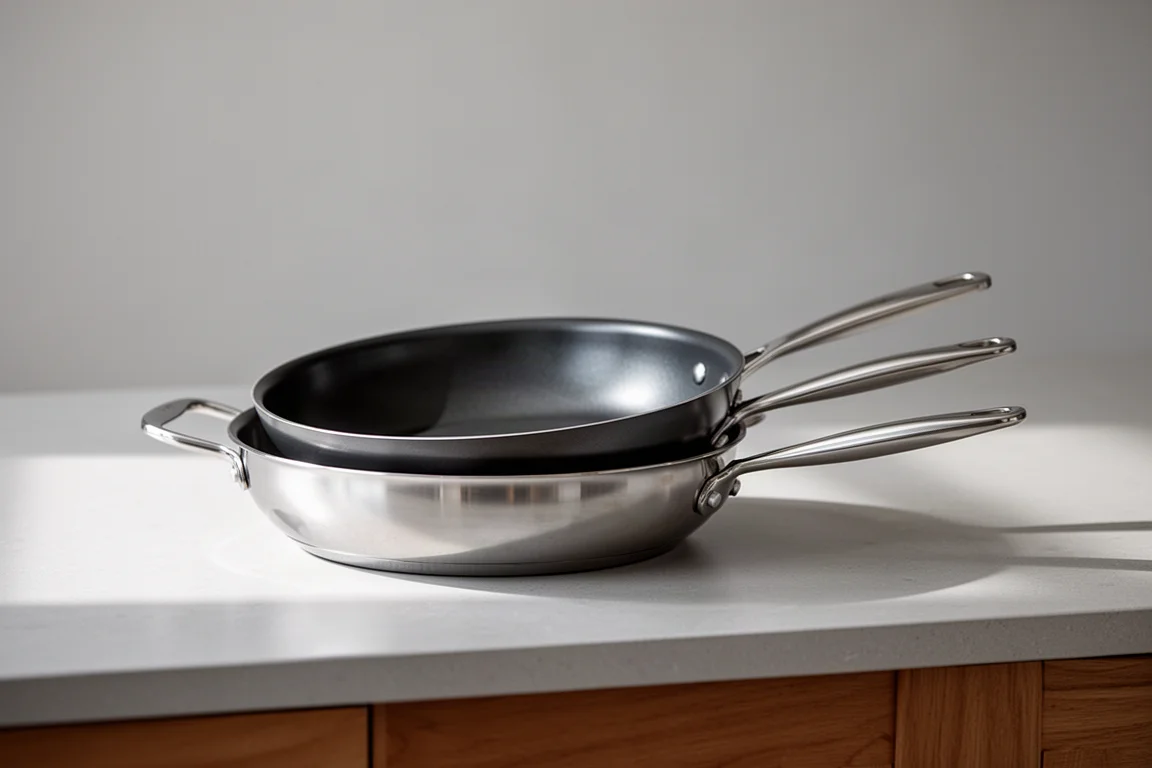
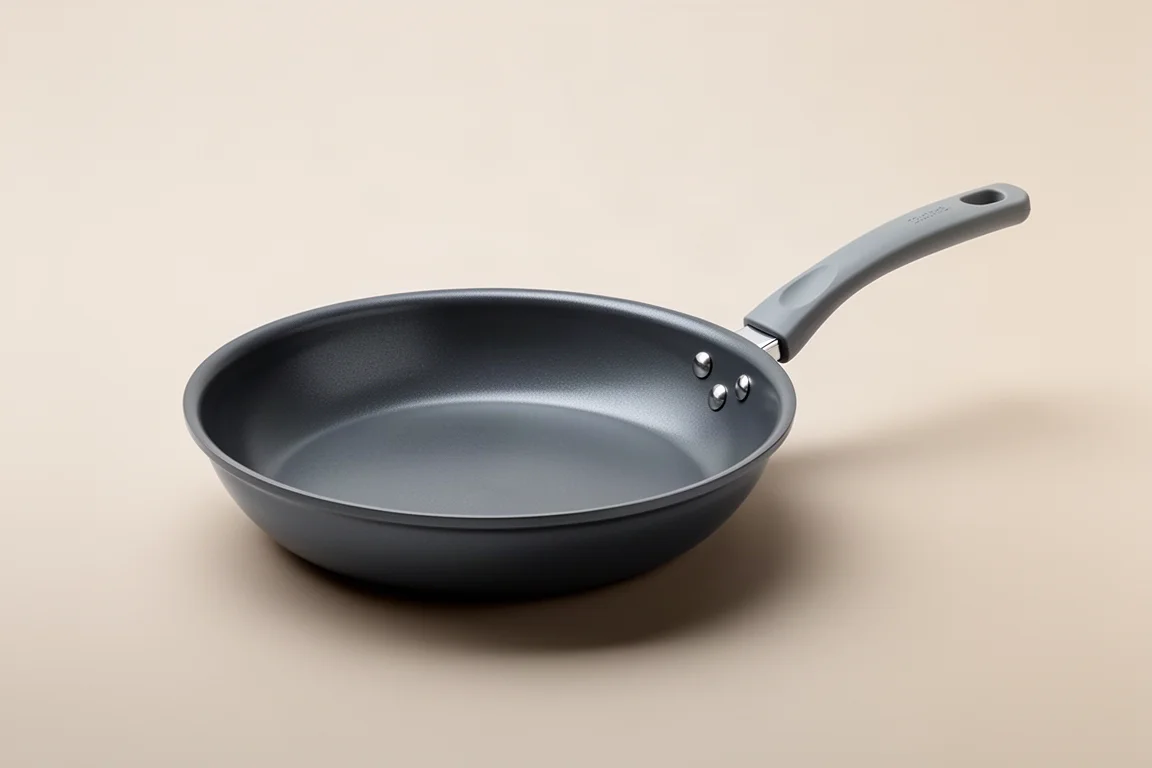
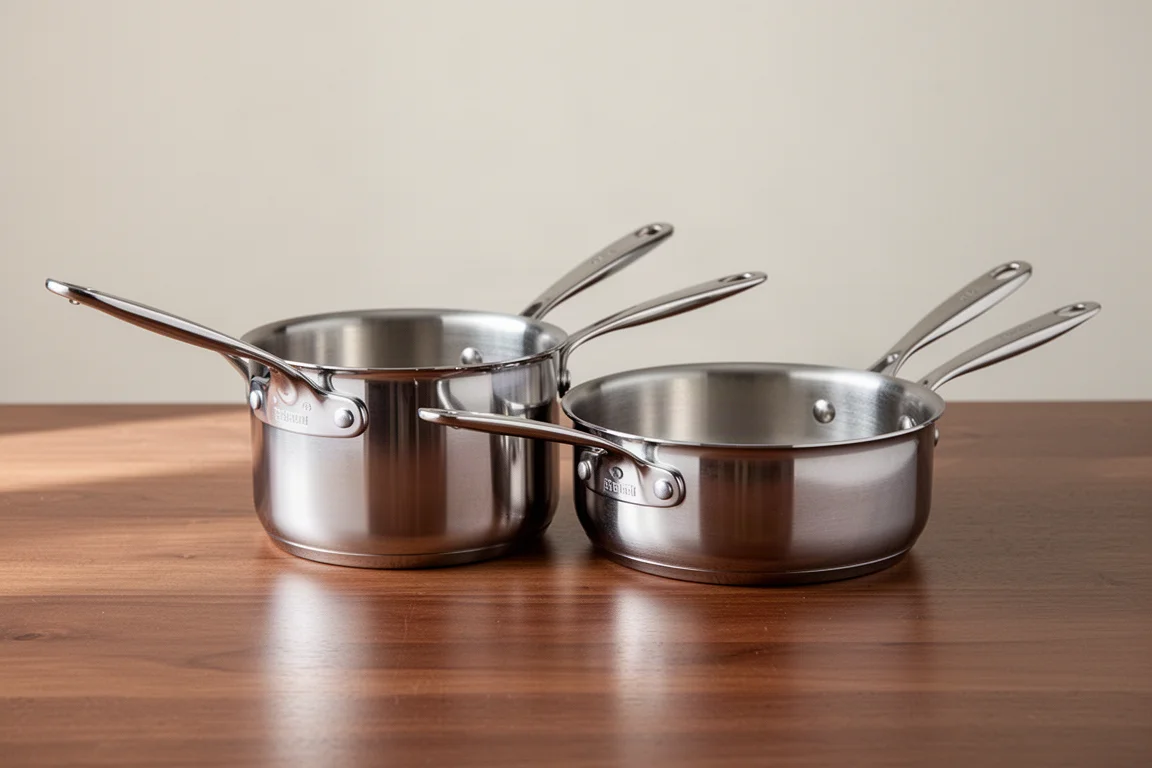
It might sound like buying two pans costs more, but that is not the case here. A favorite non-stick pick is the Tramontina Professional 12-inch fry pan at only $40 on Tramontina’s website. Pair it with a stainless steel pan such as the Heritage Steel Eater series, Misen, or Goldilocks, and you save money compared to HexClad while ending up with two quality pans.
Overall Buying Advice
If you want the closest HexClad experience, the Henckels HXagon line is the strongest value, though the thinner build changes cooking speed slightly. Cooksy is a near-identical lookalike with clever handle and surface design but a limited catalog. Anolon X stands out for its secure handle grip and flush rivets.
If you are open to leaving the hybrid category entirely, Lodge cast iron and Matfer carbon steel deliver similar or better searing for far less, and the two-pan strategy of Tramontina non-stick plus Heritage Steel, Misen, or Goldilocks stainless steel gets you two pans for roughly the price of one HexClad skillet. If you want the original regardless of price, HexClad remains the most polished version with the widest selection.
Conclusion
HexClad’s hybrid surface is genuinely good, but it is not the only way to get searing power, easy release, and metal-utensil durability. Between hex-pattern lookalikes, cast iron, carbon steel, and a smart two-pan pairing, there is an alternative here for almost every kitchen and budget.
Further reading
Related Reviews
Cookware
Best Carbon Steel Pans Tested: Which Brands Deliver Real Value
We tested eight popular carbon steel pans with controlled durability, heat, and cooking tests. Here's which ones perform best and which to avoid.
Cookware
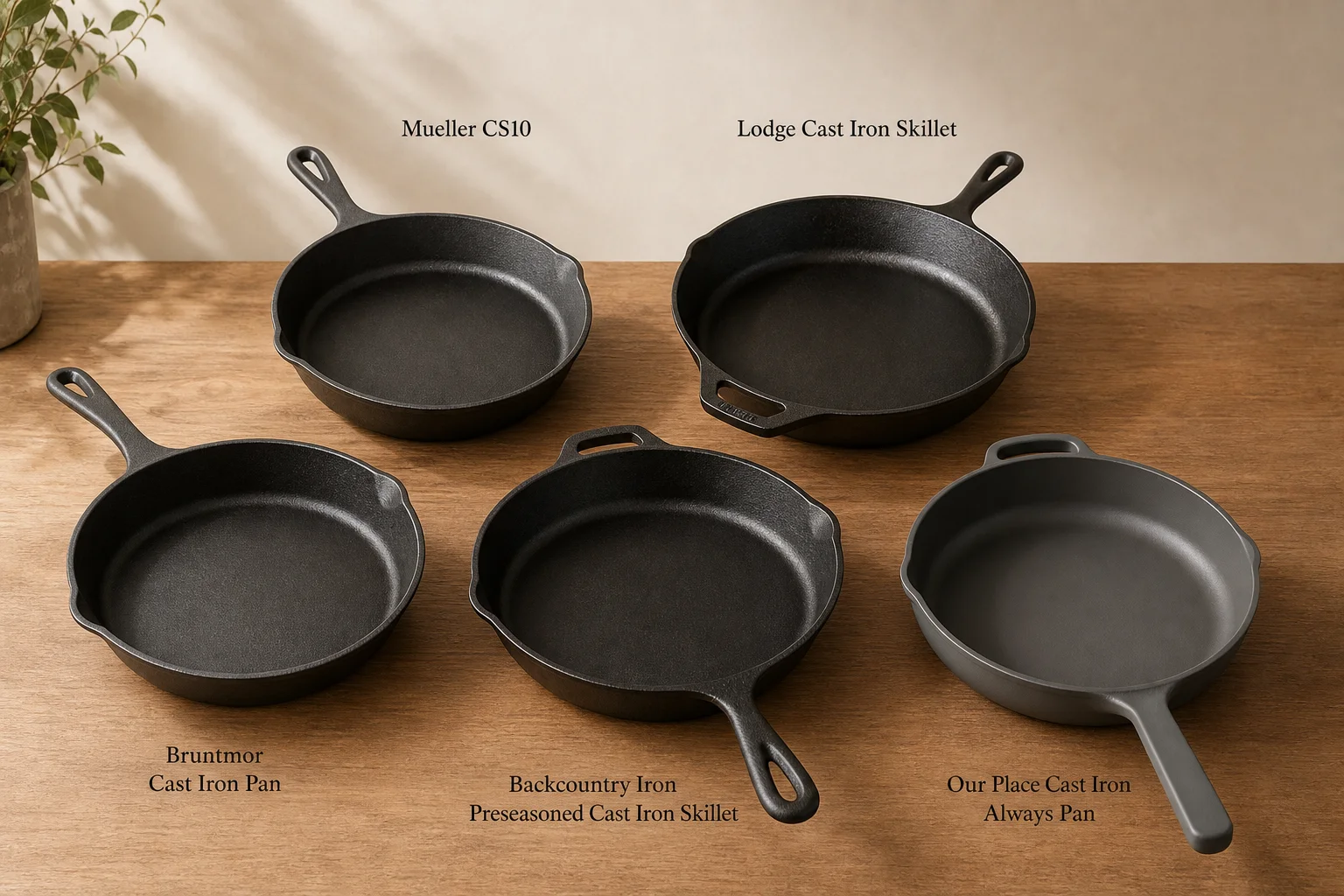
Best Cast Iron Pans 2026: Five Options from Budget to Premium
A practical breakdown of five cast iron skillets, from affordable Mueller to premium Our Place, with clear strengths and trade-offs for different cooking needs.
Cookware
Best 12-Inch Cast Iron Skillets: Premium Craftsmanship vs. Reliable Budget Option
Two standout 12-inch cast iron skillets tested for heat retention, surface finish, and durability. One premium choice and one budget-friendly alternative that both deliver.