Winter Gear
Best Heated Gloves and Glove Liners: 16 Pairs Put Through Real Cold-Weather Testing
Sixteen heated gloves and glove liners compared on heating speed, heat retention in a -30° freezer, grip, bulk, and battery runtime to find the pair actually worth buying.
Introduction
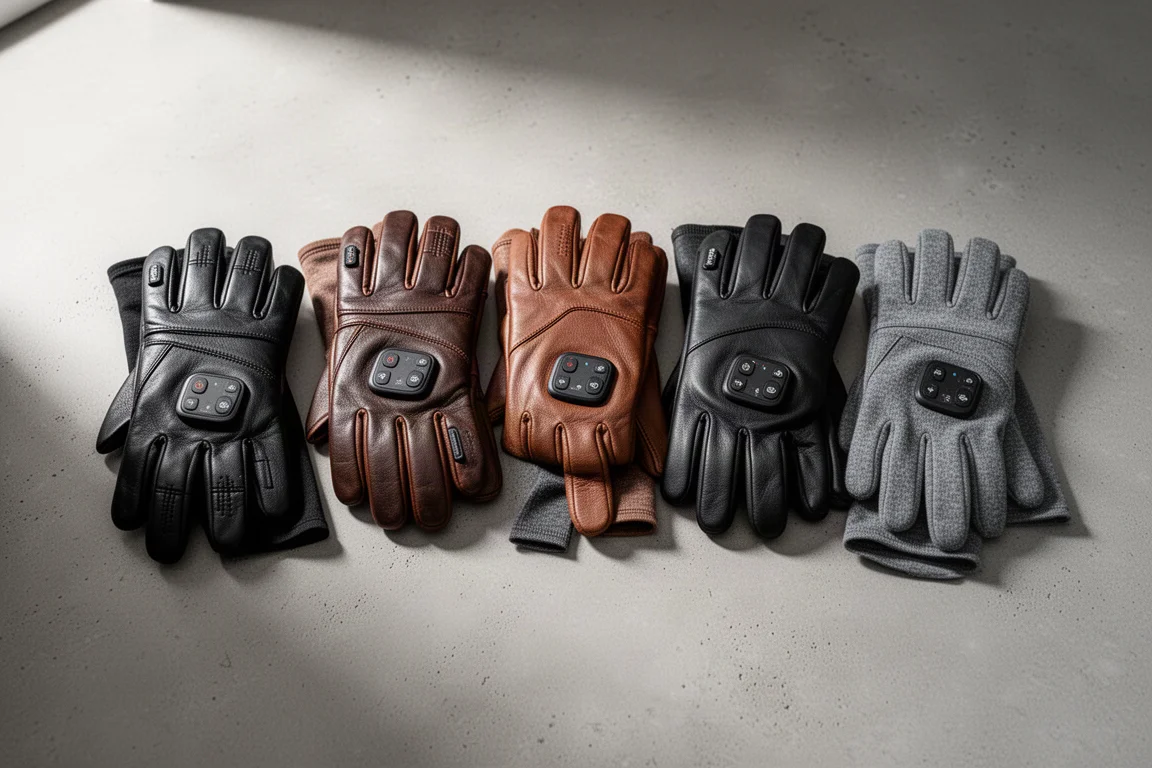
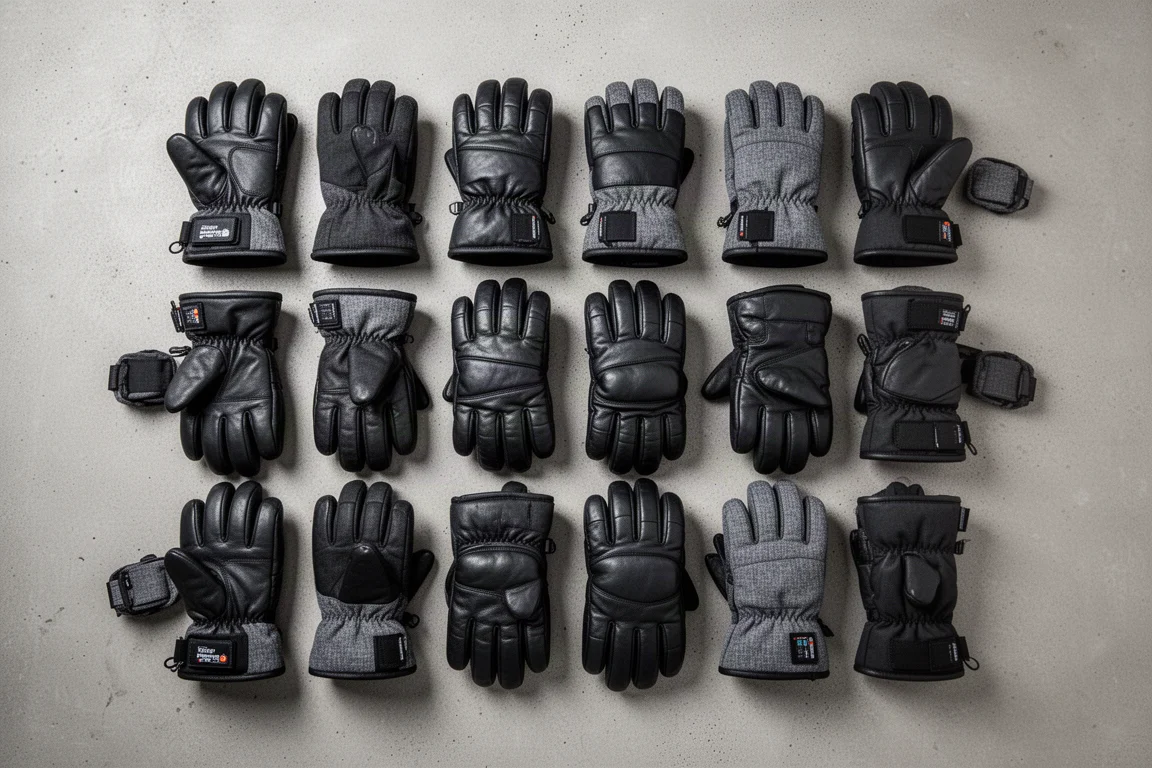
After testing heated coats, requests kept coming in to put heated gloves through the same kind of testing. So that is exactly what happened: sixteen pairs, including four glove liners and one unheated control pair, were compared across heating speed, heat retention inside a freezer, wind resistance, grip, bulk, and total battery runtime.
The results turned out to be a great reminder that price does not always predict performance. The least expensive heated glove in the test ended up outperforming pairs costing more than three times as much.
How We Tested
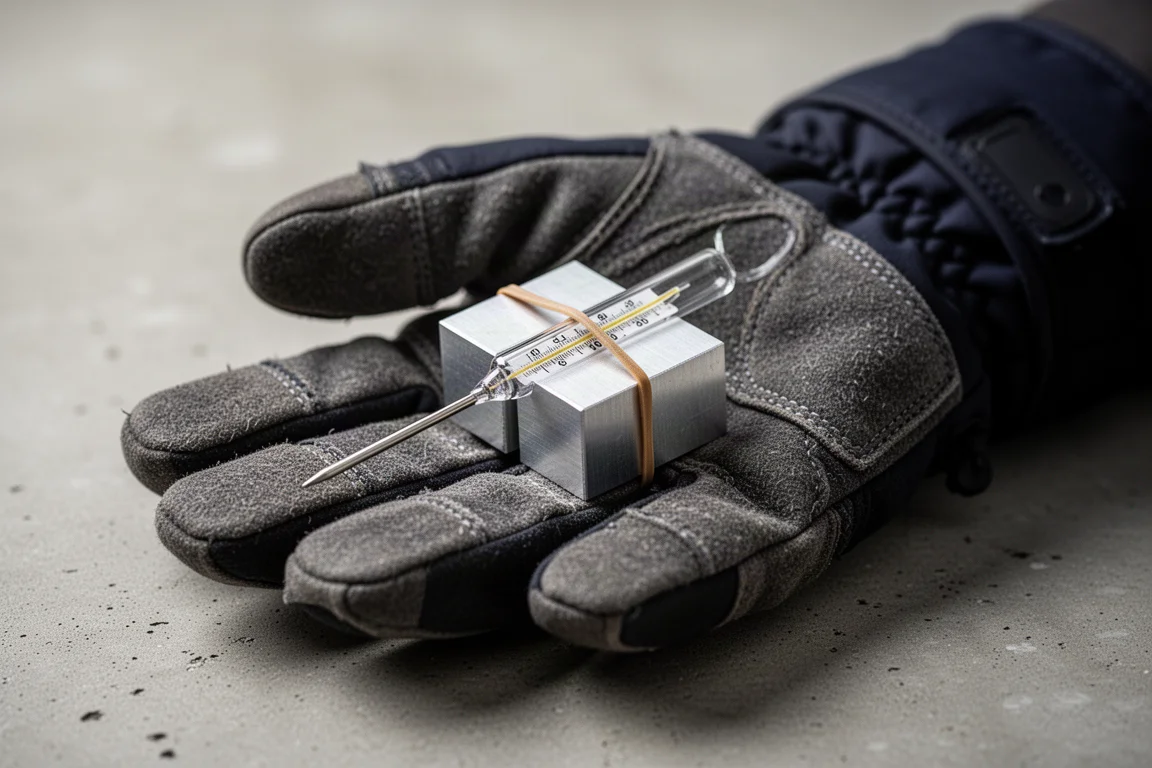
Each glove was run through the same series of tests. First, a heating test: a temperature probe was placed between two aluminum cubes held tightly together with a rubber band, positioned inside each glove to measure how much heat the glove could add to cold hands over ten minutes.
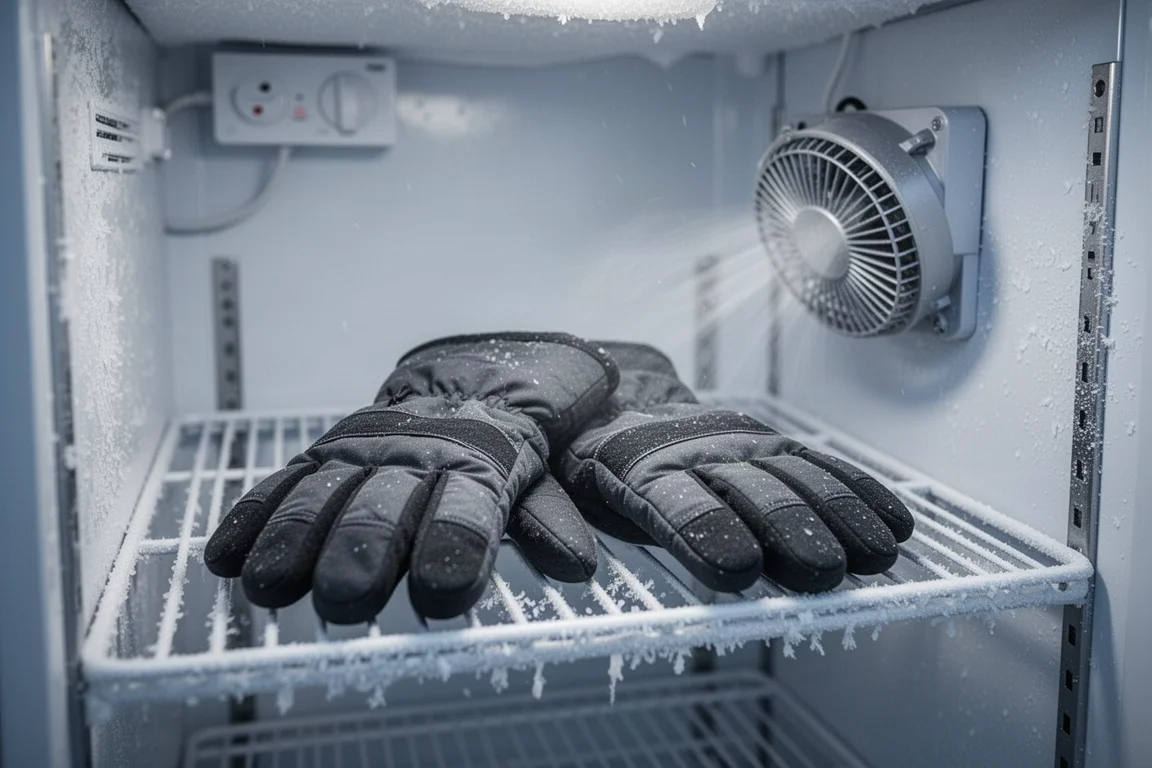
Next came a heat retention test. After five minutes of preheating on the highest setting, each glove went into a freezer set to -30° C (about -22° F) for fifteen minutes. The same test was then repeated with a small fan moving air across the gloves to simulate being outside on a windy, moving day. Grip was measured with a clamped glove gripping a smooth flat iron, and finally, every pair was run down from a full charge on the highest heat setting to measure true battery life.
A non-heated pair of Seepro gloves, rated for weather down to -30° F, served as the control so the heated pairs could be judged against something realistic.
Warm-Up Test Results
The Hampress gloves delivered the biggest temperature gain of the entire field, adding 35.8° to the aluminum cubes over ten minutes. Milwaukee Leather finished second at 27°, and the Dr. Warm glove liner led all liners with a 24.4° increase.
Every heated glove and liner beat the unheated Seepro control, which managed only a 10.8° gain. Bulk mattered too: the gloves ranged from about 4.08 to 4.5 inches across the hand, while all the liners were noticeably slimmer, with the Maco liner coming out on top at 3.5 inches.
Heated Gloves Reviews
Here is how each heated glove performed, in order of price.
Savior Heat Heated Gloves: $50
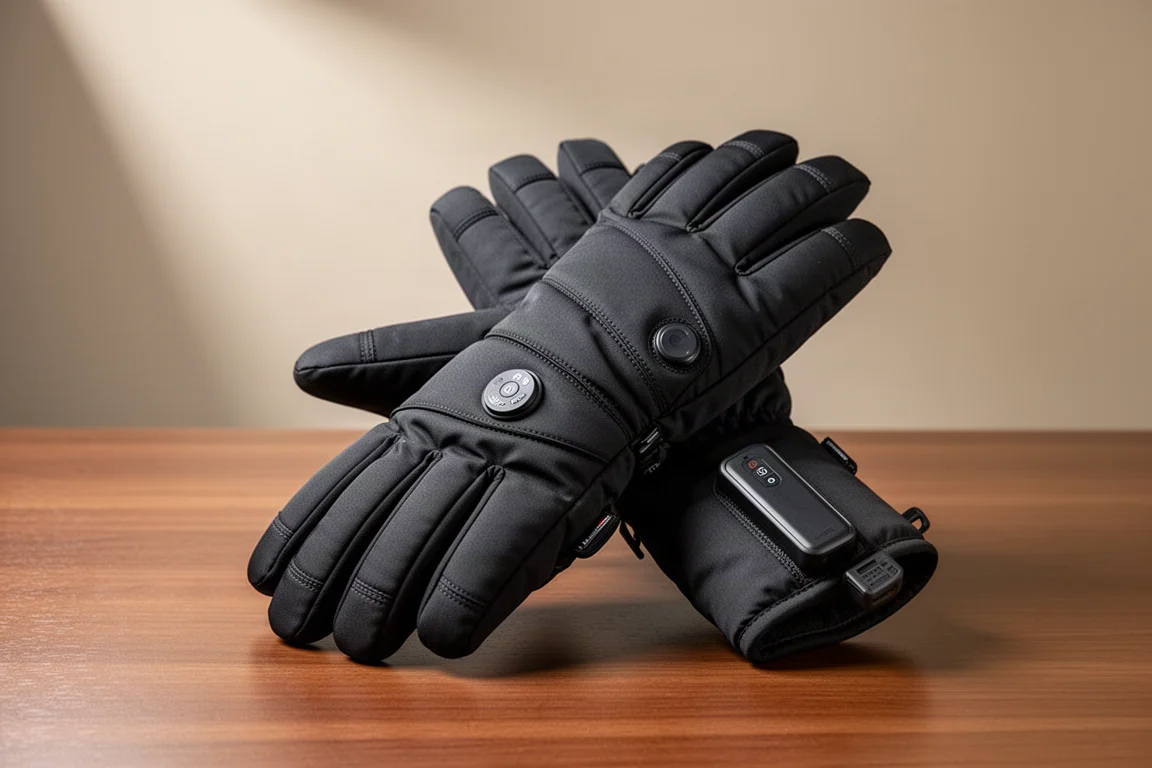
The least expensive glove in the test includes two 3,000 mAh lithium polymer batteries, four heat settings from 113 to 140° F, and a battery pocket on the inner palm side. It added 20.6° in the warm-up test, but it dominated where it counted: the best average temperature in the freezer test at 87.55°, the best wind test result at just over 87°, and the longest battery runtime at 243 minutes. It is also among the less puffy gloves at 4.08 inches, though the battery has no charge indicator.
Luision Heated Gloves: $54
The Luision includes two 4,000 mAh batteries with a battery life indicator, claimed 3M Thinsulate insulation, waterproof construction, and touchscreen capability. Despite the larger batteries, it only gained 14.9° in the warm-up test and struggled badly in the freezer and wind tests, losing heat nearly as fast as the unheated control. On the plus side, it scored over 15 in the grip test and lasted 196 minutes.
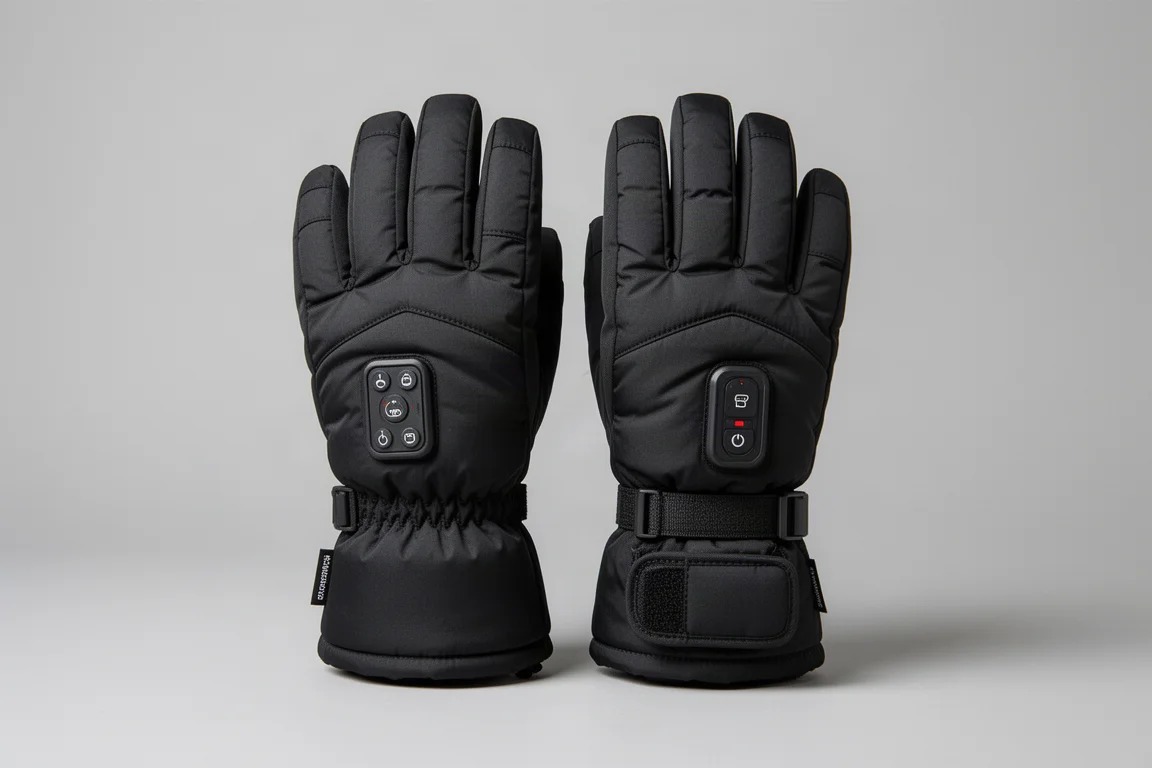
Hampress Heated Gloves: $60
The Hampress has genuine goat leather palms, two 3,000 mAh batteries, touchscreen capability, and four heat levels from 113 to 141° F. It won the warm-up test outright with a 35.8° gain, with fingers reaching around 110° after just five minutes. Its grip result was not among the standouts, and the battery has no level indicator, but as a heating performer it is excellent.
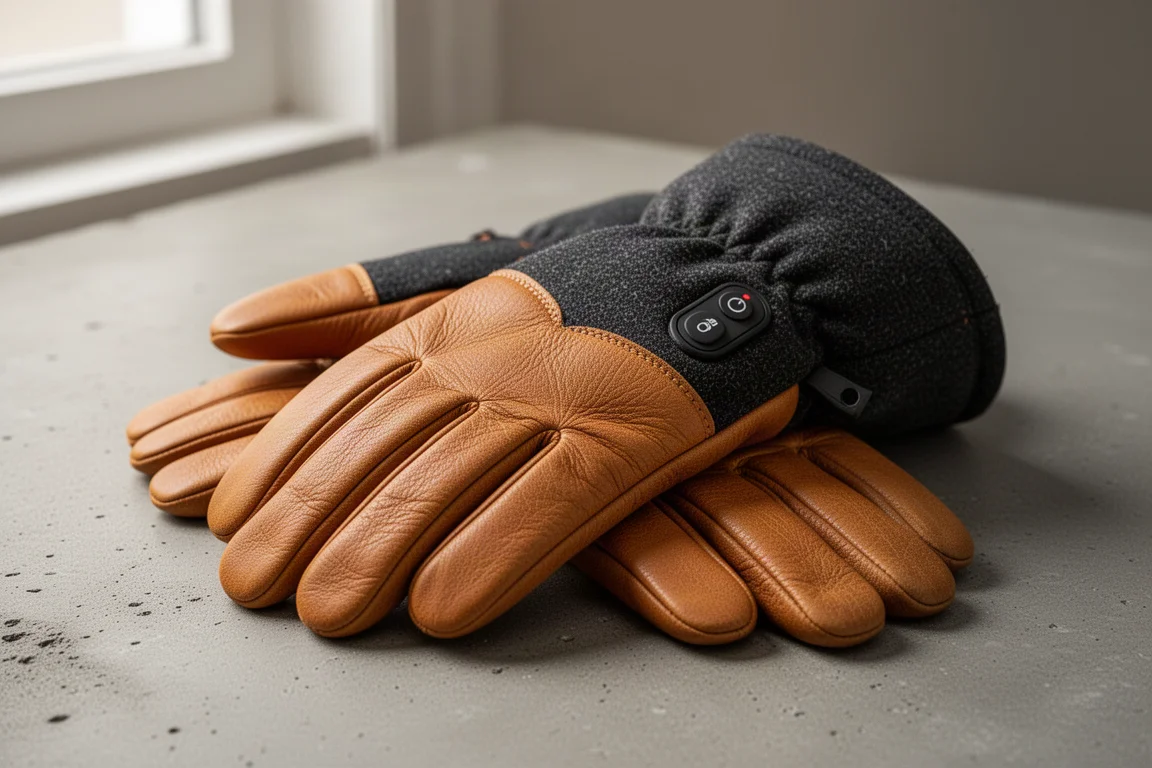
Mr. Warm Heated Gloves: $61
Mr. Warm packs the largest batteries in the glove group at 5,000 mAh, with a battery level indicator, a waterproof and windproof layer, and a high setting of 150 to 160° F. It gained 23° in the warm-up test, and in the freezer and wind tests it kept the palm area warm even while the fingers cooled. Charging takes 6 to 8 hours, which is worth planning around.
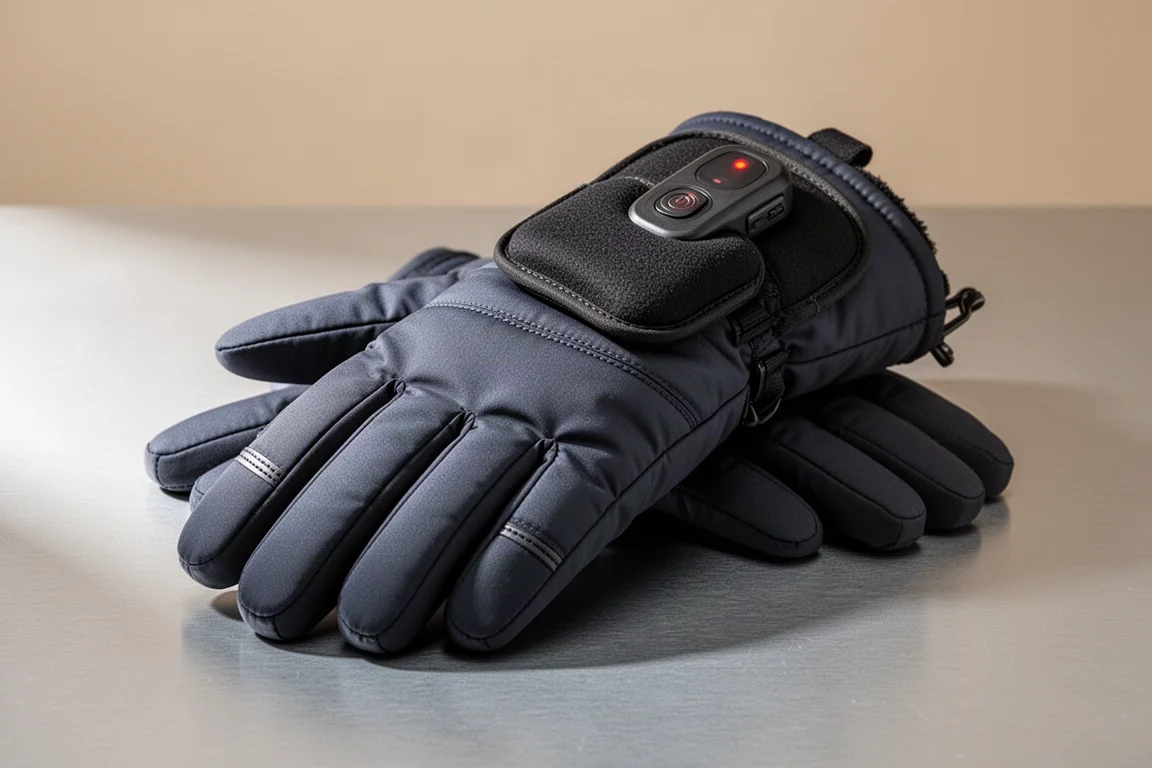
Croozer Heated Gloves: $80
The Croozer claims it can heat up to 167° F in only one minute and offers up to 8 hours of run time with a 4-hour fast charge. It has three heat levels (107, 149, and 167° F) and two 3,000 mAh batteries. Fingers reached a very warm 138° after five minutes, but the back of the hand stayed cool, and in the wind test the center of the hand dropped to a very cold 18.3°. Its weak heating did stretch runtime to 196 minutes.
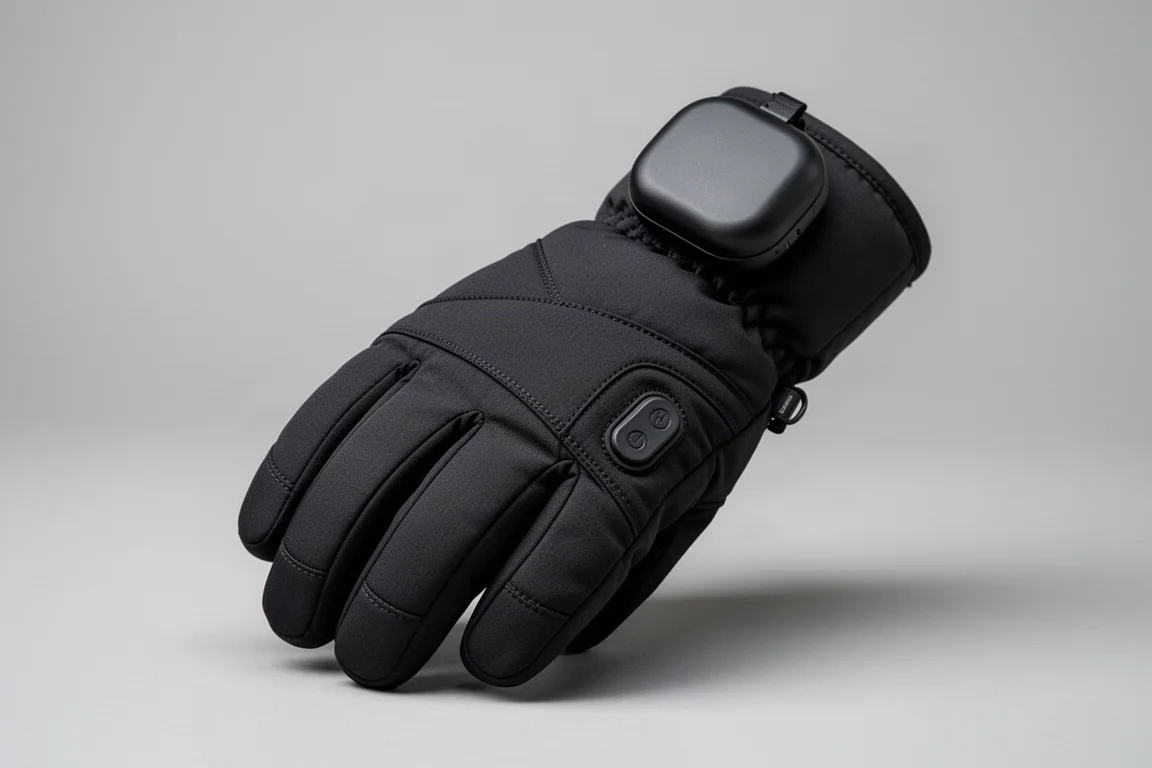
Unigear Heated Gloves: $80
The Unigear uses 3M Thinsulate insulation with a goatskin leather outer surface, two 2,200 mAh batteries, and three heat levels from 95 to 140° F. It gained 21.6° in the warm-up test and was one of the most consistent performers in the freezer tests, averaging 80.9° and narrowly edging out the MadeTech in the wind test. It is the puffiest glove in the group at almost 4.5 inches.
MadeTech Heated Gloves: $85
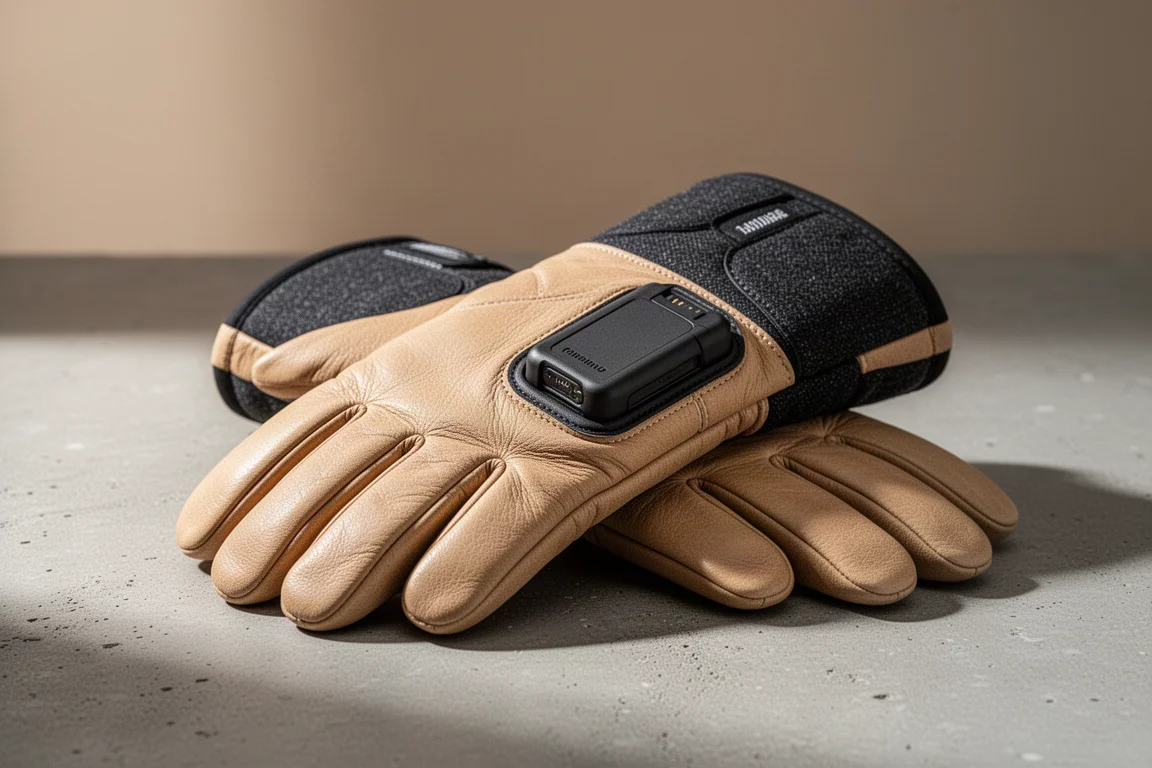
The MadeTech includes two 3,000 mAh batteries, a battery usage display on the controller, touchscreen material, and three heat settings up to 140° F. It gained 21.6° in the warm-up test, finished second overall in the freezer test with an average of 81.95°, and held a small lead over the Unigear until the wind test reversed the two. It is also the heaviest glove tested at 482 g.
Arovo Heated Gloves: $120
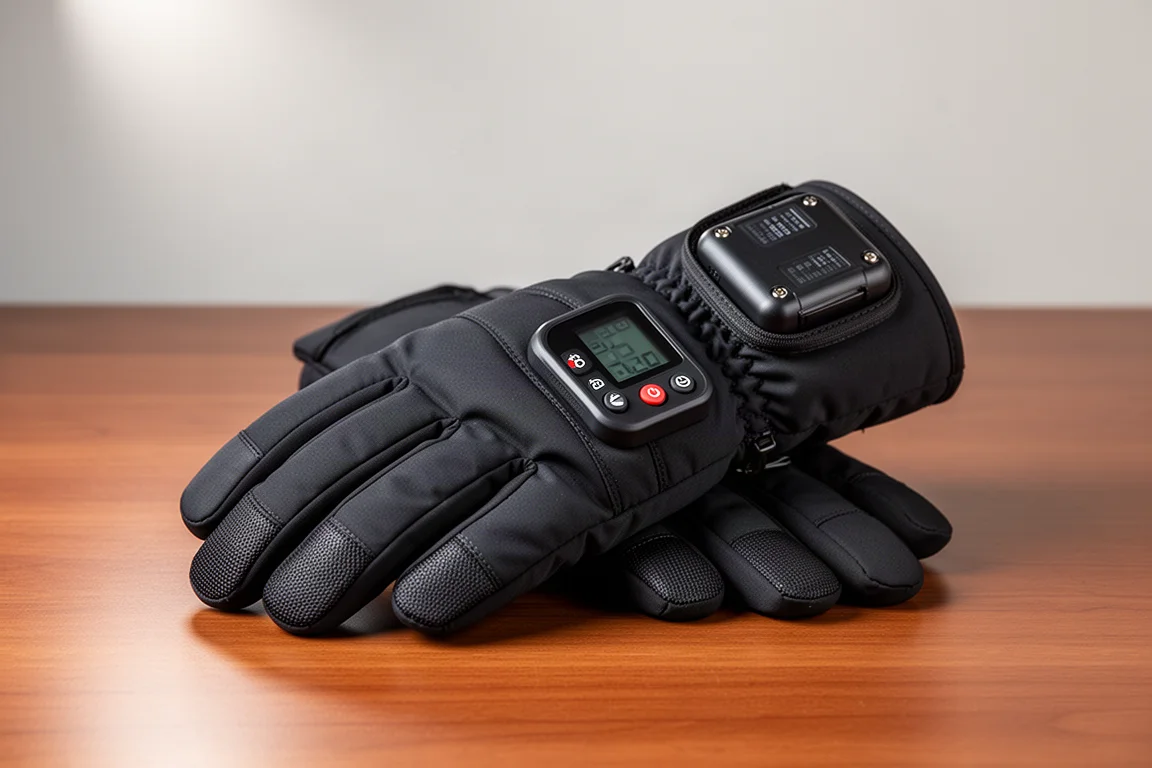
The Arovo features a water resistant shell, soft fleece lining, a touchscreen compatible fingertip, up to 7 hours of heat, and an 1,800 mAh battery with a level indicator on the control pad. It gained 21.3° in the warm-up test and is the lightest glove at 394 g, but it struggled badly in both freezer tests, with fingers cooling to 63° and an average of just 55° in the wind test.
Savior Heat Lambskin Heated Gloves: $140
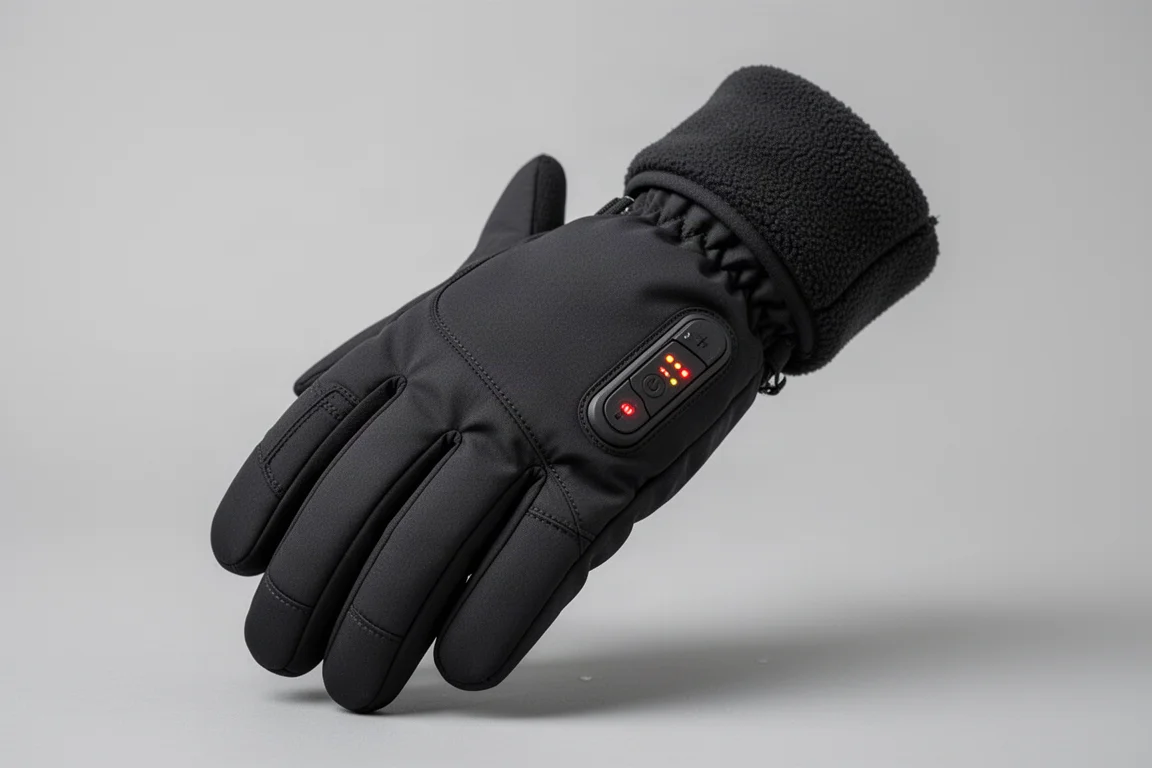
This premium Savior Heat pair is made of 40% lambskin and 60% polyester with soft pearl insulation inside, two 2,200 mAh batteries, and a battery level indicator on the control pad. It gained 21.8° in the warm-up test and, remarkably, matched the $50 Savior Heat in the freezer tests, tying for third in finger warmth and winning the palm and center-hand warmth measurement at 97.7°. It is light at 398 g and relatively slim at 4.28 inches.
Action Heat Heated Gloves: $150
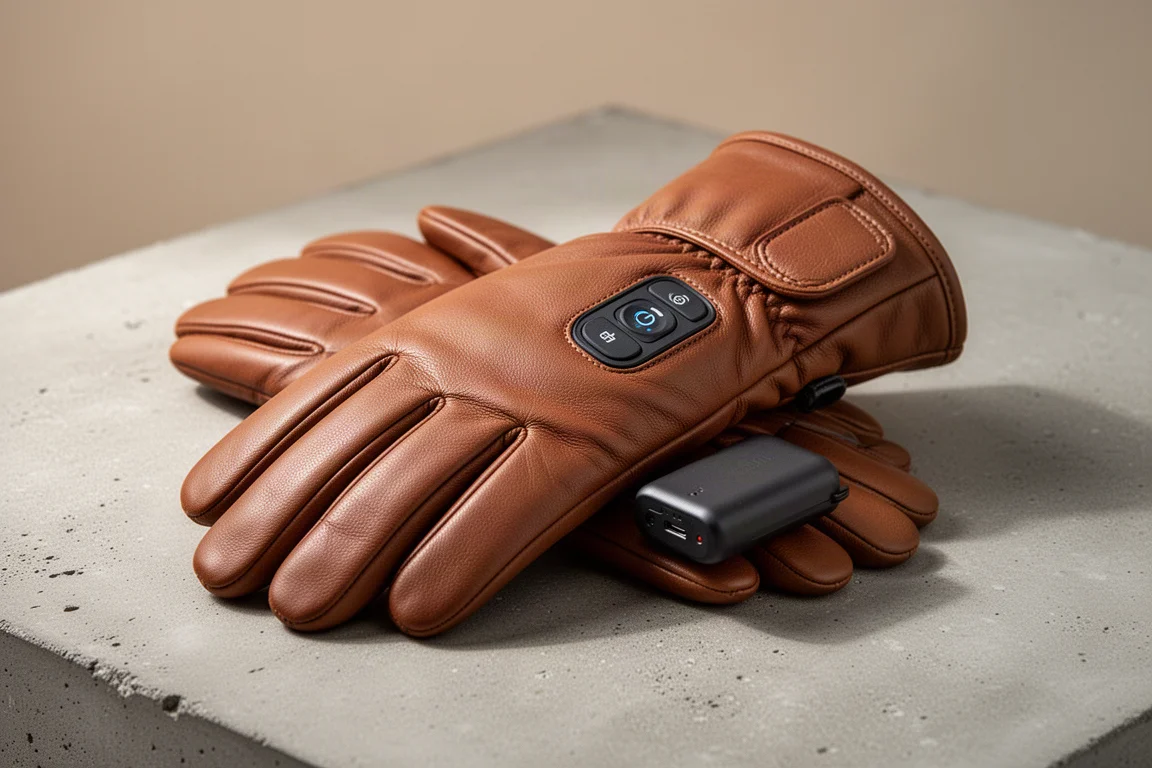
The Action Heat includes 3M Thinsulate insulation, two 3,000 mAh batteries with life indicators, three heat settings, and tops out at 140° F. It is very light at 366 g but the puffiest glove tested at 4.5 inches, and its 18.2° warm-up gain was among the weakest. It does offer the best grip of anything tested at 16.4, and it edged out Milwaukee Leather in both freezer tests, though its runtime was short at 108 minutes.
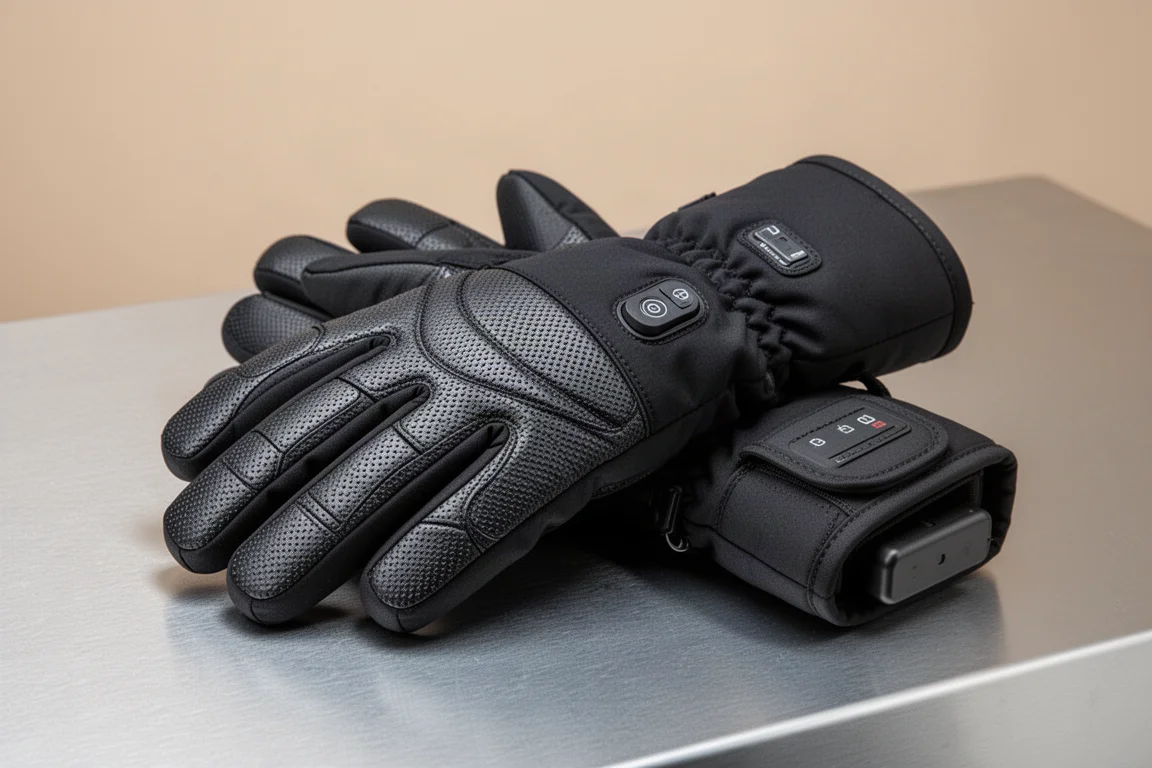
Milwaukee Leather Heated Gloves: $170
The most expensive pair tested comes from Milwaukee Leather, unrelated to Milwaukee Tools. It has 2,500 mAh batteries, touchscreen design, and three heat settings, stored in a palm-side battery pouch. It delivered the second-best warm-up result at 27°, with fingers around 115° after five minutes, and it is one of the less puffy options at 4.15 inches. But it lacks a battery level indicator and its fingers cooled fast in the freezer and wind tests.
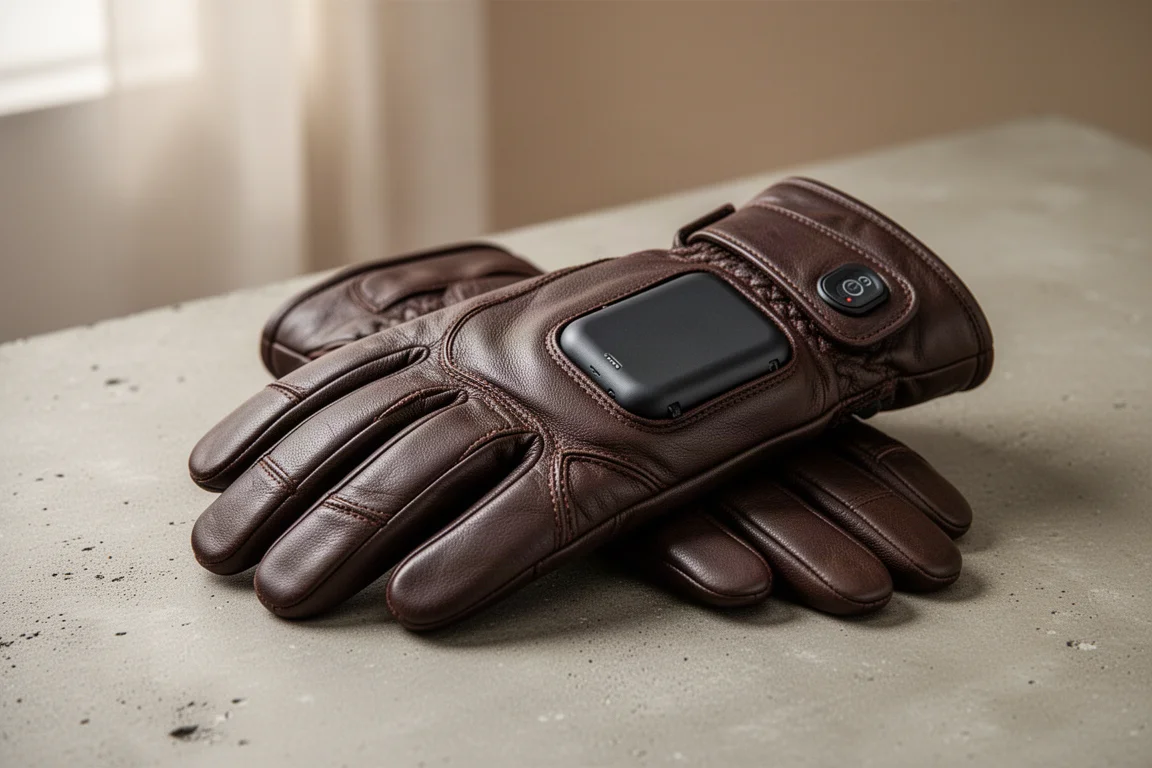
Seepro Gloves: The Unheated Control
At $22, the Seepro pair is not heated; it is a regular glove advertised for weather down to -30° F. It weighs just 140 g, making it by far the lightest pair, and it is among the puffiest at 4.48 inches. In the warm-up test it gained only 10.8°, and inside the freezer its temperature dropped rapidly. Every heated glove and liner beat it.
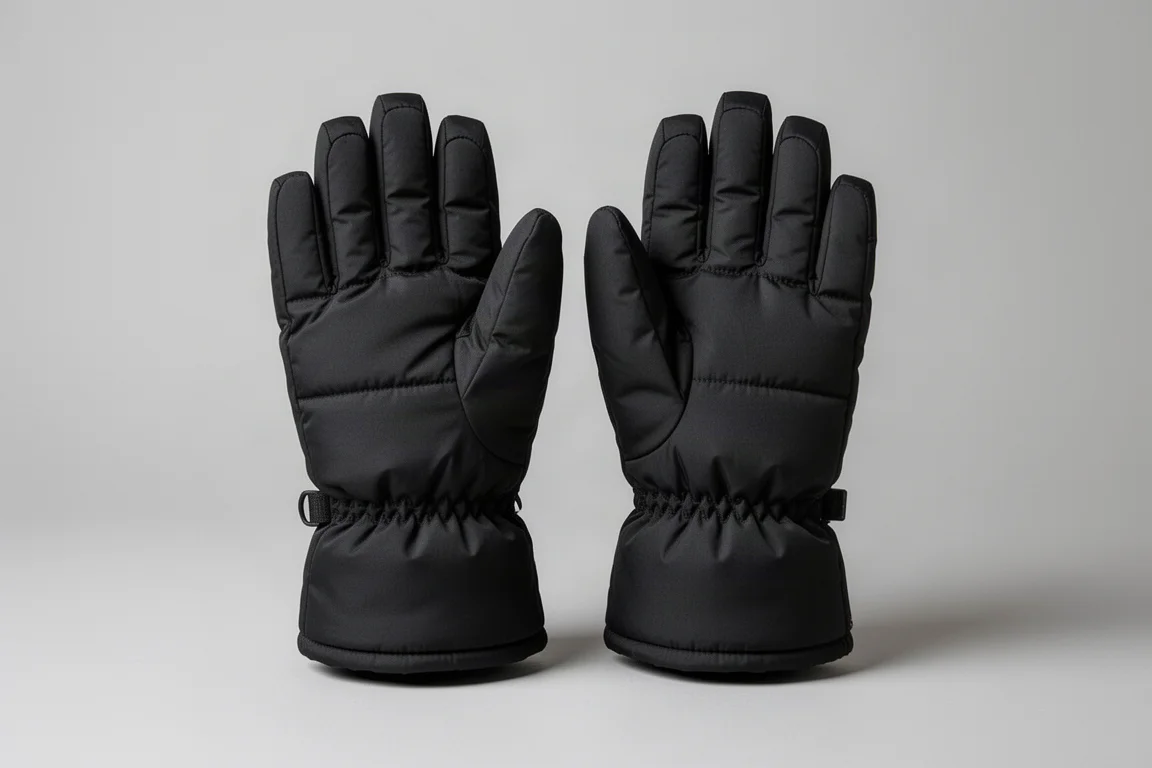
Glove Liner Reviews
Glove liners offer a far more compact alternative to bulky heated gloves, and they held their own surprisingly well in testing.
Royal Rose Glove Liners: $95
The Royal Rose liners have a claimed windproof and waterproof outer layer, touchscreen and non-slip properties, a 2,500 mAh battery, and three temperature levels. At 352 g they are heavier than the other liners, with more material, but they won the liner freezer test, finishing with fingers and palm around 10° warmer than the Maco.
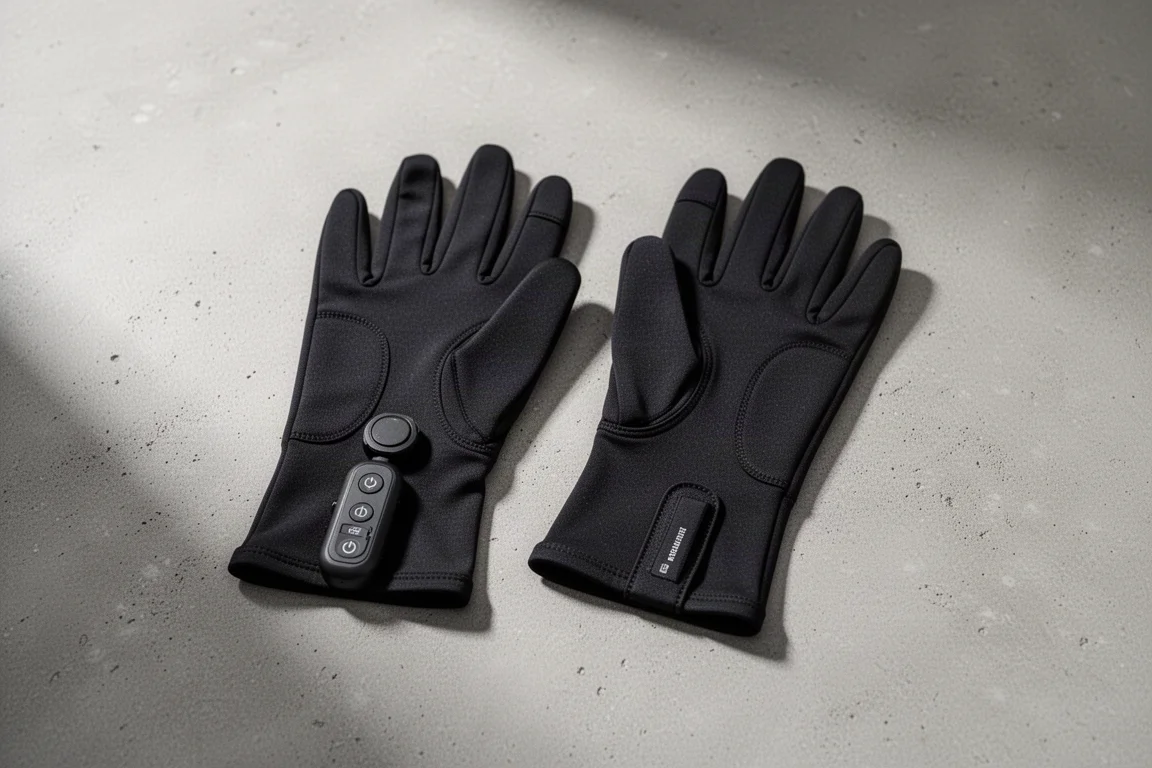
Maco Glove Liners: $99
The Maco liners are 93% polyester and 5% spandex with 2,200 mAh batteries, up to 7 hours of claimed battery life, three temperature levels, a power alert, and a four-bar battery indicator. They are the lightest liner at 314 g and the least puffy product in the entire test at 3.5 inches. Fingers reached the 120s after five minutes, though heat did not pour into the back of the hand.
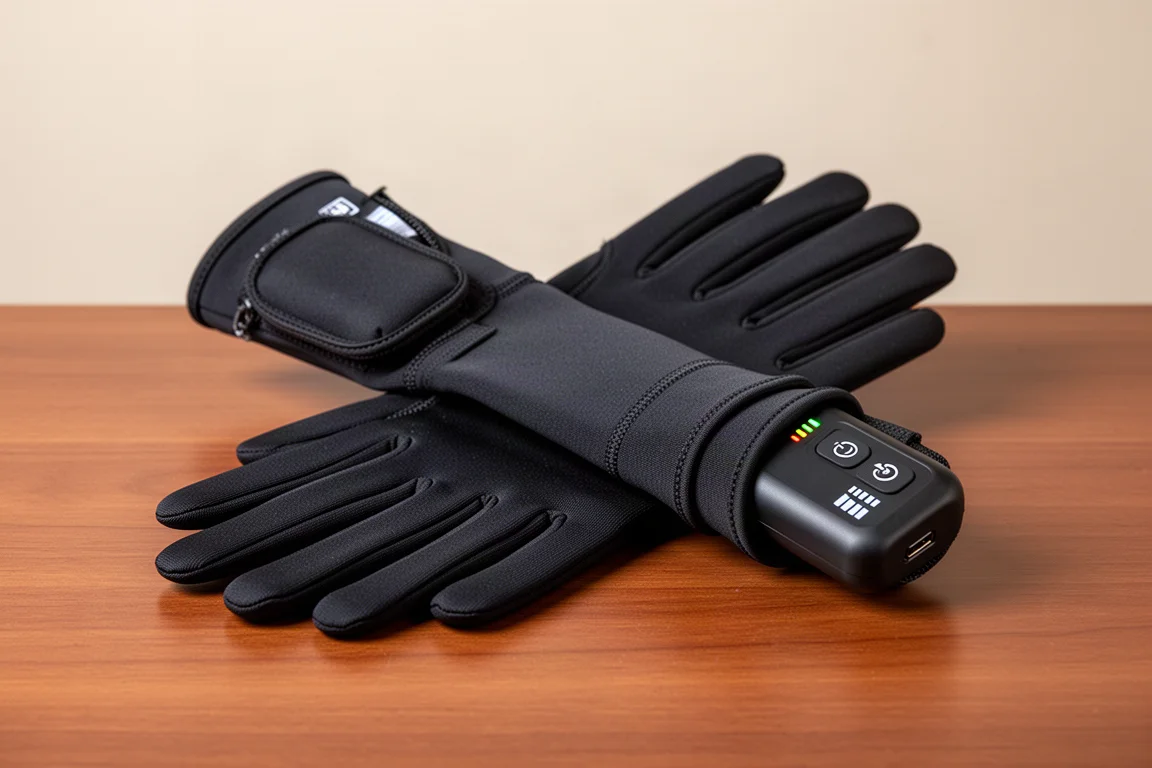
Snowdeer Glove Liners: $110
The Snowdeer liners are 92% polyester and 8% elastane, thin enough to double as driving gloves, with heating elements covering the entire back of the hand and all the fingers. They are the lightest and slimmest option at 276 g and 3.54 inches. They gained 23.3° in the warm-up test, but in the freezer tests the fingers became cold very quickly.
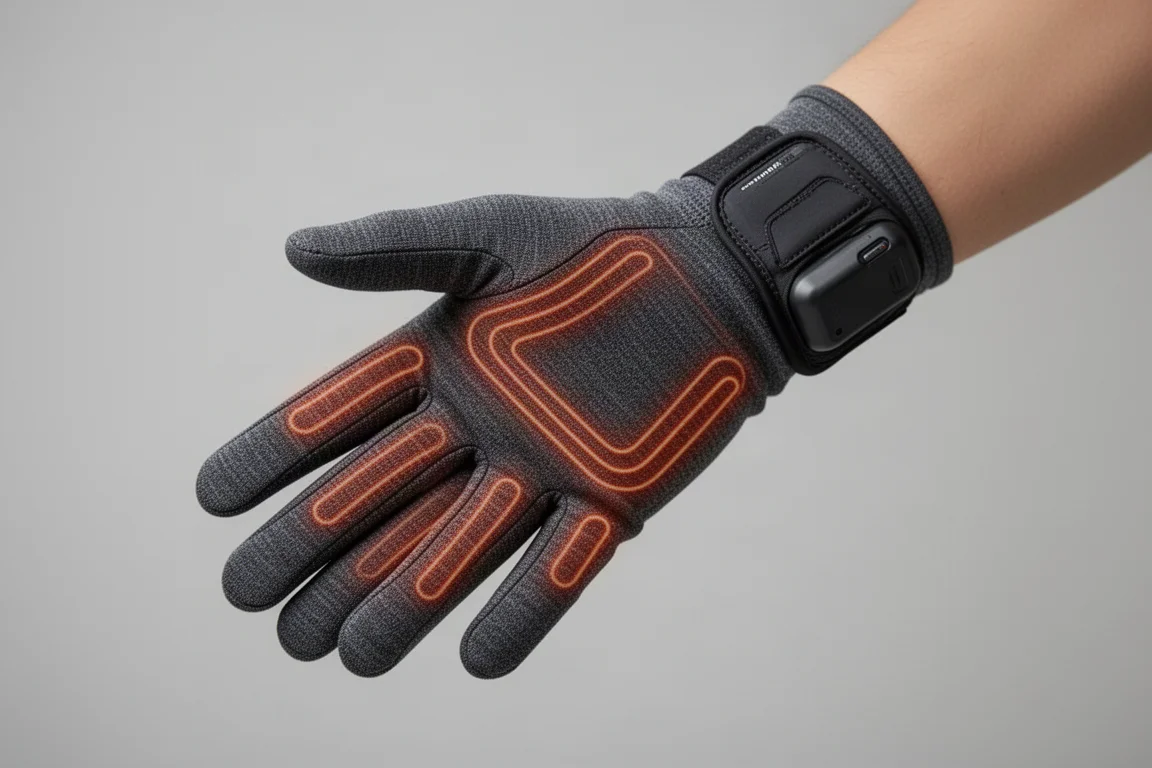
Dr. Warm Glove Liners: $110
The Dr. Warm liners use double-layer materials with a form-fitting, flexible design, described as soft and breathable, with a 2,200 mAh lithium battery and three heat ranges. At 298 g they are compact, and they led all liners in the warm-up test with a 24.4° gain, the best of any liner. They also edged the Snowdeer in both freezer tests, though the fingers stayed cold for both.
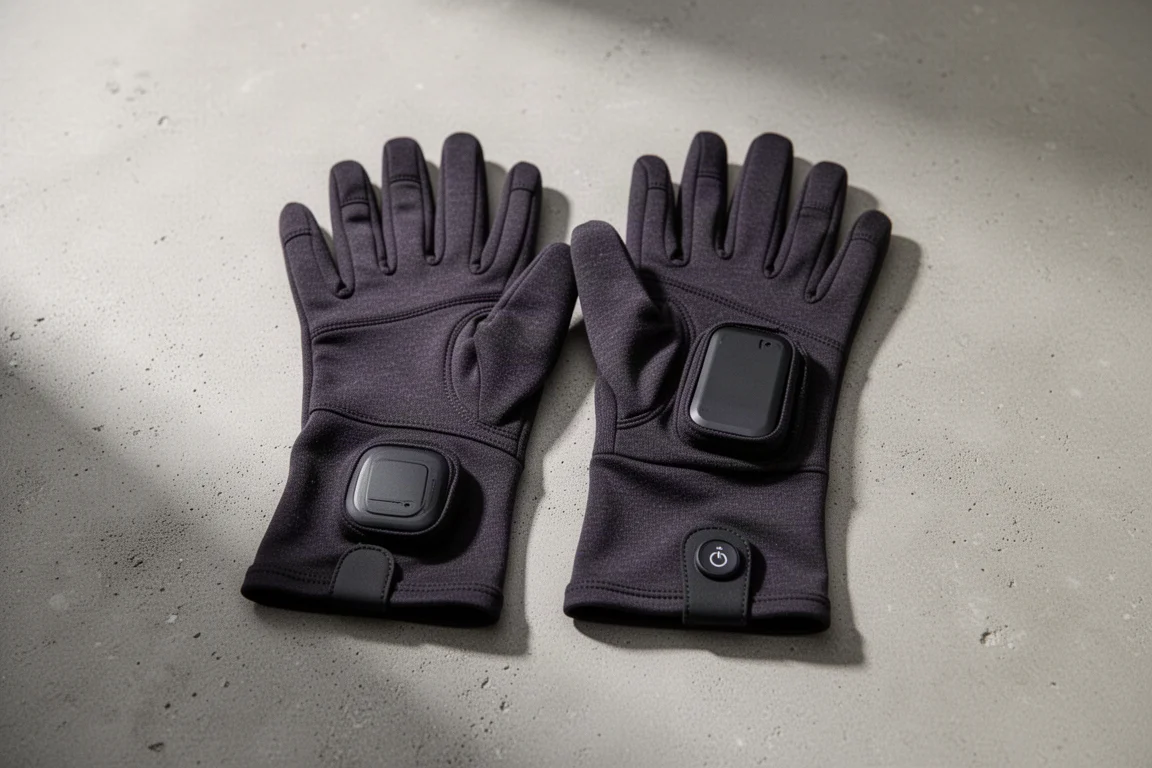
Freezer and Wind Tests
Inside the -30° freezer, the least expensive glove came out on top. The $50 Savior Heat averaged 87.55° across fingers and center hand, with MadeTech second at 81.95° and Unigear third at 80.9°. For keeping fingers warm specifically, Hampress led at 79.2° with MadeTech close behind at 78.1°.
When the fan test added wind exposure, the Savior Heat again took the overall win at just over 87°, with MadeTech second at 77.4°. Every battery-powered glove and liner outperformed the unheated control in both tests, but some, like the Luision and Croozer, shed heat almost as fast as the control did.
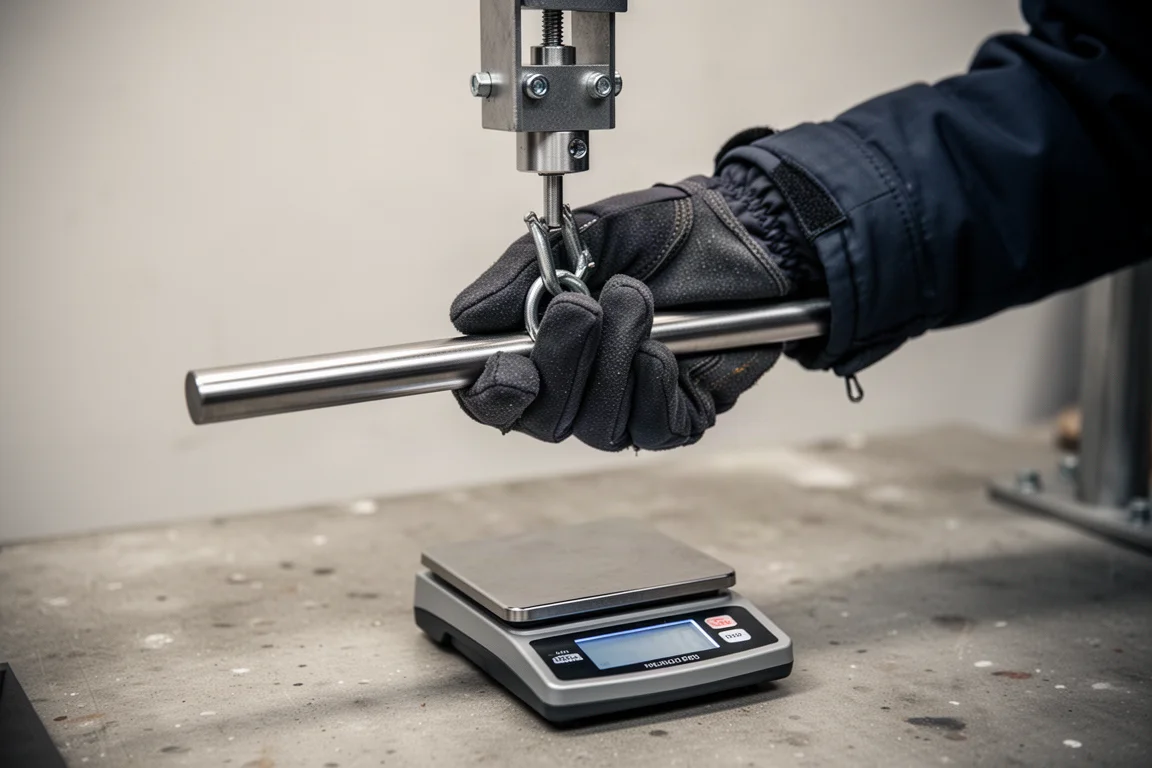
Grip Test
Grip was measured with each glove clamped around a smooth, clean flat iron on a moving rig. The Action Heat offered the most grip at 16.4, with the Luision and Milwaukee Leather also performing very well at over 15.
Battery Runtime
The final test drained every pair from a full charge on the highest heat setting. Dr. Warm, Mr. Warm, and Milwaukee Leather died first at 104 minutes. Action Heat followed at 108, Maco at 126, Snowdeer and the lambskin Savior Heat at 139, Royal Rose at 140, and Unigear at 142.
The standings at the top were striking: MadeTech lasted 163 minutes, Arovo 169, Croozer and Luision 196, and Hampress 238. But the winner was the least expensive glove in the test, the $50 Savior Heat, at an impressive 243 minutes.
A teardown of the Luision revealed why it struggled: a very puffy finger with lots of insulation and a heating element that covers the back of the hand and fingers, but plenty of stuffing that heat has to fight through. The Hampress, by contrast, uses a much different heating element design that clearly delivers heat more efficiently to the fingers.
Buying Advice
If maximum heat with the longest runtime matters most, the $50 Savior Heat is the clear pick, having beaten gloves costing more than $150 in the freezer, wind, and battery tests. The Hampress is the choice if you want the fastest, strongest warm-up, especially for keeping fingers warm. The Unigear and MadeTech are the most consistent all-rounders in the mid-price range, and the Dr. Warm liner is the best compact option if you dislike bulky gloves.
Avoid overspending on heat alone: the Arovo, Action Heat, and Milwaukee Leather all cost $120 or more but struggled to retain heat once the temperature dropped.
Conclusion
Sixteen pairs later, one clear lesson stands out: the cheapest glove, the $50 Savior Heat, outperformed more expensive competitors across heat retention, wind resistance, and battery life. Pair it with the Hampress for raw heating power or the Dr. Warm liner for a slimmer profile, and cold hands stop being a problem you have to tolerate.
Further reading
Related Reviews

Winter Gear
Best Rechargeable Hand Warmers 2026: 15 Models Put to the Test
We compared 15 rechargeable hand warmers across heat output, warm-up speed, battery life, charging time, and build quality to find the best value picks.
Winter Gear
Winter Snowshoeing Gear Review: What Worked and What Didn't on the Trail
A detailed breakdown of clothing and equipment tested on a winter snowshoeing trip, covering base layers, boots, gaiters, and sleeping systems with honest insights on performance and comfort.
Winter Gear
Winter Hiking Gear: Three Head and Hand Essentials That Earn Their Place
A practical look at three winter head and hand pieces: deep-cold insulated mittens, a merino bandana, and a lightweight merino beanie, with the trade-offs worth knowing before you buy.