Outdoor Gear
Best Headlamps for Backcountry Hiking: Four Proven Picks Compared
A practical comparison of four well-known headlamps, covering red light quality, flood and spot beams, brightness, battery approach and weight.
Introduction
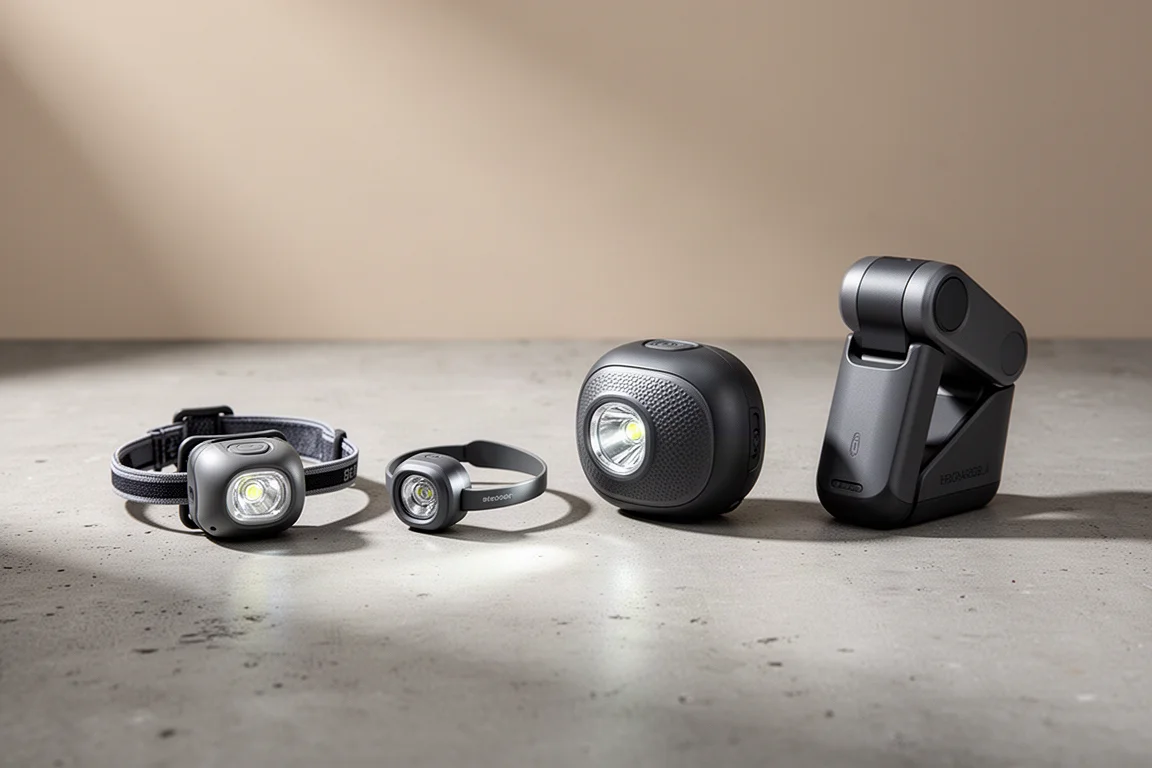
A headlamp earns its place on almost every backcountry trip, whether you are finishing a long descent after sunset, cooking dinner in the dark or simply finding your way to the tent. The four headlamps below have each built a following for different reasons. One is a long-running lightweight favorite, one strips weight even further, one is a dependable design that has been around for years, and one adds rechargeable convenience with the brightest beam of the group. All four include a red light, and each one suits a slightly different kind of trip.
What to Look For in a Backcountry Headlamp
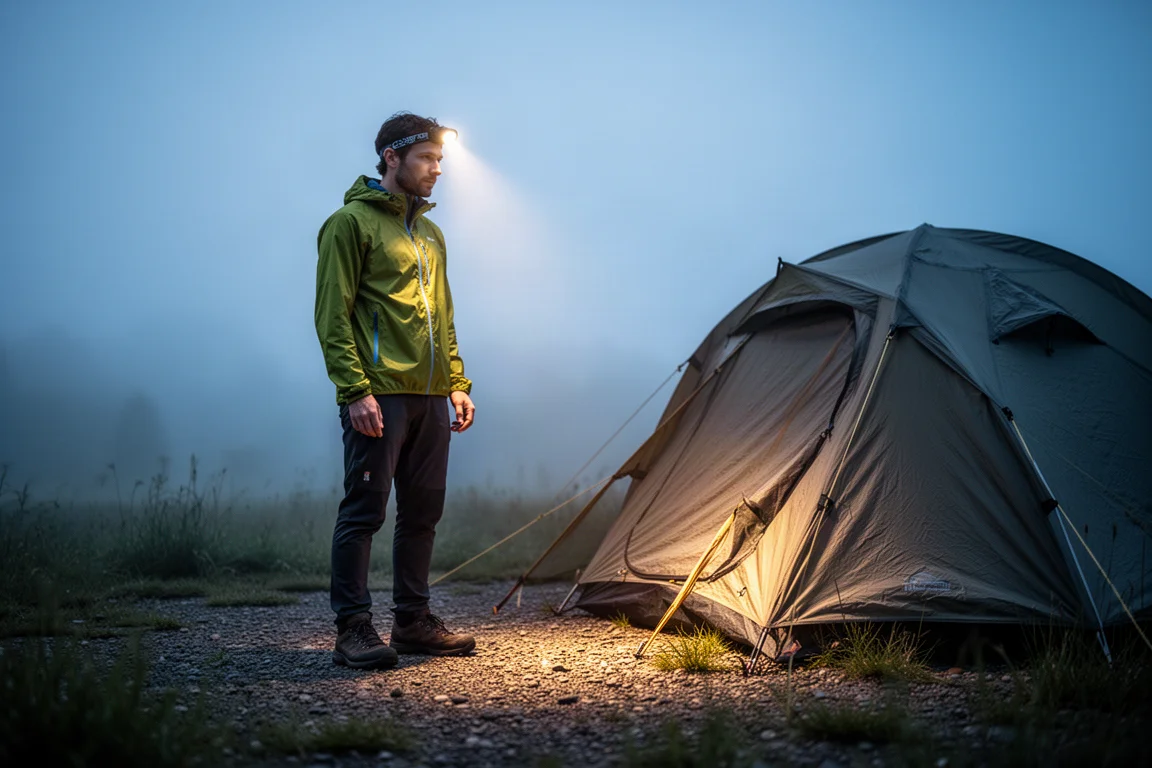
A red light is the feature worth insisting on. Red light lets you see at night without losing your night vision, because your eyes stay adapted to the dark instead of being reset by a white beam. It also matters for the people around you. Nobody wants a headlamp pointed at their face in camp.
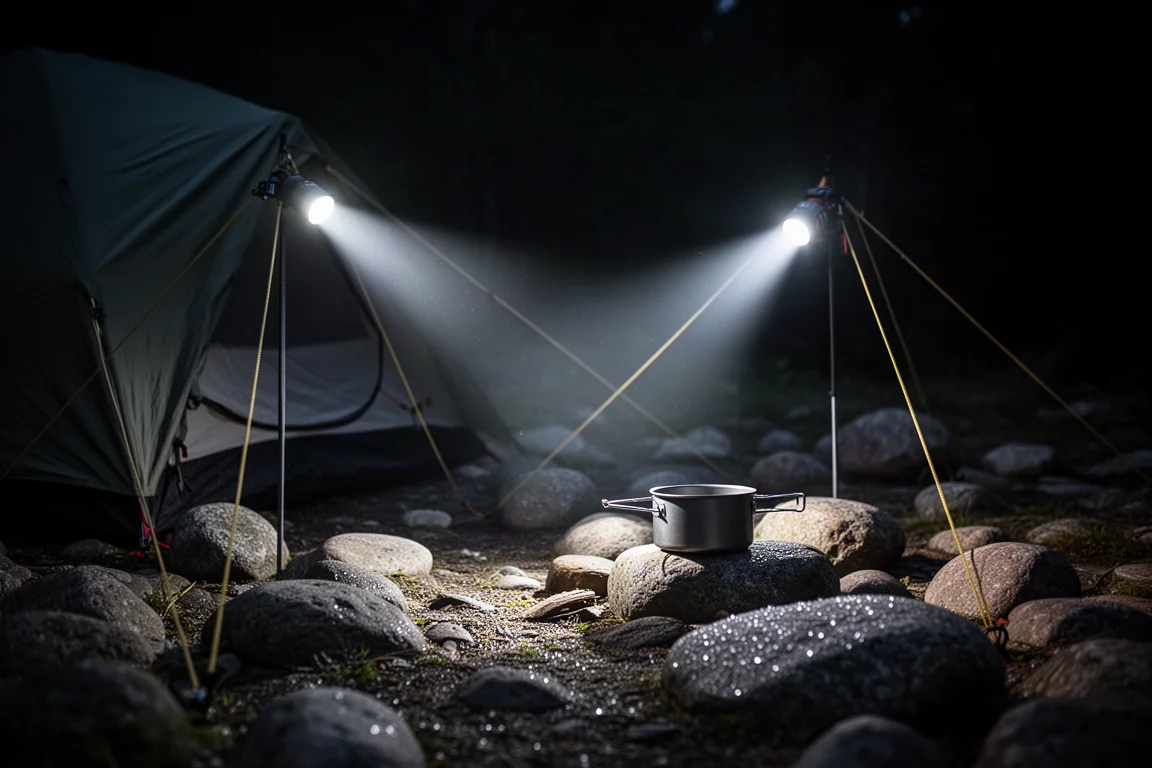
Flood and spot beams serve different purposes. A flood beam spreads light wide, which is ideal inside a tent or while moving around camp, because you can see your surroundings without aiming the light. A spot beam throws light further and stays narrow, which is useful on trail. Some headlamps offer both, and being able to switch between them is genuinely handy.
Brightness is measured in lumens, and modern headlamps are generous with it. A few years ago, 100 to 150 lumens was considered plenty and nobody complained about the output. Today, 200 lumens is comfortably sufficient for hiking, while 400 lumens is arguably more than most people need but welcome when you want to see across a campsite or search for something in the dark. Extremely light headlamps that run on coin cells can dip to 15 to 40 lumens, which is dim in practice.
Battery approach deserves as much thought as brightness. Rechargeable headlamps mean you never have to wonder whether the cells in your bag are still good, which is a real advantage on a multi-day trip. Battery-powered models are often cheaper, and rechargeable AAA cells are a practical middle ground because they can be used in other devices too. Cheaper headlamps usually lack a lockout function, so the button can be pressed inside a pack. Flipping a battery around is a simple workaround, as long as you remember to flip it back at camp.
Weight and weather resistance round out the list. Headlamps with the battery mounted at the back of the strap can feel heavy over a long day, and comfort varies between straps. On the water side, most headlamps handle rain, and the better-sealed models can survive a dunking.
Best Overall: Nitecore NU25
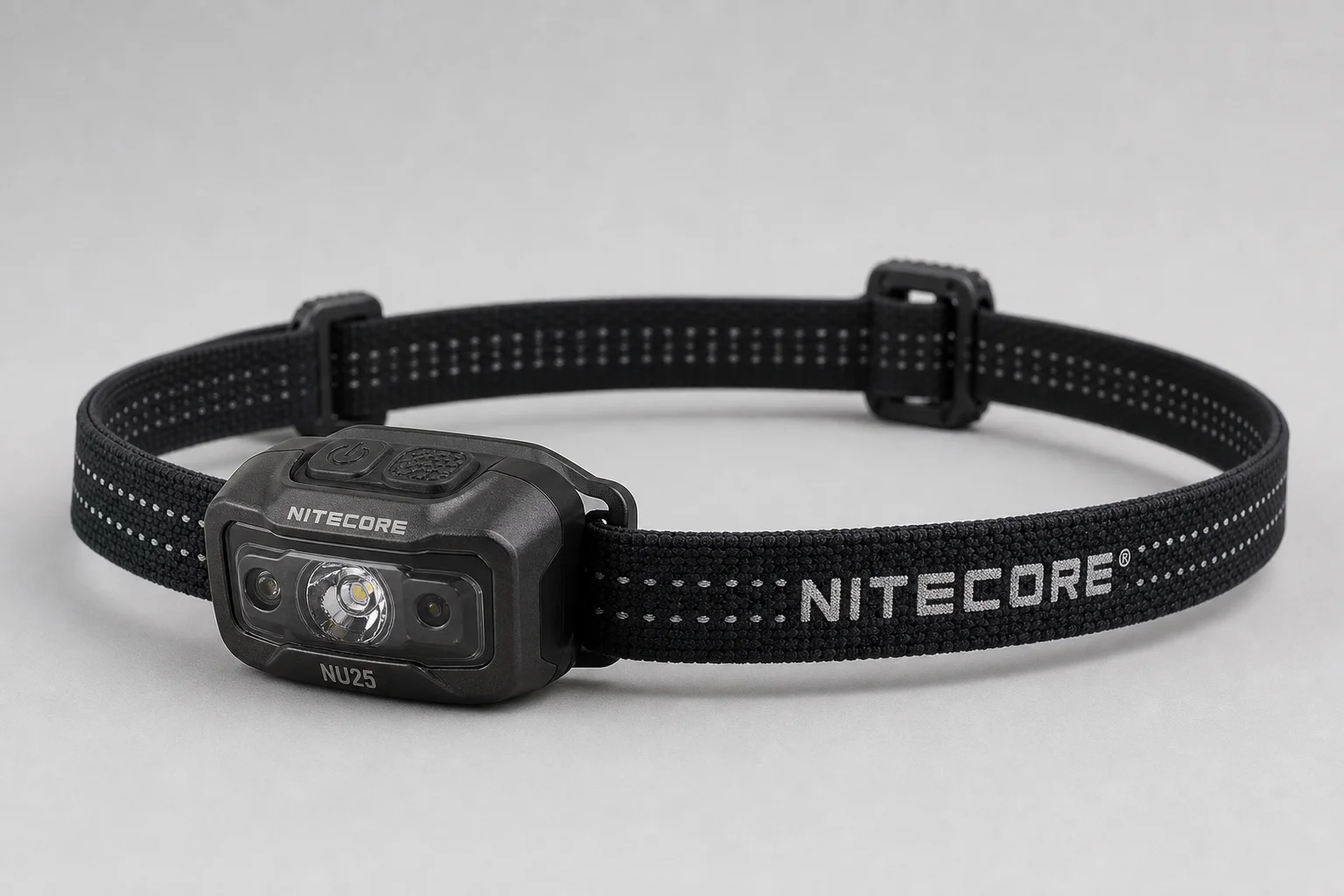
The NU25 is the headlamp that put lightweight headlamps on the map, and it still holds up years later. It weighs roughly 2 ounces with the head strap attached, and that figure drops to about 1 ounce if you swap the strap for a shock cord. The shock cord is a third-party addition rather than something included in the box, but plenty of people make the change.
Output is rated at 360 lumens, and the red light is among the brightest of any headlamp in this group, which is exactly what you want for protecting night vision and staying considerate around other people. It also includes a flood mode and a battery indicator.
There are two trade-offs to know about. The spot beam is wider than some rivals, so it can spill into other people’s eyes even when you are turned slightly away. It is also not the most waterproof headlamp here, though it handles rain and normal hiking use without trouble. Build quality is durable and it sits comfortably on the head.
Lightest Option: Petzl Bindi
The Bindi is built for hikers who count every gram. It is designed to be extremely lightweight, and it still includes a red light, so the essentials are covered. Build quality is high, as you would expect from a headlamp in this class.
The compromises show up in beam flexibility and runtime. The Bindi is a spot-only headlamp with no flood mode, which makes it less pleasant for lighting up the inside of a tent, and it is not as bright as the other options here. It also does not last as long on a charge.

For a lightweight setup where a focused spot beam is enough, those compromises are easy to accept. This is a headlamp for people who put weight first and are happy to plan around a smaller beam.
Best Long-Standing Staple: Black Diamond Spot
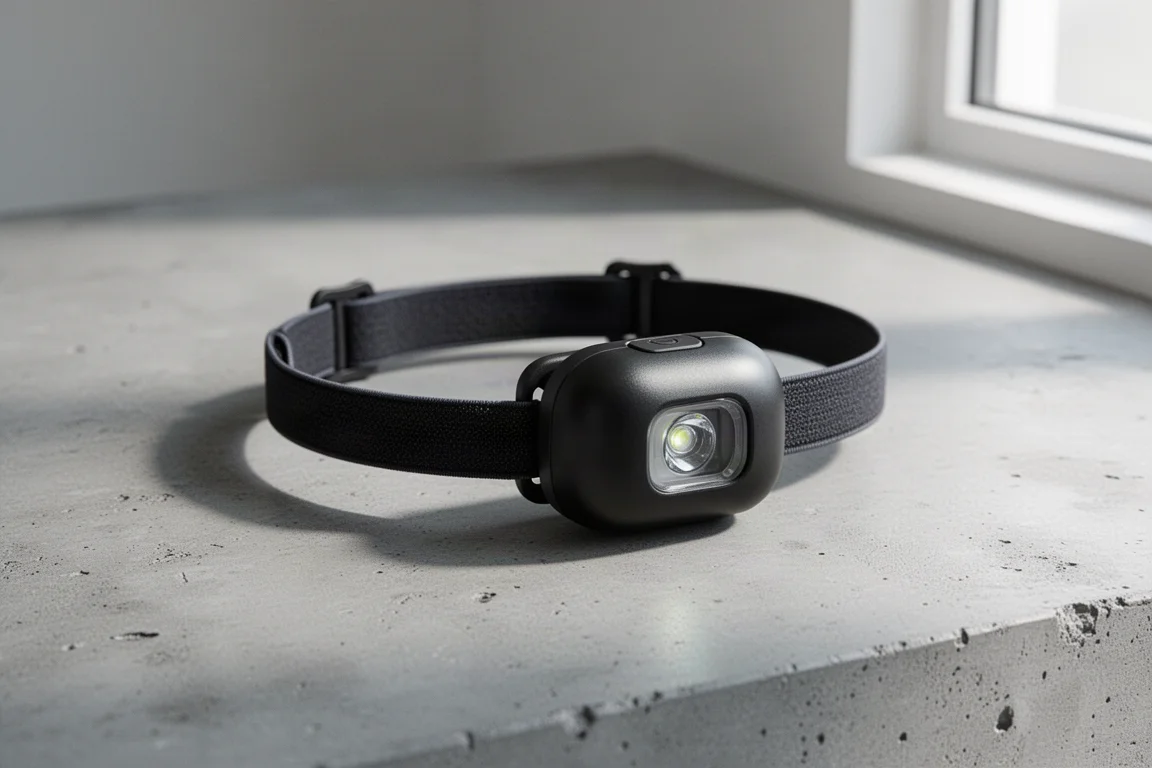
The standard Spot has been a fixture of hiking kit for years, and it remains a straightforward, dependable choice. It runs on three AAA batteries rather than an internal rechargeable cell, which keeps the price lower and means you can carry spares. If you would rather not buy disposables, rechargeable AAA cells work well and can be used in plenty of other household devices too.
It includes a red light, a spot beam and a flood beam, along with a battery indicator that shows remaining charge at a glance. Weight is a little over 3 ounces. One detail worth knowing is that adjusting the strap and tilt produces a noticeable clicking sound. That is fine on trail, but it is less welcome when you are trying not to wake anyone in a shared tent.
Brightest and Rechargeable: Black Diamond Spot R
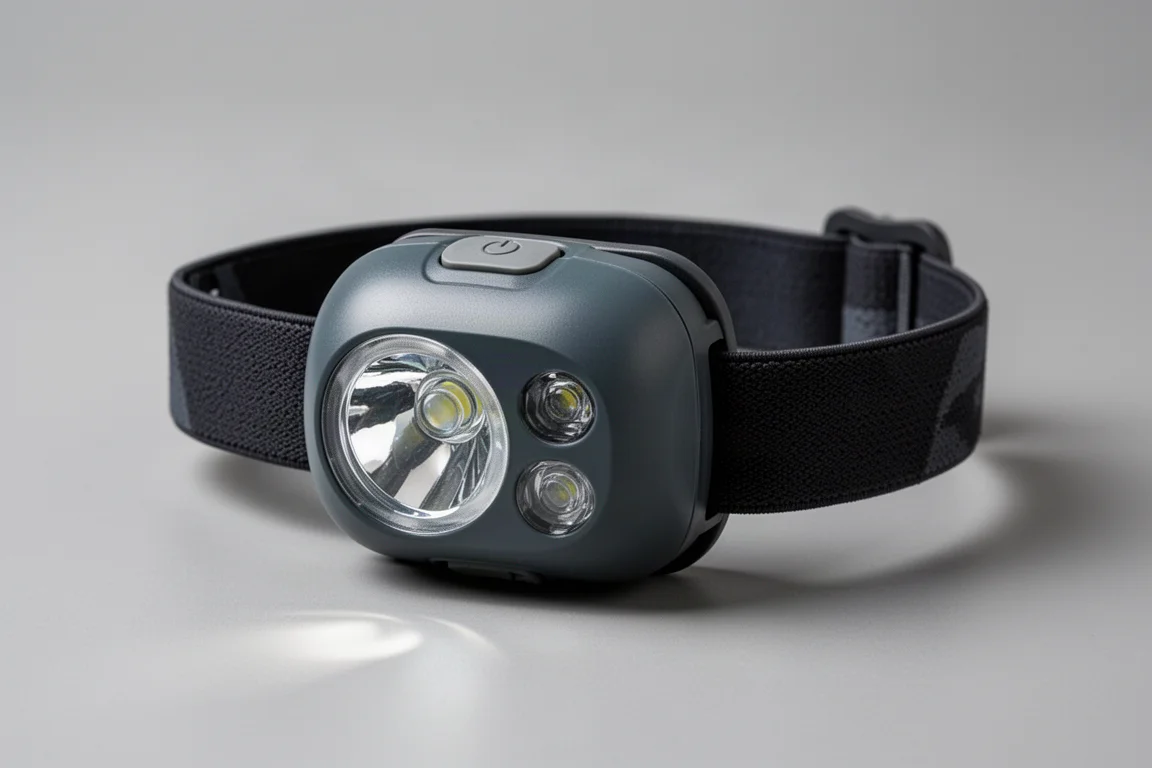
The Spot R is the rechargeable version of the Spot, and it is the most expensive headlamp in this group at around $65, roughly $25 more than the standard model. It arrives with a battery included and is the brightest of the four at 400 lumens.
Water resistance is a strong point. The IPX67 rating covers submersion in up to a meter of water for 30 minutes, so a drop in a stream is unlikely to end your trip. It is also lighter than the standard Spot by about half an ounce, at just under 2.5 ounces, and the adjustment mechanism is smooth and quiet, so you can change the angle around camp without making a sound.
Like the standard Spot, it offers a red light, a spot beam and a flood beam. The combination of rechargeable power, 400 lumens and quiet adjustment makes it the most capable headlamp here, as long as the price is acceptable to you.
Weight and Weather Resistance Compared
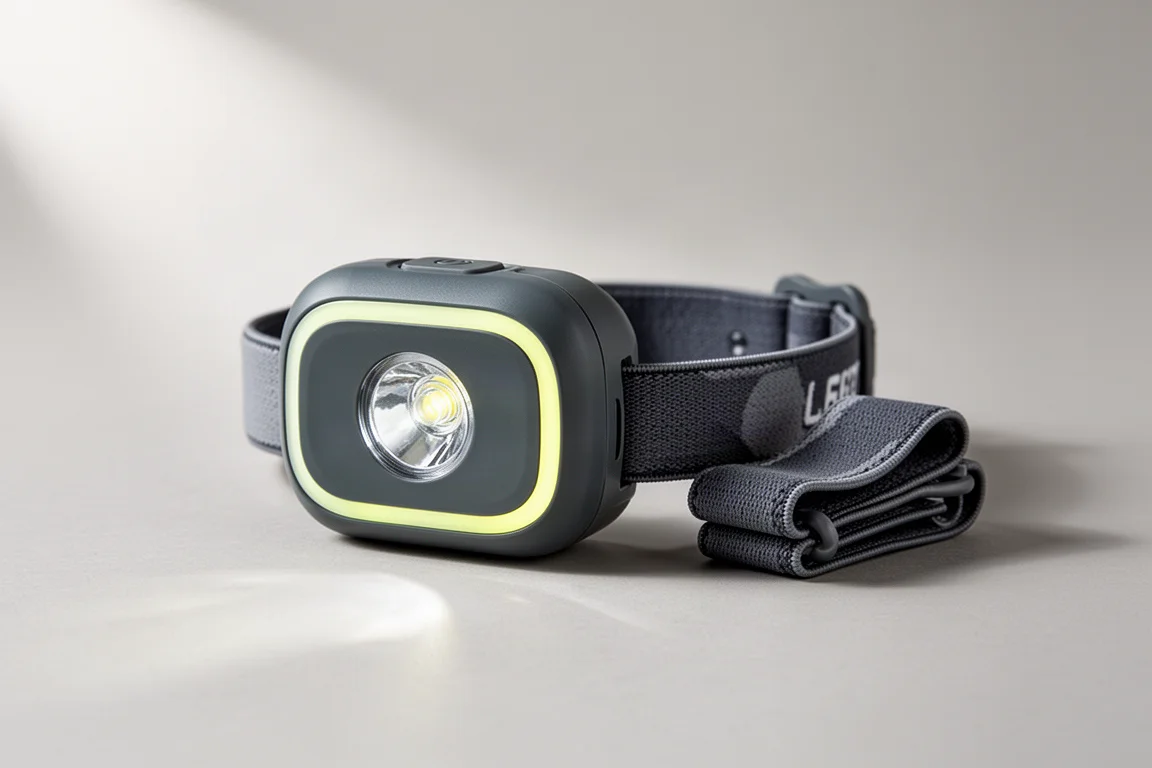
Weight differences between these headlamps are modest but real. The Bindi is the lightest by design, the NU25 sits at around 2 ounces with its strap and about 1 ounce with a shock cord, the Spot R comes in just under 2.5 ounces, and the standard Spot is the heaviest at a little over 3 ounces.
Weather resistance separates them more clearly. The Spot R carries an IPX67 rating for submersion, the NU25 is not the most waterproof of the group but handles rain and wet conditions, and the remaining models are built for normal backcountry use rather than deliberate immersion.
Beam type is the other dividing line. The Bindi is spot only, while the NU25, the Spot and the Spot R all include a flood mode alongside the spot beam. All four include a red light, which keeps them useful for night vision and considerate around other people.
Which Headlamp Fits Your Trip
If you want one headlamp that covers most trips without weighing you down, the NU25 is the safest all-round pick. Its flood mode, bright red light and low weight make it easy to live with, and the wider spot beam is the main thing to keep in mind around other people.
If every gram counts and you mostly need a beam on trail, the Bindi is the obvious choice. If you prefer standard batteries and a design that has proven itself over many seasons, the Spot is the dependable option. If you want maximum brightness, rechargeable convenience and strong water resistance, the Spot R justifies its price for frequent hikers.

Budget matters too. For group trips, kids or a spare light to keep in the car, a basic Energizer headlamp that often sells for around $10 to $15 and includes three AAA batteries is a low-risk option, though it lacks a lockout function and relies on the battery-flip trick to avoid accidental activation. One habit worth adopting regardless of which headlamp you choose is wearing it around your neck rather than on your head. It keeps the beam pointed down and away from other people, and it avoids the strap pressing on your forehead for hours.
Conclusion
There is no single best headlamp here, because each one solves a slightly different problem. The NU25 balances light weight with a bright red light and a flood mode. The Bindi trades brightness and beam flexibility for the lowest weight. The Spot remains a proven, battery-powered workhorse, and the Spot R adds rechargeable power, 400 lumens and IPX67 water resistance for a higher price. Match the headlamp to how you actually use one, and any of these four will serve you well in the backcountry.
Further reading
Related Reviews
Outdoor Gear
Backpacking Gear Evolution: 100 Years of Technology Compared
We tested backpacking gear from 1925, 1975, and 2025 across a three-day hike in Yosemite. Here's how technology has transformed comfort, weight, and the outdoor experience.
Outdoor Gear
Best Affordable Hiking Watches: Five Rugged Options for Outdoor Adventures
Five durable hiking watches that balance ruggedness, functionality, and value for outdoor enthusiasts who need reliable GPS tracking and weather resistance.
Outdoor Gear
Best Backpack Coolers 2026: Five Practical Options for Outdoor Adventures
Five backpack coolers with distinct cooling capabilities, storage features, and design trade-offs to help you choose the right one for your outdoor needs.