Grow Lights
Best Grow Lights for Indoor Farming: Barrina T8 vs Bestva 4000 BP Pro
Two LED grow lights that cover everything from microgreen racks to larger overhead growing operations, with clear guidance on spectrum, type, and power draw.
Introduction
Grow lights can seem complicated, but choosing one really comes down to three things: what type of light it is, what spectrum capabilities it has, and how much power it draws. Once you understand those basics, picking between the main options becomes much easier.
This guide walks through those three factors and then compares two LED grow lights that cover very different scales of indoor growing: slim T8 light strips for racks and shelves, and a large overhead panel for bigger operations.
Choosing the Right Type of Grow Light
There are only a few main types of grow light: incandescent, fluorescent, and LED. LEDs come out ahead for a few reasons. They draw less power, so they are more affordable to run, and they do not compromise on the quality or range of light spectrums they can produce.
There is also a lesser-discussed benefit: LEDs give off less radiation. An EMF meter will start reacting immediately around many light sources, and some growers take extra precautions, such as wearing silver-lined clothing that helps block EMFs. It is a detail that rarely comes up in buying advice, but it is one reason some growers lean toward LEDs.
Understanding Spectrum and Wavelength
Light travels as a wave, and wavelength simply describes how big or small the oscillation of that wave is. As waves change size, they change color, which is what a color spectrum refers to.
Because indoor growing is a science, this matters: some wavelengths are better for germination, while others support fruiting or blooming. What most growers actually need is a full spectrum grow light, because a full spectrum unit offers the types of light that work across all stages of a plant’s life cycle.
Barrina T8 Full Spectrum Grow Lights
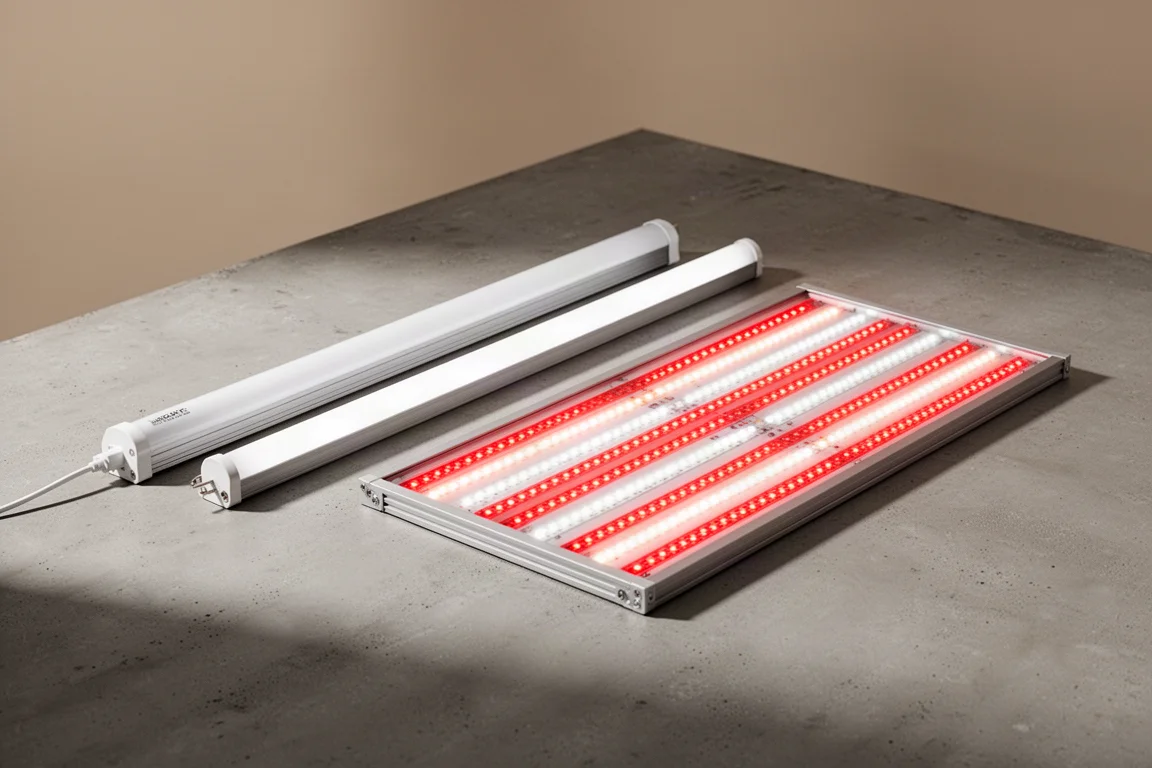
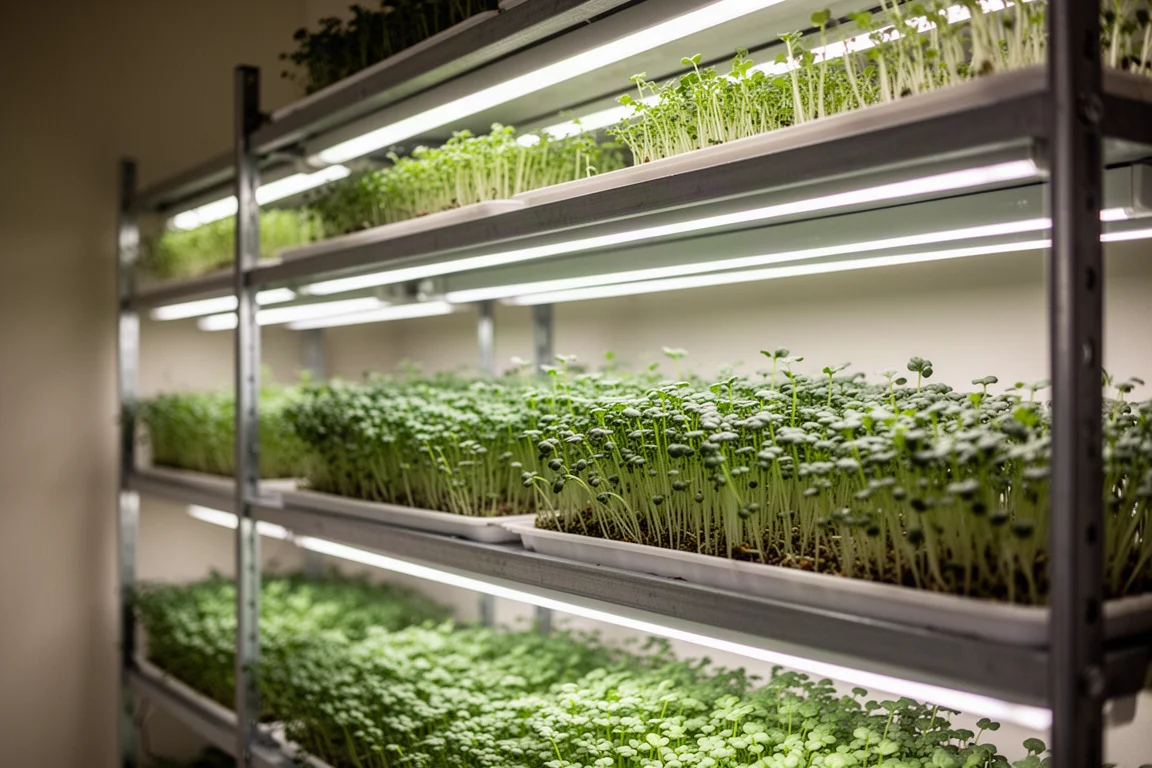
For a microgreen rack setup, the Barrina T8 full spectrum grow lights are the place to start. They are well-rounded enough to support a wide range of crops: over half a dozen microgreens, herbs, six different types of lettuce, and even starting outdoor garden crops like peppers, tomatoes, and squash indoors.
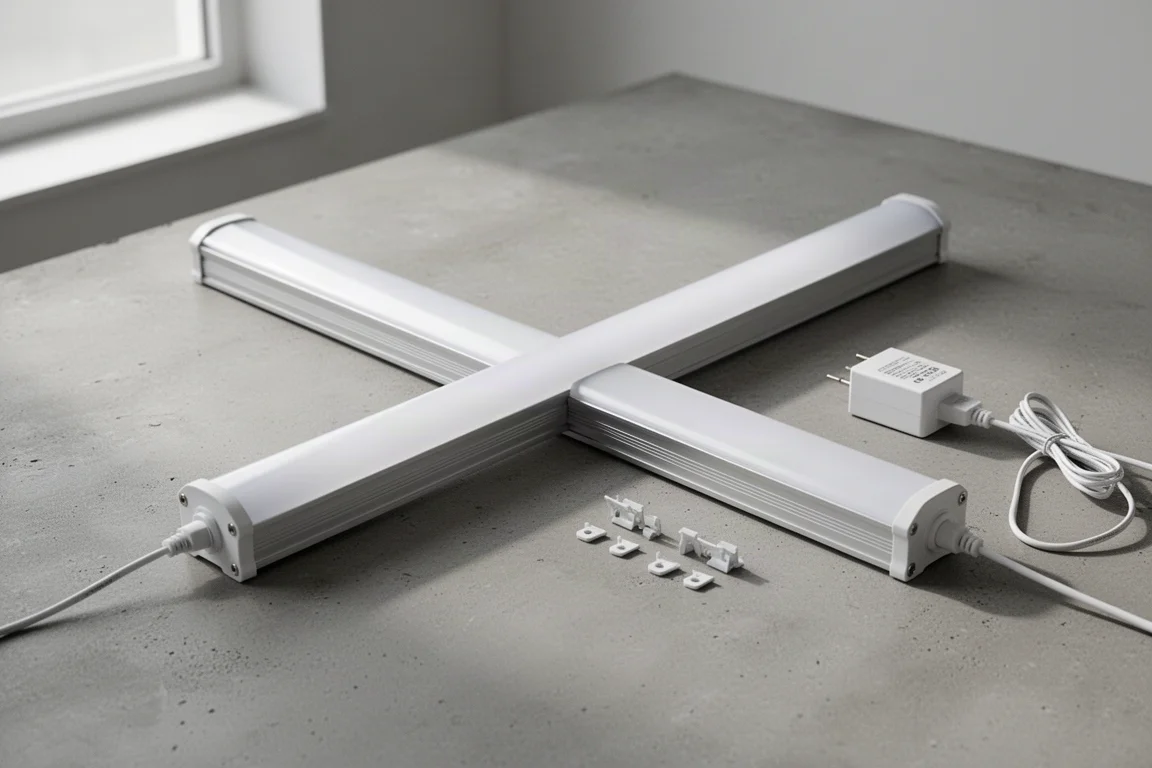
These are 4-ft T8 models, and the same family also comes in T6, T3, and T4 variants. The practical advice is to get the length that fits your racks or growing area. Lights that are too big or too small for the space will not serve you well, so matching the size to your setup matters as much as the spectrum.
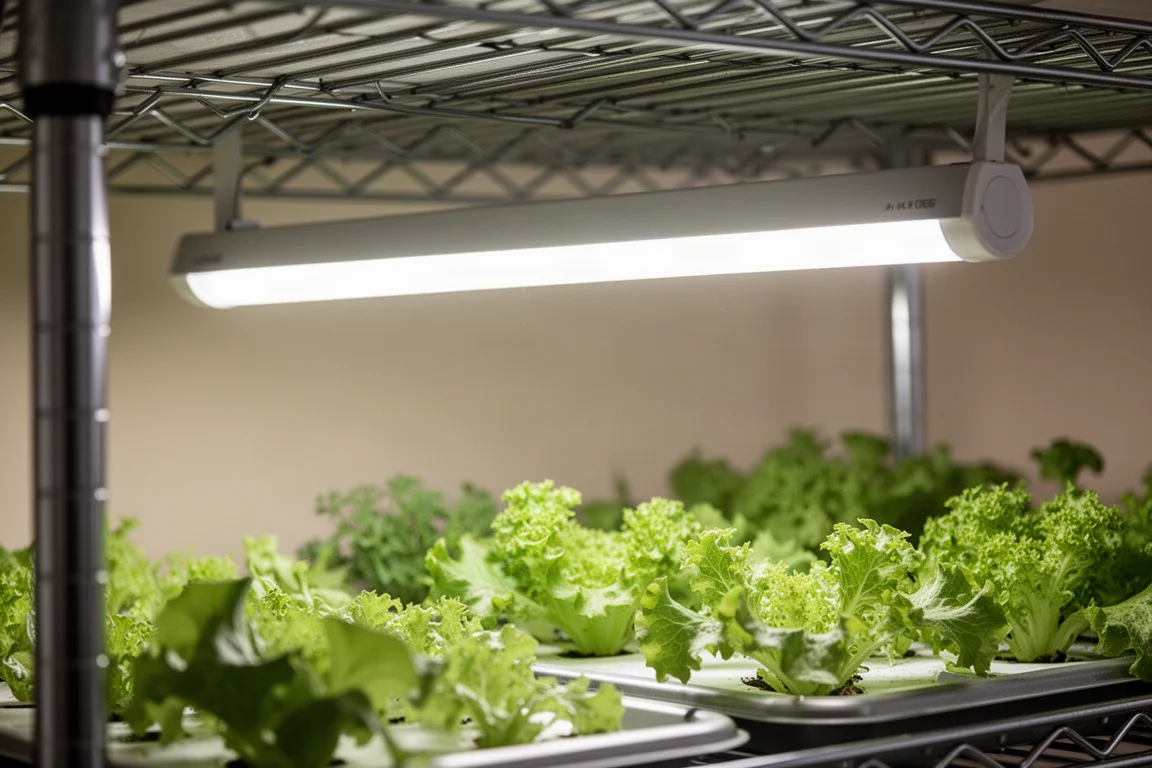
Power draw is refreshingly low, at just 42 watts per light. For someone running only two or four of these, the added electricity cost is largely negligible, potentially in the range of an extra 20 to 30 dollars a month, which is a small price for growing your own lettuce, spinach, and herbs.
Bestva 4000 BP Pro
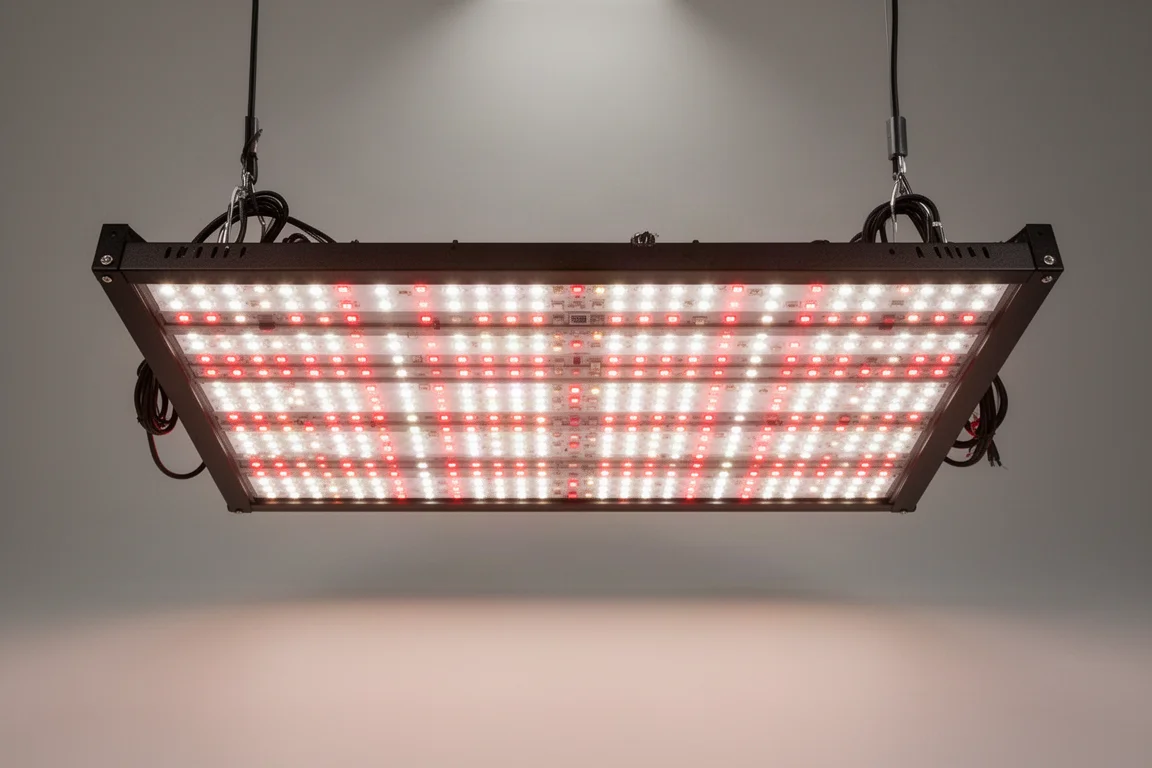
For larger operations, an overhead light like the Bestva 4000 BP Pro takes over. This is a professional-grade grow light, and its size is immediately apparent once you take it down and see it up close.
It comes with features that make sense at scale. Red light strips provide additional red wavelengths, which are useful in the blooming and fruiting stages. The light is also adjustable: you can run it as a more neutral white full spectrum light, then shift it toward more red and blue wavelengths as plants enter the fruiting stage. Brightness is adjustable too, which directly changes how much energy it uses.
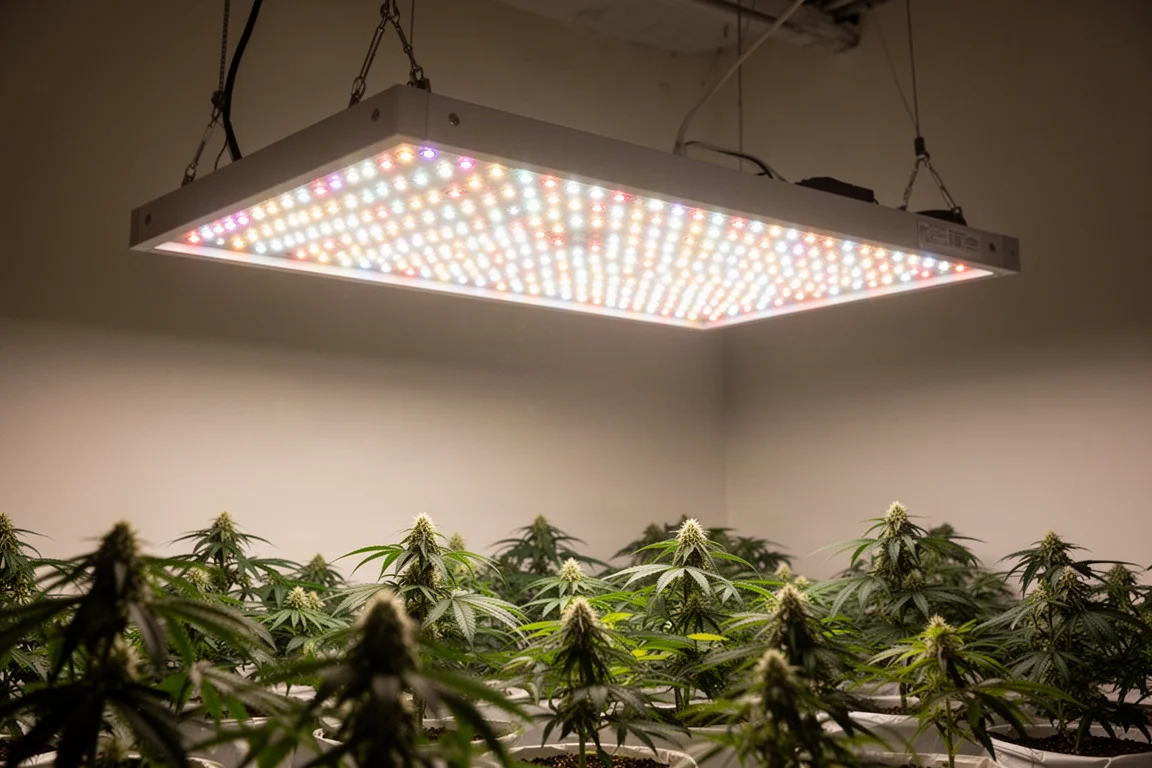
These lights pull up to 400 watts each, a significant step up from rack-level strips, but the flexibility in spectrum and brightness is what justifies it for serious growers.
Power Consumption and Running Costs
The last piece of the puzzle is energy. Once you know how many watts your light pulls and how many hours a day it runs, you can calculate your cost with a simple formula: multiply watts by hours per day, then multiply by your cost per watt. One indoor farm runs its lights on a 16 hours on, 8 hours off schedule.
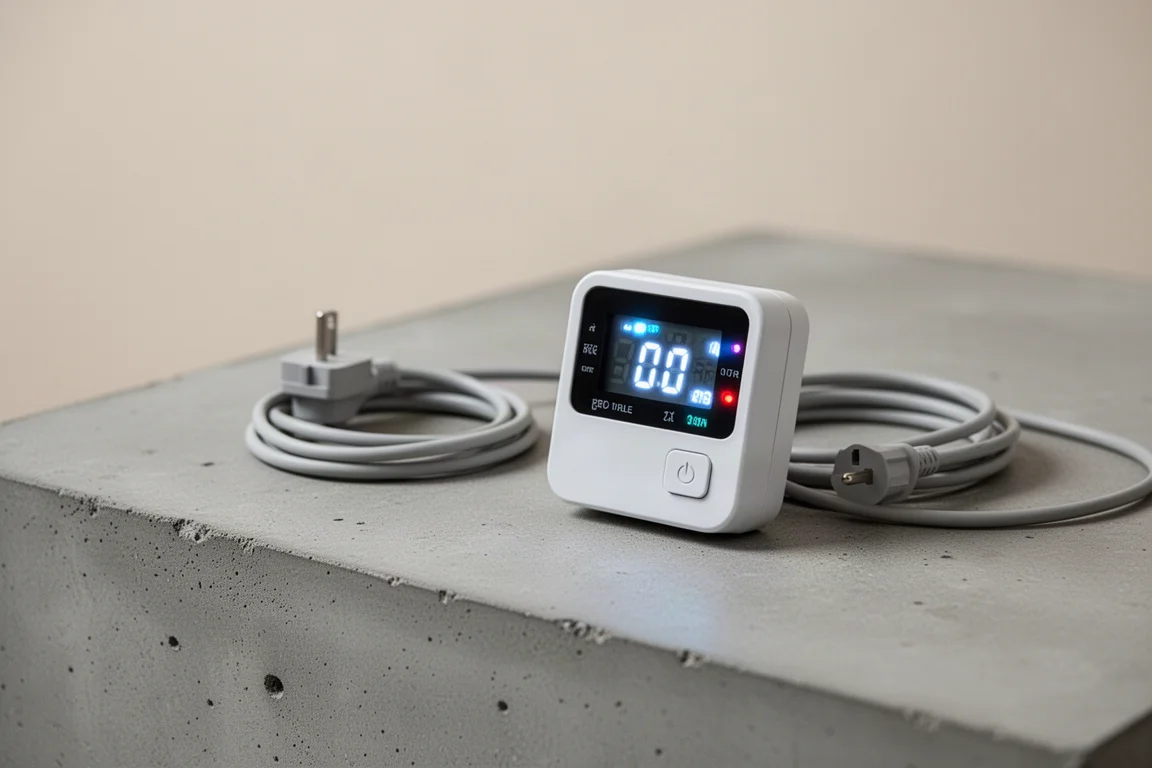
The pleasant surprise is that the cost is often lower than expected, especially when starting with LEDs from the beginning. For a small rack setup running a handful of Barrina lights, electricity is barely noticeable on the bill. At the scale of 400-watt overhead panels, the math matters more, but the calculation above gives you a reliable estimate before you commit.
Conclusion
LED is the clear technology choice for indoor growing: efficient, capable of full spectrums, and lower in radiation output. Match the light to your scale. Barrina T8 full spectrum strips suit racks, microgreens, herbs, and seed starting at a very low running cost. The Bestva 4000 BP Pro suits larger operations where adjustable spectrum, dimmable brightness, and high output earn their place. Get the spectrum, the size, and the wattage right, and the running costs will likely be less intimidating than you expect.
Further reading
Related Reviews
Grow Lights
AC Infinity Ion Frame A7 Review: The Grow Light That Beats Its Own Spec Sheet
A high-output grow light for 2x4 tents that hits target PPFD at low dimmer levels, with strong efficiency and thoughtful mounting details.
Grow Lights
AC Infinity ION Frame Evo 3 Review: A New Bar-Style LED Grow Light for 2x4 Spaces
Samsung LM301H EVO diodes, app scheduling, and a magnetic frame make the ION Frame Evo 3 a serious option for 2x4 grow spaces.
Grow Lights
AC Infinity ION Grid T24 Review: A Full Spectrum LED Grow Light for 2x4 Spaces
A 260W full spectrum LED grow light with Samsung LM301H diodes, a programmable digital controller, and a complete hanging kit out of the box.