Backpacking Food
Best Grocery Store Backpacking Foods: 8 Practical Picks for Trail Meals
A practical guide to building two days of lightweight, non-perishable trail meals from ordinary grocery store shelves, from instant oatmeal to peanut noodles.
Introduction
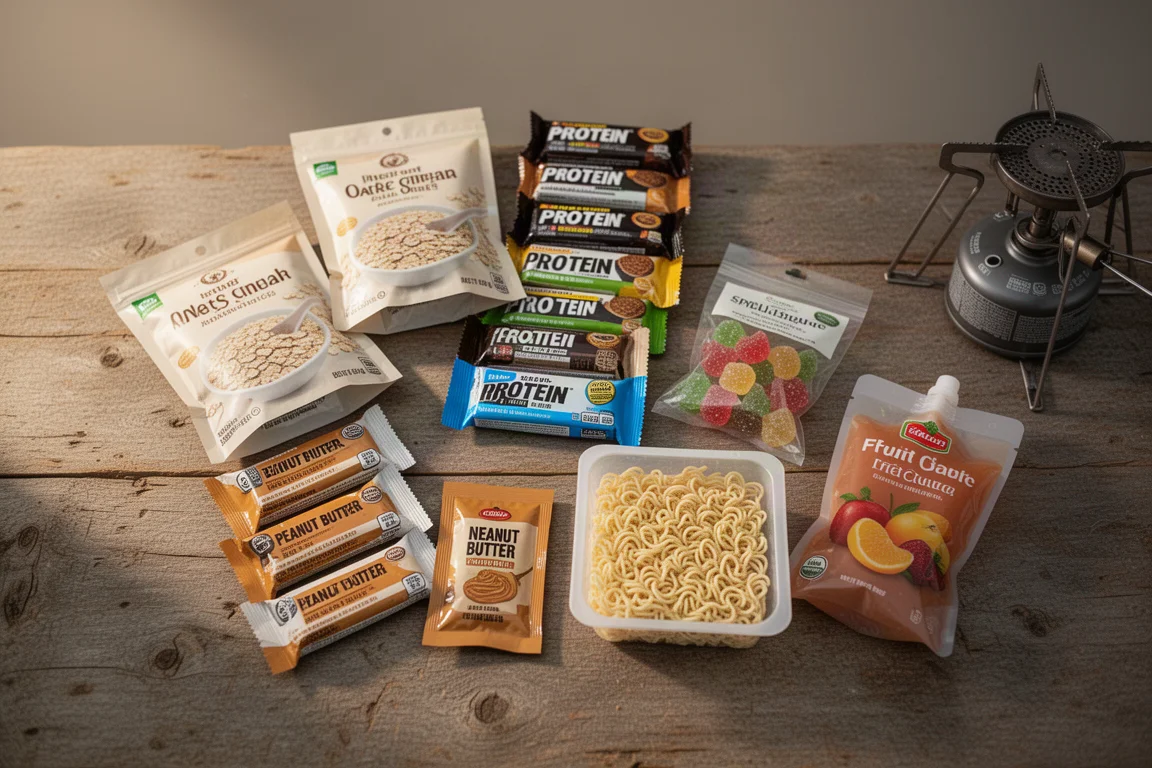
Building two days of backpacking meals out of an ordinary grocery store is a balancing act. Everything has to be non-perishable, packable, and filling enough to cover roughly 2,500 calories a day, and it all has to fit inside a budget of around $50 for the whole trip. That works out to somewhere near $8.33 per meal, which is a tight target once you start reading labels.
The encouraging part is that the ingredients for a genuinely enjoyable trail menu are already on the shelves. The trick is knowing which categories to shop and which products earn their place in the pack. The picks below are organized by the role they play in a two-day meal plan: a breakfast base, protein bars, coffee, snacks, and the components of a simple noodle dinner.
What Makes a Good Backpacking Grocery Pick
A reliable trail menu comes together in three parts. Start with a base such as instant oatmeal, instant rice, or ramen noodles. Then add the calorie and protein layer, which is where nut butter, jerky, fish, or a protein bar comes in. Finally, add flavor, because soy sauce, a savory spread, or marinated vegetables will not add many calories but will make the meal something you actually look forward to eating.
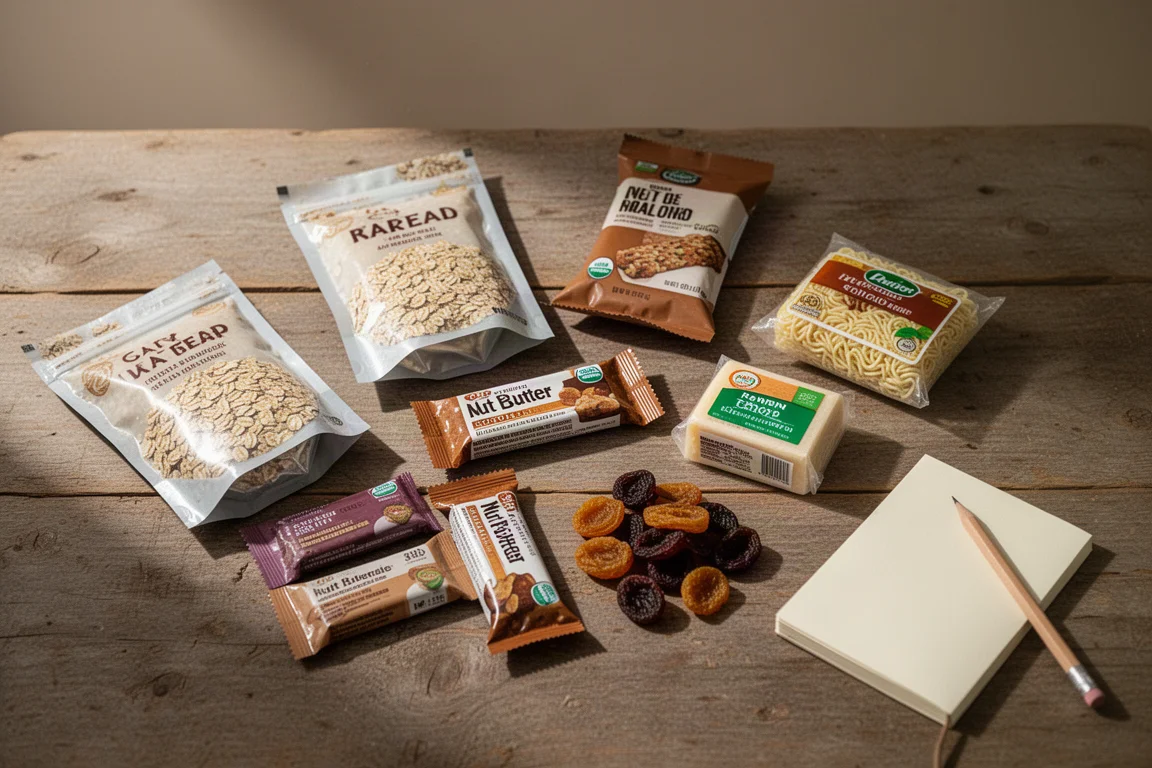
Weight matters as much as calories. Dehydrated ingredients are far lighter than partially cooked or ready-to-eat ones, and bulky packaging usually has to be repacked before a trip. Shopping your own pantry first is the single most useful habit here, since most backpackers already own instant rice, nut butter, and condiments, and food you already enjoy at home tends to taste better on the trail.
Breakfast Base: Trader Joe’s Protein Cinnamon Instant Oatmeal
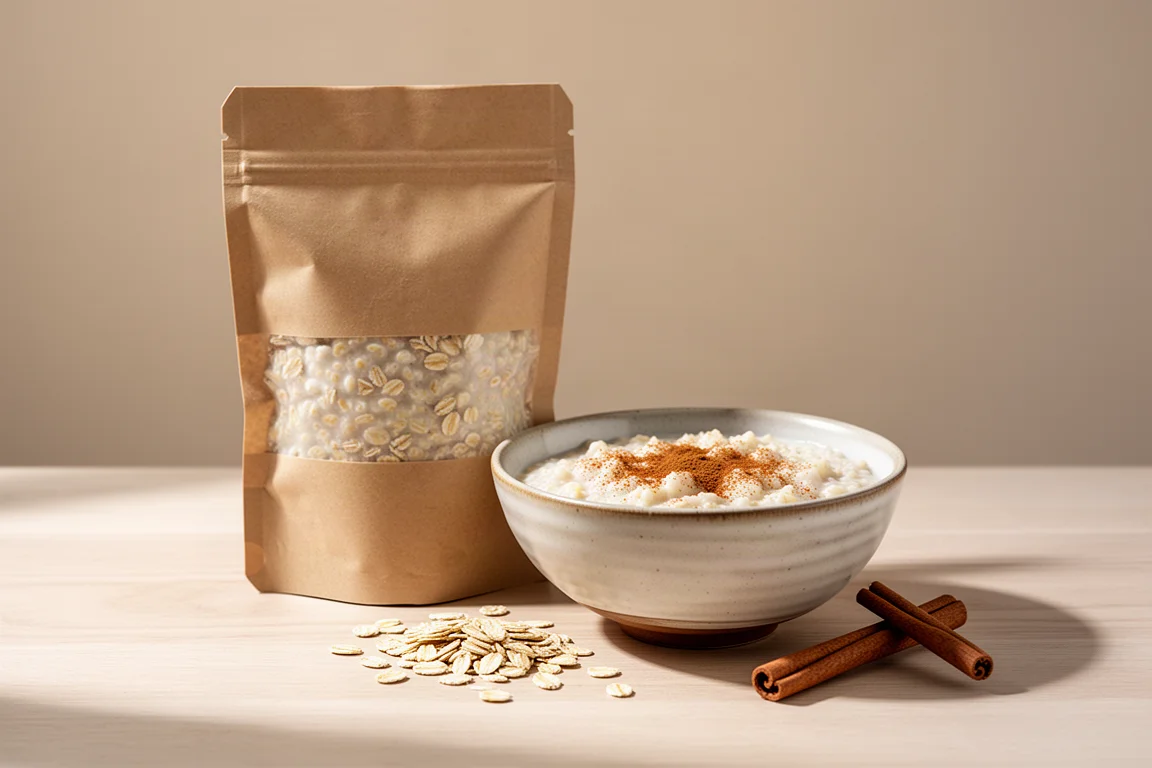
Instant oatmeal is the simplest backpacking breakfast there is: add hot water, wait a minute, eat. The protein cinnamon version stands out because it carries noticeably more protein than the average packet and less sugar than many of the sweeter instant options, with a light cinnamon flavor that keeps it from tasting flat.
It is not the cheapest oatmeal on the shelf. If budget is the only priority, a plain box of instant packets will always cost less. What you get here is a breakfast that holds you longer before the first snack break of the day.
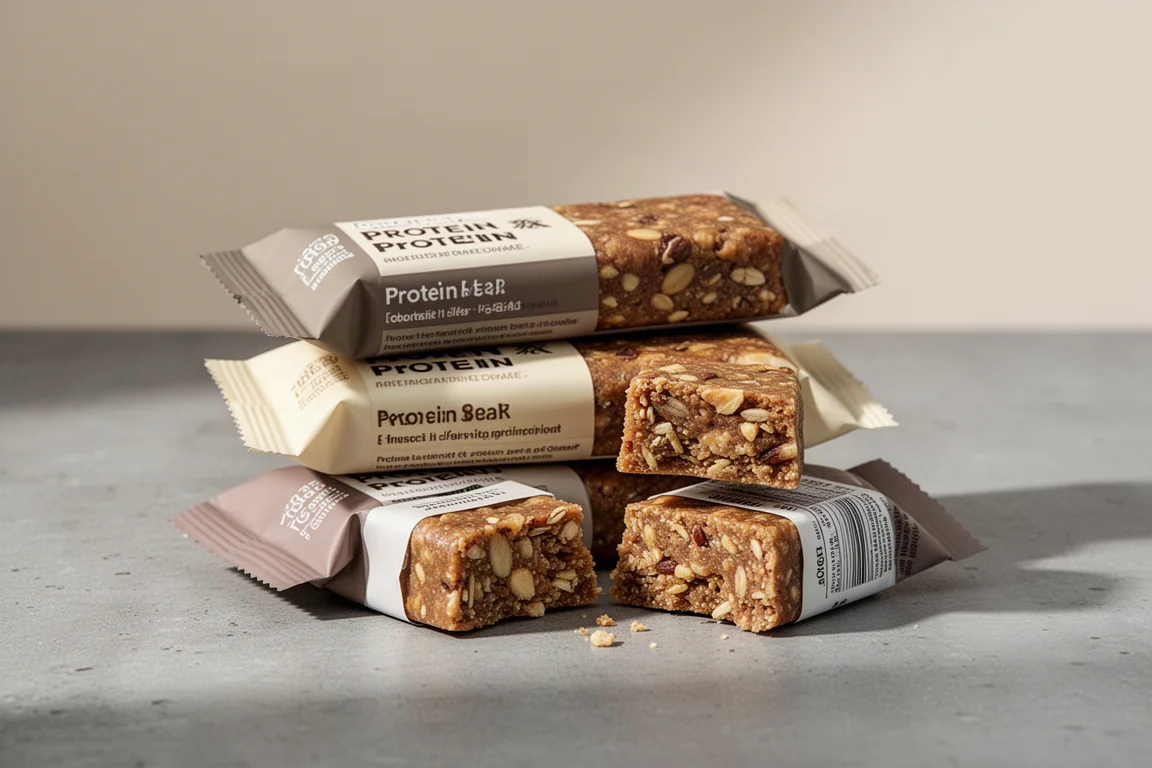
Protein Bars: GoMacro Bars
A protein bar is the easiest lunch to carry, and this line is one of the most dependable. There are enough flavors to keep two days from feeling repetitive, and the bars hold up inside a pack without crumbling into the bottom of a food bag.
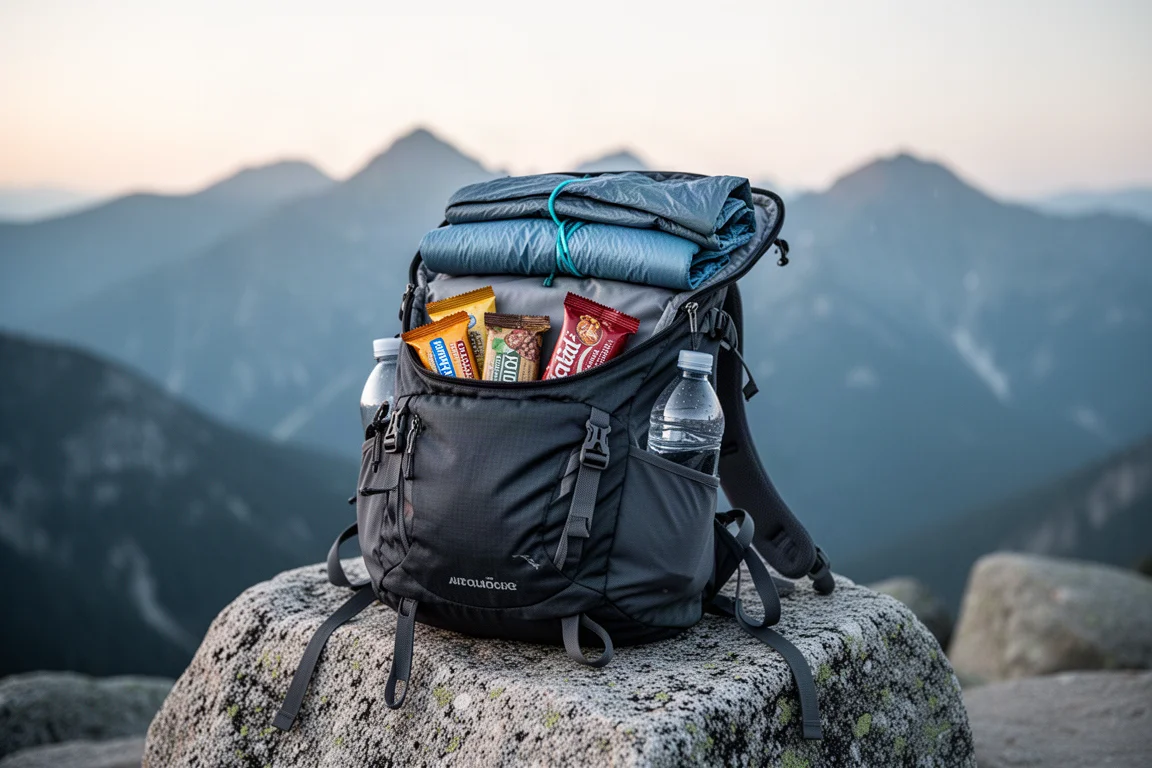
Bars work best as one part of a lunch rather than the whole thing. Pairing one with a piece of fruit or a small snack keeps the middle of the day steady instead of leaving you hungry an hour later.
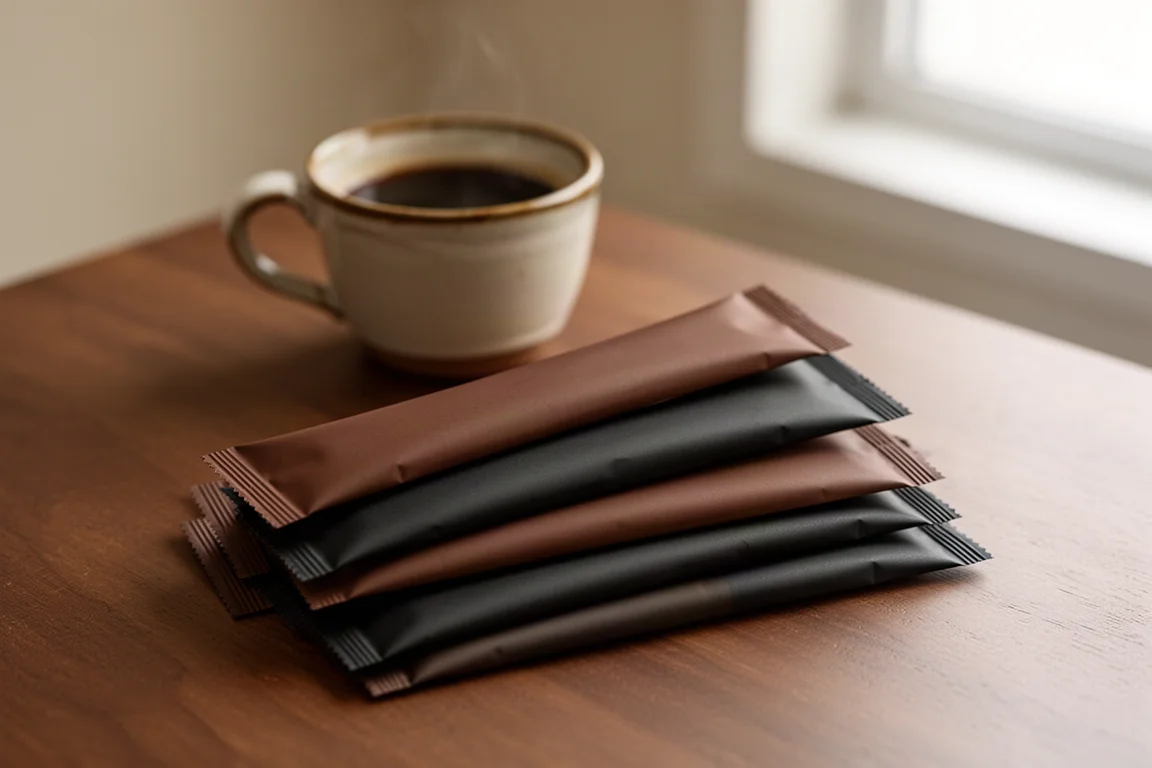
Coffee on the Trail: Starbucks VIA Instant Coffee
Coffee is often the first thing cut when a food budget gets tight, and it should not be. Single-serve instant packets deliver a hot drink with no brewing gear at all, and the cost per serving is a fraction of what most other instant coffee options ask. Eight packets for around $6 is one of the better values in the coffee aisle.
Stock is the catch. Instant coffee sells out, and a store that is out of it leaves you choosing between an expensive jar and no caffeine at all.
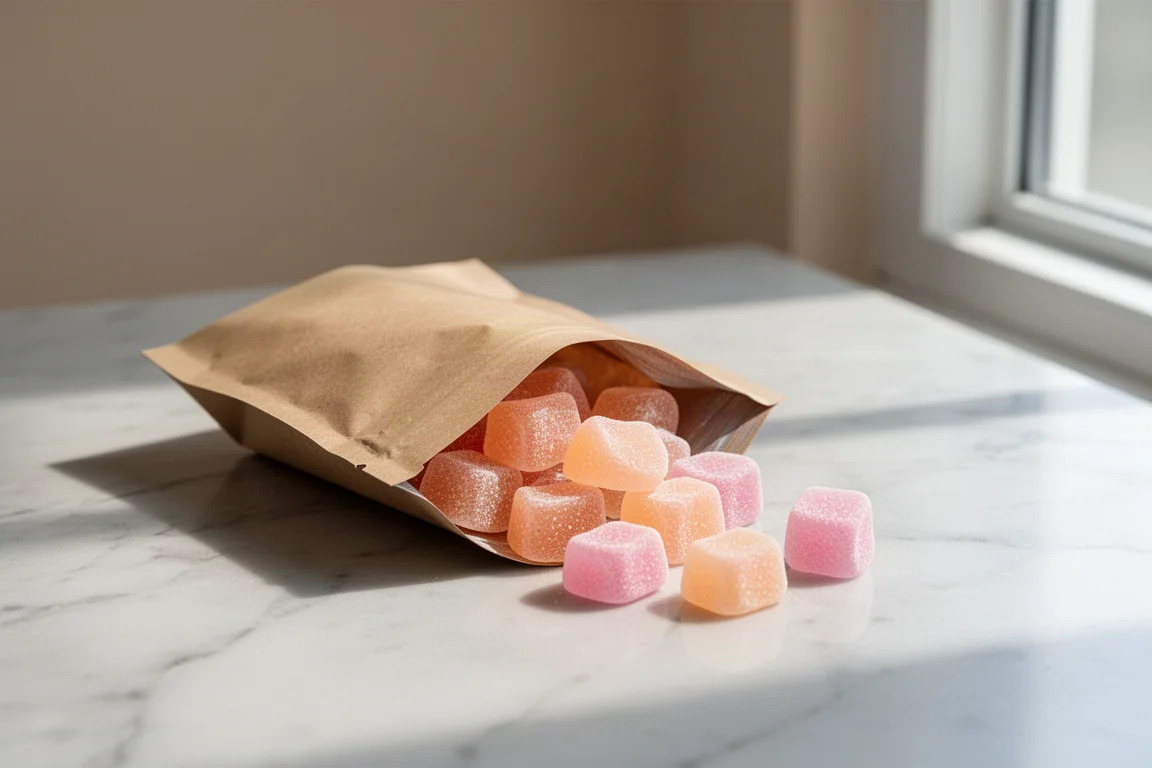
Sweet Snacks: SmartSweets
Not everything in a food bag has to be functional. These gummy candies carry only three or four grams of sugar per bag and are high in dietary fiber, which makes them a reasonable way to satisfy a candy craving without loading up on sugar.
They are a treat rather than a nutritional staple, so they earn their place by keeping morale up on a long day rather than by adding serious calories.
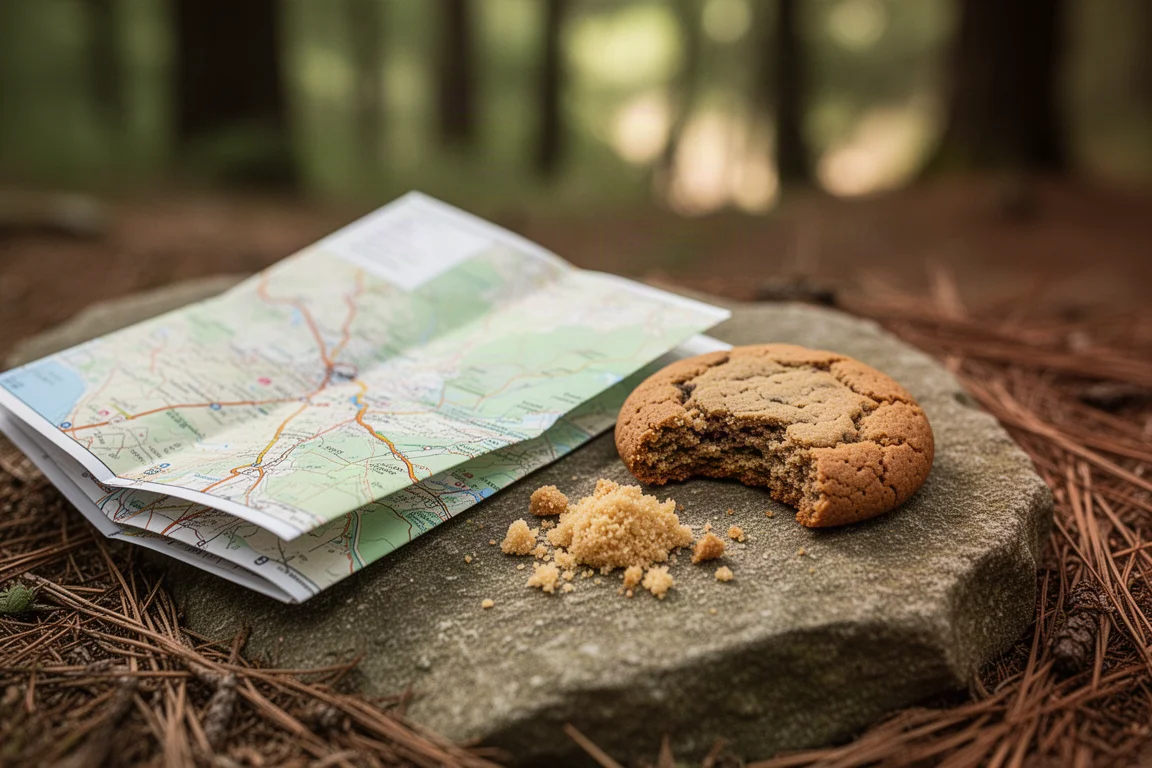
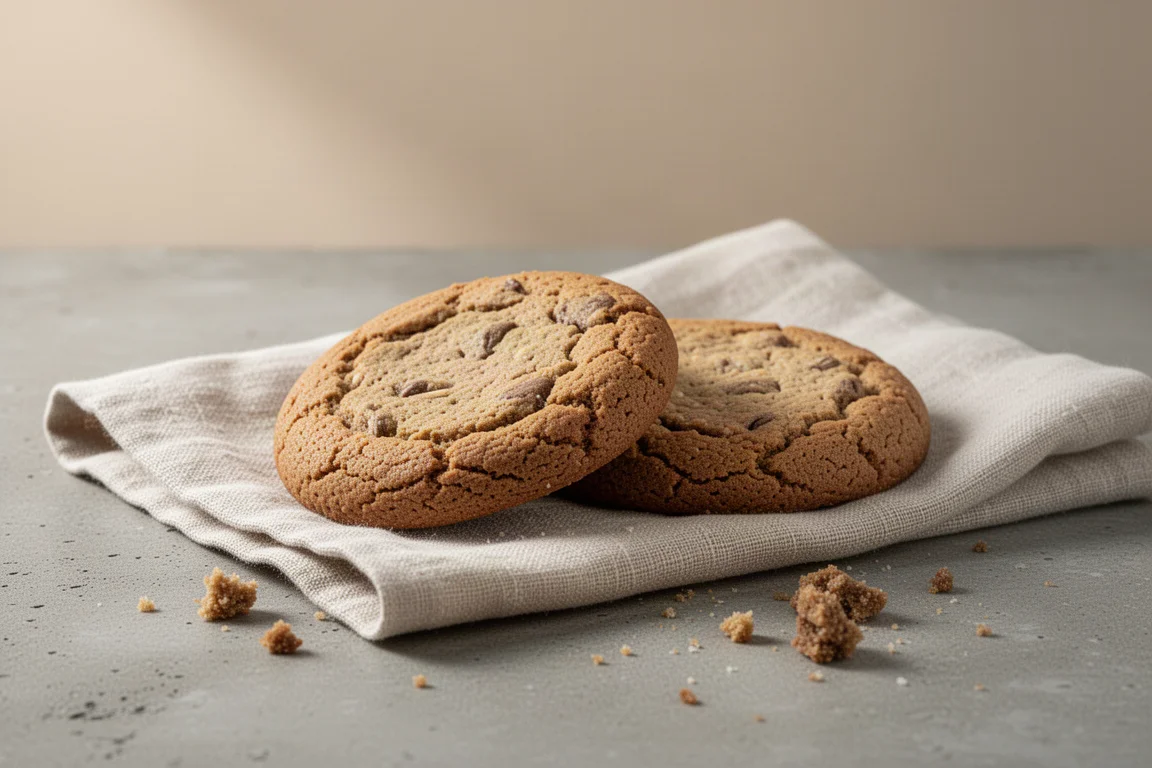
Snack Cookies: Munk Pack Protein Cookies
Calorie density is the quiet currency of backpacking food, and these cookies are unusually dense: 320 calories in a single cookie. That makes them useful for topping up a day that came in short, or as a mid-afternoon snack on a long climb.
They also tend to be discounted, which helps when the rest of the food bag is already over budget. Treat them as a supplement to meals rather than a replacement for one, since a cookie will not carry you the way a full dinner does.
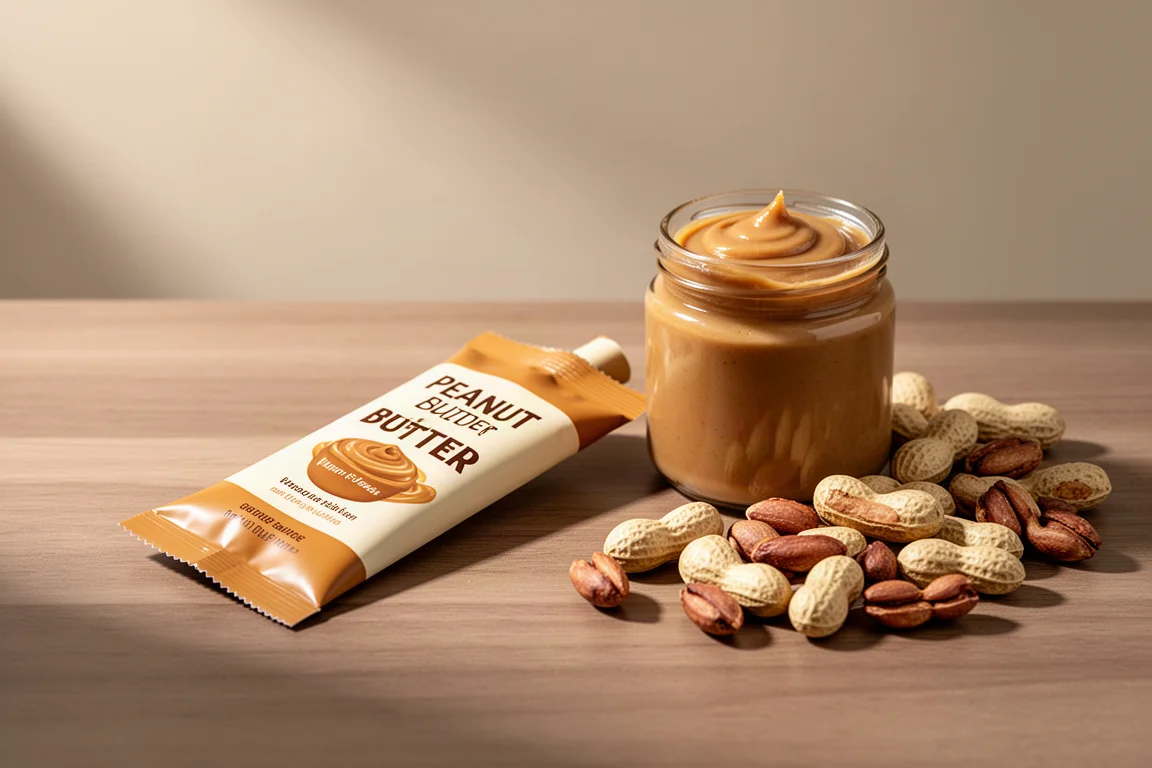
Peanut Butter for Dinner: Justin’s Peanut Butter
A plain packet of ramen is a boring dinner. A packet of ramen plus peanut butter is peanut noodles, and that single addition transforms the cheapest meal in the bag into something worth sitting down for.
Single-serve packets are the practical format here, since they pack flat, travel without leaking, and cost roughly the same as supermarket pricing elsewhere. A jar is cheaper per ounce, but it is heavier and messier in a pack.
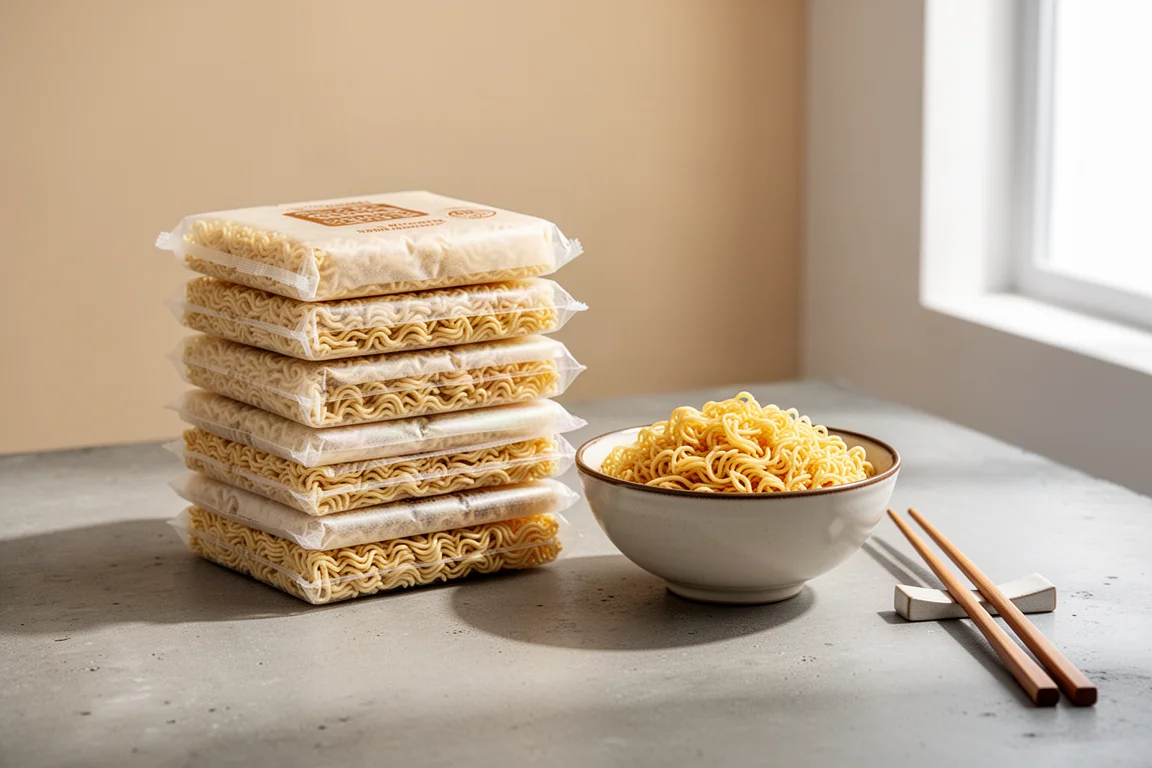
Dinner Base: Maruchan Super Six Pack Soy Flavor Ramen
Instant ramen is the default backpacking dinner for good reason. A six-pack of soy flavor noodles is inexpensive, cooks in minutes with boiling water, and provides a neutral base that takes well to peanut butter, soy sauce, or a packet of fish.
The trade-off is excitement. On its own, ramen is fuel rather than a meal, and the outer packaging usually needs to be broken down and repacked to save space in the food bag.
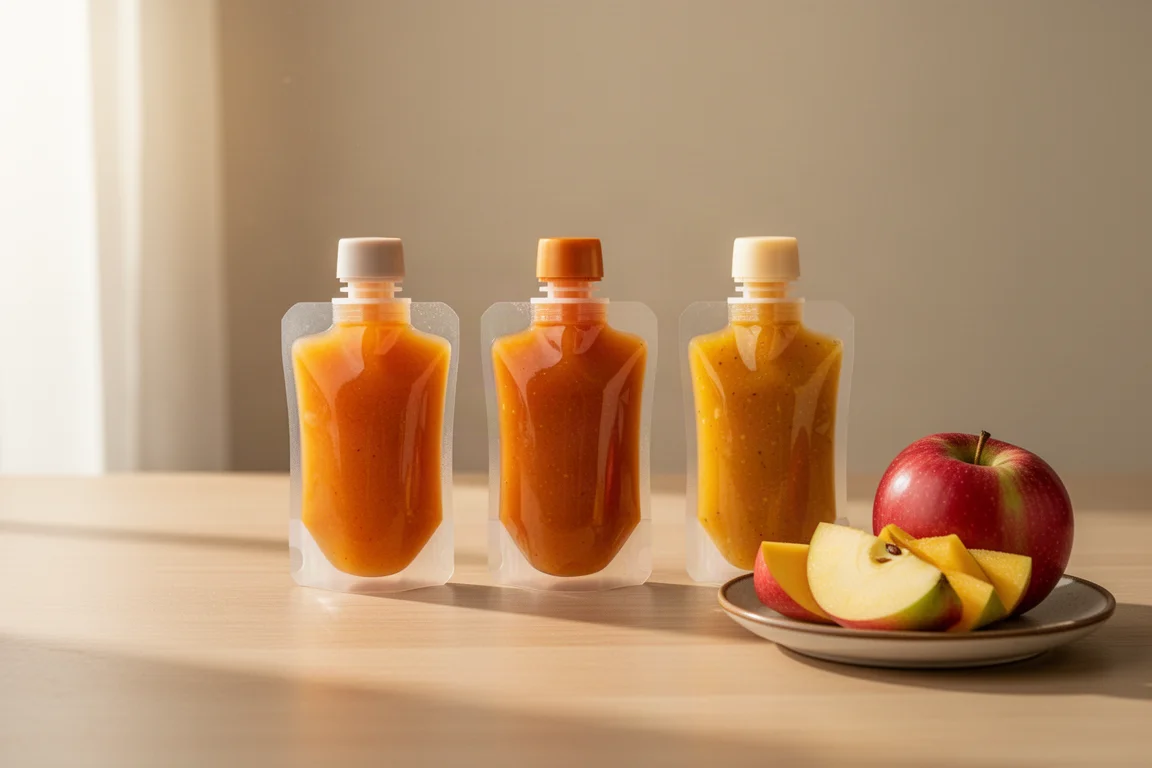
Fruit Snacks: Trader Joe’s Fruit Crushers Apple Mango Fruit Sauce
Fruit sauce pouches are the closest thing to fresh fruit that survives a multi-day pack. They need no refrigeration, they taste bright and clean, and there is nothing to prepare, which makes them ideal for eating while walking.
They are light on calories compared with a bar or a cookie, so think of them as a fresh-tasting companion to a snack rather than a replacement for it.
Overall Buying Advice
Shop your pantry before you shop the store. Most of what a backpacking menu needs, including instant rice, nut butter, and condiments, is probably already in your kitchen, and using food you already like is the most reliable way to avoid a food bag you dread opening on day two.
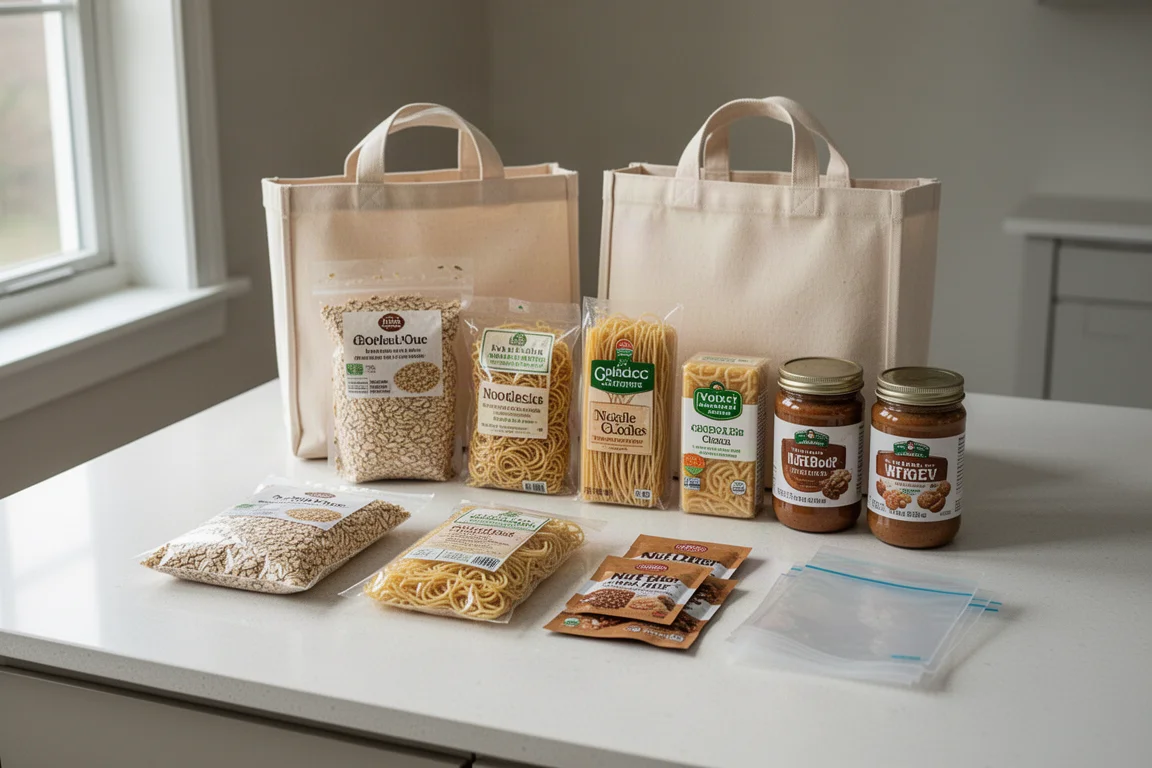
When you do buy, think in the same three-part structure: a base, a protein and calorie layer, and a flavor layer. Buy the staples where they are cheapest and the treats where they are best, and do not be afraid to split a shopping list across two stores. Repack bulky items into resealable bags at home to cut both weight and waste before you leave.
Conclusion
A two-day backpacking menu does not require specialty dehydrated meals. With a base, a protein layer, and a flavor layer, a normal grocery store can supply everything you need for roughly $50, and the meals will be ones you are genuinely happy to eat at the end of a long day. Start with what is already in your pantry, buy the staples where they are cheapest, and spend the difference on the small things, like coffee and a treat, that make a trip feel less like rationing.
Further reading
Related Reviews
Backpacking Food
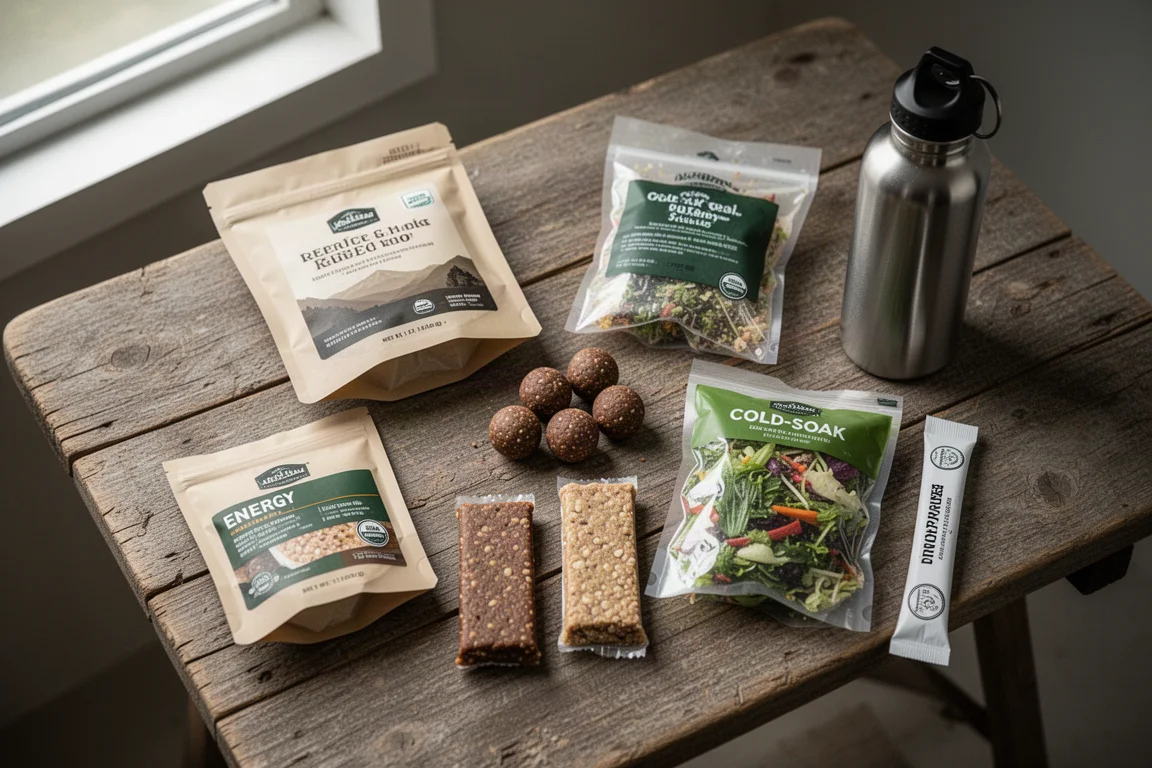
Best Backpacking Food for Thru-Hikes: 7 Options That Stay Appetizing
Seven trail-tested foods that hold their appeal over a long thru-hike, from calorie-dense breakfasts and easy snacks to cold-soak lunches and electrolyte drink mixes.
Backpacking Food
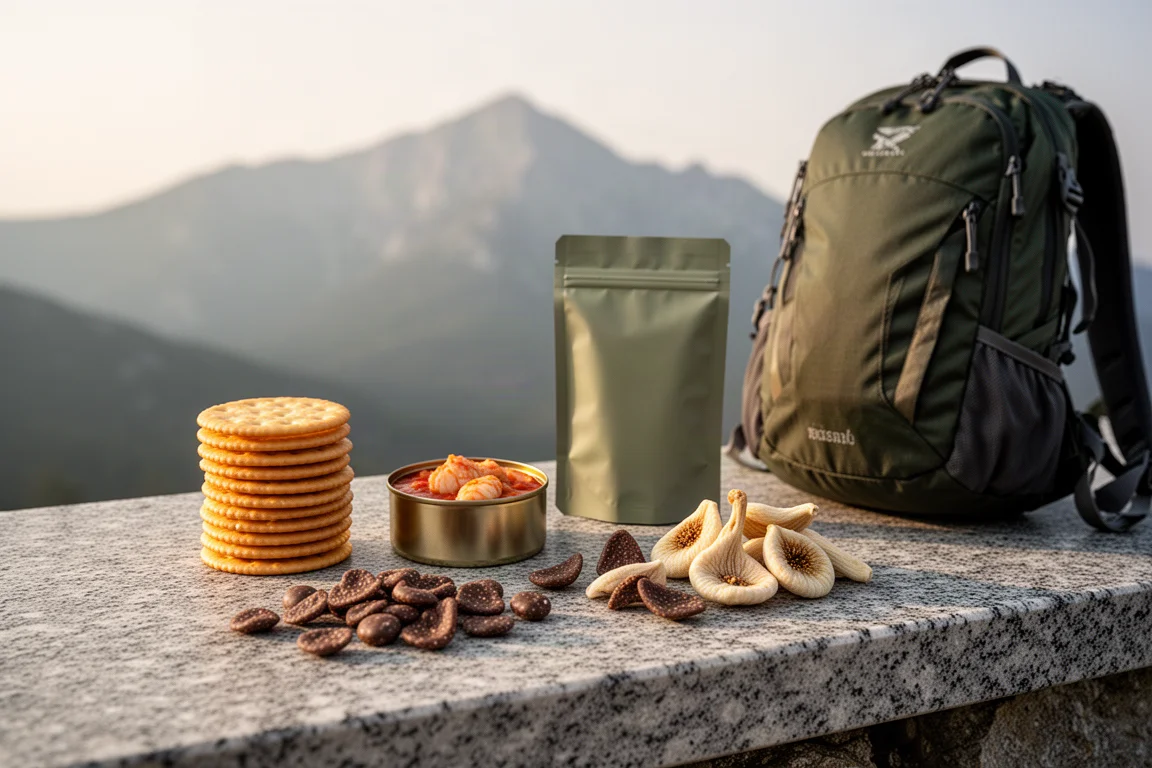
Weird Backpacking Food Worth Trying: 11 Trail Snacks and Meals That Earn Their Weight
Eleven unusual backpacking foods, from tinned spicy mussels and fermented crackers to chocolate-covered banana chips, judged on weight, calories, prep time and flavor.
Backpacking Food
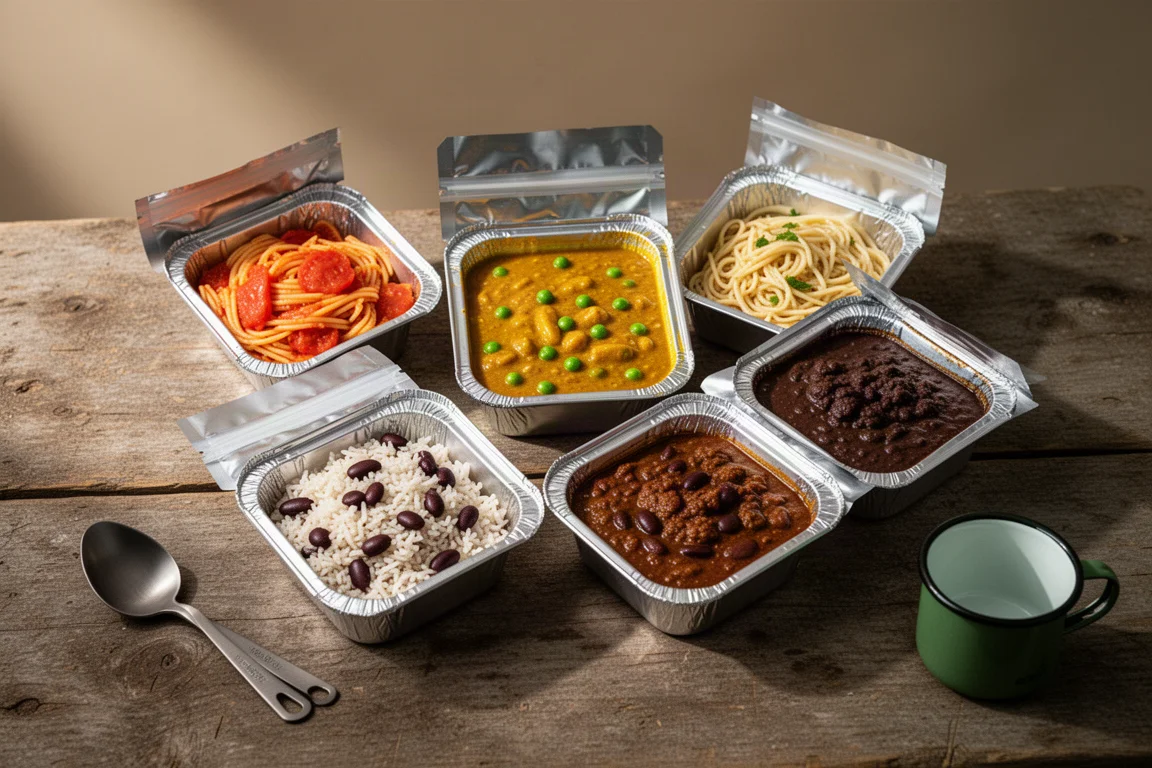
Backpacker's Pantry Dehydrated Meals: 13 Backpacking Dinners Compared
Thirteen Backpacker's Pantry dehydrated meals compared on flavor, texture, portion size, and variety, with clear picks for different trip styles.