Food
Best American Artisan Cheddars: Four Wheels Worth Your Cheese Board
Four standout American cheddars, from clothbound Vermont wheels to a sweet Wisconsin alpine-style wedge, with tasting notes and buying tips.
Introduction
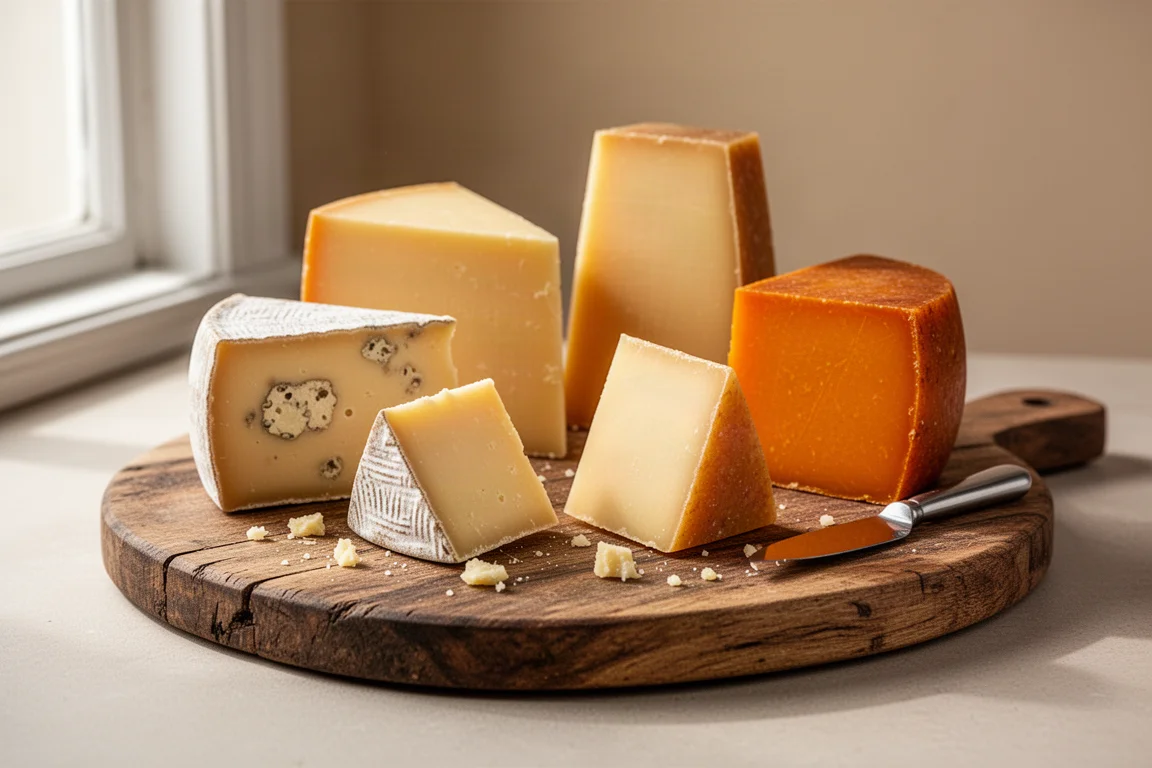
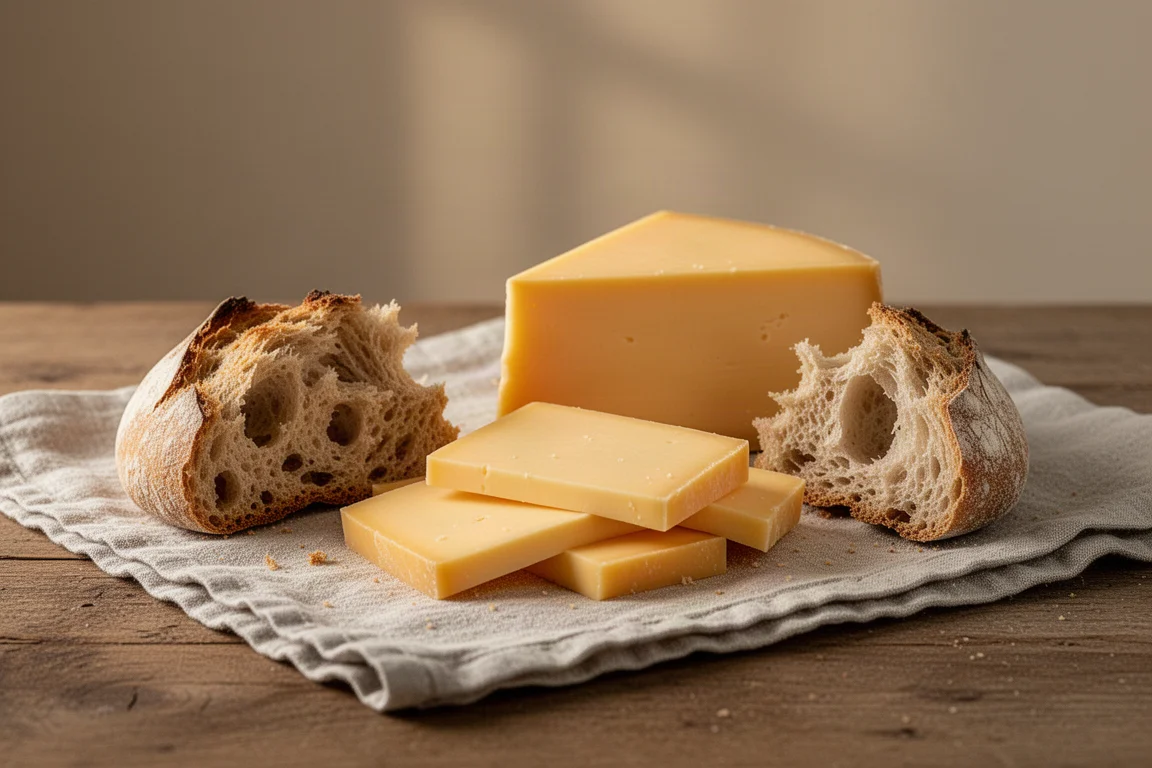
Cheddar has a way of making everything better, and American cheesemakers are proving it with an increasingly diverse range of styles. On the table here: block cheddars, clothbound wheels, an orange classic, and even a cheddar made with alpine cultures. All four are handmade, all are aged, and all fall in the $20 to $35 per pound range. Here is what makes each one worth a place on your cheese board.
Block Cheddar vs Clothbound Cheddar
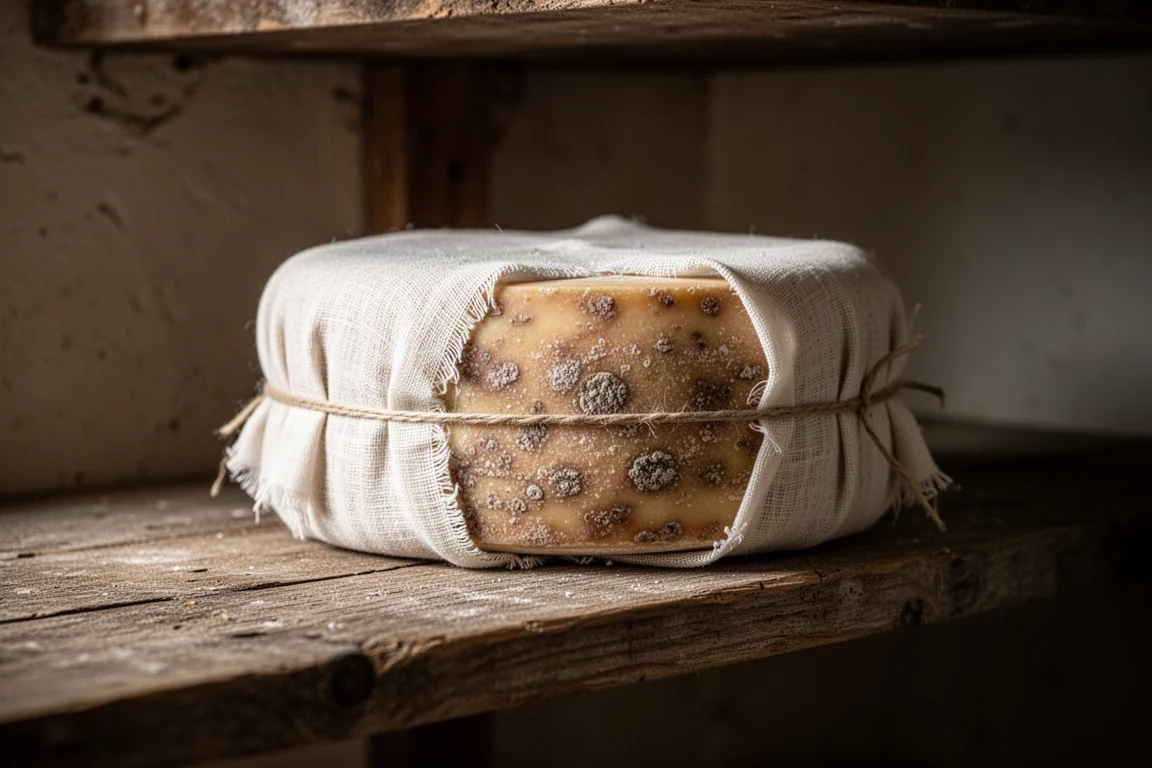
Most of the cheeses in this lineup are block cheddars, meaning they are aged in plastic and hold their moisture throughout aging. Clothbound cheddars work differently: the cheese is wrapped in fabric, coated in melted lard, and aged that way. Oxygen slowly works its way in, producing natural fissures and blemishes on the rind. These are completely fine to eat, and for some people they are the best part, with a little horseradish-like sharpness and a hint of blue cheese character.
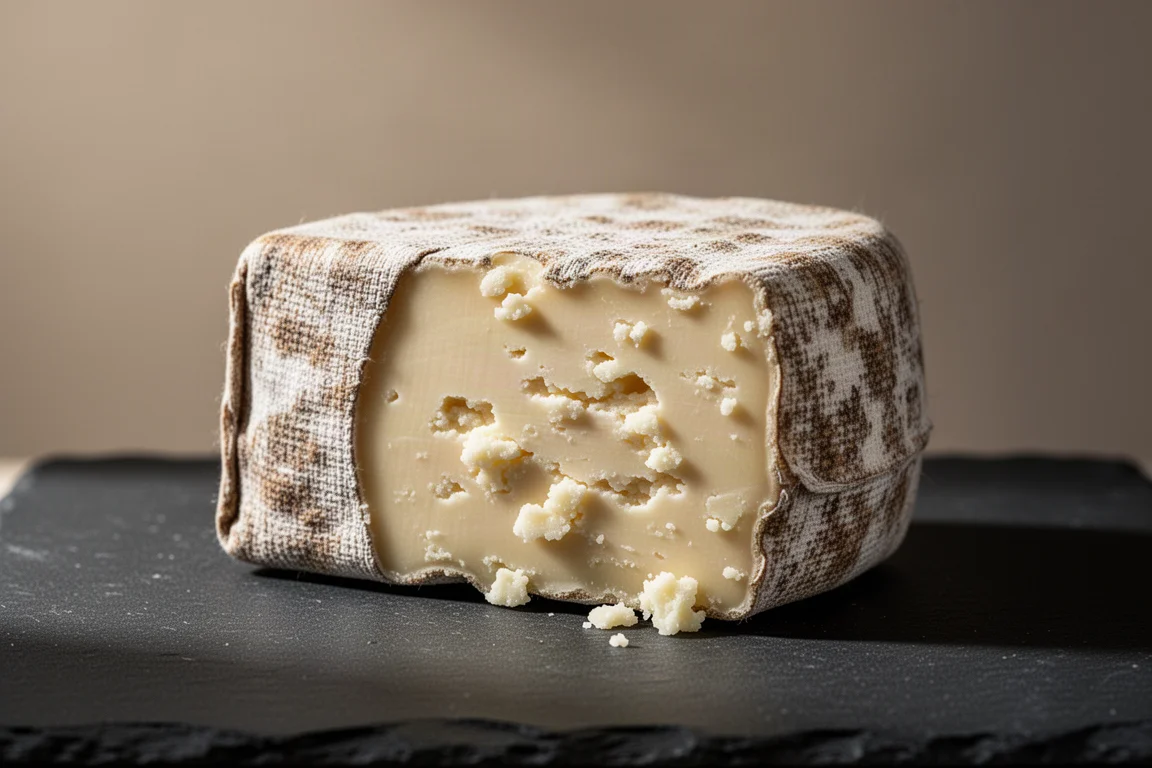
Clothbound cheeses develop far more texture variation from exterior to interior, and tend to be drier and crumblier than their block-aged counterparts.
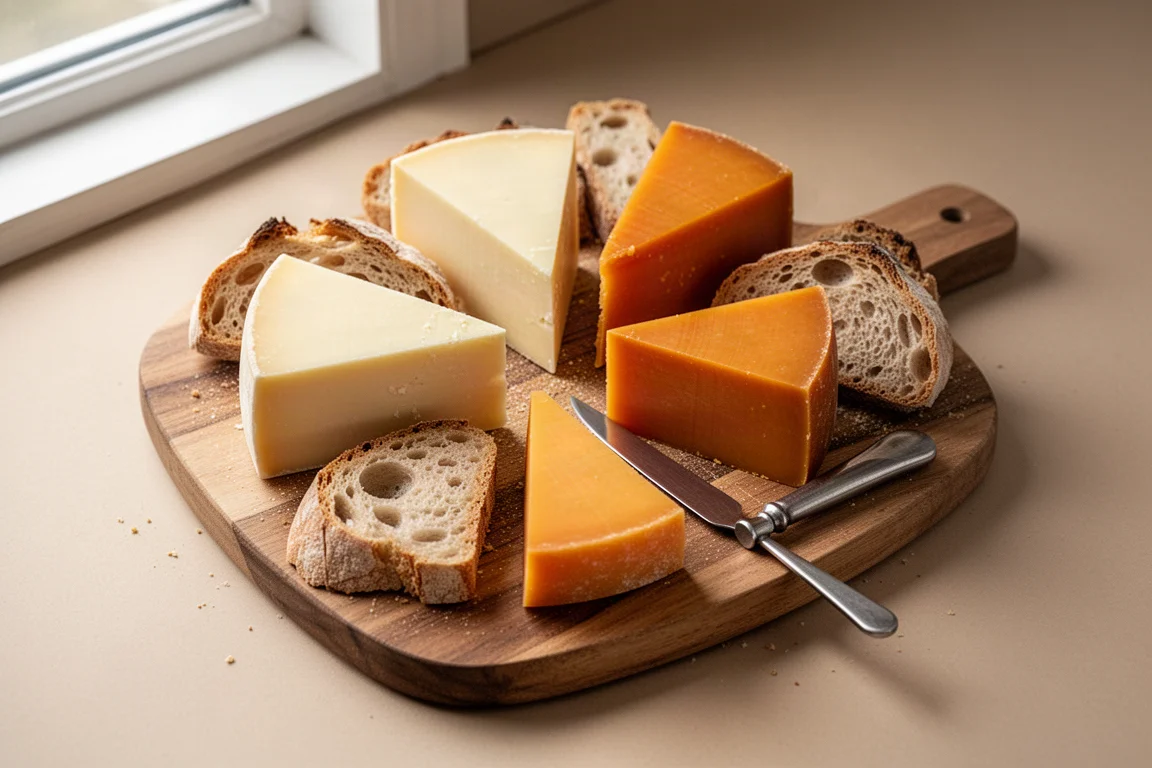
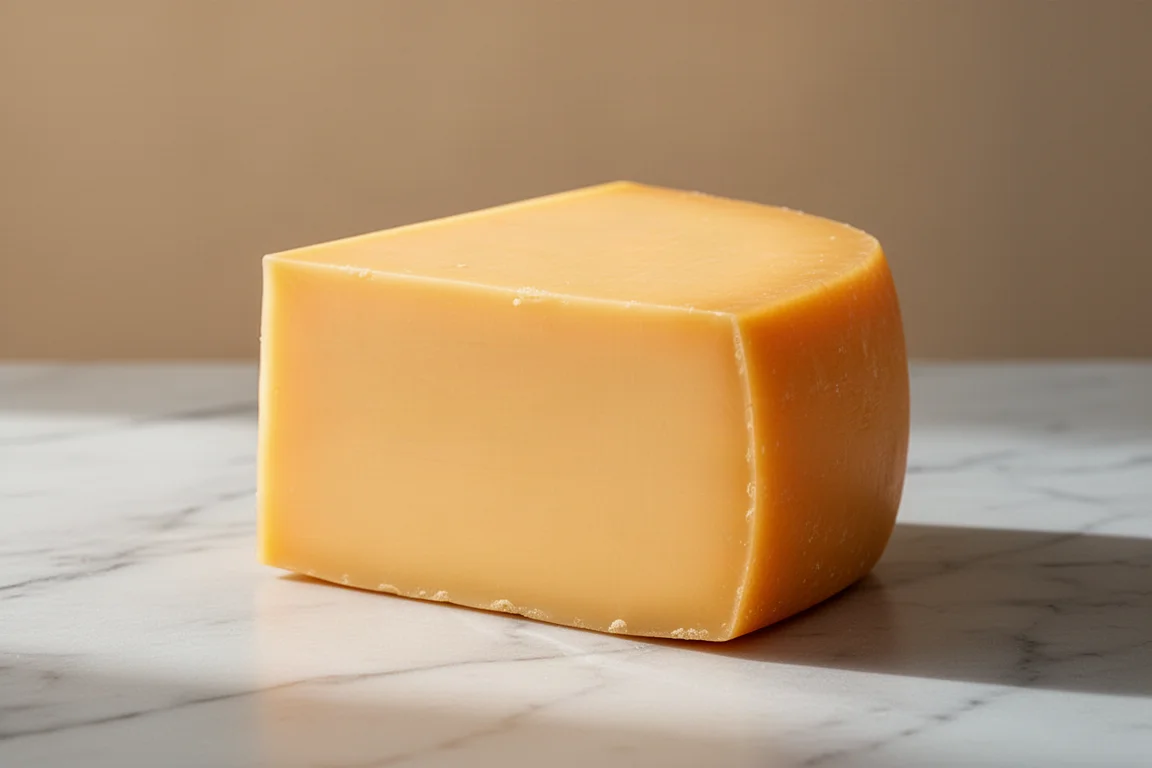
Another detail worth knowing: the orange cheddar on the board gets its color from flavorless annatto oil from the achiote seed. In blind tastings, you cannot tell an orange cheddar apart from a white one by taste alone.
Beecher’s Cheddar
The sweet-sharp style of cheddar has been gaining ground, and Beecher’s, which started out in Seattle, is the name most associated with it. This style balances a complex sweetness with a pleasant sharpness, and it has helped define a new direction for American cheddar.
Milton Creamery Prairie Breeze
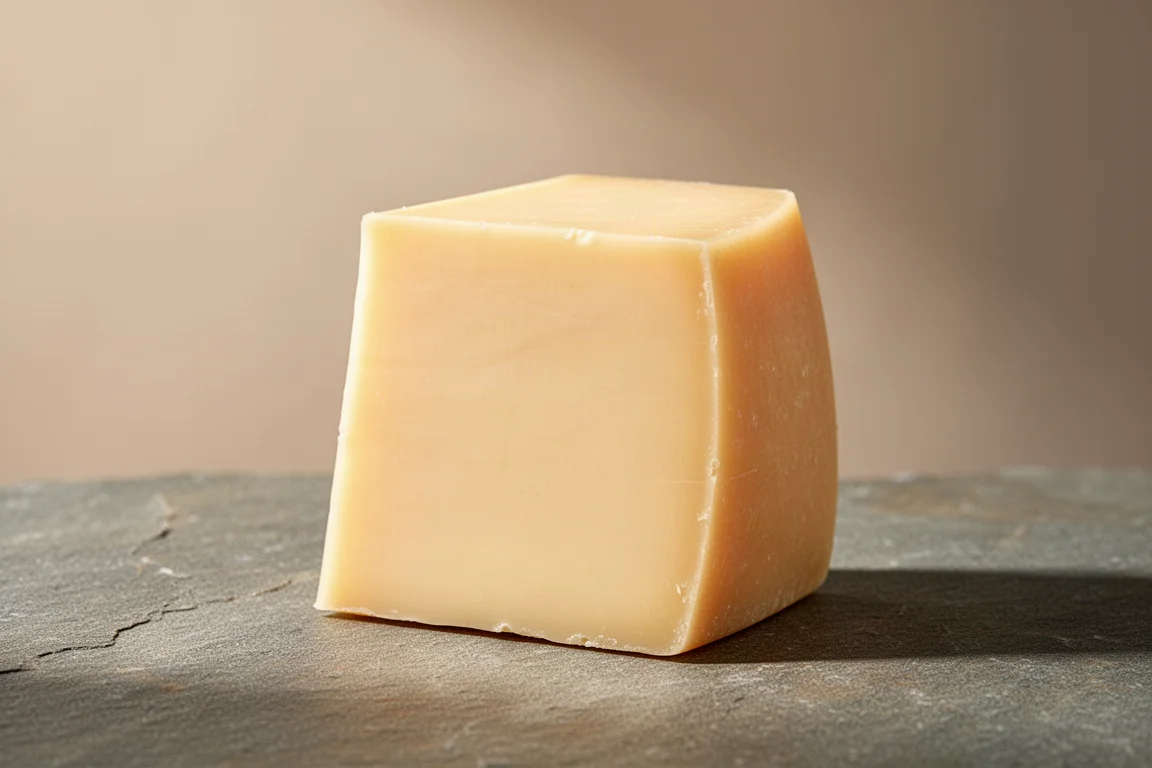
From Iowa, Milton Creamery’s Prairie Breeze is a great example of that sweet, sulfury, complex, and balanced new style. It runs a little creamier than the other cheeses here, and the sweetness recalls caramel or butterscotch rather than simple sugar.
Like the rest of the lineup, it is better enjoyed with a piece of bread than cooked with, since these long-aged cheeses are too expensive and too aged to melt well.
Cabot x Jasper Hill Clothbound Cheddar
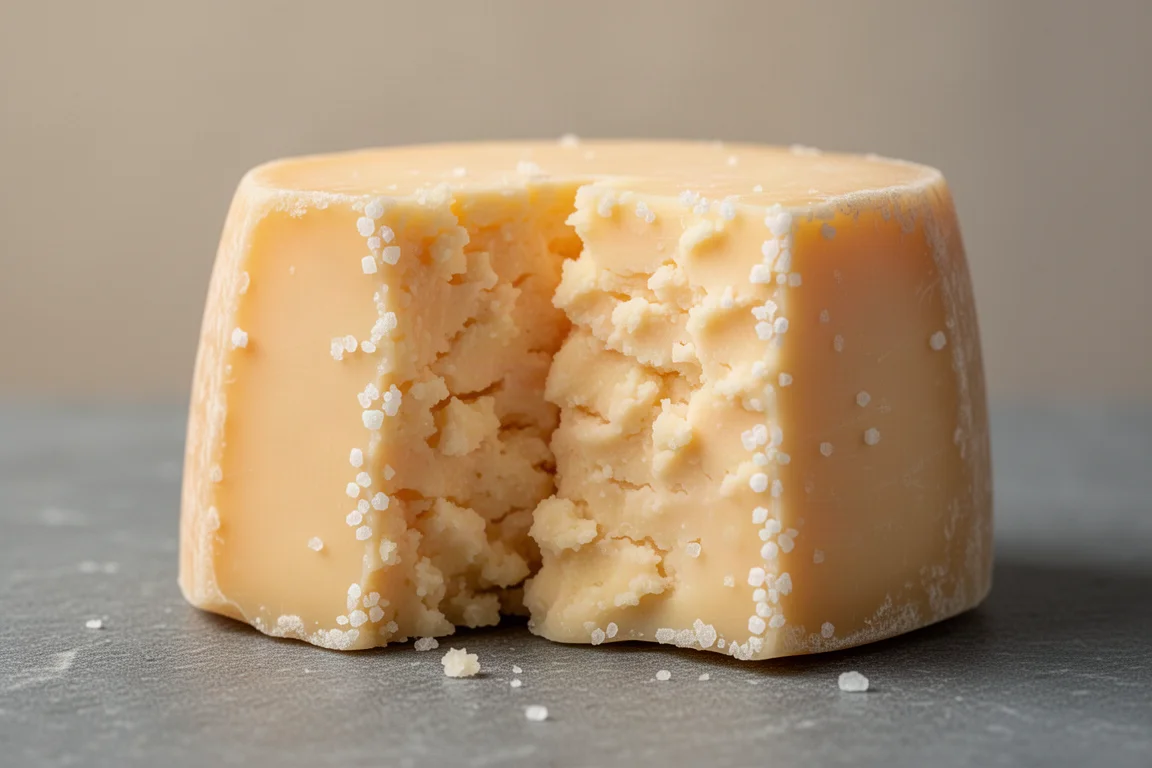
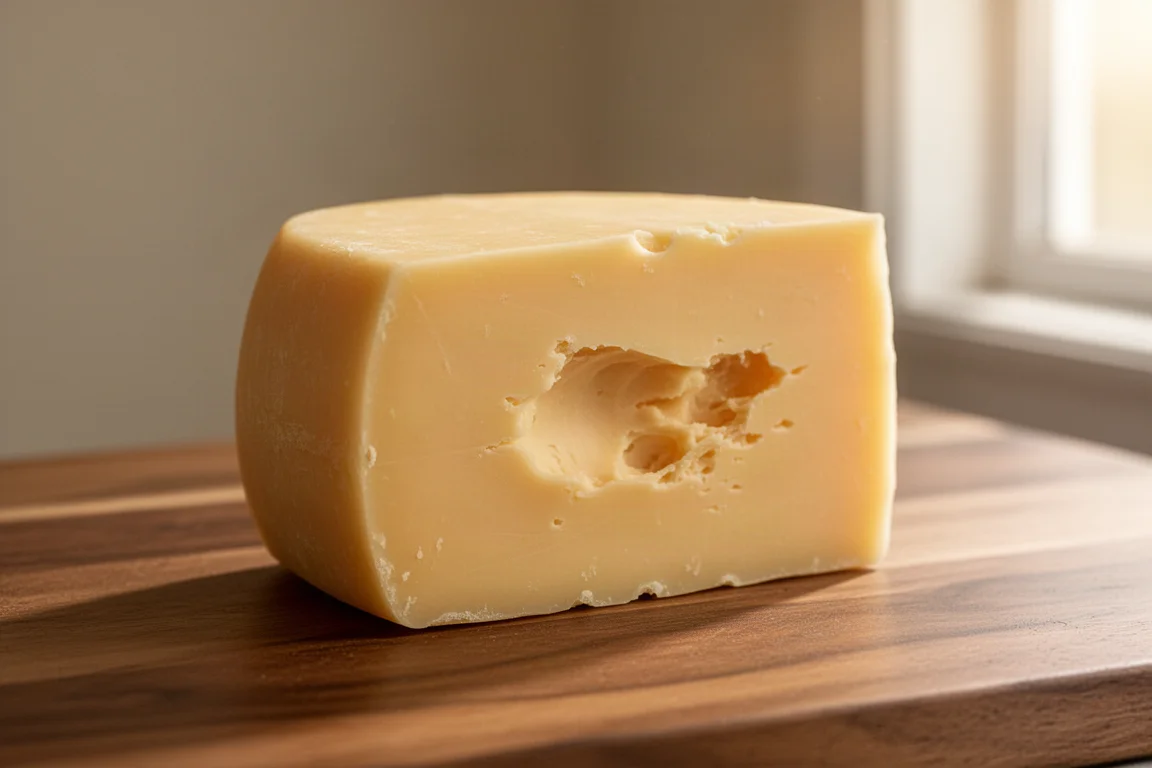
This is the crumbly one on the board, and it was the favorite of the tasting. Made in Vermont by Cabot in partnership with Jasper Hill, it is clothbound and wrapped in lard, with a well-developed crystalline structure. Those crunchy bits are the same ones you find in aged Parmigiano, a sign of long, well-tended aging. The texture is lovely, and the flavor delivers a rich, complex sweetness.
Whitmer’s Wisconsin Alpine-Style Cheddar
From a small Wisconsin business called Whitmer’s, this cheddar is made with the same cultures used in alpine cheeses like Emmentaler or Gruyere. That gives it buttery notes and a silky, smooth texture with a little tang. It is cheddar, but not quite cheddar, and that is exactly its charm.
A Note on Orange Cheddar
Orange cheddar is often assumed to be simpler or less complex than white cheddar. The well-aged Wisconsin orange wheel on this table says otherwise: it is an interesting, complex cheese that deserves the same attention as anything else here.
How to Choose and Serve These Cheddars
Having a couple of different cheddars on a cheese board works well precisely because they are so different from each other. Serve them with simple bread and let the textures and flavors speak. If you want a cheddar for cooking instead, choose a younger, less expensive wheel: it will hold up better in a dish and save you money.
Conclusion
All of these cheddars are incredibly good, and each one shows a different side of American cheesemaking: sweet-sharp new styles, clothbound tradition, alpine cultures, and a complex orange classic. Cheddar really does make everything better.
Further reading
Related Reviews
Food
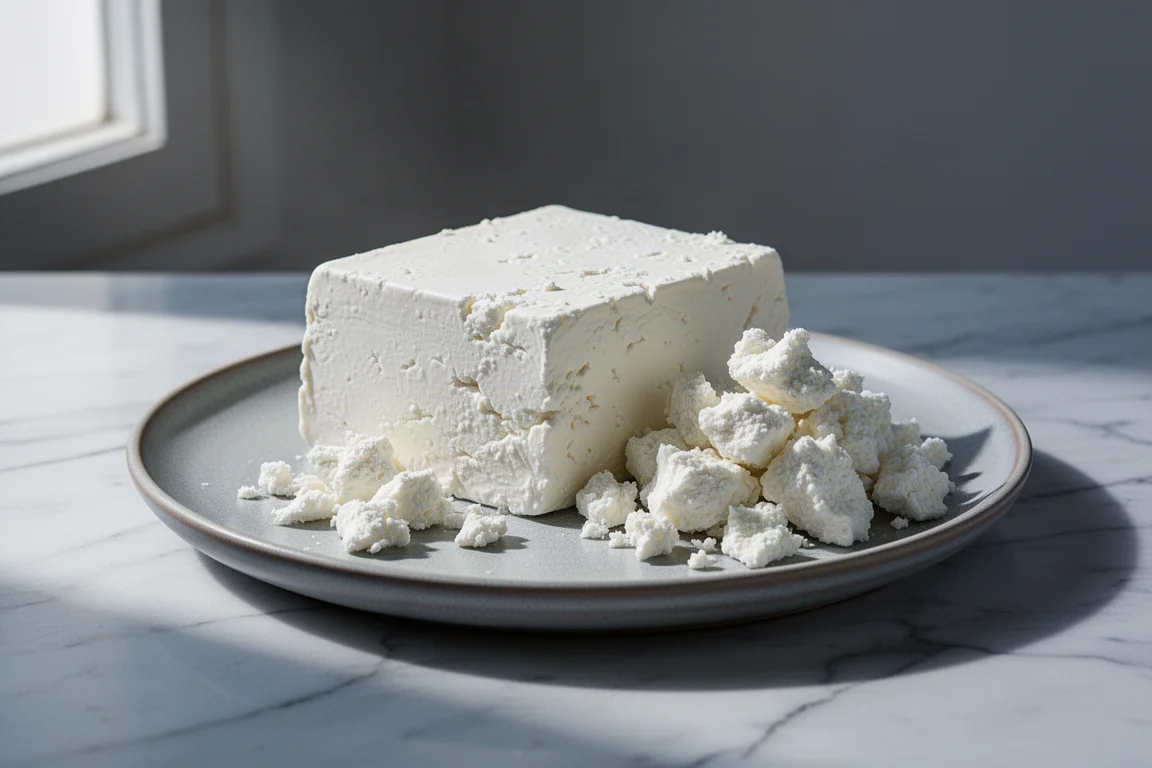
Athos Crumbled Feta Review: A Shortcut That Actually Passes
Why buying authentic Greek block feta beats most supermarket crumbles, and when Athos crumbled feta is an acceptable compromise.
Food
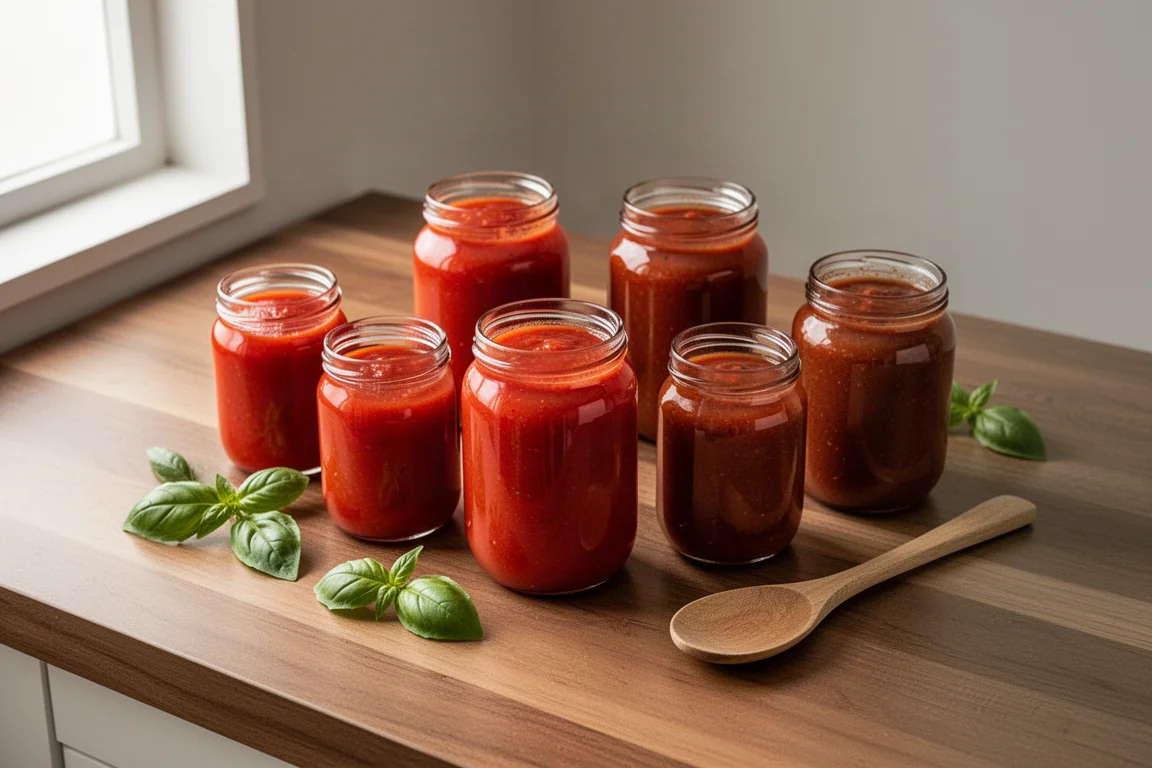
Best Jarred Marinara Sauce: A Taste Test of 10 Supermarket Picks
We tasted ten jarred pasta sauces to find out which ones actually taste homemade. Rao's came out on top, with Victoria Fine Foods close behind.
Gourmet Food
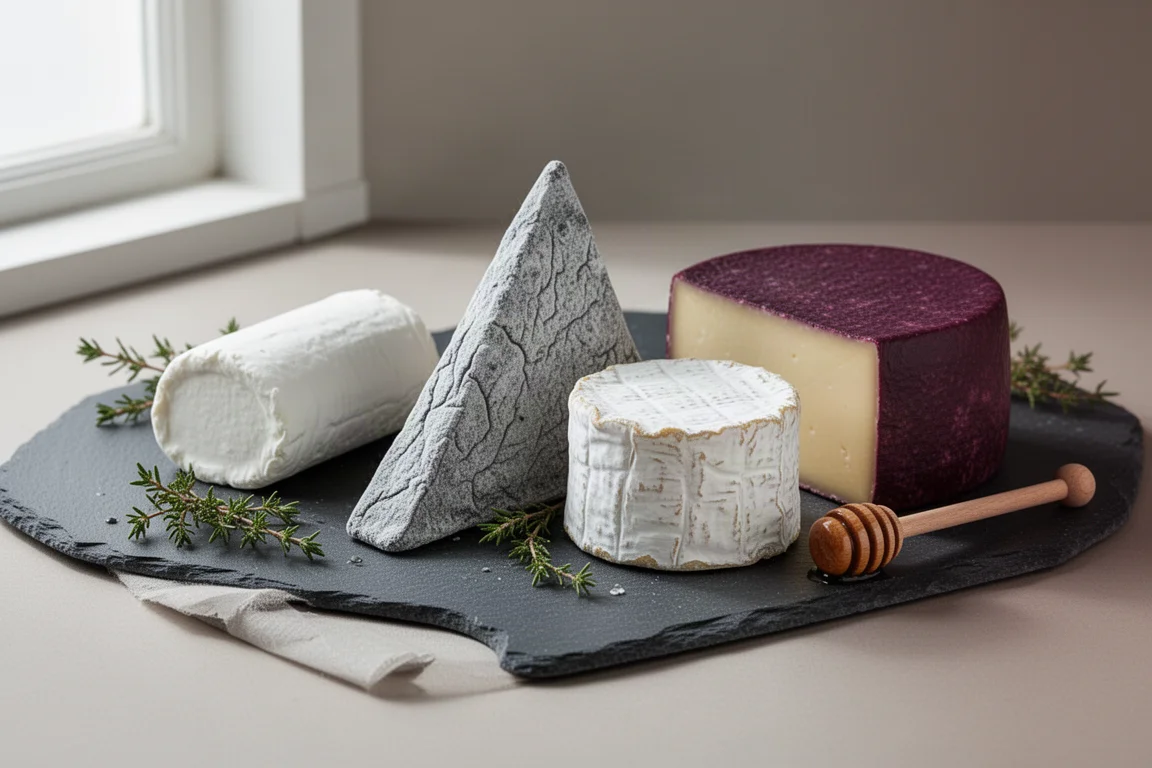
Four Goat Cheeses Worth Bringing Home: From Fresh to Wine-Soaked
Fresh and lemony, ash-ripened, bloomy-rinded, or soaked in red wine: four goat cheeses that show just how wide the category really is.