Workshop Lubricants
Best General-Purpose Greases and Lubricants for Workshop and Bike Use
Five greases and lubricants that cover everyday lubrication jobs, from silicone all-rounders to waterproof bearing grease and dry PTFE lube.

Introduction
A good general-purpose lubricant is one of those workshop staples you end up reaching for constantly, whether you are rebuilding a ratchet, servicing a bike, or just trying to squeeze extra life out of a squeaky hinge. The tricky part is that no single grease does everything. Some jobs call for a thick grease that stays put, others need a light silicone film, and some call for a dry lube that will not attract dirt.
This roundup covers five practical options that together handle most everyday lubrication jobs: the Super Lube silicone family in three specific variations, a classic waterproof bearing grease, and a dry PTFE spray. Here is what each one does well and where it fits.
Super Lube Silicone Grease
The standard Super Lube silicone grease is the all-rounder of the lineup and arguably the best starting point if you only want to buy one tube. It has a smooth, slippery consistency that applies almost like smearing a light oil, and it softens noticeably in heat, which can turn it temporarily liquid if it gets hot enough.
It comes in a range of tube sizes, including small portable tubes with applicator tips that are handy to keep stashed in a bag or toolbox. For simply lubing something up and getting extra life out of it, it is a solid performer. Super Lube products are made in the USA and typically run between 10 and 20 dollars depending on the version and size.
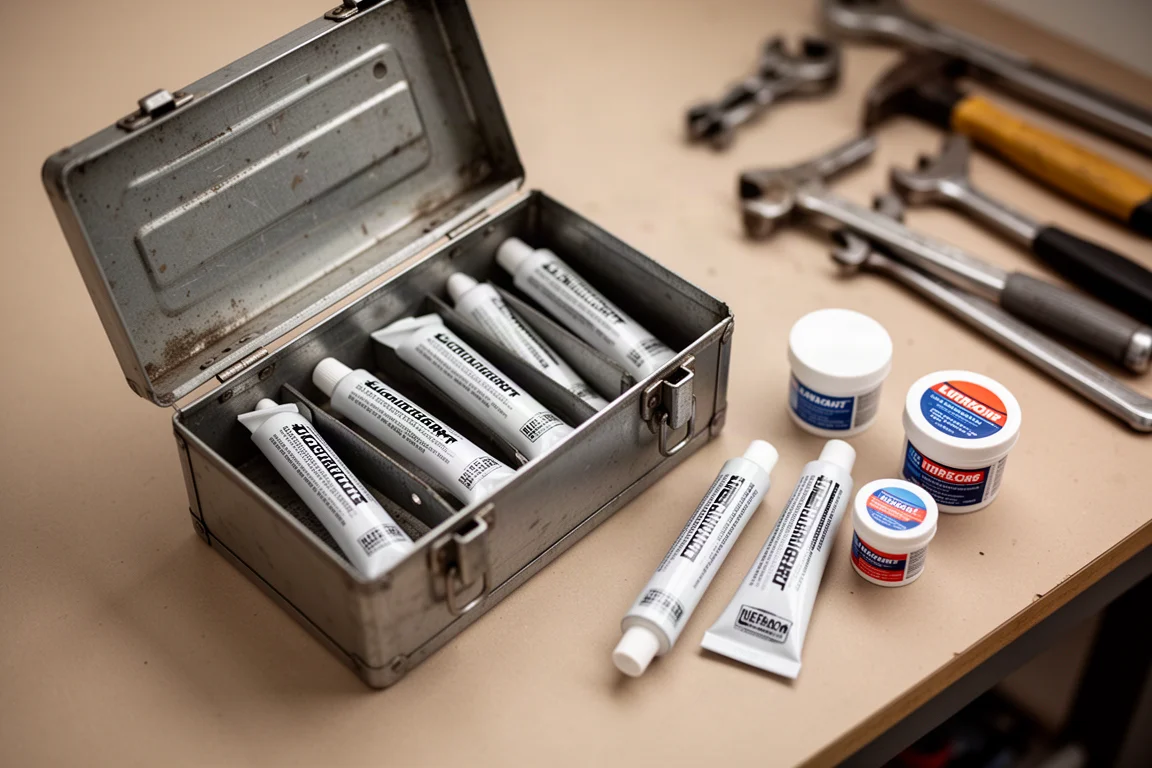
If you want one dependable tube that covers a broad range of general lubrication tasks, this is the one to grab first.
Super Lube O-Ring Grease
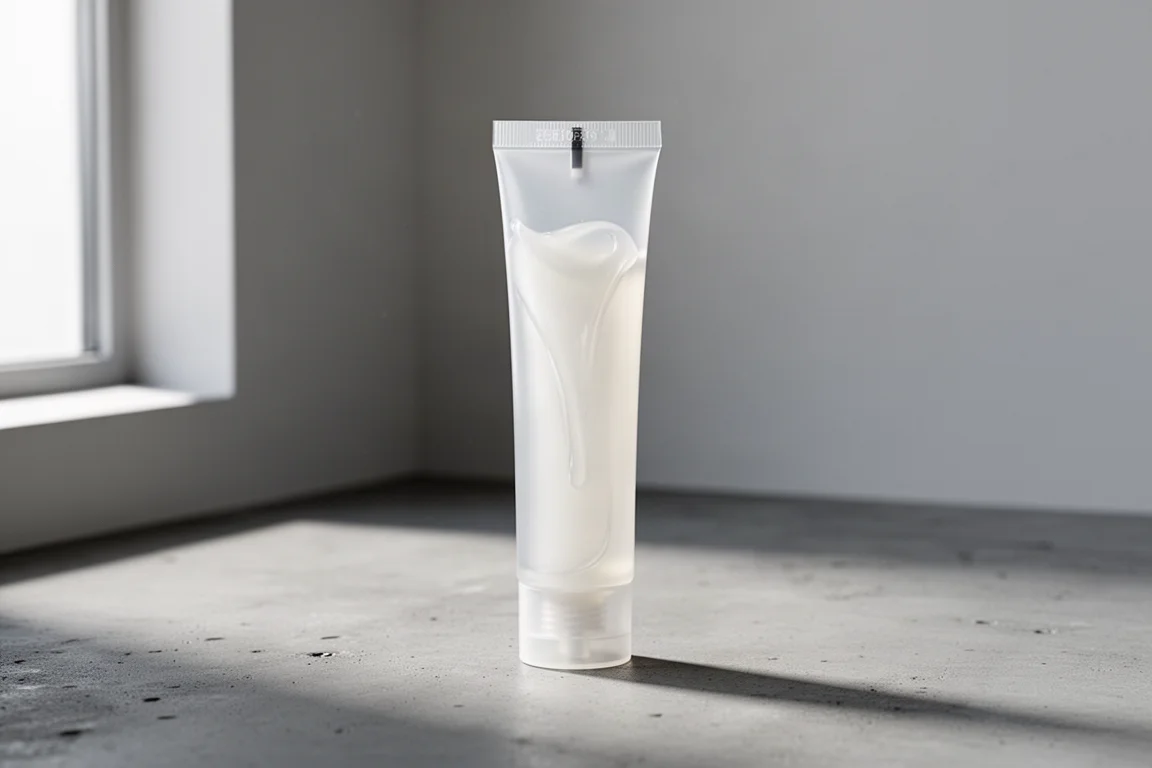
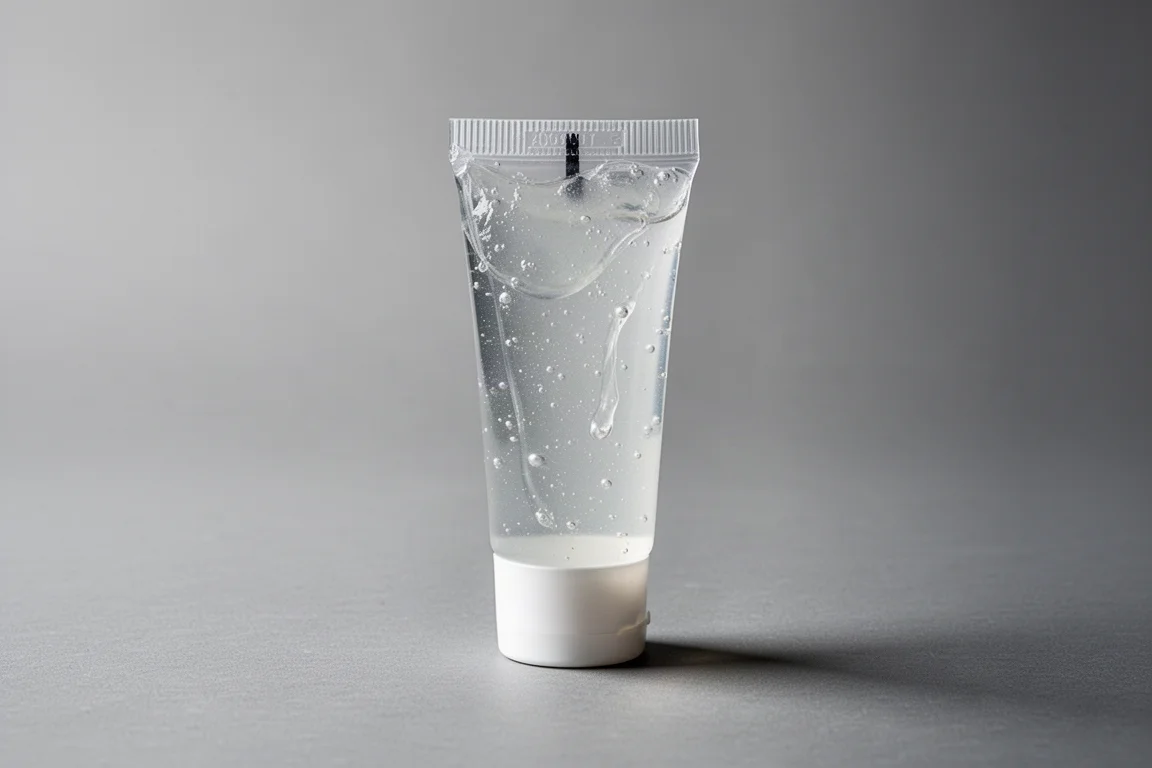
The O-ring grease variation shares the family look but behaves a little differently. It is slightly more liquid in consistency and has a degree of transparency, and the stickiness has been toned down compared with the standard formula.
This one is formulated specifically for use on O-rings and seals, where a compatible, non-aggressive grease matters. It is dielectric, food grade, and carries an NSF rating, which speaks to how clean the formulation is. It is clearly not something to spread on your food, but the certification tells you the chemistry is intended for demanding, safe applications.
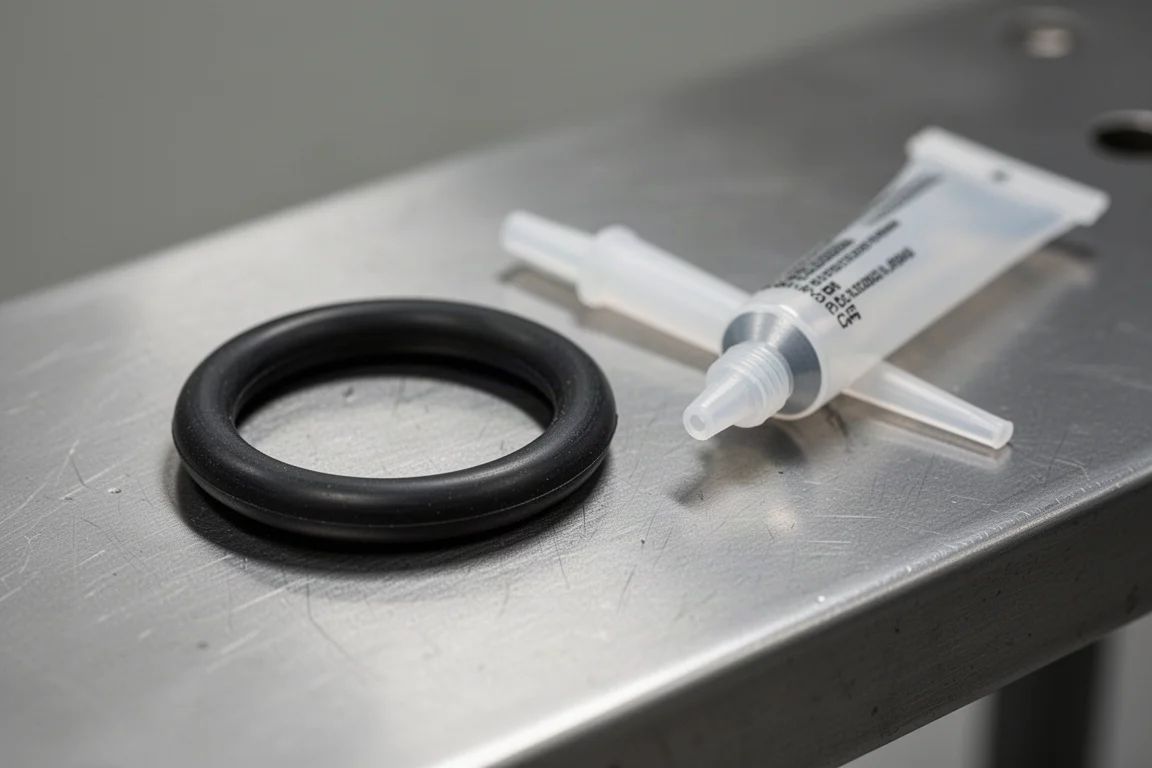
For anyone who regularly works with O-rings, seals, or plumbing-style tasks around the house or workshop, this dedicated version is a sensible pick over the general formula.
Super Lube Dielectric and Vacuum Grease
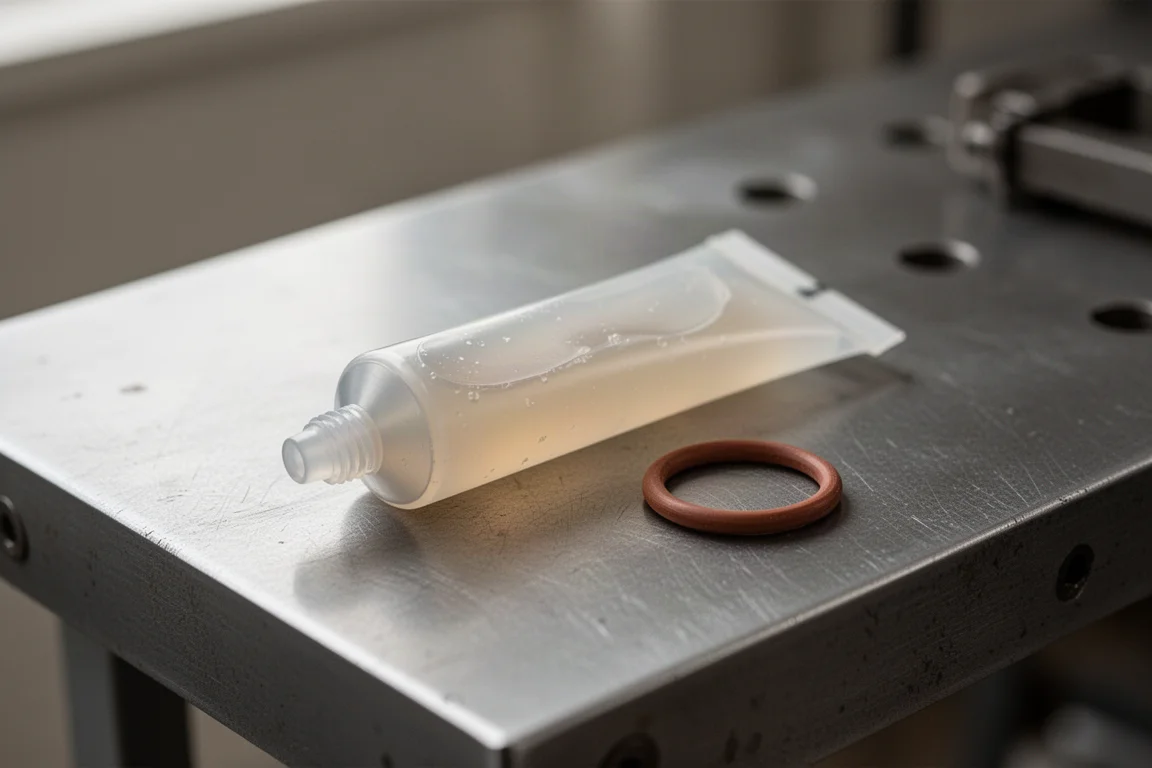
The dielectric and vacuum grease is another targeted Super Lube variation, and one you would commonly find in the food industry and other professional settings. It has a sticky, tacky consistency that grips well where you apply it, and like the rest of the family it holds up as a genuine performer rather than a one-trick product.
Dielectric grease is the right choice when you want to protect electrical connections or need a grease that insulates and seals. It also suits vacuum-related applications, which is exactly what the label is telling you.
If your lubrication tasks lean toward electrical connections or sealing jobs, this variation makes more sense than the standard silicone grease.
Phil Wood Waterproof Grease
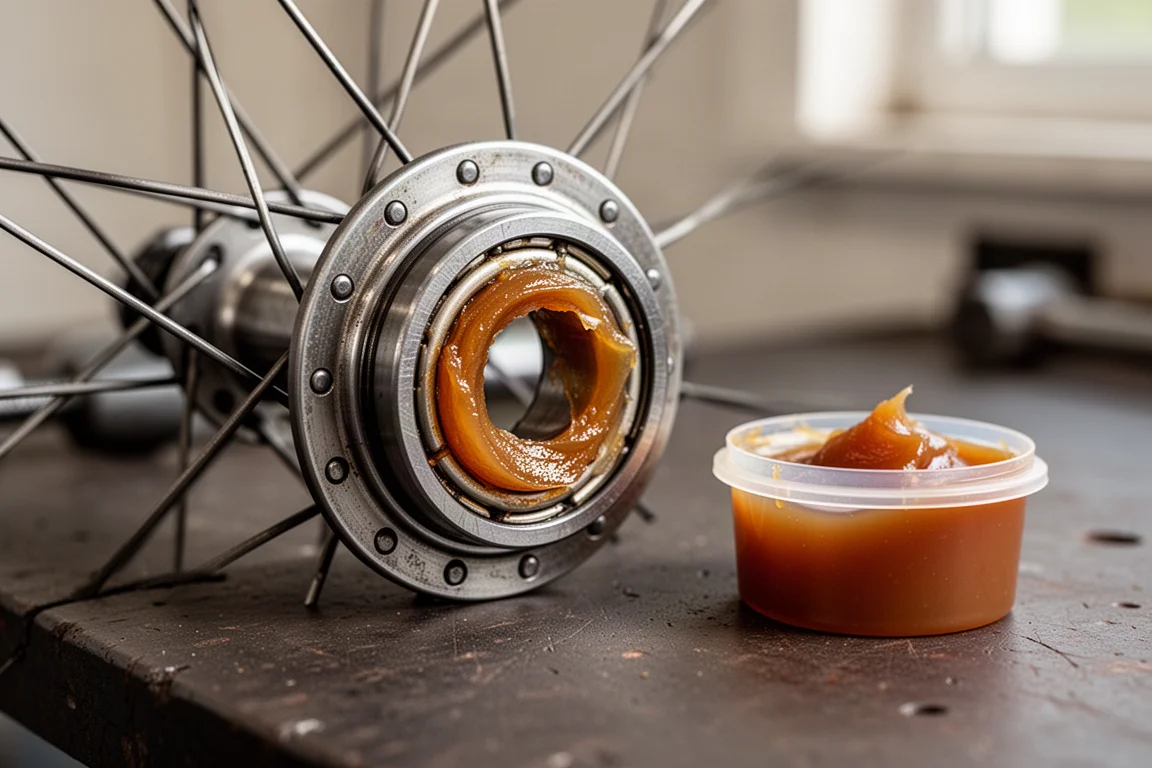
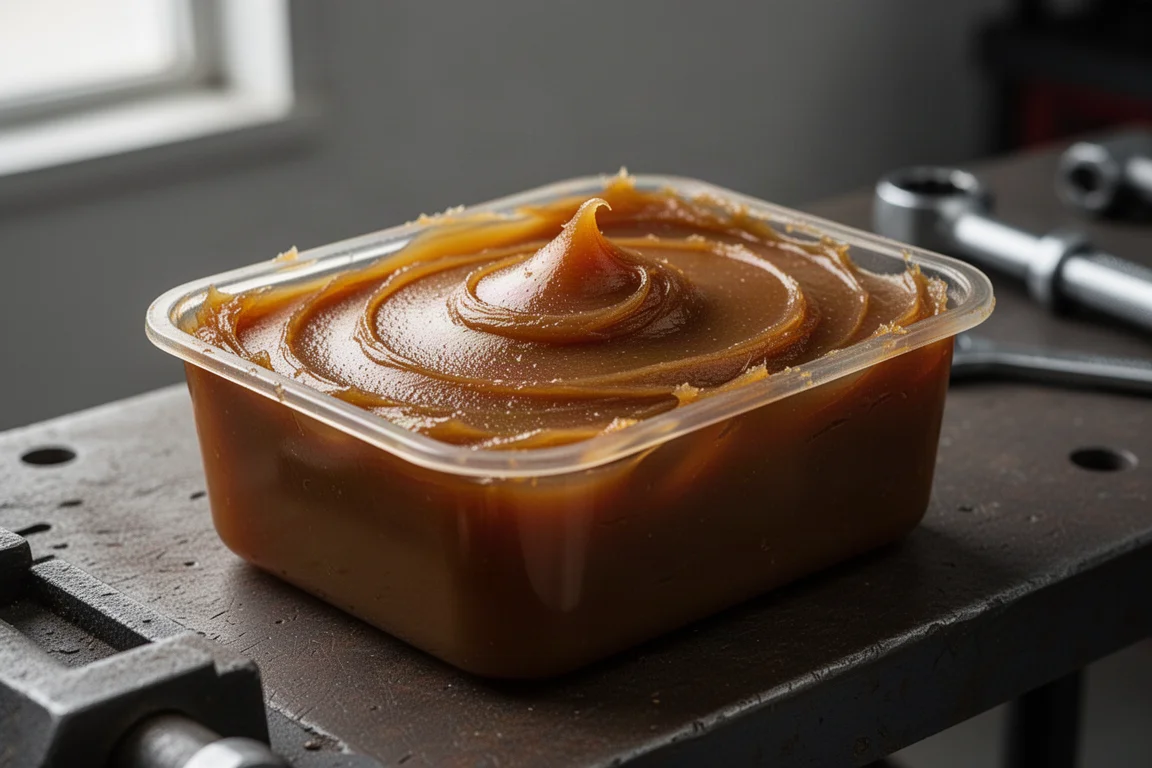
Phil Wood waterproof grease is a classic, especially in the bike industry, and it behaves very differently from the Super Lube tubes. This is a really thick, high-viscosity grease that comes out of the tub dense and heavy, and it stays where you put it.
Its standout use is holding bearings in place within a race, which is genuinely useful when you are fighting gravity during an assembly. It is a long-standing favorite for waterproofing bearing assemblies on bikes, and it is available in large quantities, down to buying it by the bucket if your usage justifies it.
For bike mechanics and anyone packing bearings, this thick waterproof grease is the one that earns its keep.
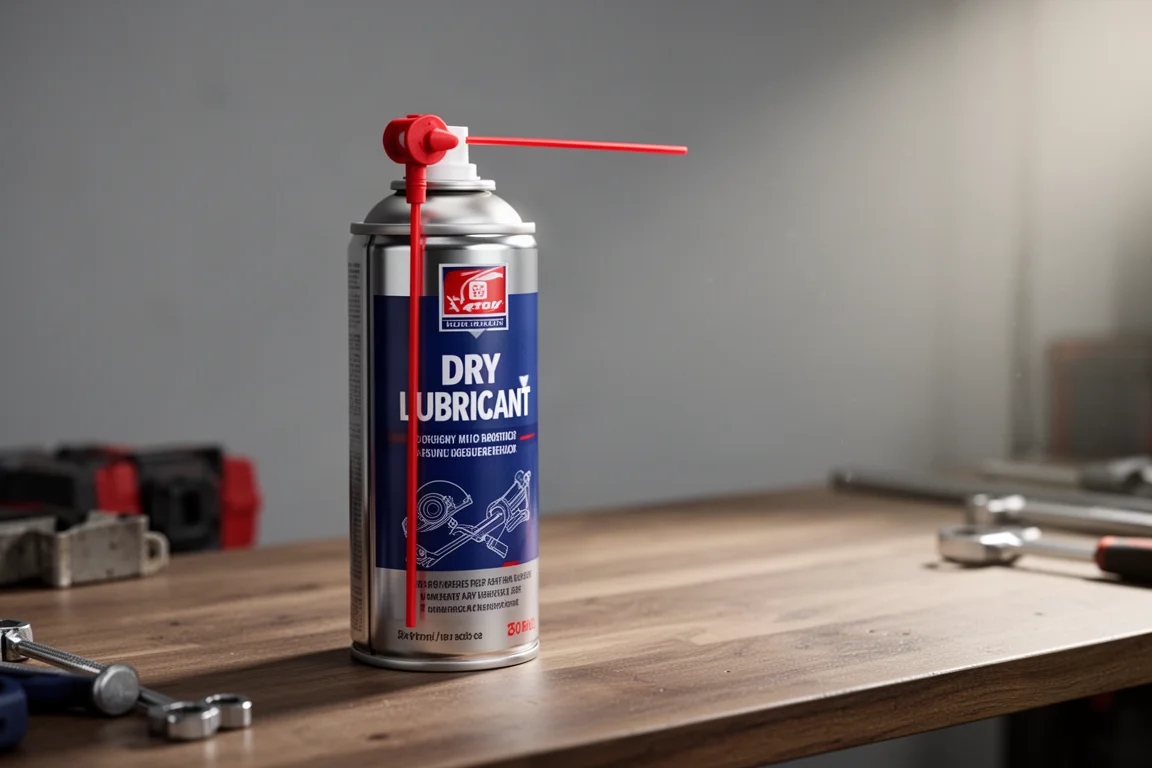
WD-40 Dry Lube with PTFE
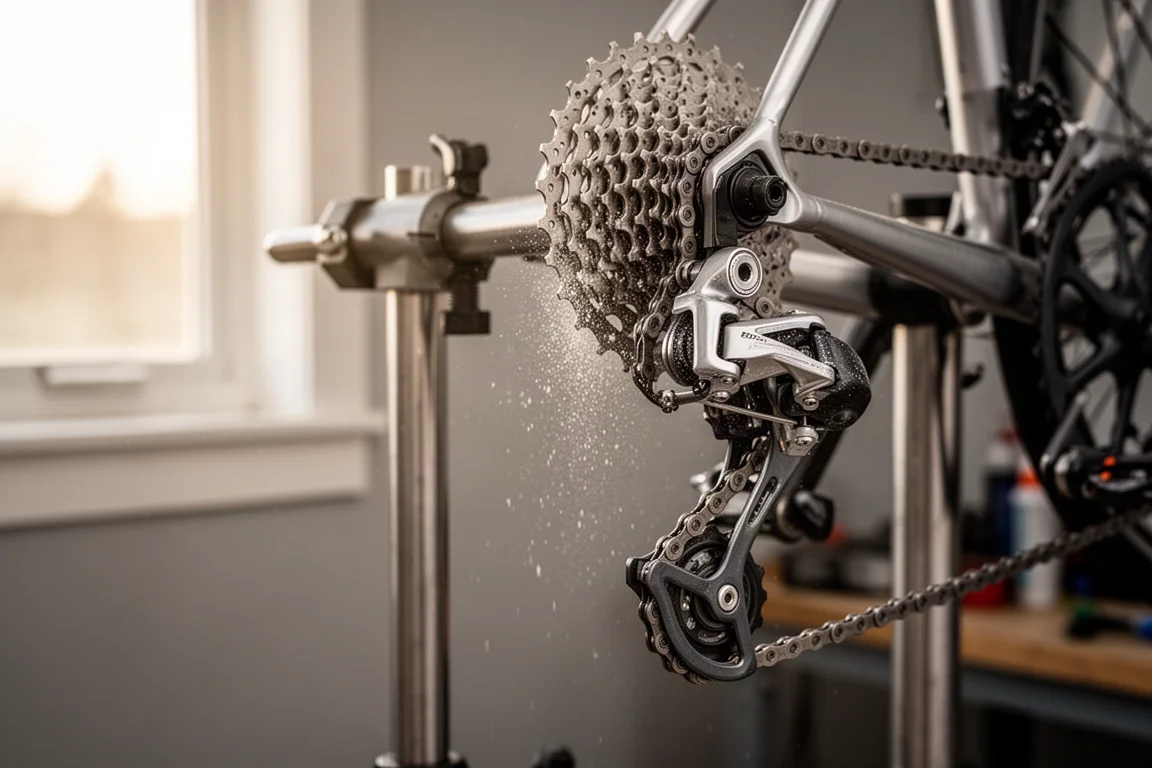
WD-40 Dry Lube with PTFE, short for polytetrafluoroethylene, is a great option for all kinds of projects where you want lubrication without the residue. Unlike the classic WD-40 formula, the dry lube does not leave the same slime behind, which makes it far better suited to applications where a wet film would attract dust and grime.
It is the kind of lubricant you reach for when you want things moving smoothly but staying clean, such as chains, slides, and other mechanism surfaces that see dust.
Overall Buying Advice
If you are building a small lubricant kit rather than buying a single product, a practical combination looks like this: a standard Super Lube tube for general-purpose jobs, the O-ring or dielectric variation if your work involves seals or electrical connections, Phil Wood waterproof grease for bearing packing, and a dry PTFE lube for clean, dust-prone mechanisms. The Super Lube family is praised for having dialed in the silicone versions across many chemistries, and most of these products sit in a modest price range, so trying more than one is not a big commitment.
Conclusion
There is no single grease that does everything, but between the Super Lube silicone variations, Phil Wood’s thick waterproof grease, and WD-40’s dry PTFE lube, most everyday lubrication jobs are covered. Match the consistency and formulation to the task, and each of these will earn its spot in the toolbox.
Further reading
Related Reviews
Cycling Gear
8 Cycling Products Riders Keep Coming Back To
Eight cycling components and accessories with clear strengths, honest trade-offs and long-standing reputations among riders and mechanics.
Cycling Gear
Best Affordable Cycling Gear: Five Practical Products Worth Buying
Five low-cost cycling products that solve real problems on the road, from tubeless plug tools to value road tires and a wax-based chain coating.
Cycling Tools
Best Cheap Bike Maintenance Tools: Four Budget Cycling Essentials Worth Buying
Four affordable bike maintenance tools that cover tubeless puncture repair, routine home servicing, and getting stubborn tyres on and off the rim.