Home Safety
Best Gas Leak Detectors: TopTes and Klein Compared
Three gas leak detectors put through hands-on testing with real household chemicals, including the new gooseneck TopTes PT520A with adjustable sensitivity settings.
Introduction
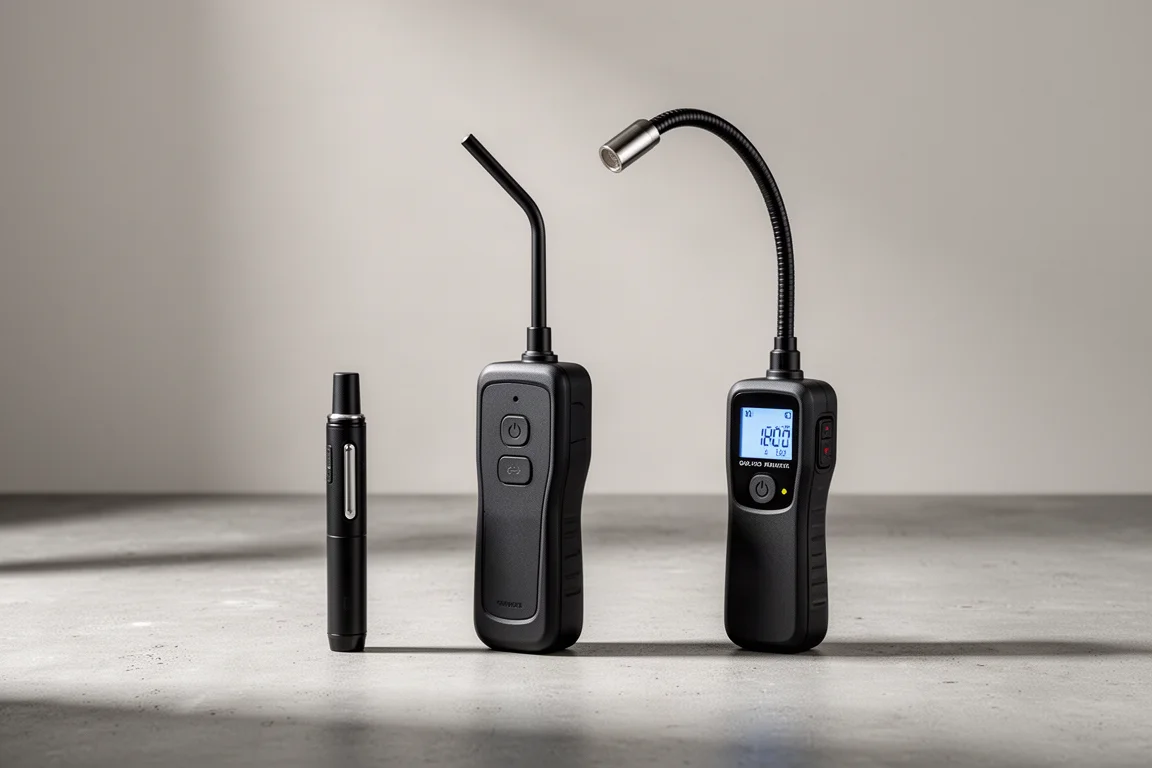
Interest in gas detectors tends to spike whenever news makes people think about the air they breathe. Concerns about infrastructure, chemical spills, or simply a suspicious smell in the garage all push these tools into the spotlight. After years of testing this category, three detectors stand out for different reasons: a compact early model, a well-established option from Klein, and a new flexible gooseneck model from TopTes.
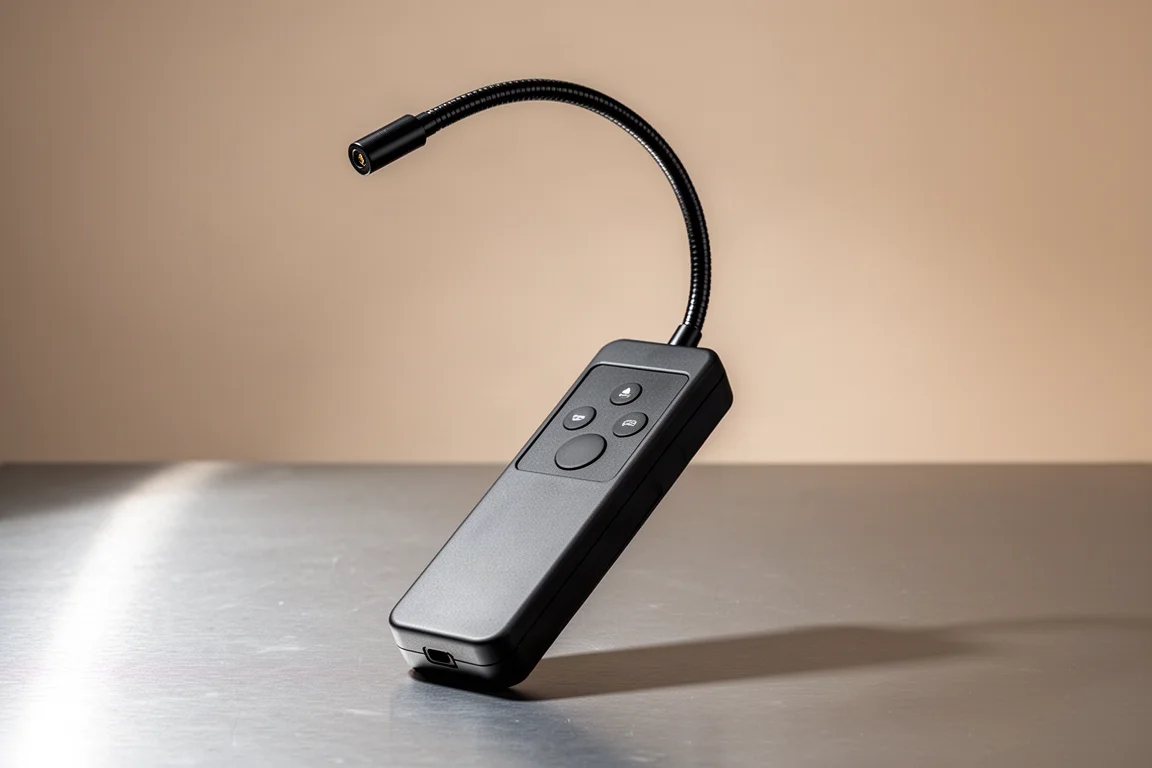
TopTes PT520A: Flexible Gooseneck Detection
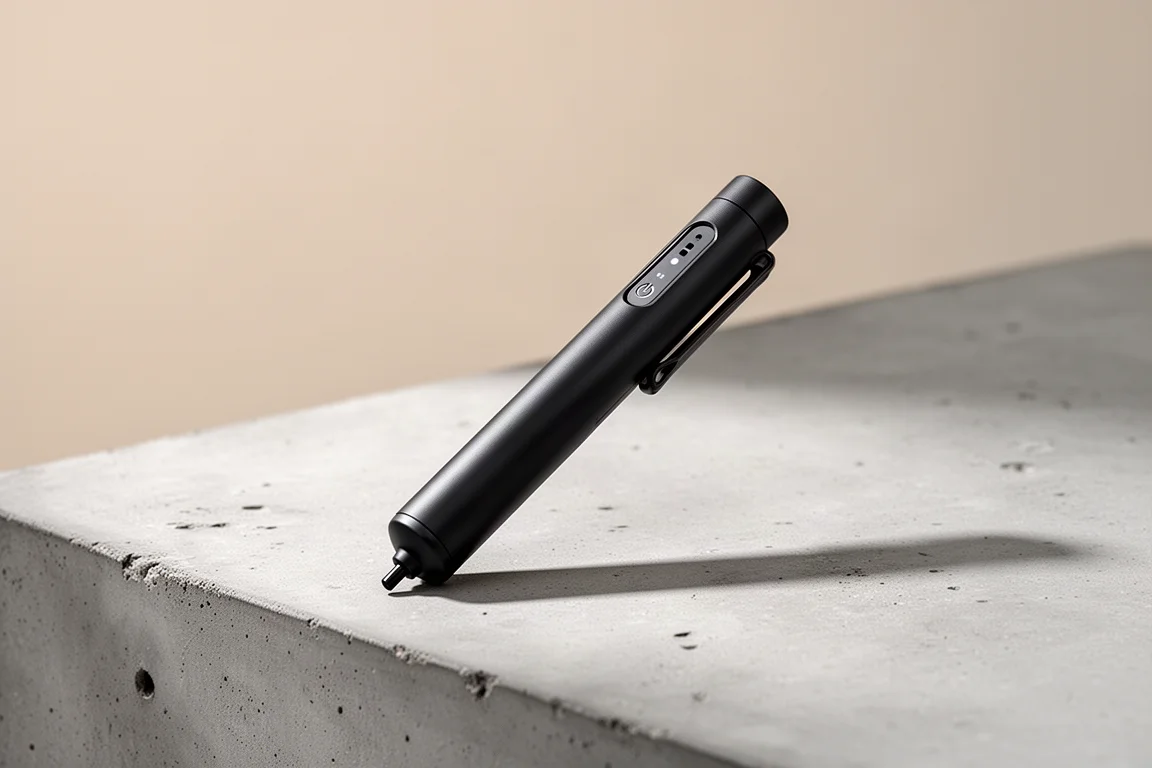
The TopTes PT520A is the newest of the three, and its defining feature is a gooseneck probe that reaches into tight spots. Despite being marketed as a gas leak detector, it responds to a wide range of compounds: acetone, acetylene, alcohol, ammonia, benzene, butane, ethanol, ethylene oxide, gasoline, hexane, hydrogen, methane, naphtha, natural gas, paint thinner, propane, organic solvents, and refrigerants, among others.
The button interface is refreshingly straightforward, including an automatic power off (APO) button. Hold it and the unit keeps running continuously, which matters if you want the device standing by as a passive alert, for example if a nearby incident caused an ongoing air quality concern.
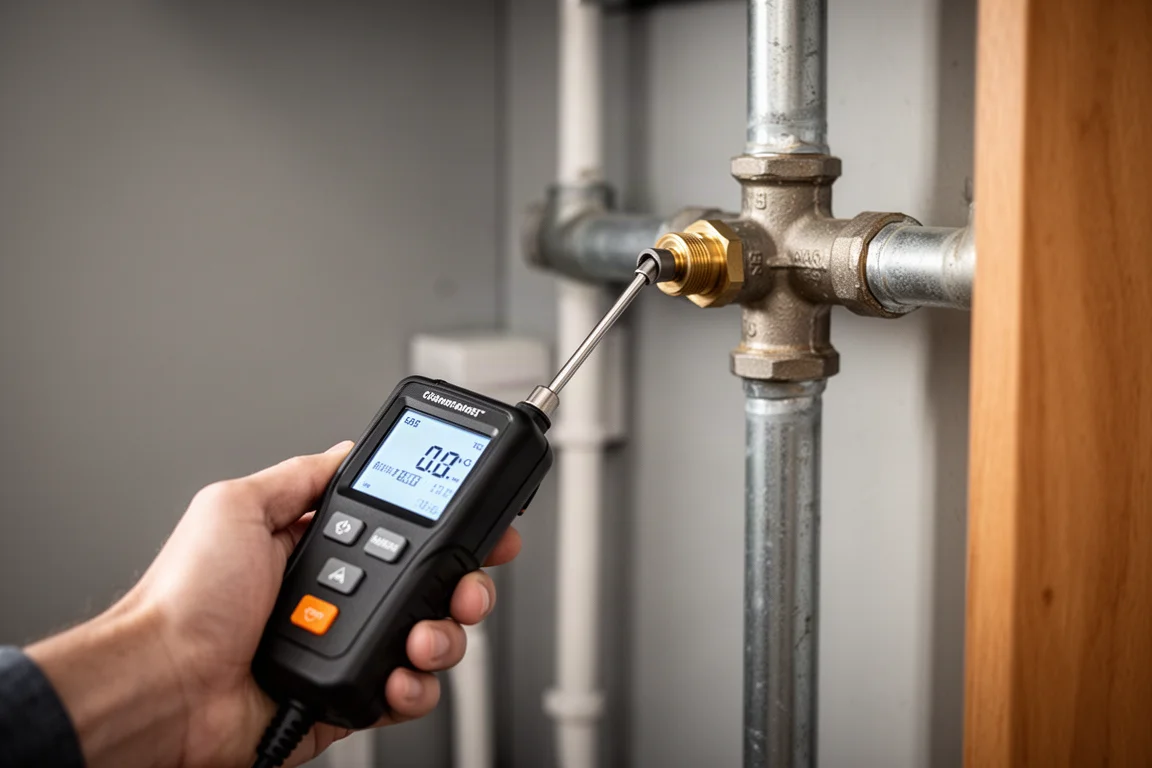
The PT520A also offers three sensitivity settings tied to alert thresholds: low covers roughly 700 parts per million and below, medium around 400 parts per million and below, and high triggers at around 50 parts per million and above. When an alarm fires, three different indicator colors correspond to these settings, giving a second opinion on roughly how serious a reading is. Switching between low, medium, and high lets you gauge whether you are near a strong or weak concentration.
Klein Gas Leak Detector: A Simple, Proven Interface
The Klein detector arrived as a step up from an earlier, disappointing budget unit, and it proved itself well. The interface is simple and to the point, in the same spirit as one of Klein’s inexpensive multimeters. In head-to-head testing with the smaller TopTes unit, it worked well and responded fast.
During the rubber cement test it went wild, which tracks with the strong smell of the solvent in the room. It is a dependable choice if you want a no-nonsense tool from a brand with a strong reputation in electrical trade gear.
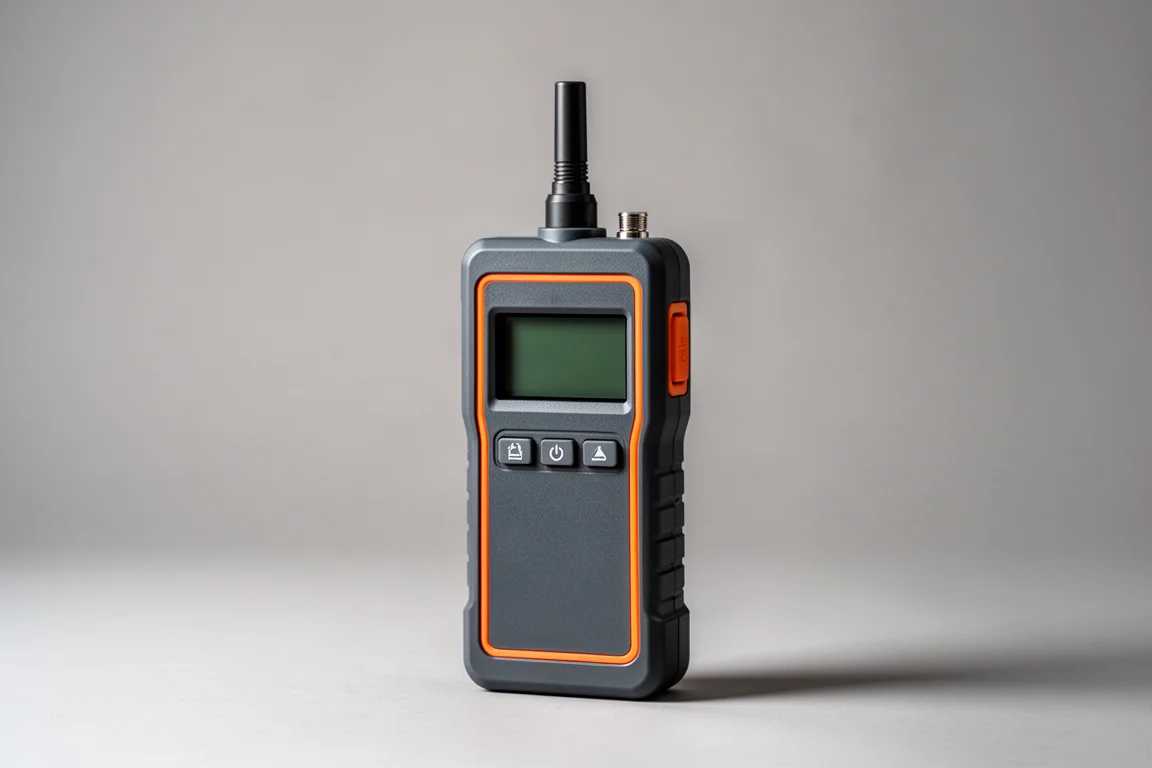
TopTes PT210: Compact and Budget-Friendly
The PT210 was a gift from TopTes and remains a very small, inexpensive detector that picks up all kinds of different compounds. It was fast enough to hold its own against the Klein in a head-to-head test, which is impressive for its size and price.
It lacks the visual color-coded feedback and sensitivity settings of the PT520A, and there is no gooseneck, but for a pocket-sized canary in a preparation kit it earns its place.
How We Tested: Lighters, Solvents, and Glue
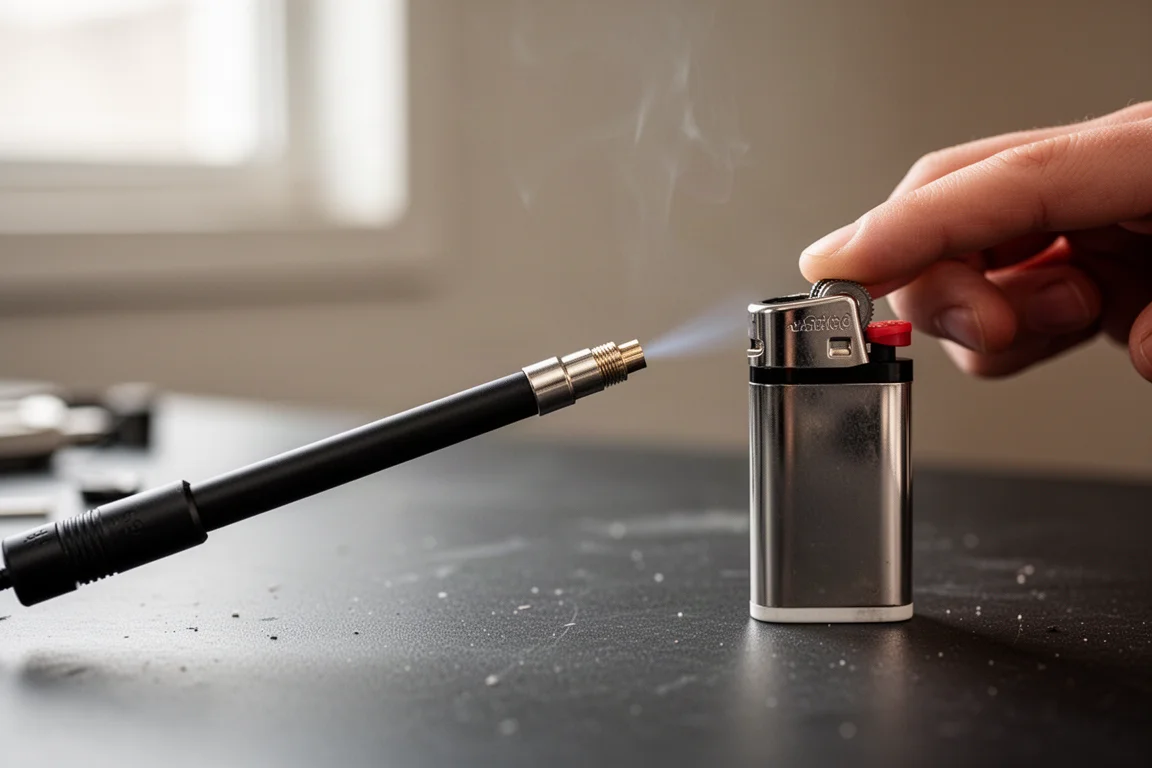
The quickest recommended way to test any of these detectors is a disposable Bic lighter. A brief click of gas sends all three units into alarm, and clearing the air settles them back down within moments. The PT520A reacts strongly on high sensitivity, then can be stepped down to medium to get a better idea of the actual concentration.
Beyond the lighter test, a quick squeeze of air near the nozzle of a Zippo lighter fluid can triggered the detector fast. WD-40 dry lube set it off when sprayed nearby. Rubber cement was interesting because it is such a heavy organic compound that the detector sometimes registered it at low sensitivity, and the strong smell in the room made sense when the Klein started going crazy at the same time.
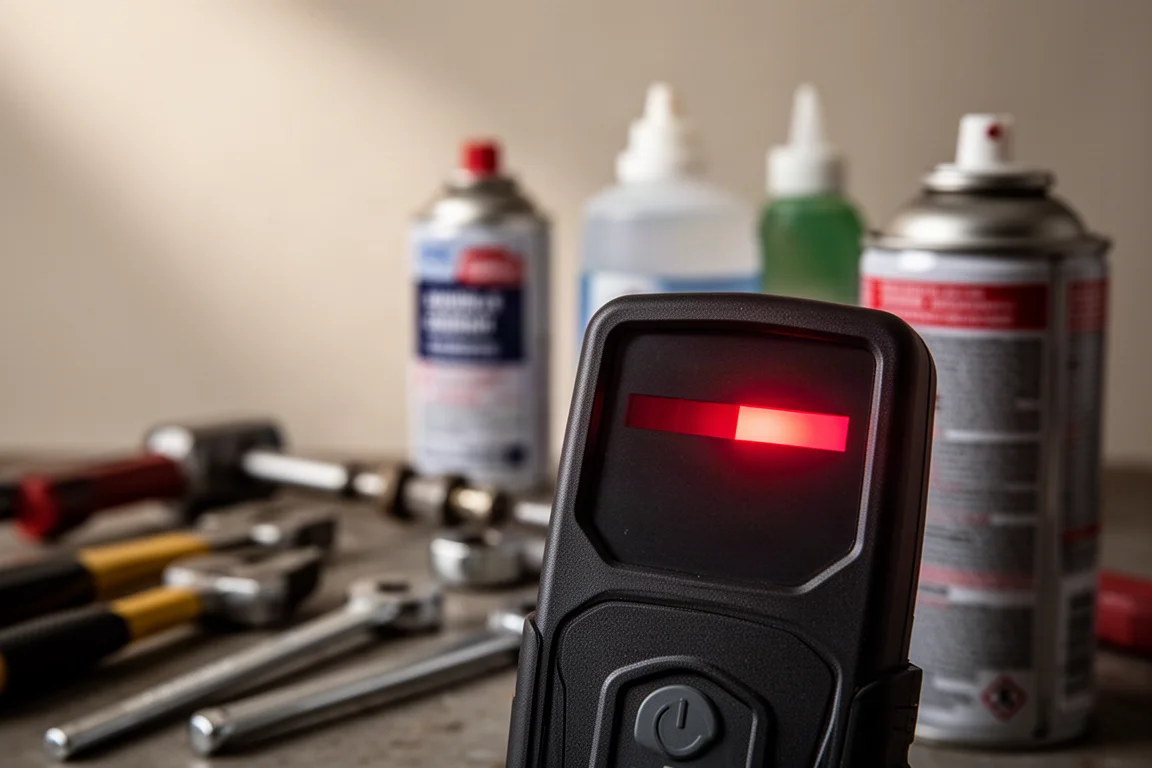
Isopropyl alcohol was detected, though the response was weak. Super glue was the surprise miss: despite being strong-smelling, an older tube did not trigger a reading, so a train car full of super glue may not be covered.
Everyday Uses Beyond Emergencies
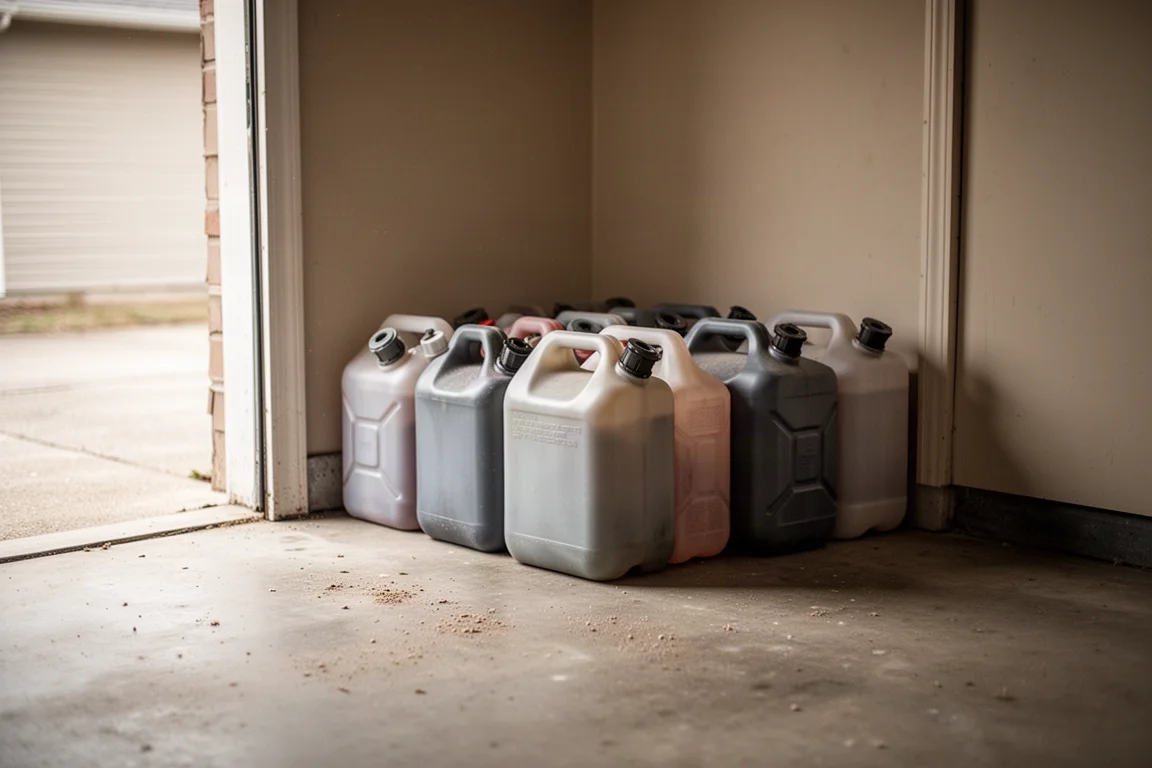
These tools are not just for dramatic scenarios. If you do your own natural gas line work, any of these detectors adds a useful verification step. They also help with mundane mysteries: after noticing a faint fuel smell in the garage, a detector like the PT520A could narrow down which of several plastic gas cans is leaking, so you know which one to get rid of.
Buying Advice
If you want the most capable and flexible option, the PT520A’s gooseneck, color-coded sensitivity tiers, and continuous-run mode make it the most versatile pick. If you prefer a brand with a long track record and a dead-simple interface, the Klein remains a solid choice. And if you just want something small and cheap to tuck into a kit, the PT210 does the core job well. Any of the three is far better than guessing whether the air is healthy to breathe.
Conclusion
Gas leak detectors have become popular for good reason, and all three of these units earn their keep. The TopTes PT520A is the most capable of the group, the Klein is the dependable straightforward option, and the PT210 covers the basics at a low cost. Whichever you choose, a quick lighter test at home will confirm it is working before you ever need it for real.
Further reading
Related Reviews
Home Safety
Best Fireproof Document Bags: Five Options for Protecting Important Papers
Five fireproof document bags designed to protect vital records, certificates, and valuables from heat and water damage up to 2000 degrees Fahrenheit.
Home Safety
TopTech CT580 Carbon Monoxide Detector: A Solid Winter Safety Upgrade
A rechargeable CO detector with a sharp TFT display, a 90 dB alarm, and deep customization menus, positioned as a major step up from the previous CT300 model.

Backpacking Gear
Building a 10 lb Base Weight: An Ultralight Backpacking Gear List
A practical walkthrough of the ultralight pieces behind a 10 lb base weight, from a 765 g pack and a roomy one-person tent to a full camp chair and a dependable water filter.