Running Watches
Best Garmin Running Watches: How to Pick the Right Model for You
A practical breakdown of Garmin's running watch lineup, from the entry-level Forerunner 55 to the flagship Epix 2, with clear guidance on what each tier actually offers.
Introduction
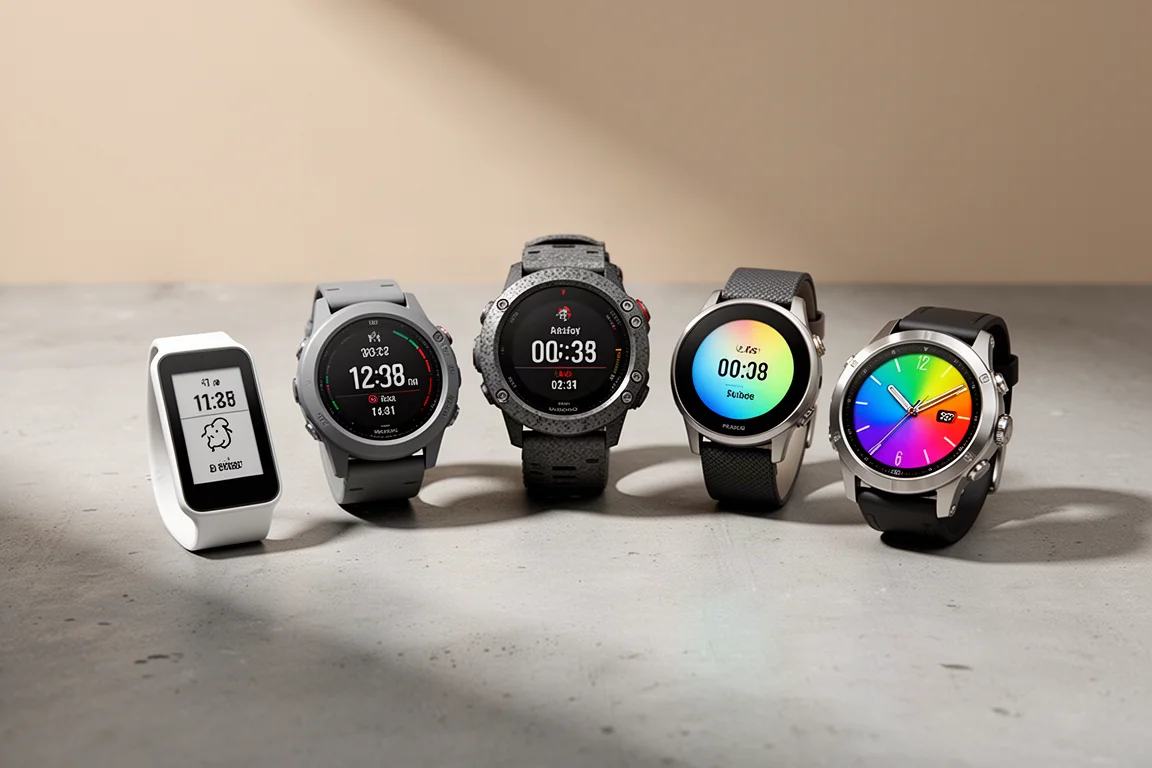
Garmin’s range of running watches is huge, and that is both a blessing and a problem. There are genuinely good options at every price point, but it is not always obvious which features you will actually use and which ones you can live without. This guide breaks the lineup into clear tiers: entry-level, mid-range, best value, smartwatches, and premium flagships, with a focus on what each model delivers for runners.
The short version: the Forerunner 55 is the standout entry-level pick, the Forerunner 255 is the strongest all-rounder, the Forerunner 245 is arguably the best value, the Venu 2 is the smartwatch to beat outside the flagship tier, and the Epix 2 is the premium watch we keep coming back to.
Entry-Level Garmin Watches
This tier is for either your first running watch or a no-frills running experience. The main candidates are the Forerunner 55, the older Forerunner 45, the Forerunner 245, and the Vivoactive 4.
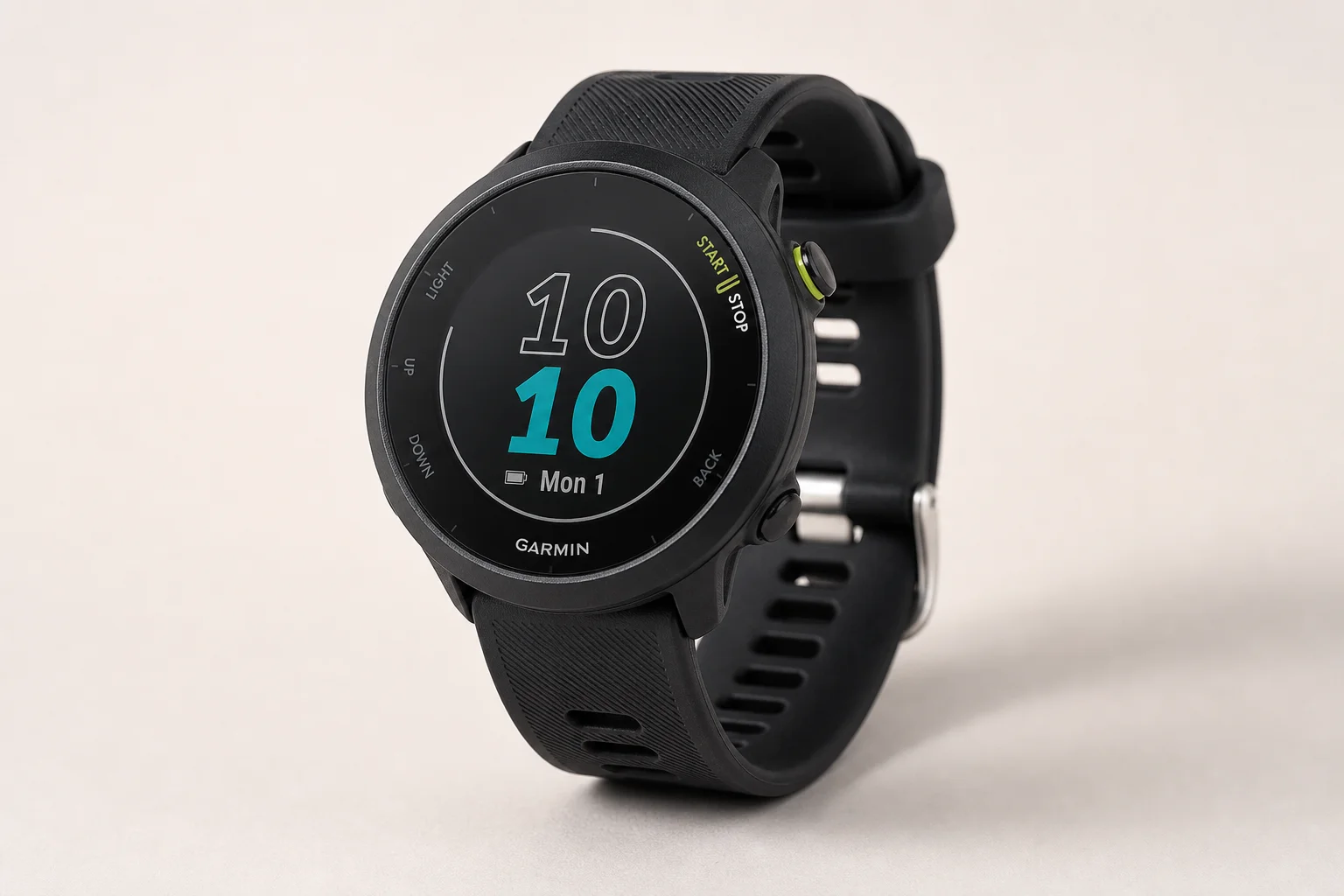
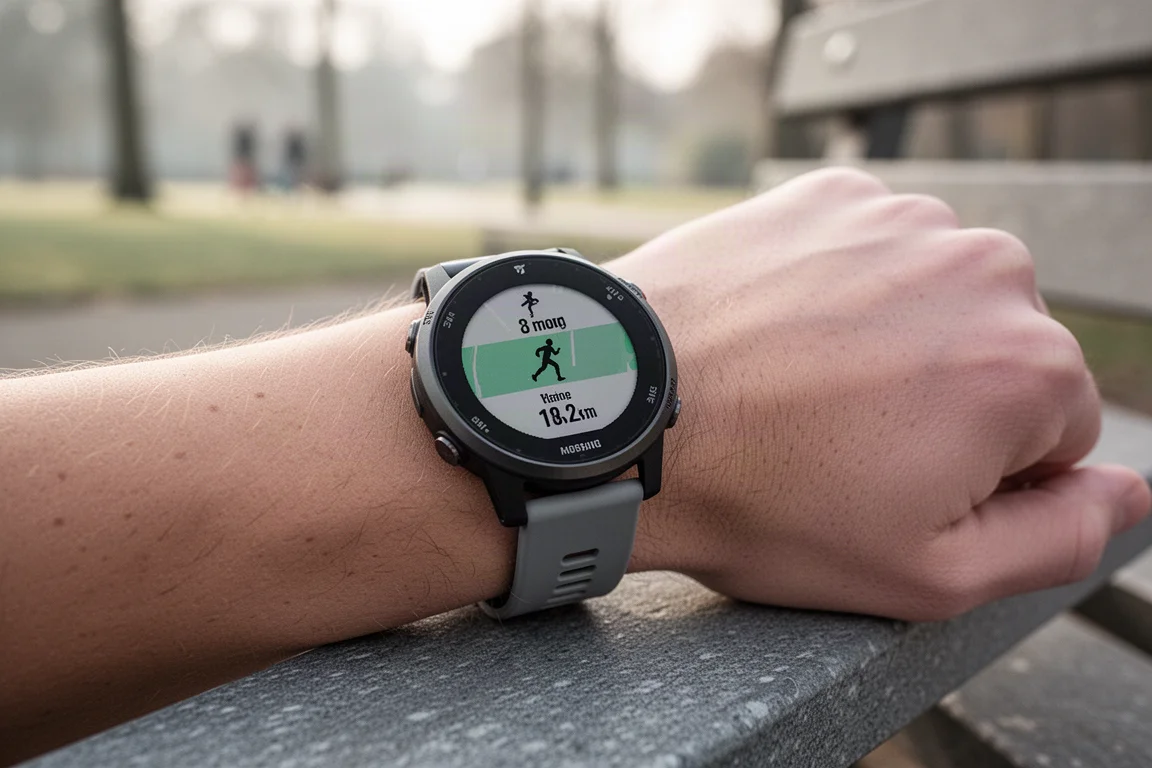
The Forerunner 55 is a small, light, comfortable watch with all the core running metrics you would expect. Compared to the Forerunner 45, it adds daily suggested workouts, an improved recovery advisor, and full Connect IQ support, which opens up apps and data fields rather than just watch faces. Battery life sits at around a week. It is a genuinely capable no-frills option that would satisfy the vast majority of runners, and it is frequently discounted.
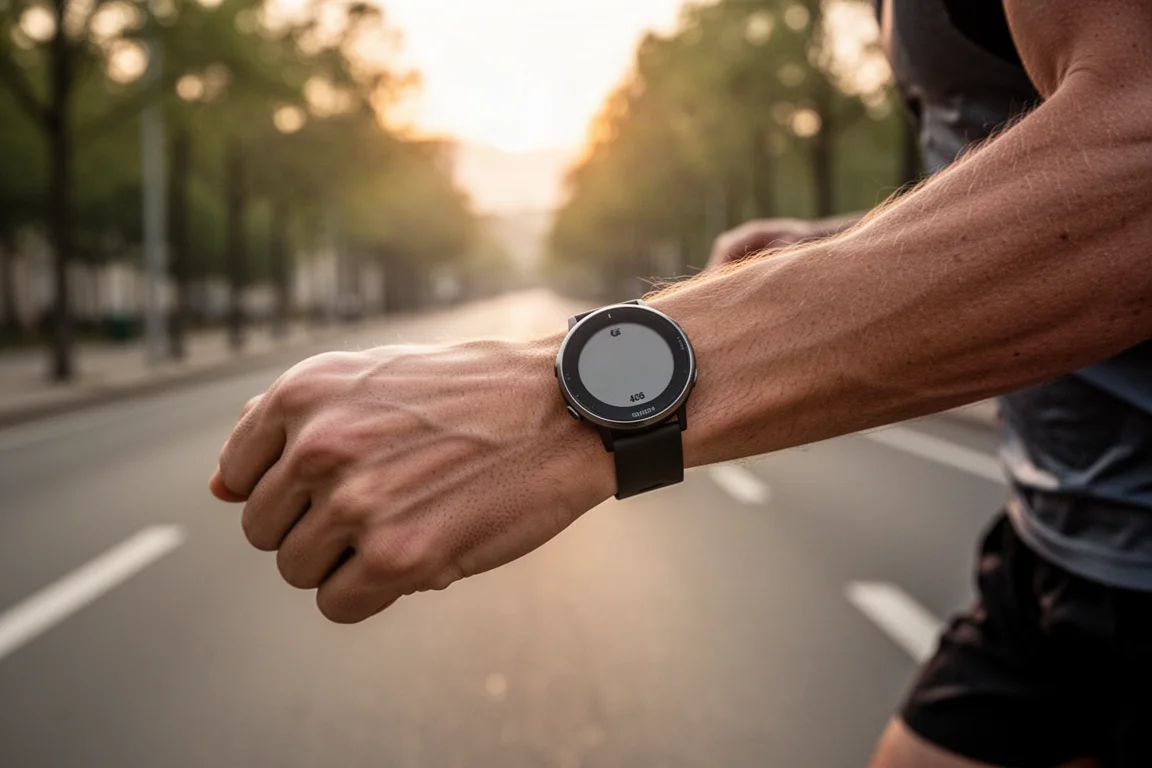
The Forerunner 45 offers a very similar core running experience but loses the extra training features. It does come in two size options, which the 55 does not, and it sticks to simple core stats. Older classics like the Forerunner 30 and 35 still exist, but they are hard to find and often not much cheaper than the 45 or 55, so they are tough to recommend now.
The Forerunner 245 is the interesting older model here. Formerly a mid-range star, the non-music edition has dropped dramatically in price, and even the music edition regularly comes in well under budget-tier pricing at times. You gain upgraded training insights, breadcrumb navigation with turn-by-turn directions, and a slightly bigger case with a little more battery life, still around a week. If you want an older Garmin as a bargain pick, the 245 is the one.
The Vivoactive 4 rounds out the tier for anyone who wants a slightly smarter-looking watch. Think of it as a Venu without the AMOLED screen: you get the ability to track runs, smartwatch-style features, and heart rate sensor pairing, but no mapping or navigation. It is a few years old, available in a couple of sizes and often cheaper, and it remains a solid option if you want a smartwatch feel at this price.
Mid-Range Garmin Watches
This is where Garmin’s most popular watches live: a strong balance of price and features. Three models dominate: the Forerunner 255, the Instinct 2 family, and the Venu 2.
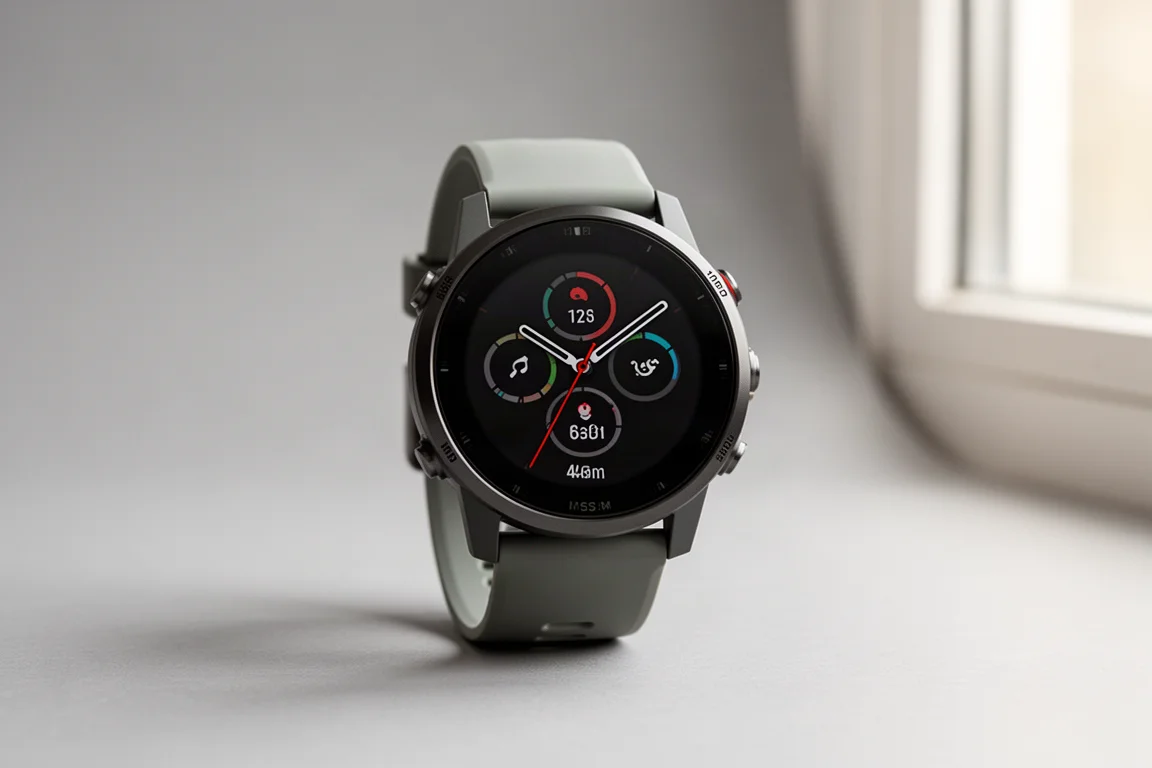
The Forerunner 255 is the classic Garmin mid-range watch and the successor to the hugely popular 235 and 245. Key upgrades include multi-band mode for improved outdoor tracking accuracy, an altimeter that adds extra run data, breadcrumb navigation, and full triathlon mode, which effectively replaces the Forerunner 745 at a lower price. It comes in two sizes, with the smaller 255S being a genuinely compact, feature-packed option for smaller wrists. You also get the newer HRV status feature and Garmin’s morning report. Battery life in testing sat just under a week on the 255S. For most runners, this is the model to beat.
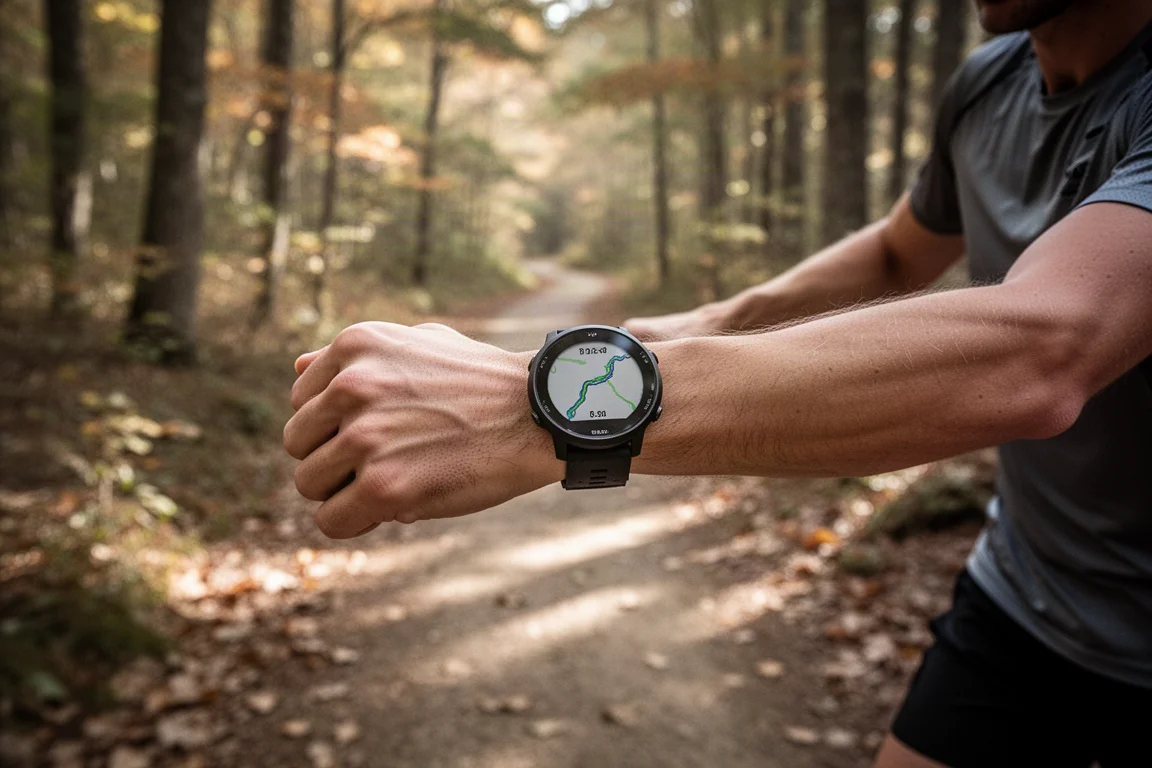
The Instinct 2 and Instinct 2 Solar trade some of that training depth for battery life and a rugged, outdoor-inspired design. The 255 offers more training analysis, but the Instinct brings weeks of battery, especially on the solar version, and now includes the breadcrumb navigation and training analysis that made the original Instinct hard to recommend for runners. Solar benefits depend heavily on getting maximum light exposure, so it is not a guaranteed win for everyone. With many different colorways available, it is now a legitimate running watch for people who prefer the rugged look.
Best Value Garmin Watches
If pure bang for your buck is the priority, three models stand out at different price points.
The Forerunner 245 keeps dropping in price and remains a very good running watch, frequently well under premium-tier pricing. GPS tracking is solid for most people even without the 255’s multi-band mode, and heart rate monitoring is fine outside high-intensity work where an external sensor is advisable. You miss HRV status and triathlon mode, but the running experience, design, and even basic smartwatch features make it an easy recommendation. Do not discount older Garmins; the 245 proves the point.
The Forerunner 55, as covered above, offers everything most runners need for far less, especially when discounted. And then there is the Forerunner 955, which technically belongs to the flagship tier but earns its value badge by delivering most of the Fenix and Epix feature set for hundreds less: full maps, deeper analysis, training readiness, and full multisport support. It is also a genuine step up from the 945 in training features and launched at a lower RRP, making the newer model the better buy.
Smartwatches in Garmin’s Range
Garmin’s smart features are not on the level of an Apple Watch or Samsung Watch, but they are respectable, and Garmin watches are platform agnostic: they work the same whether you pair them with an iPhone or an Android phone.
The Venu 2 is the standout smartwatch option outside the flagship Epix. It brought the first proper AMOLED screens to Garmin’s lineup, with a crisp, vibrant touchscreen display. You get payments, music, and a good core running and tracking experience, though no mapping or navigation and some of the deeper training insights of the top-end Forerunners. Battery life drops to just under a week, and less with an always-on display. Compared to the Venu 2 Plus, which adds voice features and voice assistant support for considerably more money, the Venu 2 is the one most people should buy.
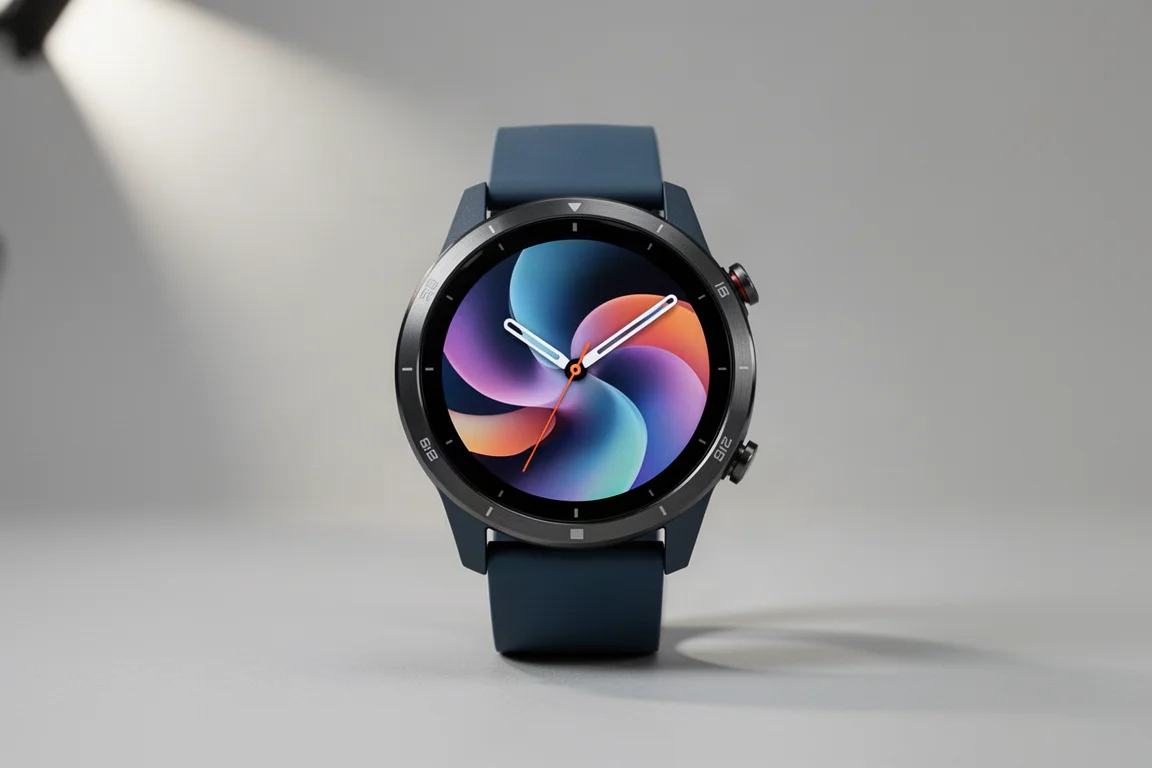
Cheaper alternatives include the Venu SQ, which uses a lower-quality LCD rather than AMOLED and more basic case materials, but delivers similar running features and battery life for less. The newer Venu Sq 2 and Venu Sq 2 Music upgrade to an AMOLED screen, bigger battery, and multi-GNSS tracking, making them promising budget alternatives. The Vivoactive 4, as noted earlier, offers much of the same experience as the Venu 2 with a lesser screen, and remains another decent mid-range option.
Premium Garmin Watches: Forerunner 955, Epix 2 and Fenix 7
This is the money-no-object tier, and Garmin has filled it out with the Forerunner 955, Epix 2, Fenix 7 range, and Enduro 2. All of these pack the best of everything: full color maps, exceptional navigation with features like ClimbPro and Next Fork, music support with streaming services, detailed training analysis including heat and altitude acclimation, race predictors with trends, HRV status, and more. Battery life in some cases is frankly absurd.
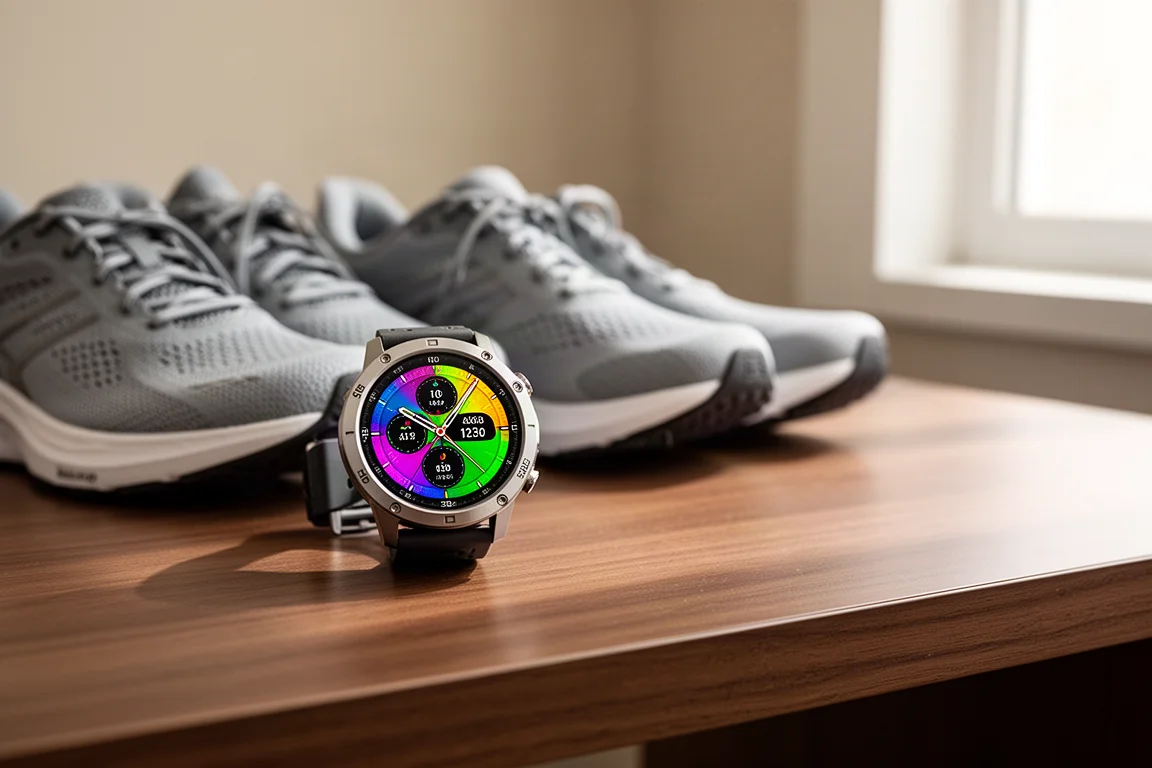
The Epix 2 is the pick here for most runners. Its AMOLED screen is a genuine quality-of-life upgrade, making maps far easier to follow under tree cover or dappled light than on the Fenix or Enduro. Battery life is better than you might fear: testers saw around 4 to 5 days even with an always-on display and multi-band GPS engaged during heavy marathon training weeks. It also has touch input that genuinely makes sense for navigating menus, and testing put it among the most GPS-accurate watches available. One caveat: Garmin only enabled multi-band GPS on the Sapphire versions of the Epix and Fenix, an increasingly hard-to-justify restriction now that multi-band appears on the mid-range 255S, so check the variant before buying.
The Fenix 7 range and Enduro 2 exist for those who want extravagant battery life instead. The Fenix 7X delivers multiples of the Epix’s runtime, and the Enduro 2 goes further still, potentially lasting weeks or even over a month for moderate runners, with a brighter built-in flashlight. Unless you are an ultramarathon runner or genuinely hate charging things, the Epix 2’s screen makes it the better daily choice.
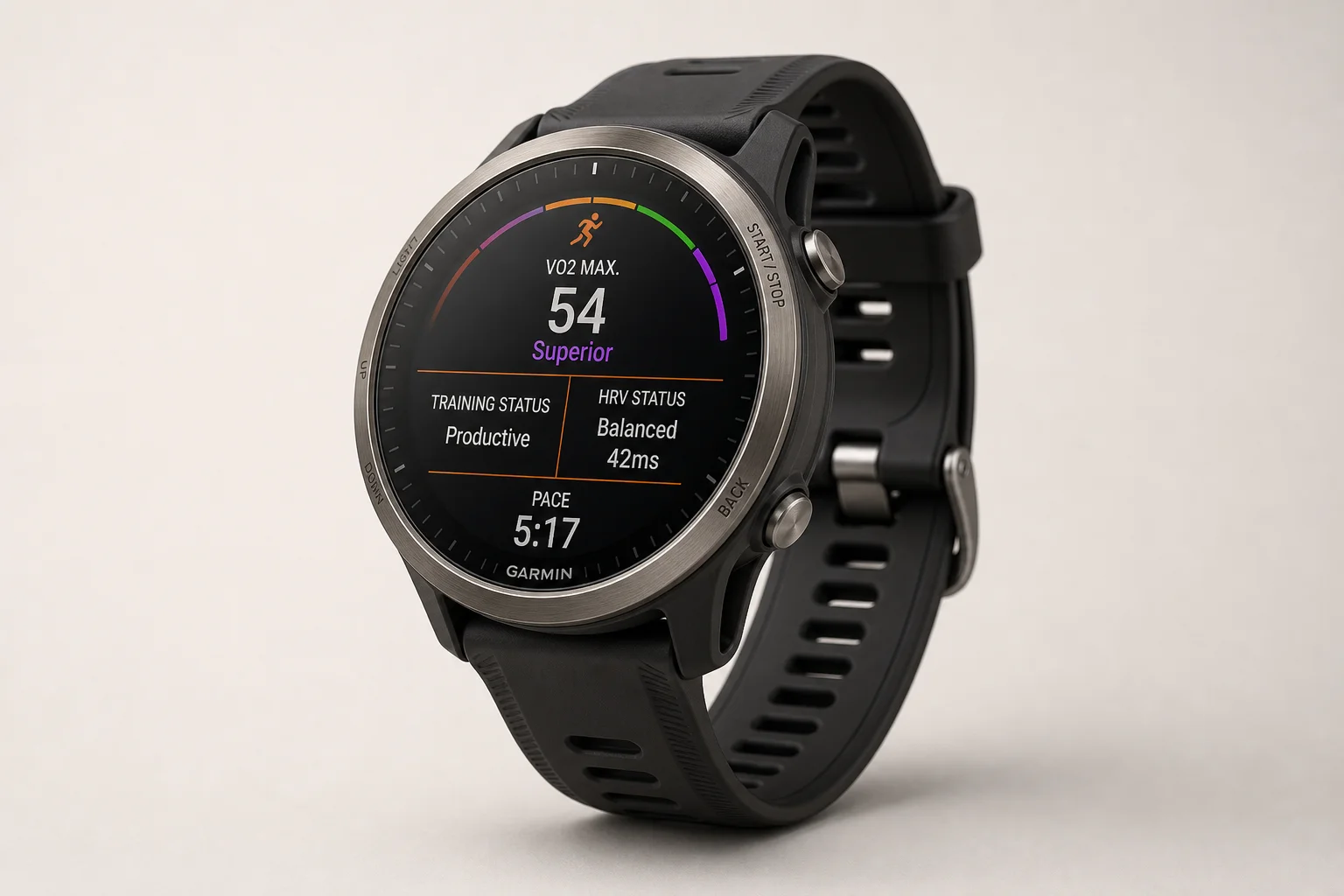
Older flagships like the Fenix 6 Pro still offer maps and music, but they miss newer features such as training readiness, are no longer supported with updates, and their GPS accuracy is considerably worse than the current generation. If you can stretch to a 955, that remains the smarter upgrade path.
Quick Top Picks
- Best beginner watch: Forerunner 55. No-frills, but with enough training features to grow into.
- Best all-rounder: Forerunner 255. Multi-band GPS, detailed training analysis, and triathlon mode at a fair price.
- Best value: Forerunner 245. A very good running experience for less money.
- Best smartwatch: Venu 2. The best screen and smart experience outside the flagships.
- Best premium: Epix 2. The AMOLED screen elevates everything, and battery life is sufficient for most serious training.
Conclusion
Garmin’s range rewards matching the watch to the runner. Start with the Forerunner 55 if you want simple and affordable, step up to the 255 if training analysis matters, grab a 245 if value is king, pick the Venu 2 for a smarter daily watch, and go Epix 2 or Fenix 7 if you want the best Garmin makes. Whichever tier you land in, there is very little chance of buying badly; the main risk is paying for features you will never use.
Further reading
Related Reviews
Running Watches
Coros Pace 3 Running Watch Review: Why Software Matters More Than Specs
The Coros Pace 3 prioritizes runner-focused design and intelligent software over expensive hardware. Here's why it outperforms watches that cost twice as much.
Running Watches
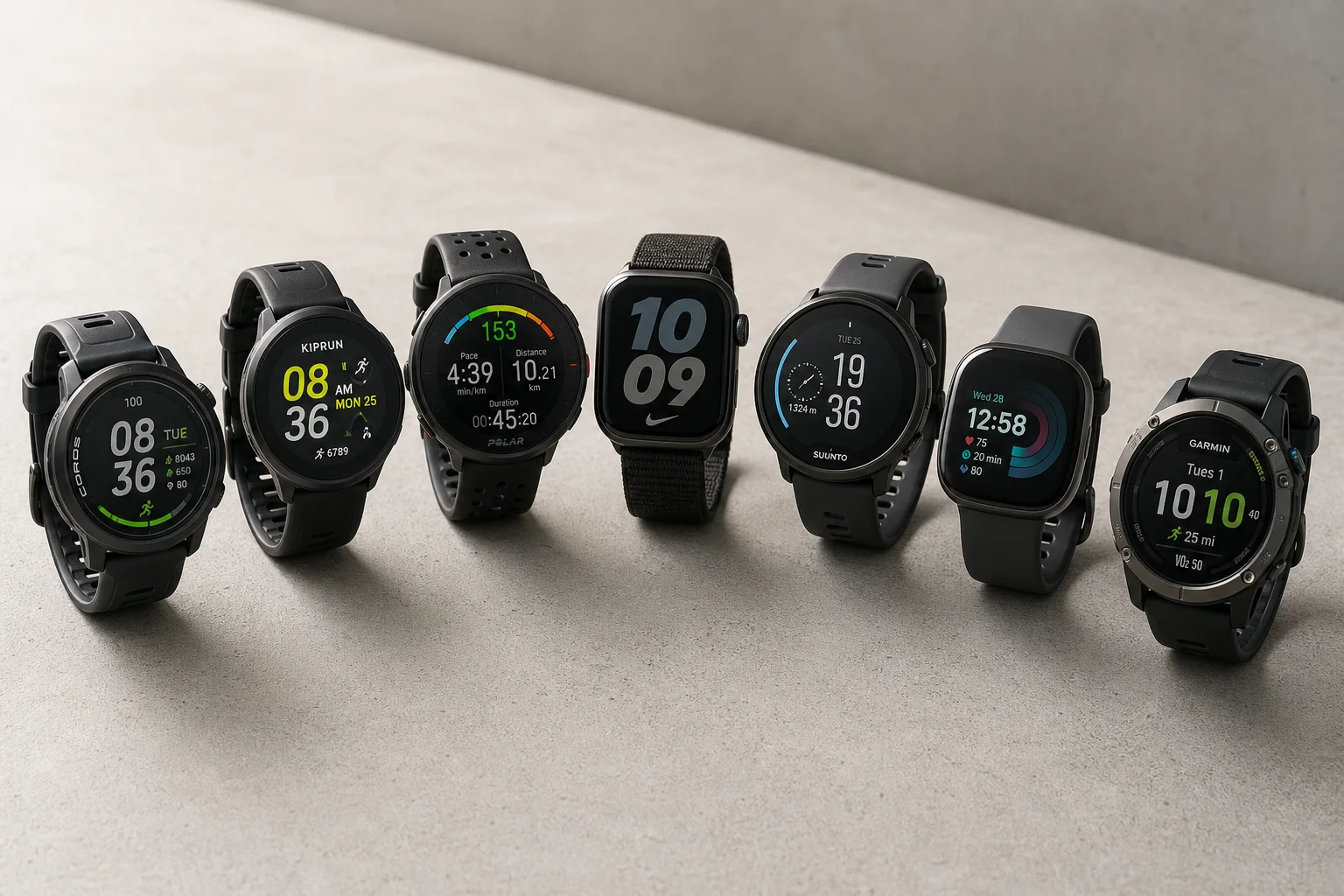
GPS Running Watch Accuracy Test: Seven Watches Compared Across Urban, Trail, and Race Conditions
We tested seven popular running watches from major brands in three different environments to find out which delivers the most accurate GPS tracking for distance and pace.
Running Watches
Garmin Forerunner 70 Review: Garmin's Cheapest Forerunner Is More Capable Than You'd Expect
The new entry-level Forerunner 70 brings an AMOLED screen, a fresh interface, and real training analysis for £219/$249, with a few trade-offs to weigh before buying.