Outdoor Gear
Best Garmin GPS Watches for Hiking: Instinct 2 Solar vs Fenix 6 Pro vs Epix Gen 2
Three popular Garmin GPS watches compared on the one feature that matters most on the trail: how much map detail you actually get on your wrist.
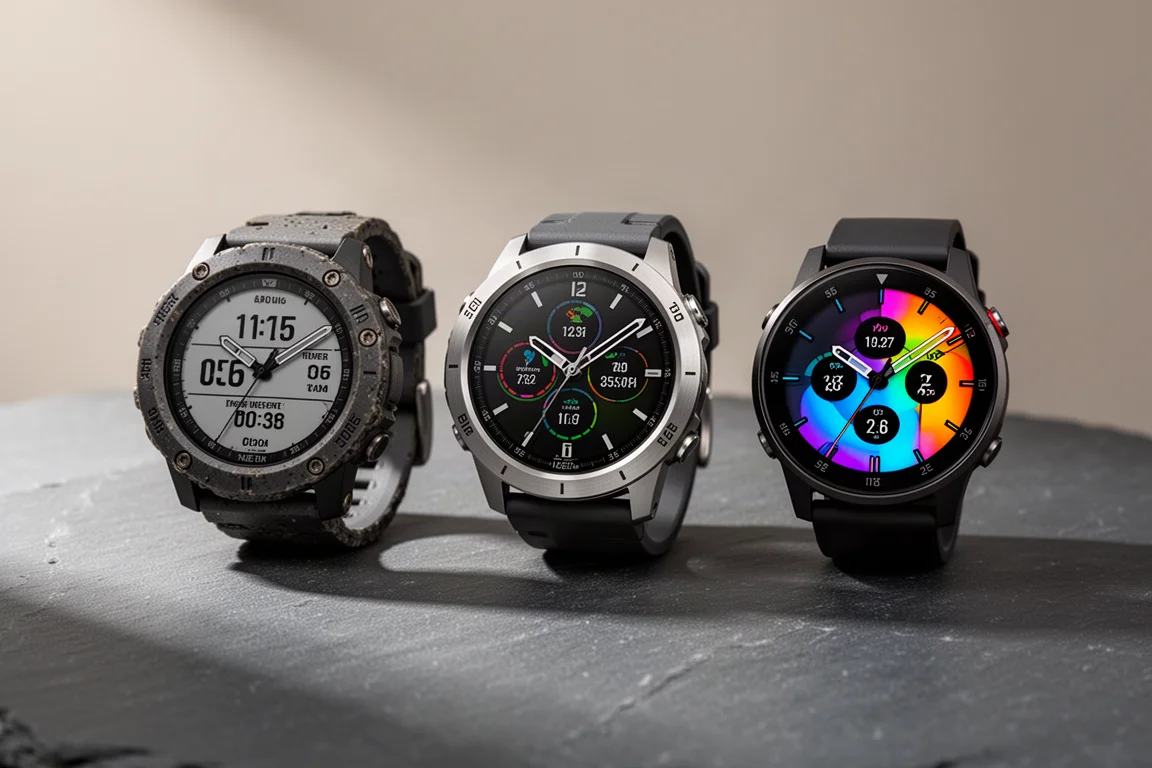
Introduction
Almost every modern GPS watch is competent at the basics. It will log your activity, accept a route, follow that route, hold a usable battery life, and lock onto satellites reasonably quickly. Those are no longer the deciding factors.
The real dividing line is the map. Specifically, how much of the terrain around you is actually visible on your wrist when something goes wrong. That single question separates a watch that works fine on a well-marked path from one that gives you genuine confidence deep in a national park.
This comparison looks at three Garmin watches at three very different points on that spectrum: the Garmin Instinct 2 Solar, the Garmin Fenix 6 Pro, and the Garmin Epix Gen 2.
How We Compared These Watches
The comparison here is deliberately narrow. Activity logging, route upload, and satellite acquisition are all broadly comparable across the three, so the focus is on display quality, colour depth, pixel density, map information density, and how easy it is to recover when you take a wrong turn.
Battery life is also treated as a first-order concern rather than an afterthought, particularly for multi-day trips where charging opportunities are limited or nonexistent.

It is worth saying plainly that all three watches carry far more features than most owners will ever use. The question is not whether they can do enough, but whether the feature that matters to you is present at the level you need.
Garmin Instinct 2 Solar: Entry-Level Route Following
The Instinct 2 Solar sits at the bottom of this group and its display is the reason why. The screen is a basic monochrome panel with a resolution of 176 x 176 pixels.
In practice, the route you are following appears as a single line. There is no surrounding information at all: no nearby paths, no footpaths branching off, no local roads, no village names. You get the line you loaded and nothing else.
That is workable if you follow the route precisely and the route is accurate. Where it becomes difficult is the moment you miss a turn. Without any context around the route line, working out where you actually are and how to get back takes far more effort than it should.
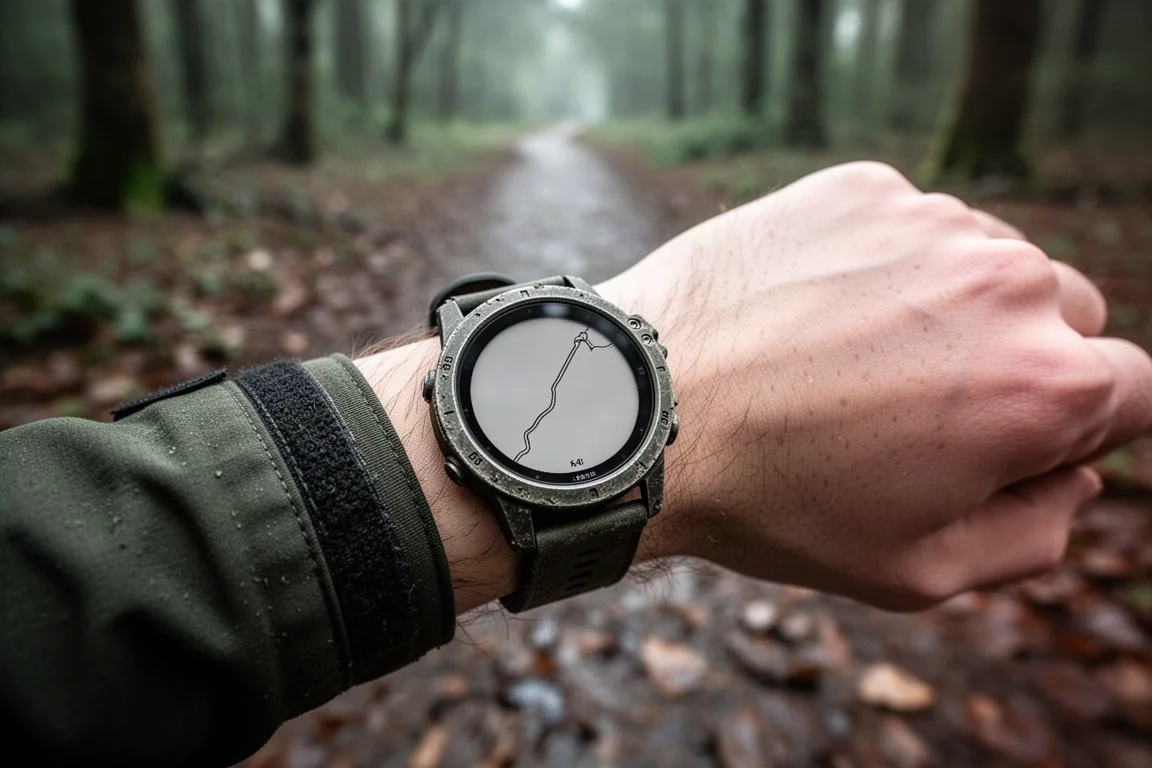
As an entry-level GPS watch it does the job it was designed for. If your routes are simple and your navigation discipline is good, it will get you where you are going.
Garmin Fenix 6 Pro: A Clear Step Up in Map Detail
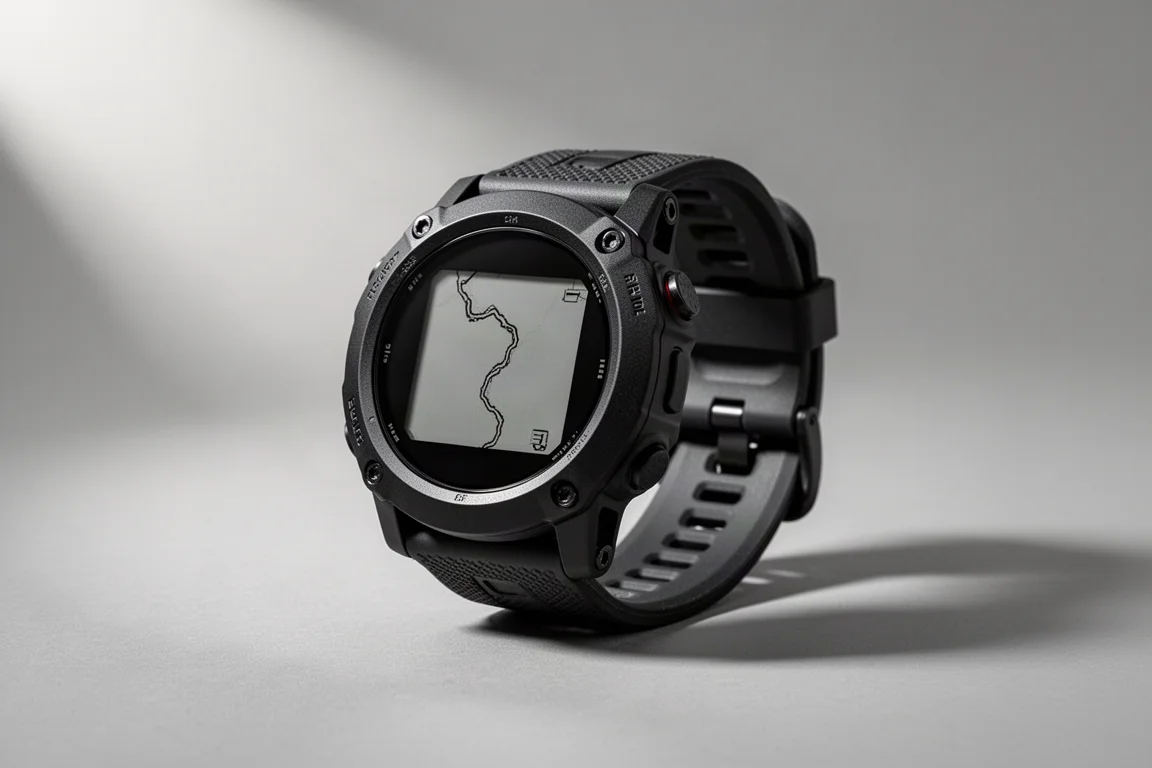
The Fenix 6 Pro is a substantial jump. It brings a colour display capable of 64 colours with a resolution of 260 x 260 pixels, and the difference on the map screen is immediately obvious.
The route itself is still highlighted, but now it sits within context. Local parks, roads, trails, and footpaths are visible around you. If you drift off course, there is enough surrounding detail to reorient yourself and get back onto the route without guesswork.
Zooming out gives you a broader view of what is around you, which is exactly the behaviour you want when conditions change or a path turns out to be impassable.
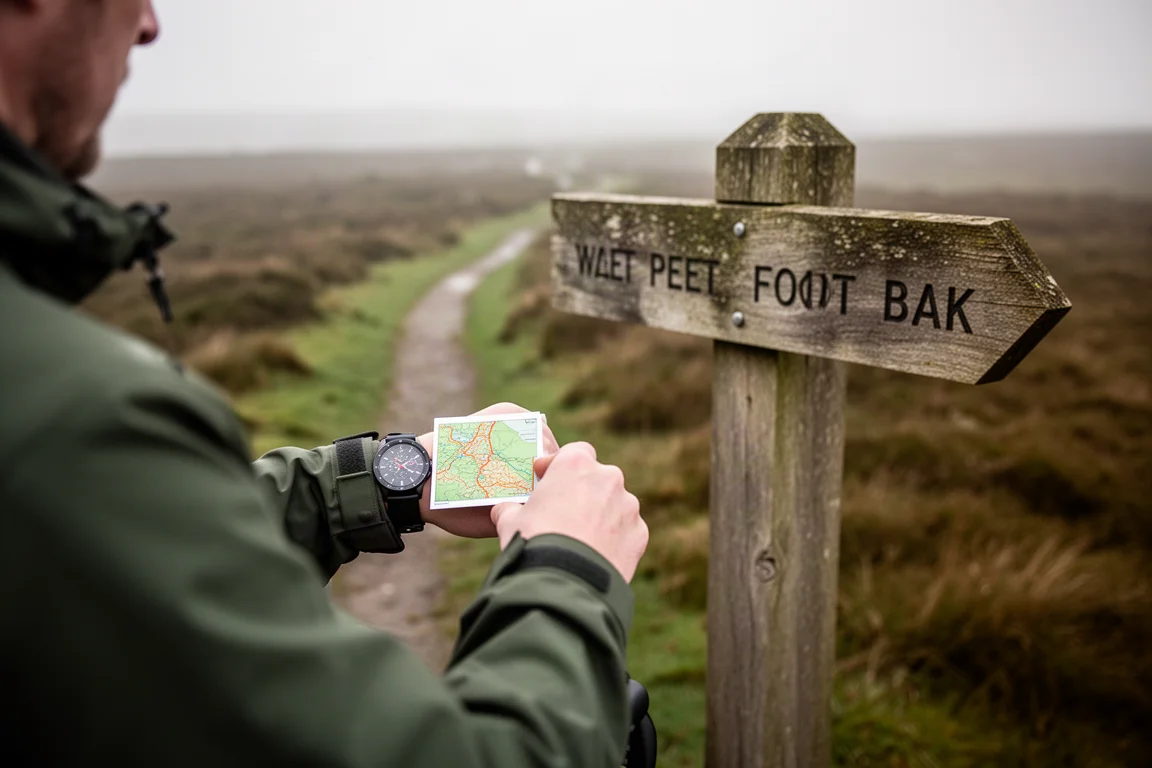
For many hikers and backpackers, this is the point where a GPS watch stops being a route follower and starts being a navigation aid.
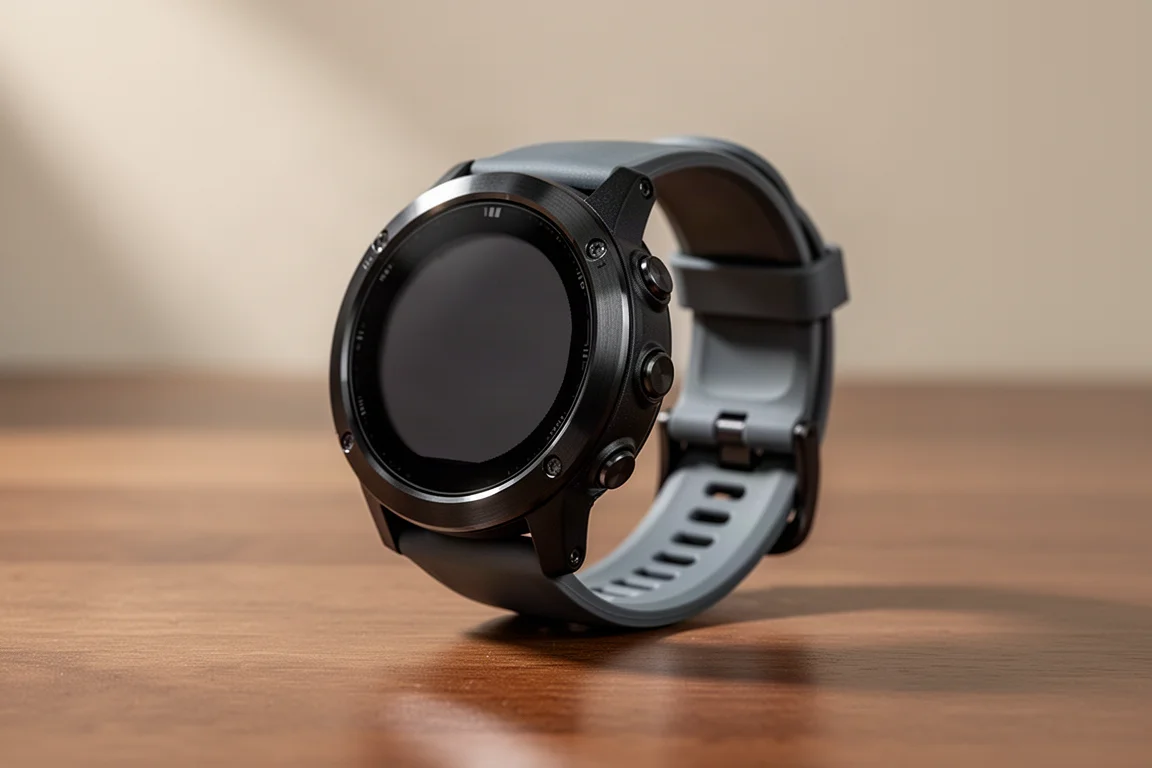
Garmin Epix Gen 2: The Most Detailed Map on the Wrist
The Epix Gen 2 uses an AMOLED display with 64,000 colours and a resolution of 416 x 416 pixels. That combination produces a map with dramatically more detail than either of the other two.
On screen you can see where you have been, the plotted route, the village you are currently in, and a dense layer of surrounding information. The display is also touch-enabled, so panning forward to see what is coming up, zooming in and out, and moving back through the map are all quick and straightforward.
The practical result is closer to carrying a paper topographic map on your wrist than to following a line. Panning ahead to preview upcoming terrain and recovering quickly after a missed turn both become simple tasks rather than exercises in patience.
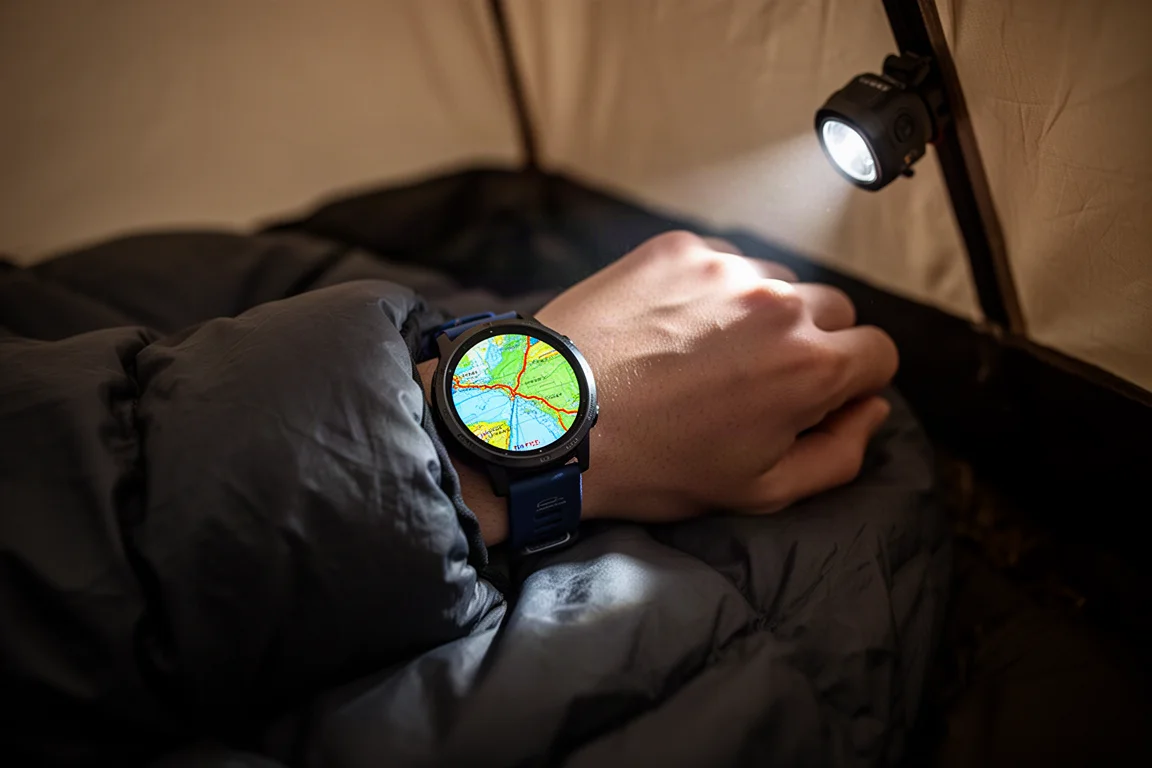
For anyone heading out alone into national parks and wilderness areas, that level of detail translates directly into confidence. Knowing precisely where you are, and what is around you, changes how the day feels.
What to Consider Before Buying
The first consideration is honest self-assessment. If all you want is an activity logger, a very inexpensive device will do that. If you are walking simple, well-defined routes, a watch that loads and follows a route is sufficient. It is only when you are genuinely out there, away from clear paths and reliable signage, that a detailed colour map earns its place.
The second consideration is size, and this one catches people out. Smaller watch variants have smaller displays, but they also have smaller batteries and therefore shorter battery life. On a multi-day trip, battery capacity matters a great deal. If you have smaller wrists and are tempted by a compact model, weigh that shorter runtime carefully before committing.
The third consideration is redundancy. A GPS watch should never be your only navigation tool. Carry a paper map as well, and know how to use it. Watches fail, batteries drain, and screens crack.
Finally, budget. The gap between the entry point and the top end here is significant, and the difference you are paying for is concentrated almost entirely in the display and the map detail it enables.
Conclusion
All three of these watches will log your activity, hold a route, and find satellites quickly. The thing that separates them is how much of the world around you is visible on the screen.
The Instinct 2 Solar is a capable entry-level option for straightforward routes followed carefully. The Fenix 6 Pro adds real context and makes recovery from a wrong turn far easier. The Epix Gen 2 goes furthest, with a bright, dense, touch-driven map that behaves like a proper topographic chart on your wrist.
If navigation confidence is the reason you are buying a GPS watch in the first place, that is where the money goes. If it is not, the cheaper options do everything else perfectly well.
Further reading
Related Reviews
Outdoor Gear
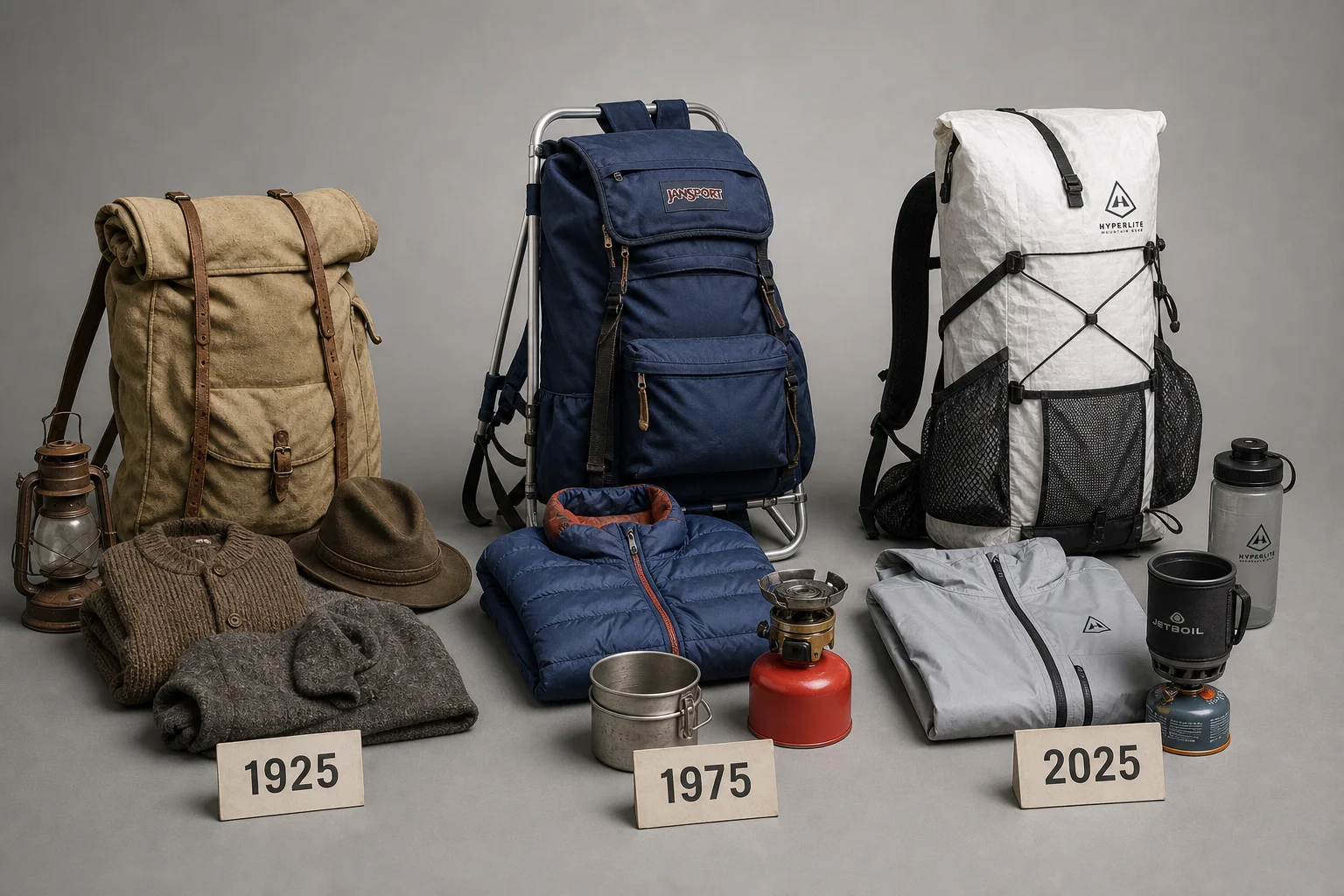
Backpacking Gear Evolution: 100 Years of Technology Compared
We tested backpacking gear from 1925, 1975, and 2025 across a three-day hike in Yosemite. Here's how technology has transformed comfort, weight, and the outdoor experience.
Outdoor Gear
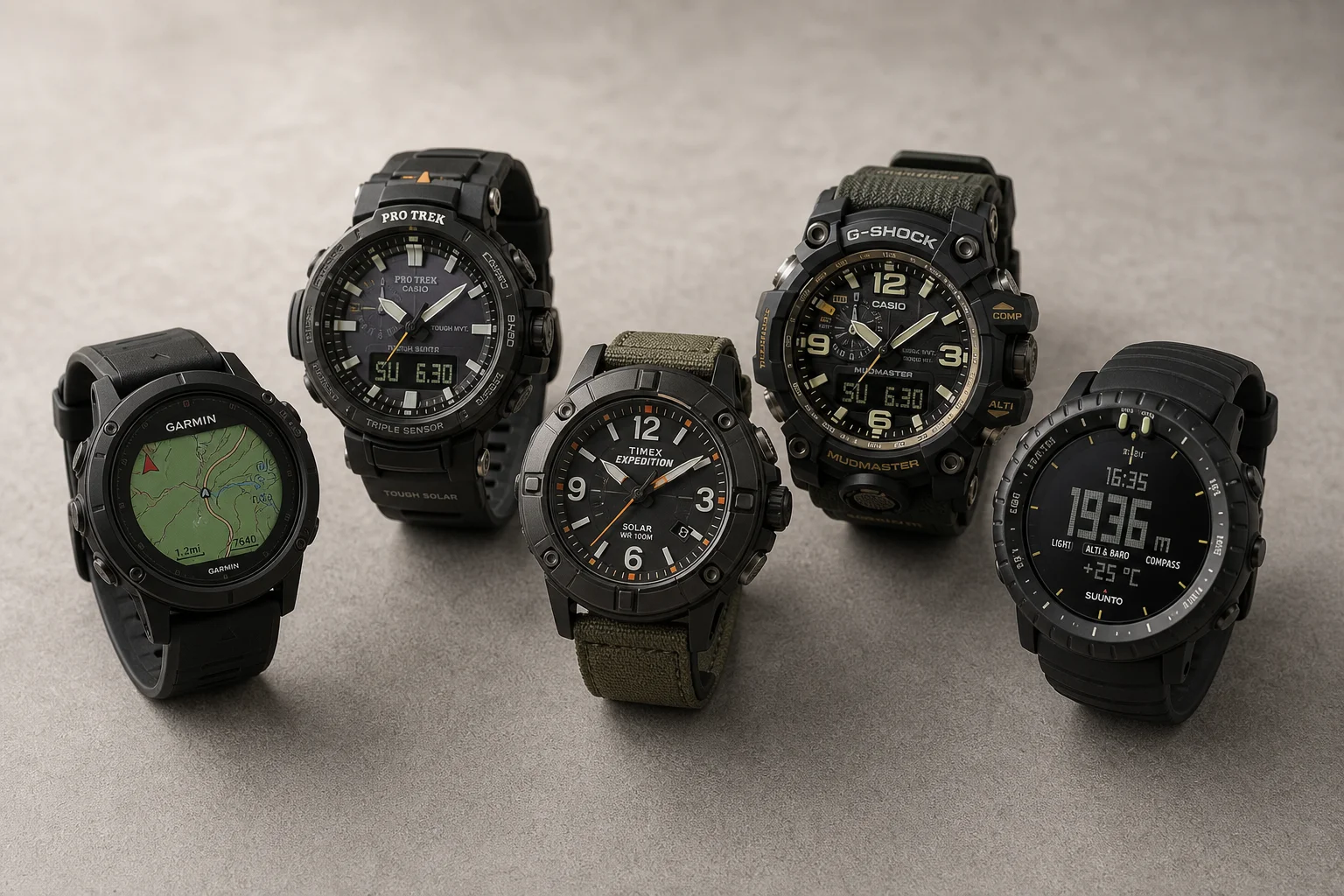
Best Affordable Hiking Watches: Five Rugged Options for Outdoor Adventures
Five durable hiking watches that balance ruggedness, functionality, and value for outdoor enthusiasts who need reliable GPS tracking and weather resistance.
Outdoor Gear
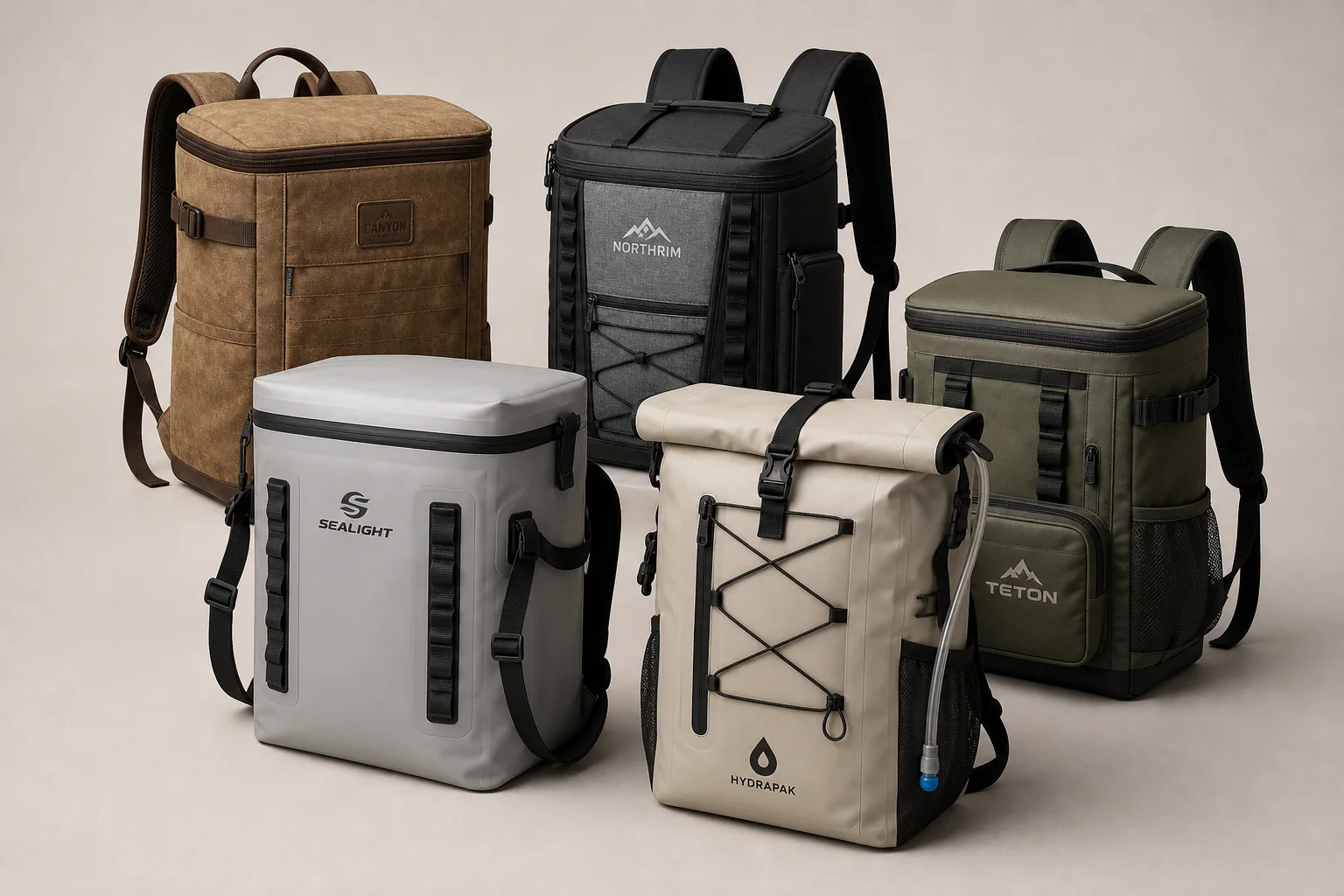
Best Backpack Coolers 2026: Five Practical Options for Outdoor Adventures
Five backpack coolers with distinct cooling capabilities, storage features, and design trade-offs to help you choose the right one for your outdoor needs.