Kitchen Appliances
Best Full-Size Blenders 2026: Our Top Picks After Months of Testing
We cooked, blended, and stress-tested 16 full-size blenders, from $100 to $930. Only a few were worth buying. Here are the ones we recommend.
Introduction
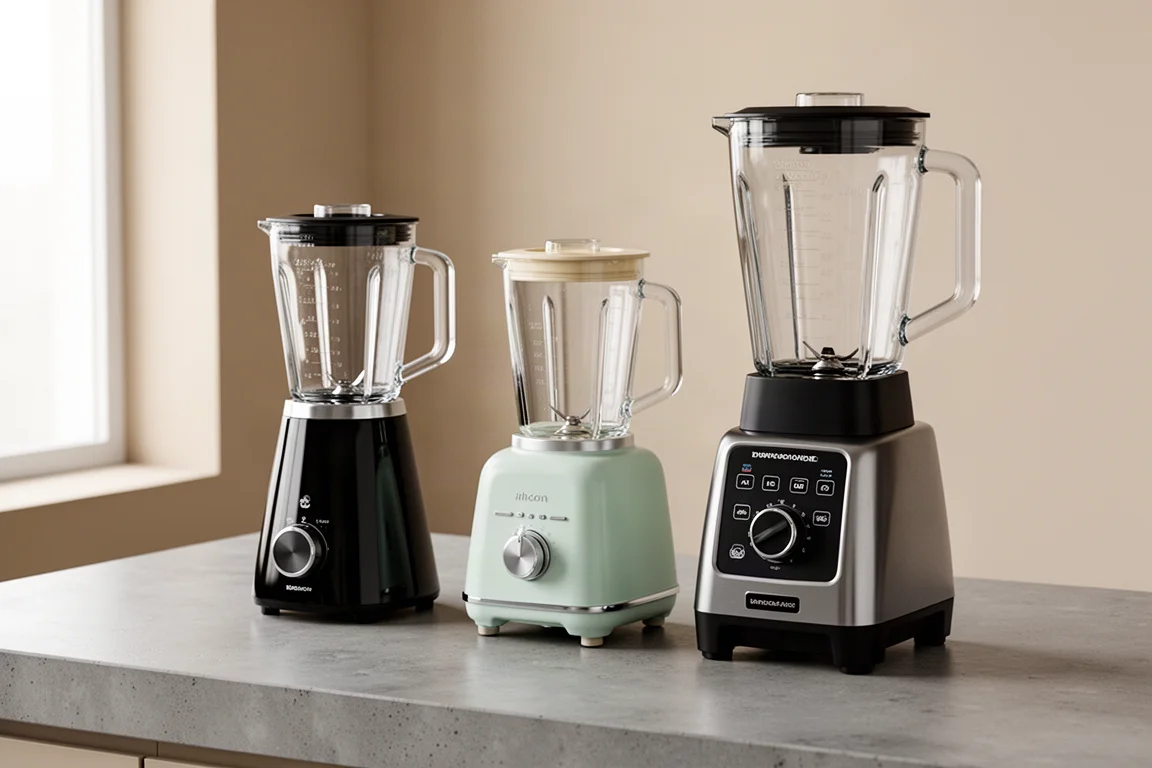
Full-size blenders promise a lot: silky soups, velvety sauces, homemade nut butter, and smoothies that actually taste smooth. Over the past few months, we put 16 of the most interesting full-size blenders on the market through their paces in a real home kitchen, with prices ranging from $100 all the way up to $930.
The honest summary: this is a rough market. Most of the blenders we tested fell short in at least one meaningful way, and several failed outright. But a small handful genuinely delivered, and those are the ones worth your money.
How We Tested
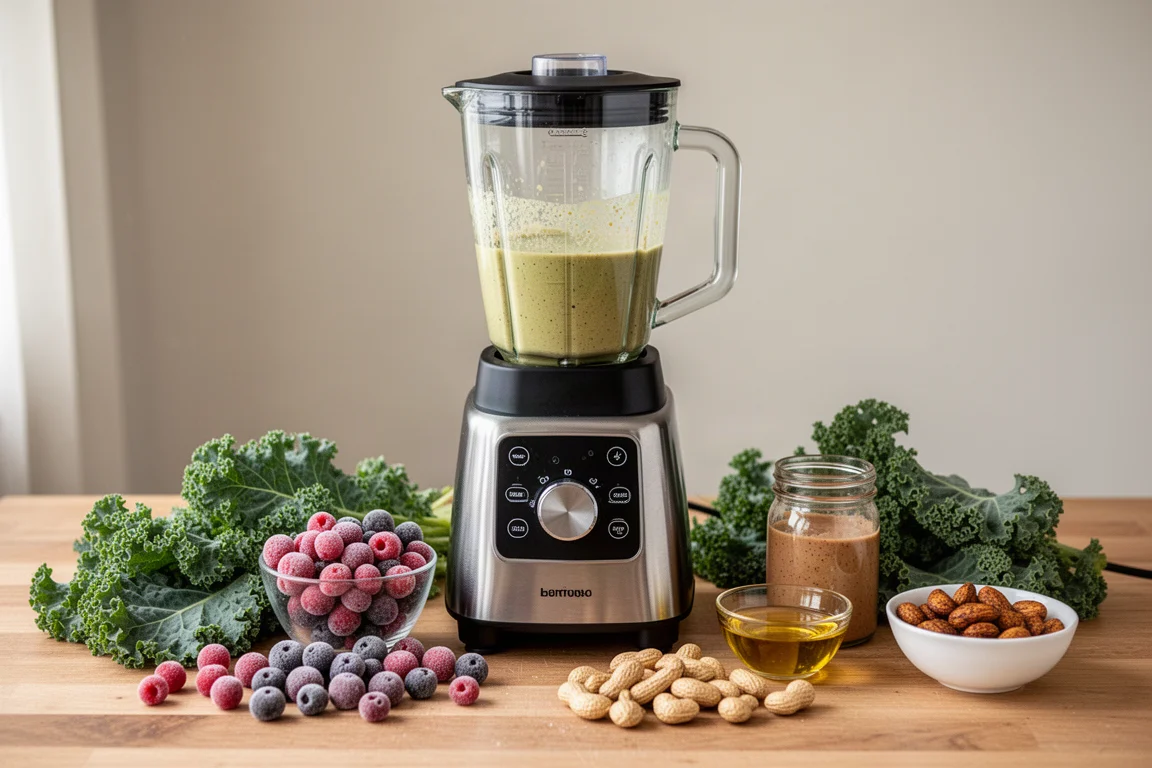
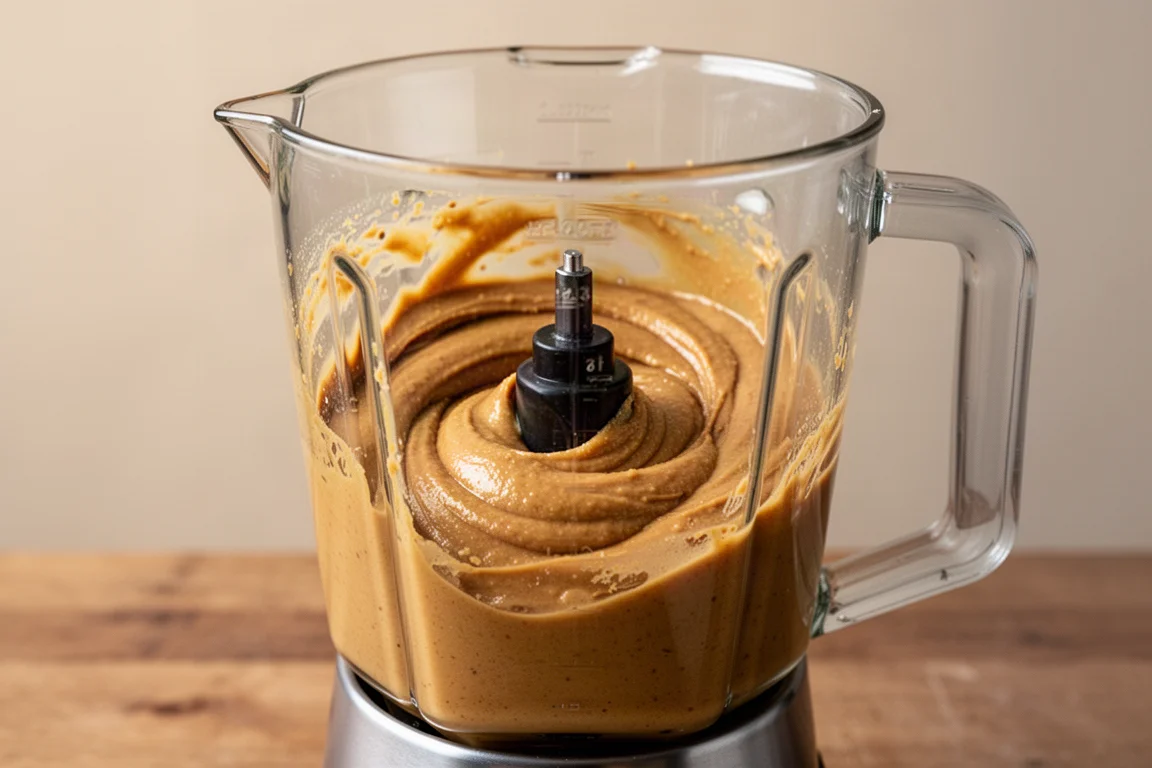
We used every blender for actual cooking, then layered in standardized stress tests designed to expose real weaknesses: pureeing frozen corn and water for a vegan queso, emulsifying a full batch of mayonnaise, grinding smooth peanut butter from whole roasted peanuts, and blending kale and mixed berry smoothies. If a blender had a built-in program for a task, we used the program and scored it on that basis.
We also tested every built-in program on every machine and compared the best program result against simply eyeballing the blend manually. The takeaway was sobering: out of 16 machines and dozens of programs, only two programs kept pace with manual blending. If your recipe does not use the program, the program is mostly dead weight.
One technical note that shaped our results: raw motor wattage matters far less than most marketing suggests. The most powerful blenders we tested, rated at 1,800 watts, were only about three times as powerful as the weakest 600-watt unit, because doubling blade speed requires four times the energy. What actually separated winners from losers was the lowest speed a blender could sustain without overheating and how well the blade and pitcher worked together. A clean, stable vortex at low speed consistently predicted strong performance at high speed.
Best Overall: Breville the Super Q
The Breville the Super Q trounced everything else we tested, taking top scores across the board. In the puree test, it was the only blender to achieve a perfect score, returning a pound of additional mass from a pound of corn with nothing wasted. It made ultra-smooth peanut butter in the shortest time of any unit, and it took on the full mayonnaise oil load so quickly we double-checked our measurements.
It was not the fastest in the smoothie test, but it produced the smoothest result by a good margin, with fine ice and no chunky surprises. The pitcher is dishwasher safe, sturdy, seals well, aligns easily, and you can simply pop it on and start blending. A tamper is included, though our results never required it.
It is not flawless. The lowest two speeds pulse instead of running continuously, the cantilever lid still flings a bit when opened, the cooling fan is noticeably loud, and graphite lubricant may leave some gray residue out the back during early uses. The control panel styling is also dated compared to the otherwise refined base and pitcher design. A vacuum attachment accessory made little to no difference in our testing.
None of that changes the verdict: at $500, it is miles ahead of the competition and an easy recommendation.
Best Budget Pick: KitchenAid K150
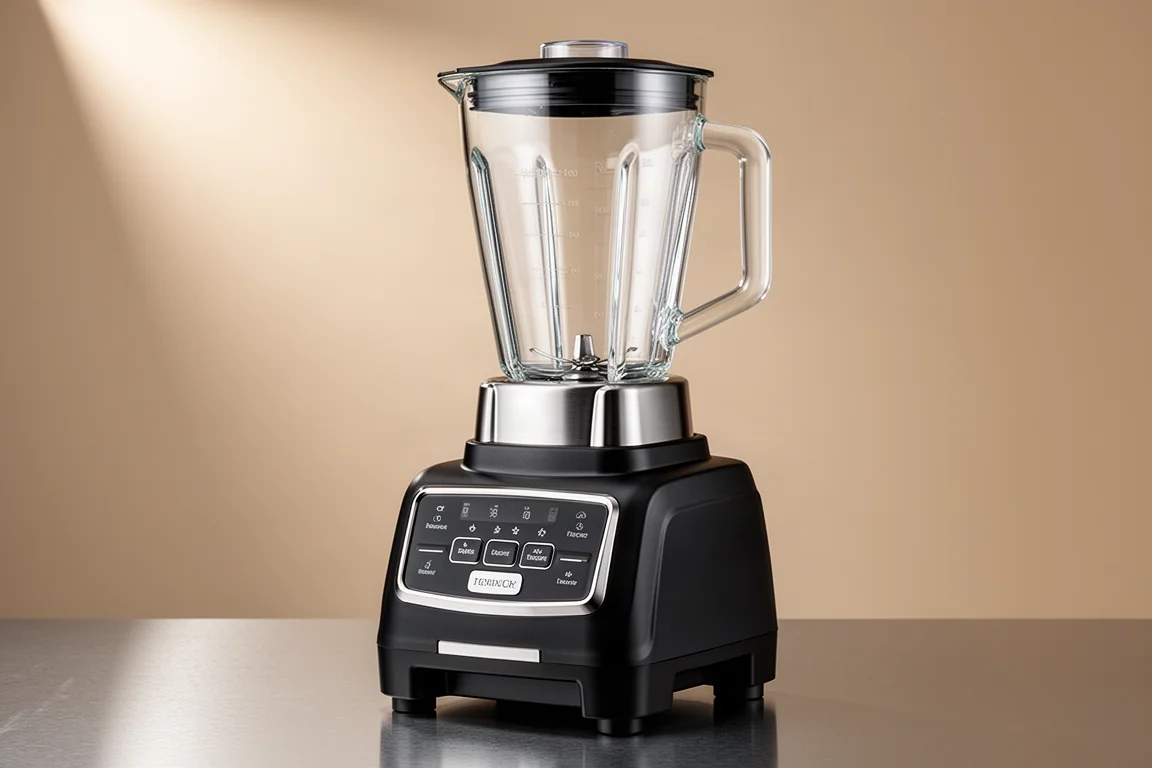
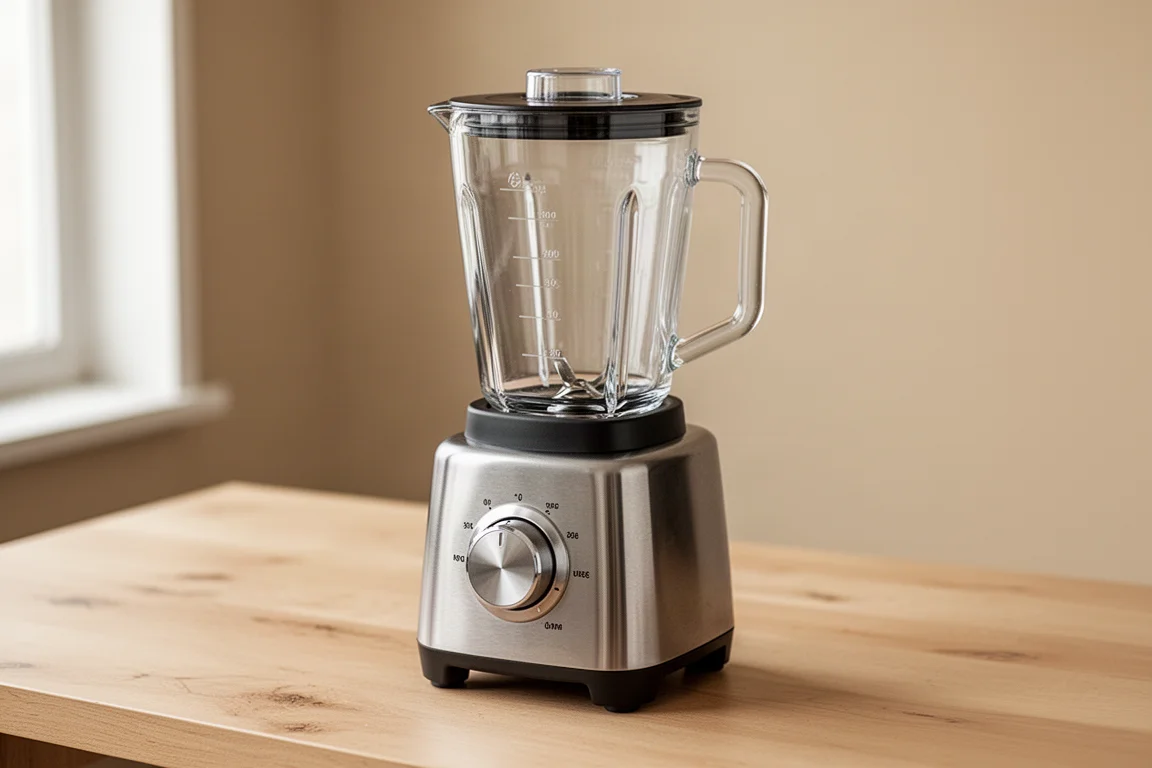
The KitchenAid K150 is the cheapest unit we tested at $100, and while it was not the most powerful, it succeeded at everything we threw at it. Smoothies came out about as good as you could reasonably expect, and even peanut butter, slowed down by the lack of an included tamper, turned out nice in the end.
The standout feature is the control design, which we found to be the best of any blender we tested. Three speeds plus a pulse on the opposite side, executed in a solid piece of metal rather than plastic gimmickry. It also recorded the lowest average noise and the fourth-lowest peak noise of the entire field, which matters more than most people expect.
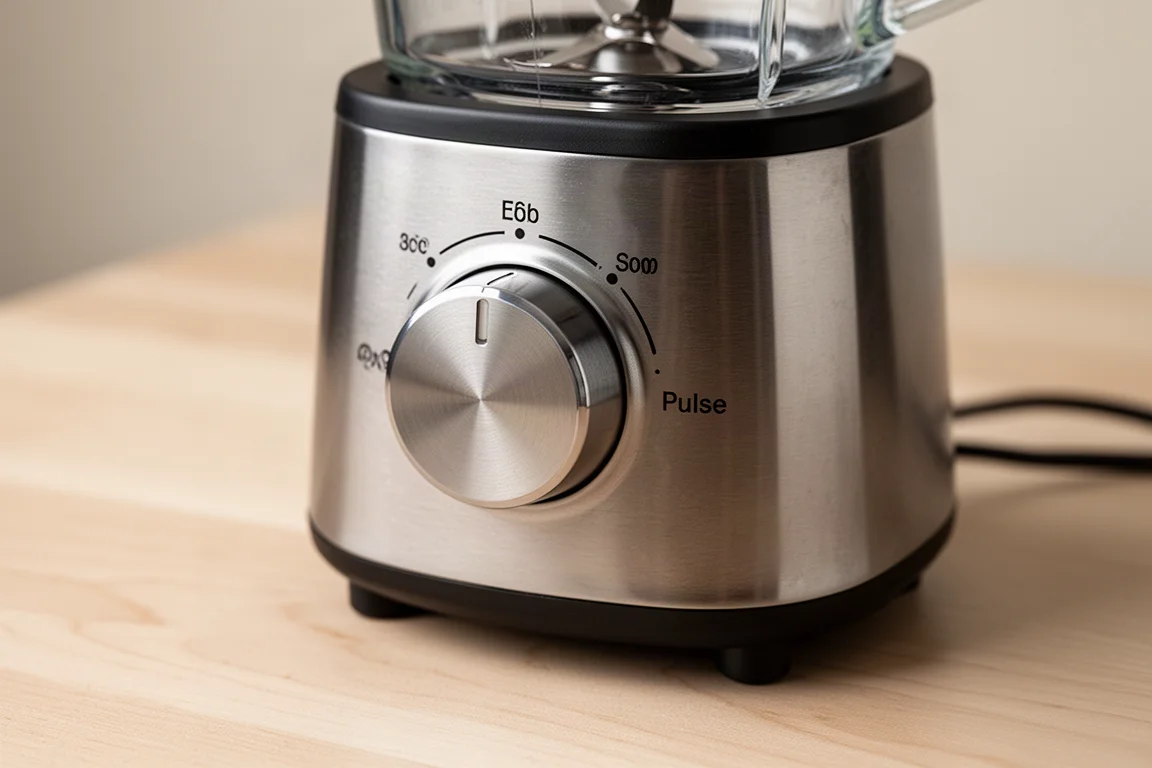
Our one caution: some owners have reported corrosion on the bottom of the blade assembly over time, though we saw similar complaints across several other brands, so the root cause is unclear. Treat this as a cautious but confident recommendation for most kitchens.
Best Value Mid-Range: NutriBullet Triple Prep
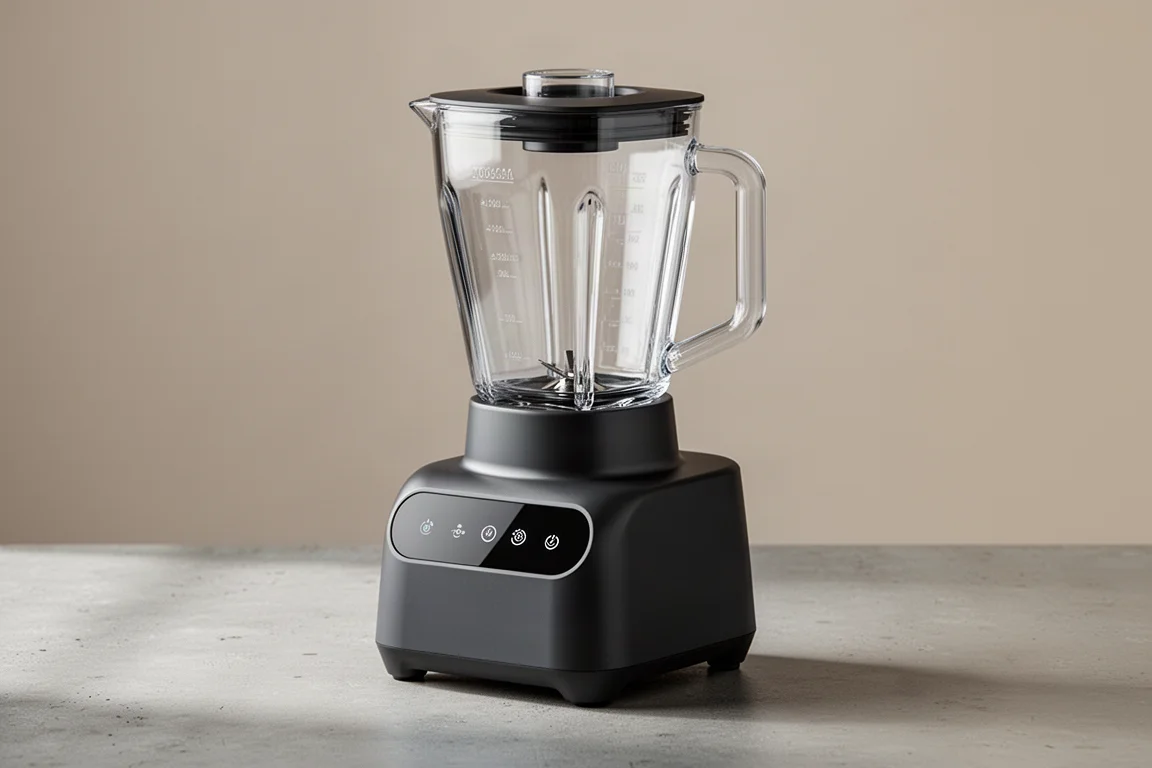
The NutriBullet Triple Prep passed every single test with flying colors, producing extremely smooth results with everything thoroughly pulverized. At $250, it undercuts the premium options while delivering genuine performance, which is exactly why it outranked more expensive rivals.
The trade-offs are all in the details. The blade design propels ingredients upward, which makes drizzling oil for mayonnaise messy, to put it politely. The cantilever lid takes real effort to remove, the touch interface can activate accidentally while seating the pitcher, and you need to press the power button between every operation. None of these are dealbreakers, but they add friction the more you use it.
What to Avoid
A quick warning about the rest of the field, because several popular models failed in ways worth knowing about. The Ninja Detect Power Blender Pro overheated making mayonnaise, left gritty smoothies, and its auto-detect feature did not translate into effective blending. The Zwilling Infinity Power Blender performed well when it ran, but a frustrating safety interlock made it unreliable to even start. The Blendtec flagship died outright on the peanut butter test and leaked from the lid, while the Clean Blend 3HP commercial blender proved that power ratings alone mean very little. The Vitamix Explorian E310 started smoking on peanut butter after three minutes, and the new Vitamix Ascent X5, despite excellent materials, stacks small frustrations at every step and costs $750. The Smeg retro and professional models, Breville’s Fresh and Furious, the Auster units, and the NutriBullet Blender Combo each had disqualifying flaws of their own.
The pattern across all of these: strong specs on paper, weak execution where it counts.
Buying Advice
Start with what you actually make. If smoothies and soups dominate your routine and budget is tight, the KitchenAid K150 handles nearly everything gracefully for $100. If you want near-flagship blending performance, the NutriBullet Triple Prep delivers it at $250, provided you can live with some ergonomic quirks. If you want the best results in every category and a genuinely effortless experience, the Breville the Super Q justifies its $500 price better than anything else we tested.
Beyond the specific picks, two rules will serve you well. First, ignore wattage claims; pitcher and blade design matter more. Second, be skeptical of built-in programs, because almost none of them outperformed simple manual control in our testing.
Conclusion
Out of 16 blenders, only a handful earned a genuine recommendation, and the Breville the Super Q stands clearly at the top. The KitchenAid K150 proves you do not need to spend big for solid results, and the NutriBullet Triple Prep hits a sweet spot for performance-focused buyers. Match the pick to your budget and cooking style, and any of these three will serve you well.
Further reading
Related Reviews
Kitchen Appliances
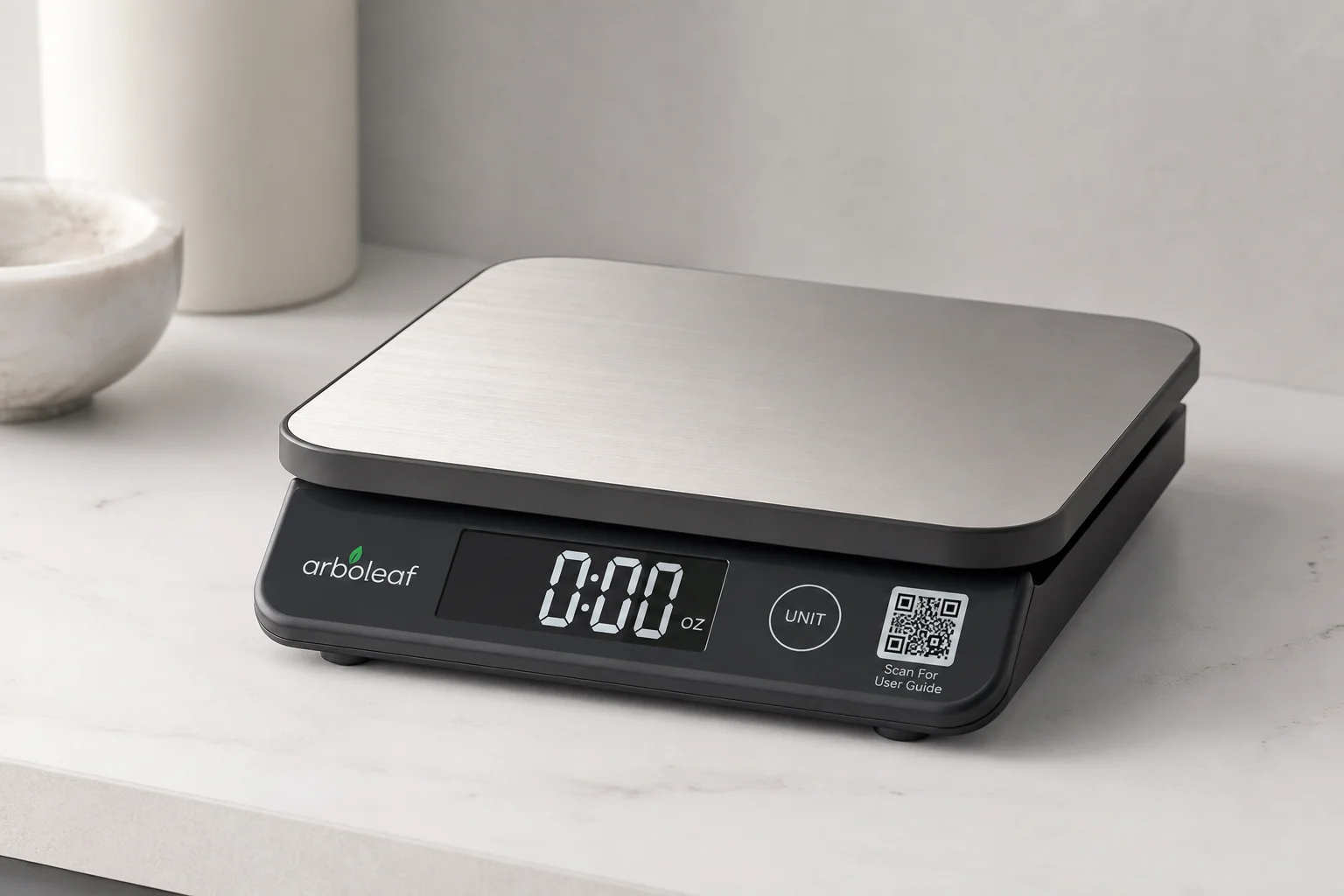
Arboleaf Smart Kitchen Scale Review: Connected Cooking Made Simple
A Bluetooth-enabled kitchen scale that syncs with a nutrition-tracking app, offering real-time weight monitoring and recipe guidance for home cooks.
Kitchen Appliances
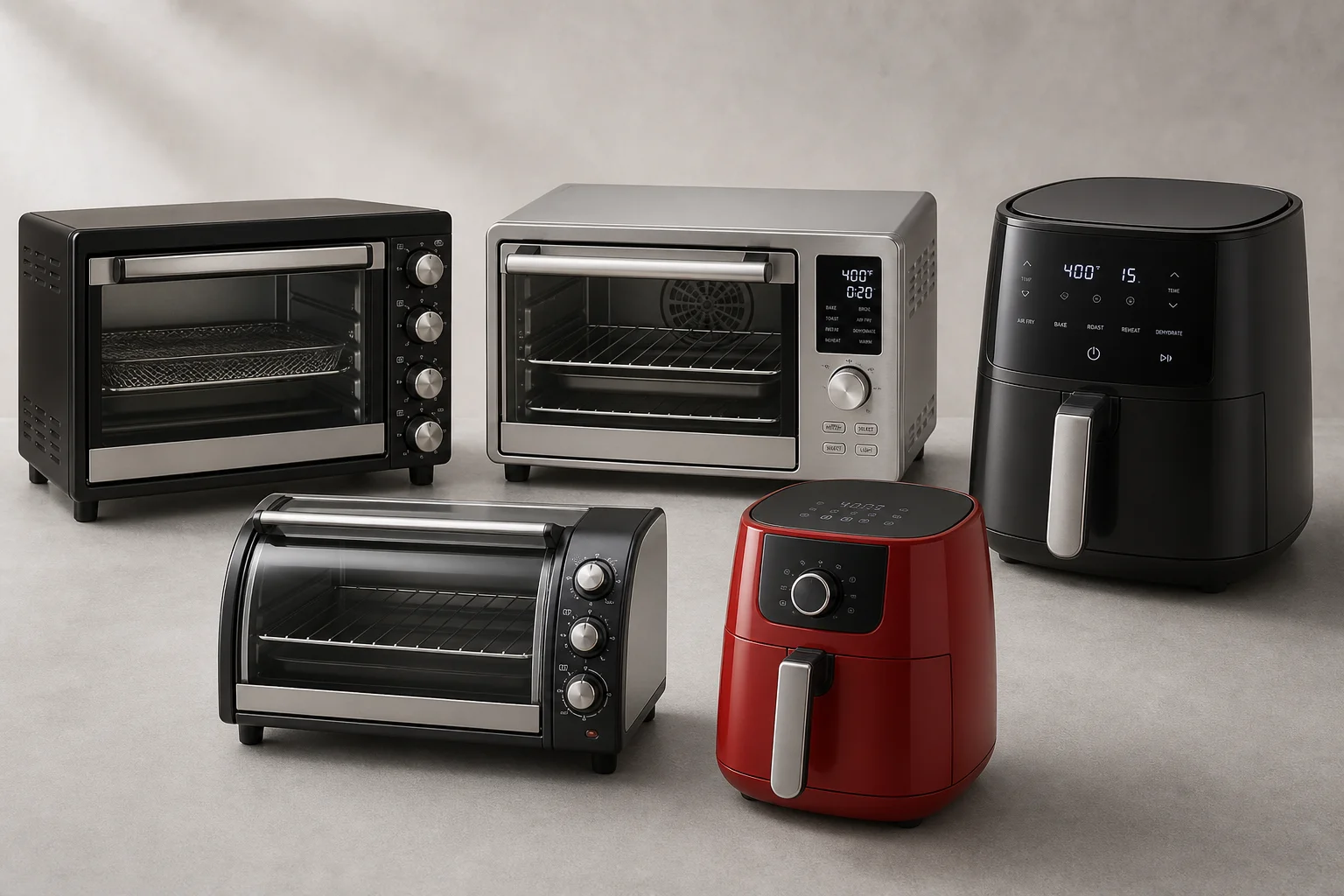
Best Air Fryer Toaster Ovens Under 100: Five Practical Options for Budget-Conscious Kitchens
Five air fryer and toaster oven combinations that deliver real cooking performance without breaking the bank, each with distinct strengths for different kitchen needs.
Kitchen Appliances
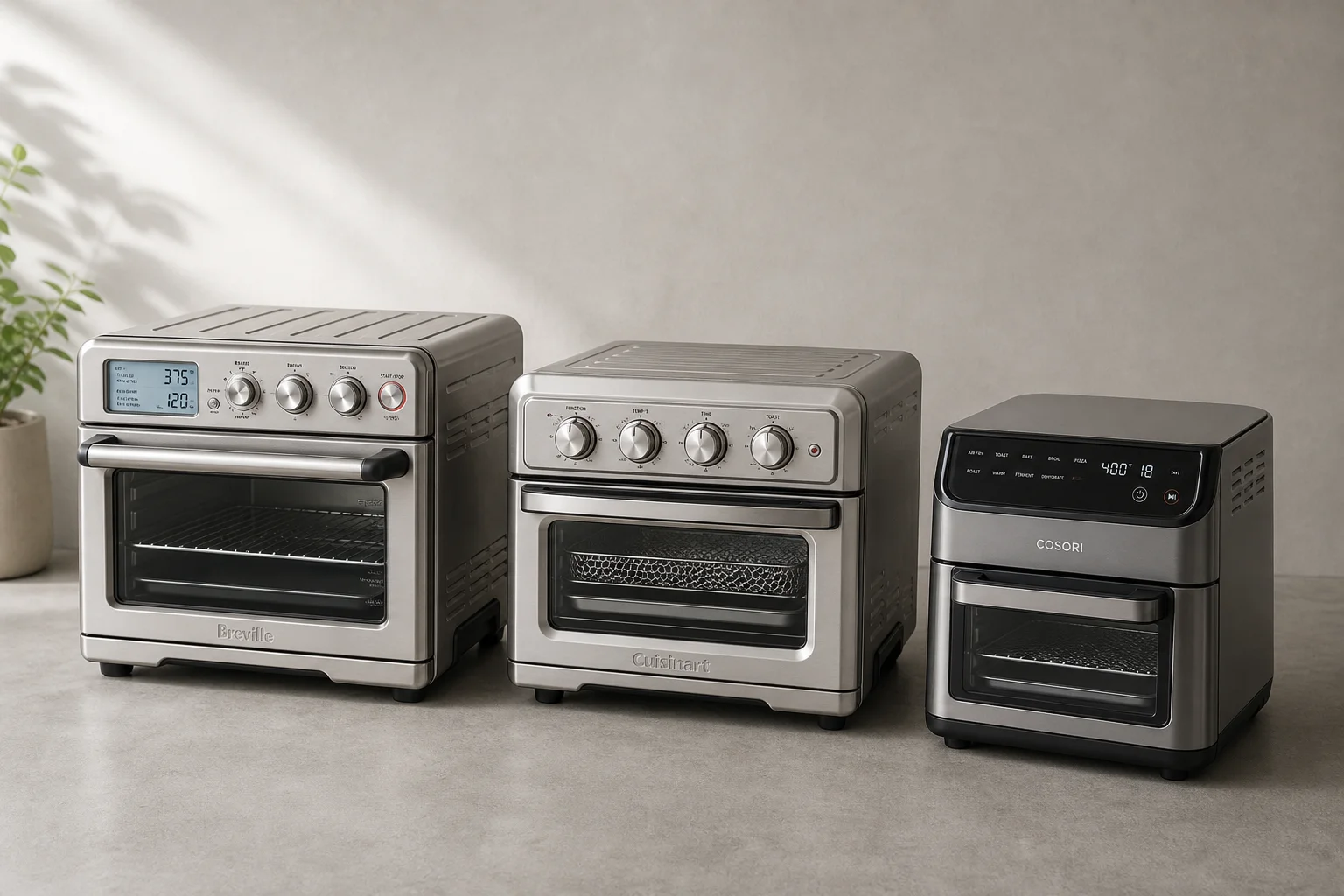
Best Air Fryer Toaster Ovens: Three Top Picks for Multi-Function Cooking
Three high-performing air fryer toaster ovens tested for versatility, ease of use, and real-world cooking results. Find the right fit for your kitchen.