Ski Gear
Best Frontside Skis: A Practical Comparison of Narrow Carving Skis
A wide-ranging look at narrow frontside carving skis, from accessible 75 mm models to light 82 mm all-mountain options, with notes on who each ski actually suits.
Introduction
Frontside skis are the tools most skiers reach for most of the time. They are built around groomed terrain, firm snow, and the kind of turn shapes that make an ordinary resort day satisfying. That focus does not make them narrow in ambition. The group here runs from 75 mm to 82 mm underfoot, and the price spread is wide enough that the gap between the most affordable model and the most expensive one approaches $1,000.
What is interesting is how much the on-snow differences come down to skier ability and speed preference rather than raw performance. There are real distinctions between these skis, but a large part of choosing well is matching the build to the person.
The comparison is organized from narrowest to widest, and within each width group it runs from less demanding to more demanding. That structure makes it easier to see where a ski sits before you ever look at its construction sheet.
How to Read This Comparison
A few ideas come up repeatedly.
Waist width sets the baseline. A 75 mm ski trades soft-snow float for quick edge-to-edge response, while an 80 to 82 mm ski gains surface area and confidence when the surface is less than perfect. Width is not the same thing as capability. A wider ski is not automatically better, and a narrow ski is not automatically limited.
Camber, rocker, and taper change how a ski engages. Fully cambered skis with no rocker feel planted and hold an edge from tip to tail, but they ask more of the skier. Adding rocker or taper makes a ski easier to initiate and more forgiving, usually at some cost in precision.
Construction and binding systems set the ceiling. Metal laminates, race-derived sandwich builds, and integrated binding plates raise both the performance ceiling and the weight. Lighter builds with fiberglass or carbon tend to feel more energetic and easier to manage. Weight matters less in this category than it does in others, but it is still a useful signal.
Finally, usability tends to move in the opposite direction from build. The more race-oriented a ski becomes, the smaller the group of skiers who will get the most from it.
Atomic Redster Q7: Accessible Precision at 75 mm
The Redster Q7 is the narrowest ski here at 75 mm underfoot. It uses a carbon Revoshock laminate rather than the metal-clad version found further up the line, which makes the damping layer lighter and a little more flexible. That is what makes this ski easier to access while keeping the fully cambered, race-inspired shape intact.
It is stiff, carries a lot of active camber, and has no rocker at all. The turn radius sits around 14.2 m, and the powerful wood core with a metal laminate holds an edge from tip to tail. It is sharp, crisp, and responsive, just at a slightly lower speed threshold than its heavier sibling.
Riders who want a precise frontside feel without chasing top speed will get along well with it. It rewards short and medium radius turns and stays manageable over a full day. It is not a mogul ski and it is not built for off-trail use, but as a dedicated frontside tool there is far more going on than its position in the catalog suggests.
View more details for Atomic Redster Q7
Stöckli Montero AS: Quick, Smooth, and Confident
The Montero AS is 76 mm underfoot and shares its construction with the Montero AX and AR: a light wood core, two sheets of metal, rubber damping, and adhesive laminates. What separates it is scale. At 76 mm with a 14.8 m turn radius in a 172, it turns noticeably faster than its wider siblings, and it feels quicker than that difference alone would suggest.
A flex torsion control feature cuts slits into the upper metal sheet, which helps the ski stay planted on the snow. The profile uses a long camber section, a progressive tip shape, and a generous amount of tail rocker, and the low stand height keeps the skier close to the ski. The softer shovel makes it genuinely good in moguls, where it releases quickly and follows the boots without getting deflected.
It comes with a color-matched Strive binding, and while the ski accepts other options, the package is coherent. If you want the smooth, quiet Montero feel in its shortest and quickest format, this is the one. The AX and AR remain the more versatile all-mountain choices.
Blizzard Thunderbird R15: The Benchmark for Rewarding Carves
The Thunderbird R15 measures 76 mm underfoot with a 15 m turn radius. A TrueBlend wood core controls stiffness differently through different portions of the ski, which is a large part of why it feels stiff as a whole yet slightly supple in the tip. Active carbon armor stiffens the midbody further, and it is fitted with an XL race binding system.
It is a stiff, strong, powerful ski, yet it is easier to reach its rewarding side than several of the more race-oriented builds here. It has a genuinely high performance ceiling, and it relaxes a little when you are not driving it hard. Riders who spend most days on groomed terrain will find it easier to unlock than a pure race-room build, and it holds up well when the snow is less than perfect.
Völkl Deacon 76 Master: Race-Room Build in a Wider Ski
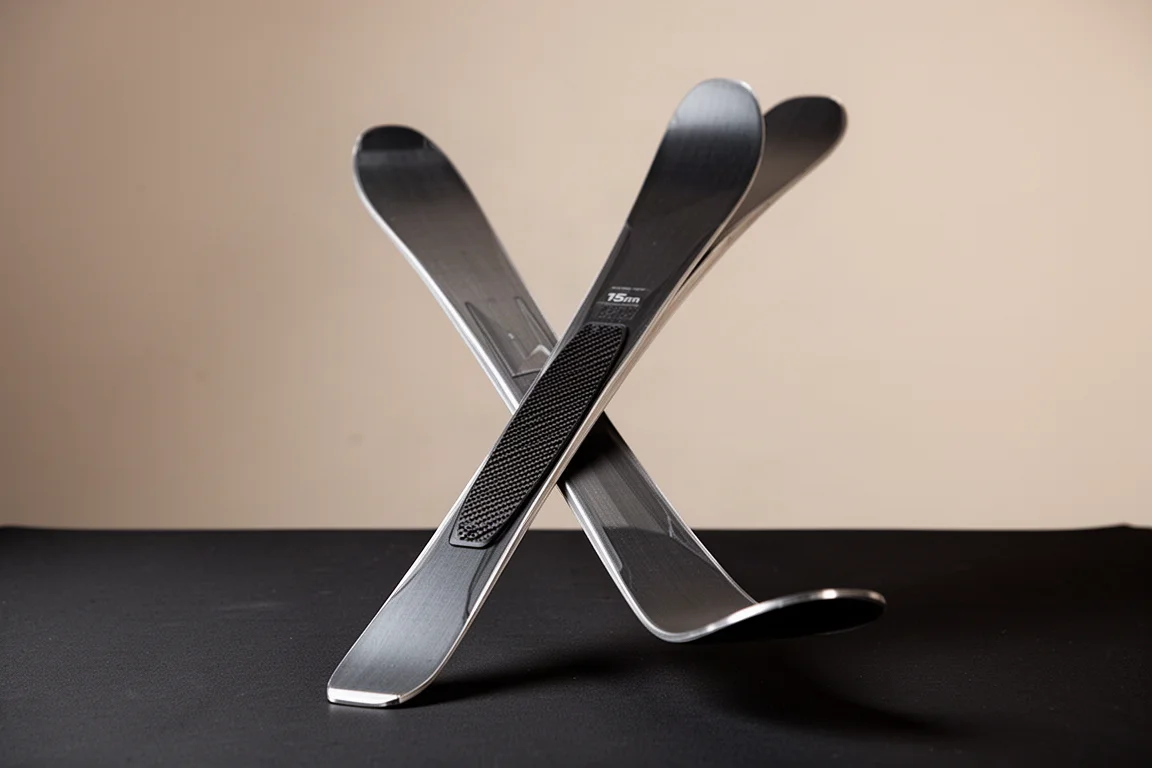
The Deacon 76 Master takes the familiar 76 mm shape and moves it closer to a race-room build. An ashwood core and two sheets of metal give it a very sturdy, strong feel, and a piston plate and tailored carbon tips make the initiation phase quick and precise.
A small amount of rocker, roughly 2 mm, is the concession that keeps it out of the race room. It does not add much in soft snow, but it helps the ski start a turn. The turn radius is around 17.6 m, which puts it closer to a giant slalom feel than most of the skis here.
This is a demanding ski with a narrow window of ideal use, and it is worth being honest about that. It rewards a strong, fast skier who wants race-like performance in a wider platform, and it asks a lot from everyone else.
Rossignol Forza 70: Carving First, Everything Else Second
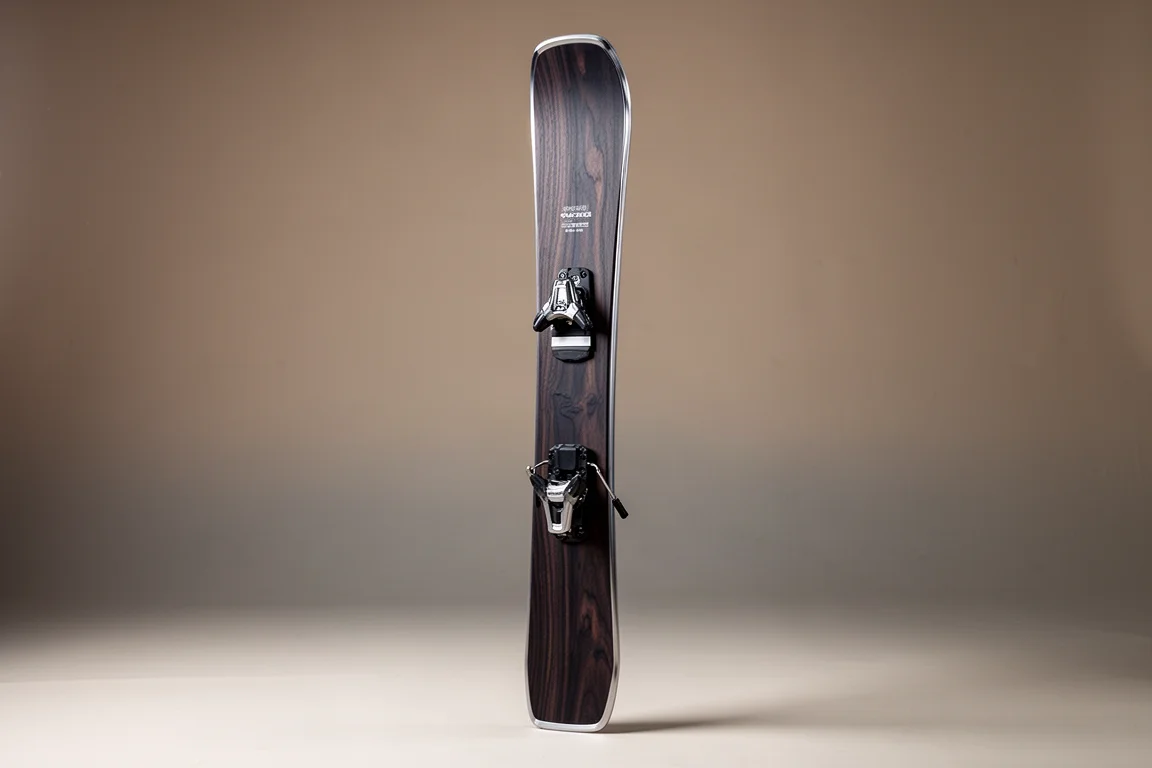
The Forza 70 is 78 mm underfoot and has the shortest turn radius in this group, around 12 m in a short length. The name refers to the degree of edge angle the ski is designed for, and that tells you most of what you need to know about its intent.
The construction uses V-Titanal, where the titanal layer is shaped in three dimensions with a V cut down the middle. That trick adds stiffness and responsiveness to what would otherwise be a very thin, floppy sheet of metal. There is some tip rocker but no early taper at all, which makes the shape catchy if you are not carving.
The concession is a more flexible shovel, and the result is a ski that is not trying to be a race ski at all. It is one-dimensional in the best sense: it wants to carve, and it is extremely rewarding when it does. It is not the most forgiving shape if you are skidding around, but for committed groomer turns it is hard to beat at this width.
Head Supershape e-Rally: Planted and Powerful
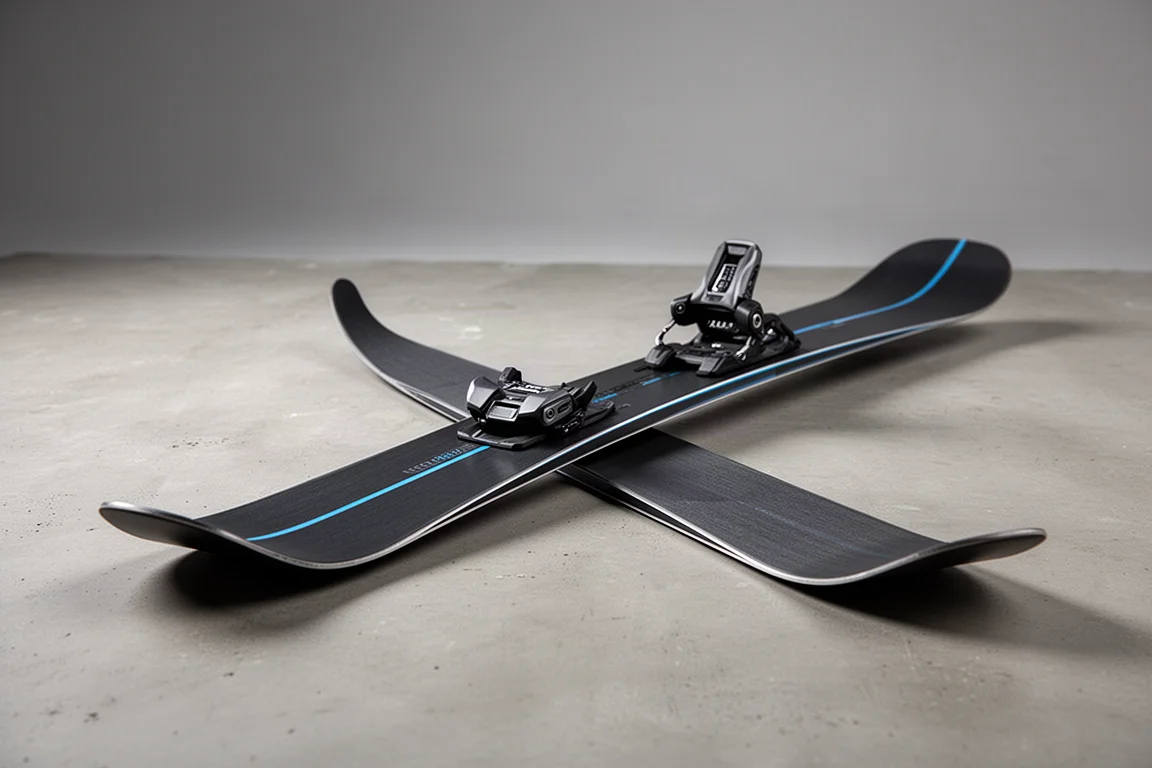
The Supershape e-Rally is 78 mm underfoot and adheres closely to a World Cup sandwich construction, with tight stringers glued together, two sheets of metal, and graphene to stiffen it further. That makes it more of a descendant of race skis than the more recreational builds here, and that heritage is where its power, smoothness, and control come from.
It is planted, strong, and stable, and it really loves to be rolled edge to edge rather than snapped around. It is also one of the least tapered skis on the market, with metal in the tail and the sidecut running all the way to the end. The turn radius is around 14 m in a 170.
It prefers a smoother, more consistent surface than the wider skis in this group, which is worth weighing if your local hill turns to chop by mid-afternoon. The Protector binding option is a meaningful upgrade, adding lateral release at the heel along with more weight and an even more planted feel.
Salomon Stance 80: The Value All-Mountain Pick
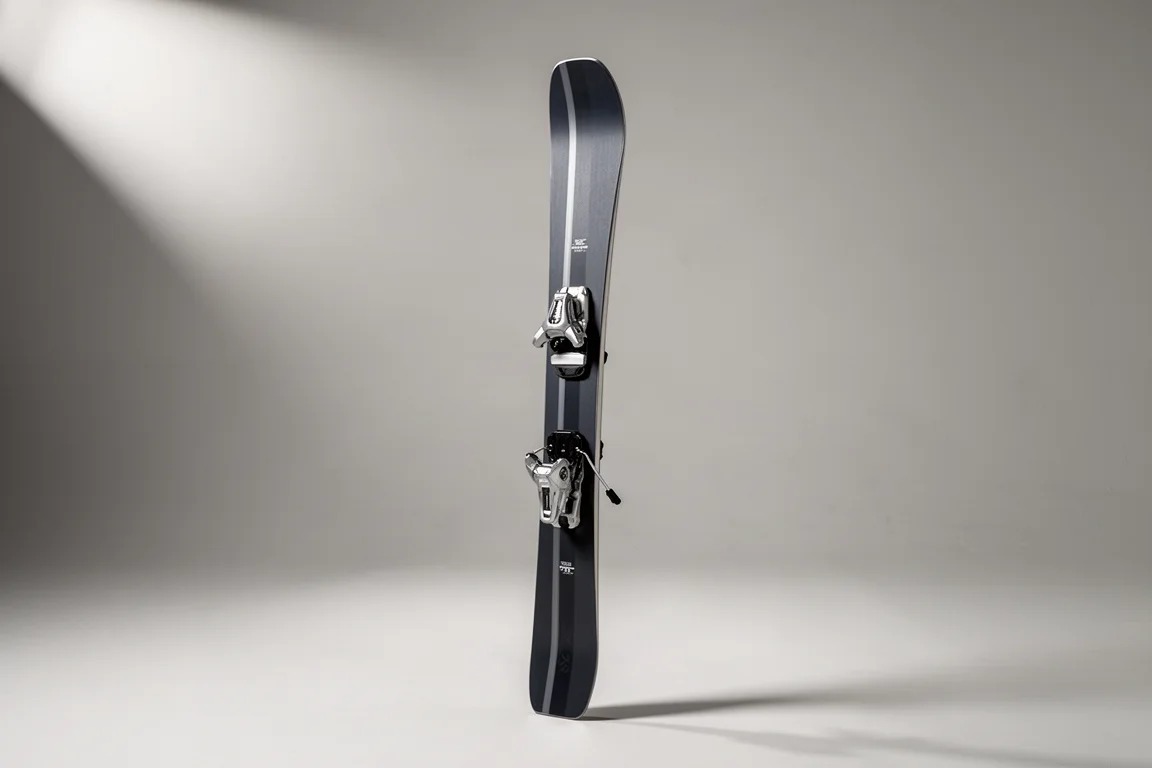
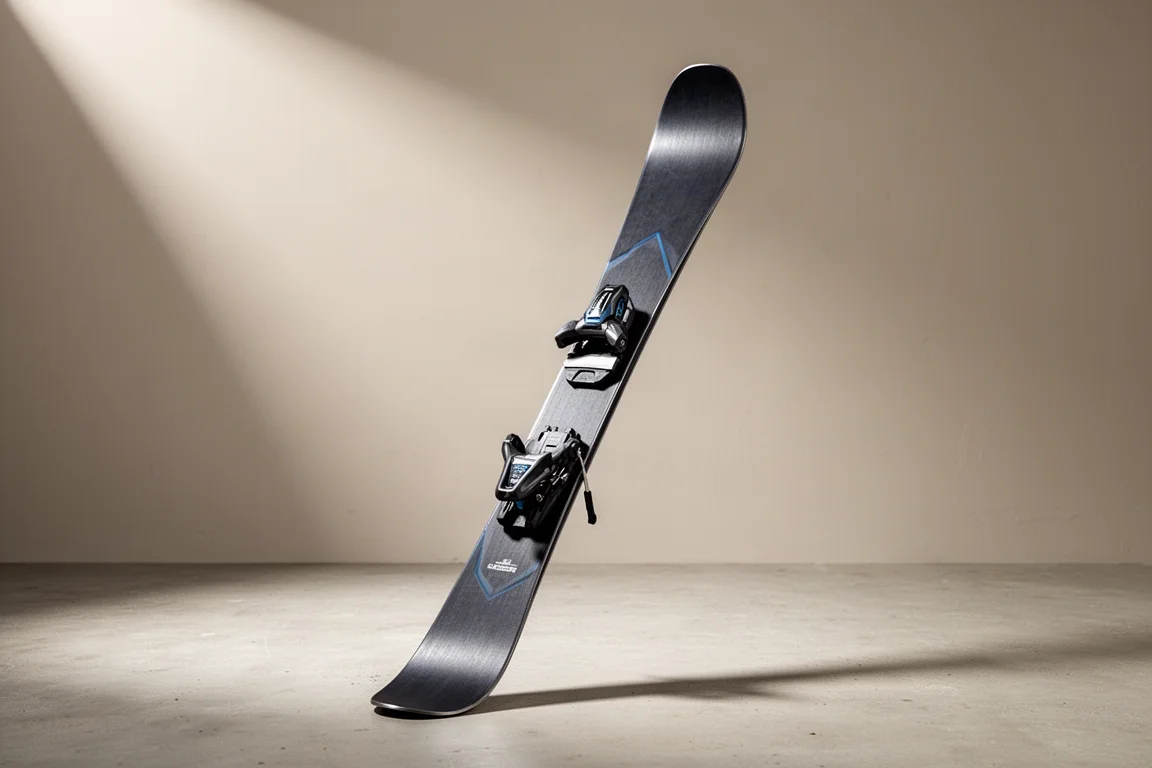
The Stance 80 is 80 mm underfoot and uses a poplar wood core, a sheet of titanal, and carbon windows, which puts it in the same build family as the Stance 84. Cap construction, an integrated binding, and a tip protector make it look simpler than it is, and the price point it hits is genuinely impressive.
It is lighter than most skis in this group and has the softest flex pattern here. It also has noticeably more progressive tip rocker and more tail rocker than almost anything else in this comparison. That shape makes it a narrow all-mountain ski rather than a precision carver, and it is a genuinely good mogul ski and a great short-turn option on the side of the trail.
Its limits show up in deep snow and in the torsional stiffness that committed carving demands, and those are fair trade-offs at this price. For an affordable, approachable, well-rounded ski at this width, it is hard to do better. It works as a first pair of skis and as a fiftieth.
Völkl Deacon 80: Energetic and Poppy
The Deacon 80 sits at 80 mm underfoot with a fiberglass frame and a 3D Ridge, where glass is wrapped over the sidewall in three dimensions to add stiffness without much weight. The 3D Radius sidecut uses 20, 12, and 17 m figures in a 162, so you can stay central and snap out slalom-shaped turns or ride a lower edge angle without losing stability.
The LowRide binding mounts to a rail integrated into the ski, which gives one of the most direct connections available from any system binding here. The long, low rocker profile helps with initiation. The build is lighter and more energetic than the Deacon 76 Master, and it has a poppier feel that can read as slightly twitchy when you push it.
It is often overshadowed by the Deacon 84, but its more accessible build is the better fit for a lot of skiers.
Stöckli Montero AX: Smooth, Quiet, and Versatile
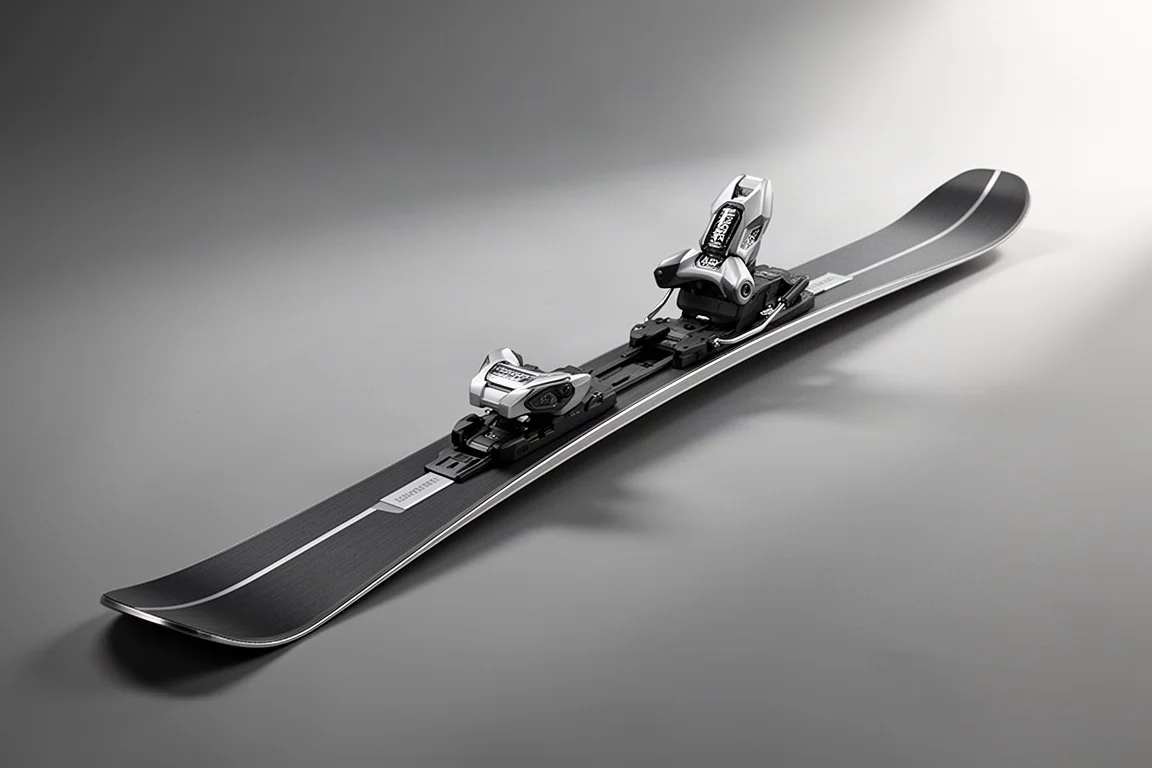
The Montero AX is 80 mm underfoot, weighs just over 1900 g, and uses the same construction family as the Montero AS. It is a flat ski, so you can mount the binding you want, and it works as a narrow all-mountain ski rather than a dedicated carver.
It is not the best pure carving ski in this group. Skis like the Redster Q9, Thunderbird, Deacon Master, Forza, Supershape e-Rally, and Spitfire all carve harder. But it carves well, and its early taper and slightly supple tip are where its versatility comes from. It is an excellent mogul ski, though the AR takes that a step further.
What stands out is how smooth and quiet it is. There is very little feedback underfoot, and the ski follows where your boots point it. It responds well to being bent into a tighter arc, which makes it easy to manipulate turn shape on the side of the trail.
View more details for Stöckli Montero AX
Nordica Spitfire 80: Camber, Energy, and Precision
The Spitfire 80 is 80 mm underfoot and uses a double core technology built from horizontal wood laminates rather than vertical stringers, with a single metal laminate and a pulse core layer. A race binding system is fitted, and the ski is fully cambered tip to tail with no rocker and no taper. There is a lot of positive camber and a stiff flex, so there is plenty to push against.
The result is energetic, precise, and very rewarding. The wider platform supports deeper carves and higher edge angles, and it plows through variable snow more comfortably than the narrower carvers here. If your local conditions are often packed powder rather than boilerplate, that extra surface area is a real advantage.
It is not an off-trail ski and it is not built for moguls, but as a wide race-styled carver it makes a lot of sense for strong skiers.
Völkl Blaze 82: Light, Agile, and Surprisingly Capable
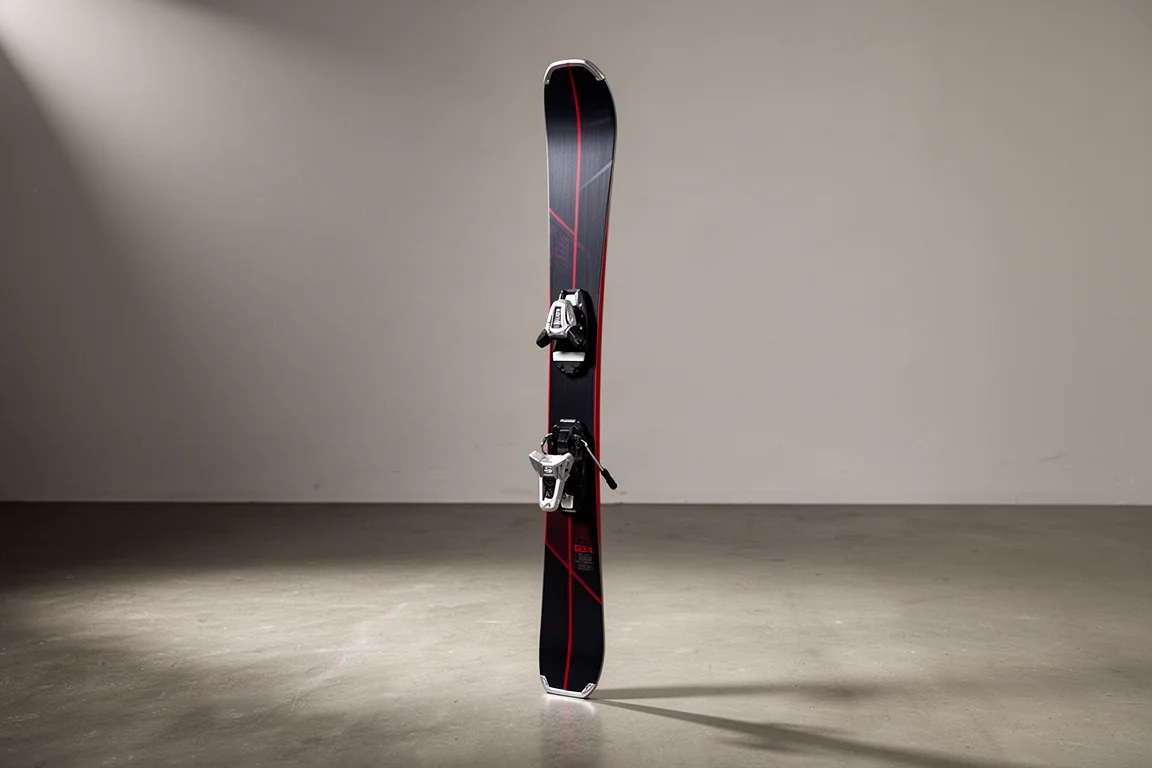
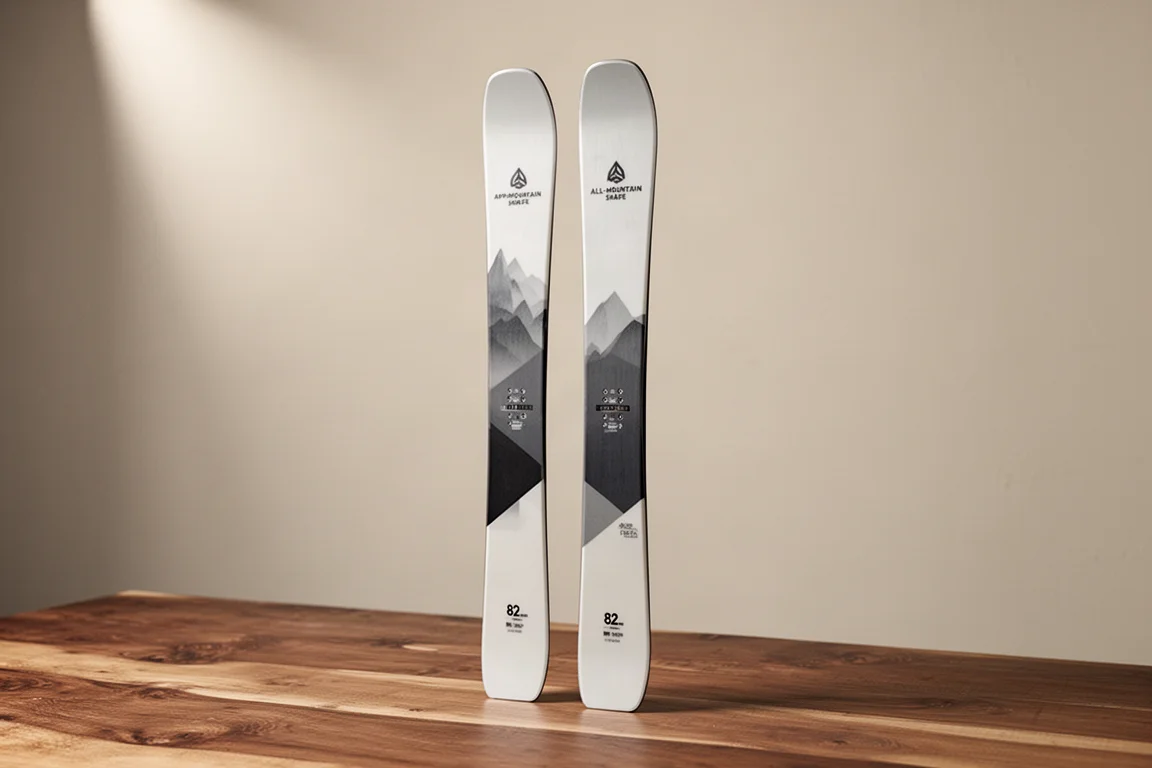
The Blaze 82 is 82 mm underfoot and weighs under 1500 g, which makes it the lightest ski in this group by a wide margin. It follows the Blaze 86 build, with no metal underfoot, suspension tips and tails, and a multi-wood core.
It is incredibly quick and easy to move, and it handles bumps and trees in a way that most skis at this width cannot. The edge release is immediate, and it is far more capable under aggressive, high-speed skiing than its weight suggests. It remains a light ski at heart, so it gives up some stability compared with the metal-laden builds here.
Because it is so light, it can also be set up for touring, which is a rare option in this width class. If you want a narrow ski that still feels free and playful, this is the one.
Buying Advice: Matching the Ski to Your Day
The most useful question is not which ski is best, but which ski suits the way you actually ski. A demanding, race-derived build does not make anyone a better skier. It rewards speed, strength, and technique, and it asks for all three every run.
Start with speed. If you ski fast and drive the front of the ski hard, the stiffer metal builds make sense. If you ski at moderate speeds and prefer to let the ski do more of the work, the lighter and softer options here will give you a better day. Then look at turn shape. Short radius skis feel lively and quick; longer radius skis feel planted and stable at speed.
Conditions matter too. If your hill is often firm and freshly groomed, a narrower, fully cambered ski will feel precise. If the surface softens or chops up through the day, the 80 to 82 mm skis give you more confidence and more surface to stand on. Budget is the last filter, and it is worth remembering that the spread across this group is close to $1,000, with the most affordable ski here also being one of the most versatile.
Conclusion
This category is broader than it first appears. The narrowest skis here are precise, quick, and built for firm groomed snow, while the widest ones add surface area, forgiveness, and a little versatility without giving up their frontside character. In between there is a genuinely useful range of builds, from accessible carbon-laminate skis to full race-room constructions with plates and ash cores.
Pick based on speed, turn shape, and the conditions you ski most, and be honest about how hard you actually push a ski. Do that, and almost everything on this list will serve you well for years.
Further reading
Related Reviews
Ski Gear
2023 Blizzard Hustle vs Rustler: Six Freeride Skis Compared
Blizzard's 2023 Hustle collection rebuilds the Rustler shape with a lighter core and no metal. Here is how all six skis differ, and which one suits your riding.
Ski Gear
2023 Skis of the Year: Atomic Maverick 88 TI, Salomon QST 106, and Look SPX 12 Pro
Three standout ski picks for all-mountain carving, powder days, and reliable binding performance, with practical buying notes for 2023 models.
Ski Gear
2025 Nordica Enforcer 104 Review: A Directional Charger Replaces the 104 Free
The 2025 Nordica Enforcer 104 drops the Free name and the twin-tip personality, gaining weight, stiffness and composure in rough snow. Here is what changed and who it suits.