Ski Gear
Best Frontside Carving Skis 2026: Eight Narrow Waist Skis Compared
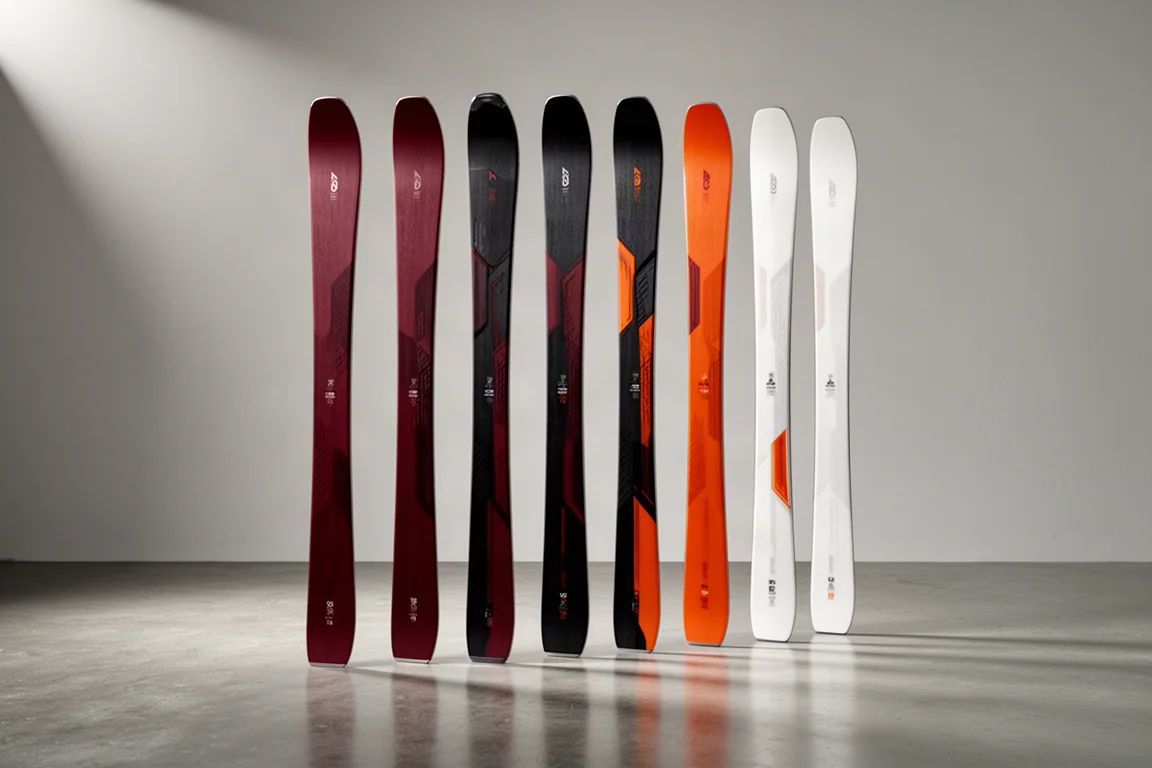
Eight frontside carving skis from 65mm to 82mm underfoot, compared on construction, turn radius, and how much input they demand from the skier.
Introduction
Frontside carving skis are the most specialized group on any ski wall, and also the most misunderstood. Almost everything in this width range, roughly 65mm to 82mm underfoot, is designed for one core job: holding an edge and finishing a turn on firm, groomed snow. The differences between individual models come down to how stiff they are, how short or long their turn radius is, and how much input they ask of the skier.
That makes the category easier to shop than all-mountain or powder skis, but it also means the wrong pick feels punishing rather than merely different. A 65mm race-derived ski and an 82mm wide-bodied carver can look similar on a spec sheet while behaving nothing alike.
This guide covers eight frontside skis spread across that range, from race-room constructions that reward a former racer to lighter, more forgiving options that suit a progressing intermediate or a budget-conscious expert.
What to Look For in a Frontside Carving Ski
Waist width is the first filter. Below 70mm you get maximum torsional stiffness and the fastest edge-to-edge response, but there is very little margin for error, and the ski can feel catchy or bogged down as soon as the surface turns variable or soft. From 72mm to 76mm you keep most of the carving precision while gaining enough platform to handle imperfect groomers. Above 78mm you trade a little precision for genuine all-day versatility.
Turn radius decides the shape the ski wants to make. A 12 to 15 metre radius behaves like a slalom-influenced carver, rolling edge to edge and refusing to run straight. A 16 to 18 metre radius sits closer to a mid-range giant slalom feel and lets you decide more of the turn shape yourself, which most recreational skiers find easier to live with.
Construction is where the biggest differences hide. Race-room wood cores, two sheets of metal, carbon stringers and vertical carbon or metal strips all change how much energy the ski returns and how well it filters vibration. The stiffest builds here are genuinely difficult to hand-flex, while others use metal only underfoot and lean on carbon or fiberglass elsewhere.
Bindings matter less than the internet suggests. Most of these skis ship as systems with performance-appropriate bindings, and the differences between them are small. The notable exceptions are a true piston plate on one model and a flat mounting area on another, which lets you choose your own binding.
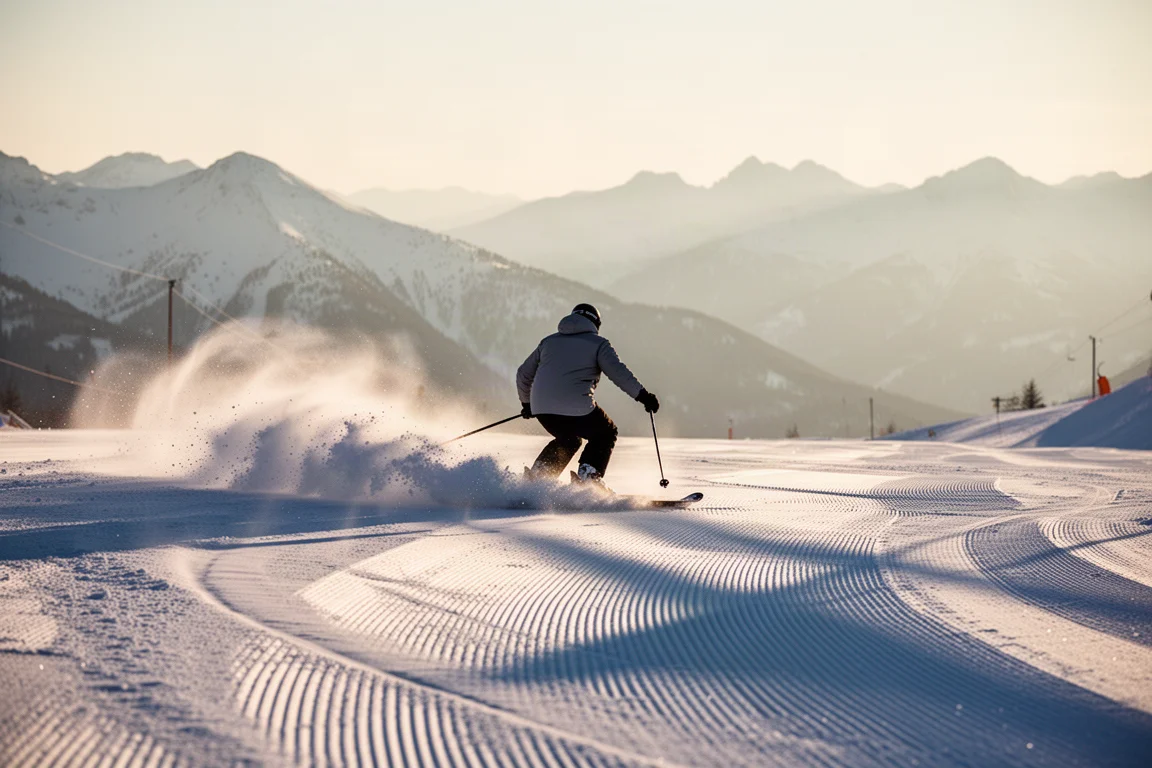
The practical takeaway is to match the ski to the snow you actually ski, not the snow you wish you skied. A very narrow, very stiff ski is brilliant for a strong technical skier on consistent firm groomers, and genuinely hard work for everyone else.
Atomic Redster X9 S: Narrow, Stiff, and Race-Built
The Redster X9 S is the narrowest ski in this group at 65.5mm underfoot, and it uses Atomic’s Ultra Power Woodcore, the race-room core that separates it from the brand’s own Q9. It also carries Revoshock, a set of steel plates that float in elastomer material and move against the vibrations travelling through the ski, keeping the ride smooth without softening the flex. Turn radius is 15.2 metres in a 175cm length.
The construction is genuinely race-derived, but the shape is not. That 15.2 metre radius is far longer than a slalom ski and far shorter than a giant slalom ski, which is exactly the point: you get race-ski stiffness and damping in a shape that still comes across the fall line willingly.
The trade-off is that a 65.5mm waist leaves no margin. It behaves like a hockey skate on firm snow, which is thrilling when the surface is consistent and frustrating when it turns variable or soft. This is a ski for an expert or a former racer who knows how to load a narrow ski and wants that feedback, not a ski for someone still building the technique to drive it.
Blizzard Firebird WRC: A Beer League Favorite With Real Race Construction
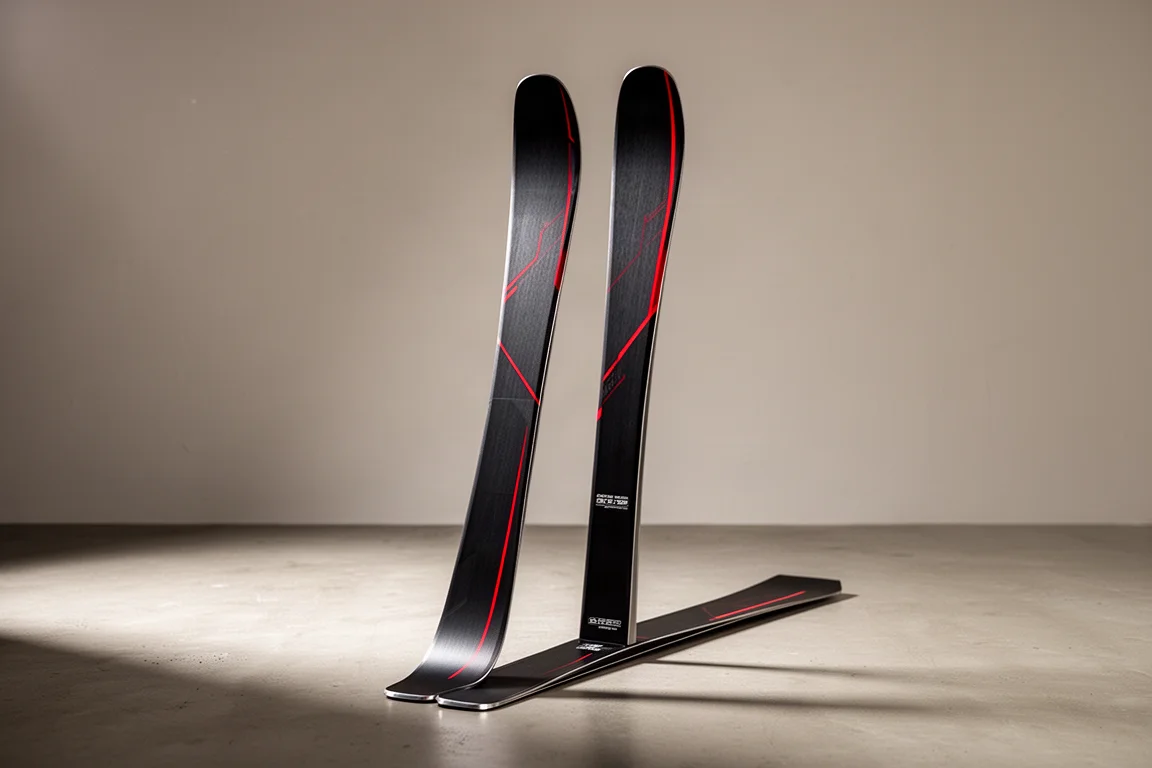
At 68mm underfoot with a 17.5 metre turn radius in a 175cm length, the Firebird WRC sits closer to a mid-range giant slalom shape than the slalom-leaning skis above it. Blizzard builds it with a dense race-room wood core, two sheets of metal, a carbon spine and carbon armor, which places vertical carbon strips between the wood stringers. A carbon plate underfoot raises torsional stiffness further.
The result is a very strong, very planted ski that still finishes turns with authority. It is a natural choice for beer league racing, or for a recreational carver who wants to make slightly longer turns than a slalom-cut ski allows.
Because the build is this stiff, it still assumes some race background or at least well-developed technique. A ski with this much metal and carbon rewards a skier who can bend it, and it feels like a lot of ski for anyone who cannot.
Head Supershape e-Speed: The Shortest Turn Shape Here
Head builds the Supershape e-Speed with a wood core, two sheets of metal and the brand’s Energy Management Circuit, which makes it one of the premium constructions in this comparison. What separates it is the 12.7 metre turn radius, by far the shortest here and close to a full slalom cut.
That radius defines the experience. The e-Speed rolls edge to edge and wants to be in a carved turn at all times. Try to run it straight and it hooks up and starts turning on its own. On a long top-to-bottom run that becomes fatiguing, but on a shorter hill or a moderate slope it turns otherwise dull terrain into something worth skiing, because you keep making turns instead of straight-lining.
For a skier whose home mountain has shorter vertical and gentler pitches, this is one of the most rewarding skis in the group.
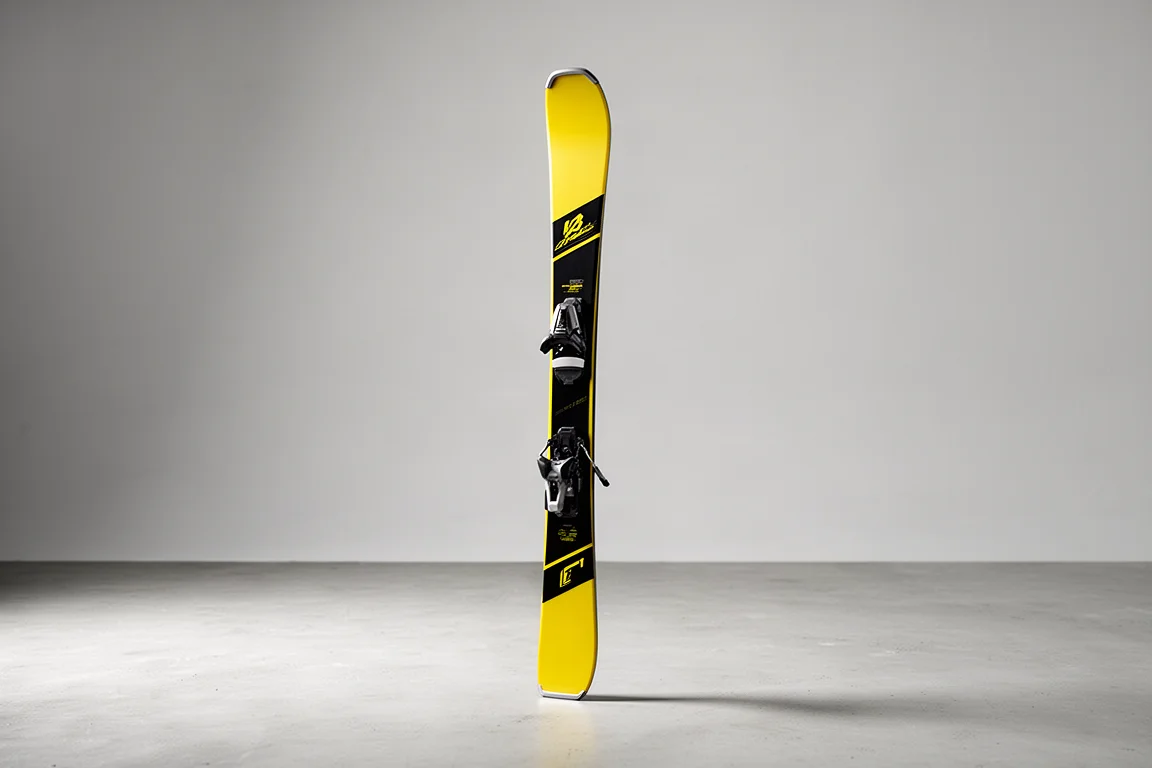
Volkl Deacon Master 72: A True Piston Plate and Race Build
The Deacon Master 72 is built like a World Cup ski and then widened to 72mm underfoot, which is a meaningful jump in this category. Turn radius lands at 16.4 metres. It uses an ash wood core, 3D glass and Tailor Carbon to add energy and responsiveness to a burly core.
Its defining feature is a true piston plate rather than a track-mounted system binding, which is the clearest signal of how race-oriented this ski is.
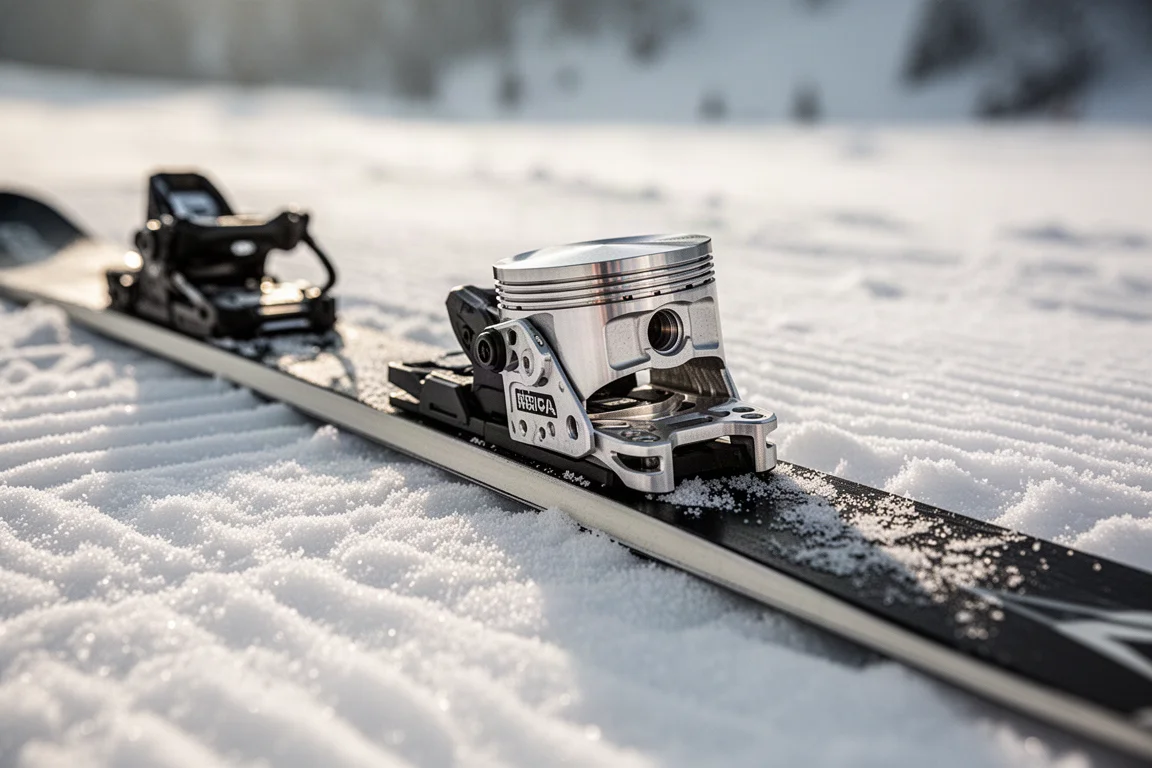
That 16.4 metre radius is worth thinking about if you race or want to. Plenty of skiers avoid a ski in the high teens or twenties because the number looks long, but most beer league and masters courses rarely let you hold a full 20 metre arc anyway. A slightly shorter radius like this one is often the more useful and more rewarding choice. The non-master Deacon 72 and 76 use a regular multi-layer wood core with an rMotion system binding if you want a softer version of the same idea.
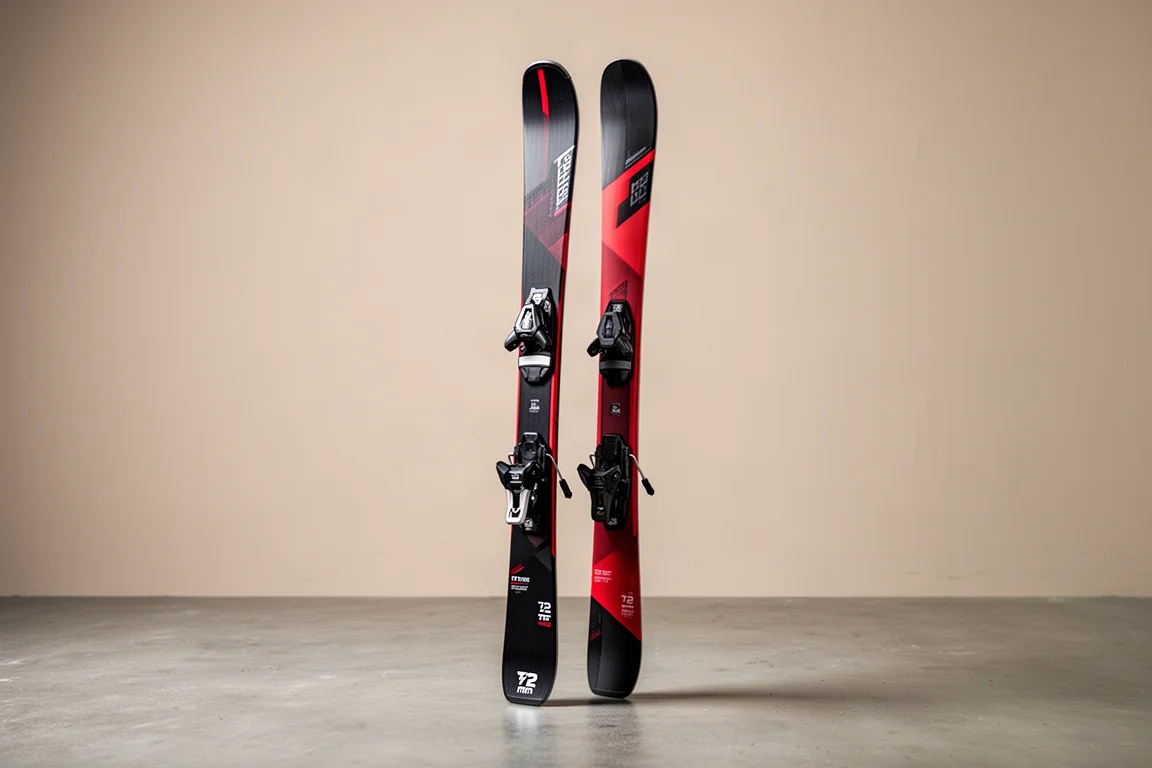
Blizzard Thunderbird R15 WB: The Everyday Frontside Ski
The Thunderbird R15 Wide Body shares its shape with the Firebird HRC but uses a less aggressive build, so it keeps tip-to-tail metal while giving up some of the race-room stiffness. Its True Blend wood core lets Blizzard tune different sections of the ski independently, which produces a more supple flex in the tips and tails. At 76mm underfoot with a 15 metre radius in a 174cm length, it sits in a genuinely versatile zone.
The practical case for this ski is how often it works. Across a stretch of about forty ski days, a ski like this would have been the right call for roughly thirty-eight of them. It handles firm early-season groomers, holds up when the surface is less than perfect, and does not require a race background to feel good.
There is a Sport Ti version in the same shape one build down, and it is noticeably twitchier and less stable in a committed turn. The R15 WB is the one to pick if you want the shape with enough backbone to stay calm at speed.
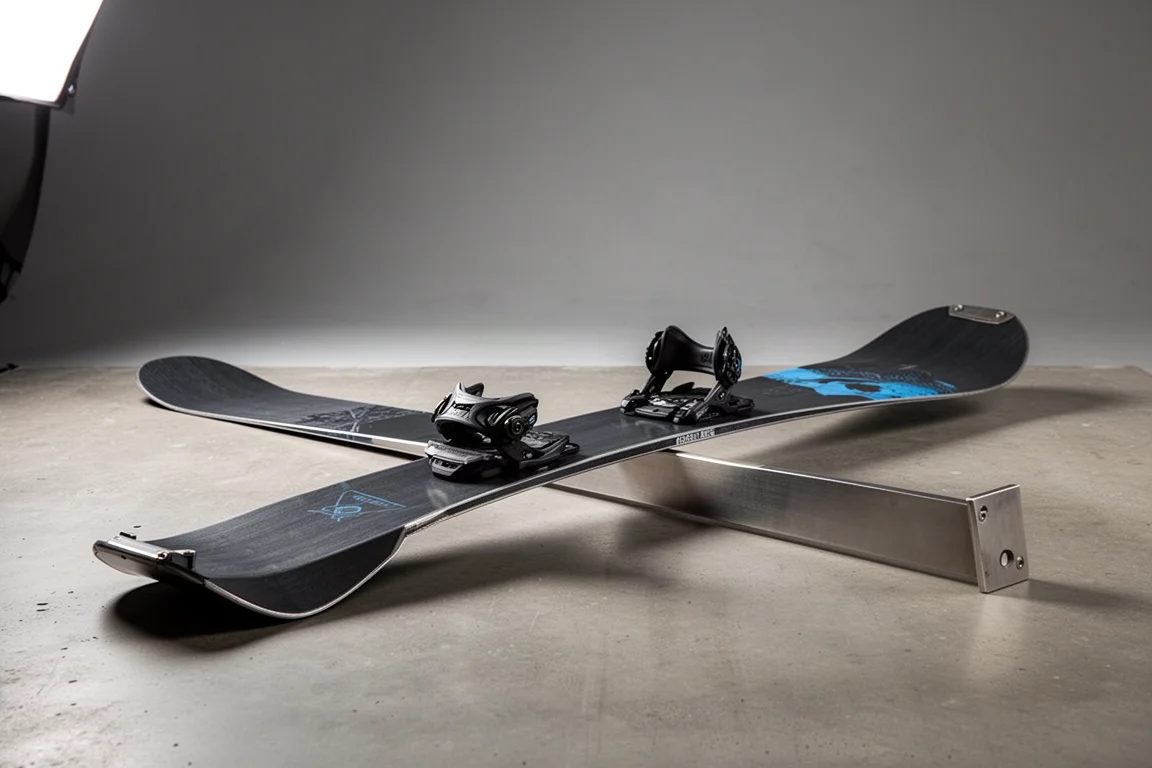
Stöckli Montero AX: Premium Smoothness at 80mm
The Montero AX takes the Laser AX shape and widens it to 80mm underfoot with a 15.5 metre radius in a 173cm length. Two sheets of metal run through it, and Stöckli’s Flex Torsion Control lets the tips and tails articulate slightly, which smooths turn initiation and gives the ski a softer flex than something like a Laser GS.
There is a small amount of tail rocker, which has drawn some questions. In practice the tail still releases cleanly at the end of a turn and the kick out is excellent, so the rocker does not cost the ski its grip.
The Montero AX can be mounted flat, which is unusual in this group and makes it a good platform for a binding you already trust. The trade-off is price: a flat pair costs more than most skis here that already include a binding, and a premium binding pushes it further. What you get for that is the smooth, quiet ride Stöckli is known for, and a shape that works as a genuine daily driver rather than a firm-snow specialist.
View more details for Stöckli Montero AX
Salomon Stance 80: The Value Pick That Still Has Metal
The Stance 80 is the value option in this group, but it is not a stripped-down ski. It uses the same construction as the well-regarded Stance 84, with metal underfoot, carbon stringers in the tips and tails and a proven wood core. Sizes run from 141cm to 185cm, so almost any skier in a household can be fitted on the same model.
Its application is broader and more all-mountain than the dedicated carvers here, which is part of why it suits so many people. A progressing intermediate will not come close to the top of its performance envelope, and a budget-conscious expert can still ski it hard and enjoy it.
The value case is hard to argue with. Sold as a package with boots and bindings, a full Stance 80 setup can cost less than a flat premium ski, and the performance on offer is genuinely good rather than merely adequate. For most skiers buying their first serious frontside ski, this is the most sensible place to start.
Elan Wingman 82 CTi: The Most Energetic Ski in the Group
The Wingman 82 CTi is an 82mm carving ski built with a left and right specific design, a raised titanal section and carbon rods rather than flat carbon sheets. The rods are there less for vibration damping than for energy, and it shows.
Among the 82mm skis here, this is the most energetic by a wide margin. It launches out of a turn, which is hugely rewarding once you are ready for it, and it can surprise you if you over-flex it. The Ti versions of the Wingman drop the carbon tubes, so they give up some of that springiness while keeping the damp, stable ride.
It is still usable away from the groomers, including in moguls, without beating you up. The ride is springy and lively rather than smooth and quiet, which is a clear personality difference from the smoother carving skis in this group.
Buying Advice: Matching Waist Width to Your Ski Day
The most useful decision in this category is waist width, because it determines how much precision you gain and how much forgiveness you give up. A 65mm to 68mm ski delivers maximum edge grip and quickness, but it only makes sense for a strong technical skier who spends nearly all of their time on firm, well-groomed snow.
Moving to 72mm to 76mm is where most skiers land. Skis in this range still carve with authority, but the slightly wider platform and more forgiving tip shapes make them work on softer or variable groomers too, which covers more of a typical season. This is also the width where a ski can realistically serve as an everyday frontside choice.
Above 78mm you start trading some precision for versatility. An 80mm to 82mm carving ski still holds an edge well, but it handles mixed conditions and lighter snow more comfortably, and it can be taken into moguls or slightly off-piste without feeling like the wrong tool. If you ski a smaller mountain with softer snow, or you want one ski to cover more ground, that is the better compromise.
Construction correlates closely with who a ski suits. Two sheets of metal, race-room wood cores and carbon plates produce the stiffest, most powerful skis here, and they demand technique to access their top end. Lighter builds with metal only underfoot, carbon stringers or fiberglass are easier to bend and far less fatiguing, which matters more than peak performance for most skiers. Price tracks construction closely, and the value end of this group is not a compromise in quality, just a different balance of stiffness and forgiveness.
Conclusion
Every ski here does the same core job: it makes firm, groomed snow more fun. The differences come down to how much the ski asks of you and what shape it wants to make. A narrow, race-built ski like the Redster X9 S or the Firebird WRC is superb in the right hands and unforgiving in the wrong ones, while the Thunderbird R15 WB, the Montero AX and the Stance 80 cover a much wider range of skiers and conditions.
If you can only add one ski to a quiver this season, a frontside carver is the one that will change the most days. This is the category where a mediocre snow day becomes a good one, and it is far more forgiving to shop than the numbers suggest once you match waist width and stiffness to your own technique.
Further reading
Related Reviews
Ski Gear
2023 Blizzard Hustle vs Rustler: Six Freeride Skis Compared
Blizzard's 2023 Hustle collection rebuilds the Rustler shape with a lighter core and no metal. Here is how all six skis differ, and which one suits your riding.
Ski Gear
2023 Skis of the Year: Atomic Maverick 88 TI, Salomon QST 106, and Look SPX 12 Pro
Three standout ski picks for all-mountain carving, powder days, and reliable binding performance, with practical buying notes for 2023 models.
Ski Gear
2025 Nordica Enforcer 104 Review: A Directional Charger Replaces the 104 Free
The 2025 Nordica Enforcer 104 drops the Free name and the twin-tip personality, gaining weight, stiffness and composure in rough snow. Here is what changed and who it suits.