All-Mountain Skis
Best Frontside All-Mountain Skis: Four 85-90mm Models Compared
Four 85 to 90 mm all-mountain skis built for the front side, ordered from the most precise and powerful to the easiest to balance on.
Introduction
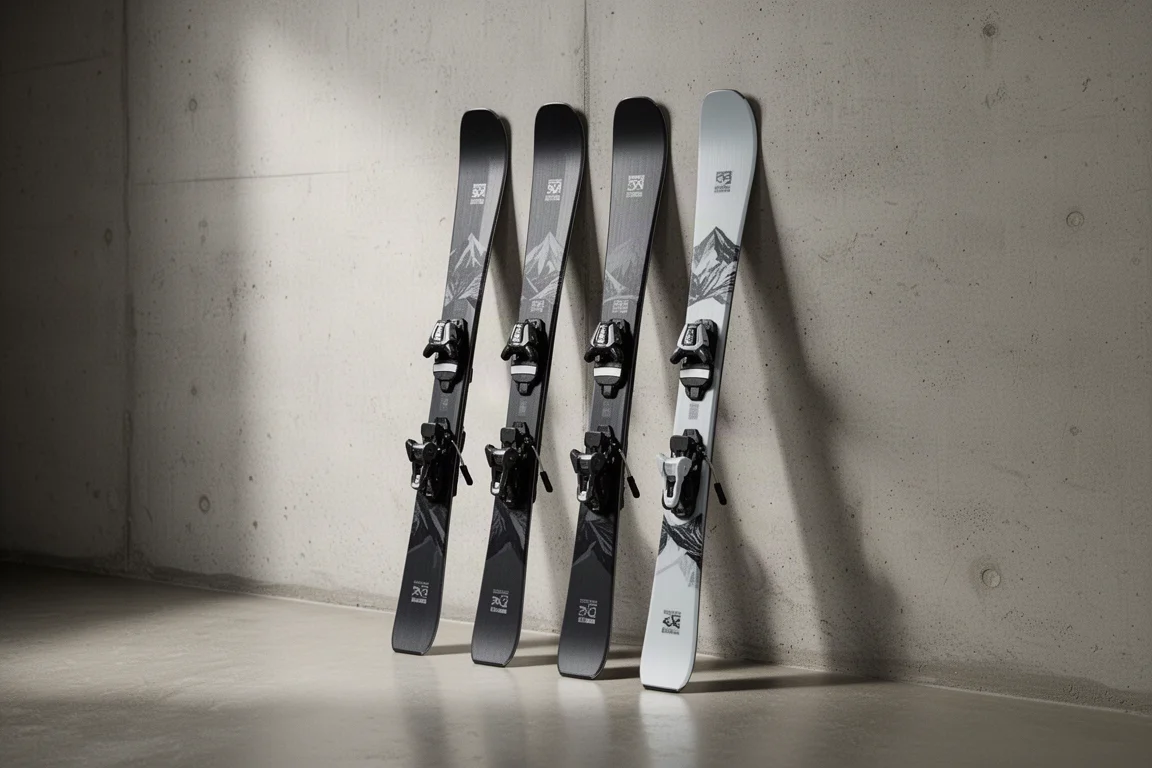
A waist width between 85 and 90 mm is the sweet spot for an all-mountain ski that spends most of its time on groomed runs and firm snow. The four models below all sit in that range, and all four are genuinely strong skis. The difference between them is not quality but character.
They are arranged here from the most precise and powerful feeling ski to the one that is easiest to balance on and most maneuverable while still staying precise. If you already know which of those two traits matters more to you, the choice narrows quickly.
How These Skis Differ
Think of these four as points along a single line. At one end are skis that reward an active pilot: they hold an edge hard, arc cleanly, and feel planted at speed, but they ask more of you when you slow down. At the other end are skis that initiate turns without much input and stay easy to balance on, while still keeping a precise feel underfoot.
The useful question is not which ski is best, but how much precision you want to work for. A ski that feels calm and manageable at low speeds can still be precise; it simply gets there with less input from the skier. That trade-off runs through every model here, and it is the single most important thing to understand before comparing them.
Blizzard Brahma 88: Precision and Power First
The Brahma 88 sits at the top of this group for precision and power. It arcs the cleanest turn of the four and holds the best grip, which makes it the most rewarding option when you are carving on a groomer and want a ski that answers input immediately.
That capability comes with a trade-off. The Brahma 88 is more demanding at low speeds than the other three, so it suits a skier who keeps the pace up and does not spend much time cruising slowly. Point it down a groomed run and it is completely at home.
Volkl Kendo 88: Precision With an Easier Release
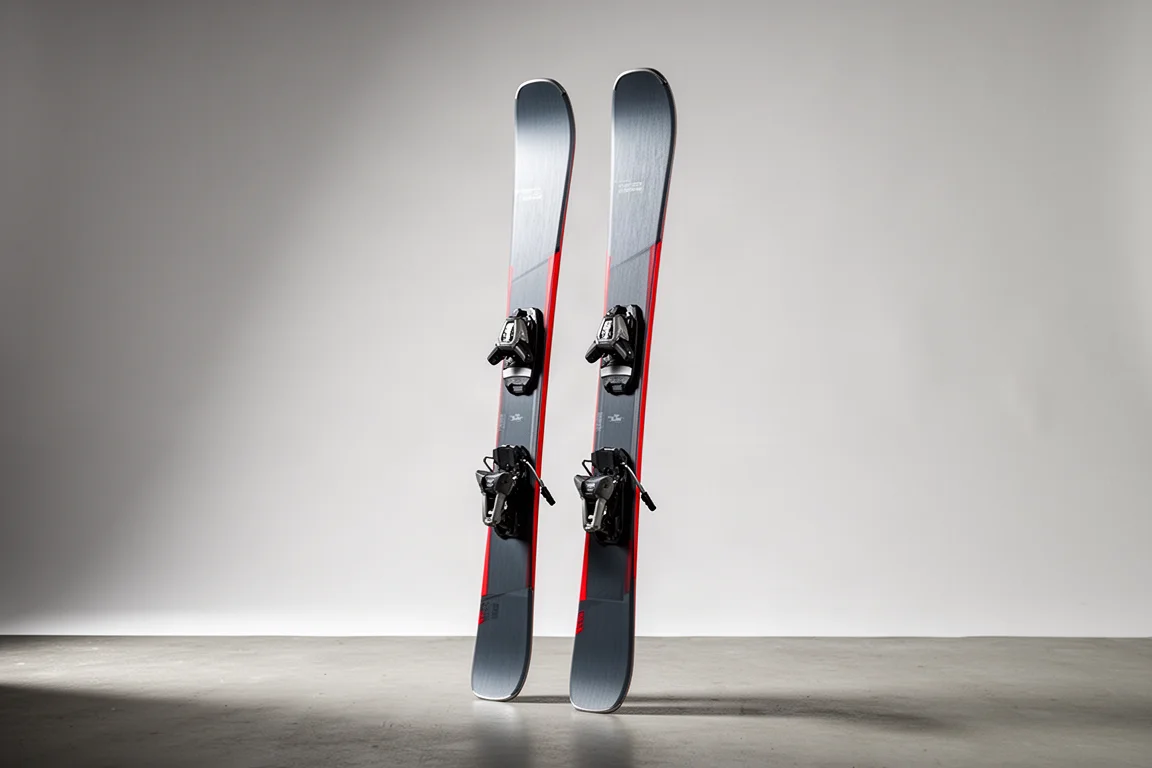
The Volkl Kendo 88 matches the Brahma 88 for precision and power, but it releases the tails from a carve more easily. That single difference makes it noticeably more maneuverable and less demanding at low speeds, which widens the range of terrain and speed where it feels comfortable.
Compared with the ski it replaces, the new Kendo 88 is a clear step forward. It has real energy underfoot, it is genuinely maneuverable, and it is more exciting to ski across the whole mountain rather than only on edge.
For a skier who wants strong frontside performance without giving up low-speed manners, this is the middle ground in the group, and it is the easiest recommendation for anyone who is unsure which end of the spectrum they belong on.
Rossignol Experience 86 Ti: The Narrowest of the Four
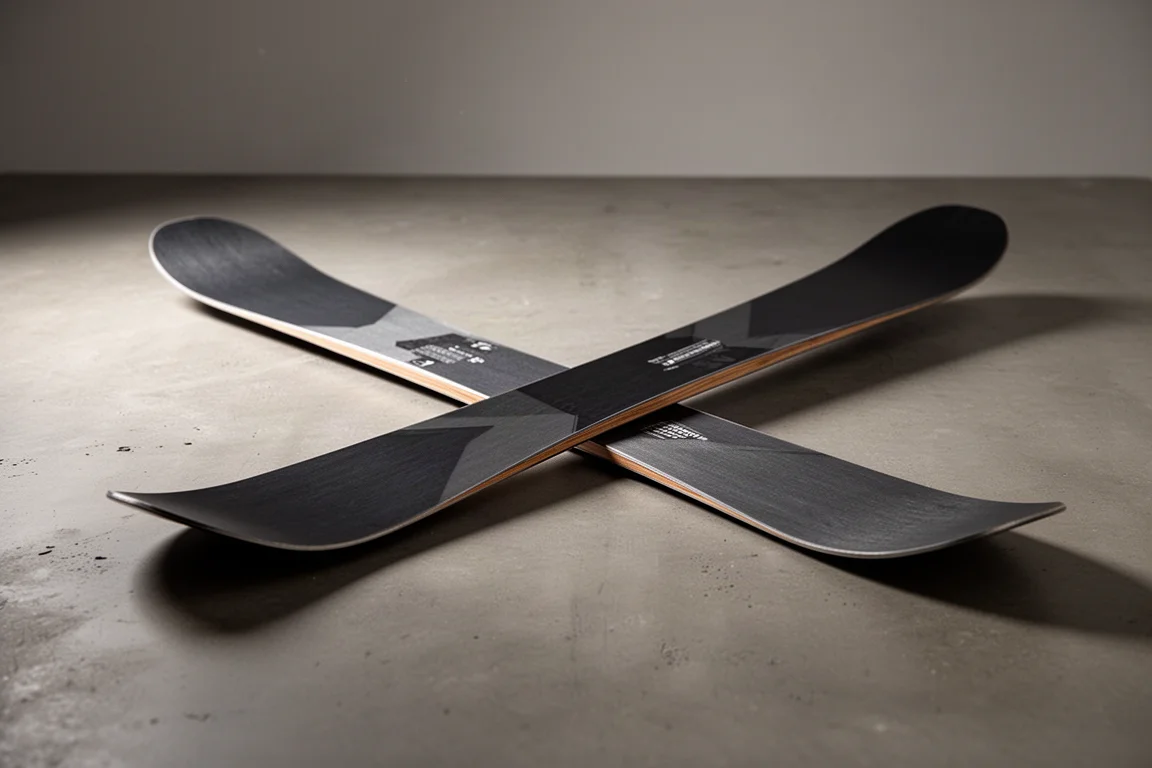
At 86 mm, the Experience 86 Ti is the narrowest ski here. It shares a similar level of precision with the Brahma 88 but is not quite as powerful. In exchange, it is easier to balance on and much less demanding at low speeds.
That combination makes it more maneuverable and easier to handle in tight terrain, where a ski that responds without a fight is a real advantage. Riders who move between groomed runs and narrower, more technical lines will notice the difference quickly.
View more details for Rossignol Experience 86 Ti
Stockli Storm Rider 88: Effortless Turn Initiation
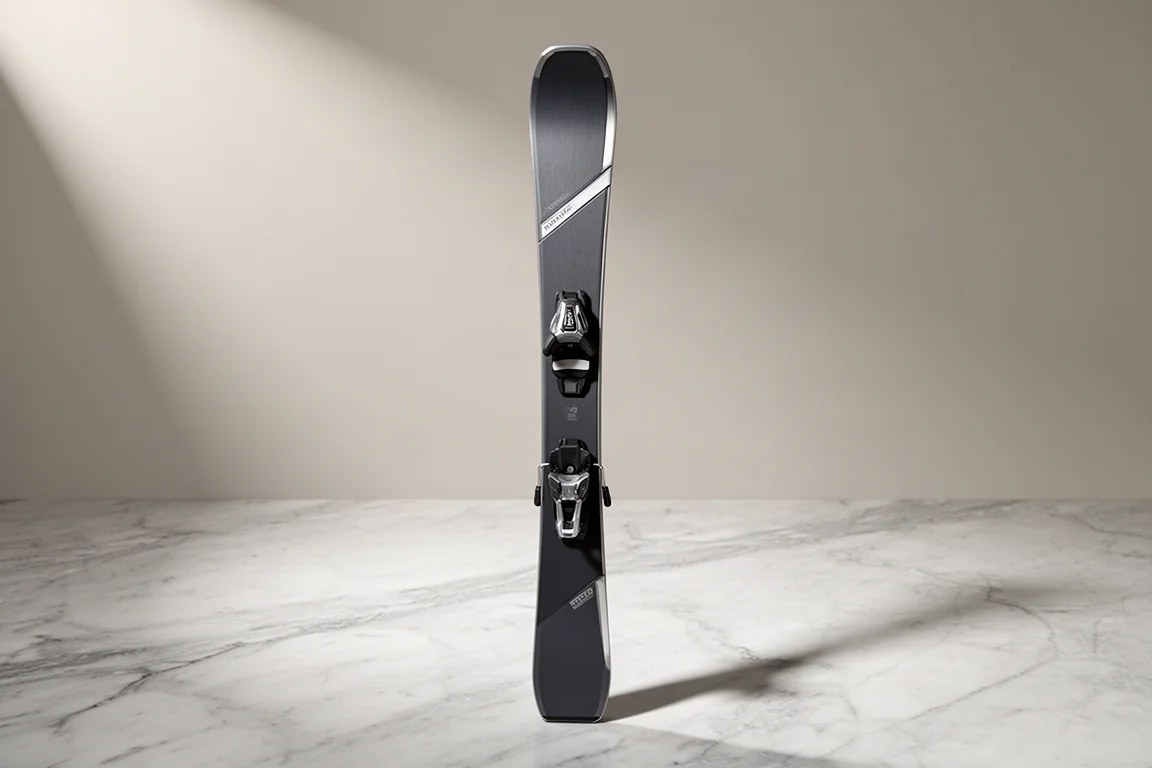
The Storm Rider 88 lands at the easygoing end of the spectrum. A Stöckli badge might suggest a demanding, race-bred character, but this ski goes the other way: it is very easy to ski at low speeds, it initiates a turn effortlessly, and it is easier to balance on than any of the other three.
For skiers who want a precise feel without constant input, that combination is the whole point. The ski stays manageable when you are tired, when you are working through tighter lines, or when the day simply calls for a relaxed pace.
Terrain and Speed: What Changes on Snow
On groomed runs at speed, the differences between these skis narrow. All four hold an edge and all four arc, and the more powerful models in the group feel most at home there. Push any of them hard on a firm groomer and they will respond.
At lower speeds, in tight terrain, or when you are simply cruising, the gap opens up. The Brahma 88 and the Kendo 88 ask for more deliberate input, while the Experience 86 Ti and the Storm Rider 88 stay relaxed and easy to steer. Neither behavior is better in isolation. It depends on how you actually ski most days, not how you would like to ski once a season.
Buying Advice
Start with the way you ski. If you prioritize precision and power and you are rarely at low speeds, the Blizzard Brahma 88 and the Volkl Kendo 88 are the two to look at first. Both deliver a strong, planted feel, and the Kendo 88 adds a little more forgiveness at the tail.
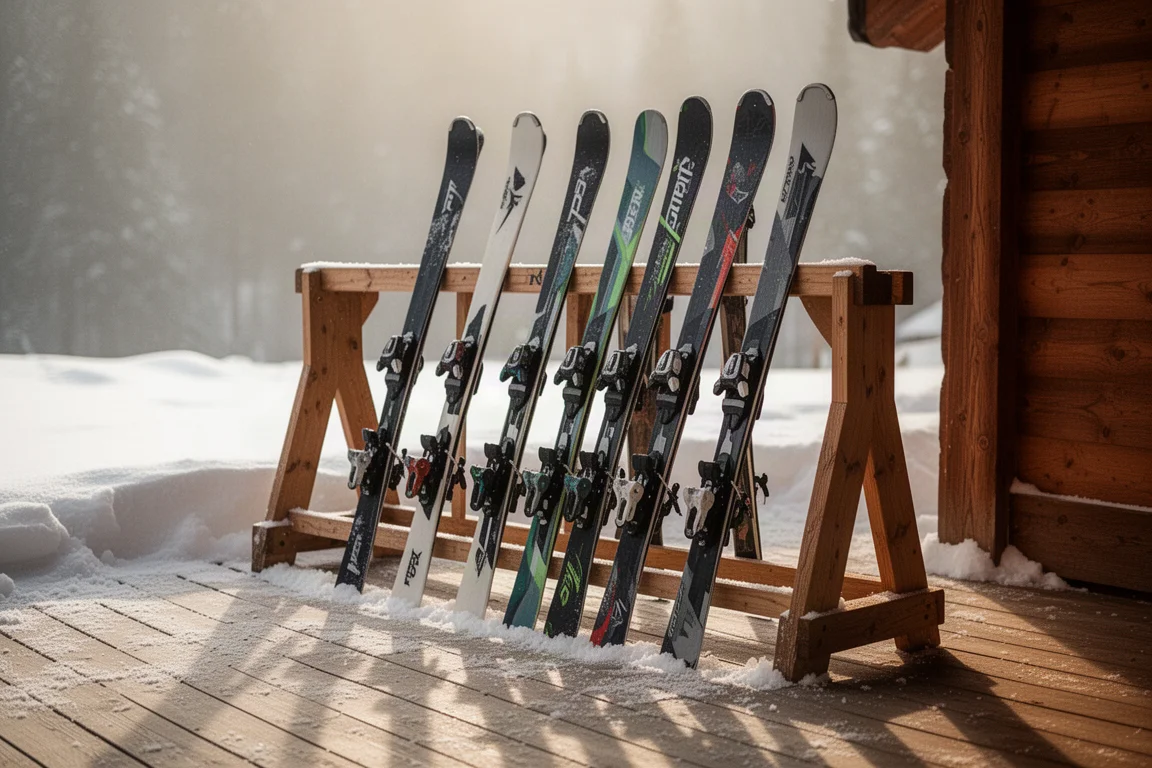
If you still want a precise feel but would rather have something more easygoing, the Rossignol Experience 86 Ti and the Stockli Storm Rider 88 make more sense. The Experience 86 Ti brings a narrower platform and a friendlier low-speed character, while the Storm Rider 88 is the most maneuverable and easiest to balance on of the four.
None of these are compromises in build quality. They are four different answers to the same question about how much input you want to give while skiing.
Conclusion
All four of these skis are excellent, and each one makes more sense for a particular skier. Choose the Blizzard Brahma 88 or the Volkl Kendo 88 if precision and power come first. Choose the Rossignol Experience 86 Ti or the Stockli Storm Rider 88 if you want to keep a precise feel while making the ski easier to live with at low speeds and in tight terrain.
Further reading
Related Reviews
All-Mountain Skis
100mm All-Mountain Skis Compared: 23 Versatile Models Worth Knowing
A practical walkthrough of 23 all-mountain skis around 100mm underfoot, covering weight, rocker, metal construction, and the rider each model suits best.
All-Mountain Skis
2026 Black Crows Camox Review: A More Stable, More Versatile All-Mountain Twin Tip
The 2026 Black Crows Camox adds an ash layer underfoot, wider tips and tails, and a revised rocker profile. Here is what those changes mean on snow.
All-Mountain Skis
Armada Antimatter 88 Review: A Light, Lively All-Mountain Ski That Rewards Any Style
The Antimatter 88 pairs a poplar core with carbon stringers for a surprisingly energetic ride that suits intermediates and experts alike.