Coffee Gear
Best French Press 2026: Seven Presses Tested and Compared
Seven French presses compared for filtering, insulation, capacity, lids, and cleaning, plus a simple method that works in any of them.
Introduction
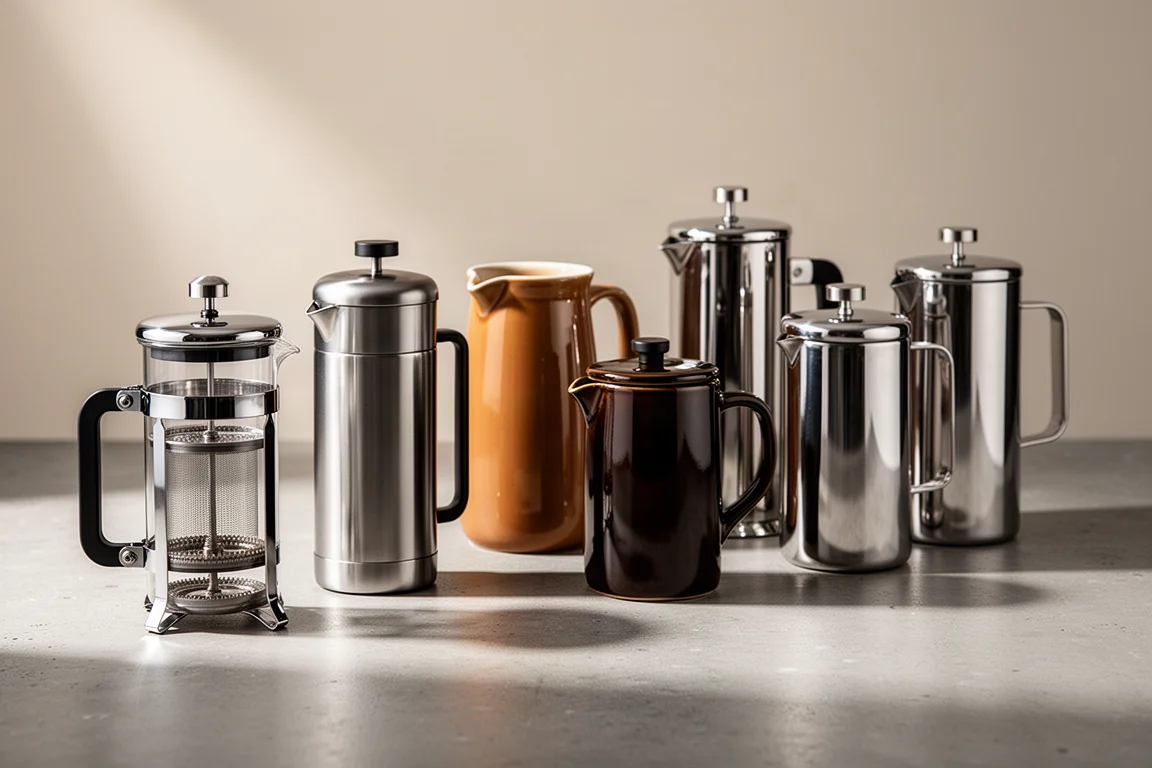
The French press is about as simple as coffee gets: no electricity, no pods, no filters, no buttons. Just beans, hot water, and a plunger. But the market is full of options, each promising new features to make your morning easier, and they are far from interchangeable. We rounded up seven presses, from the classic glass carafe to insulated steel models and filter-focused designs, and put them through their paces to find out which ones actually earn a spot on the counter.
How We Chose the Presses
A few themes separated the good presses from the rest. Construction mattered more than anything else: glass carafes can shatter, while stainless steel and ceramic pots are far more forgiving. Insulation mattered too, since double-walled steel keeps coffee hot far longer. Beyond that, we looked at filtering (some presses let fine particles through, others trap nearly everything), capacity, the width of the top opening, how well the lids and spouts seal heat in, and how easy each pot is to clean.
One thing worth noting up front: price did not correlate with better brewing or higher-end materials. The more expensive presses seemed to cost more for looks and brand names, not function.
The Method That Makes Any Press Better
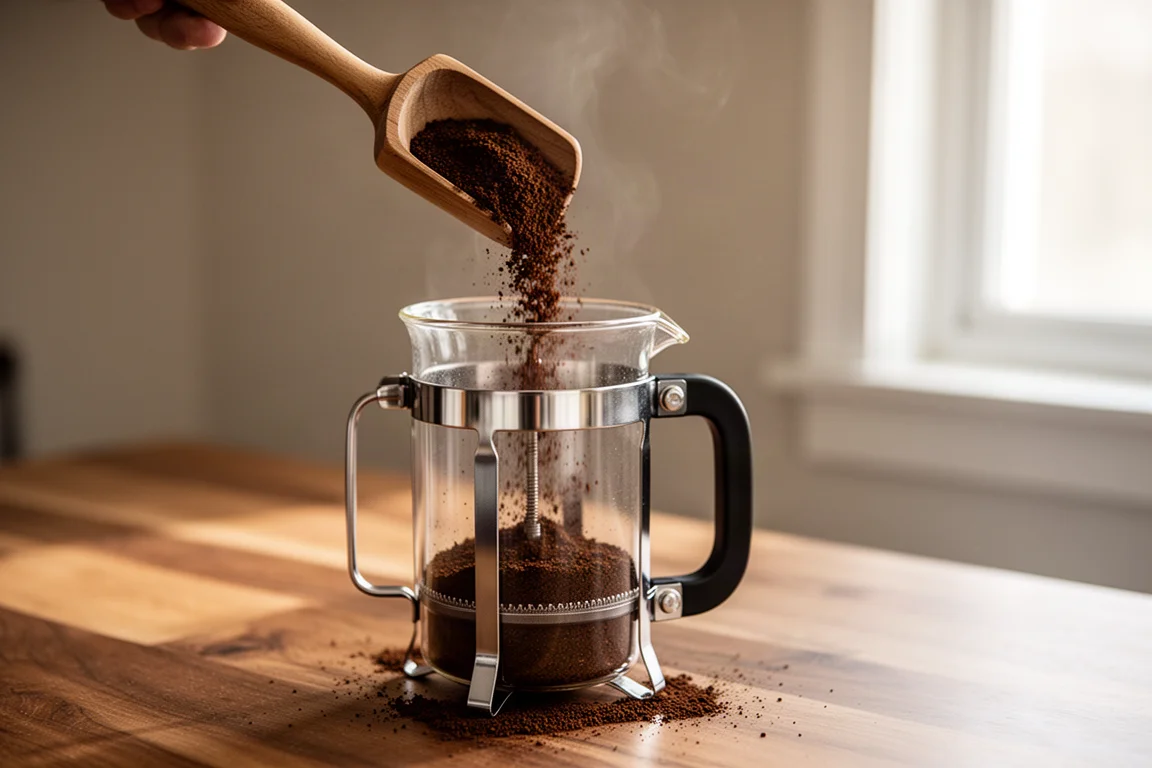
Before picking a pot, it helps to know how to use one. French press coffee works with coarse to medium-coarse grounds, so the coffee does not over-extract and turn bitter. Pour water between 195 and 205 degrees Fahrenheit, so just off the boil, stop about an inch from the top, and put the lid back on to trap heat while it steeps. Four minutes is all it takes to extract the good flavor compounds without pulling out the harsh, acidic ones.
The step that saves most disasters comes right before pressing. The spent grounds form a tight raft, like a puck, that pushes back against the plunger and builds pressure. That is when pots erupt or glass breaks. Stir the bed with a wooden spoon or chopstick to break it up, then replace the lid and press gently and steadily. If you hit resistance, lift an inch and press again. Done this way, pressing takes almost no force at all.
The Grit Question: Bodum Chambord, Espro P7, and YETI Rambler
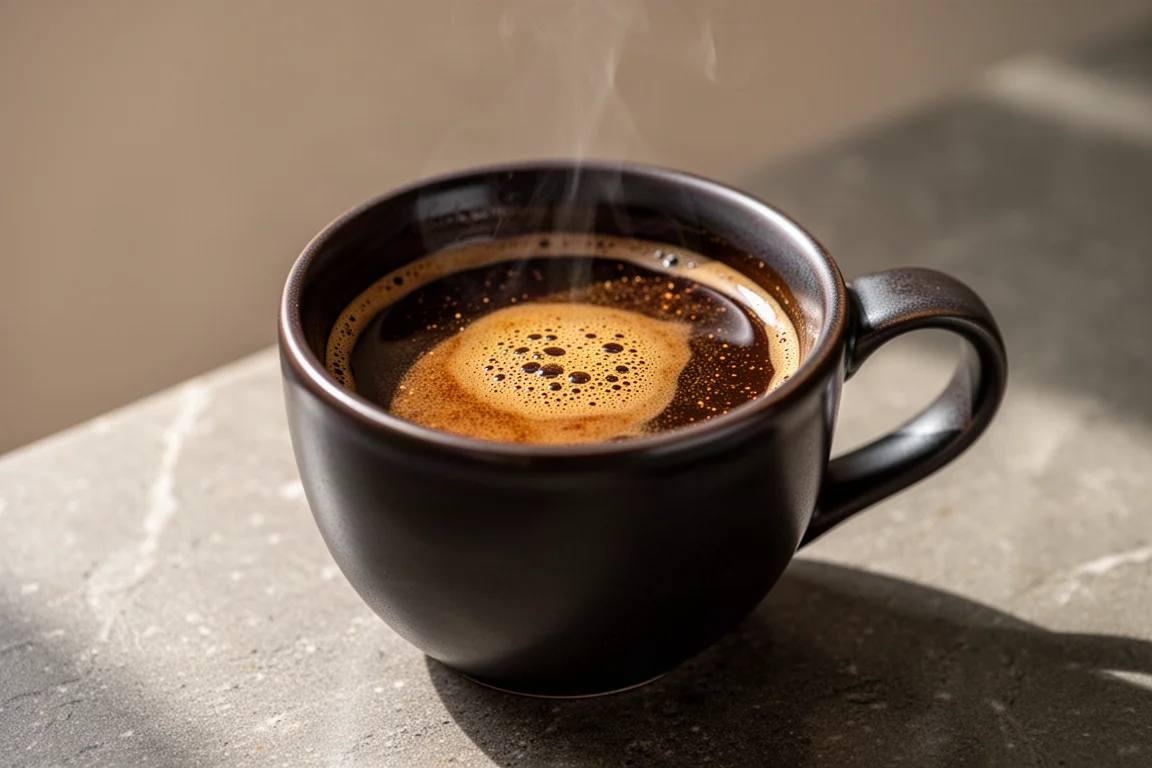
Texture is the dividing line in French press coffee. The classic style leaves a heavy body with fine particles suspended in the brew, which some people love and others cannot stand.
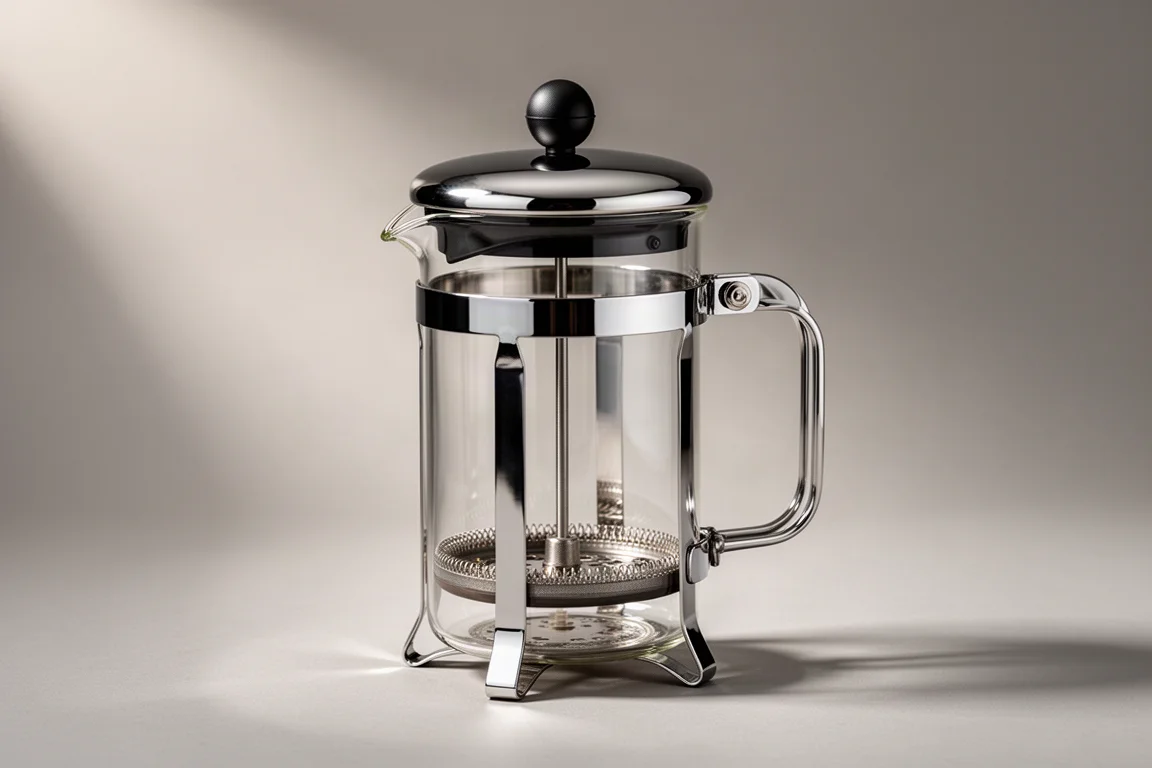
The classic Bodum Chambord uses a three-layer mesh filter with a spring around the edges that keeps the screen seated and helps stop coffee escaping up the sides. It is fairly fine mesh, but it is not sealed, so you still get that full body and some particulate in the cup. For the traditional French press experience, that is exactly the point, and the Chambord delivers it as our best buy with strong performance at a good price.
The Espro P7 takes a completely different approach to the piston. Instead of one filter, it uses two basket-shaped filters with extremely fine mesh and a solid base. As you press, the coffee is forced up and out to the sides, through both mesh layers, and gets trapped in the basket by double silicone fins around the circumference. The result is a much cleaner cup, closer to drip coffee, while keeping the immersion-brewed flavor.
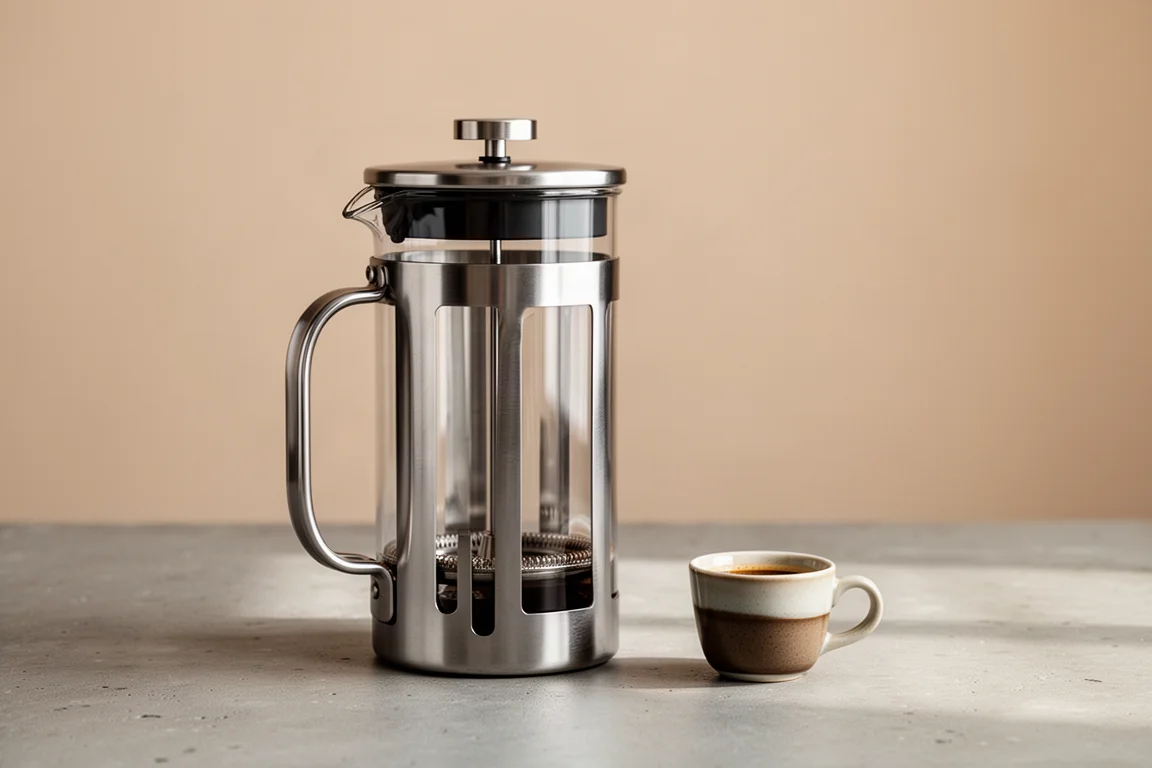
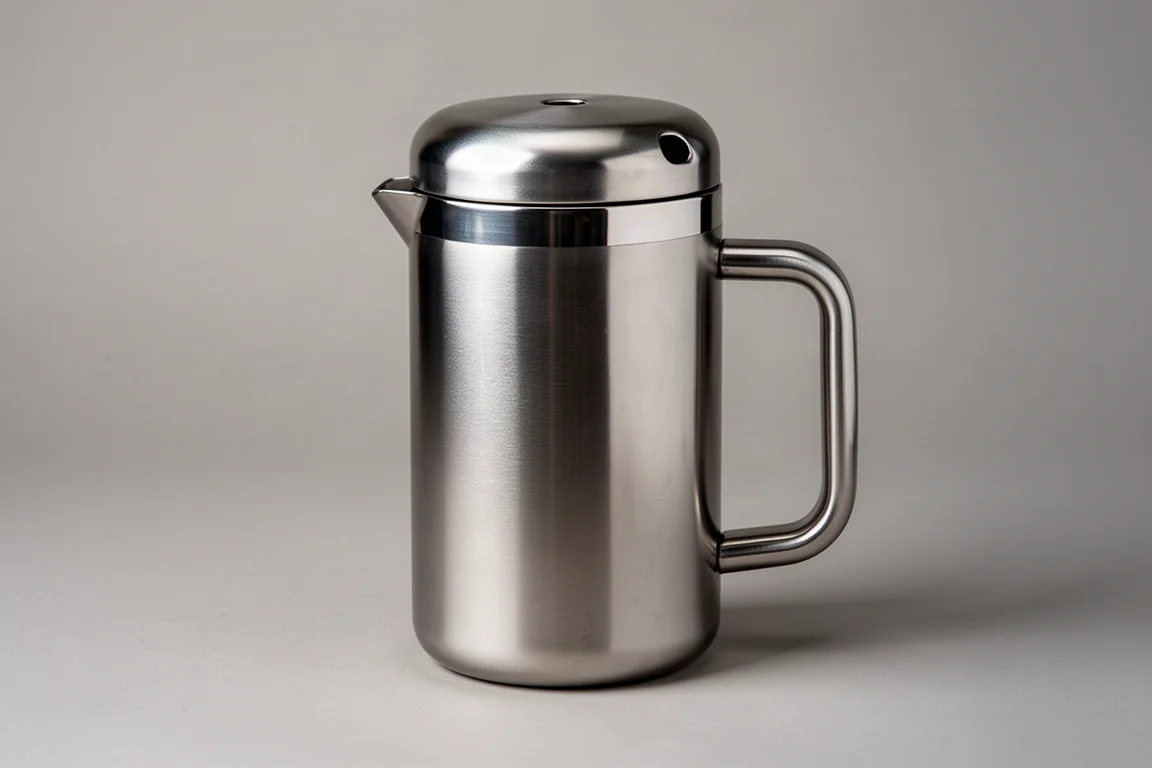
The YETI Rambler tackles the same problem with a different execution: a fine metal mesh, a silicone fin around the edge, and a silicone flap disc on top of the stem that lifts to let coffee through while holding back particles that made it past the filter. It is an insulated pot, in keeping with a brand known for coolers. The trade-offs are real, though. The lid is genuinely hard to press and to remove, even empty. There is a permanently open hole in the lid, so your hand sits near hot steam and potentially hot coffee while pressing. It is also heavy even when empty, which makes it a poor choice for anyone with mobility issues.
Build Materials: OXO GroundsLifter and Le Creuset
If you have ever shattered a glass carafe, material choice suddenly matters a lot. Stirring the grounds before pressing largely solves the pressure problem, so glass is not off the table, but it does require care.
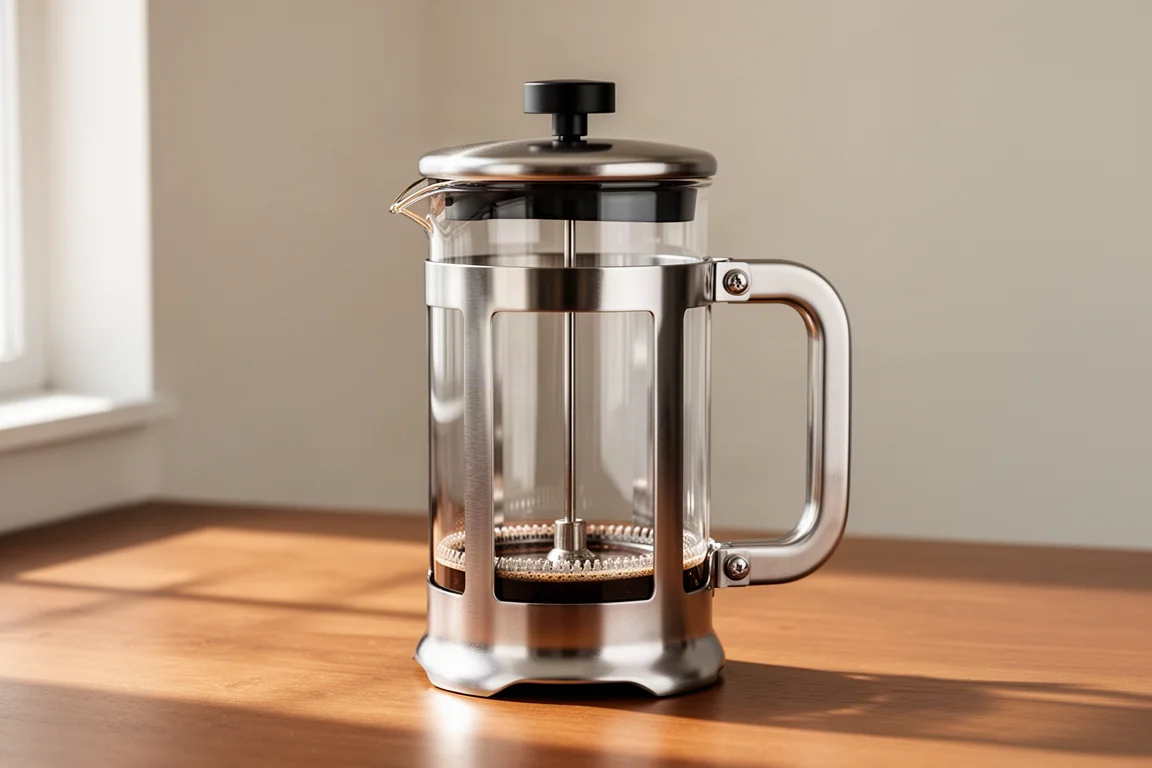
The OXO GroundsLifter pairs a glass carafe with a very large stainless steel holder that offers more protection than the small wire bars on the classic Bodum frame. Its party trick is the GroundsLifter, an extra device that lifts used grounds out after brewing. In practice, it removed some of the grounds but not all of them, and it adds another piece to wash and keep track of. It did not help enough to feel worthwhile.
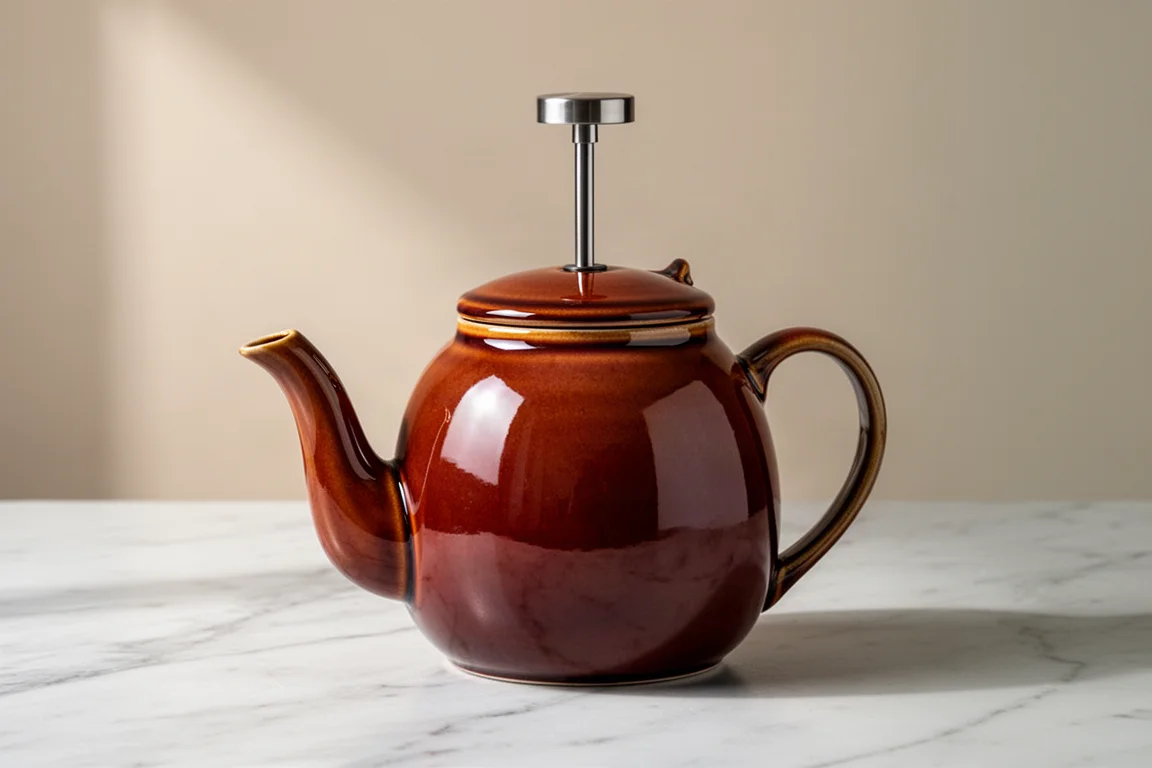
The Le Creuset French press is ceramic throughout, more like a teapot than a cast iron pot. If you are worried about breaking anything while pressing, stirring, or pouring, ceramic removes that worry entirely. It also happens to look at home on a kitchen shelf, though it does not share the insulating virtues of stainless steel.
Capacity and Top Opening
Most French presses hold about 34 ounces, which is marketed as an eight-cup pot, though coffee cups run four to six ounces, never the eight of a kitchen cup. Realistically, think of a 34-ounce press as a one-to-two person pot, and some brew only a single large serving at a time.
The Stanley Classic Stay Hot French Press holds 48 ounces, which stretches to three or four people with normal-sized cups. It is stainless steel, double walled, and keeps coffee genuinely hot, yet it is not heavy to handle.
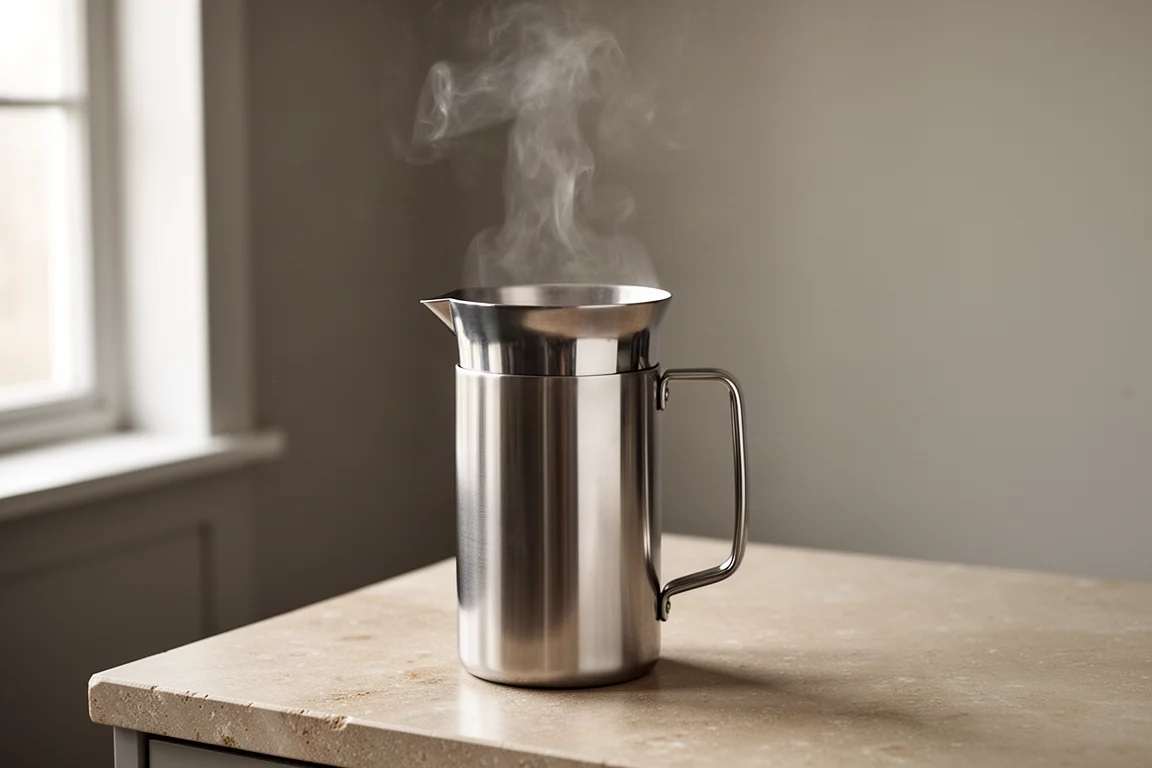
The width of the top opening turned out to matter more than expected. The Stanley’s opening is much wider than narrower competitors like the Frieling, and when you are pouring near-boiling water before your first coffee of the day, a bigger target is a kindness. Small friction points add up.
Lids and Spouts That Hold the Heat
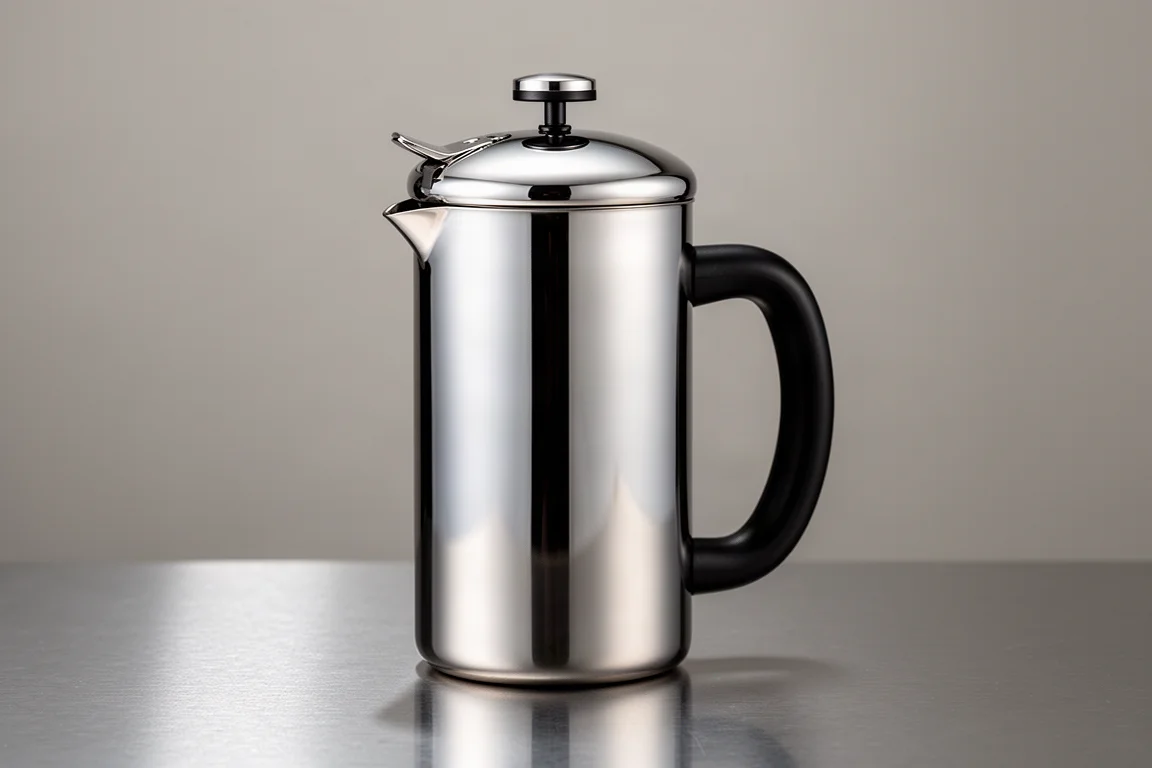
While the coffee steeps, lids and spouts with openings that never close simply let heat escape, and temperature is exactly what you want to protect. The YETI’s permanently open hole is the obvious offender, cooling your coffee before you get to drink it.
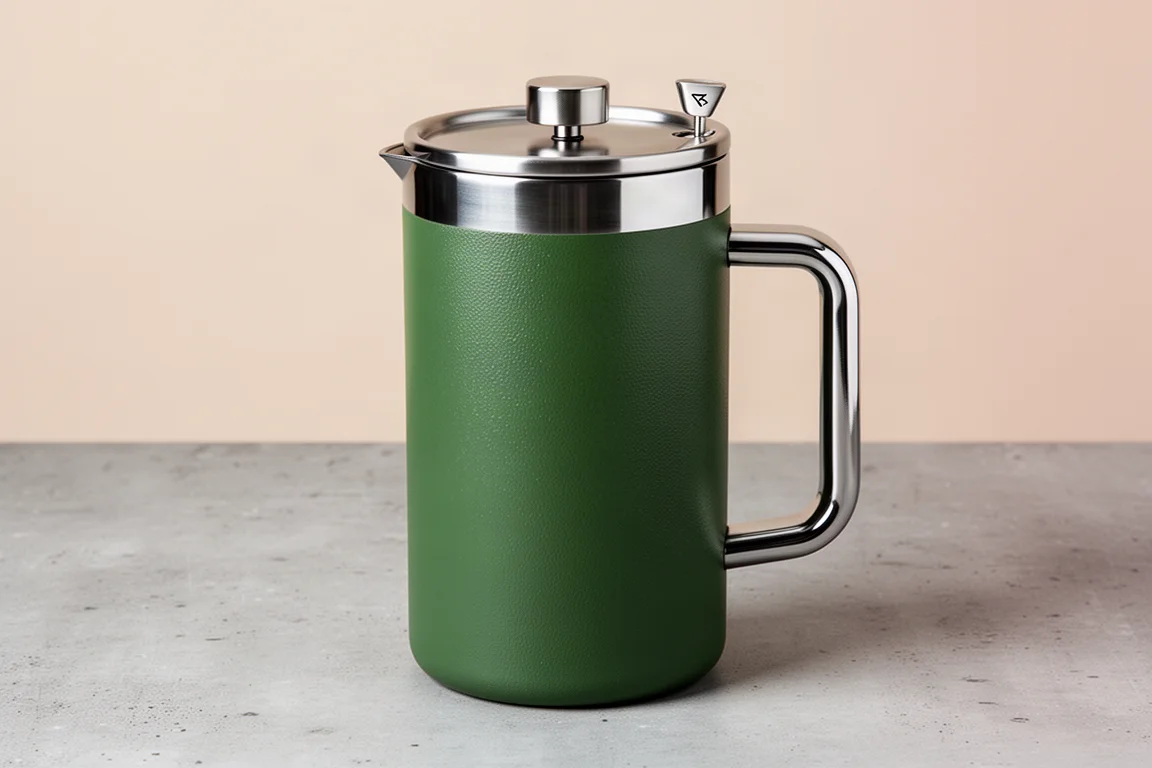
The design we loved most is the simplest: a rotating spout cover with an arrow. The Stanley Classic Stay Hot uses this, and so does the Bodum Columbia. Arrow toward the spout, it is open. Arrow away, it is completely sealed, so heat stays in and nothing spills. When it is time to pour, there is no squinting or twisting the lid around to find the opening.
Cleaning and Grounds Removal
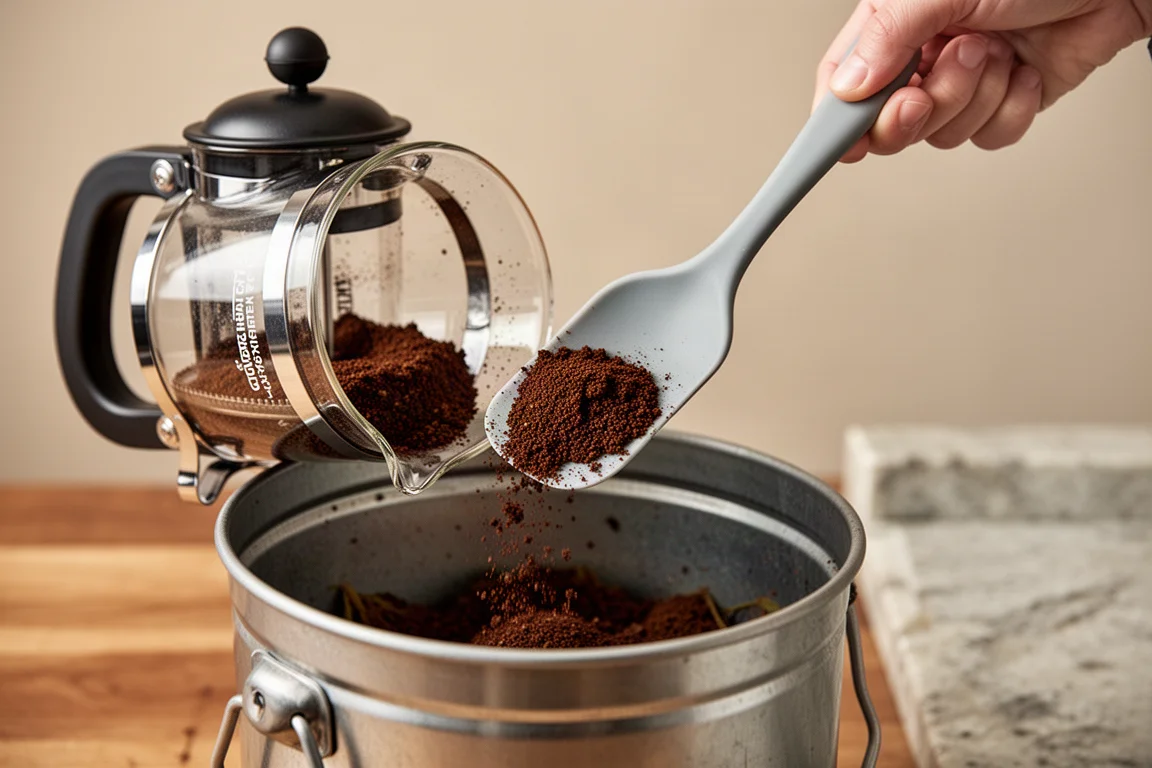
After brewing, the spent grounds sit compacted at the bottom and will not fall out when you tip the pot. The reliable routine is simple: let it cool, scoop the grounds out with a wooden spoon or silicone spatula (they compost beautifully), then wash with warm, soapy water to strip the coffee oils that build up on the screens and turn bitter over time. Rinse well and air dry.
The Espro P7 is honest about requiring more effort. The double-filter basket takes a bit more rinsing and scrubbing to clean properly. If a clean, particulate-free cup is what you are after, the extra minute is a fair trade.
Overall Buying Advice
You can make good French press coffee in any of these pots if you use the coarse-grind, four-minute, stir-before-pressing method. The pot is really about your priorities. If you want the traditional full-bodied cup, the Bodum Chambord is our best buy with great performance at a good price. If suspended particles ruin coffee for you, the Espro P7 delivers the cleanest cup. For big batches that stay hot, the Stanley Classic Stay Hot and the Bodum Columbia Insulated were the co-winners of our testing, both insulated and both easy to live with.
Conclusion
A French press rewards simplicity: the right grind, the right water temperature, four patient minutes, and a gentle stir before pressing. Pick the pot that matches your habits, whether that is a classic glass carafe, a clean-cup double filter, or an insulated steel press that keeps the last cup as hot as the first, and the method does the rest.
Further reading
Related Reviews
Coffee Gear
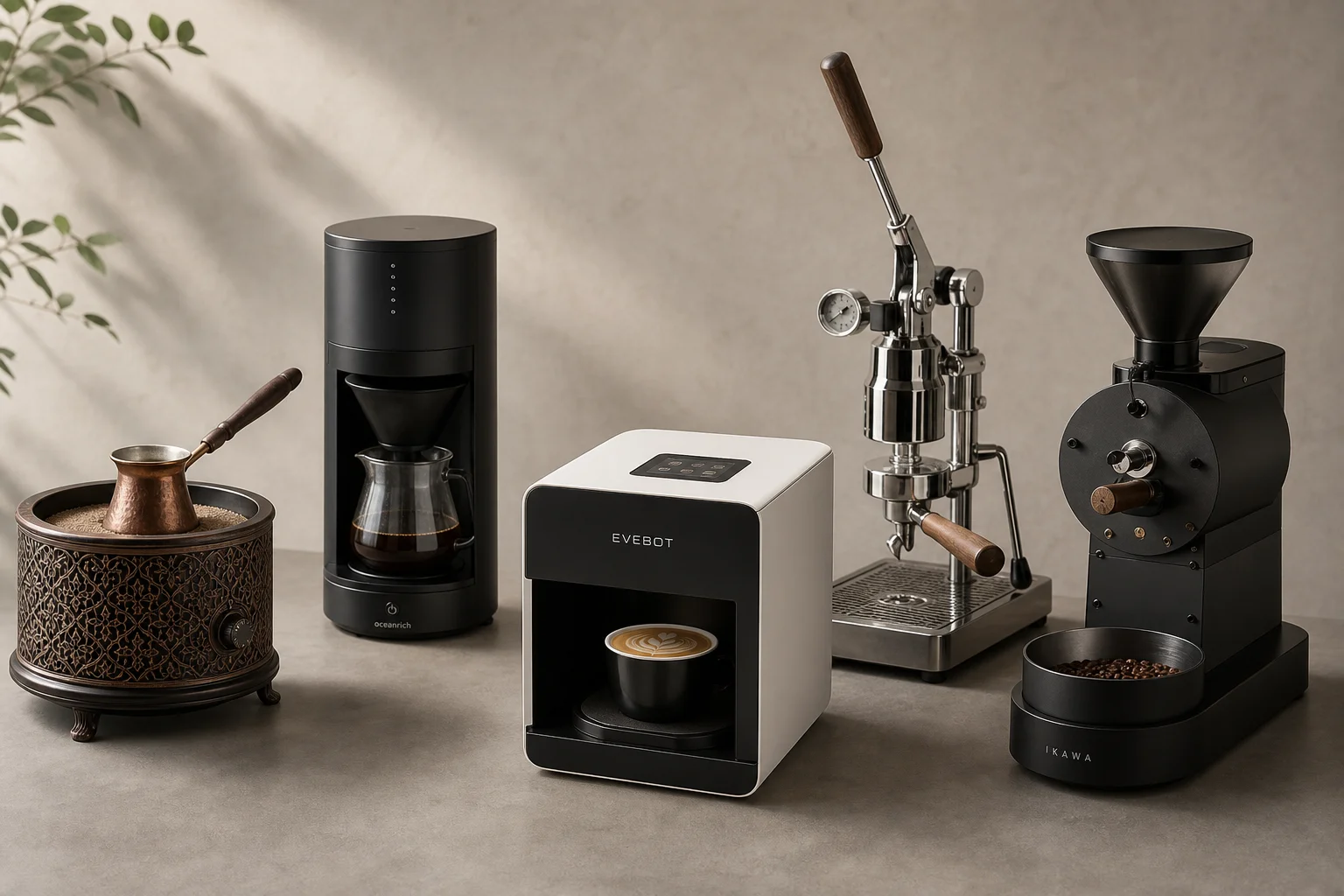
AliExpress Coffee Gear Review: Five Products Worth Testing
A practical look at five coffee tools from AliExpress, including a sand heater, automatic brewer, latte art printer, espresso machines, and home roaster.
Coffee Gear
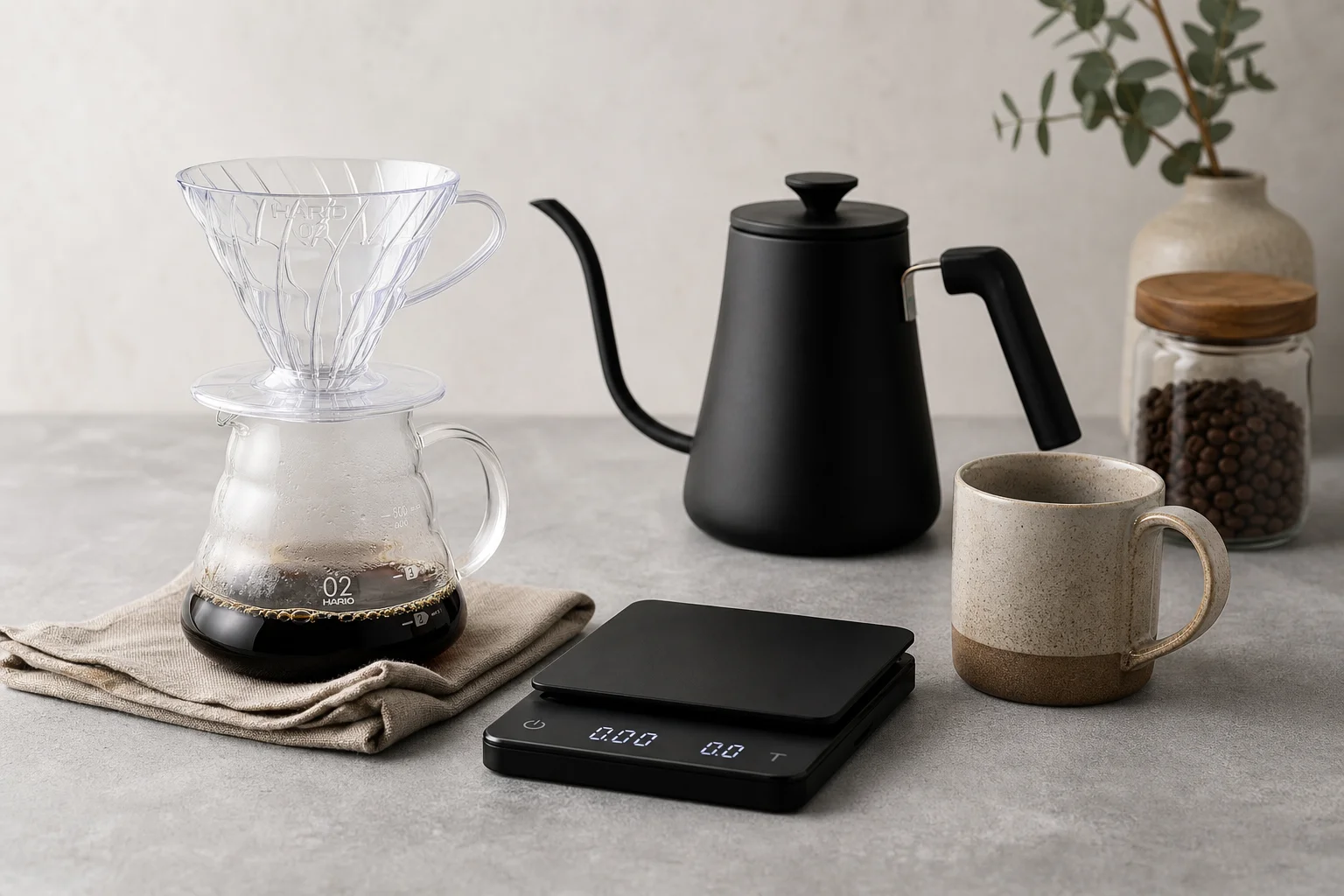
Coffee Gear Pourover Review: Three Budget Tiers for Every Brewer
A practical guide to building a pourover coffee setup at three price points: under $50 for beginners, under $200 for enthusiasts, and $500+ for serious home brewers.
Coffee Gear
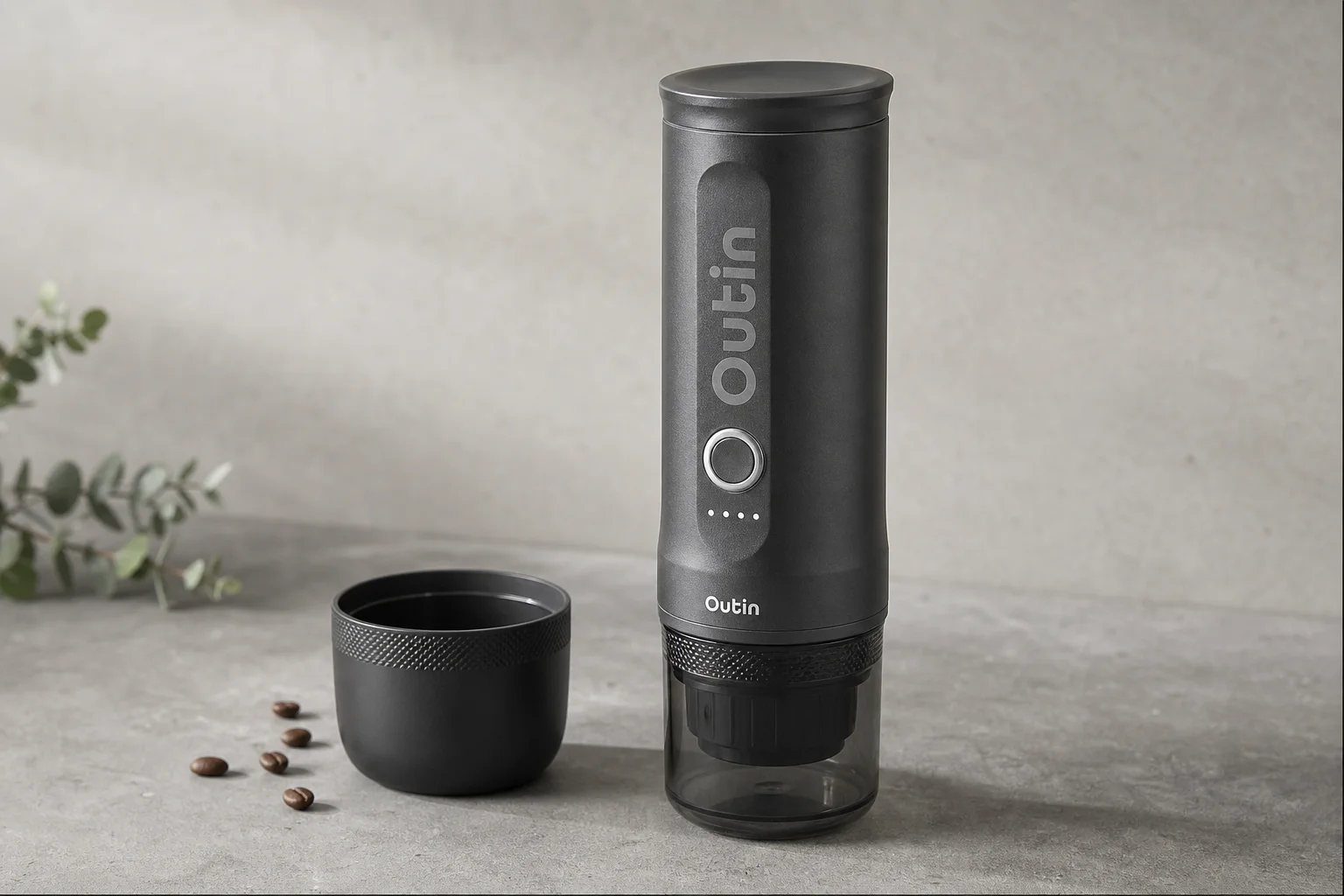
Outin Nano Portable Espresso Maker Review: Travel Coffee That Falls Short of Promise
The Outin Nano promises all-in-one espresso brewing with built-in heating, but temperature control issues and inconsistent extraction undermine its appeal as a travel companion.