Backpacking Food
Best Freeze-Dried Candy for Backpacking: Five Sweets Worth the Pack Space
A practical look at freeze-dried candy for backpacking, covering which sweets turn crunchy, which keep their chew, and which ones are better left as they are.
Introduction
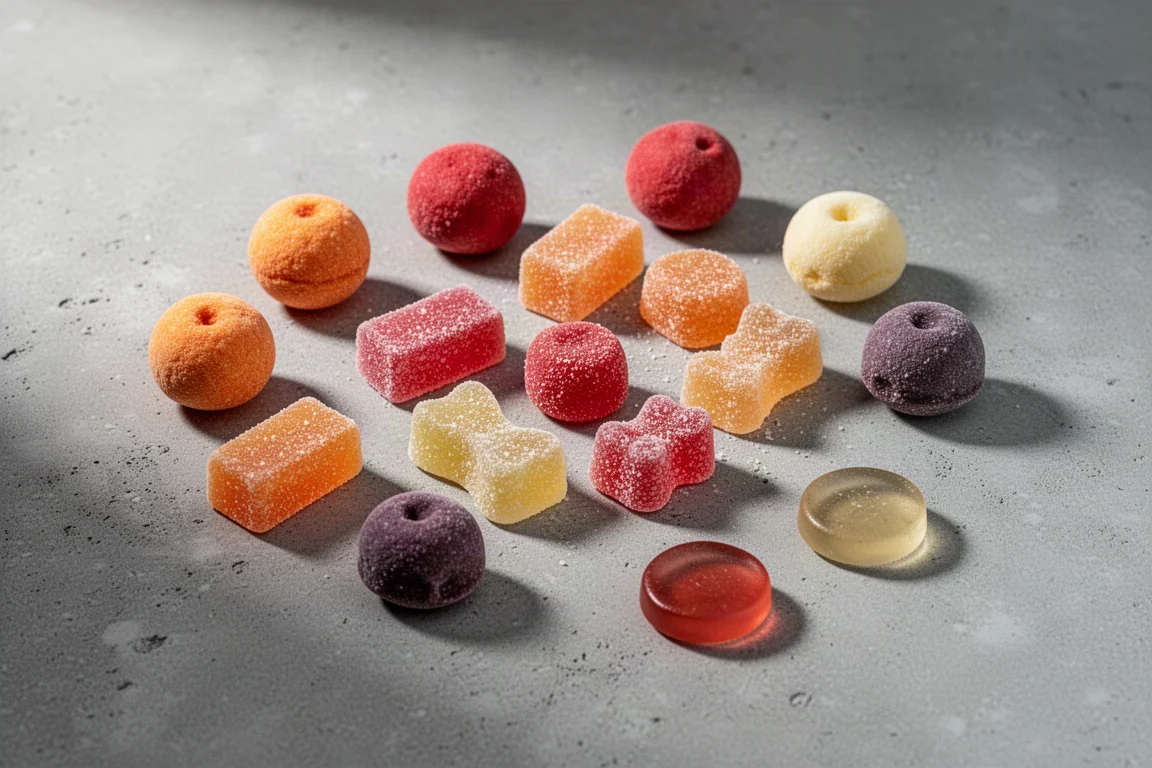
Candy is one of the few trail foods that earns its weight twice over. It is calorie dense, it needs no cooking, and it delivers a real morale lift when the day runs long or a serious climb is coming up. Some long-distance hikers lean on it heavily, taking in thousands of calories a day from sweets alone when nothing else appeals.
Freeze-drying takes that idea a step further. The process pulls moisture out of the candy, which cuts carried weight and changes the texture in ways that are sometimes excellent and sometimes disappointing. This guide covers five candies that went through a home freeze dryer and then into the backcountry for a side-by-side tasting, plus what to check before you commit pack space to any of them.
How Freeze-Drying Changes Candy
A freeze dryer freezes the candy and then pulls the ice out as vapor under vacuum. What is left behind is a dry, porous version of the original sweet. Because water is the heaviest component of most candy, the weight that comes off is meaningful, and the pieces often puff up as they dry.
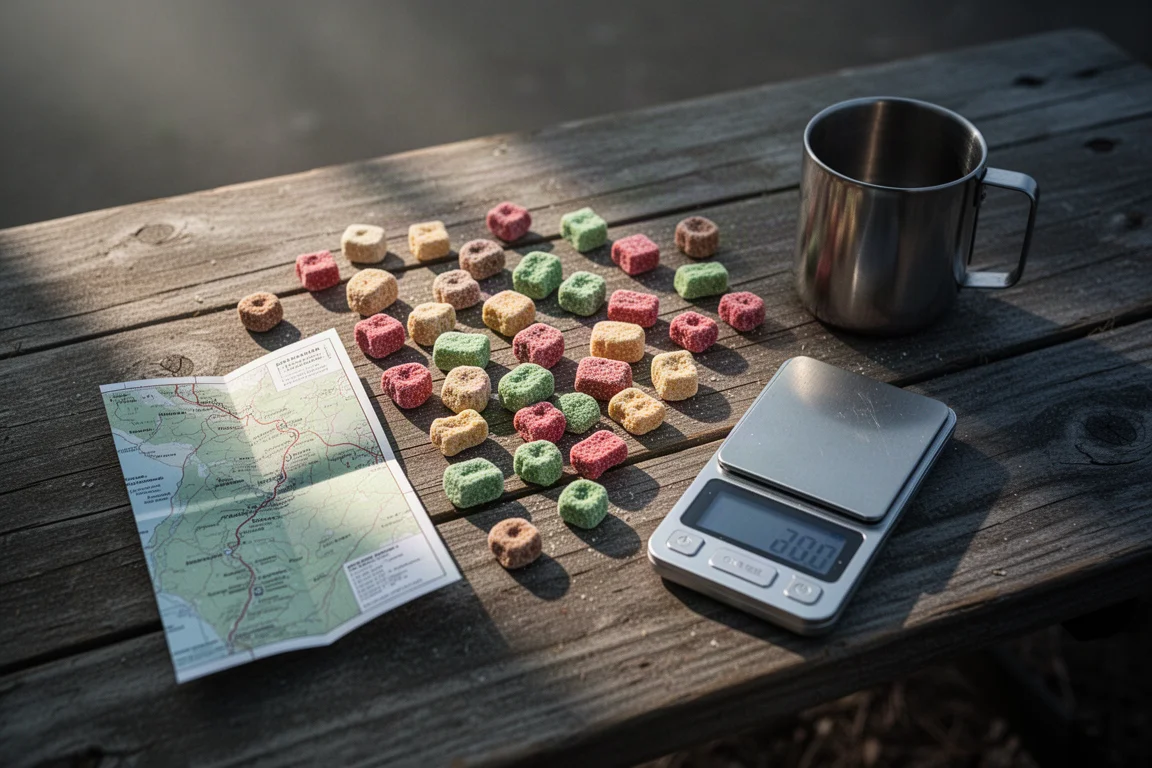
Texture is where the results diverge. Chewy candies tend to become firmer or brittle, hard candies can develop air pockets inside, and gummy pieces sometimes turn crunchy at the edges while keeping some chew at the core. Chocolate is the clear exception. It does not crisp up; it melts and collapses into a soft caramel-like mass, which makes it a poor candidate for this treatment.
Best Overall: Freeze-Dried Skittles
Skittles produced the most dramatic and most useful change of the whole batch. The pieces expanded noticeably and turned crunchy, and the chewiness that normally glues them to your teeth disappears completely. For a trail snack that is a genuine upgrade: the same fruit flavor without the sticky cleanup, in a lighter form that is easy to eat while walking.
The tasting panel landed on Skittles as the consensus favorite, and it was the candy that changed the most compared with its original state. If you only try one freeze-dried candy for backpacking, this is the place to start.
Best Chewy Option: Freeze-Dried Hi-Chew
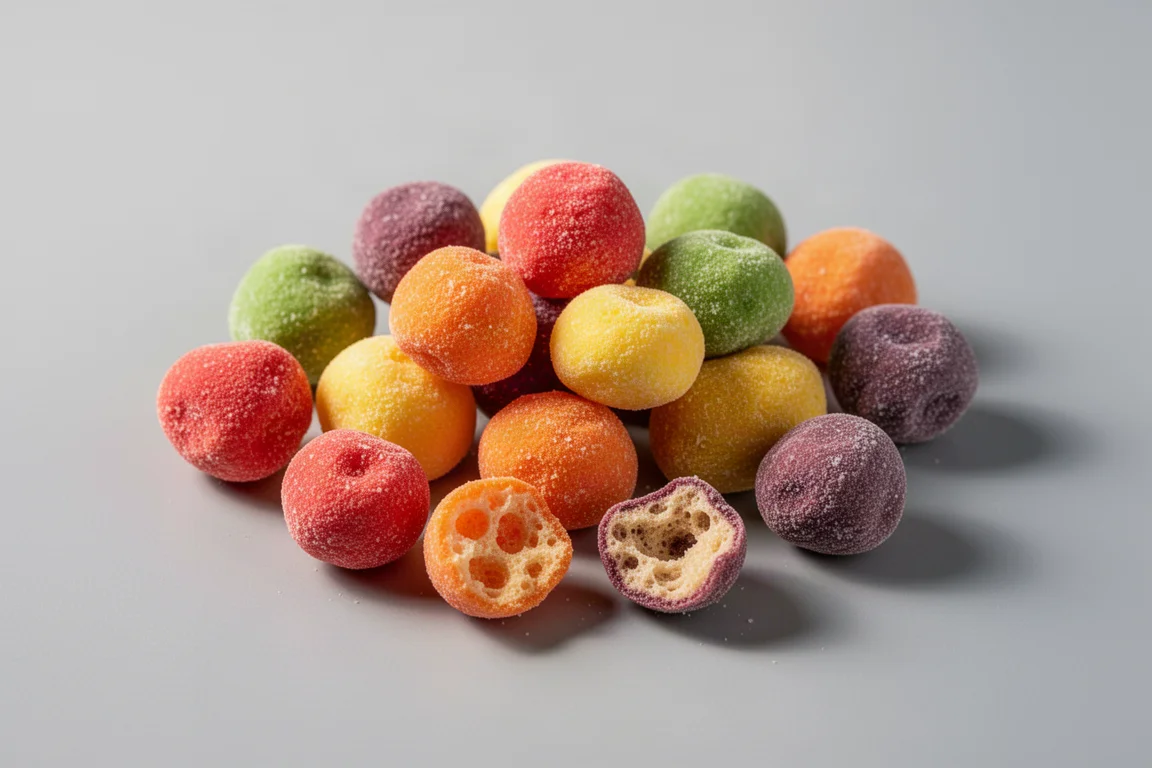
Hi-Chew handled freeze-drying better than almost anything else in the batch. The pieces came out firm on the outside with a soft, chewy center still intact, which is a rare outcome for a candy built around a dense chew. Tasters rated it among the best textures of the group, and the fruit flavors, grape included, came through clearly.
If you want a candy that keeps a satisfying chew rather than turning into a crisp, this is the strongest choice here. It also suits anyone who finds fully crunchy candy tiring to work through over a long day.
Best Sour Option: Freeze-Dried Sour Patch Kids
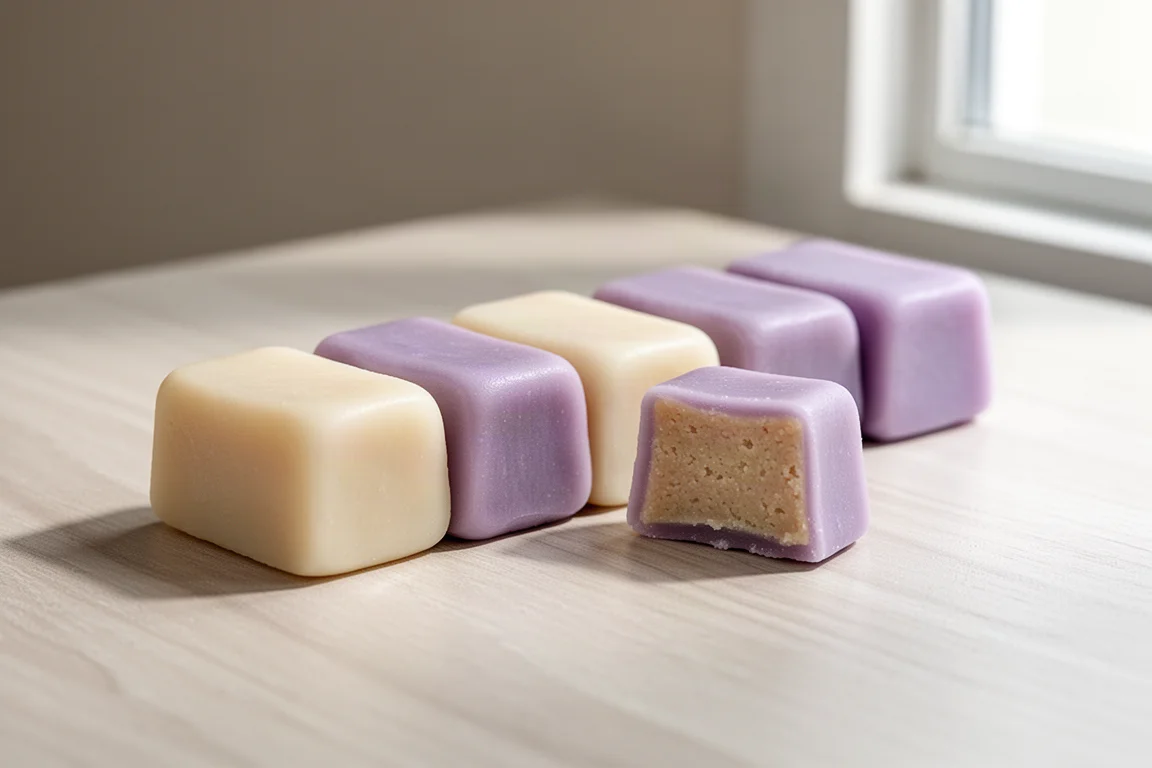
Sour Patch Kids barely changed in appearance after freeze-drying, and the texture shift was subtler than with Skittles. The pieces came out noticeably harder, and more than one taster compared the result to a stale piece of candy. Opinions were split as a result: some liked the firmer bite, others preferred the original.
That makes this a conditional pick. If you already enjoy a hard, slow chew and want the sour coating on the trail, they work fine. If you are hoping freeze-drying will transform them the way it transforms Skittles, expect a much smaller difference.
Best Bold Flavor: Freeze-Dried Jolly Ranchers
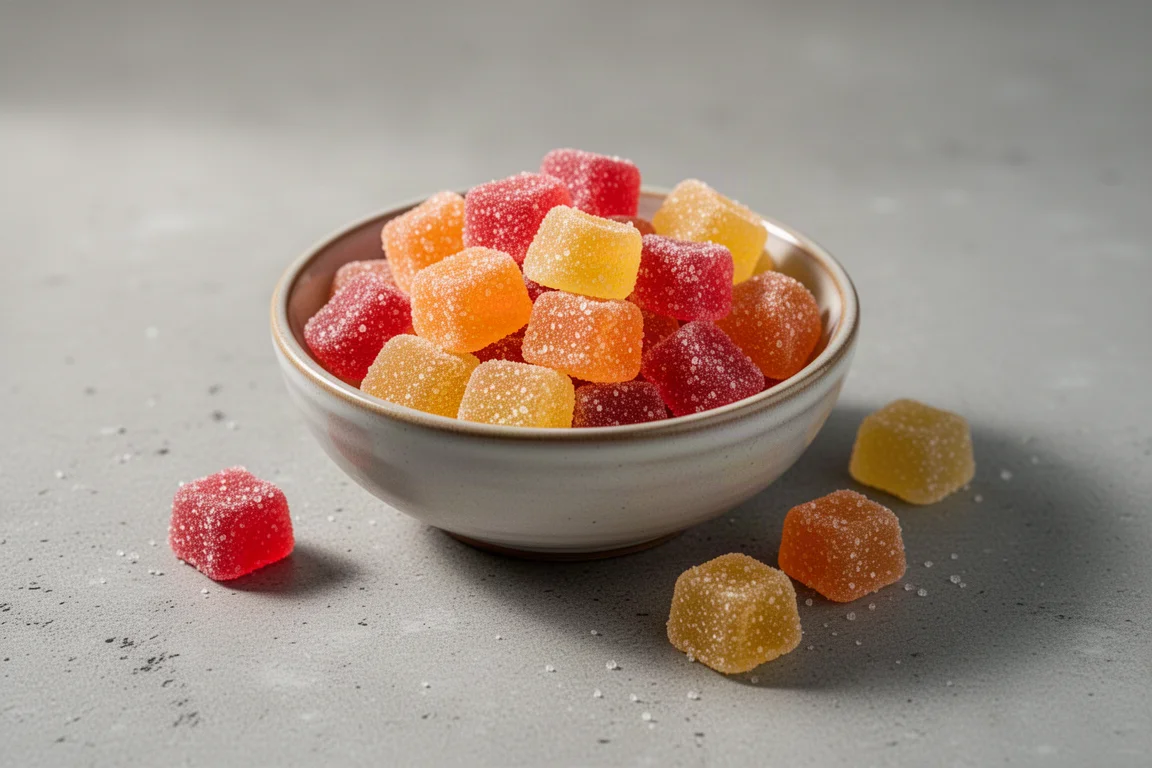
Jolly Ranchers took on an unexpected quality. The freeze-drying process left air bubbles inside the candy, which gives the finished pieces a faintly carbonated feel and a lighter crunch. The flavor stays intense and a single piece lasts a long time, which makes them efficient to carry.
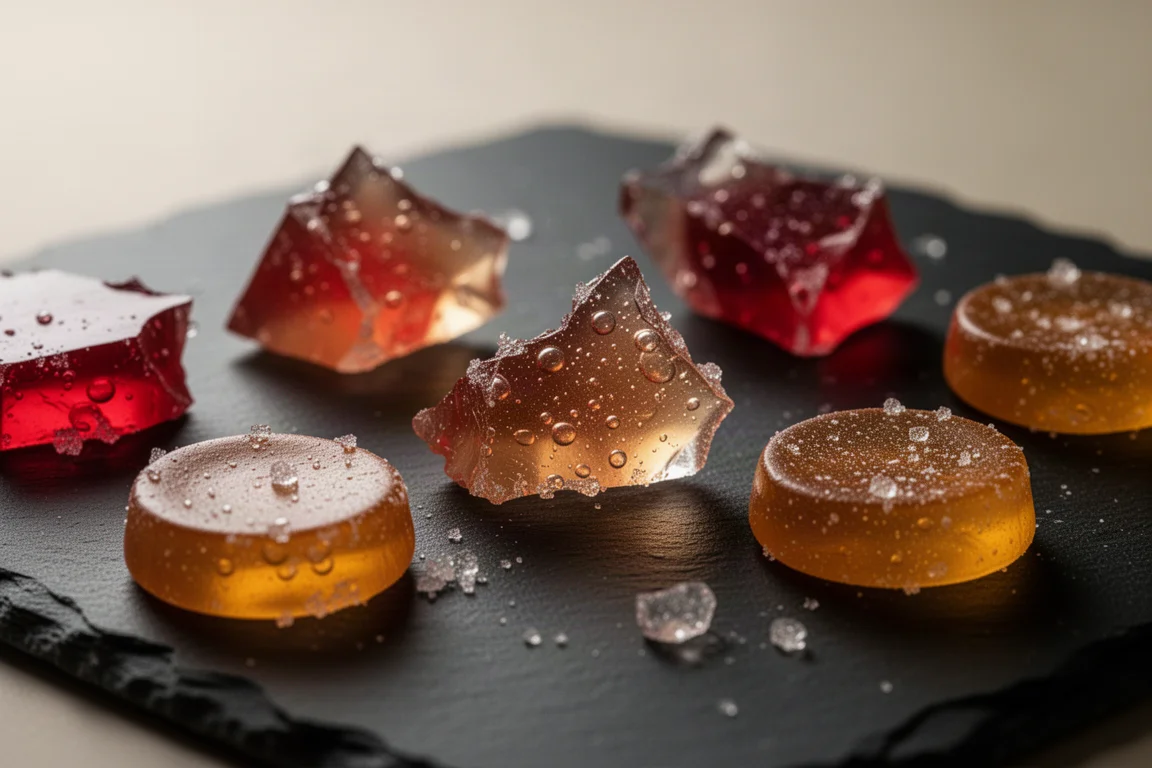
The trade-off is hardness. These stay extremely hard after processing, so bite down carefully rather than crunching straight through. Handled sensibly, they are a strong choice for anyone who wants maximum flavor per gram.
What Did Not Work: Freeze-Dried Mini Starbursts
Mini Starbursts are a good reminder that not every candy improves. The pieces turned very hard and lost the soft, pliable chew that makes the original appealing. The texture simply was not there, and the panel rejected them.
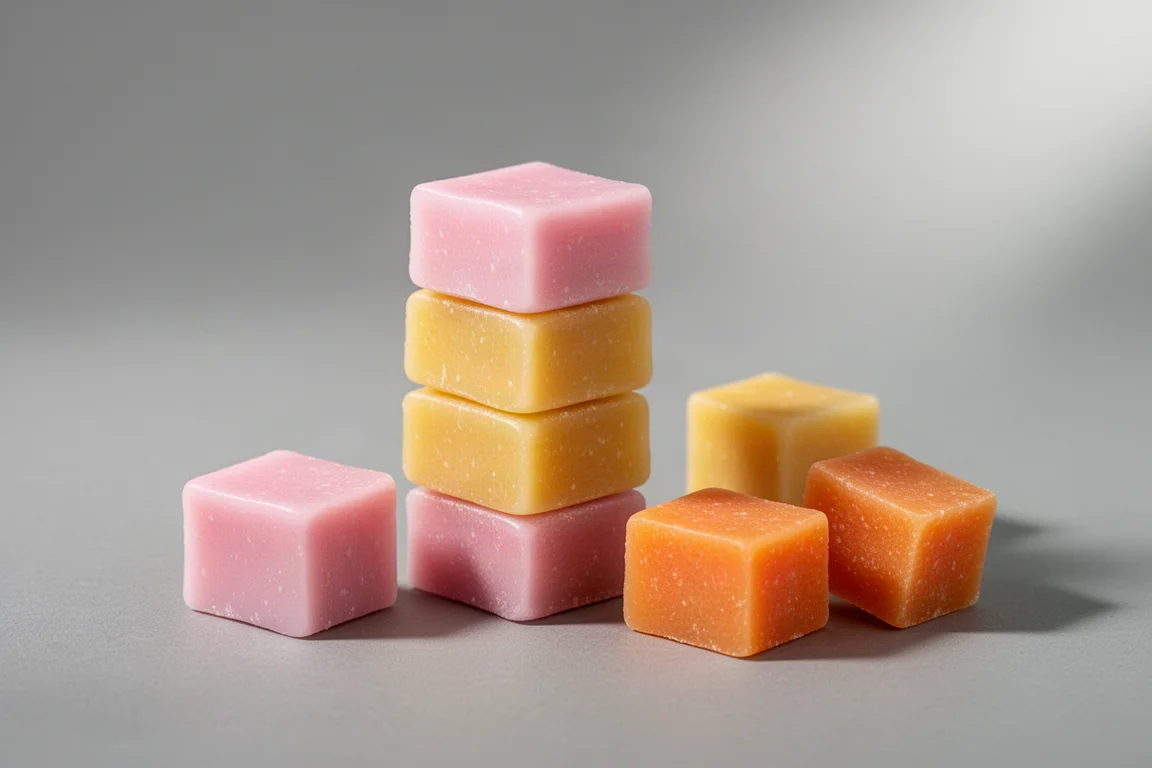
Other candies in the same batch followed a similar pattern. Mambas came out with a texture compared to a marshmallow left in a package for years, Peachie O’s turned intensely crunchy before going sticky in the mouth, and Hot Tamales barely changed at all. These are less failures of the process than mismatches between the candy and the technique.
Buying Advice for Freeze-Dried Backpacking Candy
Start with candy that has a firm chew or a hard shell. Skittles, Hi-Chew and hard candies such as Jolly Ranchers responded best, while soft chews and anything chocolate based are the weakest candidates. Chocolate in particular should stay out of the freeze dryer, since it melts instead of drying.
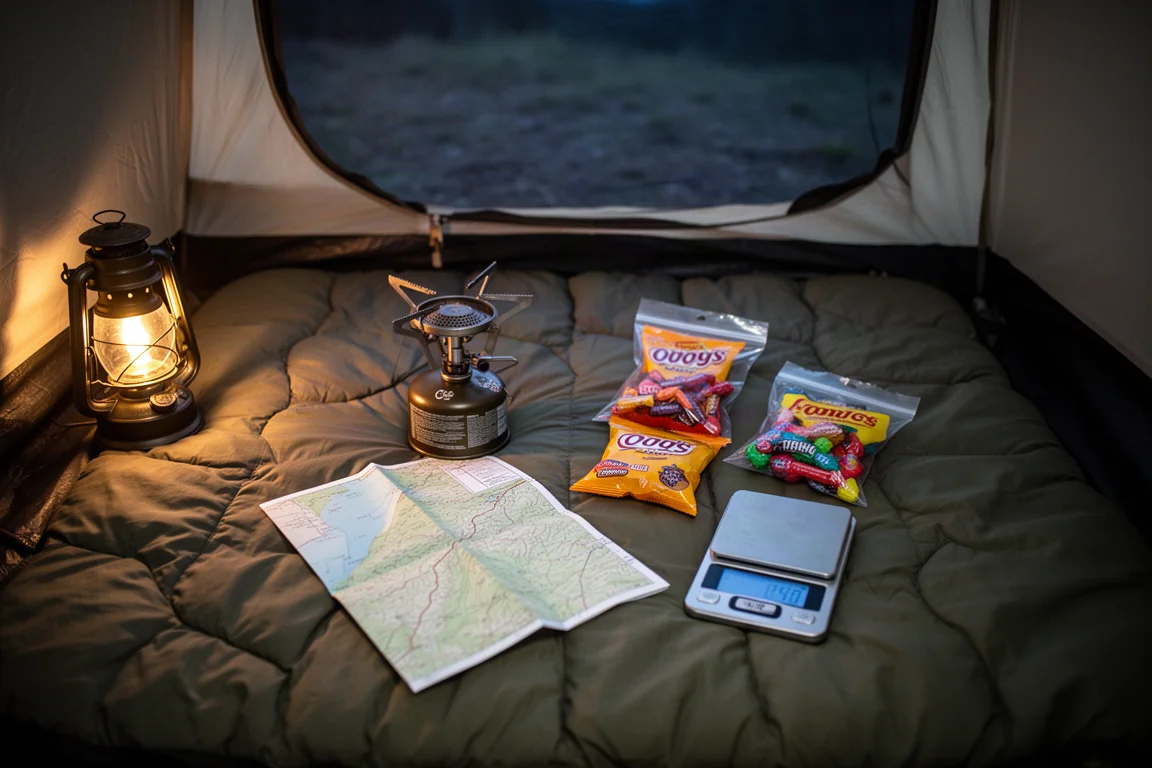
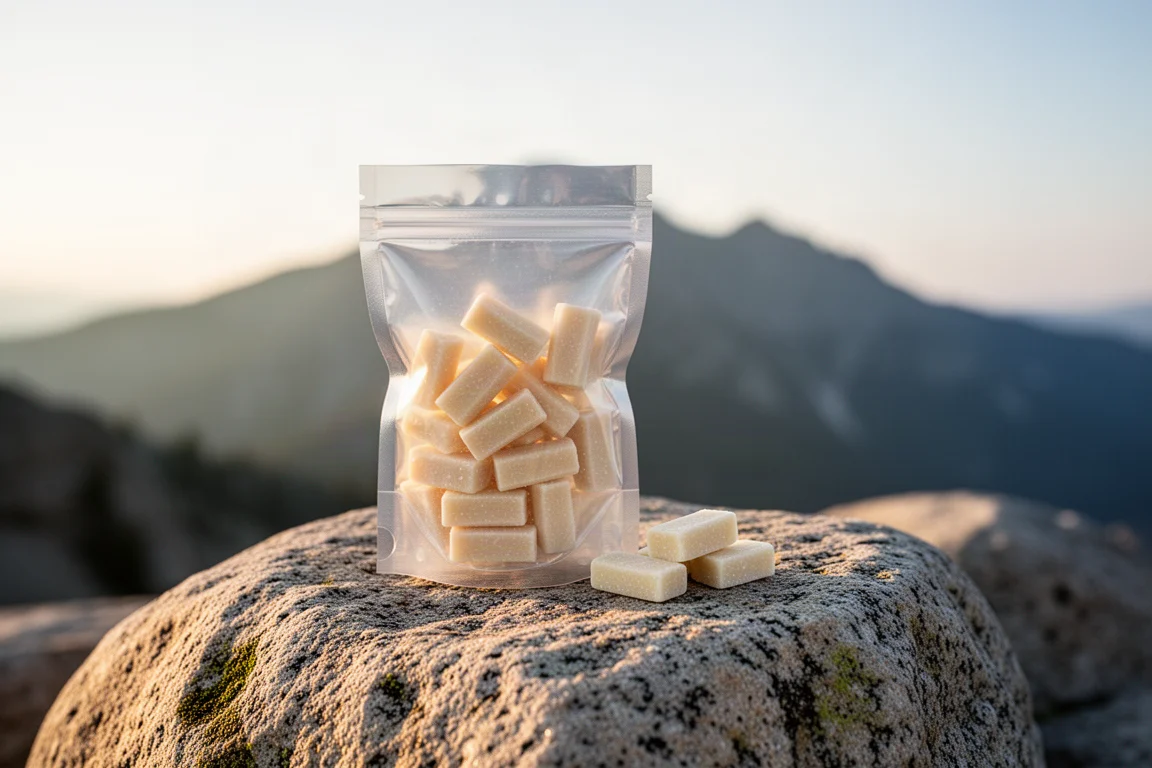
Run a small test batch before committing a full bag to a trip. Texture varies by candy type, and a few pieces will tell you more than any general rule. Once you know what works, portion the finished candy into resealable bags, keep it with the rest of your food, and treat it as both a calorie source and a morale item for the hardest sections of the day. Buying standard multi-packs and processing them at home is usually the most economical route, since freeze-dried candy is rarely sold in trail-friendly quantities.
Conclusion
Freeze-dried Skittles were the clear winner in this batch, with Hi-Chew close behind for anyone who wants to keep a real chew. Sour Patch Kids and Jolly Ranchers are worth trying if their specific textures appeal to you, and Mini Starbursts are best left as they are. The broader lesson is simple: candy that is already firm or crunchy tends to improve, while soft, sticky or chocolate-based sweets rarely do.
Further reading
Related Reviews
Backpacking Food
Best Backpacking Food for Thru-Hikes: 7 Options That Stay Appetizing
Seven trail-tested foods that hold their appeal over a long thru-hike, from calorie-dense breakfasts and easy snacks to cold-soak lunches and electrolyte drink mixes.
Backpacking Food
Weird Backpacking Food Worth Trying: 11 Trail Snacks and Meals That Earn Their Weight
Eleven unusual backpacking foods, from tinned spicy mussels and fermented crackers to chocolate-covered banana chips, judged on weight, calories, prep time and flavor.
Backpacking Food
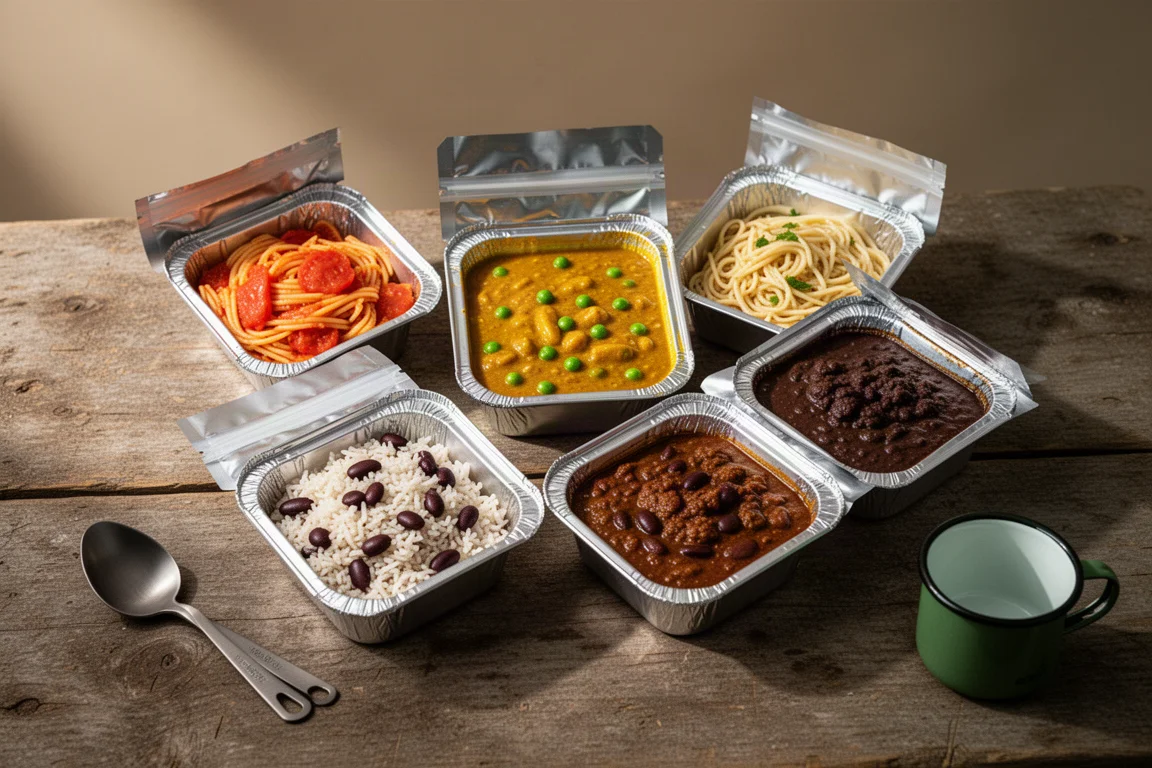
Backpacker's Pantry Dehydrated Meals: 13 Backpacking Dinners Compared
Thirteen Backpacker's Pantry dehydrated meals compared on flavor, texture, portion size, and variety, with clear picks for different trip styles.